Walmart’s Sudden Self-Checkout Shift Is Jolting the Multi-Billion-Dollar Retail World
Walk into a Walmart these days and you might encounter something odd. The self-checkout lanes you relied on? They could be roped off, completely vanished, or suddenly reserved for subscription members only. It’s an unexpected pivot that’s sending shockwaves through an industry that bet big on automation. Retail giants from Target to Dollar General are scrambling to rewrite their playbooks. Let’s dig into what’s really happening behind those cordoned-off kiosks and why it matters far beyond your weekly grocery run.
The Quiet Reversal No One Saw Coming
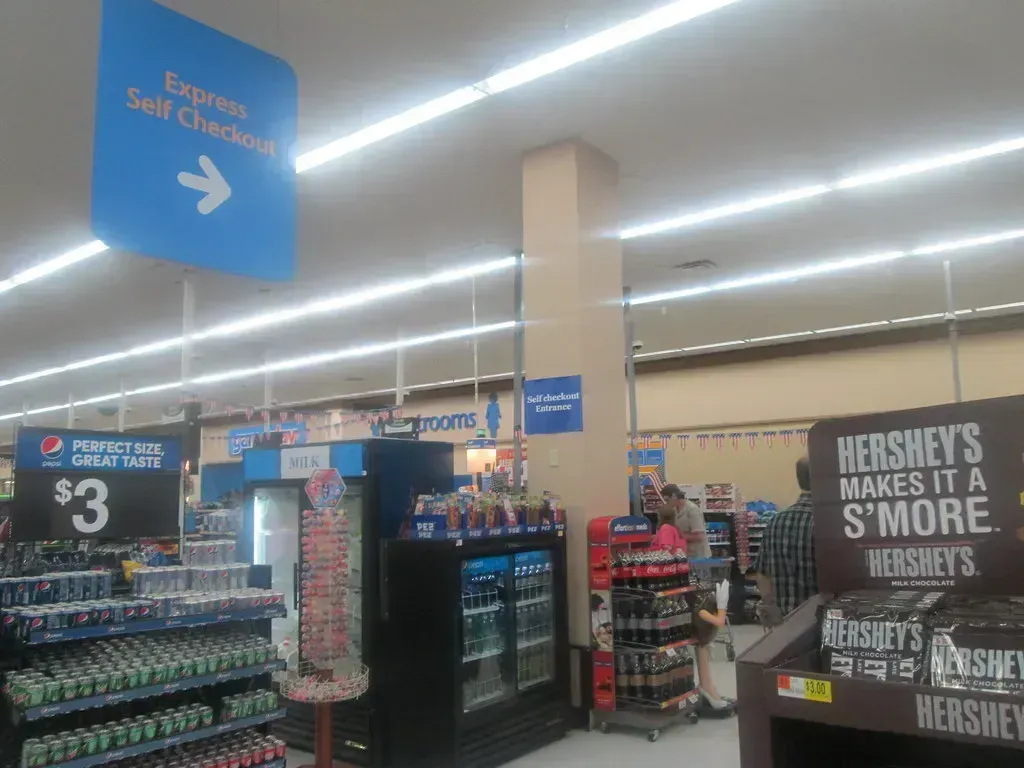
Stores in St. Louis, Missouri, and Cleveland, Ohio have scrapped self-checkout machines entirely in favor of traditional checkout lanes, signaling a dramatic reversal. Walmart already removed self-checkout lanes from three stores in New Mexico last year, testing the waters before expanding the experiment. Store managers now have discretion to pull the plug on automated lanes based on theft patterns, customer complaints, and staffing availability.
Here’s the thing nobody expected: this isn’t just about a few pilot stores. In March 2024, a mispricing problem affected 1,600 stores, leading to incorrect prices at checkout due to system failures. Technical glitches, frustrated shoppers stuck waiting for assistance, and rising security concerns have all conspired against the once-promising technology.
Other Walmarts are designating self-service kiosks for Spark delivery drivers or Walmart+ subscribers only, creating a two-tiered checkout system that’s left regular customers fuming. Imagine showing up for a quick errand only to find yourself forced into traditional lanes while premium members breeze through.
The Billion-Dollar Theft Crisis Behind the Scenes
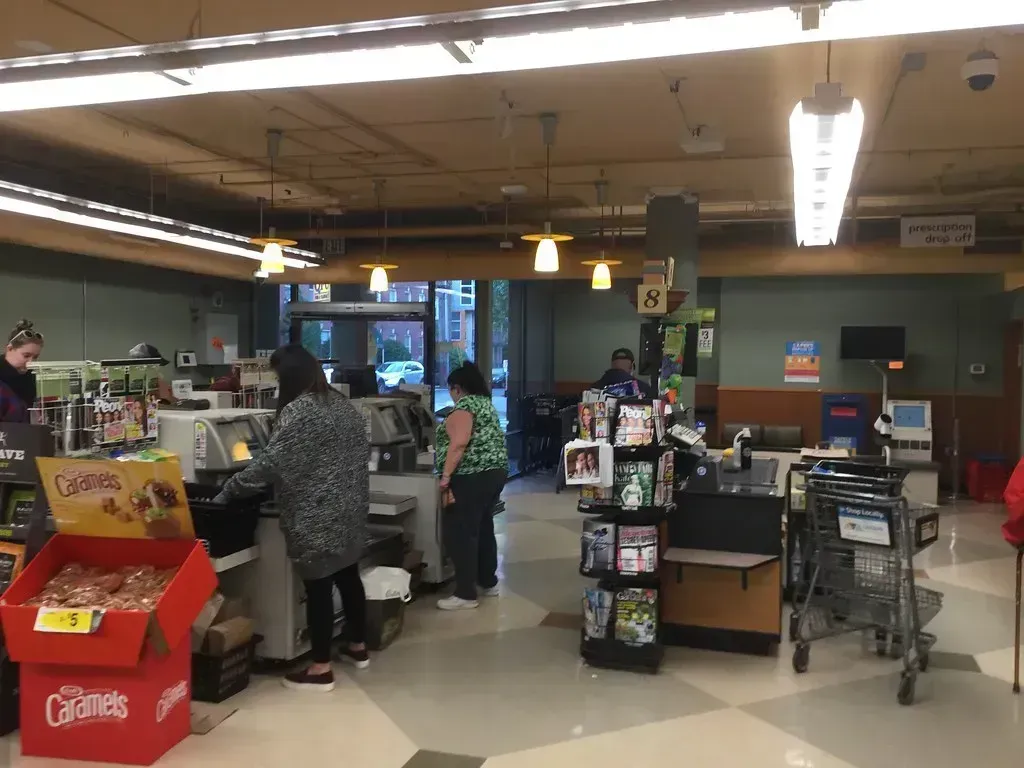
Walmart suffered losses from retail theft estimated at $6.1 billion in 2022 and $6.5 billion in 2023, with up to 50% of stolen losses coming from self-checkout theft. That’s not pocket change. It’s roughly equivalent to the GDP of a small nation disappearing annually through scanning “errors” and deliberate theft.
Research from Professor Adrian Beck from the University of Leicester published in 2022 found that larger retailers with around half of their sales made through self-checkouts should expect losses in the millions of dollars. Statistics show theft increases by up to 65% at self-checkout compared to a traditional checker, making the convenience factor suddenly look far less attractive to executives watching quarterly earnings.
Over 20 million Americans have stolen from a self-checkout kiosk, with 15% of consumers admitting to using self-checkout to steal and 44% of them planning to re-offend. Even scarier for retailers? Approximately one in five shoppers say they accidentally took an item from self-checkout without paying for it. Whether intentional or accidental, the financial hemorrhaging became impossible to ignore.
What Rival Retailers Are Doing Right Now
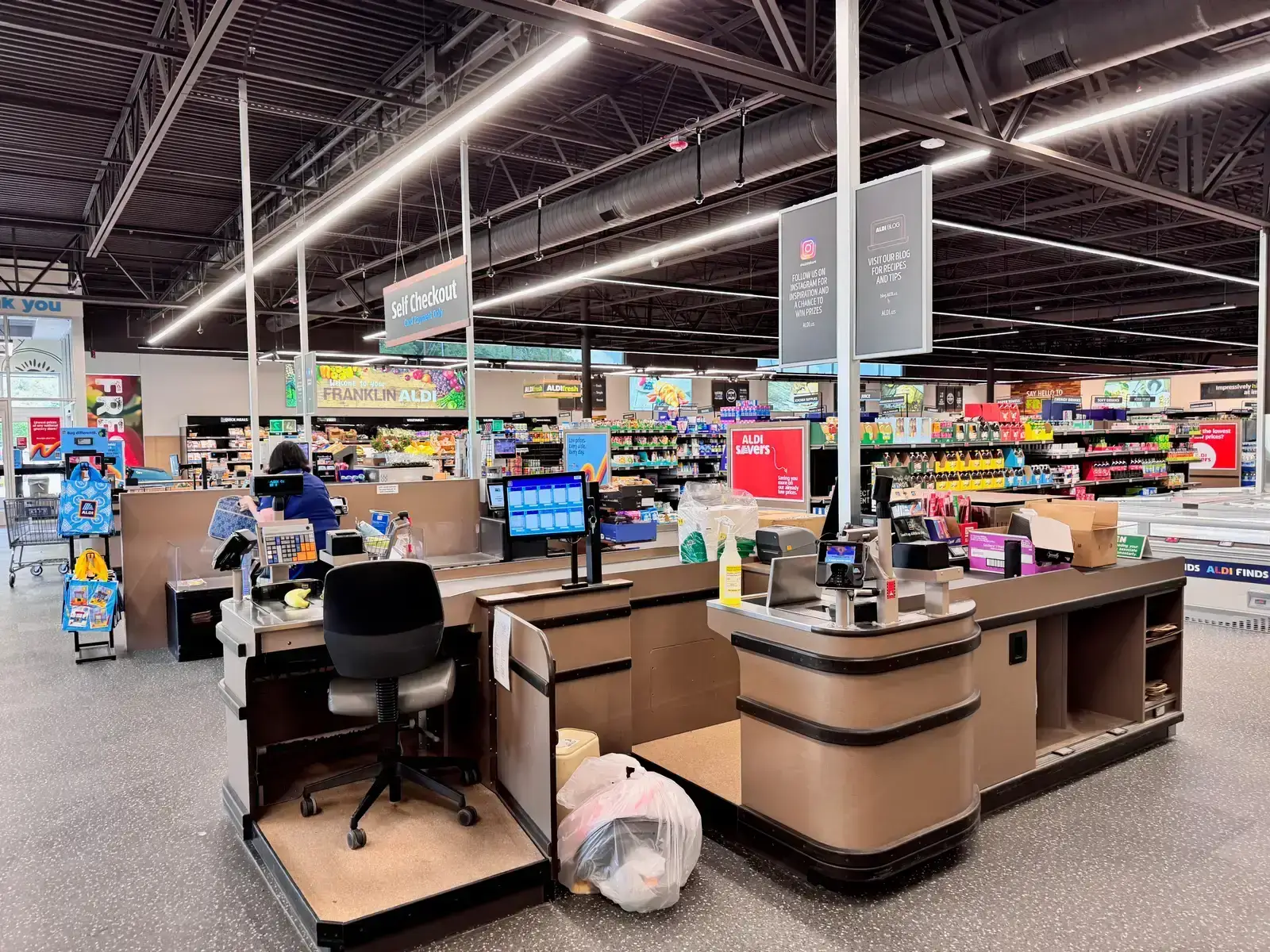
Target limited self-checkout lanes to 10 items or fewer, while Dollar General would reduce self-checkout at thousands of locations and remove it entirely from 300 locations most prone to shoplifting. It’s a coordinated retreat across the industry, driven by cold financial reality rather than customer preference.
Target reported that its express self-checkout lanes rolled out in March 2024 have increased customer satisfaction and reduced average transaction times by nearly 8%, proving that strategic limits can work when implemented thoughtfully. Still, other retailers face harsher choices.
Costco added more staff in self-checkout areas after finding that non-members were sneaking in to use membership cards that didn’t belong to them, noting that shrink had increased in part due to the rollout of self-checkout. Every major chain is fighting the same battle, testing different solutions while watching competitors closely for any edge.
The Multi-Billion-Dollar Self-Checkout Industry at a Crossroads
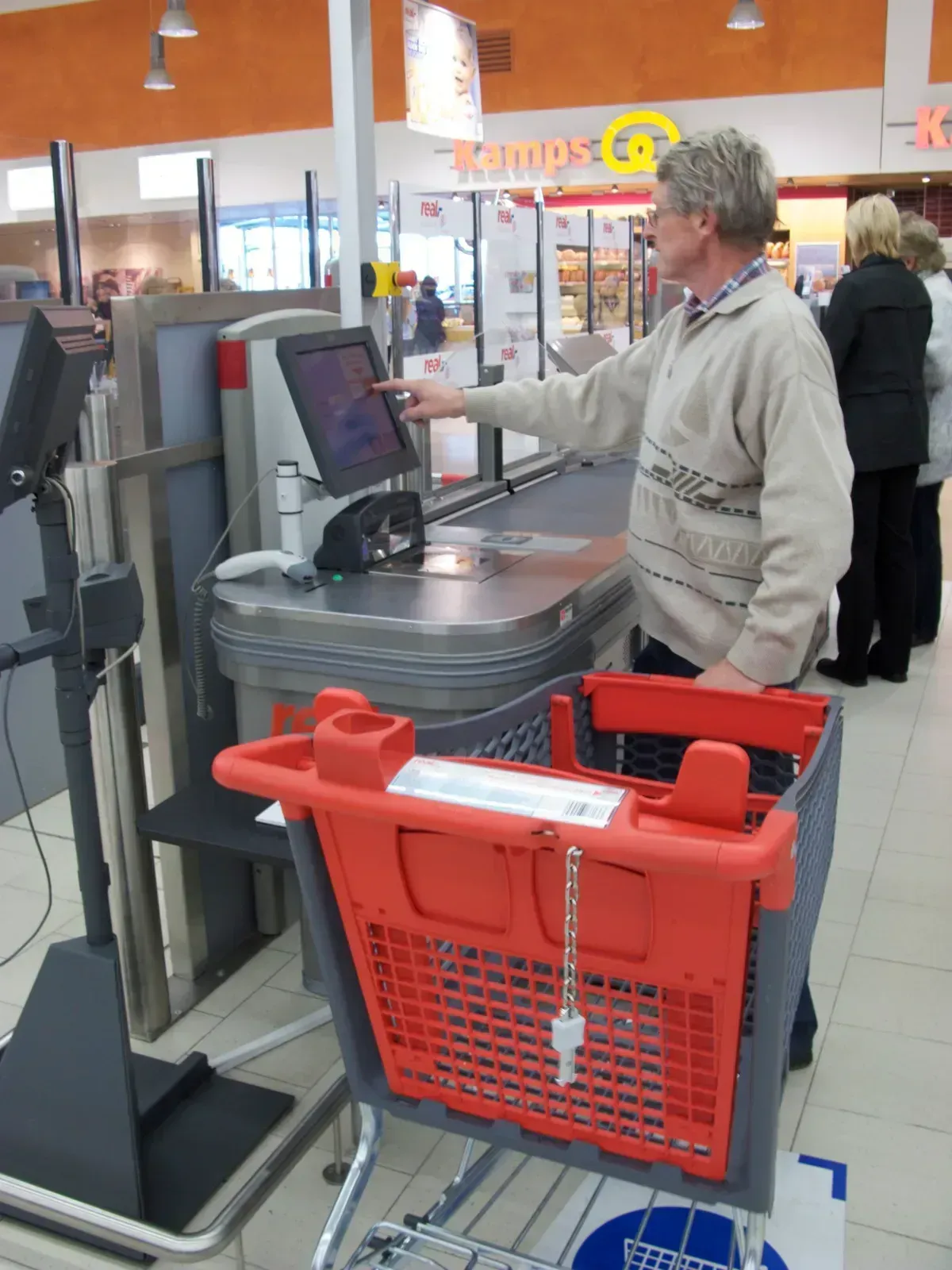
The global self-checkout systems market size was estimated at USD 4.9 billion in 2024 and is projected to reach USD 10.49 billion by 2030, growing at a CAGR of 13.6%. That growth forecast now carries a massive asterisk. The U.S. self-checkout systems market size was valued at USD 1.91 billion in 2024 and is projected to grow at a CAGR of 12.0% from 2025 to 2030, but major retailers pulling back could seriously dampen those predictions.
Let’s be real: nobody’s scrapping the technology entirely. North America held over 43% of the market revenue share in 2024, driven by retail digitalization, labor shortages, and consumer preference for self-service options. The demand remains. 73% of consumers prefer self-checkout over traditional staffed registers, creating tension between what shoppers want and what retailers can afford to offer.
In early 2025, major retailers including Walmart, Target, and Costco began pulling back on self-checkout machines, with some locations replacing them with manned lanes due to concerns over theft and operational challenges. Industry analysts now debate whether self-checkout will evolve or slowly fade as retailers balance convenience against mounting losses.
Where This Leaves Shoppers and the Future of Checkout
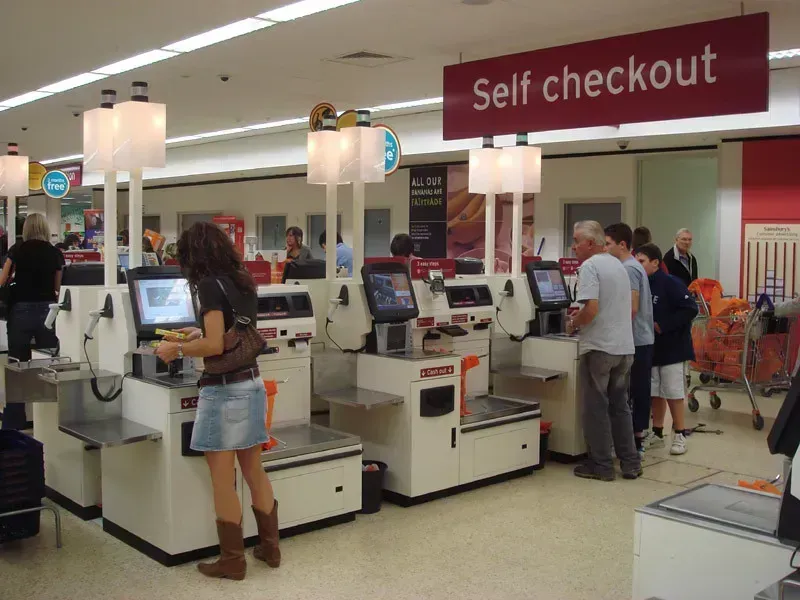
Police calls and arrests at the Shrewsbury, Missouri Walmart declined by more than half after the store removed self-checkouts in 2024, providing hard evidence that the strategy works for loss prevention. Yet customer backlash has been fierce. Social media erupted with complaints about longer wait times and reduced convenience.
The decision was based on feedback from employees and customers, shopping behavior and business needs at those particular locations, Walmart confirmed. Translation: stores with severe theft problems lose the privilege of autonomous checkout, while others keep their machines based on local conditions.
The truth is messier than any clean narrative. Retailers are experimenting with AI-powered monitoring, hybrid models with employee assistance, and membership-restricted lanes. Some innovations will stick. Others will disappear as quickly as they arrived. The checkout experience you encounter next month might look radically different from what you see today, and that’s exactly what makes this moment so fascinating for the retail world.