Experts Caution Against Using Air Fryers as a Full Oven Replacement
Air fryers have swept through kitchens worldwide with promises of crispy perfection and healthier eating. According to Lakeland’s 2023 Trends Report, almost a fifth of air fryer owners use theirs daily, with 80% using it at least twice a week. It’s hard to ignore their appeal when they deliver golden fries and juicy chicken with minimal oil. Yet here’s the thing: nutrition and cooking experts are now warning consumers not to ditch their conventional ovens entirely.
The enthusiasm surrounding these countertop appliances has led some households to consider removing their traditional ovens altogether. Still, specialists in food safety, nutrition, and culinary science suggest this might be a hasty decision with real consequences for meal variety and family cooking needs.
Limited Cooking Capacity Creates Real Challenges
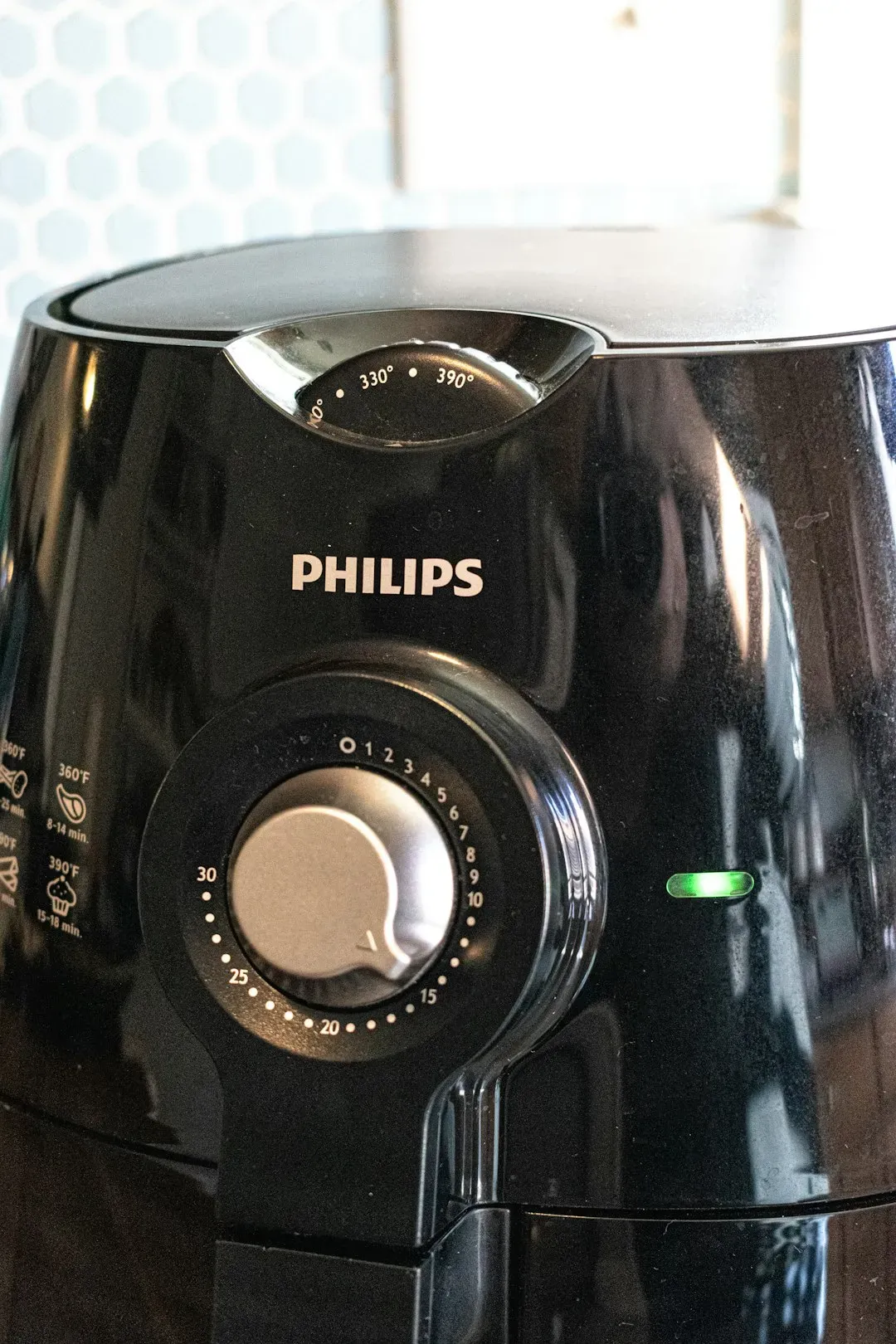
Air fryers generally don’t have a lot of room inside, and overcrowding the appliance can prevent enough air circulation to properly cook the food. When air frying a large amount of food, it may be best to do so in batches rather than all at once. Think about that for a moment. The smallest air fryers tested can hold up to 400g of food, about two portions of chips and roughly equivalent to the amount of food you can fit on two baking trays in an oven.
For families with more than two people, this becomes problematic quickly. You can’t just dump a huge pile of french fries into an air fryer and expect them all to reach the same level of doneness, the air needs space to circulate around the food and cook it evenly. This is a problem when you’re preparing food for a large group of people, as it takes quite a while to cook all the batches you need to make, essentially defeating the purpose of owning a miniature high-speed convection oven. Your first batches get cold while waiting for the last ones to finish, creating an inefficient cooking workflow that traditional ovens simply don’t have.
Certain Foods Simply Don’t Work Well
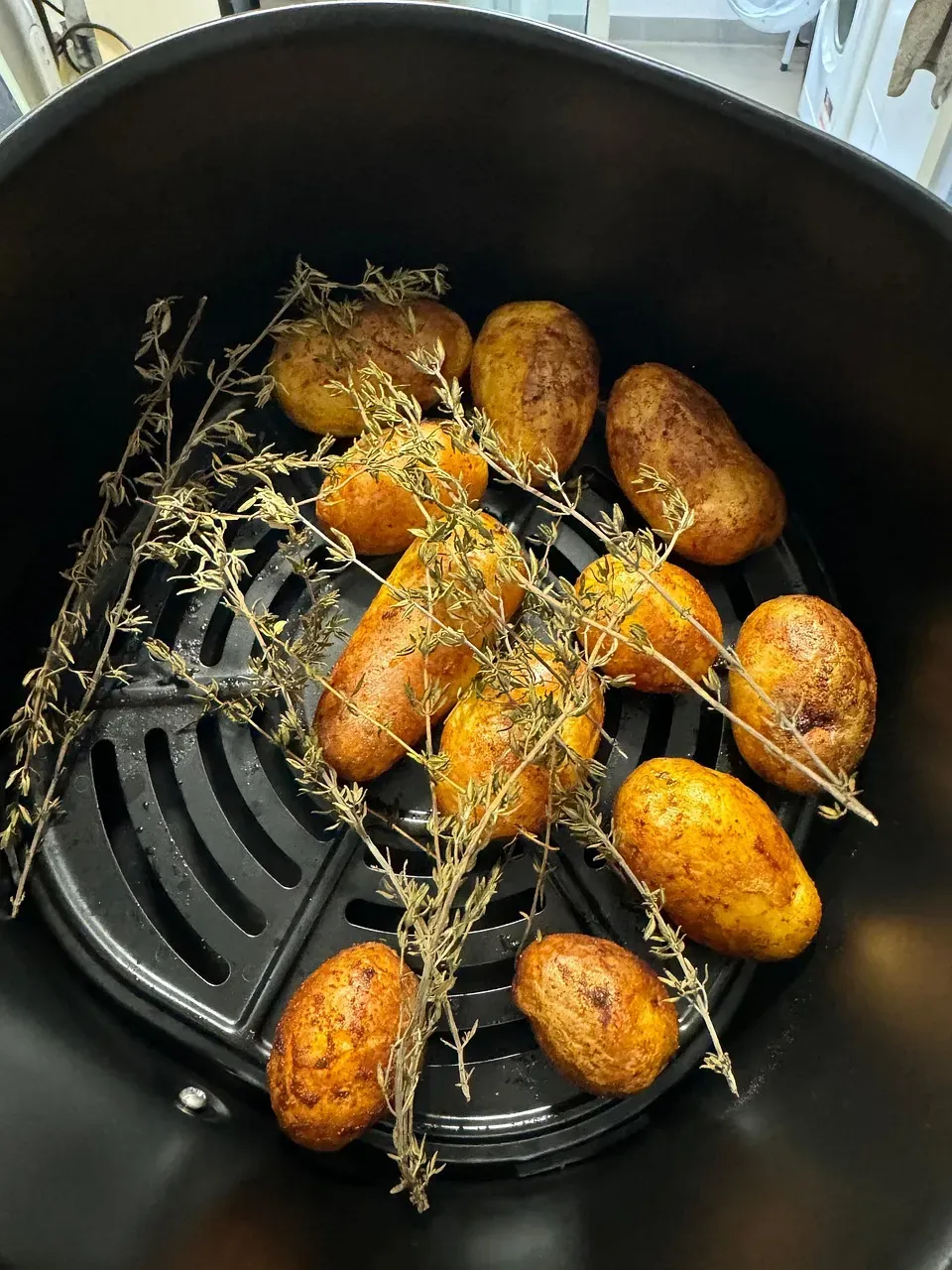
Not everything translates beautifully to air fryer cooking, regardless of what social media might suggest. Foods with wet batters, leafy greens like kale chips, whole roasts, cheese, and raw grains should be avoided. These foods either don’t cook well in an air fryer or can create a mess, with wet batters better suited for a deep fat fryer. Honestly, I find it frustrating when appliance marketing suggests unlimited versatility without acknowledging these real limitations.
For raw, stuffed breaded chicken breast products, do not cook in the air fryer and always follow the manufacturer cooking instructions. Even the USDA explicitly warns against certain preparations. You should avoid the air fryer for larger, bone-in cuts of meat for the same reason you sometimes have to cook in batches: they take up too much space and don’t cook evenly. When preparing holiday meals or Sunday roasts for extended family, a conventional oven remains irreplaceable.
Health Concerns Aren’t As Simple As Advertised
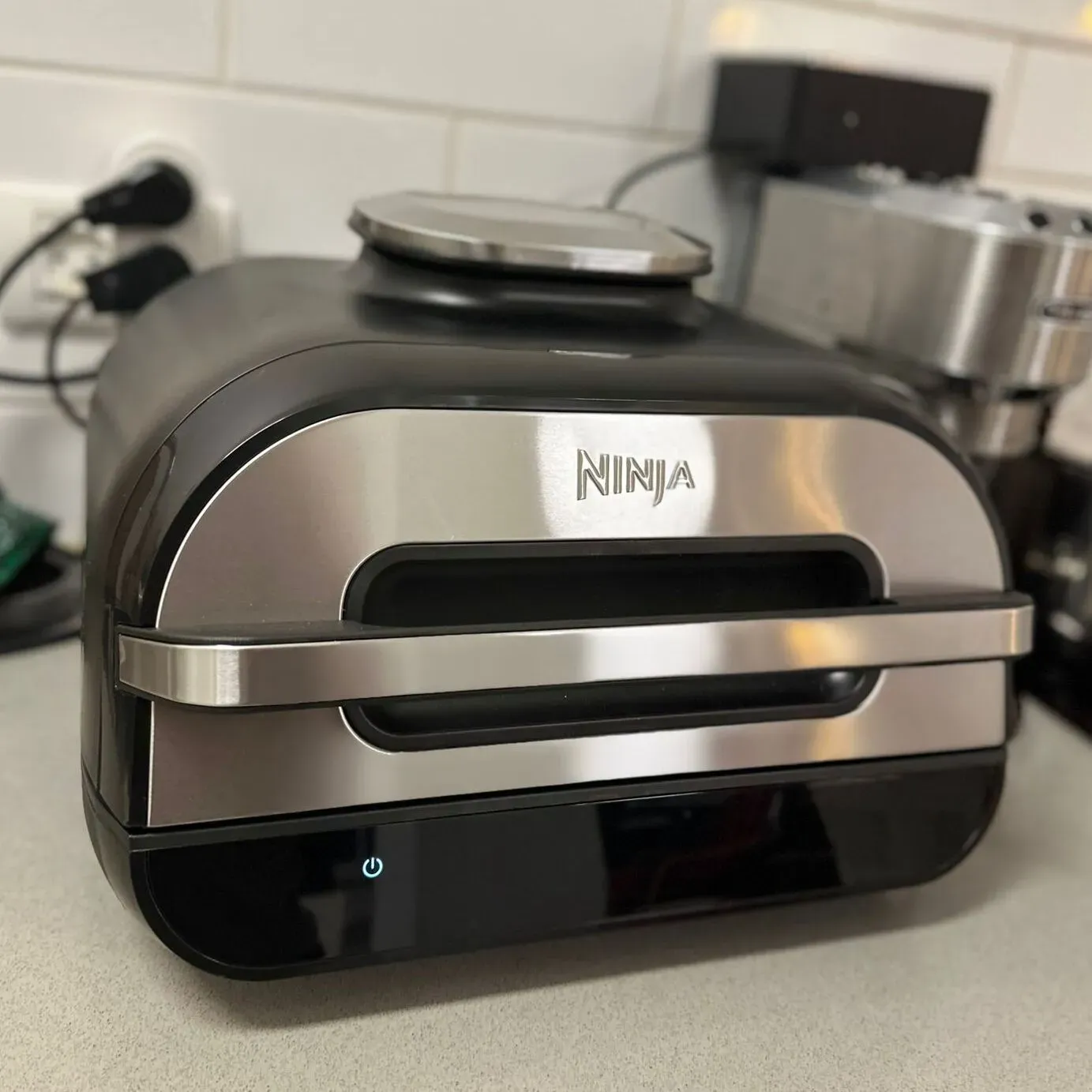
The health narrative around air fryers deserves closer scrutiny. While they do reduce oil consumption, acrylamide formation occurs when cooking foods at high temperatures. The chemical often develops in starchy foods like potatoes or bread through a reaction between sugars and an amino acid called asparagine when food is heated above 120°C, and studies have shown that consumption of high levels of acrylamide can increase the risk of cancer.
Studies show that using an air fryer can increase the levels of cholesterol oxidation products in fish, and COPs are linked to an increase in heart disease, cancer and other medical conditions. The picture becomes more nuanced when examining different food types. Experts have identified cancer risks related to high levels of certain chemicals found in some air fryers, as several models contain polyfluorinated molecules, also known as “forever chemicals,” in the nonstick coating of the basket, with scientific studies establishing health risks including infertility, hormone disruption and some types of cancer. It’s hard to say for sure, but the “healthier” label requires serious qualification.
Safety Hazards and Product Recalls Raise Red Flags
Air fryers get very hot, with interior temperatures where the food is cooking reaching almost 500° F, and that high heat gets transmitted to some of the exterior parts of the machine, causing users to burn themselves if they’re not careful. Consumer Reports conducted extensive safety testing and found concerning patterns. Consumers should immediately stop using recalled Insignia air fryers and air fryer ovens, and can receive a refund in the form of a refund check or a Best Buy store credit.
The recall situation isn’t isolated. The U.S. Consumer Product Safety Commission issued a recall notice on Feb. 23, 2023, for the voluntary recall of the first generation of Cosori air fryers and others. These weren’t minor issues either – recalled air fryers may pose a kitchen safety risk, as people have sustained burns or property damage from harmful products that caught fire or overheated. Let’s be real: if you’re replacing a reliable oven with a recalled appliance, that’s a genuine problem.
Traditional Ovens Still Offer Irreplaceable Benefits
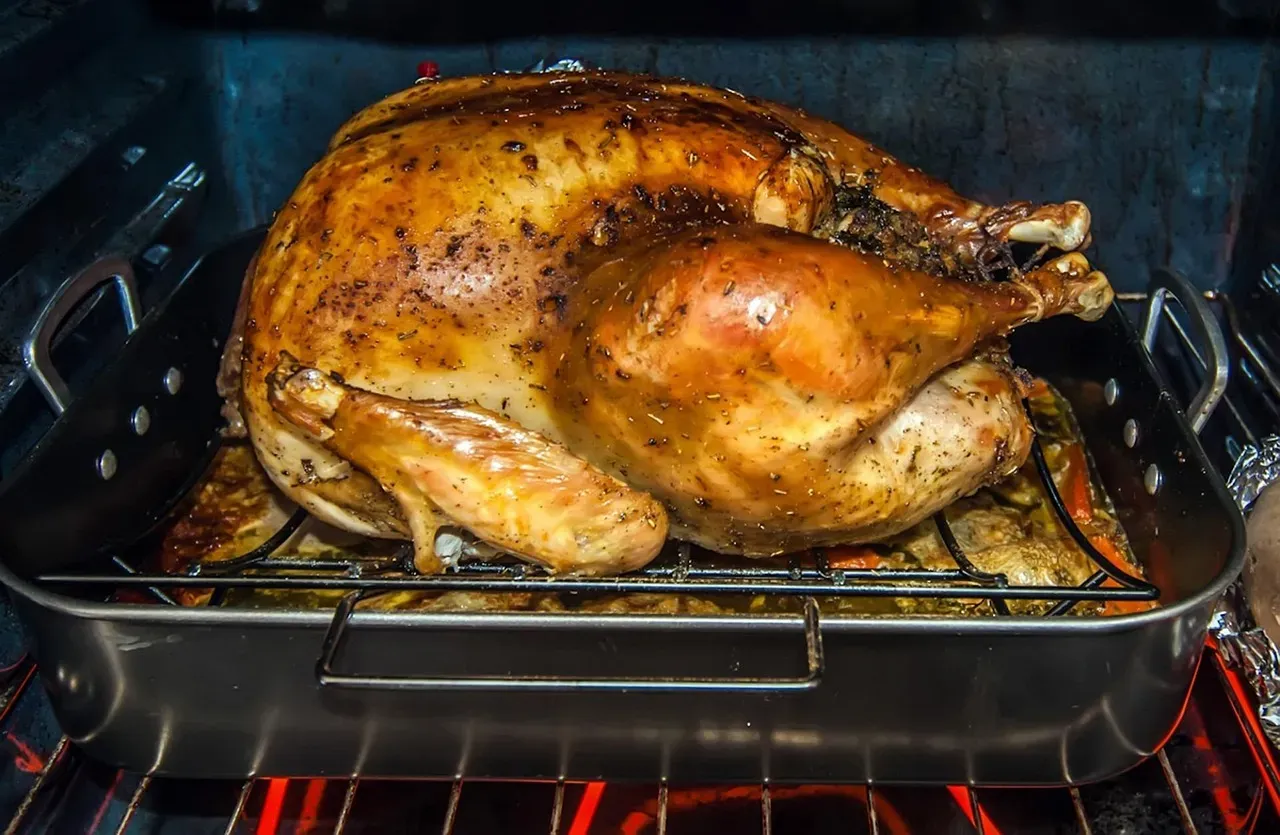
If you’re making a full roast dinner, your oven may still be cheaper overall, as you’ll benefit from being able to use the surrounding oven space for other dishes. This versatility matters enormously for home cooks who prepare complete meals rather than single items. The main drawback with the air fryer was the amount of food we were able to cook, with manufacturers recommending only filling the basket halfway and using a maximum of 500g of chips. If you’re feeding several people or want to cook a few different food items at the same time, the oven has more space and may work out cheaper overall.
Conventional ovens accommodate multiple dishes simultaneously, essential for holiday cooking or meal preparation. Cooking in the oven and cooking in the air fryer will generally end up with food that has the same nutrient profile since an oven and an air fryer use similar heating techniques, meaning air-frying would not be considered a healthier alternative to baking your food in an oven. The vast majority of culinary professionals maintain both appliances in their kitchens for good reason – they serve different, complementary purposes.
Air fryers certainly have their place in modern kitchens, offering convenience and energy savings for small batch cooking. Yet the notion that they can completely replace traditional ovens oversimplifies cooking realities. From capacity limitations to food safety concerns, from uneven results with certain recipes to genuine health questions, experts make compelling arguments for maintaining both appliances. Perhaps the real question isn’t which to choose, but rather how to use each tool for what it does best. What’s your experience been with air fryer limitations?