5 Kitchen Countertop Trends Designers Say Are Quickly Losing Appeal
Thick Countertop Slabs
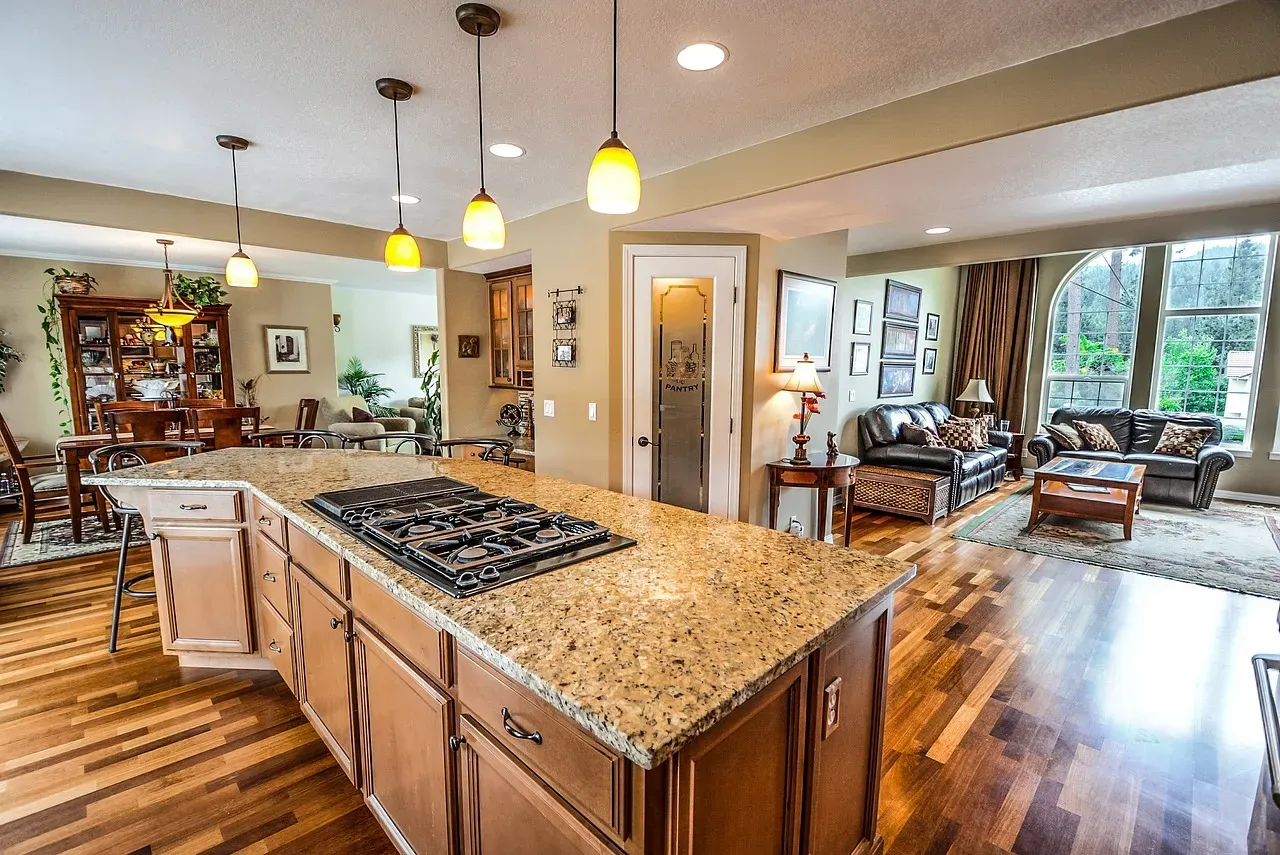
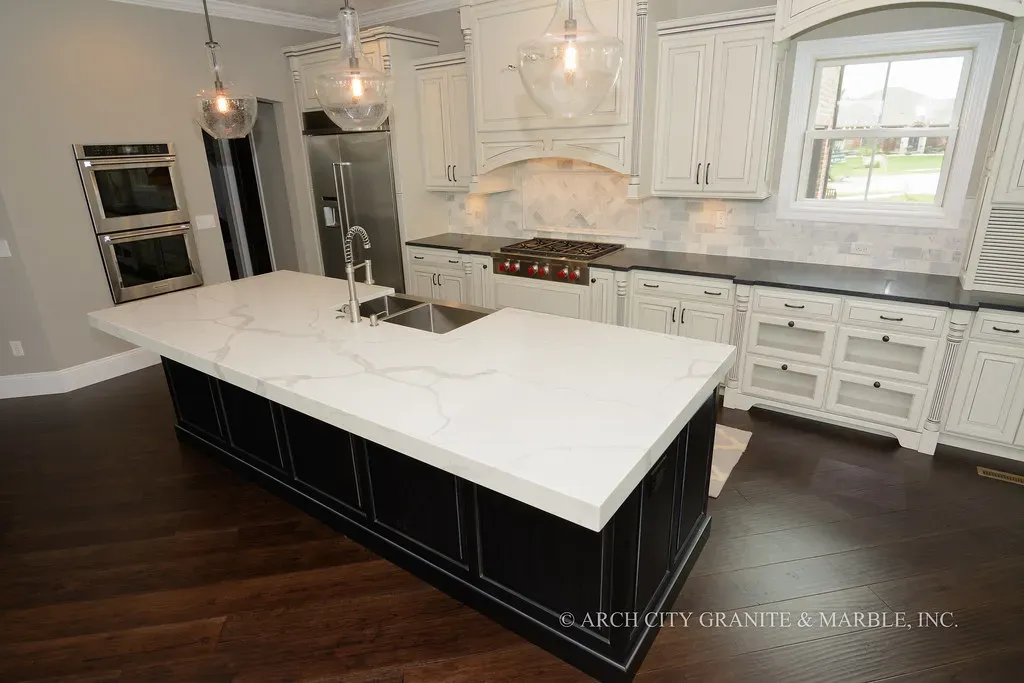
Thick countertops might end up making your kitchen look more dated than stylish, and they’re also losing their relevance due to their lack of practicality. People are seeing the practical value of slim countertops, as they require less material, which means less waste and a lower environmental impact, and their lighter weight also makes them more budget-friendly, reducing material and labor costs. Prior trends saw a desire for thicker countertops to imbue a sense of luxury into kitchen designs, but it seems the novelty has worn off, and for 2025, they’re very much out of style because chunkier, heavy-profile countertops are definitely becoming less popular. Instead, we’re seeing more interest in thin-profile worktops made from materials like neutral Silestone or Dekton.
Plain White or Black Quartz
Standard white or black quartz on the counter will get lost in the overall design, according to designer Jodi Janzen of Janzen Design. Honestly, it’s easy to see why this matters. Quartz can be overused in a kitchen, resulting in a repetitive look that lacks variety and feels sterile. Thick gray veining in quartz, such as Calacatta, is becoming less popular as homeowners opt for solid tones or more subtle veining. Otherwise, countertops are becoming less and less busy.
Cold Gray and White Marble
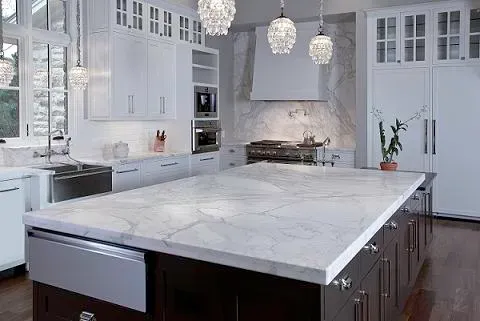
Say goodbye to the ubiquitous, high-maintenance, cold gray and white marble counter, as real marble is decreasing in popularity because production home builders and big-box stores are using it, making it regular, expected, even ordinary. Even in expensive, luxury kitchens, homeowners want easy care for countertops, and are unwilling to deal with the fuss of delicate, real natural materials. For so long white and gray marble was a staple in kitchen design, but 2025 is the year to embrace warmer stone hues, as we’re seeing a departure from the once-dominant grey and white palette. Let’s be real, the maintenance issue alone is enough to drive anyone away from traditional marble.
High-Gloss Finishes
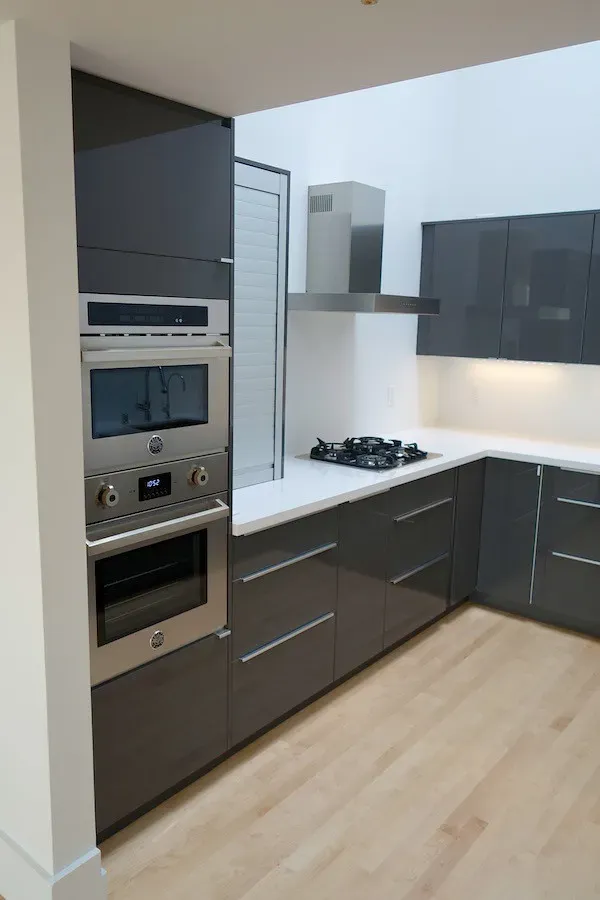
High-gloss countertops, once a go-to symbol of luxury, are fading from the spotlight because while a polished surface may catch the eye initially, it quickly becomes high-maintenance in everyday settings, with fingerprints, smudges, water rings, and micro-scratches all more visible on glossy finishes, and that level of upkeep doesn’t appeal to modern homeowners. In contrast, honed and leathered finishes are gaining ground because these surfaces offer a matte or textured look that feels more organic and tactile, and they age more gracefully over time.
Porcelain Slab Countertops
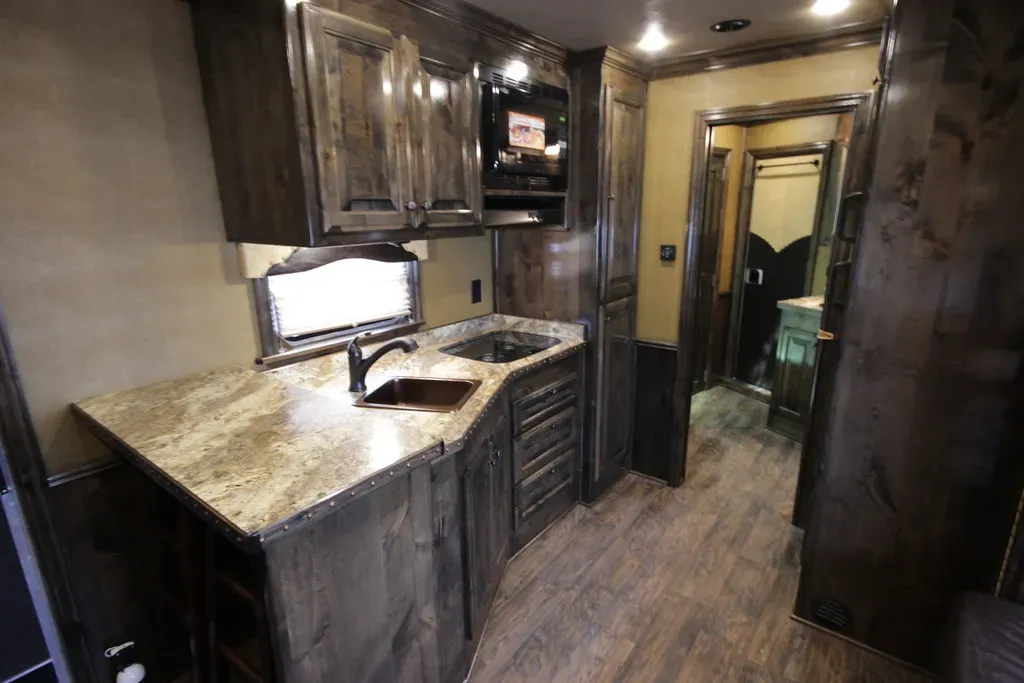
Porcelain slabs for countertops may be declining, as many installers find them too fragile. Here’s the thing, even though porcelain has been touted as a modern, durable alternative, fabricators are encountering real problems during installation. The fragility factor during cutting and handling has made many professionals wary of recommending them for countertops. They still work beautifully as backsplashes, though. It’s hard to say for sure how long this trend will last, since material technology continues improving, yet current installation challenges remain a significant drawback for busy homeowners investing in long-term kitchen renovations.