4 Things Grandparents Do That Leave a Lifelong Impression
Think about your own childhood for a moment. Chances are, if you had grandparents in your life, certain memories stand out more vividly than others. Maybe it was the way they listened without judgment, or how they had time when everyone else seemed too busy. Grandparents occupy this unique space in families, somewhere between authority and friendship, and what they do in that space can echo throughout an entire lifetime.
Recent research from Stanford University and other institutions has been uncovering just how profound that influence really is. In the United States, over 80% of grandparents report a significant role in their grandchildren’s lives, with long-term caregiving responsibilities increasing from 39.3% in 2012 to 49.3% in 2021, according to research published in 2025. The numbers tell us grandparents are more involved than ever, yet the real story lies in what specific behaviors create lasting impact. Let’s dive in.
They Provide Emotional Support During Critical Developmental Windows
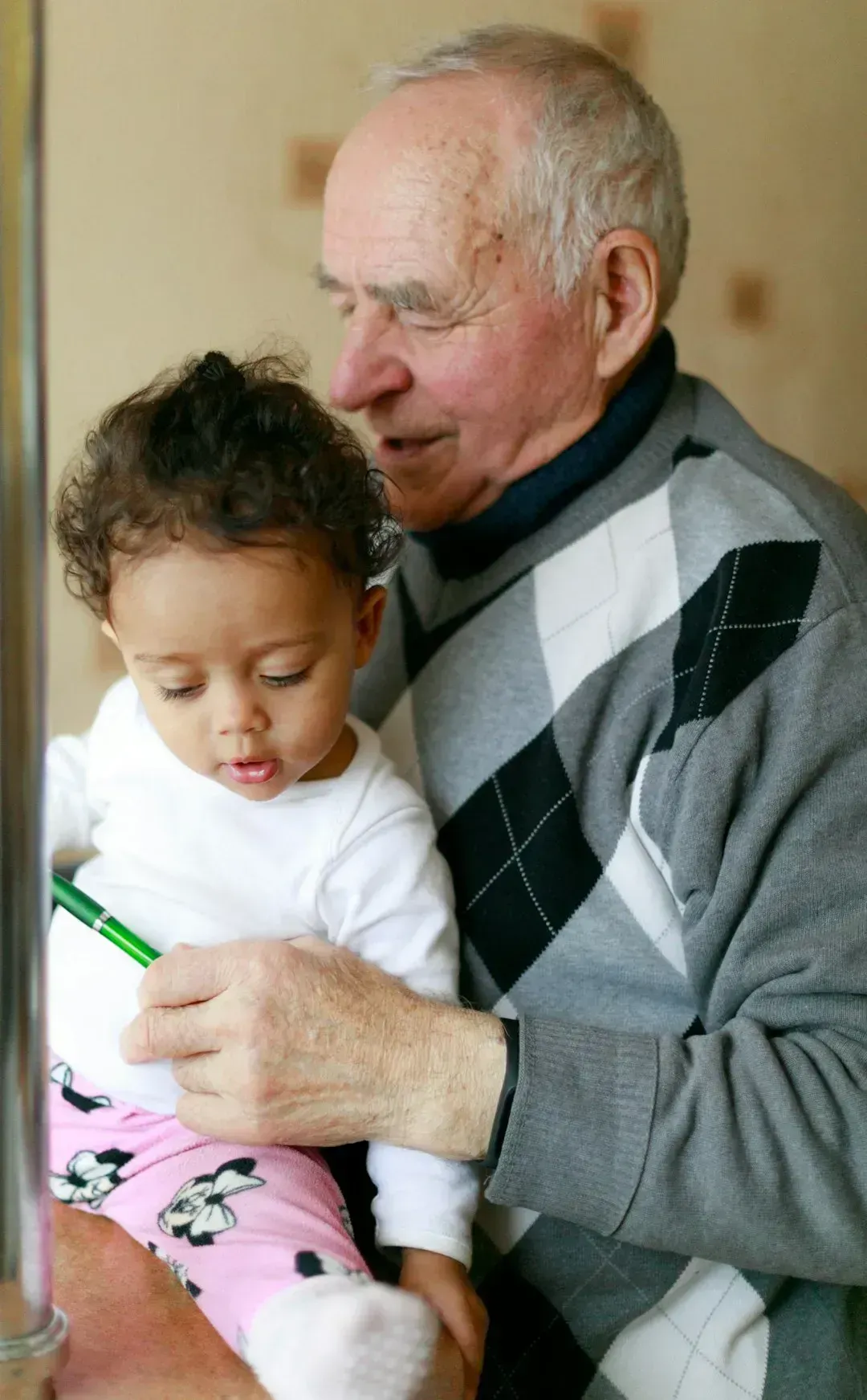
Here’s something fascinating that emerged from recent studies. Supportive grandparent relationships during the developmental period when children are learning to regulate emotion and navigate social situations appear to be especially protective of emotional wellbeing in emerging adulthood, according to 2025 research from Stanford University. It’s not just about being present – it’s about when that presence happens.
During early childhood, before age 12, children develop emotional and social skills including self-awareness and regulation, social awareness, communication, listening, conflict negotiation, and decision making. Grandparents who step in during these formative years aren’t simply babysitting. They’re modeling resilience, demonstrating conflict resolution, and showing kids how to manage difficult emotions. Children with more involved grandparents tend to exhibit fewer externalizing behaviors, research from 2024 found.
Think of it this way: parents are often stressed, juggling work and household responsibilities. Grandparents typically arrive with fewer demands on their time and, honestly, more patience. Older age is associated with notable improvements in social and emotional functioning, and older adults are more resilient in the face of stress, report fewer interpersonal tensions, and more effectively resolve social conflicts. That calm presence during a child’s emotional storms? It leaves an imprint.
They Build Resilience Through Active Involvement and Attachment
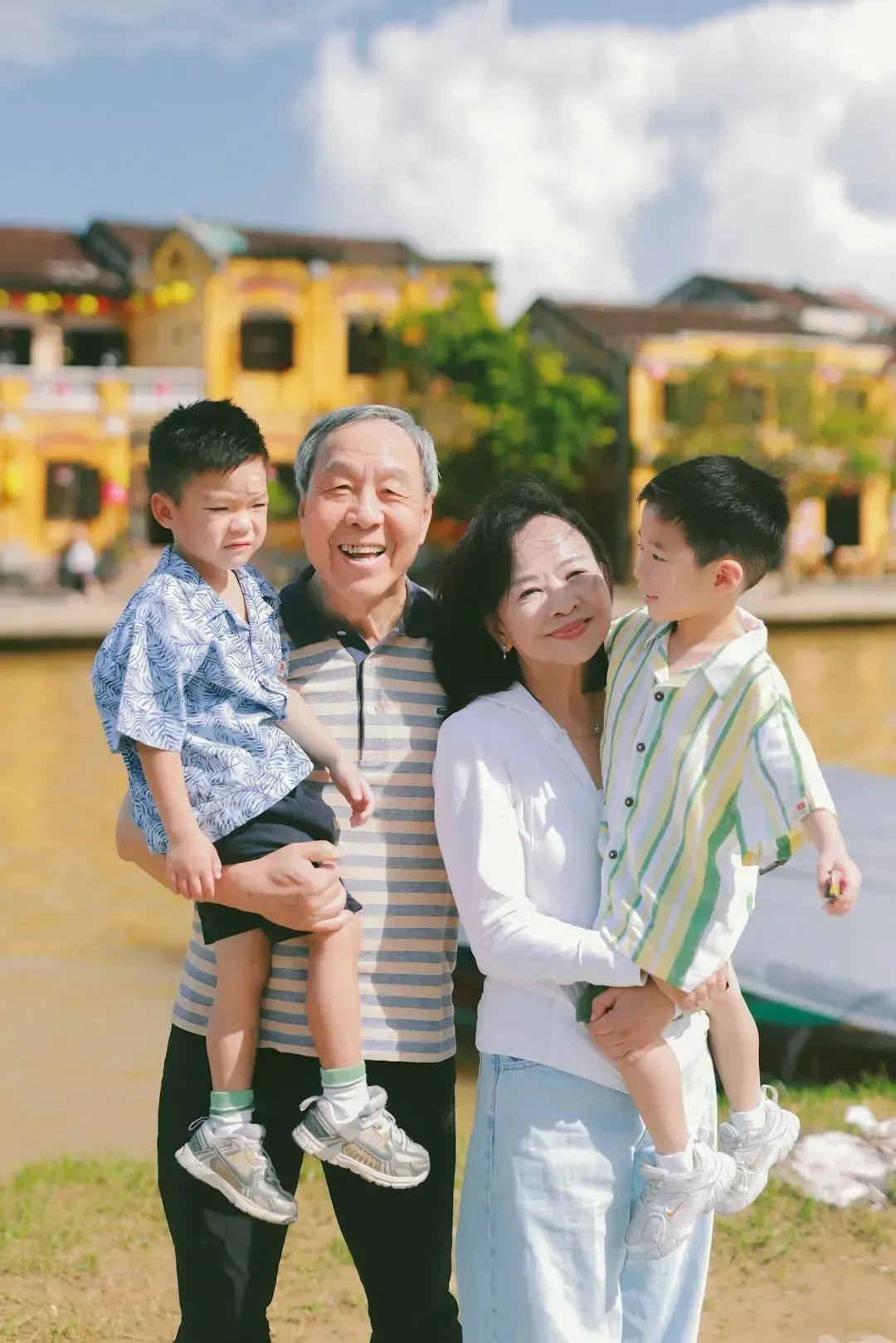
Resilience isn’t something you’re simply born with. It’s cultivated through relationships and experiences, and grandparents play an outsized role here. Research findings revealed a positive association between grandparents’ involvement and young children’s resilience, according to a 2025 study examining three-generation Chinese families.
Grandparents’ involvement fosters essential facets of young children’s resilience, including their cognitive skills, positive self-worth, and family cohesion. When children face adversity – whether it’s parental conflict, financial stress, or developmental challenges – having a grandparent who’s consistently available creates what researchers call a “secure base.” Children often harbor positive feelings toward their grandparents as primary caregivers, and the favorable attachments they cultivate with their grandparents can directly enhance their social adjustment.
The mechanism was surprisingly straightforward. Grandparents’ participation in parenting mitigated the psychological burden on young mothers, research from 2025 indicated. When mothers experience less stress, family dynamics improve, and children develop better coping mechanisms. It’s a cascade effect where grandparent involvement strengthens the entire family system, not just the individual child.
They Model Values and Pass Down Intergenerational Wisdom
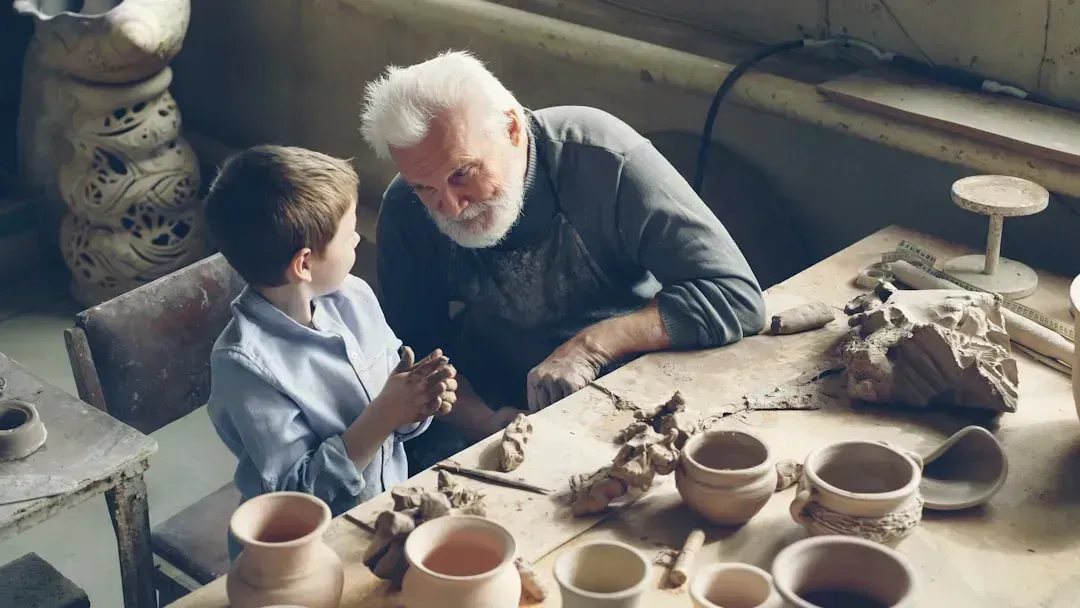
Let’s be real: grandparents sometimes get criticized for being outdated or overly indulgent. Yet their influence on values and life lessons can be remarkably enduring. Research using the British Household Panel Survey and UK Household Longitudinal Study found persisting grandparental effects on occupational aspiration, educational attainment, and class attainment even after controlling for parents’ socioeconomic resources.
What grandparents teach isn’t always formal or deliberate. From a social learning perspective, children acquire self-regulation and initiative by observing grandparents’ behaviors, adopting similar actions in daily life. Maybe it’s watching how they handle disappointment with grace, or noticing their work ethic, or absorbing their attitudes about money and relationships. These lessons don’t come through lectures but through everyday interactions.
Both the warm and rejection parenting styles of grandparents are significantly correlated with the corresponding parenting styles of the next generation, and the parenting styles of both grandfathers and grandmothers are associated with the parenting outcomes of their offspring, according to 2023 research. The values grandparents embody literally get transmitted across generations, shaping not just who their grandchildren become, but how they will eventually parent their own children.
They Offer Unconditional Presence in a Conditional World
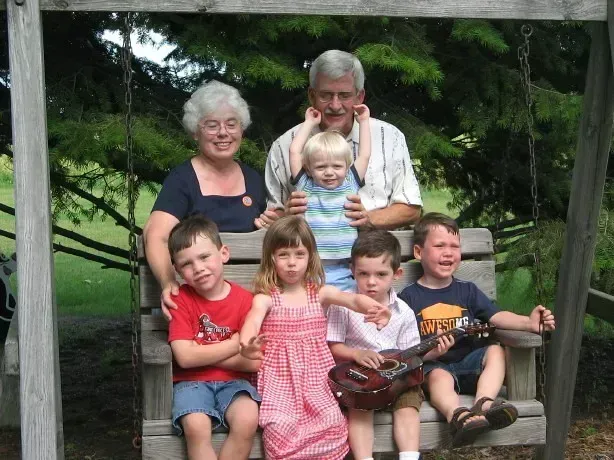
There’s something grandparents provide that almost no one else can: presence without the pressure of discipline or performance. Parents have to set boundaries, enforce rules, and prepare kids for the real world. Grandparents get to just be there.
An active, positive grandparent-grandchild relationship is linked to higher wellbeing for adult grandchildren, with grandchildren in early adulthood often placing special value on relationships with their grandparents, research from 2023 indicates. Even decades later, people remember the grandfather who never missed a recital or the grandmother who always had time to listen. That unconditional acceptance creates a psychological safety net that children carry into adulthood.
Interestingly, support from grandparents during childhood is associated with better emotional wellbeing in emerging adulthood – and this effect holds regardless of whether the grandparent is still living when the grandchild reaches young adulthood. The relationship itself, the memory of that support, continues to influence wellbeing long after childhood ends. It’s hard to say for sure, but this suggests the impact isn’t just about practical help – it’s about knowing someone believed in you completely.
The truth is, grandparents don’t need to be perfect to leave a lasting impression. They just need to show up, offer support during those critical early years, model the values they hope to see continue, and provide that rare commodity: unconditional presence. These four things might sound simple, yet their effects ripple through entire lifetimes, shaping not just individual grandchildren but entire family trees for generations to come. What legacy are the grandparents in your life creating? Sometimes the most powerful influences are the ones we only fully recognize when we look back.