The Hidden Crisis Facing Amusement Parks: Why Dollywood Is at Risk
Rising Costs Are Quietly Squeezing Even Top-Rated Parks
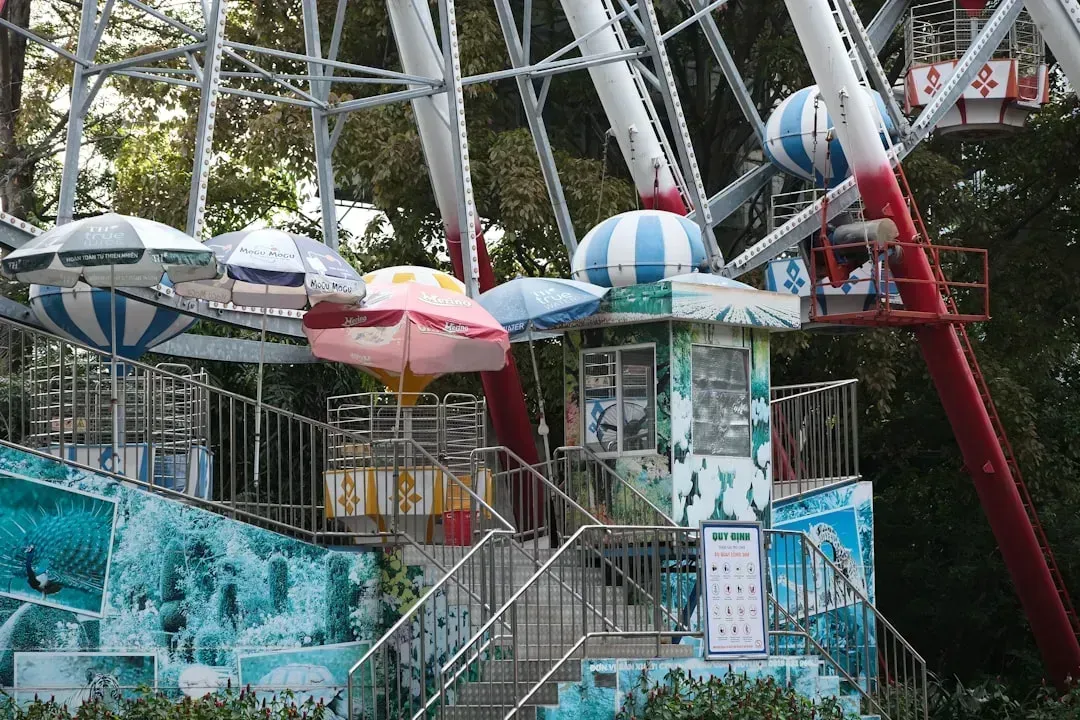
It sounds strange at first: how can a park that keeps breaking records also be at risk? Yet across the industry, costs for labor, insurance, utilities, construction, and debt are rising faster than ticket revenue, and no park is completely shielded from that math. Regional parks in particular depend heavily on drive-in visitors with limited vacation budgets, so they can’t just double prices without scaring people away. Dollywood has been thriving on recognition and strong attendance, but it still operates in the same economic storm that is already forcing weaker parks to cut hours, cancel expansions, or close outright.
Look at the broader picture: tourism in Sevier County, where Dollywood sits, generated nearly four billion dollars in visitor spending in 2023, but the growth rate has already started to slow compared to earlier post‑pandemic years. Local reports from early 2025 noted that while Pigeon Forge still brought in around two point four billion dollars annually, visitor spending slipped slightly in the last quarter of 2024, a small but important sign of softening demand as prices rise. At the same time, other regional parks such as Wild Waves in Washington state have closed permanently after the 2024 season, citing 2020 pandemic aftershocks and rising operating costs as key reasons, a warning of what happens when expenses outrun growth. When you connect those dots, the message is clear: even a star like Dollywood is playing on the same shrinking field as everyone else, and that puts real pressure on its future choices.
Attendance Growth Masks How Fragile Demand Can Be
On paper, Dollywood looks almost untouchable right now, which is what makes the underlying risk easy to miss. The park entered the list of the twenty most visited theme parks in North America with about 3.07 million guests in 2024, up slightly from the previous year to enter the list of the twenty most visited theme parks in North America. That sounds like smooth, steady growth, and it is, but it is also modest – more like a careful balancing act than an explosion. When an attraction relies on millions of visitors a year, even a small dip in that number can hit revenue hard, especially when everything from staffing to electricity is already more expensive.
Tourism data for Sevier County shows visitor spending climbing by just over two percent between 2022 and 2023, a far cry from the roaring rebound right after lockdowns lifted. Local officials in early 2025 openly acknowledged that visitor spending was down slightly in late 2024 even while the city still posted eye‑catching totals, a pattern that looks a lot like a peak followed by a plateau. Dollywood’s own success stories, like its Harvest Festival and boosting attendance significantly over the prior year, show how dependent it is on big seasonal spikes to keep the numbers up. If gas prices jump, storms hit at the wrong time, or families start trimming weekend trips, there is not much cushion between “record-breaking” and “worrying” for a park built on finely tuned attendance swings.
Weather and Location Turn into a Double-Edged Sword
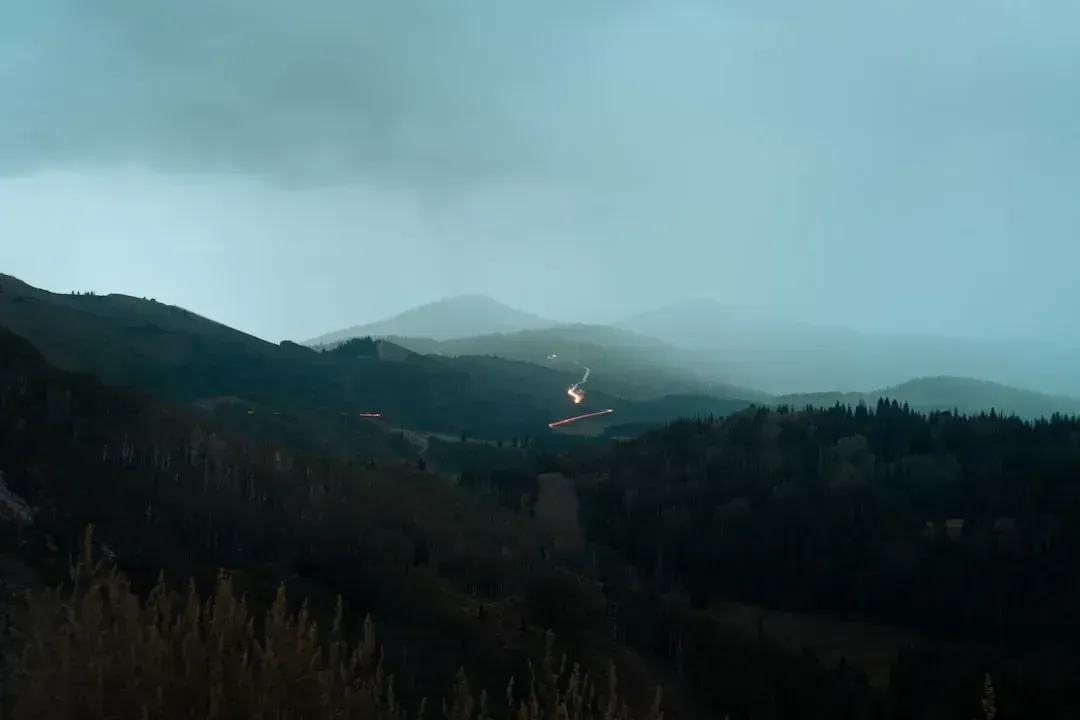
Part of what makes Dollywood magical is also what makes it vulnerable: it sits in the Smoky Mountains, with real seasons, real storms, and real wildfire risk. In recent years, the region has seen destructive wildfires and bouts of heavy rain that disrupt travel and trigger safety concerns, reminding everyone that mountain beauty comes with a price. the region has faced weather disruptions that have forced temporary closures before its normal seasonal shutdown in early January, a stark example of how nature alone can derail carefully planned operations. Every lost day of operation means not just missed ticket sales but also wasted staffing, inventory, and marketing spend that can never be recovered.
Climate researchers and insurance analysts have been warning that extreme weather is becoming more frequent and more costly for outdoor attractions, especially in areas prone to wildfire and intense storms. Theme parks depend on predictable seasons, but the calendar is becoming less reliable, and that uncertainty forces operators to pour more money into insurance, infrastructure, and contingency plans. Dollywood’s rising attendance and festival success show how well it uses its setting, yet those same forests and hills can quickly become a liability when smoke, flooding, or high winds make the park unsafe. When other regional parks cite weather‑related shutdowns as a factor in long‑term decline, it is a reminder that Dollywood is not immune just because it is currently popular.
Labor Pressures and Guest Experience: A Delicate Balancing Act
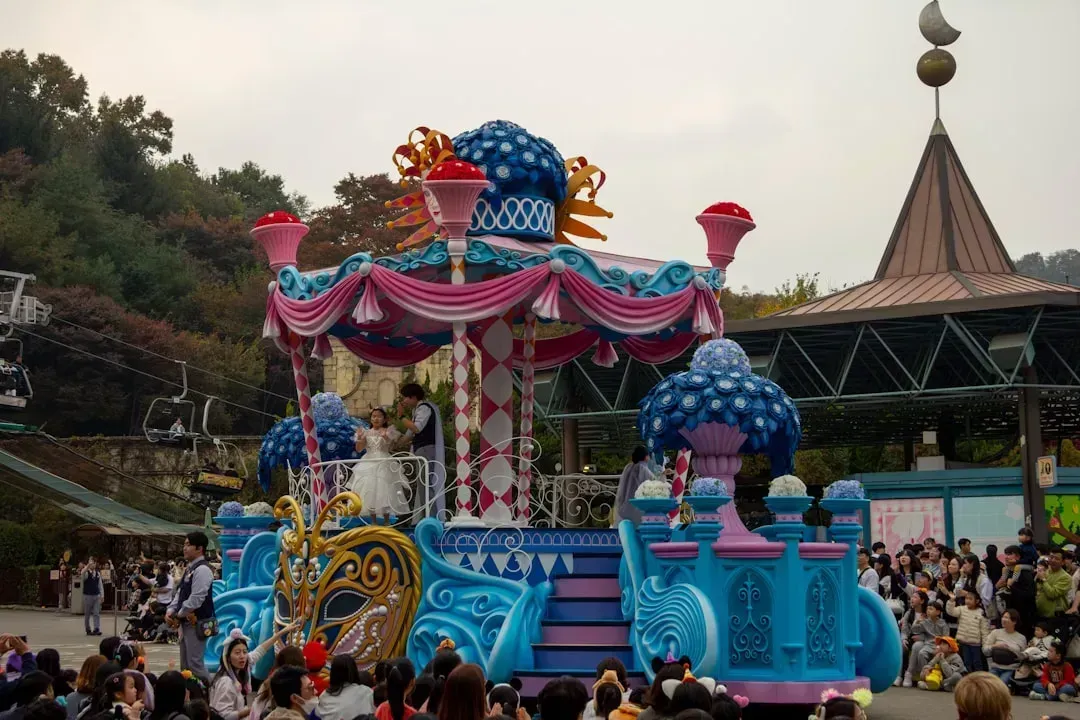
I still remember visiting a regional park as a kid and noticing that one summer the rides felt slower to load, the lines moved oddly, and everyone working there seemed exhausted. You do not see much of that at Dollywood right now – if anything, the park keeps winning awards for friendliness, cleanliness, and overall guest experience – but the same national labor pressures are knocking at its gates. Across U.S. theme parks, workers have pushed for better pay, safer conditions, and more stable schedules, with high‑profile union drives at giants like Disneyland drawing attention to long‑standing frustrations. When wages rise and staff demand more protections, parks that built their budgets around cheap seasonal labor have to rethink how they operate.
Dollywood’s reputation as a top workplace and its recognition from national outlets for customer service suggest it has handled this shift better than many peers, but that praise comes with a financial cost. Surveys and awards released in 2024 and 2025 highlight how Dollywood invests in training, hospitality, and workplace culture, something guests clearly feel on the ground. The catch is that maintaining that standard means it cannot simply cut staff or strip benefits without damaging the very thing that keeps people coming back. If the broader labor market tightens further, or new regulations raise baseline pay and benefits for hospitality workers, Dollywood will face the same hard choice as other parks: accept lower margins, raise prices, or quietly trim offerings in ways visitors eventually notice.
A Bright Brand Standing in a Shakier Industry
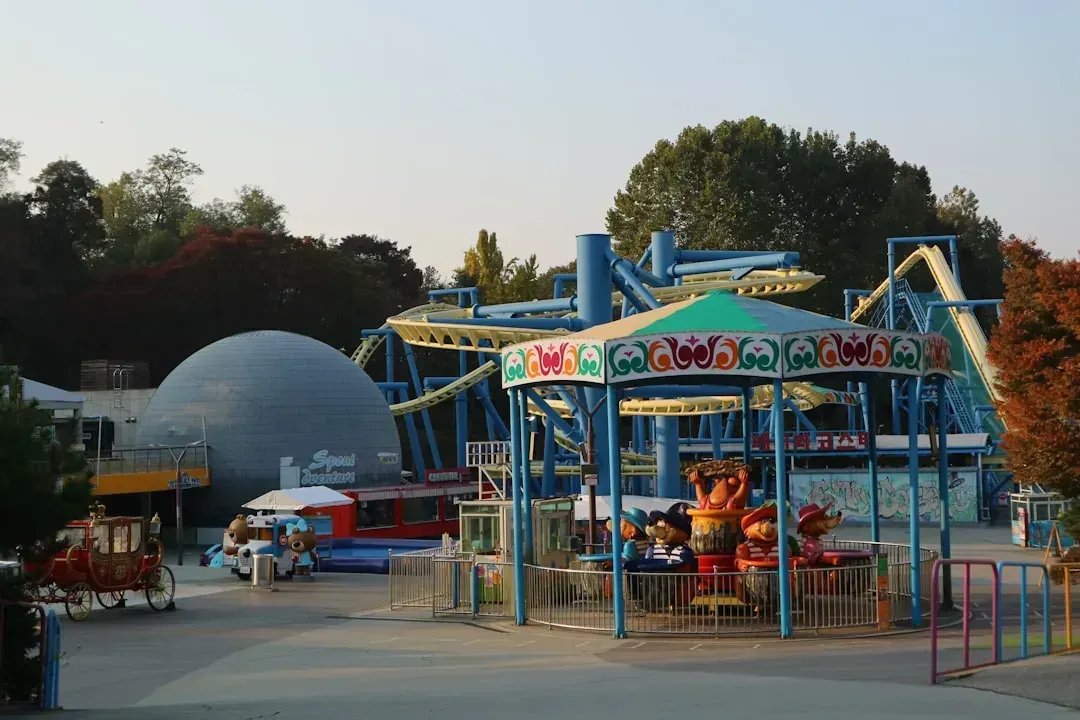
There is a strange tension at the heart of Dollywood’s story right now: industry metrics say it is doing better than ever, while the amusement park sector around it is clearly under strain. In 2024 and 2025, the park was repeatedly named the favorite or top theme park in America by traveler surveys and enthusiast organizations, ranking ahead of some Disney and Universal properties in guest ratings. It has been recognized for beautiful grounds, strong customer service, and exceptional seasonal festivals, and it just climbed into the elite group of most‑visited parks in North America. At the same time, regional tourism growth is slowing, other parks are closing or scaling back, and costs are rising faster than many families’ budgets.
From a distance, Dollywood looks like the exception that proves the rule: a park powered by a beloved public figure, a strong regional identity, and a carefully crafted guest experience. But even that distinctive brand has to live inside a balance sheet shaped by higher energy costs, more expensive construction, pricier insurance, and a travel market that no longer expands as quickly as it did right after 2020. When you walk through the park, none of that is visible – you just see lights, music, cinnamon bread, and roller coasters – but behind the scenes every festival, new ride, and award-winning smile has to fight a little harder to pay for itself. The hidden crisis is not that Dollywood is failing; it is that the ground underneath the entire amusement park model is shifting, and even a winner has to watch every step.