13 Discoveries Once Thought to Be Myths – Until History Proved Them Real
Some stories sound too wild to be true. For thousands of years, explorers and historians dismissed certain tales as pure fantasy, impossible legends spun from overactive imaginations. Giant sea monsters? Lost cities buried under volcanic ash? Vikings in North America half a millennium before Columbus?
These weren’t supposed to be real. Scientists and scholars confidently declared them mere myths. Then, piece by piece, the evidence emerged. Bones washed ashore. Ruins surfaced from beneath layers of earth. Artifacts told stories that rewrote history books.
What follows are thirteen discoveries that shocked the world when they turned out to be anything but mythical. Let’s dive in.
The City of Troy

Homer’s Iliad painted Troy as the centerpiece of an epic war between Greeks and Trojans, complete with wooden horses and warrior heroes. For centuries, scholars dismissed it as poetic fiction. The city simply couldn’t exist, they said.
Heinrich Schliemann excavated the site believed to be Troy in 1870 in northwestern Turkey at a location called Hisarlık. By 1873 he had discovered nine buried cities. Though his methods were destructive and he initially identified the wrong layer as Homer’s Troy, his work lent weight to the idea that Homer’s Iliad reflects historical events. Modern archaeology confirmed that the archaeological site was added to the UNESCO World Heritage list in 1998, validating what was once considered pure mythology.
The Mountain Gorilla
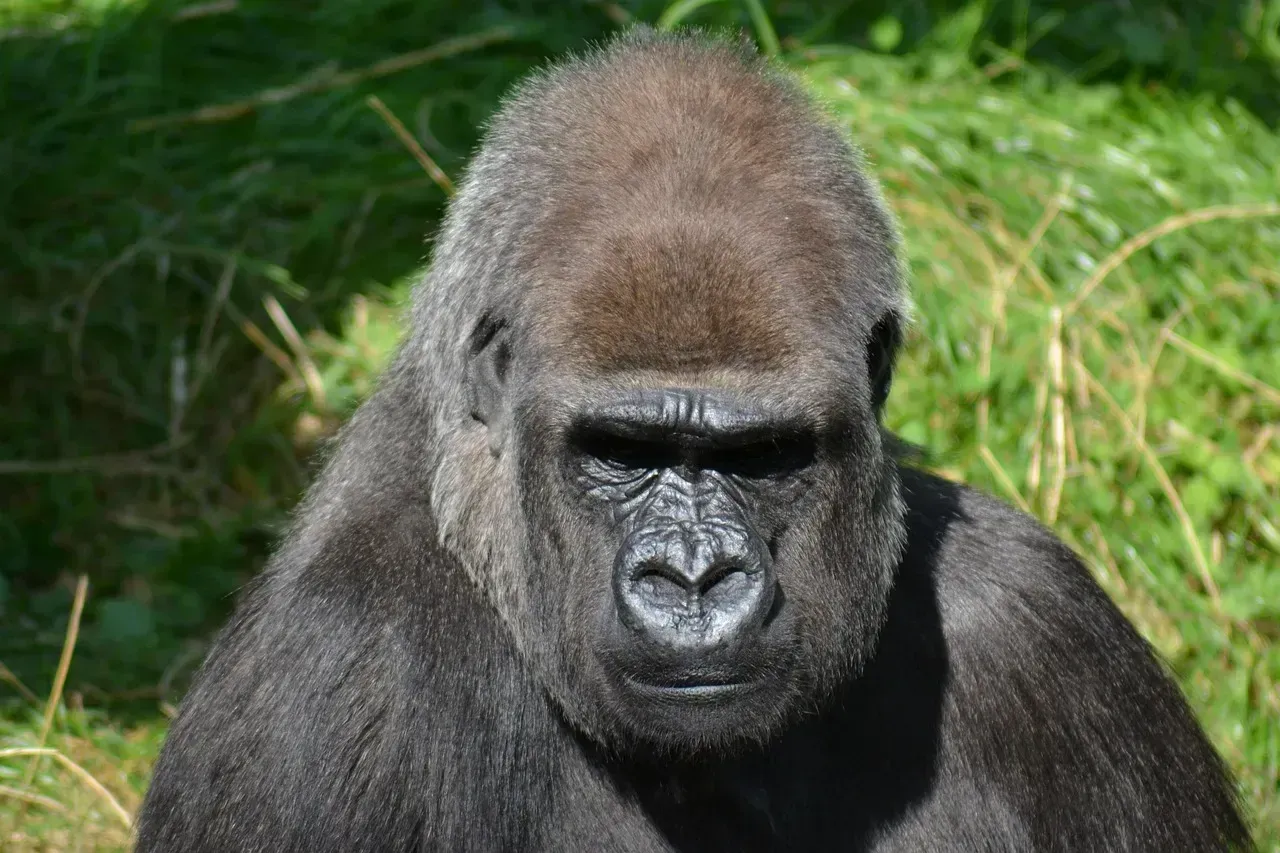
Tales of massive, human-like beasts lurking in African jungles sounded like folklore. Despite hundreds of years of exploration and discovery, gorillas were mysterious animals until the 1800s. European explorers dismissed local stories as superstition.
Then everything changed. In 1902, German explorer and hunter Robert von Beringe made it a mission to track, hunt, and bring back a gorilla as evidence, and for his success, the mountain gorilla was given the scientific name Gorilla gorilla beringei. Since the discovery of the mountain gorilla subspecies in 1902, its population has endured years of war, hunting, habitat destruction, and disease. Remarkably, the number of gorillas has jumped from 620 individuals in 1998 to 1,063 today, proving these once-mythical creatures are now a conservation success story.
The Giant Squid and the Kraken Legend
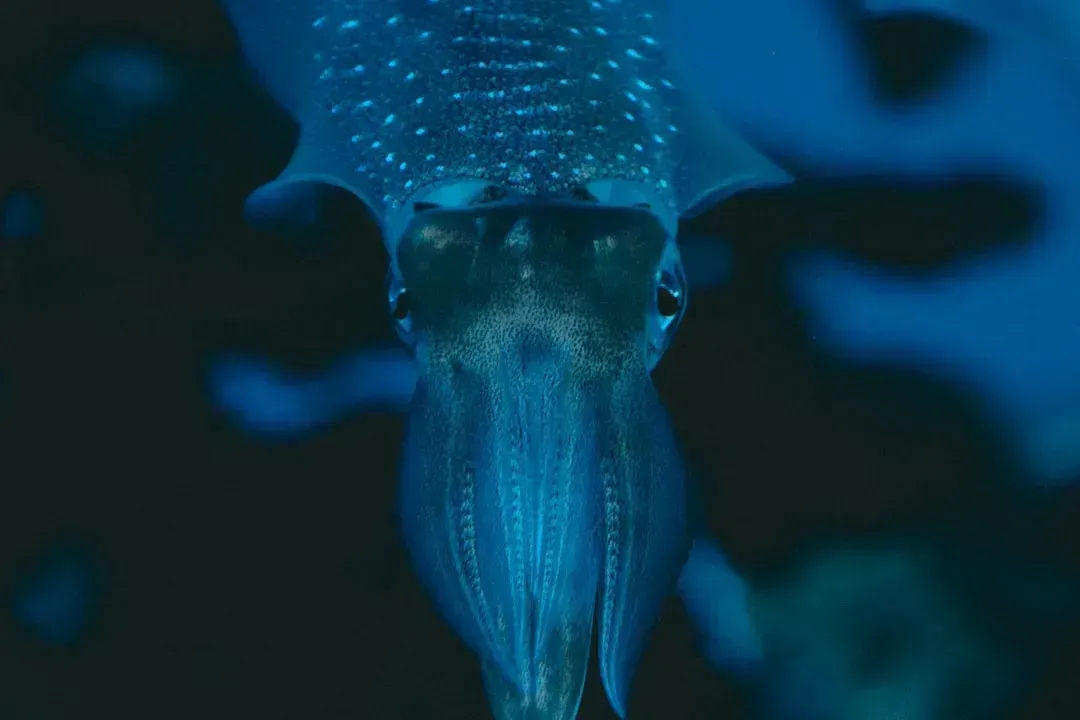
Sailors spoke in hushed tones about the Kraken, a sea monster with tentacles long enough to drag entire ships to the ocean floor. As with many legends, the Kraken started with something real, based on sightings of a real animal, the giant squid.
For most of history, nobody believed them. In 1853, a giant cephalopod was found stranded on a Danish beach, and Norwegian naturalist Japetus Steenstrup recovered the animal’s beak and used it to scientifically describe the giant squid, Architeuthis dux. The largest Architeuthis recorded reaches 18 metres in length, including the very long pair of tentacles. It wasn’t until 2012 that scientists filmed the first video of a live giant squid swimming some 2,000 feet below the surface of the Pacific Ocean. The legendary Kraken was real all along.
Pompeii and the Buried City
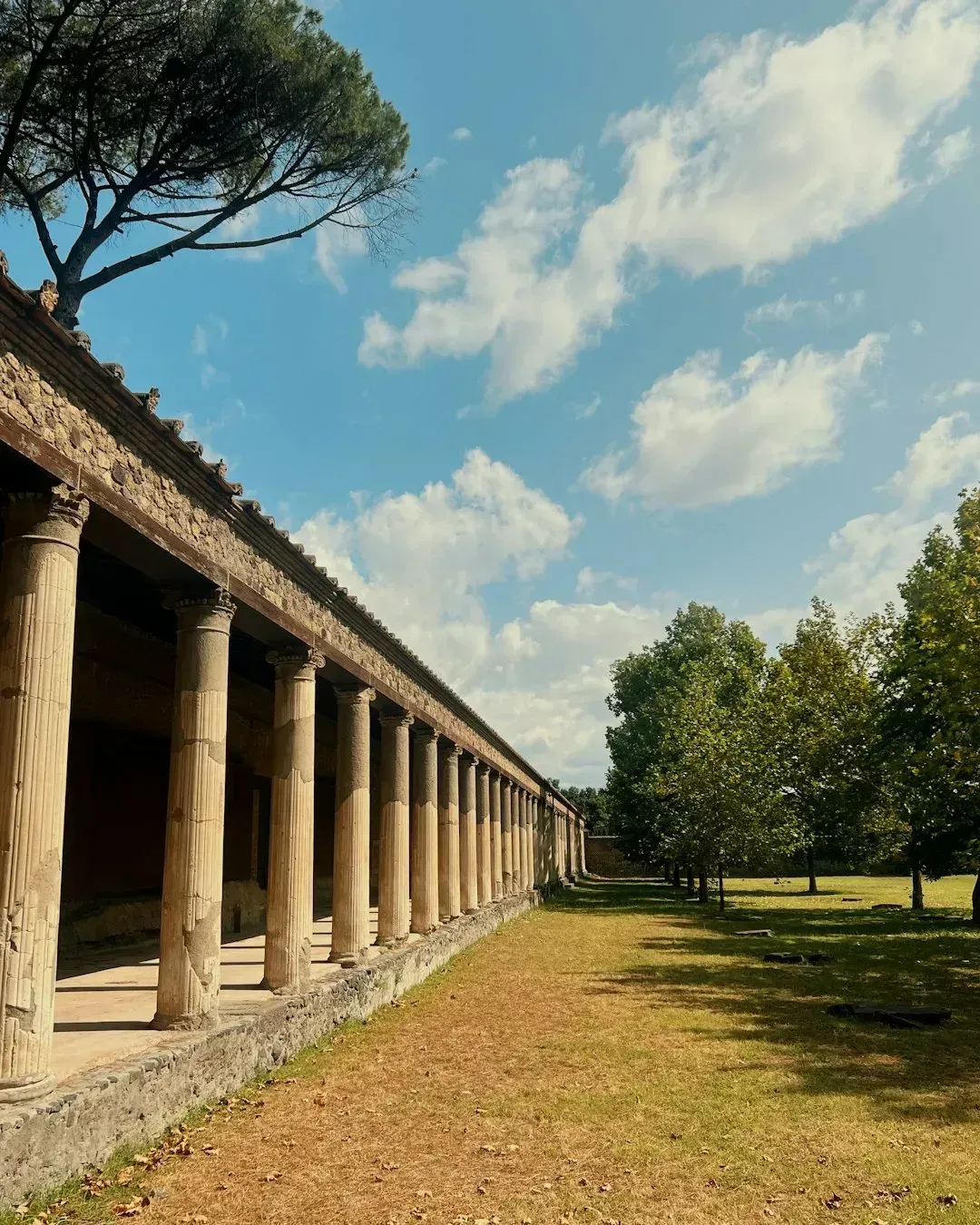
Stories circulated about an entire Roman city swallowed by a volcano, frozen in time with its inhabitants turned to stone. Most dismissed it as exaggerated myth. How could an entire thriving metropolis just vanish?
Around noon on August 24, 79 CE, a huge eruption from Mount Vesuvius showered volcanic debris over the city of Pompeii. The city’s quick burial preserved it for centuries before its ruins were discovered in the late 16th century. Early excavation started in 1594 and again in 1748, though neither attempt was particularly scientific; in 1860, Italian archaeologist Giuseppe Fiorelli took over the work and a more modern approach was then taken. Today, Pompeii stands as one of archaeology’s greatest treasures, offering an unparalleled snapshot of Roman life.
Viking Settlements in North America

Norse sagas told of Viking expeditions to a land they called Vinland, far west across the Atlantic. Historians wrote it off as Viking tall tales and exaggerations. Columbus discovered America in 1492, everyone knew that.
In 1960, George Decker led Helge Ingstad to a group of mounds near L’Anse aux Meadows, and Helge and Anne Ingstad carried out seven archaeological excavations there from 1961 to 1968. With carbon dating estimates between 990 and 1050 CE and tree-ring dating of 1021, L’Anse aux Meadows is the only undisputed site of pre-Columbian trans-oceanic contact of Europeans with the Americas outside of Greenland. Vikings beat Columbus by nearly 500 years.
The Platypus
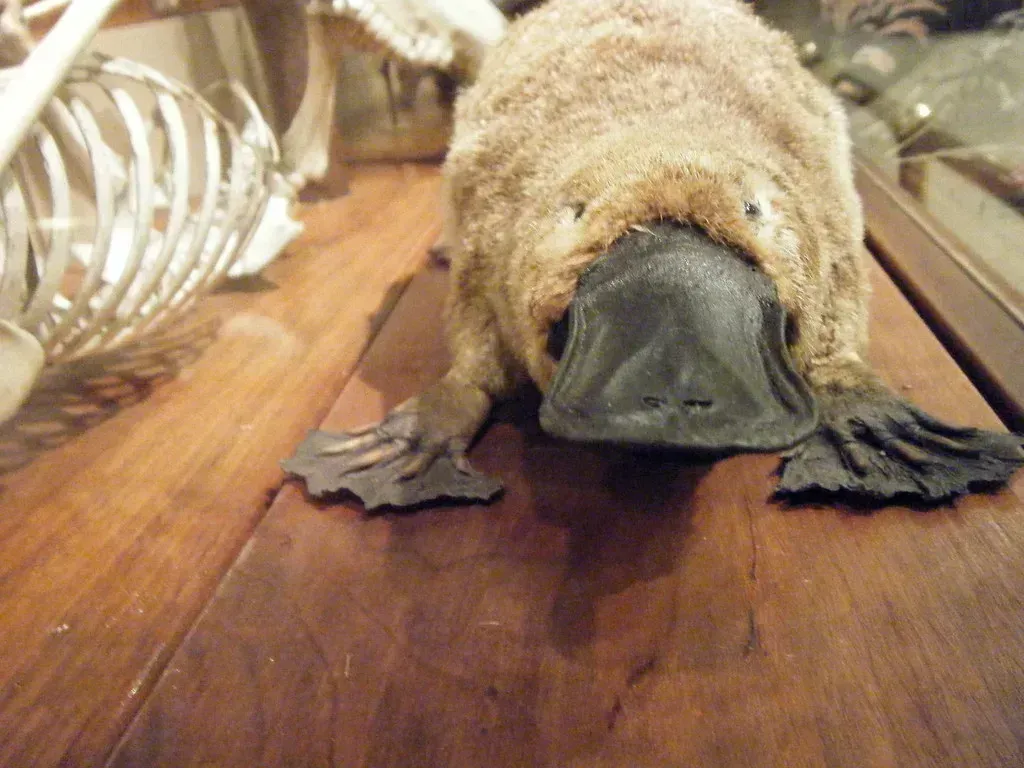
When European scientists first received a platypus specimen from Australia in 1798, they thought it was an elaborate hoax. A mammal with a duck bill, beaver tail, venomous spurs, and the ability to lay eggs? Someone was clearly messing with them. Scientists literally checked for stitches, convinced it was a taxidermy prank.
It took years of examination and multiple specimens before the scientific community reluctantly accepted that this bizarre creature was genuine. The platypus defied every known rule of mammalian biology. Today it’s recognized as one of only five remaining monotreme species, a living link to ancient evolutionary branches that existed millions of years ago.
The Okapi
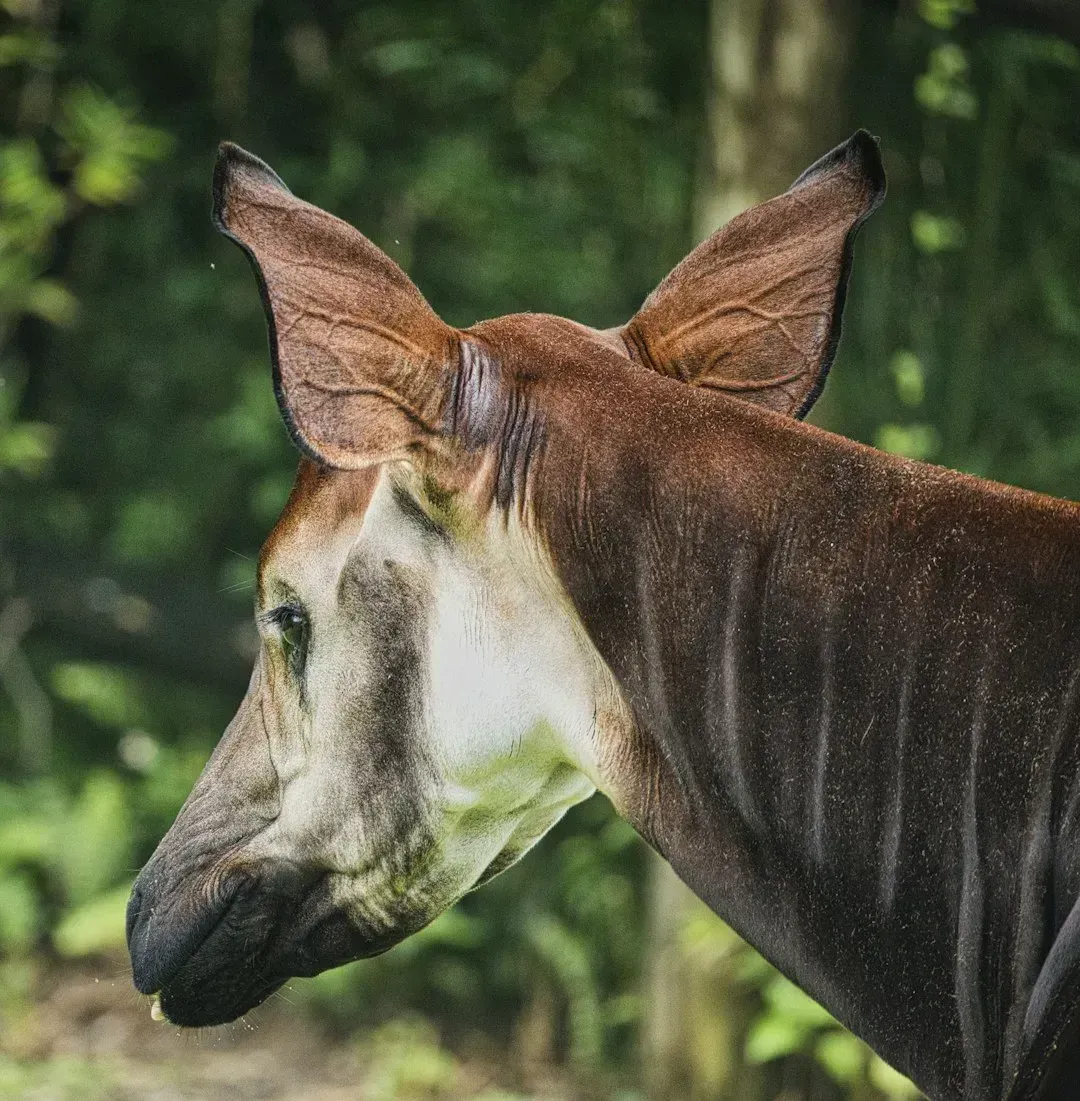
Indigenous peoples in the Congo spoke of a forest animal that looked like a cross between a zebra and a giraffe. European explorers assumed they were describing a mythical creature or misidentifying known animals. Such a thing couldn’t possibly exist hidden in the jungle.
British explorer Harry Johnston finally obtained evidence of the okapi in 1901, including a skull and skin. The scientific community was stunned. Here was a living relative of the giraffe, with zebra-like stripes on its legs, that had remained unknown to Western science despite its substantial size. The okapi proved that even large mammals could evade discovery in dense rainforests well into the 20th century.
The Komodo Dragon
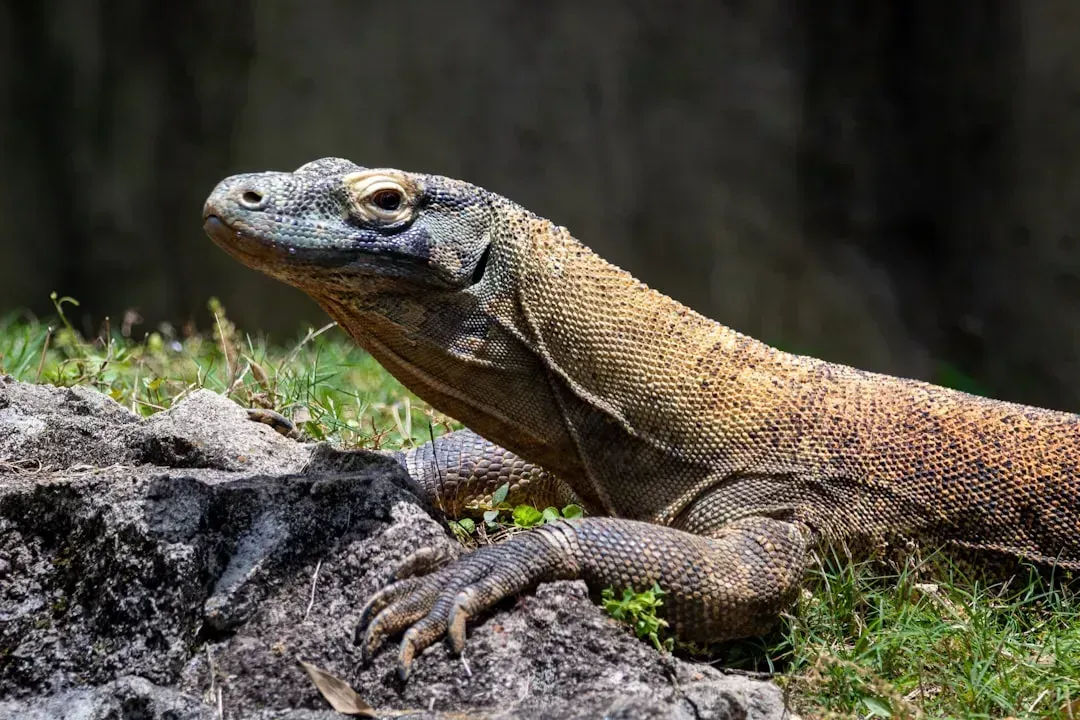
Sailors and Indonesian locals told stories of giant land crocodiles that could take down deer and water buffalo. Western scientists dismissed these as superstitious nonsense or gross exaggerations of monitor lizards. Nothing that big could be a lizard, they insisted.
In 1910, Dutch colonial administrator J.K.H. van Steyn van Hensbroek investigated reports from Komodo Island and returned with photographs and a skin. The Komodo dragon proved to be the world’s largest living lizard, reaching over ten feet in length and weighing up to 200 pounds. These apex predators hunt using venom and bacterial infections from their bites, making them even more fearsome than the myths suggested.
The Coelacanth
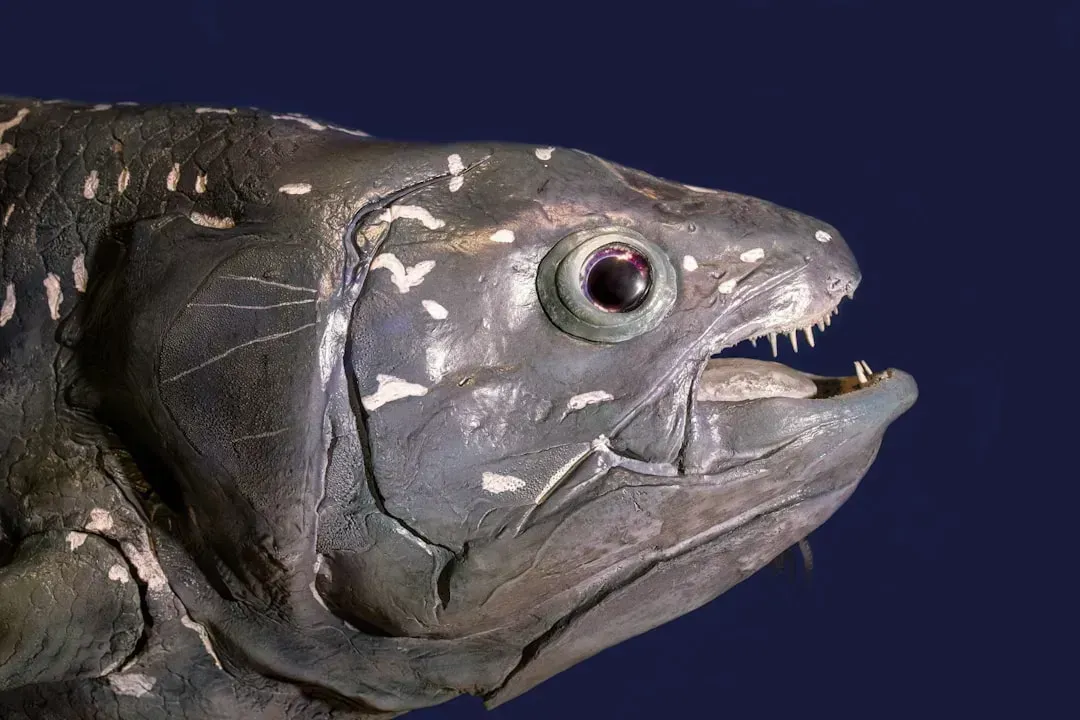
Paleontologists knew the coelacanth well from fossils dated to nearly 400 million years ago. They went extinct with the dinosaurs around 66 million years ago, every textbook said. These ancient fish were interesting only as relics of prehistory.
Then in 1938, a South African museum curator named Marjorie Courtenay-Latimer found a strange fish in a local fisherman’s catch. She recognized it as something extraordinary and contacted fish expert J.L.B. Smith, who confirmed the impossible: a living coelacanth. The scientific world was shocked. This was like finding a living dinosaur. Since then, populations have been found in the waters off Indonesia and Tanzania, proving these “living fossils” had been hiding in deep ocean caves for millions of years.
Gorilla
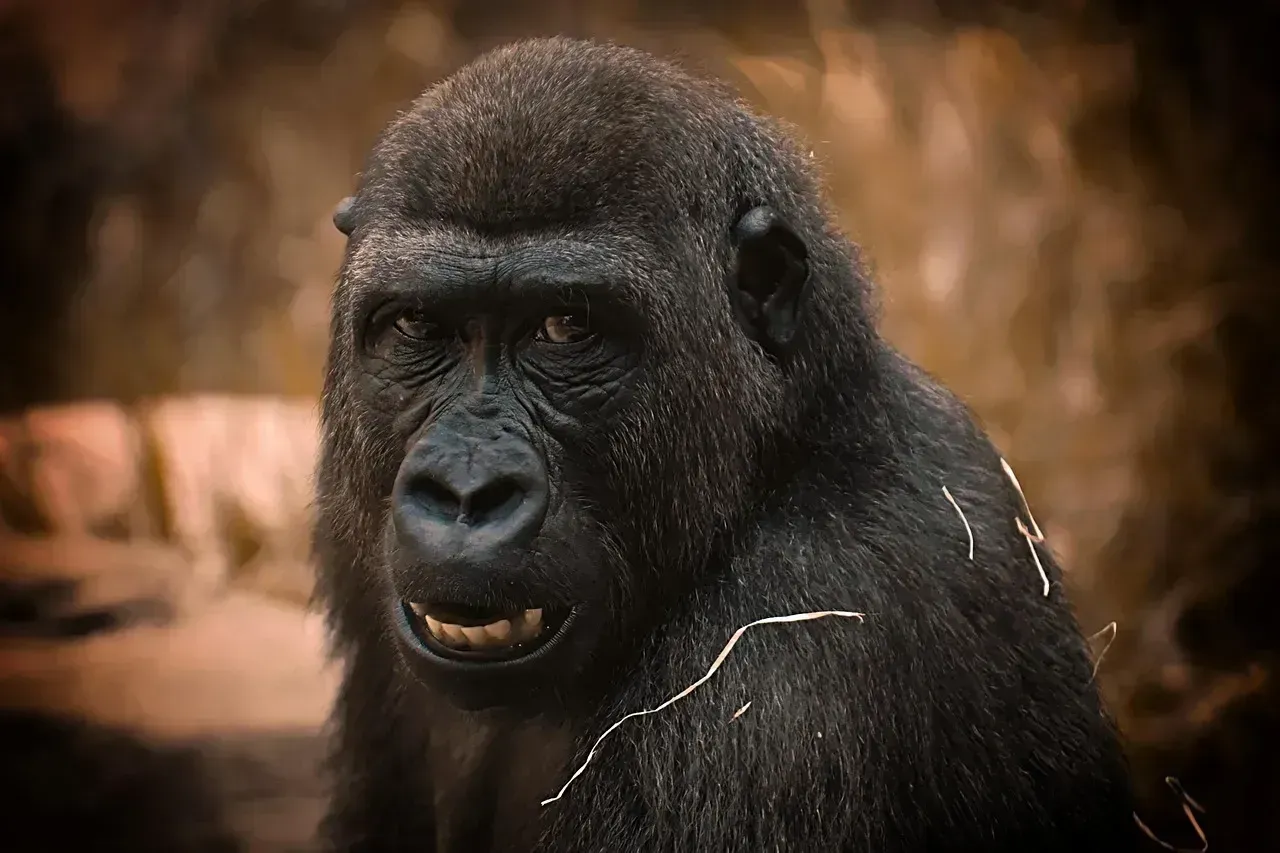
Ancient Carthaginian explorer Hanno the Navigator wrote about encountering “gorillai” during his voyage along the West African coast around 500 BCE. For over two millennia, Europeans considered this pure fantasy or a misidentification of some other creature.
It wasn’t until 1847 that American missionary and naturalist Thomas Savage formally described the western gorilla based on skulls obtained in Liberia. Even then, many remained skeptical until live specimens were observed in the wild. The gorilla’s existence forced scientists to reconsider how much they didn’t know about Africa’s interior and challenged assumptions about the diversity of great apes.
Pygmy Elephants
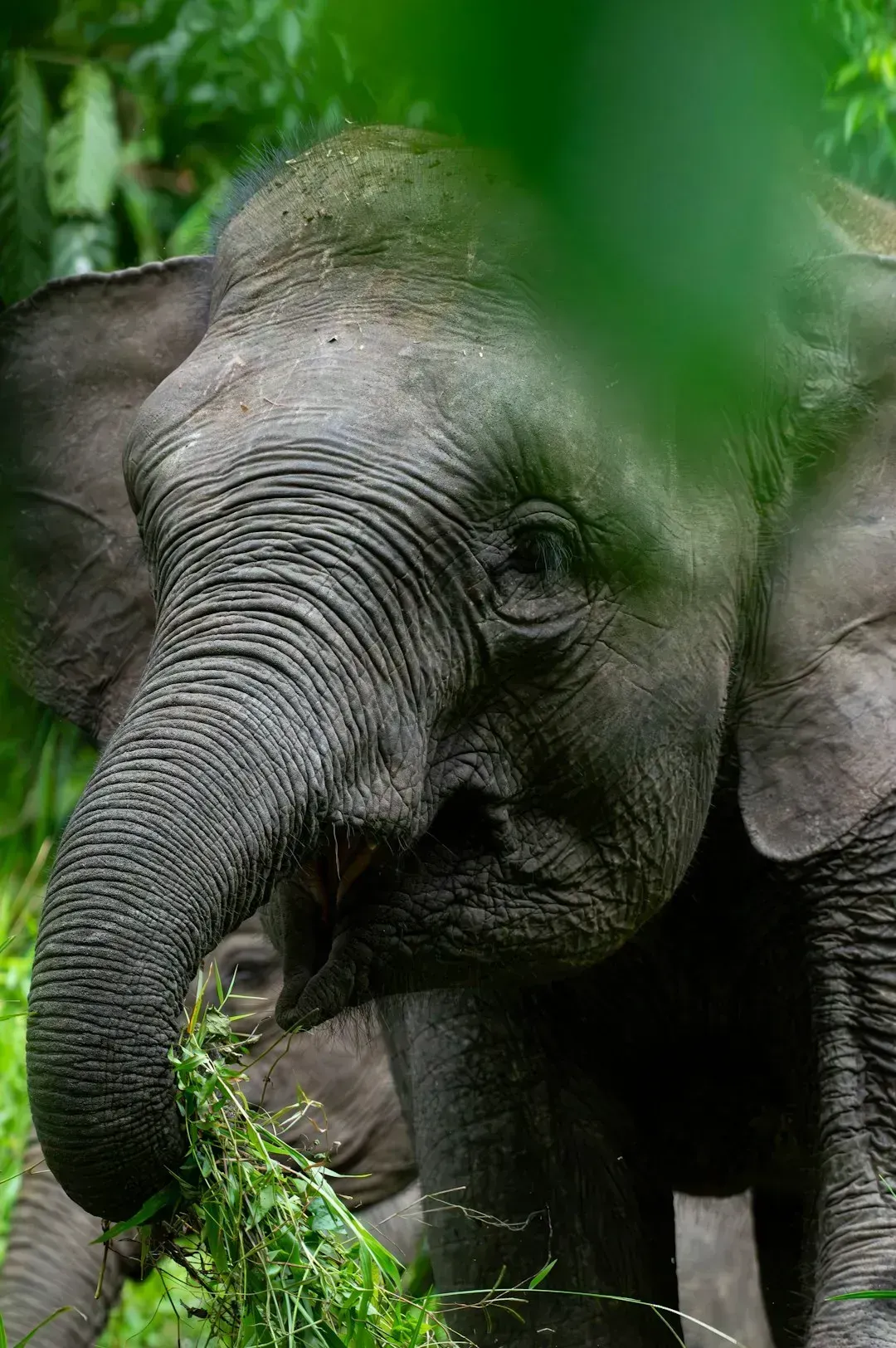
Stories of miniature elephants on various islands seemed biologically implausible. Elephants are massive creatures; the idea of dwarf versions felt like folklore mixed with misidentification of young animals. Scientists scoffed at the notion.
Remarkably, pygmy elephants turned out to be real examples of island dwarfism, an evolutionary process where large animals isolated on islands evolve smaller body sizes over generations due to limited resources. Populations have been confirmed on Borneo and formerly existed on Mediterranean islands. Borneo’s pygmy elephants stand about a foot shorter than their mainland relatives and display gentler temperaments. DNA analysis confirmed they’re genetically distinct, vindicating the old stories.
The Bonobo
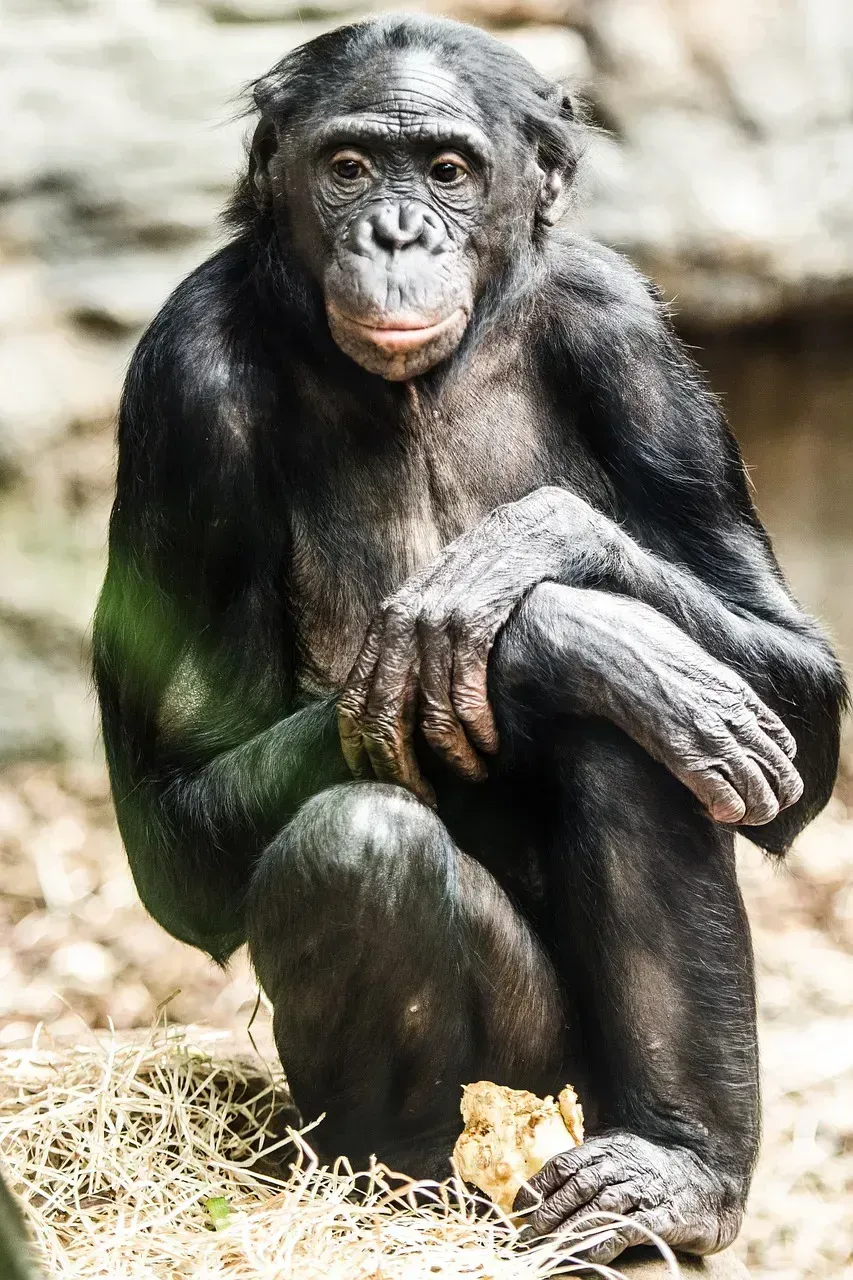
For decades, scientists believed all chimpanzees in Africa belonged to a single species. Reports of a gentler, more slender chimpanzee south of the Congo River were dismissed as describing juveniles or regional variations. Nobody thought there could be an entirely separate great ape species hiding in plain sight.
In 1928, German anatomist Ernst Schwarz examined a skull at a Belgian museum and realized it represented a distinct species. The bonobo proved to be humanity’s closest living relative alongside common chimpanzees, sharing roughly 98.7% of our DNA. Their matriarchal societies and notably different behavior from common chimps revolutionized primatology. It’s astonishing that such a significant primate remained scientifically unrecognized until less than a century ago.
The Existence of Meteorites
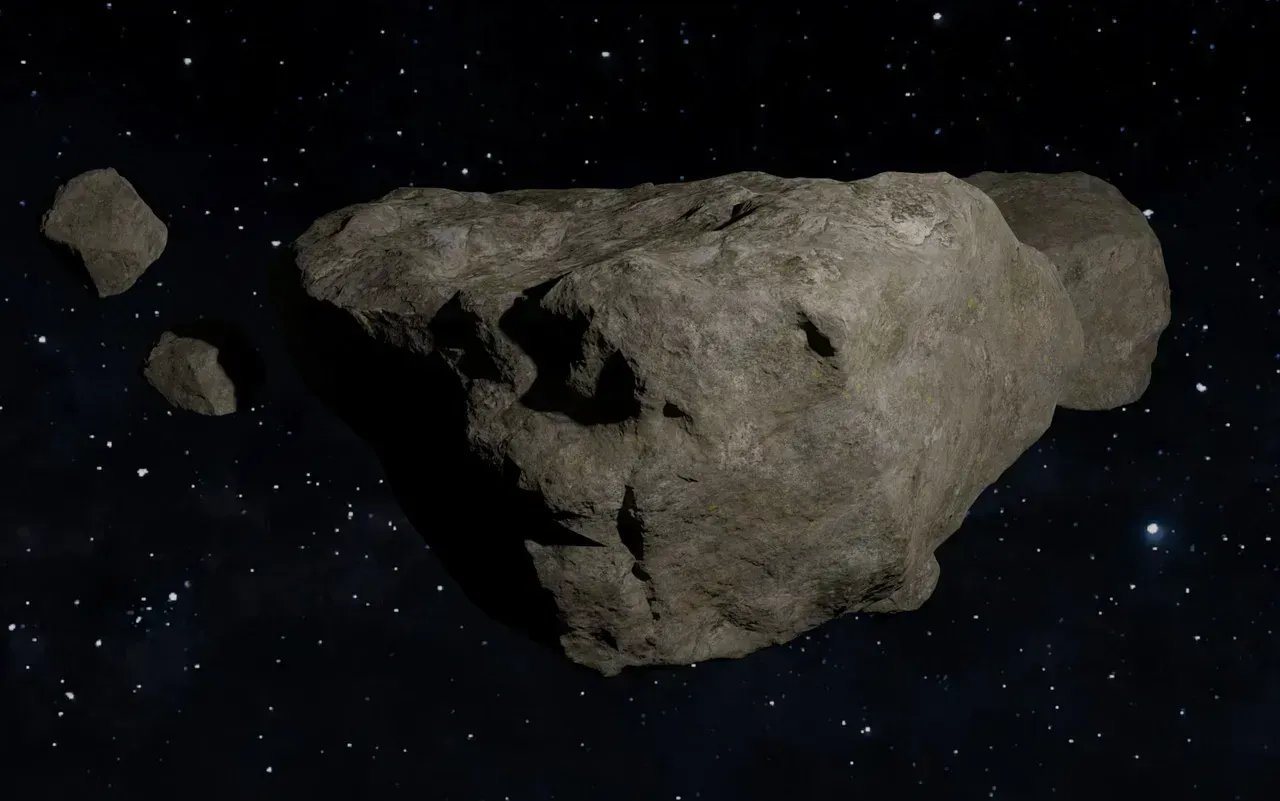
Throughout the 18th century, peasants and townspeople reported stones falling from the sky, sometimes accompanied by fireballs and loud noises. The scientific establishment of the Enlightenment dismissed these accounts as superstitious nonsense. Rocks don’t fall from the heavens; that was primitive thinking.
Everything changed in 1794 when German physicist Ernst Chladni published a book arguing that meteorites were genuine extraterrestrial objects. Most scientists ridiculed him. Then in 1803, thousands of meteorites fell on the French town of L’Aigle, witnessed by numerous credible observers. French scientist Jean-Baptiste Biot investigated and confirmed the phenomenon was real. The scientific community had to admit they’d been wrong, and an entire new field of study opened up.
What makes all these discoveries fascinating isn’t just that they were real. It’s that people knew about them long before science caught up. Indigenous communities, local populations, and ancient civilizations had been living alongside these “mythical” creatures and witnessing these phenomena for generations.
The lesson here is powerful. Just because something sounds impossible doesn’t mean it is. The next time someone tells you an outlandish story, maybe give it a second thought before dismissing it entirely. After all, history has a funny way of proving the skeptics wrong. What other legends are we wrong about right now?