6 Travel Destinations Americans Are Skipping in 2025
The vacation landscape for American travelers in 2025 is going through some pretty dramatic shifts. While folks are still making plans to explore, they’re thinking twice about certain destinations. Let’s be real, it’s not that these places have lost their charm. Sometimes it’s about money, sometimes it’s about politics, and sometimes it’s just about finding better value elsewhere. Here’s what’s happening.
Las Vegas, Nevada
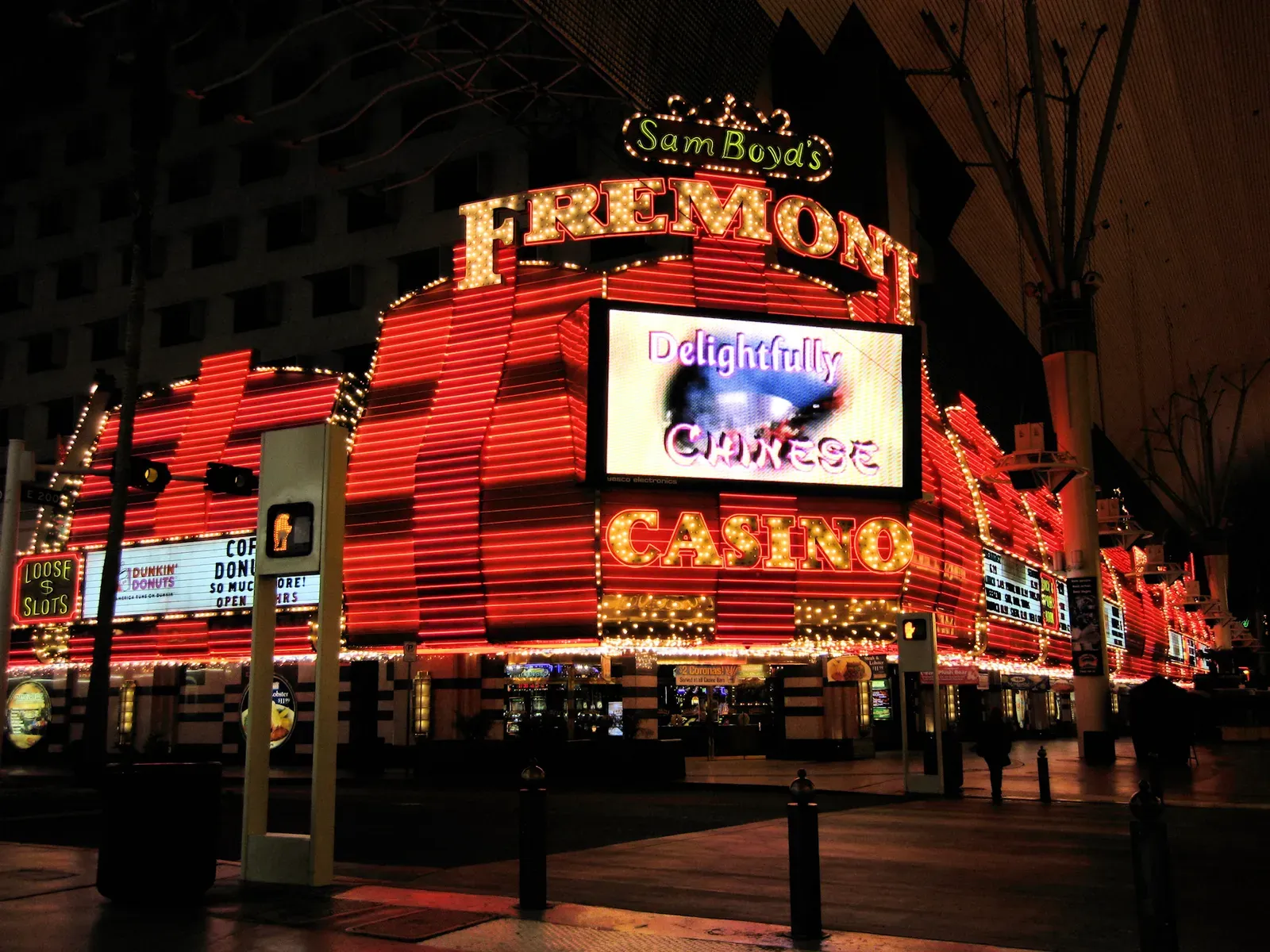
Sin City recorded nearly 400,000 fewer visitors in June 2025, marking an 11.3% drop compared to the same time last year, according to data from the Las Vegas Convention and Visitors Authority. For six straight months this year, Vegas has been in a slump. That’s wild when you think about how this town usually prints money during peak season. The problem? The city has become significantly more expensive in response to rising labor and food costs, and it’s no longer a bargain destination. Casino operators got greedy with resort fees, table minimums shot up, and suddenly that spontaneous weekend trip doesn’t feel so spontaneous anymore. Americans started asking themselves if they really wanted to blow their savings on overpriced cocktails and blackjack tables where the house advantage feels bigger than ever.
Orlando, Florida (Disney World & Theme Parks)
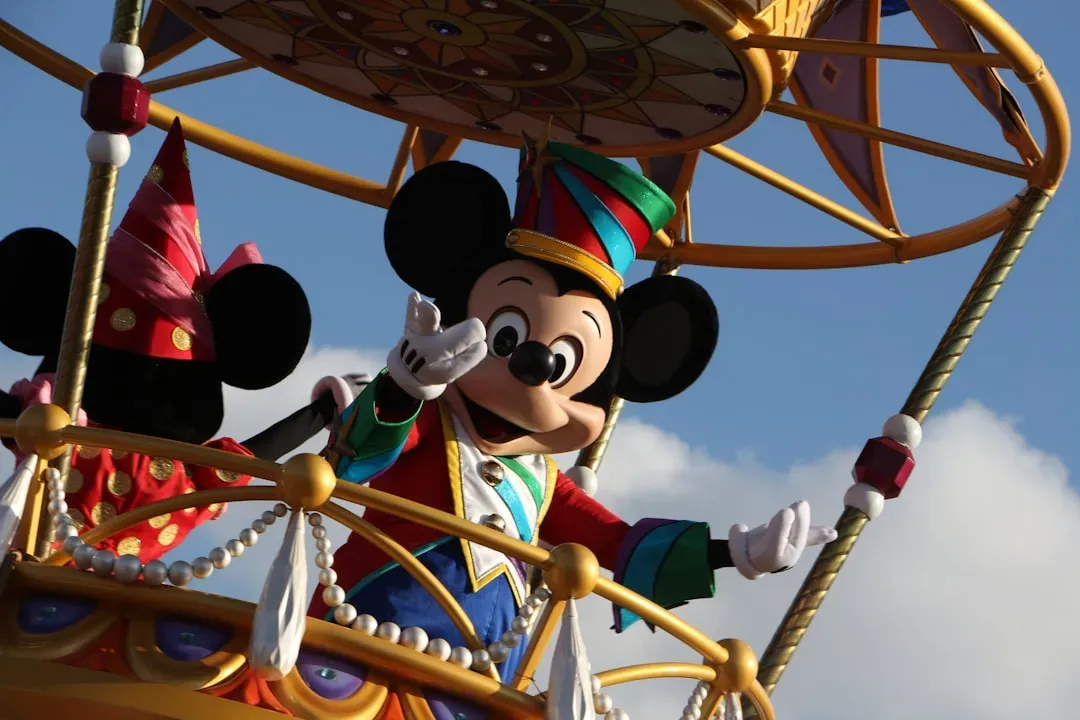
Theme park capital of the world? Maybe. But Americans are steering clear in surprising numbers this year. Orlando experienced a 3.8% year-over-year decline in international air traffic in June 2025, with the decrease largely attributed to a drop in international family travel to major theme parks like Walt Disney World and Universal Studios. Here’s the thing that shocked me: Disney is pricing out regular families. A standard Disney World vacation in 2025 for a family of four costs approximately $7,093, averaging $355 per person per night, and that’s just for five nights with basic park access. When families can fly to Tokyo, visit their Disney parks, and come back for similar or less money, something’s seriously broken. Americans are waking up to the fact that magical memories shouldn’t require taking out a second mortgage. The nickel-and-diming with Lightning Lanes, parking fees, and resort charges has become too much.
Miami, Florida
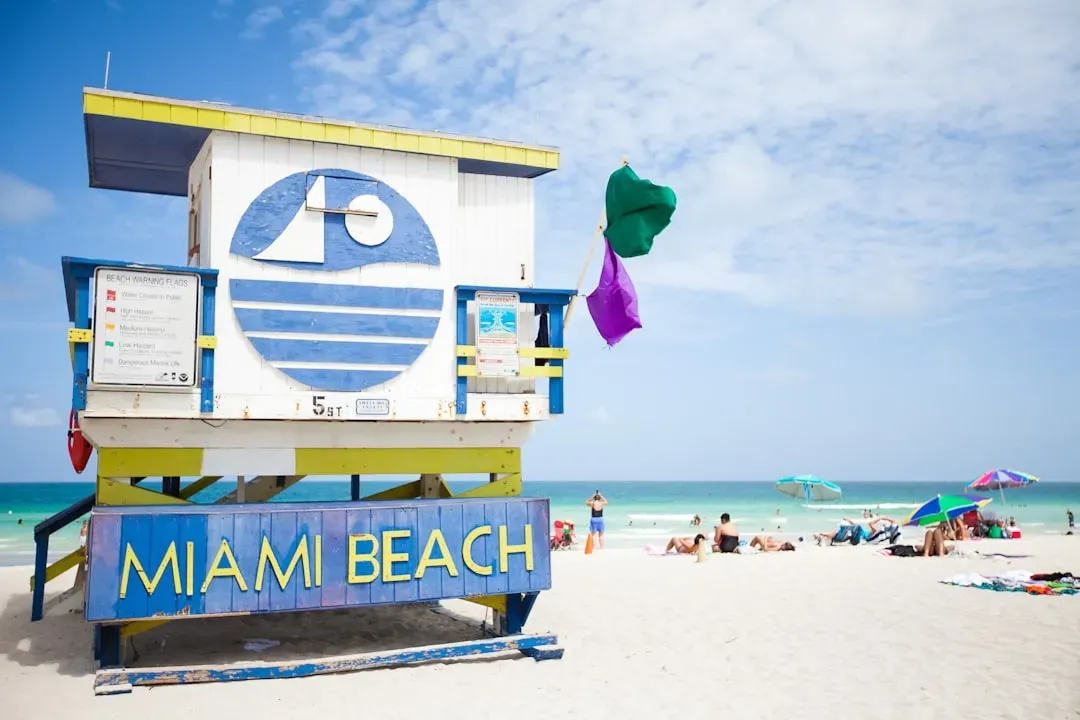
Miami has faced a significant slump in international air traffic, with a 10.5% year-over-year drop in May 2025 and a 4.5% decline in June, largely because the city’s heavy reliance on Canadian and Latin American tourists has made it particularly vulnerable. South Beach isn’t pulling the same crowds it used to. What happened? Americans saw the international boycott happening and realized maybe Miami’s inflated prices weren’t worth it either. The city built its tourism economy on being the gateway between North and South America. When that flow stopped, Americans noticed the emperor had no clothes. Beach resorts charging premium rates, nightclubs with ridiculous cover charges, and Art Deco hotels that cost more than they’re worth. Travelers figured out they could get better beaches in Mexico or the Caribbean for half the price.
Los Angeles & California
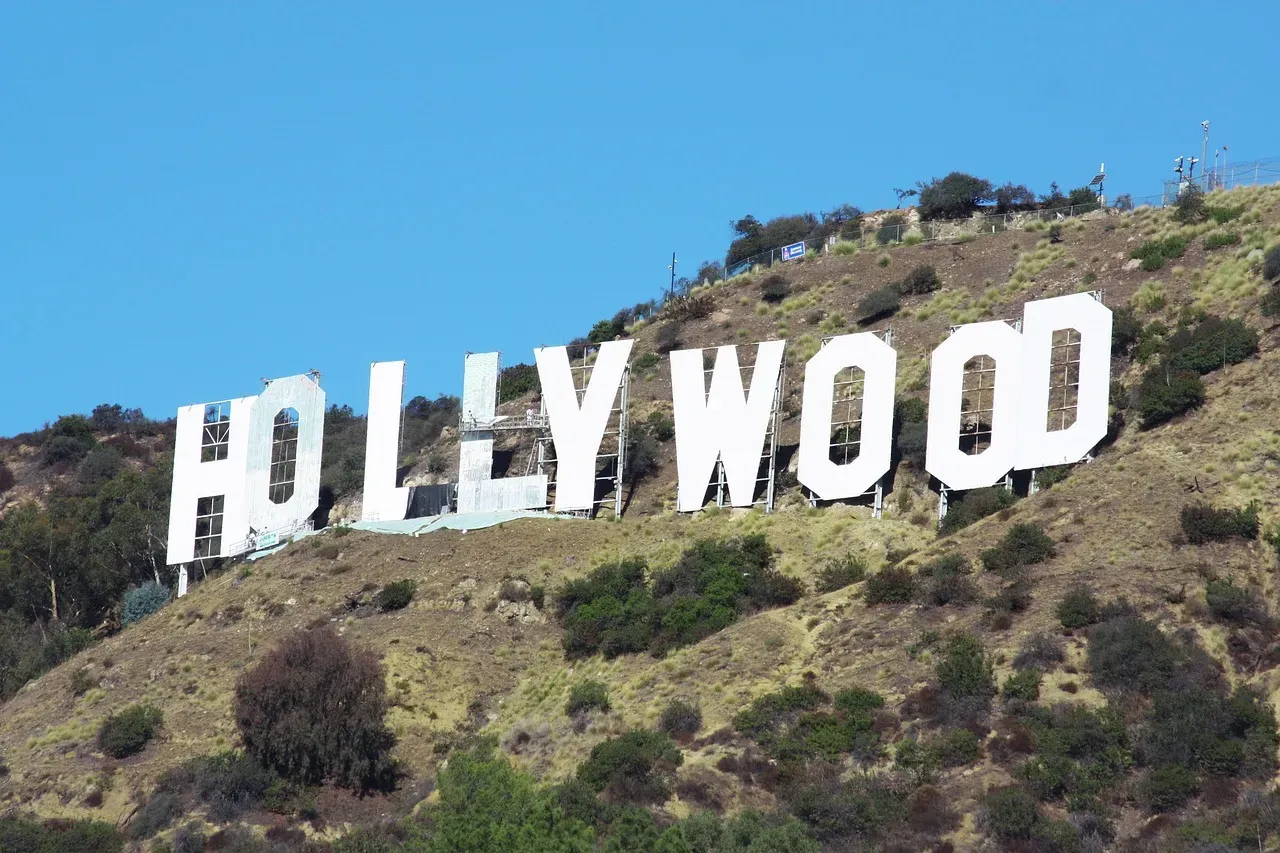
The Golden State is losing its shine. Los Angeles is expected to see a 9.2% decline in international visitation for 2025, with factors like political sentiment and high travel costs contributing to the downturn, as international travelers are increasingly hesitant to visit major California destinations. Hollywood isn’t quite the draw it once was, and Americans are figuring this out too. Traffic that makes you want to scream, hotel prices in Beverly Hills that belong in outer space, and tourist traps everywhere you look. California dreaming turned into California pricing people out. Even longtime fans of places like San Francisco are skipping their annual trips because the cost-to-value ratio just doesn’t add up anymore. Why spend thousands on overpriced everything when you could explore national parks or coastal towns for a fraction of the cost?
Hawaii
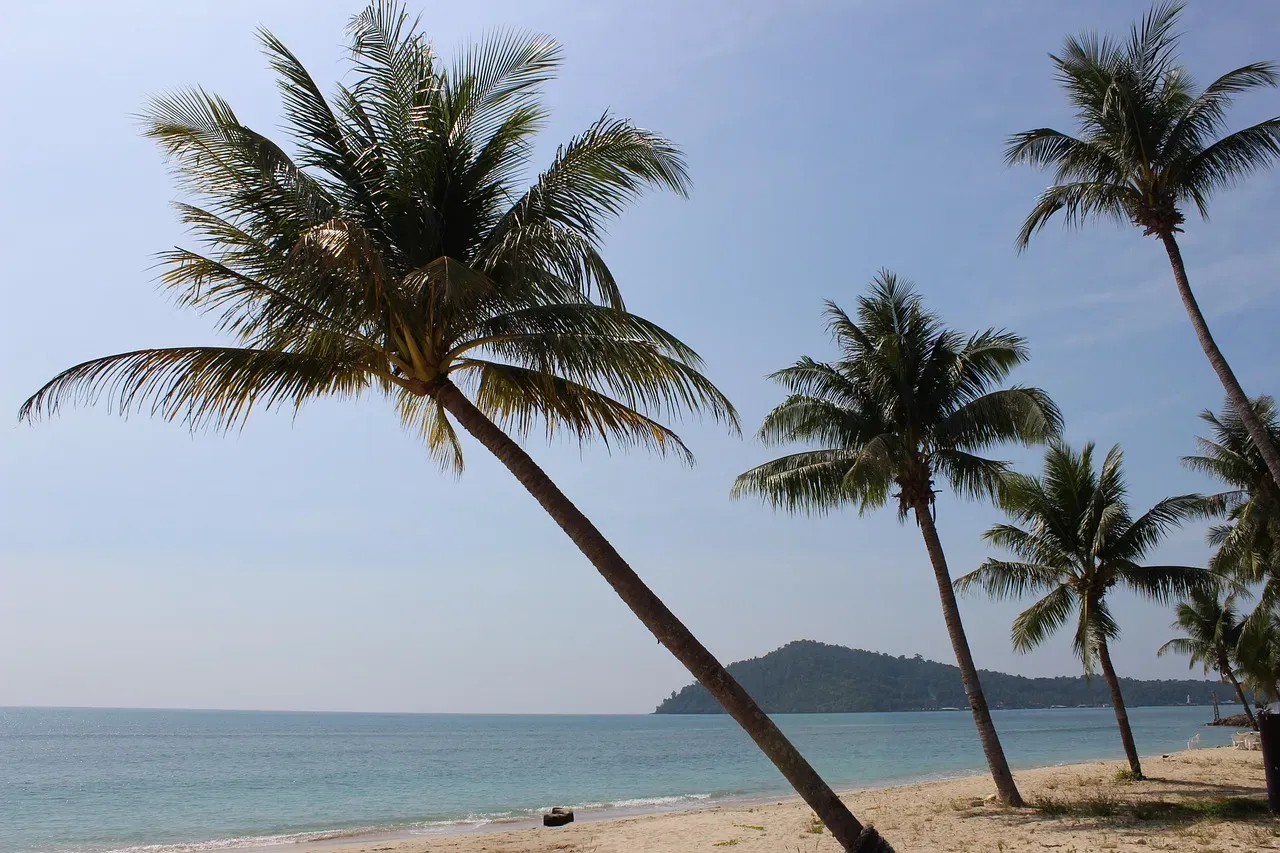
Paradise is having a rough year. Hawaii saw a decrease from 1.8 million visitors in 2024 to 1.5 million in 2025, reflecting a 300,000 loss in tourism. Americans are looking at the total cost of a Hawaiian vacation and doing the math differently now. Flights that cost as much as a used car, hotels charging resort fees on top of already sky-high rates, and restaurant prices that make you miss the mainland. The islands are beautiful, no doubt about it. Yet travelers are asking themselves if one week in Hawaii is worth what they could get from a month exploring Southeast Asia or two weeks in Europe. When your piña colada costs twenty bucks and comes with a side of guilt about overtourism, the appeal fades fast. Americans who used to make Hawaii their annual tradition are taking a break, waiting for prices to come back down to Earth.
Looking at these six destinations, there’s a clear pattern. Americans aren’t skipping travel altogether; they’re just getting smarter about where their money goes. When Vegas loses its party appeal due to pricing, when Disney becomes a luxury only the wealthy can afford, and when traditional hotspots charge more for less, travelers vote with their wallets. The tourism industry better pay attention because 2025 is teaching everyone an important lesson about value. What do you think about it? Are you reconsidering your own travel plans this year?
New York City
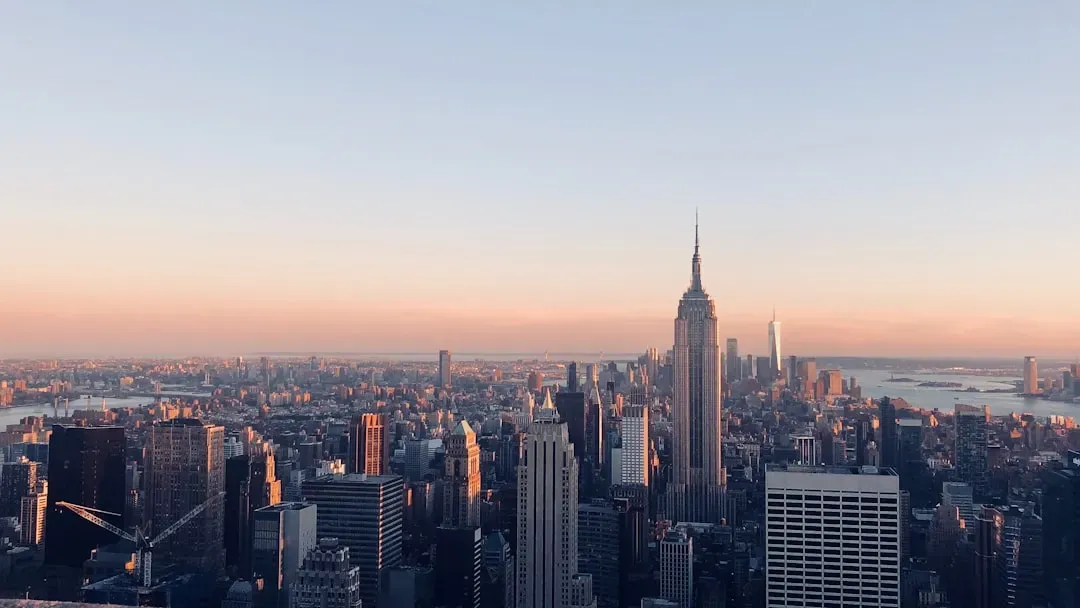
The Big Apple is feeling a bit rotten this year when it comes to tourism numbers. International visitors to NYC are expected to drop by 17% in 2025, translating to around 2 million fewer foreign tourists and an estimated $4 billion loss in spending. Now obviously domestic Americans make up a big chunk of NYC visitors, but here’s what’s interesting: when international tourism tanks, it creates a ripple effect on prices and availability. Plus, New Yorkers themselves are noticing fewer crowds at major attractions, which tells you something. The perception that NYC is just too expensive for what you get is spreading. Hotel rates that would make your eyes water, restaurant bills that require a calculator, and subway chaos that tests your patience. Americans are choosing to save their cash for destinations where the dollar stretches further.