I Planned to Retire in Florida, But These 10 States Have Now Taken Its Place – Here’s Why
Once considered the ideal place to live out one’s golden years, Florida is quickly losing favor with retirement-aged folks. In just half a decade, the median price of a single-family house in Florida rose approximately 60%. Something massive is happening across America. Massachusetts became a popular destination for older adults moving to a new state for retirement in 2024. Who would have thought the Sunshine State might lose its golden crown?
New Hampshire: The Tax Haven That’s Actually Cold

According to Bankrate’s 2025 Best and Worst States to Retire Study, New Hampshire ranked as the top state to retire. The Granite State has no state income tax or sales tax. Here’s the thing though: winters are brutal up there. New Hampshire scored a dismal 40th in weather due to its lack of sunshine. Still, its strong performance in safety, healthcare, and the arts makes up for those frigid months. New Hampshire mixes an affordable lifestyle with strong quality-of-life in terms of safety, healthcare and the arts.
Massachusetts: Where Retirees Are Suddenly Heading

This one surprised everyone, honestly. Massachusetts has attracted a notable share of Americans who crossed state lines to retire last year. One factor driving this trend is climate change-related disasters and rising home insurance prices that accompany those disasters in southern states. According to financial data firm Intercontinental Exchange, property insurance rates average $6,225 a year in Miami compared to a national average of $2,290. Massachusetts offers world-class healthcare systems, something increasingly important as people age. Many older adults prefer to live in more urban settings like Boston or New York, where they do not need to drive, with walkable cities and ample opportunities for social engagement being very appealing.
Idaho: Safety and Affordability Combined

Idaho was the seventh-fastest-growing state in 2024 by percentage growth and scored exceptionally well in neighborhood safety, with one of the lowest rates of property crimes in the country. The Gem State’s combination of financial advantages stands out clearly. Idaho scored well on affordability, ranking 9th, and taxes, ranking 11th. Sure, it’s not a beach paradise, yet those mountains and open spaces offer something Florida can never replicate. The state ran middle-of-the-pack for weather, which means you’ll get real seasons instead of endless summer humidity.
Delaware: The Unsung Tax-Friendly Gem

Delaware is one of just four states with no sales tax at the state or local level, and it has a low property tax rate of 0.55% while not taxing Social Security income. Retirees age 60 and older may exclude up to $12,500 of pension or retirement income from a qualified retirement plan in Delaware. The beaches here are actually stunning, though fewer people know about them. Rehoboth Beach has become a top Atlantic Coast vacation spot. Delaware’s proximity to major metro areas like Philadelphia and Washington D.C. makes it perfect for those who want quiet coastal living with easy city access.
South Carolina: Florida’s Affordable Neighbor

South Carolina provides an affordable alternative to Florida and North Carolina, with a $10,000 retirement income deduction for those 65 and over, no Social Security tax, and the cost of living sitting 11% below the national average. Many retirees who are turned off by the risk of storms or the popularity of Florida are relocating to South Carolina instead, where Social Security is not taxed and pensions and 401(k) payments are partially taxable. South Carolina has some of the lowest property taxes in the country at 0.53%. The coastline offers that warm beach lifestyle without the crushing real estate prices hammering Florida right now. Cities like Myrtle Beach and Charleston deliver southern charm at reasonable costs.
Wyoming: Big Sky, Low Taxes

Wyoming takes the top spot in having a competitive approach to state taxes, with residents benefiting from no state income tax. South Dakotans and Wyoming residents enjoy no state income taxes, no estate or inheritance taxes, and no taxes on Social Security, pension, or 401(k) payments. Wyoming isn’t for everyone, let’s be real. The winters are harsh and the population is sparse. Yet if you value wide-open spaces, outdoor recreation, and keeping more of your retirement dollars, this state delivers. The scenery around places like Jackson Hole is absolutely spectacular.
North Carolina: Four Seasons and Southern Hospitality

North Carolina offers tax breaks for seniors, with increased standard deductions for those over 65, and Social Security is not taxed. Several major cities, including Charlotte and Raleigh, have median mortgage and rent costs that don’t exceed $1,500 a month according to U.S. News & World Report. along with states like Minnesota, Virginia, and North Carolina. The state offers both mountains and beaches, giving retirees options depending on their mood. North Carolina offers four distinct seasons and a comfortable climate without extreme temperatures.
Iowa: The Midwest’s Hidden Champion

Iowa ranks as the number one state to retire to in some rankings, offering an affordable cost of living and home prices and a strong economy. The state has many attractive features, including an outstanding healthcare system, low crime rates, affordable housing, and low cost of living. Retirees can anticipate spending around $400 in transportation costs and about $622 in healthcare expenses monthly, with the total monthly cost of living coming out to about $3,910. The winters are cold, no question about it. Yet the financial advantages and quality healthcare make Iowa increasingly appealing for retirees watching their budgets carefully.
Colorado: Mountains Over Beaches

Colorado is a great state for retirees, offering taxpayer-friendly conditions with no estate or inheritance taxes, the seventh-lowest poverty rate for residents ages 65 and over, and the 10th-lowest percentage of seniors who have faced hunger in the past 12 months. Colorado boasts the 10th-best geriatrics hospitals in the country, the fourth-highest percentage of seniors who are in good health, and the third-highest percentage who are physically active. If you’re the type who prefers skiing to sunbathing, Colorado delivers an active retirement lifestyle. Although Colorado residents face high sales tax, property taxes are lower than other states. The natural beauty and outdoor opportunities draw retirees seeking adventure over beach lounging.
Virginia: The Professional’s Retirement Hub
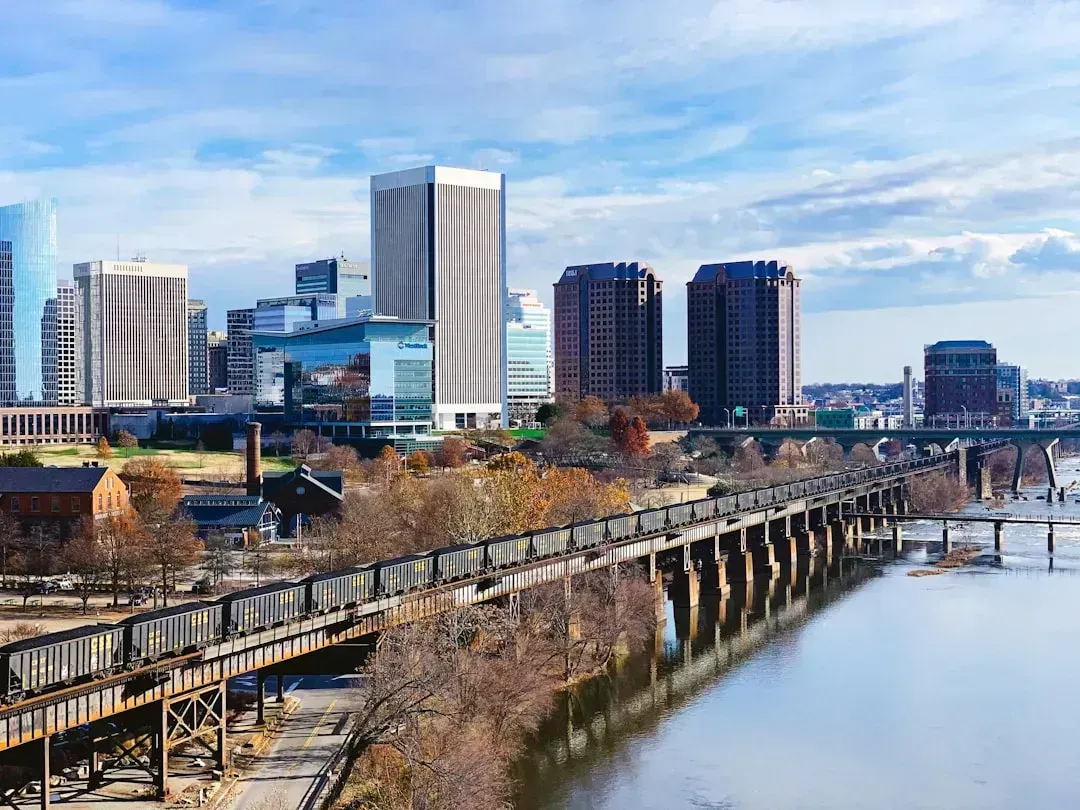
Virginia has attracted many retirees who moved across state lines in recent data. For retirees who moved specifically to retire, nearly one in four left Virginia, making it the state with the highest proportion of move-to-retire departures, likely due to its status as a major work hub, particularly in areas like Northern Virginia and the greater Washington, D.C., metro region. Virginia offers a unique position as both a departure and destination state. The mid-Atlantic location provides access to beaches, mountains, and major cities. It’s interesting how people work there but retire elsewhere, while others choose Virginia as their retirement home after working somewhere even more expensive.
The Real Reason Retirees Are Ditching Florida

So what’s actually driving people away from the Sunshine State after decades of it being the retirement gold standard? Insurance costs have absolutely exploded in Florida, with homeowners insurance premiums skyrocketing by over 400% in some coastal areas since 2019. Hurricane Ian and other recent storms didn’t just devastate communities – they devastated the insurance market, making it nearly impossible for some retirees on fixed incomes to afford coverage. Beyond insurance, Florida’s property taxes have been climbing steadily, and the famous homestead exemption doesn’t help if you’re moving there for the first time. The cost of living in desirable Florida areas like Naples, Sarasota, or anywhere near the coast now rivals what you’d pay in parts of California or New York. Add in brutal summer heat that seems to last longer each year, increasing flood risks, and traffic that would make Los Angeles jealous, and suddenly those palm trees don’t look quite as appealing. The states on this list offer something Florida can’t anymore: genuine affordability combined with stability and quality of life that won’t bankrupt you in a single hurricane season.
What These States Actually Have in Common

Here’s the thing that connects all ten of these retirement destinations – they’re not trying to be Florida. Each state on this list has carved out its own identity without relying on endless sunshine and beach access as their main selling point. What they share instead is fiscal responsibility, with most offering either no state income tax, low property taxes, or generous retirement income exemptions that actually make your savings last. They’ve also maintained stable insurance markets because they haven’t been hammered by billion-dollar natural disasters year after year. You’ll notice something else interesting: nearly all these states have invested heavily in healthcare infrastructure, which matters way more when you’re 70 than whether you can wear shorts in January. The political climates vary wildly from liberal Massachusetts to conservative Wyoming, proving that retirees aren’t all looking for the same ideological bubble – they just want their money to go further and their homes to stay standing. Most surprisingly, these states have younger populations moving in too, which means better services, restaurants, and amenities instead of feeling like you’re living in one giant retirement community where the most exciting event is early bird dinner specials.
The Healthcare Factor Nobody Talks About Enough

Let’s get real about something that matters way more than tax breaks when you’re actually living your retirement years – can you get quality healthcare without driving three hours or waiting six months for an appointment? Florida’s healthcare system is buckling under the weight of its massive retiree population, with some specialists booked out for literally half a year and emergency rooms that look like Black Friday at Walmart. Meanwhile, states like Massachusetts and North Carolina have been quietly building world-class medical centers that don’t just serve retirees but attract them. Boston’s hospital system rivals anything in the country, and you’re never more than 45 minutes from excellent care in most of these ten states. Here’s what shocked me most: several of these states have better doctor-to-patient ratios than Florida specifically because they haven’t oversaturated with retirees yet. Iowa might not sound sexy, but their healthcare outcomes for seniors actually beat Florida’s in nearly every major category, from heart disease treatment to cancer survival rates. When you’re planning where to spend your golden years, Instagram-worthy sunsets matter a lot less than knowing you can get your hip replaced by a top surgeon without remortgaging your house or waiting until next season.