10 Vintage China Sets Worth Thousands That Collectors Still Hunt For
Here’s the thing about antique china. Most people assume those dusty old plates stacked in Grandma’s cabinet are just sentimental keepsakes. Others quietly know better. Across estate sales and auction houses worldwide, certain vintage china patterns routinely fetch jaw-dropping sums, sometimes reaching well into five or even six figures. It’s hard to say for sure if you’re sitting on one of these treasures without doing your homework.
The market for collectible porcelain has shifted over the years, no doubt about it. While some patterns have cooled off, a select handful maintain their elite status among serious collectors. Let’s be real, not every teacup is going to make you rich. Still, certain rare designs backed by historic manufacturers continue to command extraordinary prices in today’s market.
Royal Copenhagen Flora Danica
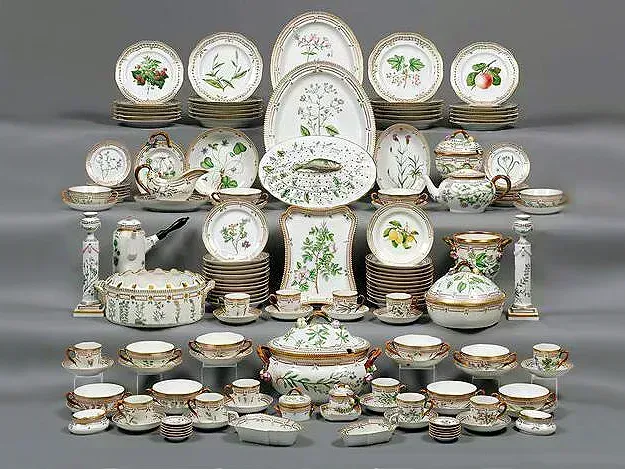
Flora Danica is a series of highly detailed botanical themed porcelain dishware produced by Royal Copenhagen Denmark, first commissioned in 1790 by the King of Denmark himself. Each piece features hand-painted botanical illustrations copied meticulously from a famous Danish flora encyclopedia. Today, each piece of Flora Danica is still hand made by skilled artisans, and there are fewer than 20 craftspeople in the world qualified to produce Flora Danica.
The Flora Danica pattern is one of the most valuable dinnerware lines in the world, and individual pieces can sell for thousands of dollars in the right conditions. A 20th century Royal Copenhagen Flora Danica ice dome found a new home at ten thousand two hundred dollars in a 2023 auction. Complete sets with serving pieces and tureens can easily eclipse tens of thousands of dollars when they hit the market.
Chinese Export Tobacco Leaf Pattern
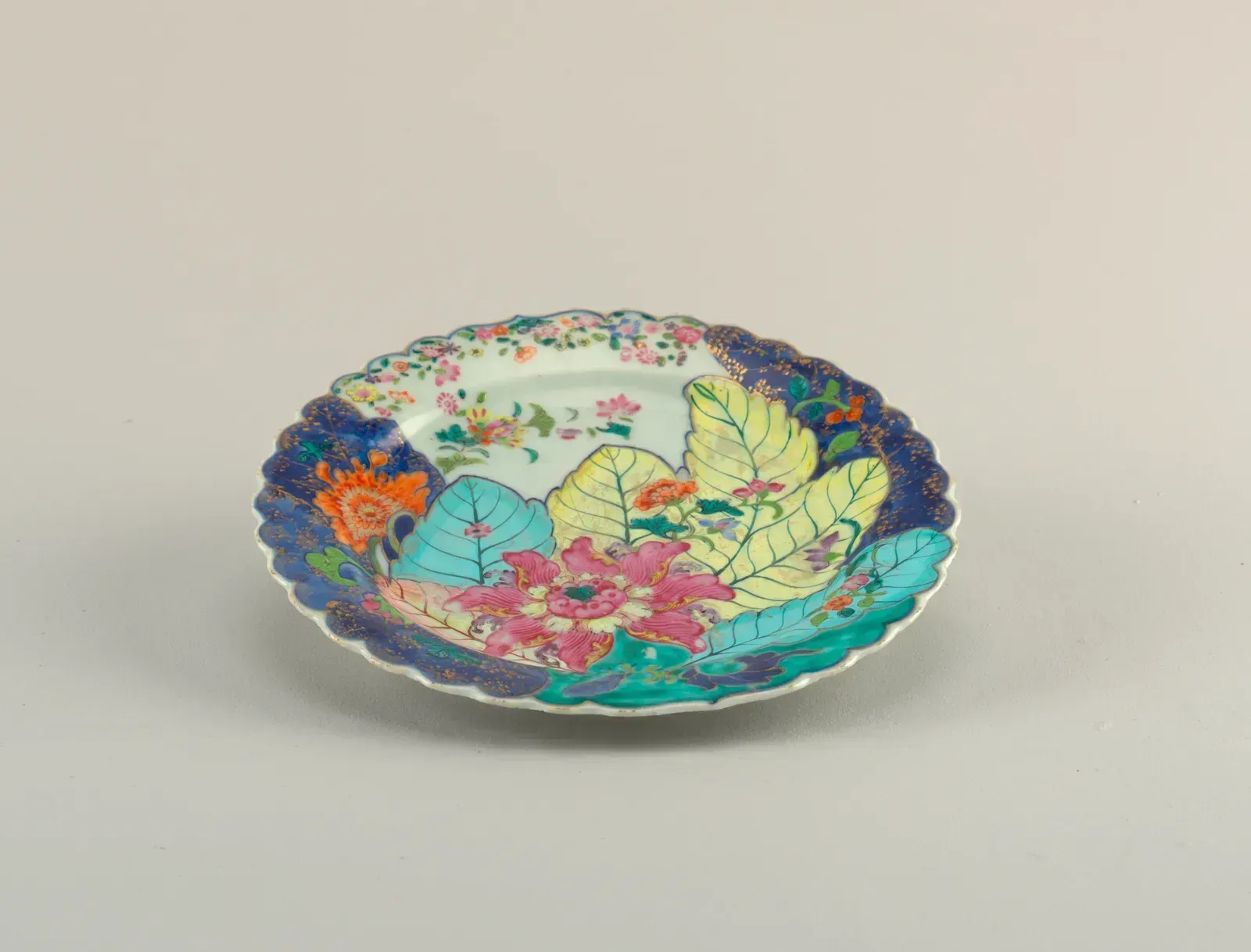
Honestly, if you’re looking for museum-level rarity, Chinese Export porcelain in the Tobacco Leaf pattern is the holy grail for collectors. A circa 1775 set of over 80 pieces sold for eighty-one thousand nine hundred dollars in 2025, while a larger 150-plus piece set sold for over one million dollars in 2018 at Christie’s. These pieces were created during the Qianlong period specifically for Western markets.
The intricate hand-painted tobacco leaves and floral motifs make each piece instantly recognizable to seasoned collectors. The prices reflect not just artistic merit but extreme scarcity. Very few complete services survived centuries of use and travel across oceans. When one surfaces at auction today, expect fierce bidding wars among international buyers who understand its historical importance.
Meissen Porcelain with Crossed Swords Mark
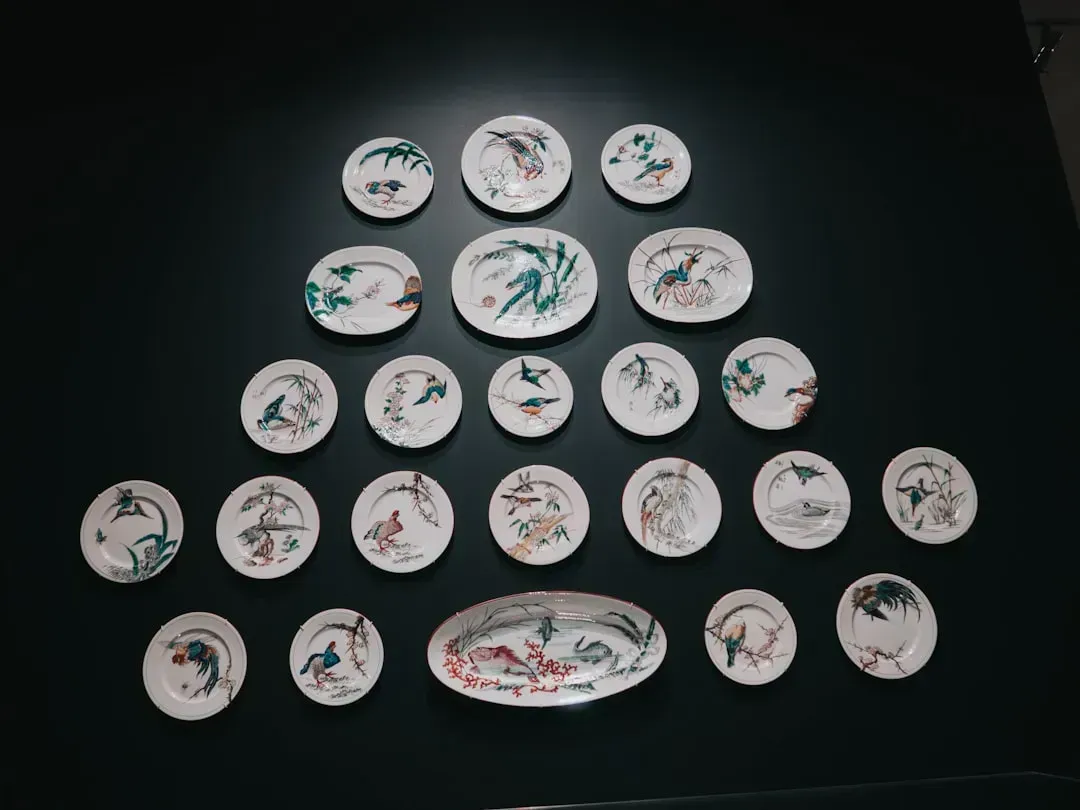
As Europe’s first manufacturer of fine porcelain, Meissen quickly established itself as the innovator in European ceramics, and since the factory’s creation in 1708, the proprietary Meissen formula has produced some of the finest examples of antique porcelain. The famous crossed swords mark remains one of the oldest trademarks in existence. Early 18th-century pieces, especially those created under master sculptor Johann Joachim Kändler, command staggering prices today.
A 2024 auction of Meissen porcelain fetched an impressive amount significantly surpassing its pre-sale high estimate, highlighting the enduring allure and value of Meissen porcelain. An extraordinarily rare Meissen group of lovers with a birdcage sold for over one hundred seventy thousand dollars, more than quadrupling its low estimate, while a rare crinoline figure of a lady from around 1737 fetched over one hundred twenty-seven thousand dollars. I know it sounds crazy, but these figures regularly achieve six-figure hammer prices.
Shelley Art Deco Teaware
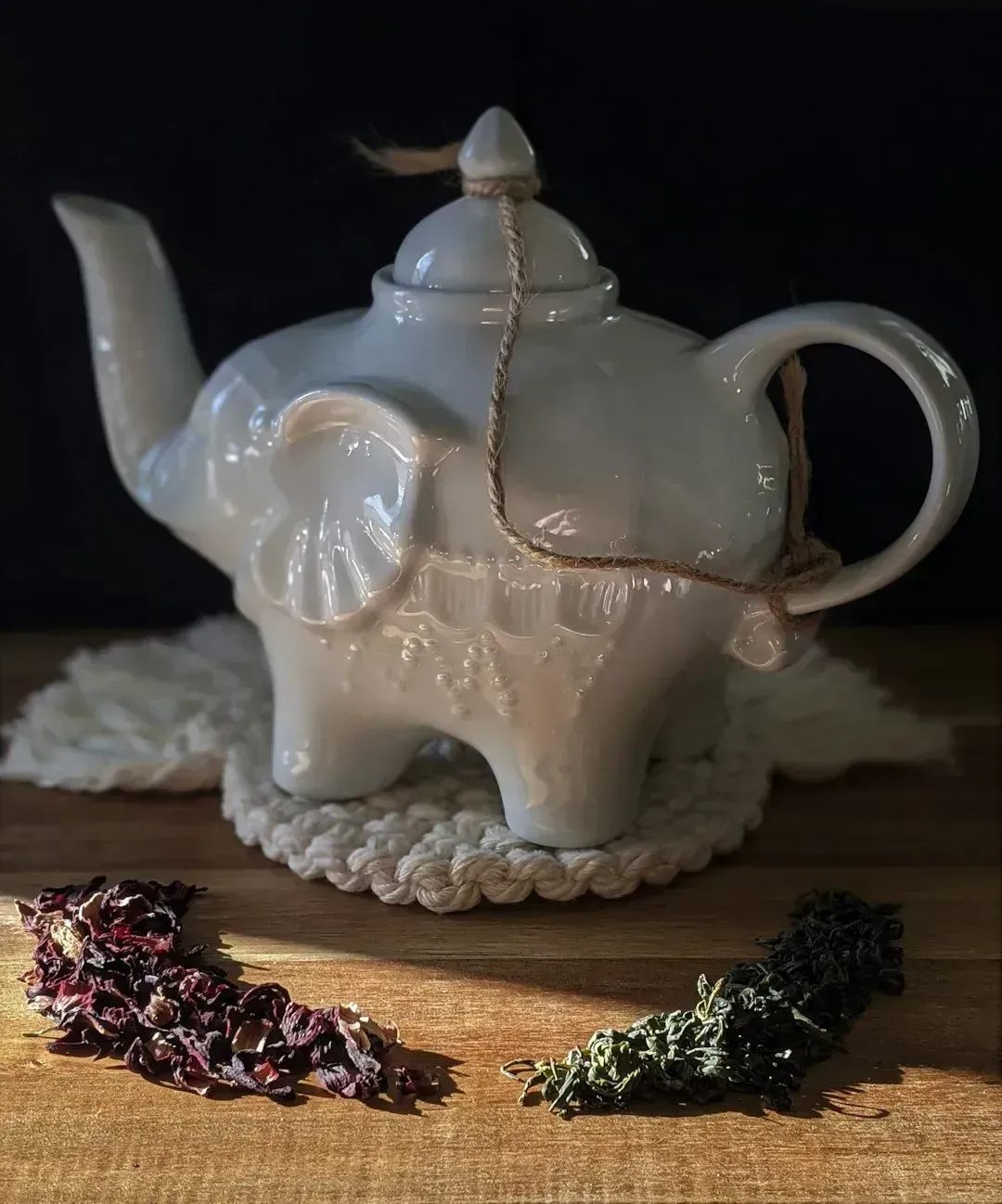
Shelley Art Deco tea wares are often the most popular and valuable of the Shelley range, and the shapes and styles proved extremely popular in America as the shapes really did break the rules. Based in Staffordshire, this English pottery produced stunning bone china pieces from the 1870s through the mid-20th century. A rare Shelley tulip-handled lemon and blue Art Deco teaware piece set to go under the hammer for around eight hundred fifty dollars sold for a very respectable thirteen hundred fifty dollars at auction.
Shelley Teacup Patterns have actually sold online in 2022 with a sale price ranging from one hundred dollars to nearly eight hundred dollars, and 46 different patterns with sales prices show collectors how to spot a rare Shelley Teacup and Saucer. The Vogue pattern with its distinctive angular handles and geometric Art Deco styling attracts particular attention. Complete tea sets in pristine condition are becoming increasingly difficult to find, driving values upward steadily.
Noritake Pattern 20056
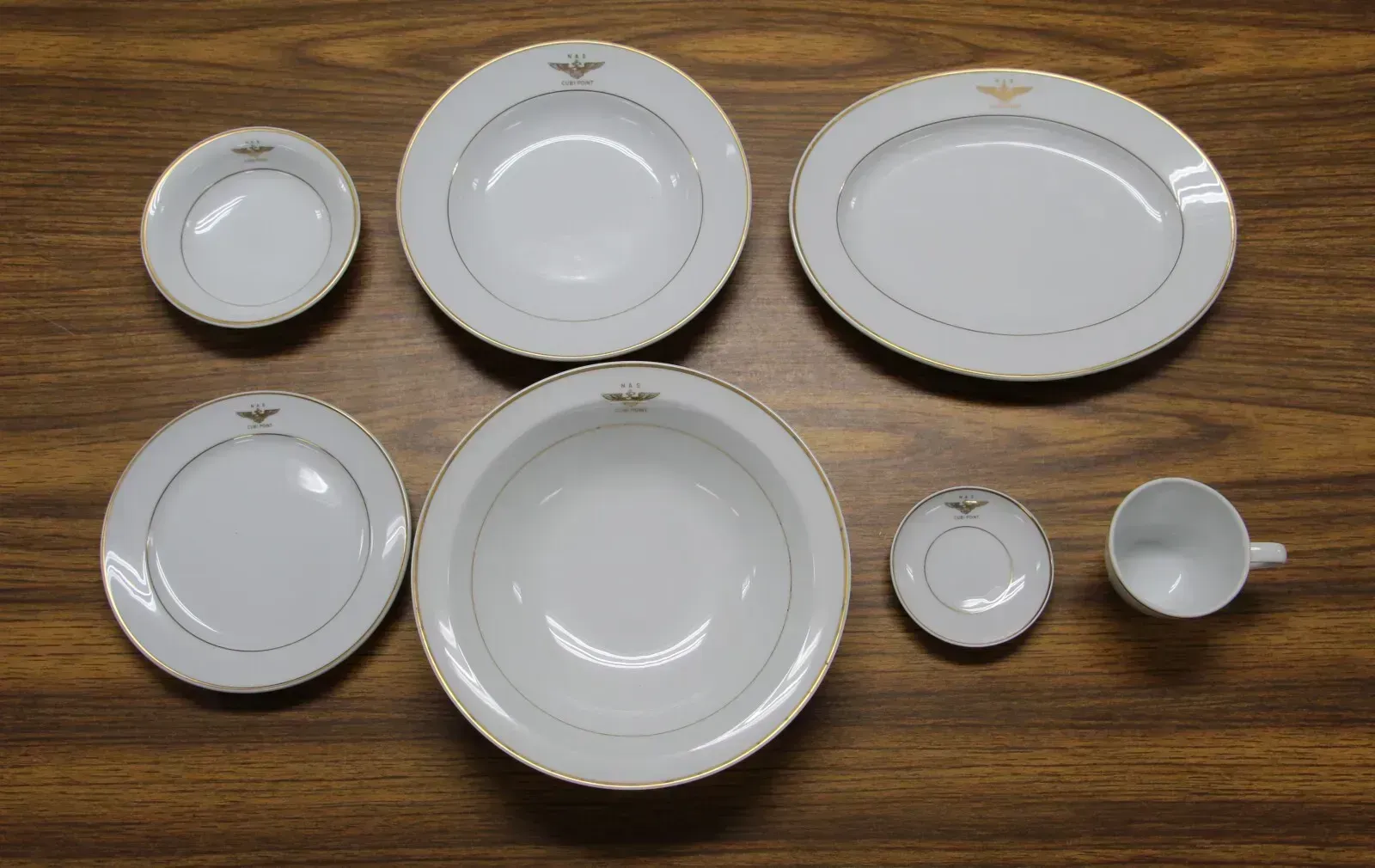
An ornate pattern dating to 1924, pattern 20056 is a lovely design of black with gold embellishments with a simple shape and delicate white base, and because this is an old Noritake pattern, it’s hard to find. A set of eight place settings sold for fifteen hundred dollars in 2024. This Japanese porcelain manufacturer built an international reputation for hand-painted elegance and quality craftsmanship.
The appeal lies in the striking contrast between the black background and intricate gold scrollwork. Noritake’s early 20th-century patterns remain highly collectible, though values vary dramatically depending on rarity and condition. Certain patterns can sell for hundreds of dollars a place setting, but others are only worth around twenty-five dollars for five pieces. Knowing which pattern you have makes all the difference between a garage sale find and a serious payday.
Haviland Limoges with Hand-Painted Designs
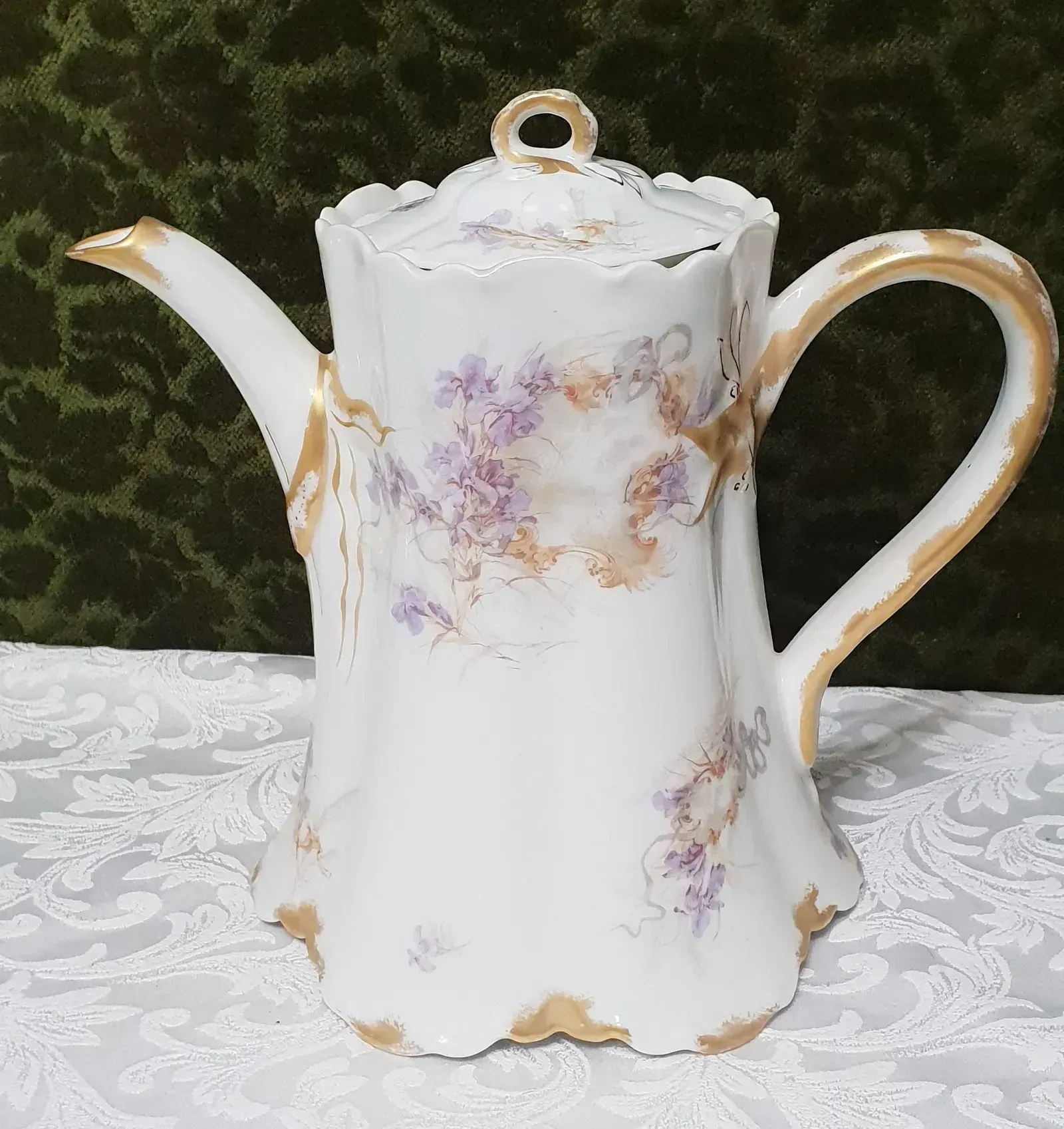
Limoges Haviland china is synonymous with elegance, known for its delicate floral patterns and fine porcelain quality, and originating in France, these pieces often include hand-painted designs and gold trims. The French city of Limoges became Europe’s porcelain capital due to natural kaolin deposits discovered in the region during the 1700s. Multiple factories operated there, but Haviland remains the most celebrated name.
A 20th century 72-piece set sold for thirty thousand dollars in 2023. The finest examples feature exquisite hand-painted scenes of flowers, birds, or pastoral landscapes surrounded by ornate gilding. Older Haviland pieces with artist signatures command premium prices. Collectors particularly prize dinner services produced before World War I when quality and artistic detail reached extraordinary heights.
Chinese Export Famille Rose Dragon Pattern
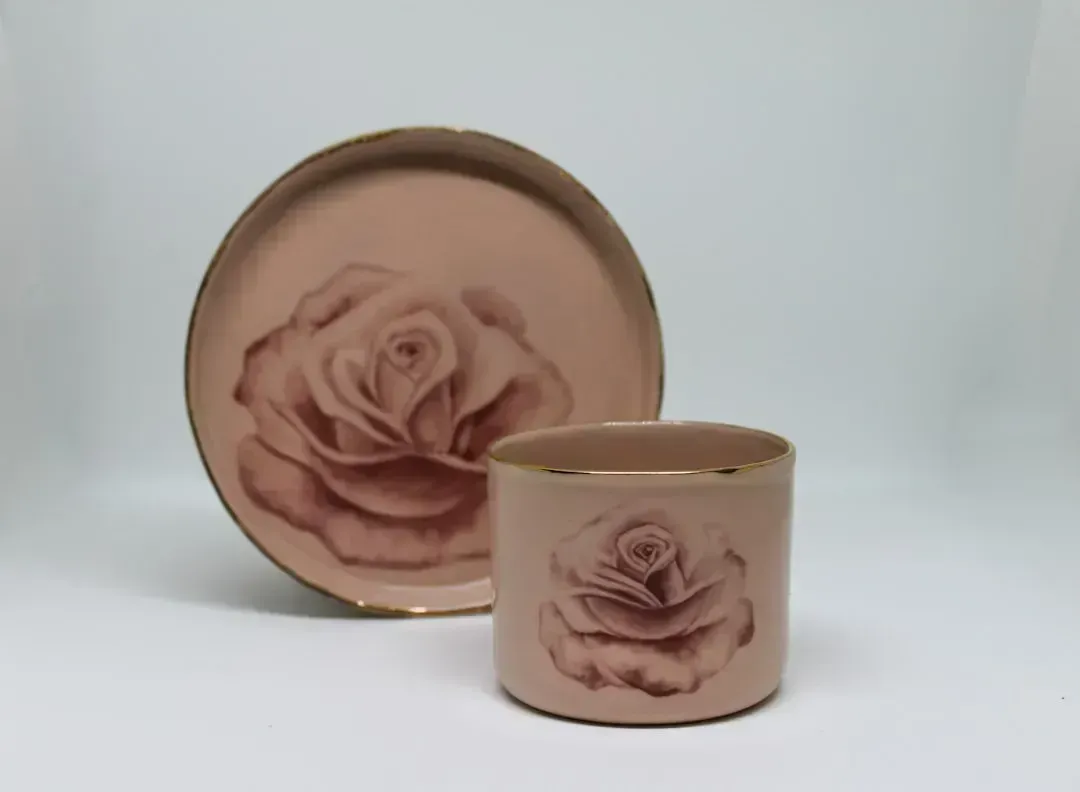
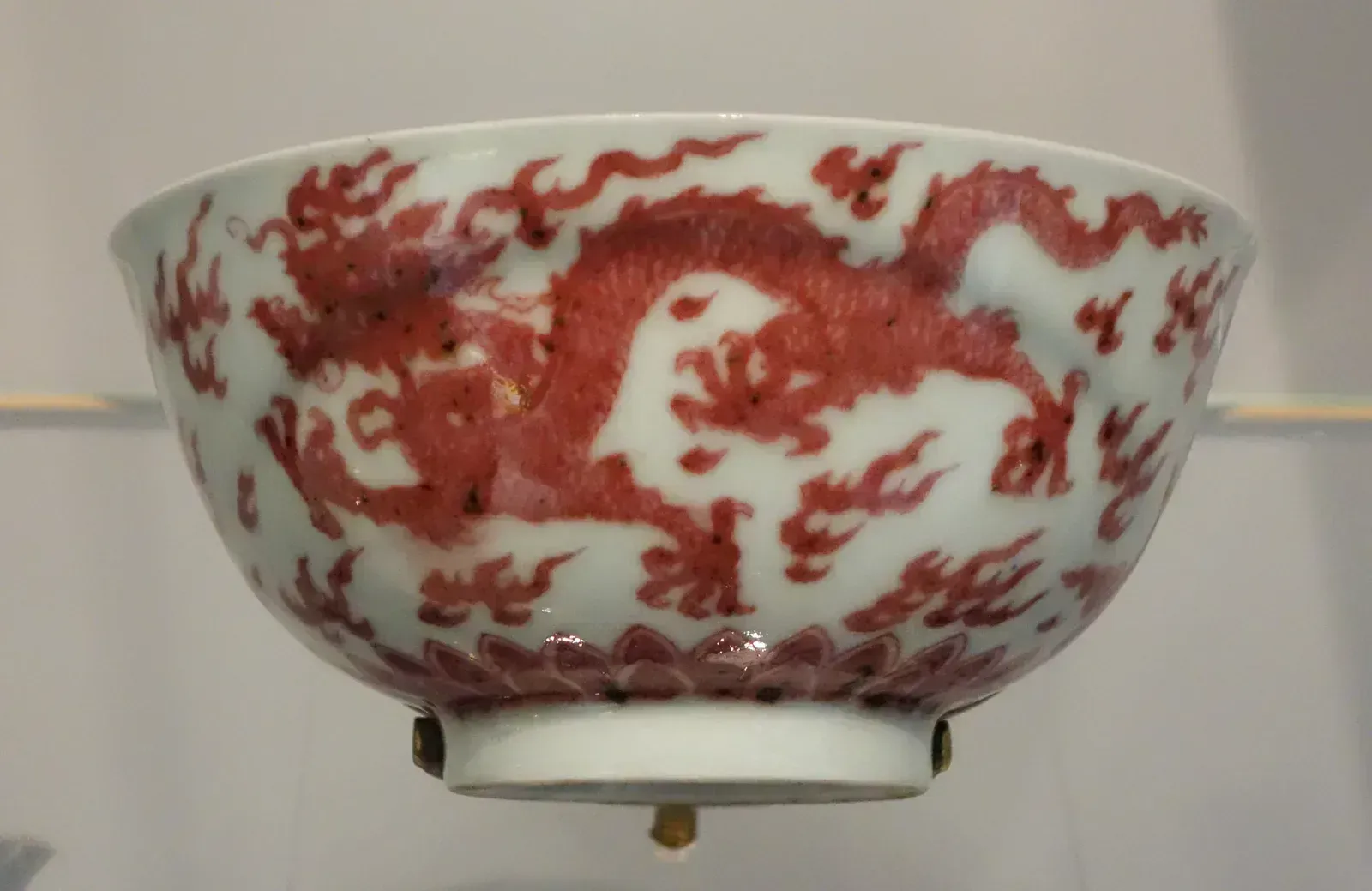
Famille Rose Dragon pattern decorated with dragons chasing the flaming pearl and often surrounded by butterflies, florals, and birds dates from circa 1875 to 1908, and a 20th century 72-piece set sold for thirty thousand dollars in 2023. These vibrant porcelain pieces showcase the technical mastery of Chinese artisans during the late Qing dynasty. The iron red dragons and pink floral motifs create stunning visual impact.
What makes these sets particularly desirable is their dual appeal. They represent both Chinese artistic heritage and the fascinating history of East-West trade. Complete dinner services remain highly sought after, especially those in excellent condition with minimal wear to the delicate enamel decoration. The symbolism of the dragon pursuing the pearl of wisdom resonates deeply with Asian collectors driving up auction prices.
Meissen Blue Onion Pattern
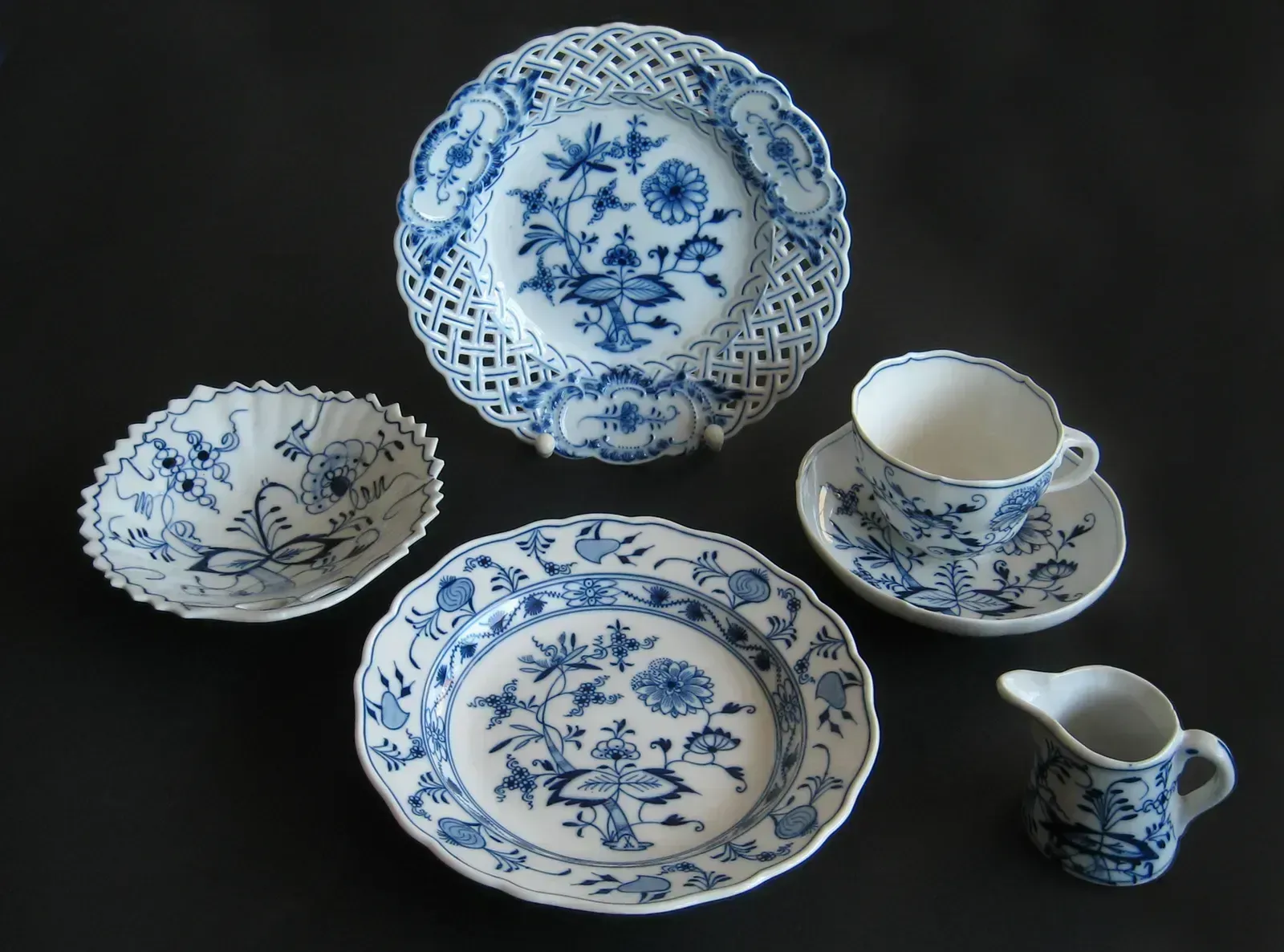
Blue Onion is an iconic blue and white pattern inspired by Chinese porcelains where European decorators misinterpreted the Chinese peaches and melons for onions, introduced in 1739 and still in production, and a 19th or 20th century set of over 200 pieces sold for twenty-three thousand eight hundred ninety-four dollars in 2025. Despite the name confusion, this pattern became one of the most recognizable and enduringly popular designs in porcelain history.
The charming mistake gives the pattern character and historical intrigue. Meissen produced Blue Onion continuously for nearly three centuries, though earlier examples naturally command higher values. You are likely familiar with the ever-popular Blue Onion design, though early wares from the 18th century seldom appear on the market in any quantity, and when they do, they command high prices due to their scarcity. Look carefully at backstamps to determine age and authenticity, as many other factories copied this beloved motif.
Royal Doulton Old Country Roses
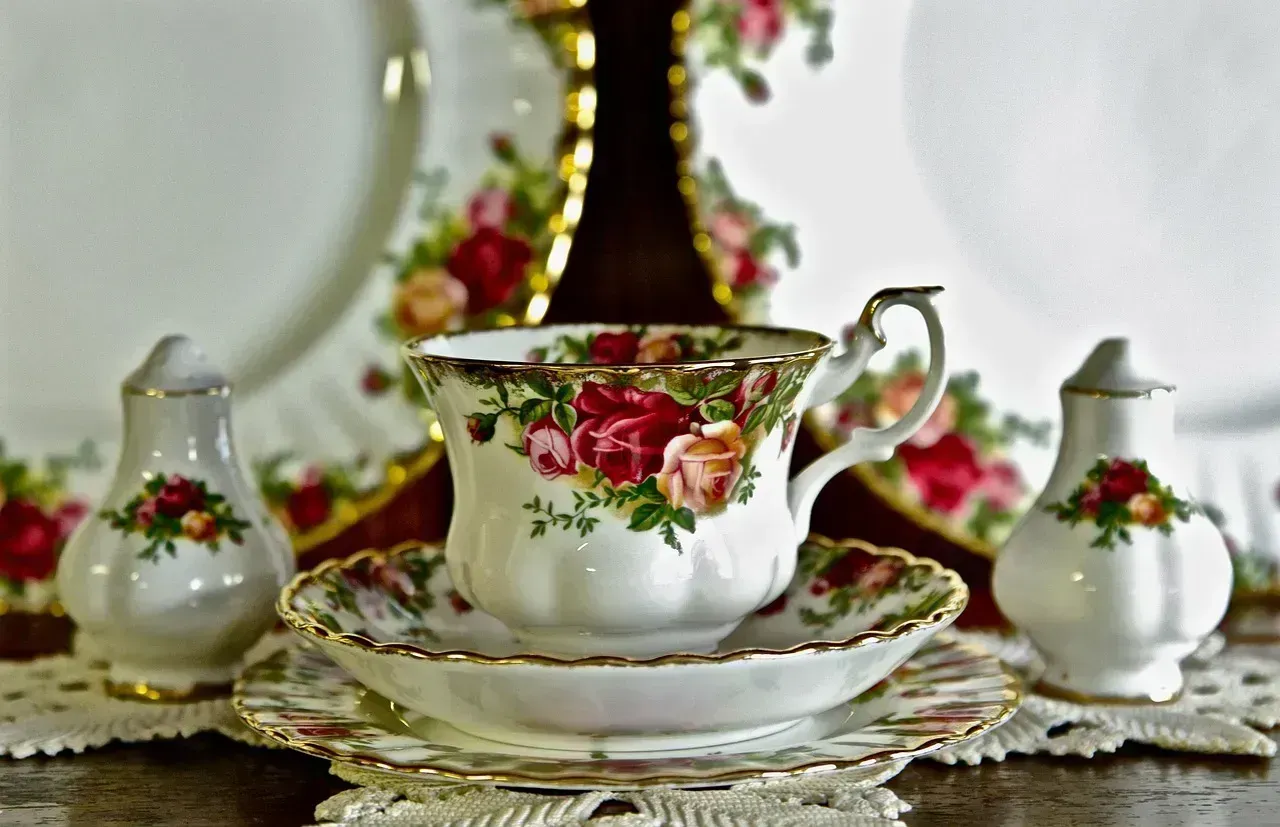
Launched in 1962, Old Country Roses is celebrated for its timeless floral design adorned with rich gold edging, and its enduring popularity has made it one of the world’s best-selling bone china patterns. This English pattern defined elegant dining for generations of families. The lush roses in deep reds, pinks, and yellows against cream bone china create immediate visual warmth.
While not reaching the stratospheric values of some rarer patterns, complete vintage sets in pristine condition still attract dedicated collectors. Earlier production runs from the 1960s and 1970s typically command better prices than later pieces. The pattern was so successful that Royal Doulton produced countless variations and complementary pieces, making it possible to assemble truly impressive collections.
Bernardaud Compagnie des Indes Red
Compagnie des Indes Red was discontinued between 1968 and 1998, and a set of over 200 pieces sold for seven thousand dollars in 2024. This French porcelain manufacturer brought sophisticated Parisian style to fine dining. The pattern features rich red floral and bird motifs inspired by Asian export porcelain that originally arrived in Europe aboard ships of the East India Trading companies.
Bernardaud maintained exceptionally high production standards throughout its history. The discontinued status of Compagnie des Indes Red has elevated collector interest considerably. Large complete services become increasingly rare as families break up sets over time. Finding matching replacement pieces grows more challenging each year, which pushes values upward for intact collections in excellent condition with all serving pieces present.
Why These Vintage Patterns Command Such High Prices

You might wonder what makes one old china set worth thousands while another sits in thrift stores for five bucks. It’s not just age that matters here. Scarcity plays a huge role – discontinued patterns that were only produced for limited periods become instant collectibles. The craftsmanship matters too, especially hand-painted details that required skilled artisans spending hours on single pieces. Provenance can multiply values dramatically when sets come from notable estates or have documented histories. Condition is absolutely critical since even minor chips or fading can slash values by half or more. What really drives prices sky-high is when wealthy collectors compete for the same rare patterns, creating auction bidding wars that shatter previous records. The emotional connection people have to family heirlooms also sustains demand, as descendants search desperately to replace broken pieces from grandmother’s wedding china.