Why Silver Half-Dollars Are Quietly Increasing in Value as Inflation Hedges
You’ve probably stashed a few old coins in a drawer somewhere, forgotten relics of childhood collections. Maybe there’s a Kennedy half-dollar among them. Let’s be real, nobody thinks much about half-dollars these days. They’re practically invisible in commerce.
Here’s the thing, though. Silver gained approximately 20% in 2024 compared to its 2023 levels, and the trajectory into 2026 looks even more dramatic. Silver spot prices rose over 120% in 2025, surpassing $66 for the first time after opening the year at $28.92. That kind of movement doesn’t happen in a vacuum, especially when you’re holding tangible metal in your hand.
The Silver Content Factor Makes These Coins More Than Currency
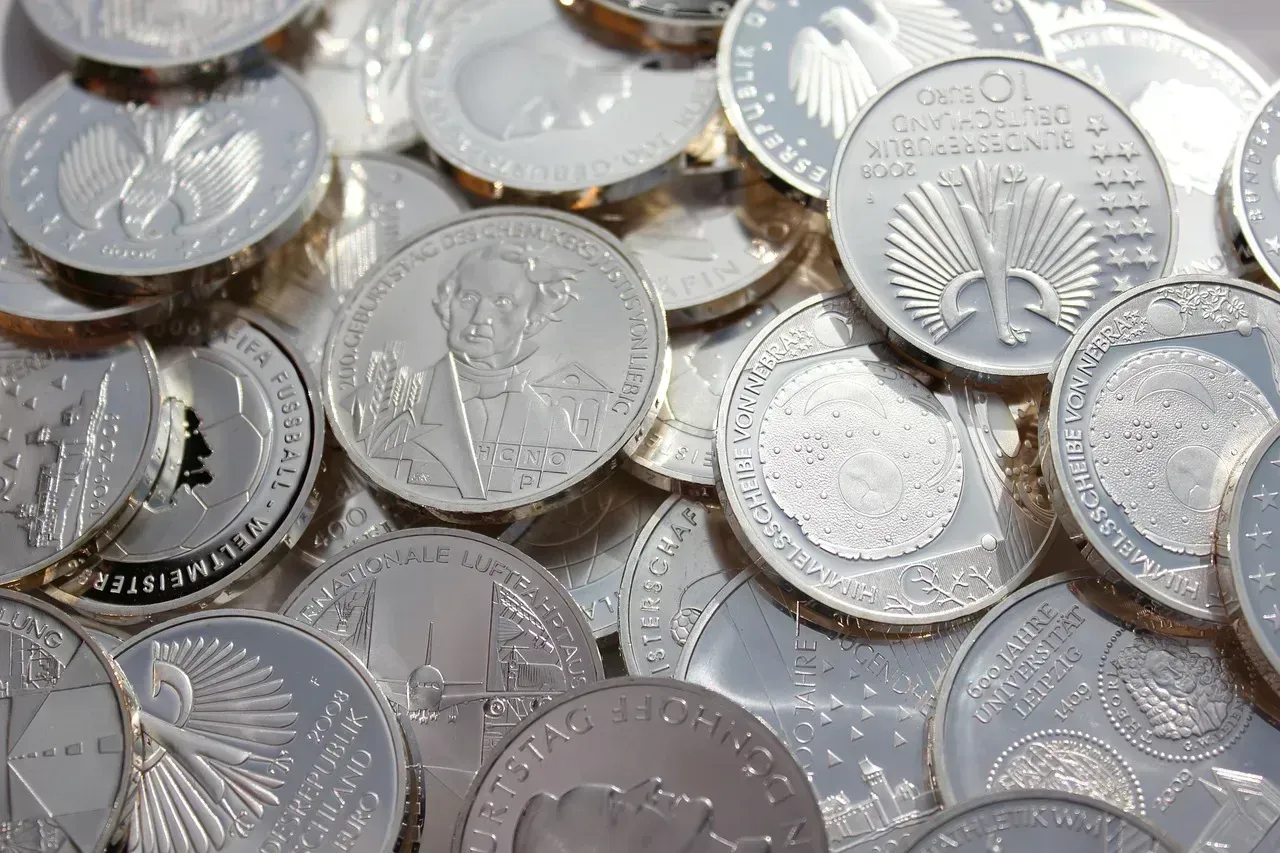
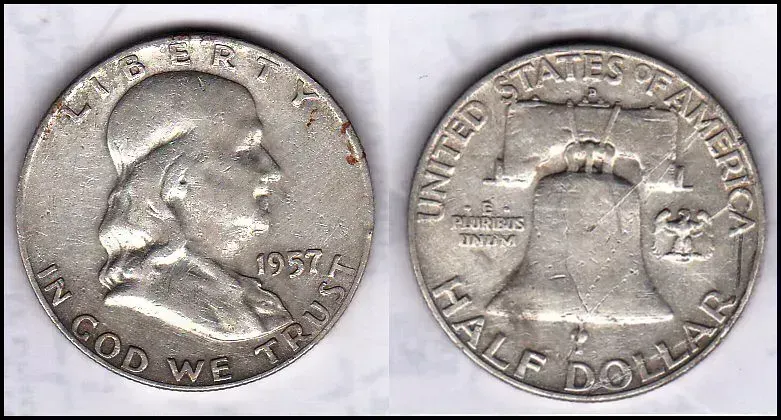
Not all half-dollars are created equal, and this detail matters immensely. A 1964 Kennedy Half Dollar, a 90% silver coin, generally has a minimum value based on its silver content of around $17.60 as of late October 2025. That’s just the floor, mind you. The metal itself commands that price regardless of condition or rarity.
Originally, Kennedy half-dollars were struck in 90% silver, yet from 1965 to 1970, the coin was issued in 40% silver clad, before transitioning to a copper-nickel clad composition in 1971 for general circulation. So if you’ve got pre-1971 specimens, you’re holding actual silver. The special 2024-S silver proof version contains 99.9% pure silver with approximately 0.36 troy ounces of precious metal content. Think about that while watching silver prices climb.
Industrial Demand Creates Persistent Supply Deficits
Silver isn’t just sitting in vaults looking pretty. Industrial applications now account for over half of global silver demand, making them the largest driver of price growth, with solar panel usage alone rising more than 25% in 2024. This isn’t speculative investor excitement. This is factories and solar installations consuming physical metal at unprecedented rates.
EVs use roughly two to three times more silver than gas-powered cars, and demand from AI data centers, batteries, and electronics continues to expand. Meanwhile, the Silver Institute projected that the silver market would end in a deficit for the fifth consecutive year in 2025, with the cumulative deficit reaching almost 820 million ounces. When you run structural shortages for years on end, prices eventually reflect that reality. Your silver half-dollars contain a commodity that the world literally cannot produce fast enough.
Inflation Protection That Actually Works in Your Hands
Here’s where it gets interesting for anyone worried about their purchasing power eroding. Silver delivered a 1,546% return during the 1970s stagflation era while inflation averaged 7.4% annually. That’s not a typo. When paper currency was losing value rapidly, physical silver holders were crushing it.
The Federal Reserve’s June 2025 projections indicate core PCE inflation rising to 3.1% from current levels of 2.5%, driven by trade policy uncertainties and persistent wage growth at 3.9% annually. In this environment, during high-inflation periods exceeding 5% annually, silver demonstrates strong positive correlation with CPI in the 0.7-0.9 range. Your half-dollars become insurance policies you can hold in your palm.
Central Banks Are Quietly Accumulating Silver Reserves
Gold gets all the headlines when central banks diversify reserves, but something unusual happened recently. Russia and India added physical silver to their reserves, while Saudi Arabia made its first-ever purchase of the SLV ETF, signaling that sovereign wealth buyers now view silver as both an industrial growth asset and a monetary hedge.
When nations that manage billions in reserves start buying an asset class, retail investors should probably pay attention. Russia has signaled its intention to buy silver as part of its strategic reserves amid geopolitical tensions. If governments are treating silver as strategic, perhaps those Kennedy half-dollars deserve more respect than spare change status.
Supply Constraints Hit Mining Production Hard

You can’t just wish more silver into existence, no matter how high prices climb. Mexico’s mining reforms affected 5% of projected silver output while Russia and Mexico combined account for 21% of global production. Political instability and regulatory changes create bottlenecks that won’t resolve quickly.
The silver supply reached 1.07 billion ounces in 2010 and is projected to settle at 1.03 billion ounces in 2024, representing a 4% drop over 14 years, largely owed to growing extraction costs, waning quality of available mines, and steep regulatory hurdles. Meanwhile consumption keeps accelerating. That squeeze is exactly why your half-dollars gain value even while sitting motionless in a safe.
The Gold-to-Silver Ratio Signals Undervaluation
Professional traders watch this metric obsessively, and for good reason. The gold-to-silver ratio stands at 91:1 compared to the long-term average of 65:1, suggesting potential for silver outperformance. When silver is historically cheap relative to gold, it tends to eventually catch up with explosive moves.
The gold-silver ratio dropped from about 90:1 in 2024 to roughly 62:1 by the end of 2025, and in precious metals bull markets, silver historically outperforms gold, with a drop to 60:1 implying silver above $70 per ounce. Your silver half-dollars benefit from this mathematical relationship whether you understand the technicalities or not.
Numismatic Premiums Add Another Value Layer
Beyond raw silver content, collector demand creates additional upside for well-preserved specimens. In 2024, the American numismatic market registered significant pickup, with the market surpassing $6 billion in annual total volume. People are rediscovering physical coins as tangible assets worth preserving.
For coins in collector-grade condition or possessing sought-after varieties, the value can be significantly higher, with some examples selling for hundreds or even thousands of dollars. Even common-date Kennedy half-dollars can command premiums in pristine condition. The silver content sets the floor, but numismatic appeal pushes the ceiling higher.
Market Analysts Project Continued Price Strength
The consensus among professional forecasters points decidedly upward. Silver currently trades in the $30-35 range after hitting 12-year highs above $36 per ounce, with analysts from UBS projecting average prices of $36-38 for 2025, and some forecasts reaching as high as $40-46 per ounce. Conservative estimates still show solid gains.
More optimistic projections get really interesting. According to long-term forecasts, silver is expected to hit $75 by the end of 2025 and then $100 by the end of 2026, with projections of $110 in 2027, $140 in 2028, and $190 in 2030. Even if actual prices only reach a fraction of these targets, your half-dollars appreciate substantially from current levels.
Tariffs and Trade Policy Create Physical Silver Shortages
Recent political developments triggered unexpected market dynamics. Tariffs increased uncertainty in the global precious metals supply chain, leading to regional dislocations, shipping delays, and silver being vacuumed from exchanges to be stockpiled in American vaults, with lease rates jumping temporarily over 30 times from normal levels during periods of acute stress.
China’s restrictions on silver exports, combined with rising demand from green technologies like solar power and renewed safe-haven interest, drove silver prices surging more than 5% in recent trading, breaking above $80 per ounce. These aren’t temporary blips. Trade tensions create lasting distortions in physical metal availability, benefiting anyone already holding silver half-dollars before the scramble intensifies.
Those dusty half-dollars you dismissed as curiosities suddenly look prescient. As inflation concerns persist, industrial demand accelerates, and supply struggles to keep pace, physical silver holders occupy an enviable position. The quiet increase in silver half-dollar values reflects fundamental shifts that aren’t reversing anytime soon.
Have you checked your coin collection lately? You might be sitting on more inflation protection than you realized.
Why Half-Dollars Beat Silver Bars for Average Investors
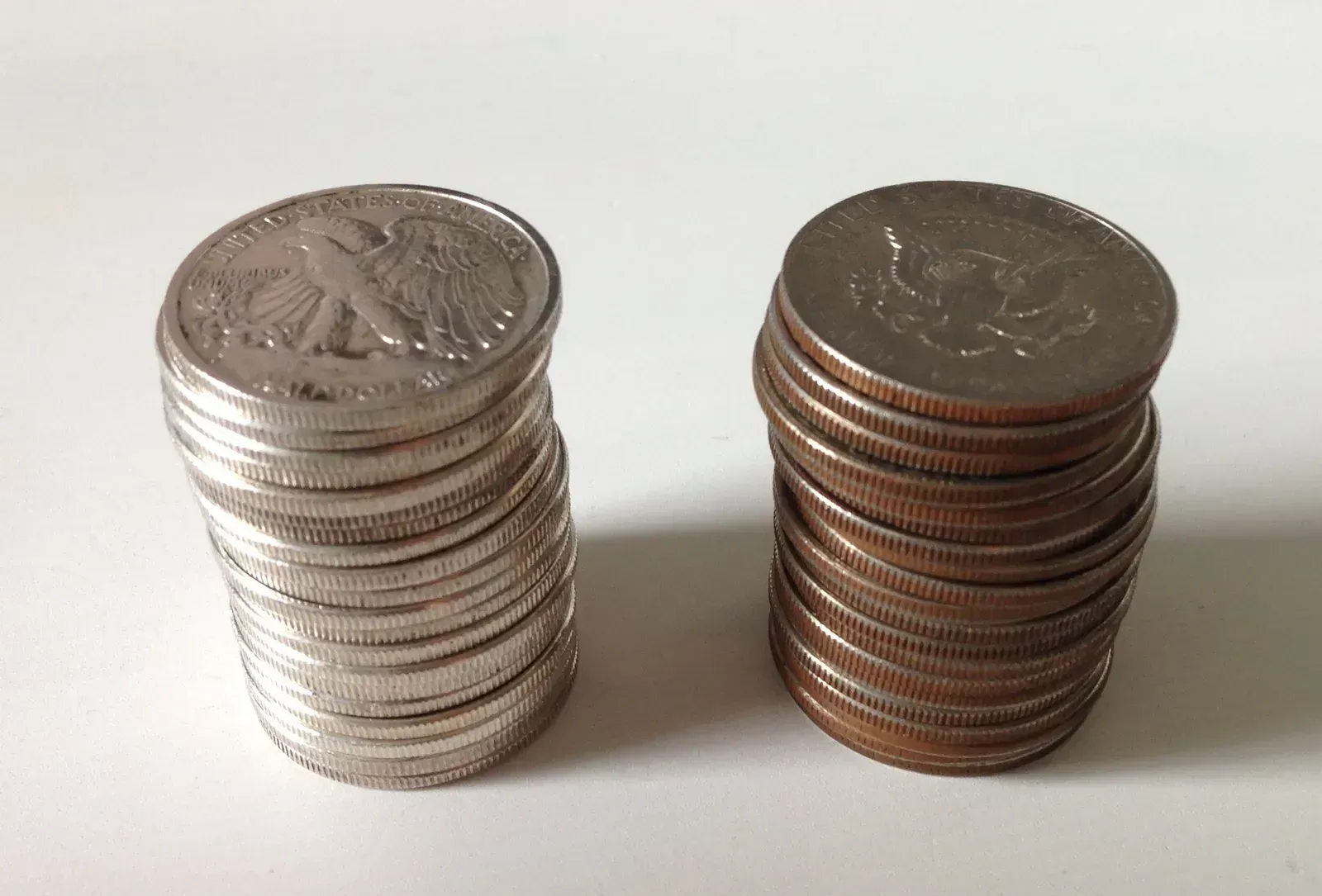
Here’s something most silver buyers overlook: half-dollars offer advantages that bullion bars simply can’t match. You’re not just buying silver content – you’re getting built-in authenticity verification that matters increasingly in a world of sophisticated counterfeits. Nobody’s faking 1964 Kennedy half-dollars because the numismatic community can spot phonies instantly, whereas fake silver bars flood online marketplaces daily. Plus, there’s zero premium confusion. A 1964 half-dollar contains exactly 0.36169 troy ounces of silver, period. No dealer markups disguised as “processing fees” or “minting costs” that can add 15-30% to bullion purchases. And here’s the kicker: half-dollars remain legal tender, meaning they’ll never be worth less than face value even in catastrophic scenarios where precious metals markets freeze up. Try spending a silver bar at your local bank during a crisis. Liquidity matters more than investors realize until they actually need to sell, and coin shops universally recognize and readily purchase circulated half-dollars without the authentication delays that plague bar transactions. You’re essentially getting portable, divisible, instantly recognizable wealth that’s been tested by decades of circulation.