Medicare Part D Changes: Why Your Prescription Costs Might Surprise You This Year
The Inflation Reduction Act brought sweeping reforms to Medicare Part D in 2022, and these changes rolled out between 2023 and 2025. You’ve likely heard about some adjustments, maybe even noticed a few on your last pharmacy receipt. Still, the full picture of what these shifts mean for your wallet can feel murky. Let’s be real, navigating Medicare is confusing enough without surprise costs popping up at the counter.
The changes happening now are more than just technical tweaks. They fundamentally alter how you pay for prescription drugs and how much financial protection you have throughout the year.
The New Out-of-Pocket Cap That Actually Protects You

In 2025, the annual Medicare Part D cap is two thousand dollars. The cap applies to all Medicare beneficiaries with Part D prescription drug coverage, regardless of income level. This is genuinely a big deal, especially if you take expensive medications for conditions like cancer or multiple sclerosis. Before this cap existed, some people were paying upwards of twelve thousand dollars annually in out-of-pocket drug expenses once they hit the catastrophic phase.
Part D enrollees who reach the cap will save an average of fifteen hundred dollars in 2025, and some will see savings of three thousand dollars or more. Think about it this way: if you’re on a specialty medication that costs thousands per month, you might hit that two thousand dollar limit early in the year, maybe by February or March. Once they do, they won’t have to pay anything out-of-pocket for the remainder of the year. That’s zero dollars for covered medications from that point forward.
In 2026, the annual Medicare Part D cap is two thousand one hundred dollars, showing it’s indexed to increase slightly each year. Honestly, this cap is probably the most meaningful change for anyone with high drug costs who doesn’t qualify for Extra Help.
That Confusing Donut Hole? It’s Gone
The coverage gap, or donut hole as everyone calls it, used to be this bizarre phase where your costs suddenly jumped. The original Medicare Part D benefit had a coverage gap, also called the donut hole, where enrollees were responsible for 100 percent of their prescription drug costs. Eventually that dropped to a quarter of costs, but it still caught many people off guard.
The prescription drug law that created the new two thousand dollar out-of-pocket spending cap also eliminates the coverage gap, simplifying coverage for enrollees. Now the benefit design is much more straightforward. As of Jan. 1, a person has the same cost-sharing from the time they meet their Part D plan deductible until they reach the new two thousand dollar out-of-pocket cap.
This simplification means you won’t suddenly face a change in what you pay for the same medication when you cross some invisible threshold. Your copay or coinsurance stays consistent until you hit that annual cap.
Insulin Costs Are Capped, But There Are Details
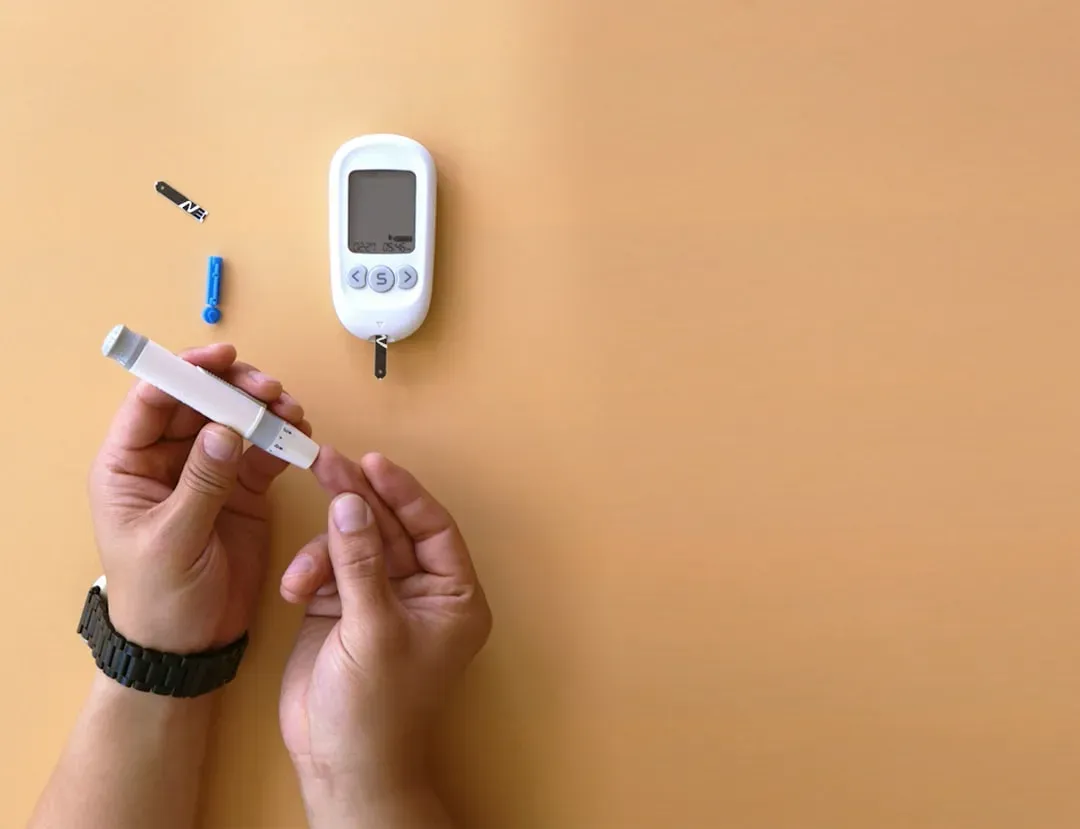
Since 2023, cost-sharing for insulin products is limited to no more than thirty-five dollars per month for people with Medicare insurance, including insulin covered under both Part D and Part B. This applies whether you use injectable insulin, insulin pens, or insulin through a pump. The thirty-five dollar copay cap under President Biden’s Inflation Reduction Act provision is available to all insulin users enrolled in all Medicare Part D plans, an estimated 3.3 million in 2020.
Here’s something important: For a three-month supply of insulin, your costs can’t be more than thirty-five dollars for each month’s supply of each covered insulin. This means you’ll generally pay no more than one hundred and five dollars for a three-month supply of covered insulin. The cap applies per insulin product, so if you use multiple types of insulin, each one is capped separately at thirty-five dollars per month.
One wrinkle though: plans are not required to cover all brands and types of insulin. So while your cost is capped for covered insulins, your plan might not include your preferred brand on its formulary. Worth checking during open enrollment.
Premium Changes Might Not Be What You Expected
The projected average total Part D beneficiary premium is projected to decrease by seven dollars and forty-five cents in 2025, from fifty-three dollars and ninety-five cents in 2024 to forty-six dollars and fifty cents in 2025. The average stand-alone Part D plan total premium is projected to decrease from forty-one dollars and sixty-three cents in 2024 to forty dollars in 2025, a decrease of one dollar and sixty-three cents. That sounds like good news on the surface.
However, individual plan premiums can vary wildly. Approximately 99% of people with Medicare enrolled in a stand-alone Part D plan in 2024 are currently enrolled in a stand-alone Part D plan offered by a plan sponsor that opted into the demonstration for 2025. The voluntary demonstration for stand-alone Part D plans includes three elements: a fifteen dollar uniform reduction in the base beneficiary premium, a year-over-year premium increase limit of thirty-five dollars on a plan’s total Part D premium, and a change to the risk corridors.
The premium stabilization demonstration helped keep things relatively stable, but some people still saw increases depending on their specific plan. It’s hard to say for sure what your premium will look like, since it depends heavily on which plan you choose and your location.
Negotiated Drug Prices Are Rolling Out Gradually

In 2024, Medicare negotiated for the first time the prices of 10 of the most commonly used and expensive prescription drugs. The lower prices take effect in 2026 and are expected to save people enrolled in Medicare an estimated one point five billion dollars in out-of-pocket costs in 2026 alone. The first ten drugs negotiated include medications like Eliquis, Jardiance, Xarelto, and Januvia – drugs many older adults rely on daily.
The Centers for Medicare and Medicaid Services announced the selection of 15 additional drugs covered under Medicare Part D for price negotiations. In accordance with the Inflation Reduction Act, the negotiations with participating drug companies for these 15 drugs will occur in 2025 and any negotiated prices will become effective in 2027. Between November 2023 and October 2024, about 5.3 million people with Medicare Part D coverage used these drugs to treat a variety of conditions, such as cancer, type 2 diabetes, and asthma. These selected drugs accounted for about 41 billion dollars in total gross covered prescription drug costs under Medicare Part D, or about 14%, during that time period.
The catch is timing. If you’re waiting for your medication to get cheaper, you need to know when its negotiated price actually kicks in. The first batch starts in 2026, the second in 2027, and more will follow in subsequent years.
What does all this really mean for you? The landscape has shifted considerably. Most people with high drug costs will see genuine savings, particularly if you hit that two thousand dollar cap. Those on insulin definitely benefit from the thirty-five dollar monthly limit. Yet premiums and specific drug costs vary so much between plans that shopping around during open enrollment remains crucial. Are your prescriptions actually saving you money, or are you still paying more than you expected?