Why I Stopped Going to Cancún – and Why You Might Think Twice Too
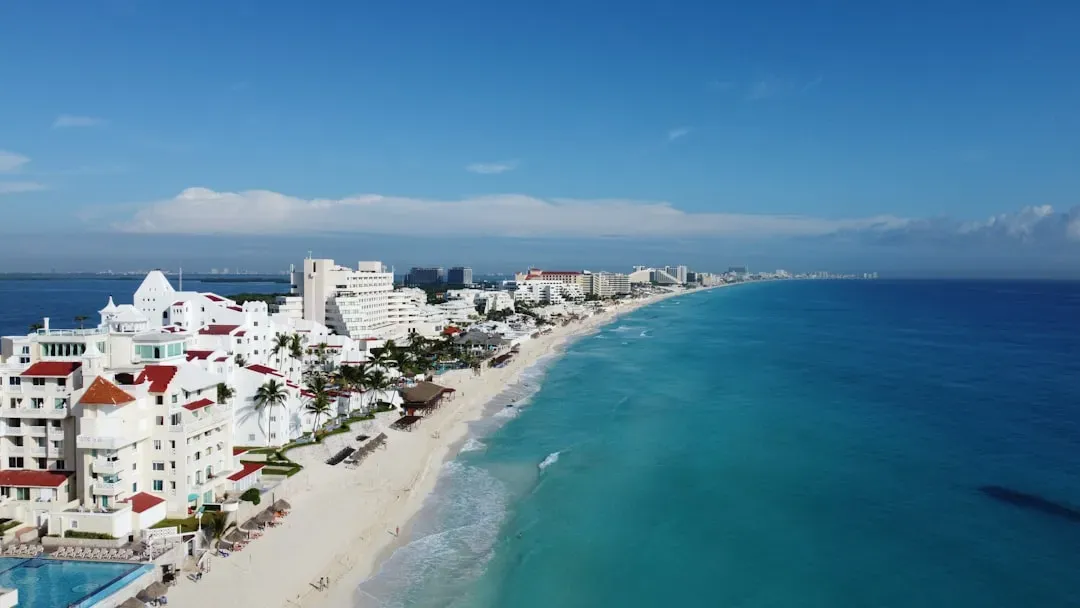
The turquoise waters still sparkle in all the travel brochures. Those pristine white beaches look incredible on Instagram. Yet something shifted for me over the past couple of years that made Cancún no longer feel like paradise. I’m not alone in this. Thousands of travelers who once flocked to Mexico’s Caribbean coast are now looking elsewhere for their beach vacations.
Maybe you’ve noticed the headlines too. Stories about declining tourist numbers, rising costs, and beaches covered in brown seaweed that smells like rotten eggs. It’s not exactly the escape I used to dream about. Let’s be real, when you’re spending thousands of dollars on a vacation, you want it to feel special. Cancún doesn’t deliver that anymore, at least not in the way it used to.
The Airport Experience Has Become a Nightmare
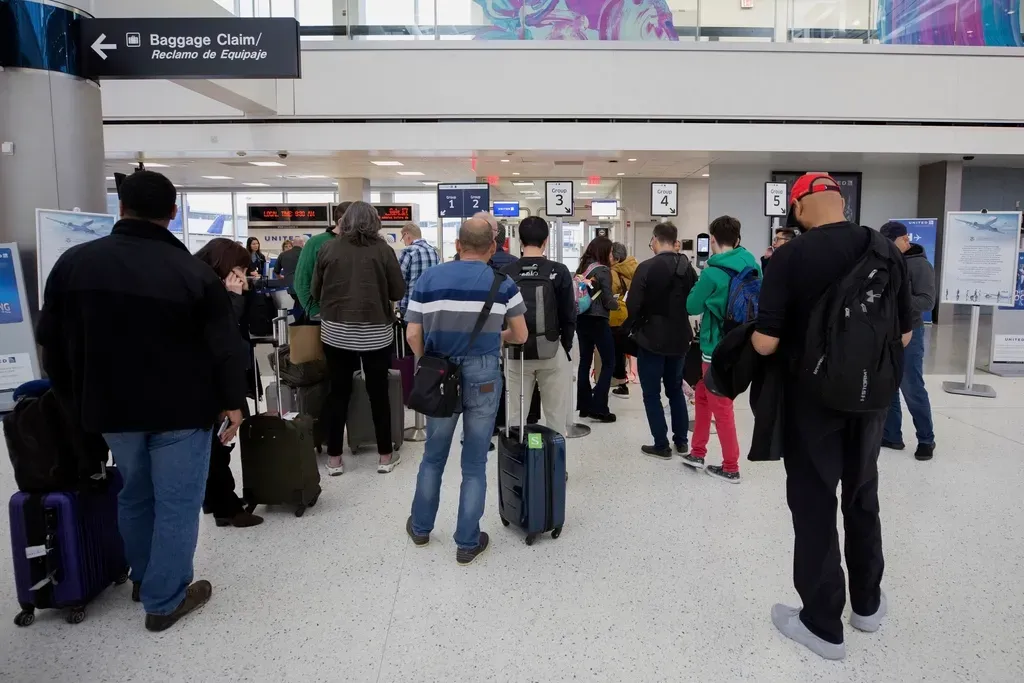
Long wait times, inefficient technology, and baggage claim issues are creating frustrations at Cancún International Airport. When your vacation starts with hours stuck in immigration lines and outdated systems that barely work, it sets a terrible tone. I remember my last trip where I spent nearly two hours just trying to get through customs, watching families with small children grow increasingly restless.
The airport’s shortcomings include malfunctioning technology, lengthy baggage claim lines, and a lack of modern solutions like facial recognition, and this highlights a growing perception among tourists that Cancún’s airport is falling behind international standards. The whole experience feels like arriving in a place that doesn’t quite have its act together. Competing destinations have invested heavily in modernizing their airports while Cancún seems stuck in the past.
International passengers at the Cancún airport dropped almost 14% in July and August compared with the previous year. Those numbers speak volumes about what travelers are experiencing. The airport saw a decline of roughly seven percent in passenger traffic in December compared to the same month in 2023, and for the entire year, the airport experienced passenger traffic of approximately twenty million, showing a decline of around three and a half percent compared to the previous year.
Safety Concerns That Can’t Be Ignored
I’m not someone who obsesses over every travel warning, though there’s a difference between being cautious and ignoring genuine issues. A young boy fell victim to cartel crossfire on the beach in Cancún in summer 2024, when gunmen on jetskis approached and opened fire on a rival drug dealer who was at the beach, and a stray bullet hit the twelve-year-old, killing him. That happened in the Hotel Zone, where tourists are supposed to feel safe.
In February 2024, the most common crimes in Cancún were robberies with nearly twenty-seven percent of documented crimes, along with domestic violence and property damage both accounting for over ten percent of cases. While violent crime rarely targets tourists directly, the overall atmosphere has shifted. You feel it in the heightened security presence, the warnings from hotel staff, the subtle tension that wasn’t there before.
Higher tourism taxes and reports of criminal activity in the region have raised concerns among travelers. It’s hard to say for sure whether things are genuinely worse or just more visible now with social media. Either way, perception matters when you’re choosing where to spend your vacation dollars.
The Sargassum Problem Makes Beaches Unusable
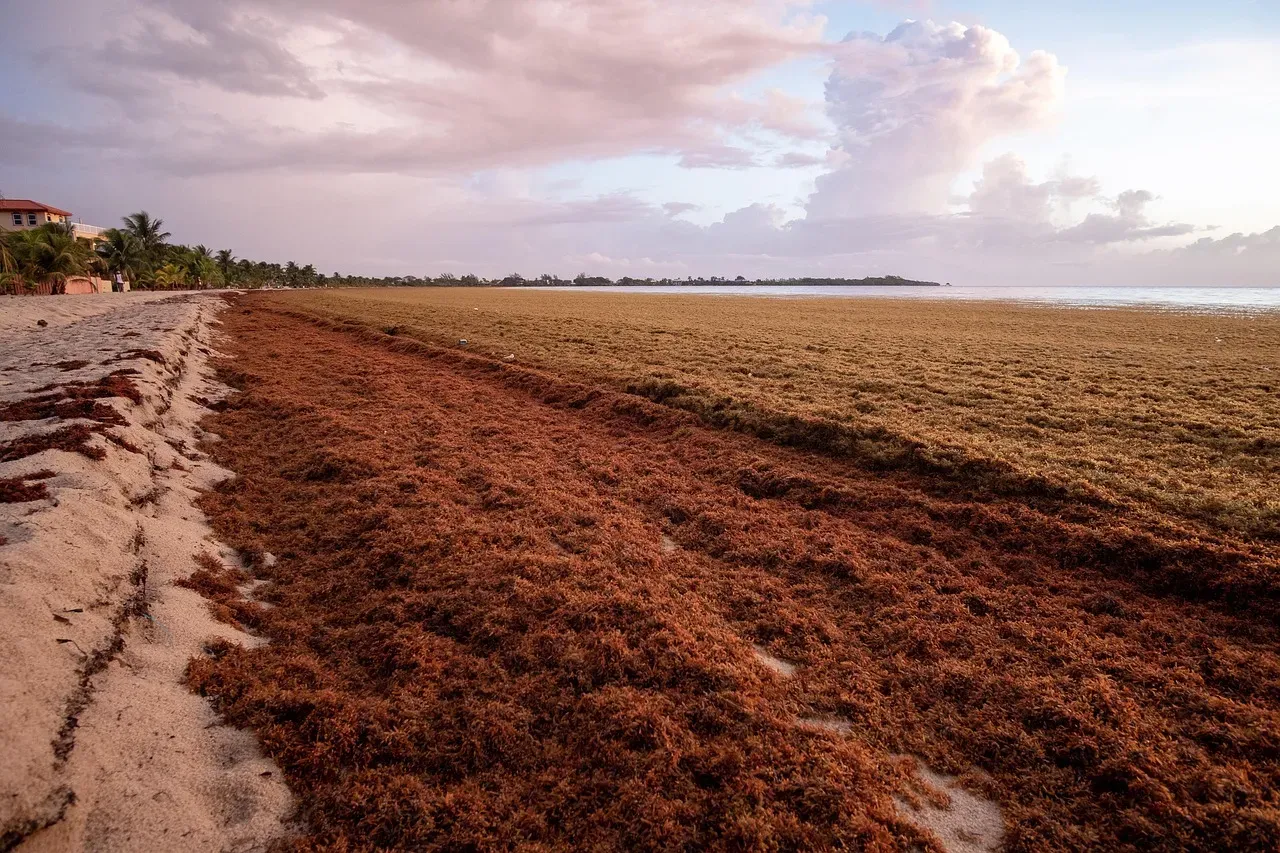
This one really gets me. Sargassum seaweed came back with a vengeance in 2025, covering beaches in Cancún once again, just as experts thought the season was over. I’d seen photos online before my last visit, though nothing prepared me for the reality of walking onto a beach blanketed in decomposing brown algae that released a smell I can only describe as nauseating.
The odor is similar to rotten eggs because sargassum releases hydrogen sulfide gas as organic matter breaks down in the hot sun in huge clumps on the shore. Hotels try their best to clear it daily, using teams of workers with rakes and machinery. Yet the ocean keeps bringing more, especially during peak season from April through August. In 2025, the seaweed season in the Cancún area is in full swing, and without a doubt, it’s considered the worst one ever.
The municipality is expected to close the season with over sixteen thousand five hundred tons of sargassum collected, far higher than the 2024 level of three thousand tons. Those aren’t just statistics. That’s the difference between pristine Caribbean beaches and wading through piles of smelly seaweed to reach the water. When you’re paying premium resort prices, that’s simply unacceptable.
Costs Have Skyrocketed Beyond Reason
Let me walk you through what happened with pricing. A trip that cost our family roughly seventy-six hundred dollars Canadian in 2023 was priced at thirteen thousand dollars for the same dates and resort in 2024, according to forum discussions among regular visitors. Nearly double the price in a single year. That’s not sustainable for most families.
Not only has the cost to get there significantly increased, more than doubled in some cases, but lodging and food and beverage have also significantly increased in price. Everything from airport taxis to restaurant meals inside resorts has jumped dramatically. Users admitted that taxi fees were starting to be a major reason as to why they stopped visiting. It feels like everywhere you turn, someone’s trying to squeeze more money out of tourists.
Mexico’s tourism revenue hit nearly thirty-three billion dollars in 2024, up over seven percent from the previous year, and clearly for many, the allure of Cancún’s beaches, resorts, and easy access still outweighs the rising price tag. Hotels know they can charge whatever they want during peak season because demand remains high. That doesn’t make it feel any less like getting ripped off.
The Environmental Damage Is Heartbreaking
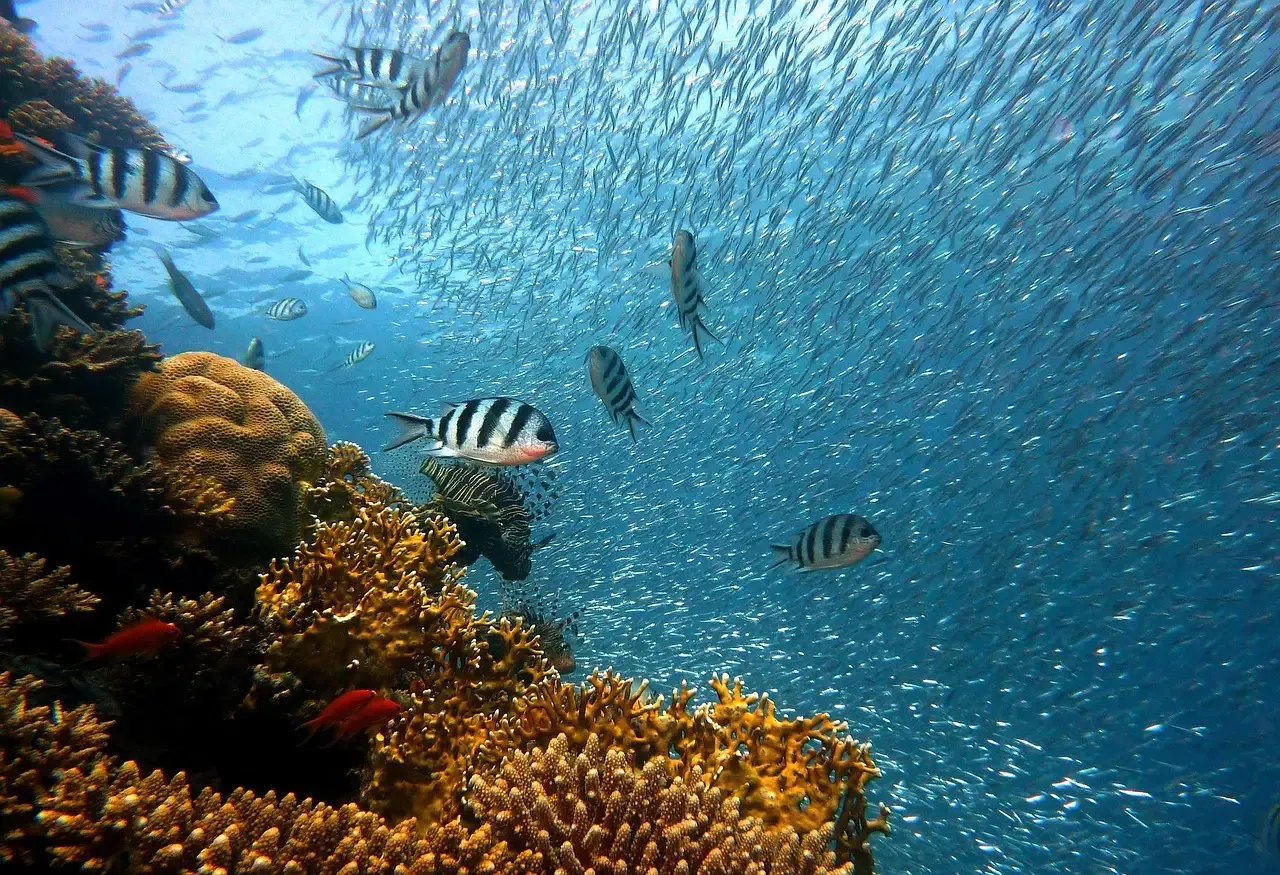
An alarming eighty percent of coral along Mexico’s Caribbean coast has died or suffered damages since the 1980s due to pollution, disease, overfishing and violent storms, and with the reef as the main attraction, twelve million visitors spend around nine billion dollars a year here, yet a 2018 report stated that fifty percent of Mexico’s reefs were in poor or critical condition. This isn’t just sad for marine life. It fundamentally changes what Cancún offers as a destination.
Cancún’s mangrove ecosystems have declined significantly since 1970 because of urbanization, with a higher rate of mangrove loss than the rest of the country, and even though Mexico’s government has passed laws protecting mangroves since the 2000s, rapid development poses threats to ecosystems, such as pollution from runoff, blockage of water flows, and a lack of wildlife corridors. Watching paradise get destroyed for short-term profits bothers me more than I expected it would. Cancún’s tourism has had major impacts on the environment, with one of the biggest issues being water pollution due to sewage from hotels, accounting for about ninety-five percent of all sewage from the area, significantly more than local treatment plants can handle.
The region that was once nearly untouched jungle and pristine coastline has been transformed into a concrete strip of massive resorts. Before the 1970s, the Cancún area had a population of approximately one hundred inhabitants, though by 2022 it had ballooned to nearly one million. That kind of explosive growth always comes with environmental costs. I know it sounds crazy, but sometimes development happens too fast for anyone’s good.
So where does this leave us? Cancún will continue attracting millions of visitors because the marketing machine is too powerful and alternative destinations aren’t as well known. Recent data shows that Punta Cana has seen a forty-three percent increase in passenger arrivals compared to 2019, reflecting its growing popularity. Travelers are finding better value, cleaner beaches, and more authentic experiences elsewhere. The Caribbean and Central America offer countless alternatives that don’t come with the baggage Cancún now carries.
It’s hard to watch a place you once loved become something you actively avoid. Yet that’s exactly what happened for me with Cancún. The combination of deteriorating service, environmental issues, safety concerns, and outrageous prices finally tipped the scales. Other destinations have figured out how to balance tourism with sustainability and visitor experience. Maybe Cancún will too someday. Until then, I’m taking my vacation dollars somewhere that actually values them. Have you noticed similar changes at destinations you used to love? Sometimes the hardest part is admitting that what once felt like paradise just isn’t worth it anymore.