6 U.S. Cities Home to the Most Dangerous Neighborhoods, 2026 Crime Reports Show
Let’s be real, nobody likes to think about crime rates when they’re researching cities. Yet these numbers tell a story about urban life in America, one that’s deeply tied to economic struggle, housing instability, and systemic challenges that span decades. While national crime rates have seen encouraging declines in recent months, certain cities continue to wrestle with violence and property crimes that affect thousands of residents daily. The neighborhoods within these cities aren’t monolithic, though. Some blocks show promise and renewal while others remain gripped by persistent danger.
What follows isn’t meant to paint these places as hopeless. There are resilient communities, hardworking families, and dedicated officials pushing for change. Still, the data doesn’t lie, and 2026 crime reports based on FBI statistics and independent analyses reveal which cities face the steepest safety challenges.
Memphis, Tennessee: A City Wrestling with Historic Highs Despite Recent Drops
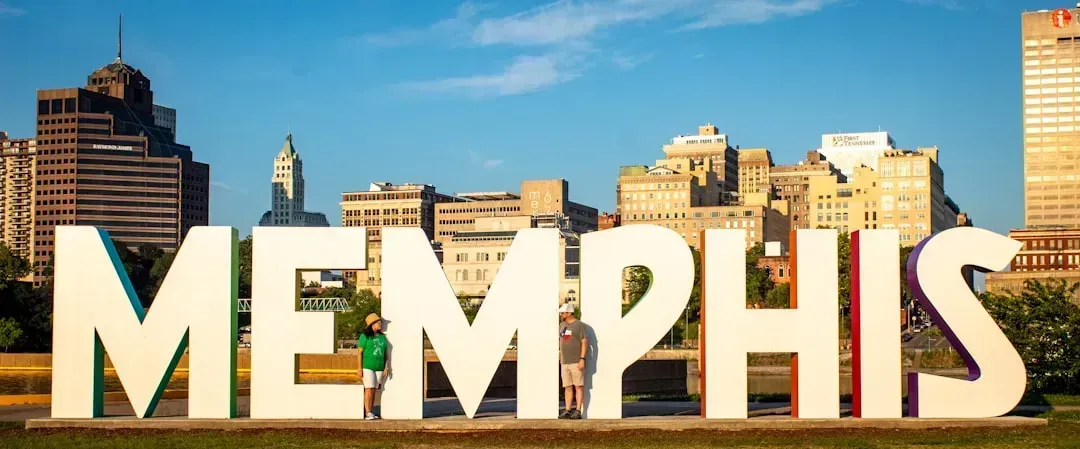
Memphis has emerged as the city with the highest violent crime rate among large U.S. cities, recording 2,501 violent crimes per 100,000 residents in 2024. That’s nearly six times higher than the national average. Memphis once again tops the list, with a violent crime rate nearly six times the national figure, according to Security.org’s analysis of FBI data. Neighborhoods like Downtown Memphis, Frayser, and Parkway Village-Oakhaven struggle with concentrated gang activity, property theft, and shootings that have left residents fearful. Citizens of Memphis are extremely fearful of dangerous activity, and gang activity and robberies mean targets are often pre-meditated. Honestly, there’s progress happening, which gives me hope. Overall crime is at a 25-year low, with robbery, burglary, and larceny also reaching 25-year lows, while murder is at a six-year low. Even so, the numbers remain troubling compared to other metros.
Detroit, Michigan: Fighting Back from a Violent Past
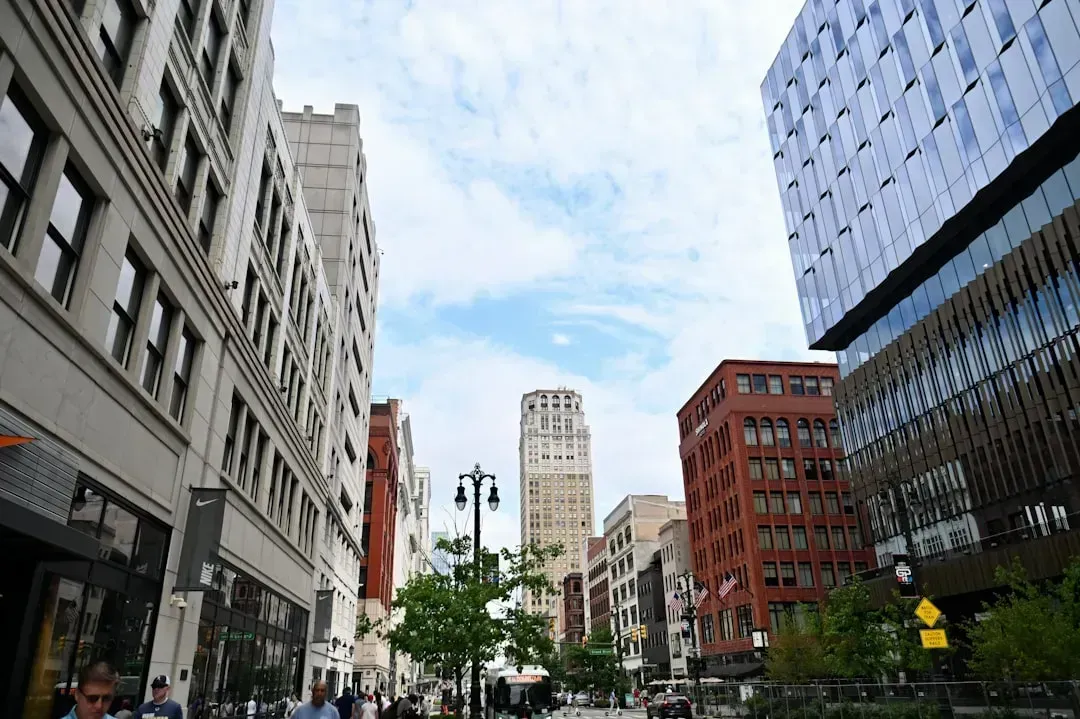
Detroit followed Memphis with 1,781 violent crimes per 100,000 residents in 2024, ranking third among the nation’s most dangerous cities. The Motor City has weathered decades of economic decline, population loss, and infrastructure collapse. Detroit’s decline following the collapse of the auto industry left it with high unemployment, poverty, and crime, with many neighborhoods remaining among the deadliest cities in the US despite recent revitalization efforts downtown. Yet I think Detroit’s story is more nuanced than the headlines suggest. Detroit ended 2024 with 203 criminal homicides, a 19% drop from 2023 and its fewest since 1965, while non-fatal shootings dropped 25%. Neighborhoods like Warrendale, Gratiot Woods, and Osborn still face serious challenges with violent and property crimes, while areas like Palmer Woods and Indian Village offer safer environments.
St. Louis, Missouri: Small City, Staggering Crime Rate
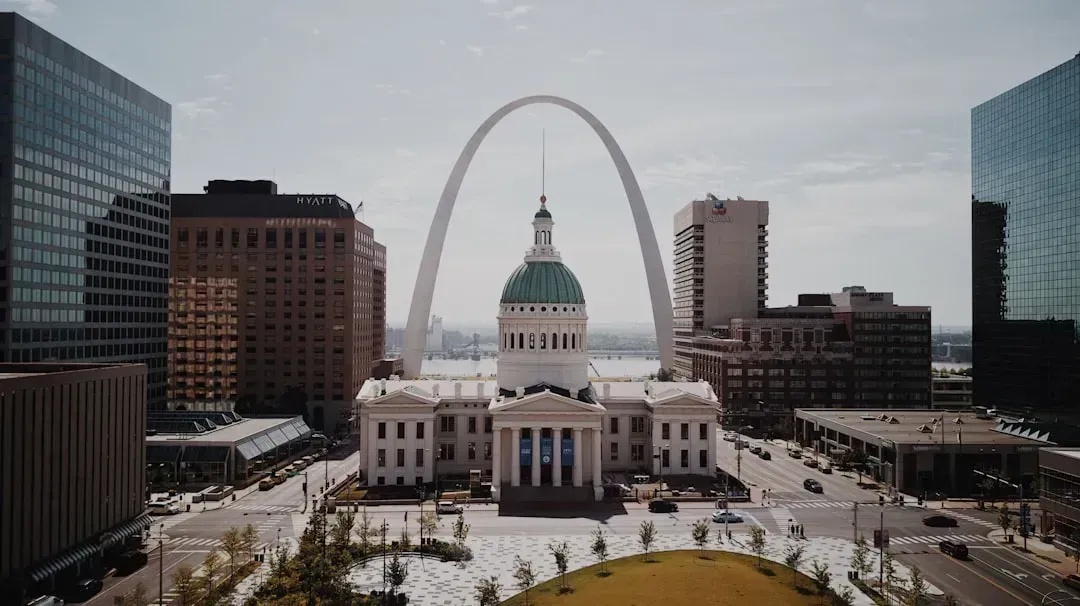
St. Louis is often cited for having one of the highest homicide rates in the country, and despite its relatively small size compared to other major cities, its per capita violent crime rate makes it one of the most dangerous places in the nation. When you adjust for population size, St. Louis punches far above its weight in crime statistics. St. Louis earned the ranking as the unsafest city with a crime cost per capita of $8,457, almost ten times the per capita cost of New York City. Drug-related offenses and gang violence fuel much of the danger here. Here’s the thing, though – some recent reports offer a glimmer of hope. Homicide rates in St. Louis have fallen approximately 22% in the first half of 2025, the lowest mid-year murder numbers in more than a decade. High-risk neighborhoods remain concentrated in North St. Louis, where economic hardship intersects with violent crime in devastating ways.
Baltimore, Maryland: A Long Battle with Systemic Crime

Baltimore has been a fixture on dangerous cities lists for years. Baltimore’s reputation for high crime rates at 1,555 per 100,000 residents, especially assault, reflects ongoing challenges in community safety. Baltimore struggles with high rates of violent crime, including homicides and assaults, primarily driven by gang activity and drug-related offenses. The city’s poverty rate is more than triple the national average, which correlates directly with geographic crime concentration. Baltimore deals with drug-related crime, gang violence, and declining trust in law enforcement following multiple high-profile incidents, with challenges compounded by systemic issues in housing, education, and healthcare. I know it sounds grim, but there’s actual progress worth noting. As of mid-2025, robbery and motor vehicle theft were down compared to the previous year, while the homicide clearance rate had jumped from 40.3% in 2020 to 68.2% in 2024. That improvement in solving murders shows investigative capacity is strengthening.
New Orleans, Louisiana: The Tourist Magnet with Hidden Dangers
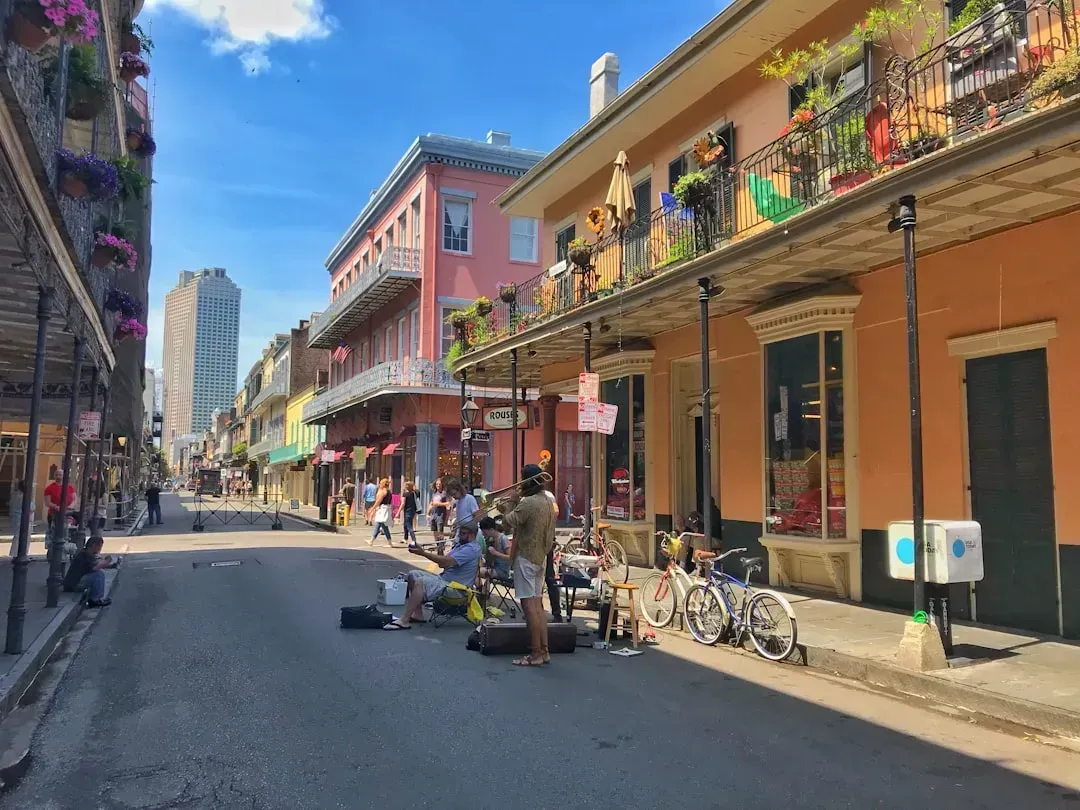
New Orleans draws millions of tourists, yet its residents face serious safety issues with high rates of violent crime, including homicides, placing it among the most dangerous cities in America. Behind the jazz clubs and Mardi Gras parades lies a city still struggling to recover from Hurricane Katrina’s long-term impacts. Post-Katrina recovery has been slow in many neighborhoods, exacerbating social and economic divides. New Orleans also faces challenges with property crime, not to mention shootings and robberies, and when population is considered, the city ranks high on the list of the most dangerous cities in the US. Certain neighborhoods far from the French Quarter see disproportionate levels of violent crime. The disparity between tourist areas and residential zones is staggering, creating a tale of two cities within one municipality.
Birmingham, Alabama: Small Population, Big Crime Problems
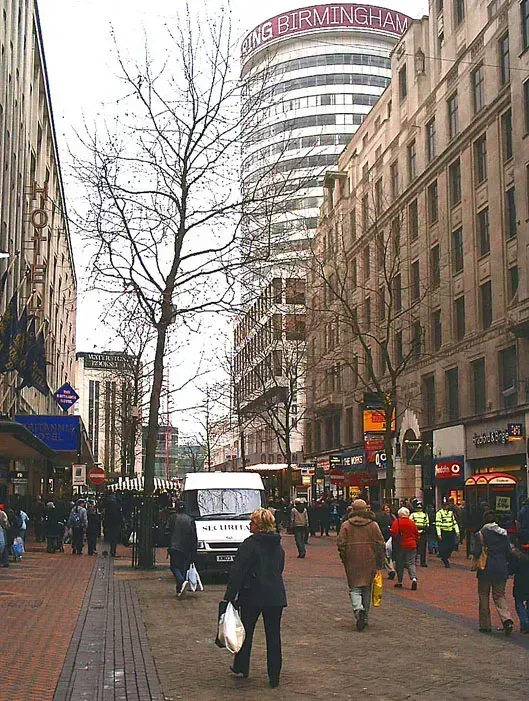
Birmingham stands out for its high violent crime rates at 1,694 per 100,000 people, particularly assault. The city faces significant economic disparities that fuel elevated crime figures across multiple categories. Birmingham has long struggled with violence tied to poverty, gun access, and concentrated disadvantage, and while homicides have declined since 2024, violent crime overall has increased because aggravated assault rose nearly 10 percent in the first half of 2025. Homicide has declined since 2024, but assault rose nearly 10% in the first half of 2025, and Mayor Randall Woodfin’s 2025 blueprint for deterrence and intervention aims to address high murder rates, particularly those involving firearms. Several Birmingham neighborhoods deal with gang-related shootings and robberies that keep residents on edge. What’s happening here mirrors broader Southern cities where gun violence intersects with limited economic opportunity.
These six cities represent some of the most challenging urban environments in America when it comes to crime. The reasons are complex, rooted in historical disinvestment, systemic inequality, and cycles of violence that don’t break easily. Still, nearly every city on this list has shown improvement in certain metrics during recent years. Community intervention programs, better policing strategies, and economic investments are slowly making a difference. The question isn’t whether these places can change – many neighborhoods already are – but whether that change can reach every corner before another generation grows up surrounded by violence. What do you think it would take to turn these cities around completely?