10 European Countries Where Prices Have Skyrocketed for Travelers in 2026
Imagine planning that dream European getaway only to discover your budget barely scratches the surface anymore. Europe has always had its pricey corners, sure. What’s different now is the speed at which costs are climbing and which countries are feeling the squeeze hardest. Inflation hasn’t hit everyone equally. Some destinations that once felt accessible have transformed into wallet-draining experiences almost overnight. Let’s be real: if you’re planning to travel through Europe in 2026, you need to know where your money will vanish faster than a croissant at breakfast. So let’s dive in.
Switzerland – Where Every Franc Feels Like Ten

Switzerland currently tops the expense charts at approximately €319 per day for travelers, making it the single most expensive European country to visit right now. The Swiss franc remains brutally strong, and that strength translates into eye-watering prices for everything from a cup of coffee to a train ticket. Ski passes in Switzerland have jumped by as much as 40 percent compared to 2021 in some resorts due to soaring energy bills and maintenance fees.
Even budget travelers struggle here. A typical traveler spends approximately $372 per day on a trip to Switzerland, and that’s just the average. Zurich and Geneva are particularly notorious. Both Geneva and Zurich beat Paris and San Francisco in most expensive cities rankings, and Switzerland has the most expensive train tickets in the world when measured by cost per mile traveled. Honestly, if you’re headed to the Alps, prepare your bank account for a serious workout.
Iceland – The Land of Fire, Ice, and Inflated Prices

Iceland ranks as one of Europe’s priciest destinations with an average daily cost of approximately €216. The country’s isolation means nearly everything is imported, driving costs through the roof. Most food is imported, and imports plus isolation plus taxes equals wallet pain. Fuel prices alone can shock visitors. Expect to pay between five and seven dollars per liter of gas.
Hotels and guesthouses now charge ISK 600, around €4.24, per room in tourist taxes, while campsites charge half that price, and there’s also an ISK 1,000 or €7.06 tax for cruise passengers. The government is even planning to raise these taxes further. The current government is planning to propose a considerably higher tourism tax in the coming weeks. Iceland’s surreal beauty comes at a premium that keeps climbing.
Norway – Fjords That Cost a Fortune
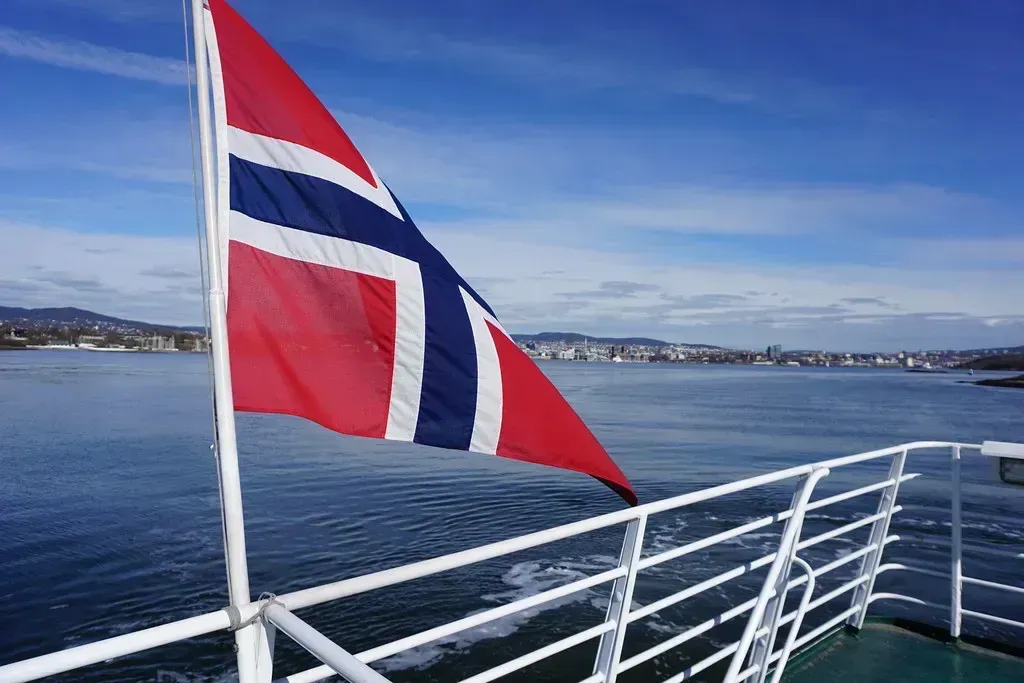
Norway delivers some of the planet’s most stunning natural scenery, but you’ll pay dearly for the privilege of seeing it. Accommodation, meals, and transportation are significantly more expensive than in neighboring countries. The average price per night for a hotel room was NOK 1,725 in 2025, which translated to roughly $160 or more.
Accommodation in Bergen or Tromsø often exceeds $250 per night in peak season. Even basic groceries shock tourists. One liter of milk can run more than $2.50. The high costs reflect Norway’s high living standards, strong currency, and focus on sustainable tourism. The Northern Lights might be free to watch, but getting there and staying warm while you do? That’ll cost you.
Denmark – Small Country, Big Prices
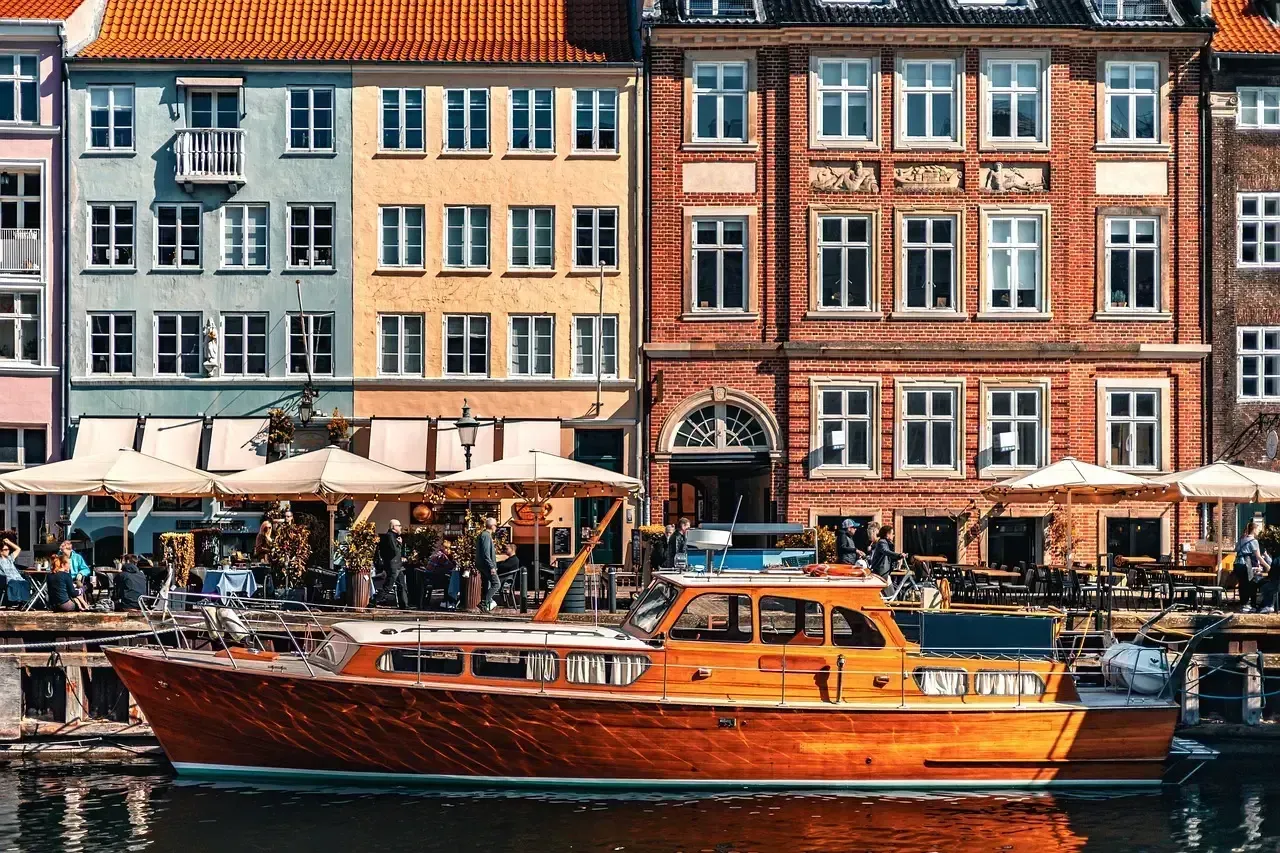
Denmark might be the smallest Scandinavian nation, but its price tag isn’t petite. Denmark is ranked as one of the most expensive holiday destinations for tourists, and statisticians from Eurostat determined that the country has the highest prices of any EU nation for food, non-alcoholic beverages, clothing, and shoes. Copenhagen, the capital, particularly stings travelers’ wallets.
Denmark ranks among the top ten most expensive European countries with an average daily cost of approximately €212. Dining out, accommodation, and even public transport add up fast. The quality is undeniably high, and the design-forward culture is everywhere you look, but your credit card will remember your visit for months afterward.
United Kingdom – London Leads the Charge
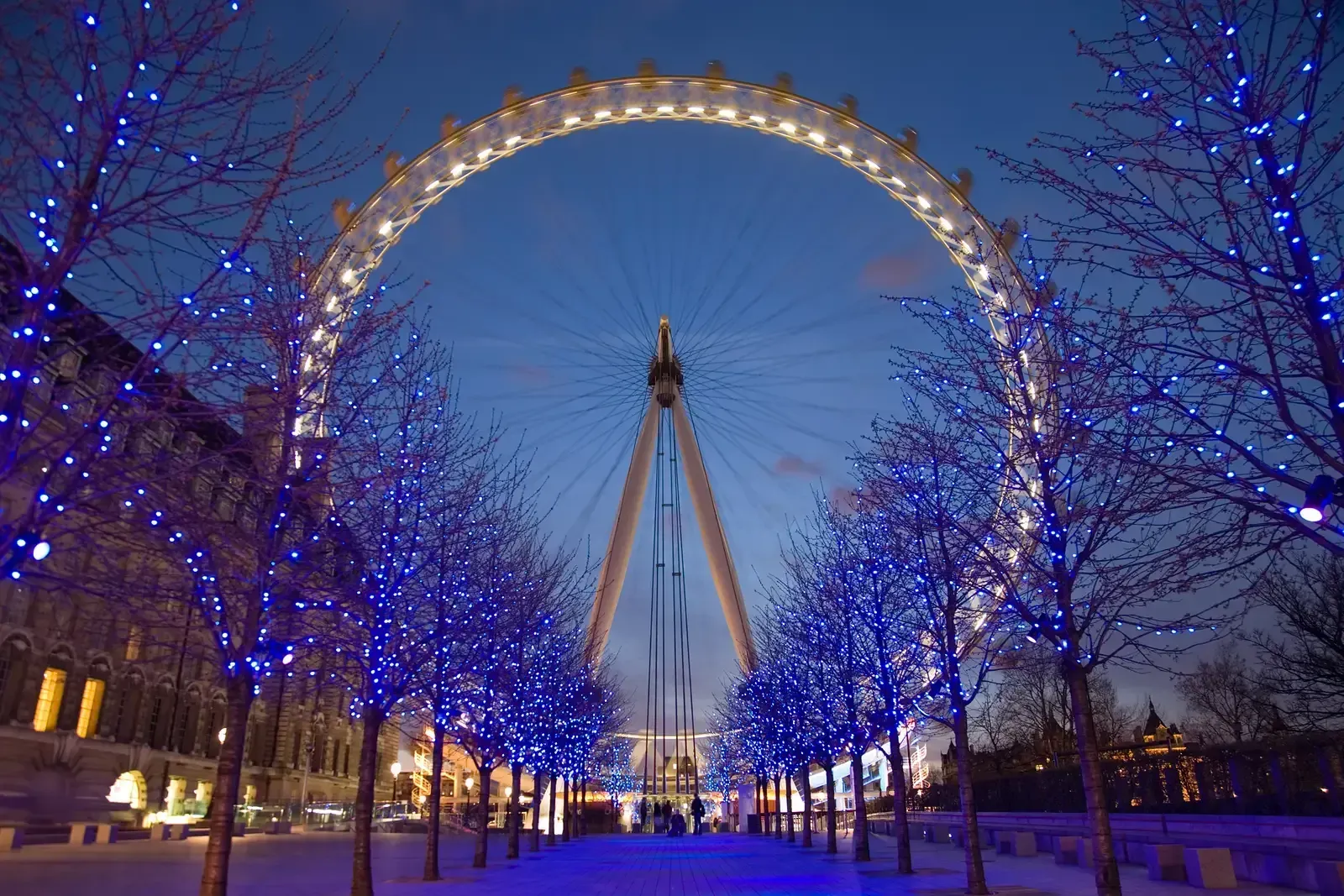
The United Kingdom, especially London, has become brutally expensive for travelers. London has the highest average daily rate of any European city as of 2022, with nightly costs for hotel rooms averaging around €198 or $215, surpassing rates in Rome, Paris, and Amsterdam. Beyond the capital, costs remain elevated across the country.
Edinburgh has passed the country’s first comprehensive overnight visitor tax, a five percent levy due to phase in from May 2025 and be fully enforced by July 2026, while Manchester already charges £1 per room per night. The Brexit-related economic shifts have added to inflation pressures. Museums might be free, but accommodation, dining, and transport will drain your funds quickly. It’s hard to say for sure, but the UK feels more expensive now than it has in years.
France – Paris Prices Are No Joke
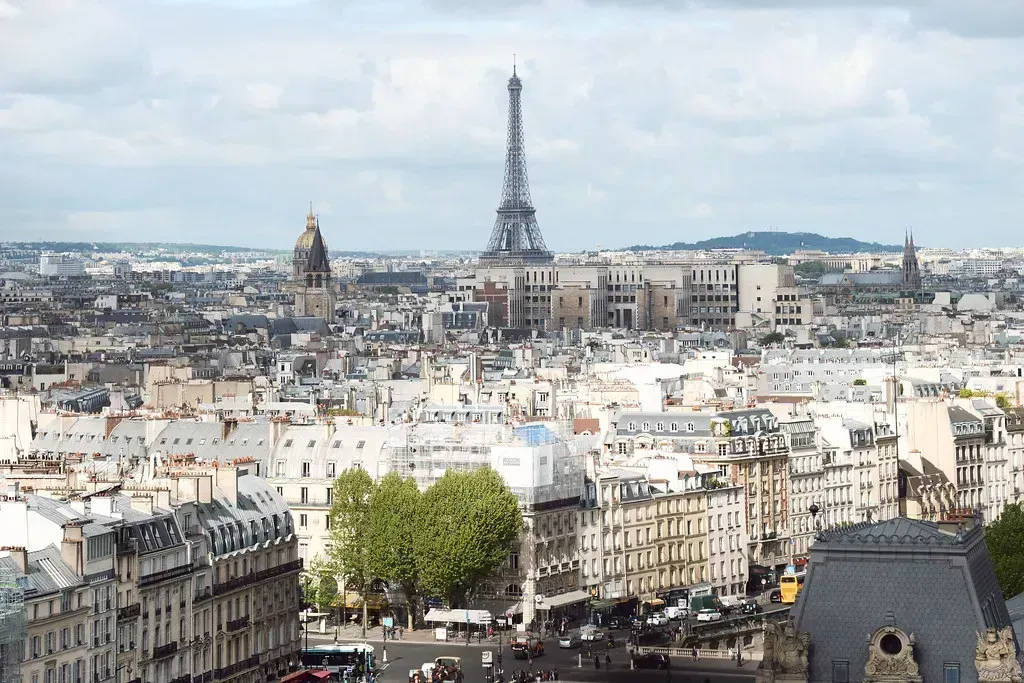
France currently averages approximately €262 per day for travelers, with Paris driving much of that expense. The City of Light has always been pricey, but recent years have seen costs spiral further. Paris passed a new law effective January 1, 2024, that requires travelers to pay almost 200 percent more in hotel taxes.
Paris is often named the most expensive European city, and that reputation is well-earned in 2026. Sure, you can find affordable boulangeries if you hunt, and the parks are free, but accommodation and sit-down meals will hit hard. Ski passes in French Alpine resorts have also jumped significantly, increasing by as much as 40 percent compared to 2021 in some locations. Southern France offers slightly better value, but overall, France demands a substantial travel budget.
Netherlands – Amsterdam’s Shocking Costs
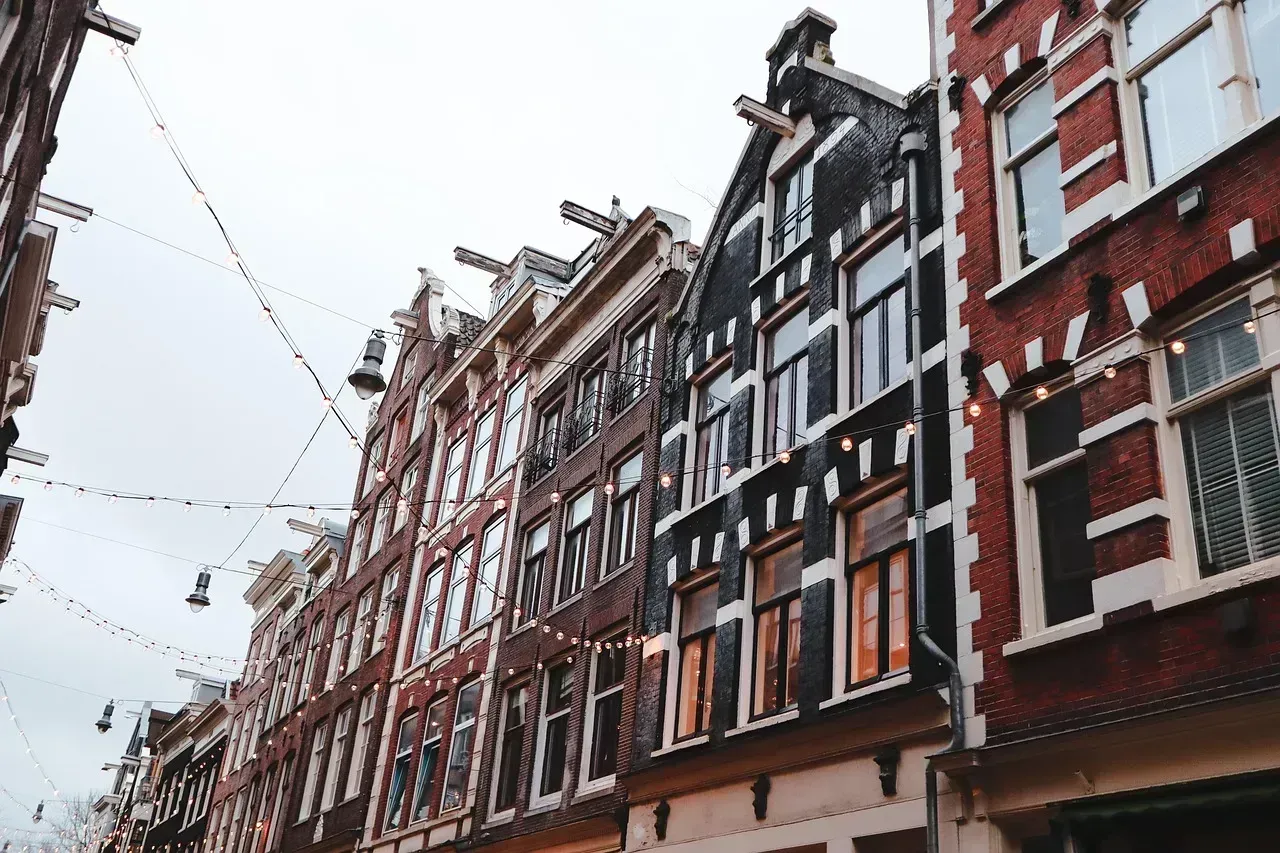
The Netherlands comes in with an average daily cost of approximately €212, and Amsterdam is the primary culprit. Accommodation prices in the capital have skyrocketed as the city battles overtourism. Staying in Amsterdam is crazy expensive, with even basic hotels commanding premium rates.
Beyond lodging, dining and attractions add up quickly. The picturesque canals and world-class museums are worth seeing, no question, but the cost of experiencing them has climbed steadily. The Dutch capital has introduced various measures to manage tourist numbers, but those measures haven’t made visiting any cheaper. If anything, they’ve had the opposite effect.
Luxembourg – Small But Mighty Expensive

Luxembourg sits at approximately €236 per day for travelers, punching well above its tiny geographic weight. Hotels, restaurants, and attractions are expensive, particularly in Luxembourg City. This wealthy nation’s high living standards translate directly into elevated travel costs.
The strong euro, wealth-driven economy, and emphasis on quality infrastructure contribute to higher costs. Despite its compact size, travelers exploring medieval castles and rolling countryside will find prices remain steep throughout. While the country may not draw large tourist crowds, its scenic beauty, safe streets, and charming towns make it a worthwhile stop, albeit a pricey one. It’s one of those places where you pay for quality at every turn.
Austria – Classical Elegance at Premium Prices
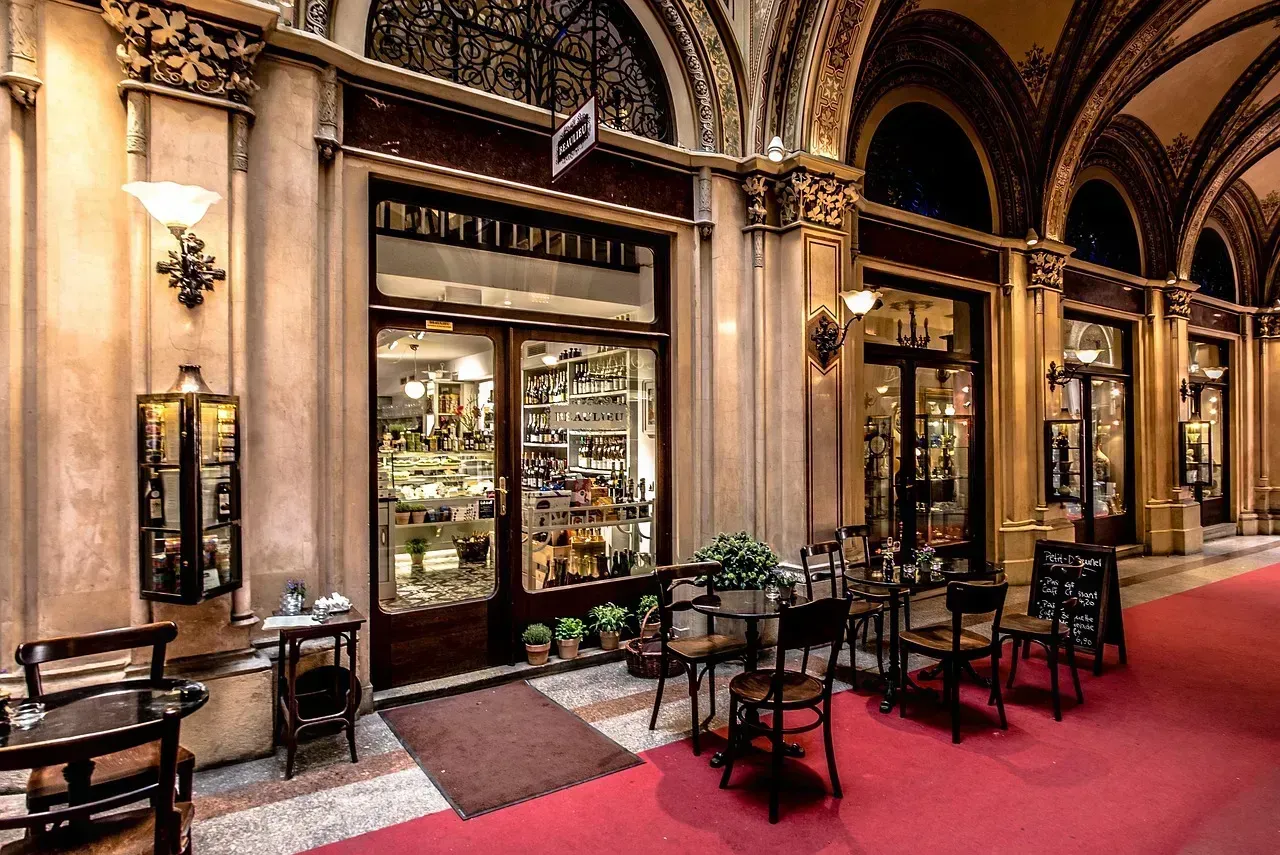
Austria combines imperial history with Alpine adventure, but both come at increasingly steep prices. Vienna and Salzburg place Austria among the most expensive European countries to visit, with concert tickets, cable railway tickets, and elegantly designed cafes costing around $60 per meal. Accommodations near historic centers tend to be $200 or more per night.
Ski passes in Austria have jumped by as much as 40 percent compared to 2021 in some resorts due to soaring energy bills and maintenance fees. Vienna remains magnificent, and Salzburg’s Mozart heritage draws crowds, but budget travelers will struggle. The coffeehouse culture is wonderful, but lingering over a Sachertorte and melange isn’t cheap anymore.
Greece – Islands Aren’t Affordable Anymore
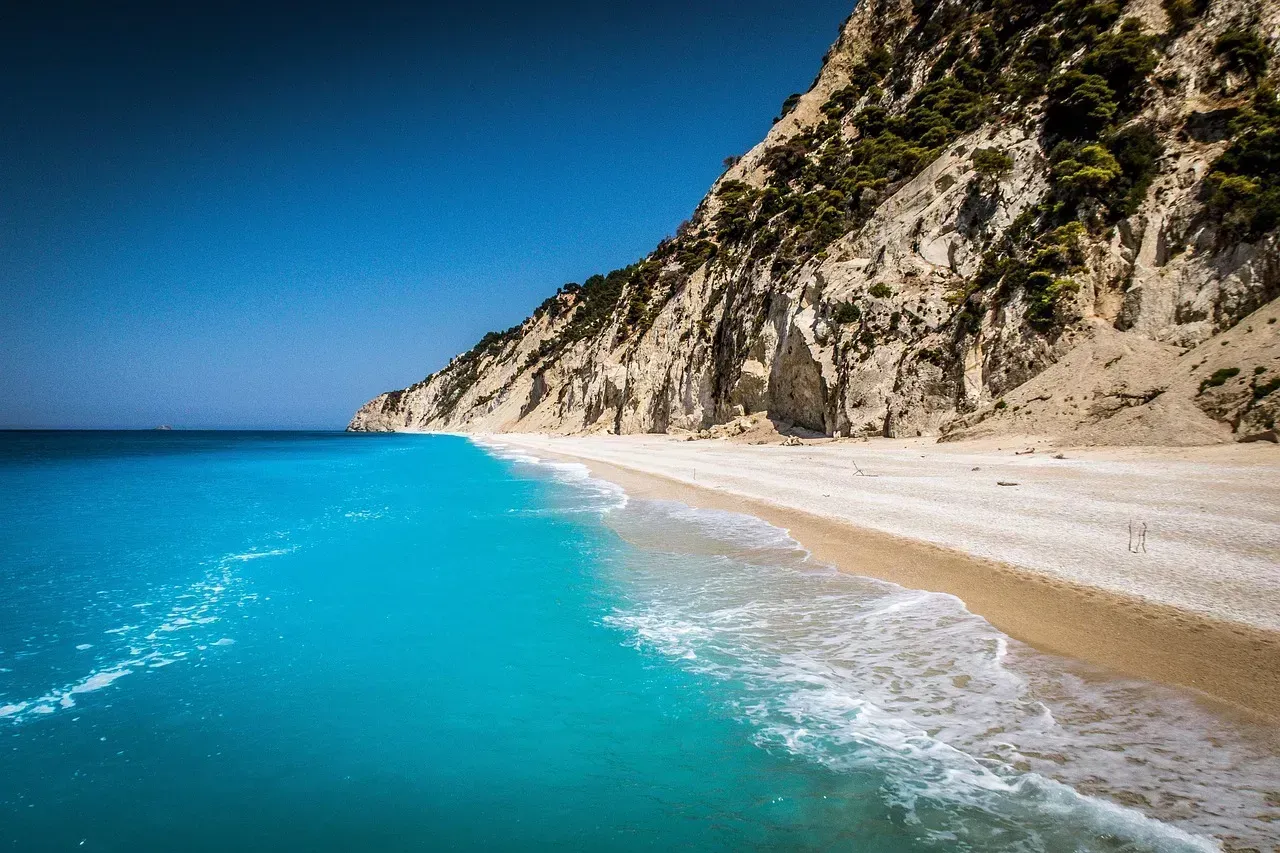
Greece now averages approximately €216 per day for travelers, a significant increase from its reputation as a budget-friendly Mediterranean option. While mainland Greece and off-season travel remain somewhat reasonable, the popular islands have become expensive. Mykonos and Santorini command particularly high prices during summer months.
Tourism inflation has stayed high at 6.8 percent, which is lower than the 8 percent in 2024 but still above the overall inflation rate of 4.3 percent. High transport and accommodation costs are the biggest barriers to international travel according to UN Tourism data. Greece’s islands remain stunning, the food is incredible, and the history is unmatched, but visitors need substantially bigger budgets than they did just a few years ago. The myth of cheap Greek holidays? That’s ancient history now.