I Ran a Grocery Store for 8 Years: 9 Items I’d Skip Every Time
Eight years behind the counter, the stockroom, and the ordering desk teaches you things no YouTube video ever will. You learn which products move fast and which ones sit. You learn which items customers swear by, and which ones they’d abandon the moment they checked the price tag on the competing shelf. Most importantly, you learn where the money goes – and where it quietly disappears.
The grocery industry is brutal. After-tax net profit margins for the average food retailer hover around just 1.7%. Stores make money on volume, not luxury. So when certain items carry enormous markups, someone benefits – and it’s rarely the shopper. Here are nine items I’d walk past every single time, even after all those years on the inside.
1. Pre-Cut Fruits and Vegetables
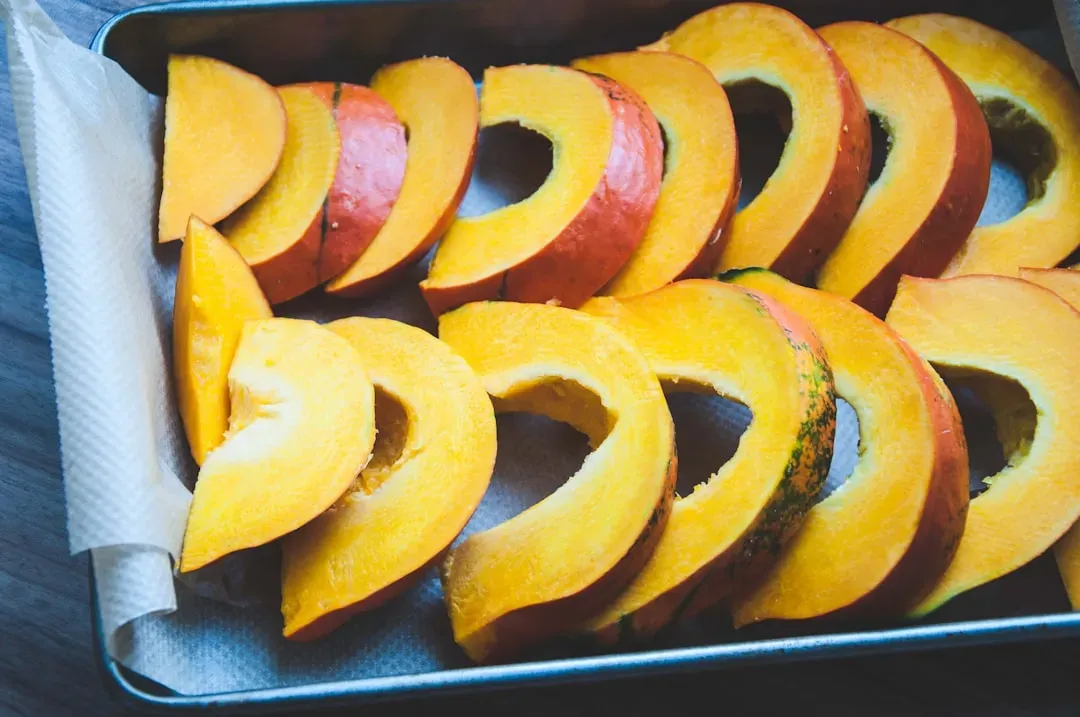
Let’s be real: the convenience of grabbing a tray of pre-sliced melon is genuinely tempting, especially on a busy Tuesday evening. I get it. But here’s the thing – you are paying a serious premium for someone else doing about four minutes of work with a knife. The extra labor it takes to pre-cut produce means more cost for the company providing it, and those businesses pass that cost along to you – with estimates suggesting it could cost you as much as a hundred dollars per month extra.
A former grocery store dietitian explained that cutting fruits or vegetables exposes them to oxygen, light, and sometimes heat – all of which affect vitamin retention. Because cut produce loses water faster, water-soluble vitamins like B and C will also evaporate faster. Think of it like leaving a sliced apple out on the counter. The moment the surface meets the air, degradation begins. After five or six days, vitamin C and carotenoid levels begin to drop noticeably in pre-cut vegetables.
Pre-cut vegetables are typically packaged in plastic, which adds to landfill waste, while whole vegetables usually come with less packaging and offer a more eco-friendly alternative. The triple hit of higher price, lower nutrients, and more plastic? I’d skip it every time.
2. Name-Brand Cereal
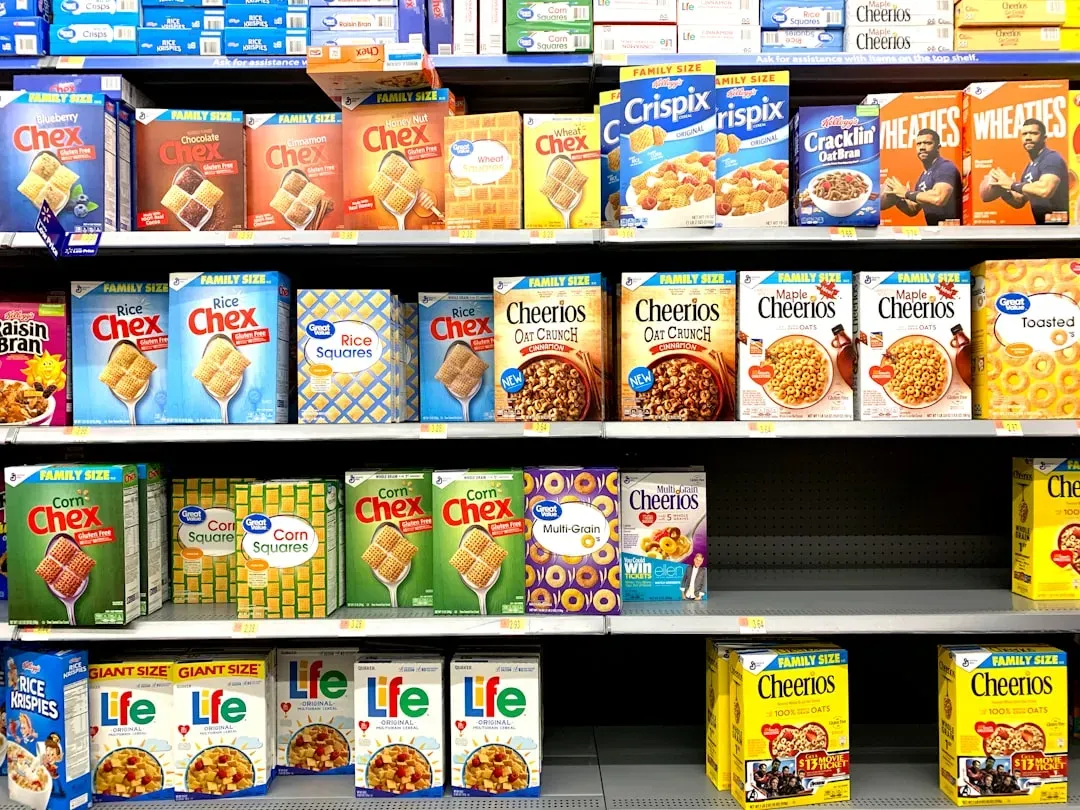
Standing in the cereal aisle as a store manager, I used to watch customers reach for the colorful box without even glancing at the one right beside it – the store brand, often sitting a full dollar cheaper. Name brands usually cost double what store brands do, yet in reality the ingredients are almost identical. You’re paying more for marketing and packaging.
Using average cost per unit, in a store-wide price comparison, it is estimated that U.S. consumers save more than $40 billion a year on grocery and household purchases by opting for the store brand over the national brand version of their favorite products. That’s not a small number. At Publix stores, the average price for its store-brand cereal was $3.71 – less than half the average price of Kellogg’s Corn Flakes at $7.46 for the same 18-ounce box.
Generics are often made by your favorite national brand in the same plant and from the same farm or manufacturer, but packaged in a less flashy way. Honestly, the mascot on the box adds nothing to your breakfast bowl.
3. Bottled Water

This one might be the single most effective con in the entire grocery store. Bottled water is everywhere, it looks refreshing, and somehow we’ve all agreed to pay for something that runs freely from the tap at home. Bottled water may go down as one of the biggest examples of powerful marketing creating artificial need. In most areas of the country the water is quite drinkable, and there’s also the reputed enormous markup – often cited as thousands of percent above what tap water costs.
Buying bottled water regularly is one of the most overpriced items in grocery stores. Much of the time, it’s actually just filtered tap water sold at a massive markup – and the environmental cost of all those plastic bottles is staggering. I used to see pallets of bottled water move through our store weekly. The margin on it was remarkable. Modern water filters can remove impurities just as effectively as bottled water, and the initial investment in a good filtration system pays for itself within months.
4. Pre-Made Spice Blends
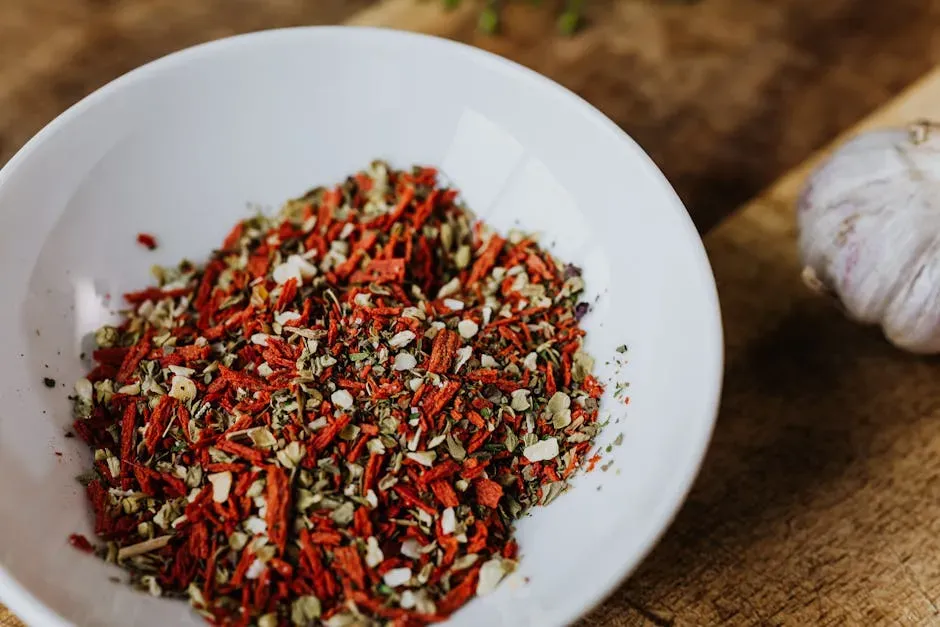
Here’s a category where the markup is almost invisible to the average shopper because spices feel small and affordable in isolation. But zoom out and the picture changes fast. Pre-mixed spice blends can be surprisingly expensive per ounce. Most of these blends use spices you probably already have at home, and by mixing your own, you can save a lot of money and even create better-tasting mixes.
Grocery stores know that spices are staple items for many households, and consumers are generally willing to pay a higher price for them. It’s a quiet psychological trick – familiarity with a brand feels like quality assurance. Specialty spice shops, where the niche focus means freshness is key, or local natural and international stores, often offer a greater variety and the ability to buy in bulk for serious savings.
Think about it this way: a “taco seasoning” packet is essentially cumin, chili powder, garlic powder, and paprika. You likely already have all four at home. Why pay extra for someone to mix them in a packet with a cartoon sombrero on it?
5. Pre-Packaged Salad Mixes
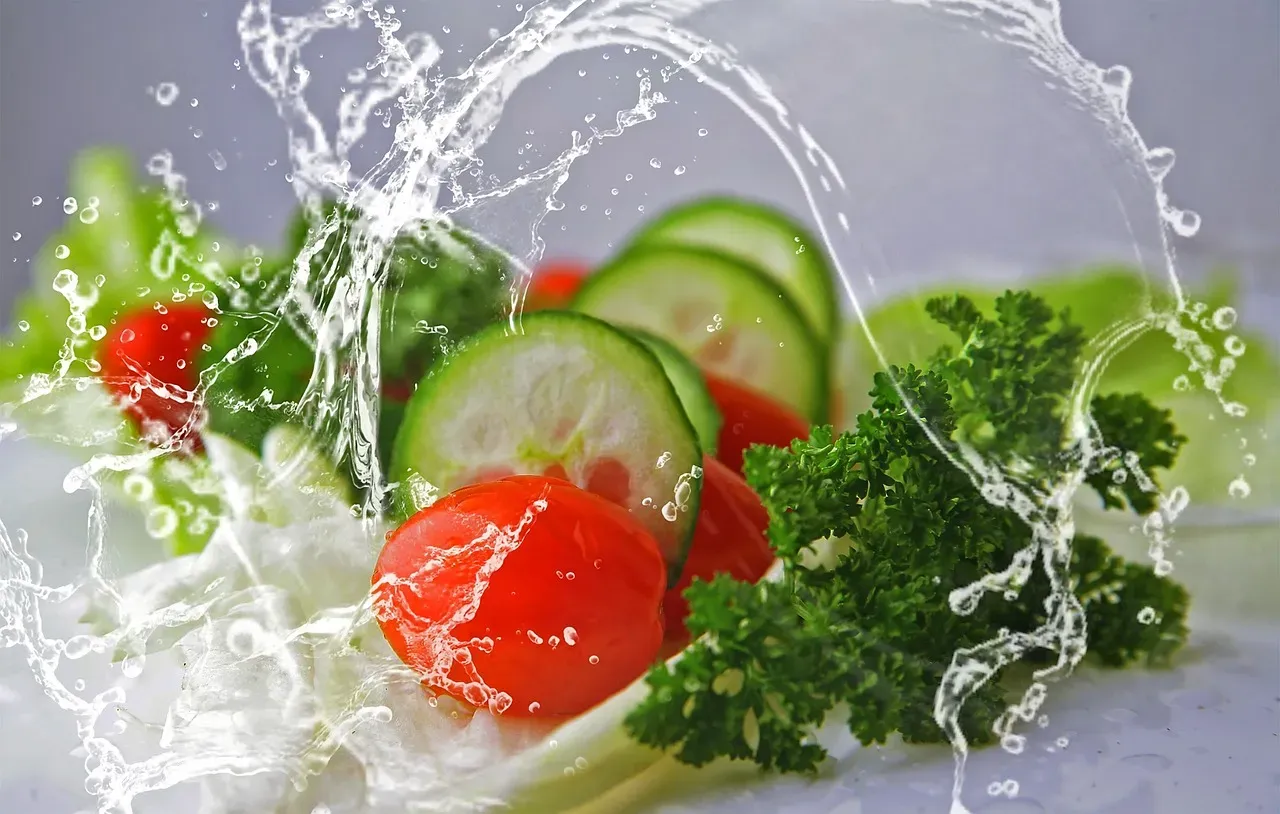
Pre-washed lettuce mixes often cost twice as much as whole heads of romaine or fresh spinach bunches, plus they spoil much faster in storage. Savvy shoppers are increasingly skipping the plastic-wrapped salad blends and getting more value by washing and chopping their own. I’ve watched bags of mixed greens go unsold for days, becoming increasingly unappetizing under the produce section lights.
A pre-packed salad can cost between $8 and $12 – and that’s before adding protein. You can easily build three to four salads at home for the same price, especially when you buy leafy greens and toppings in bulk. They’ll be fresher, more customizable, and less wasteful.
A whole head of romaine takes roughly two minutes to chop. That’s about $5 saved for 120 seconds of effort. Honestly, when you put it that way, the math is almost embarrassing.
6. In-Store Bakery Items

I have deep respect for bakery staff. They work hard and early. But the pricing on those gorgeous glass-case muffins and artisan loaves? That’s where I’d quietly step away. Those fresh-baked treats behind the glass case come with a steep premium – grocery store bakeries often mark up items by around 300%, with basic items like cookies and muffins costing pennies to make but selling for dollars.
That $7 sourdough loaf might look rustic and charming, but unless it’s from a quality bakery and consumed the same day, you’re probably better off baking your own or buying frozen par-baked bread for a fraction of the cost. In our store, the bakery was the highest-margin department. A smart alternative is to look for day-old items at reduced prices, which are usually just as fresh, or visit local bakeries during their end-of-day sales, where significant discounts on perfectly good items are common.
7. Pre-Marinated Meats
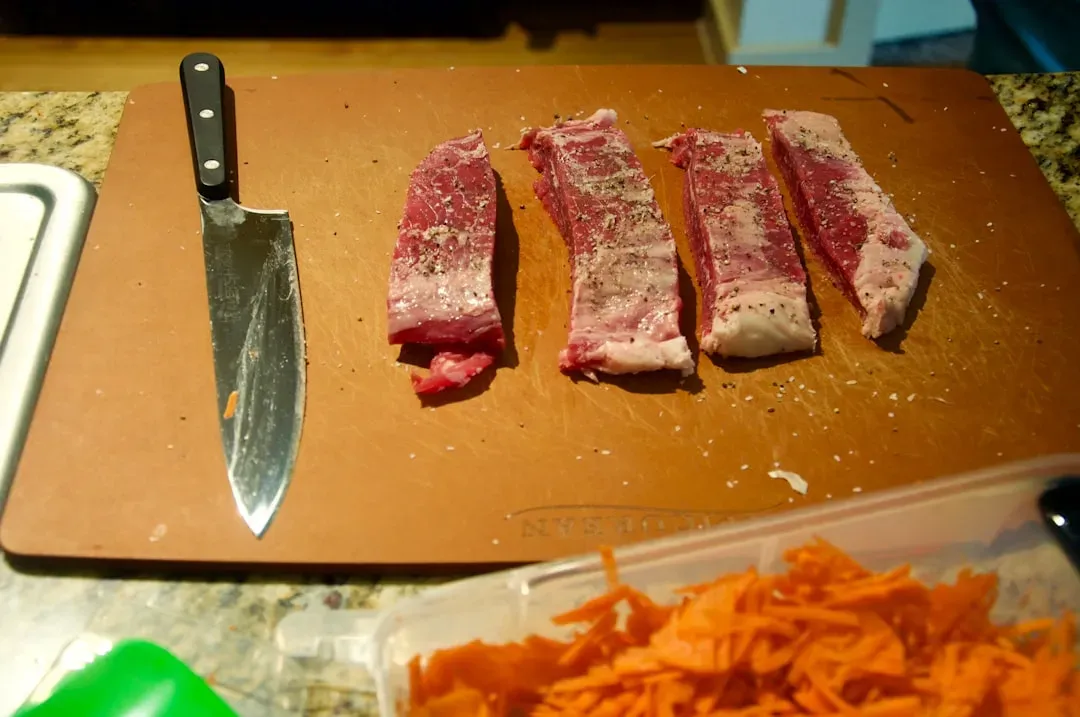
This one surprises people sometimes, but it was something I noticed almost immediately working on the floor. Grocery stores often charge significantly more for marinated chicken, pork, or beef – but it’s usually the same meat sold plain, just soaked in low-cost marinades. You’re essentially funding someone to pour a little soy sauce and garlic into a bag and charge you extra for it.
Pre-marinated meat is just expensive meat in a flavor bath. You’re basically paying extra for a grocery store employee to add some sauce to a plastic bag. Skip the overpriced, pre-seasoned cuts and grab plain meat instead – a few spices, some oil, maybe a splash of citrus, and you’ve made a marinade for a fraction of the cost.
It’s also worth knowing that some marinades are used to preserve the appearance of meat that’s close to its sell-by date. That’s an industry reality. Plain, unmarinated cuts give you a clearer picture of exactly what you’re getting.
8. Name-Brand Pantry Staples
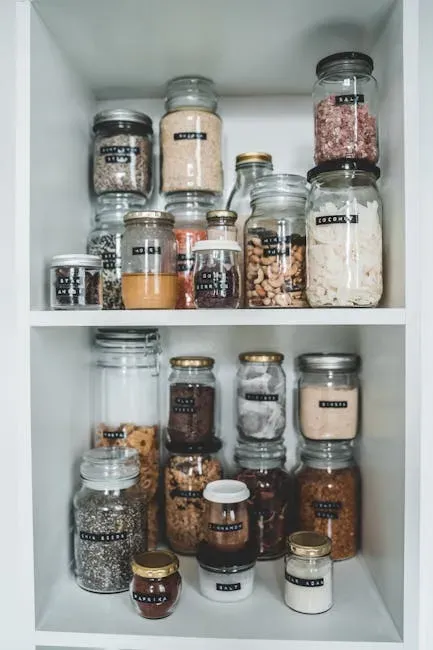
Rice, pasta, canned beans, canned tomatoes. These are the workhorses of any pantry and also the biggest no-brainers when it comes to switching to store brands. There’s often little difference between name-brand and store-brand items like rice, pasta, canned beans, or spices – except for the price. Store brands have significantly improved in quality and taste, and switching can save you hundreds over the year.
In 2025, total sales of store brands reached $282.8 billion – an increase of $9 billion year-over-year and a new record – across brick-and-mortar and online supermarkets, drug chains, and mass merchandisers. People are catching on. Studies consistently demonstrate that shoppers save one-third or more on grocery and household items by selecting store brands over national brands.
I used to taste-test store brand canned tomatoes against premium name brands in the back office with our team. More often than not, we couldn’t reliably tell the difference. The label is doing a lot of heavy lifting there.
9. Bottled Smoothies and Pre-Made Juice Drinks
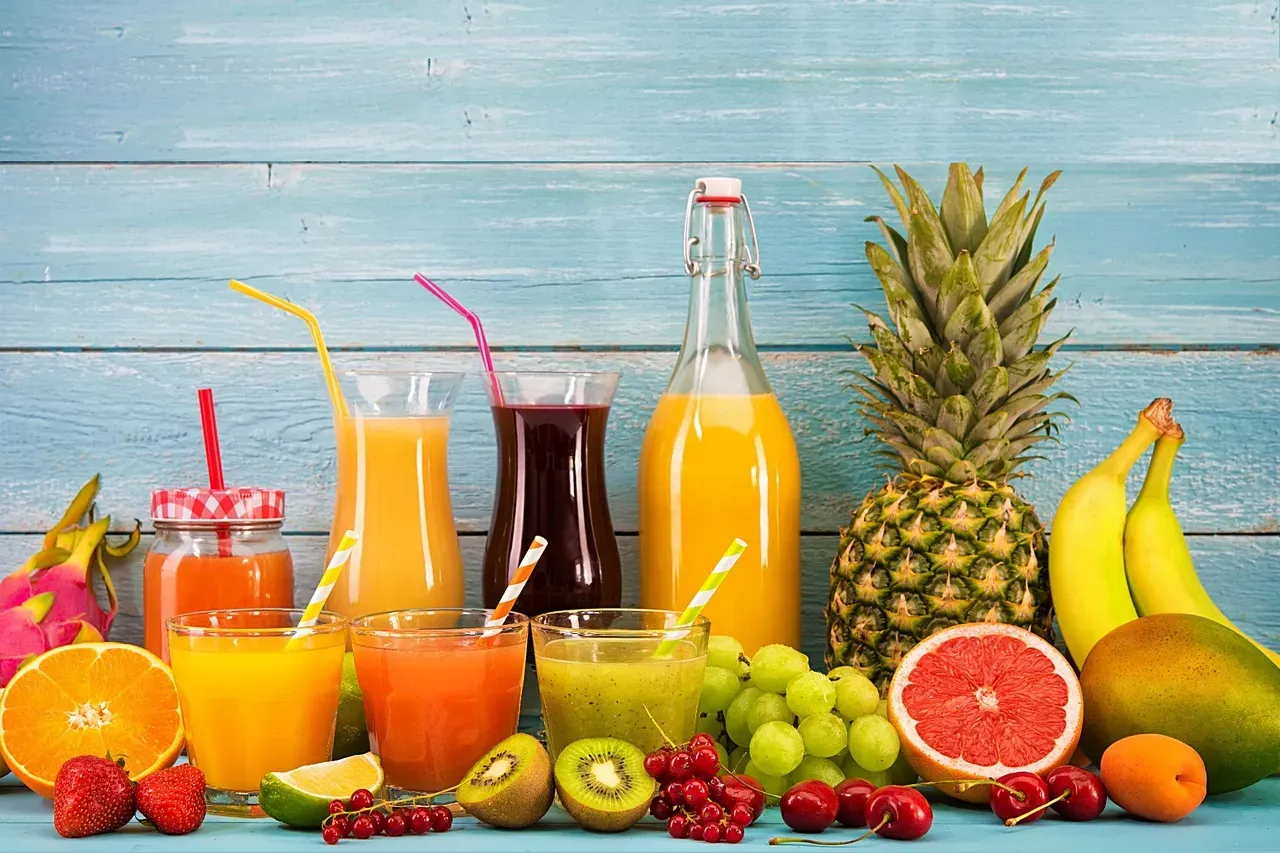
The refrigerated drinks section has expanded dramatically over the past decade, and not all of it is worth your money. Bottled smoothies seem like a healthy grab-and-go option, but they often contain more sugar than a candy bar along with a hefty price tag – and you’re better off blending your own at home. What feels like a health choice often isn’t quite what the label implies.
These drinks are often loaded with sugar and markups. Brands charge a high price for branding and packaging, but you can make healthier versions at home with fresh or frozen produce and a basic blender – getting more nutrients and full control over what goes into your drink. In our store, the margin on bottled smoothie drinks was among the highest in the entire refrigerated section.
Think of it like this: buying a $9 cold-pressed juice is a bit like paying a plumber to change a lightbulb. The expertise feels reassuring, but the task itself is simpler than it looks. A bag of frozen berries and five minutes does the same job.