15 Simple Things Grandparents Did That Could Surprise – or Even Scare – Kids Today
There’s a funny moment that happens in almost every family. A grandparent tells a story from their childhood, something totally ordinary from their perspective, and the younger generation goes completely silent. Eyes wide. Maybe a little horrified. What seemed like everyday life back then would raise serious eyebrows today, or worse, land someone in a conversation with child protective services.
It’s not about blame. It’s about how radically the world has changed in just a few decades. Safety standards, medical knowledge, social expectations, and plain common sense have all been completely rewritten. So let’s take a walk through some of those habits that older generations considered perfectly normal, but that today’s kids would find genuinely shocking, strange, or even frightening. Buckle up.
1. Smoking Indoors, Right Next to the Kids

Here’s the thing that might genuinely stop modern parents in their tracks. In the 1960s, and even into the 1970s and 80s, smoking was permitted nearly everywhere. Smokers could light up at work, in hospitals, in school buildings, in bars, in restaurants, and even on buses, trains, and planes. Living rooms and family cars were no exception. Children simply breathed it all in.
Babies whose mothers had smoked while pregnant were reported to have higher hospital admission rates for pneumonia and bronchitis. Similarly, infants exposed to parental smoking were found to be at increased risk of respiratory illness and deformed lung development. The damage was real, and most families had no idea. It was just what adults did after dinner.
2. Riding in a Car Without a Seatbelt
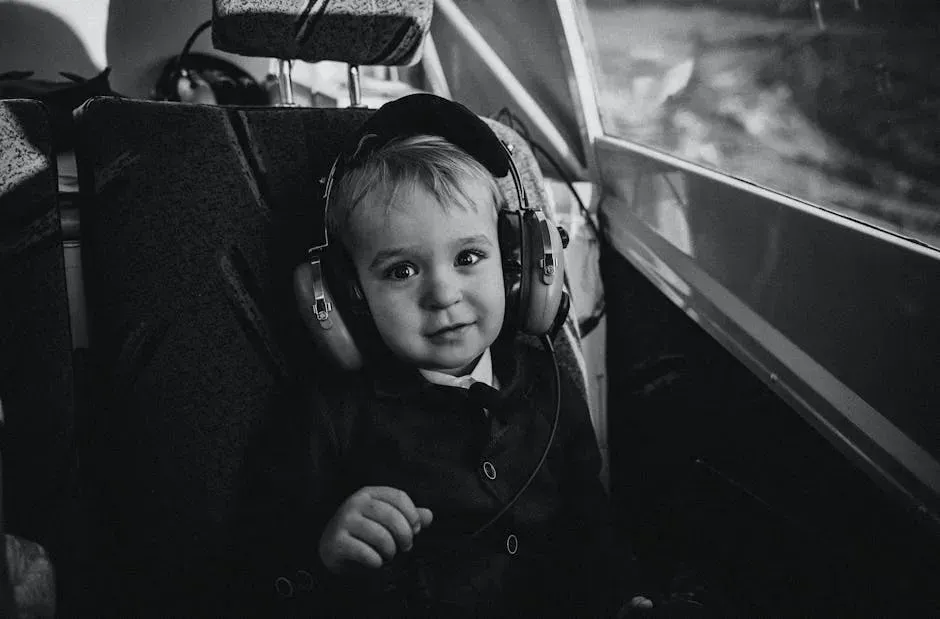
Today a child can’t leave the driveway without being strapped in like a small astronaut. That wasn’t always the case. Cars back then were built like tanks, but safety features were practically nonexistent for the average family. Most folks treated seatbelts as optional decorations rather than life-saving devices. It was totally normal to see kids bouncing around in the back seat or lying across the rear window ledge.
Seatbelts weren’t always a requirement in cars. Seatbelt requirements for cars were only mandated in the United States starting in 1966. Even then, enforcement was practically nonexistent for years. The number of child passenger deaths has declined by more than half since 1975. The rate of child passenger deaths per million children has fallen dramatically to 11 deaths per million children in 2023, a 64% reduction from 1975. Those numbers say everything.
3. Living With Lead Paint on Every Wall

Grandma’s house had character. It also, in many cases, had lead paint. By the 1940s and 1950s, lead paint was everywhere in America. It coated the walls of homes, apartments, schools, playgrounds, and public buildings. Nobody thought twice about it. It made the walls bright and the colors rich.
According to the National Institute of Health, roughly nine out of every ten homes built before 1940 contain lead-based paint. Lead is toxic to the brain and the nervous system even at very low levels of exposure. Infants and young children are especially sensitive to chemicals like lead in their environments. Lead exposure in children is associated with learning disabilities, behavioral issues, and lower IQs. The ban on consumer use only came in 1978, which means generations of children grew up chewing on window sills that were essentially poison.
4. Sending Kids Outside Alone All Day With No Check-Ins

The idea of a seven-year-old leaving after breakfast and not returning until the street lights came on would today trigger at least a few panicked phone calls and probably a neighborhood search party. Back then, it was simply called a Tuesday. Children roamed freely, often miles from home, with zero adult supervision and no way to contact anyone.
Grandparents genuinely believed that independence was built through unsupervised play, and honestly, there’s a compelling argument there. Children of the 70s were supposed to be seen and not heard. Anytime the family visited grandparents, the kids were tossed in a basement or backyard so the grown-ups could talk without distraction. The world felt different then. Whether it actually was safer is a debate that continues to this day.
5. Giving Kids Alcohol as a “Remedy”

This one genuinely sounds like something from a horror movie to modern ears. Our grandparents had something entirely different to keep kids quiet before smartphones: liquor. Starting in the mid-19th century, hard liquor was used for babies with almost shocking regularity. A little whiskey on the gums for a teething baby was considered common wisdom, passed down like a family recipe.
At the time there were all kinds of products on the market to give the harried housewife a helping hand. Those were things like Mrs. Winslow’s and the more generic gripe water, which was as much as 3.6 percent alcohol. This little bit of wisdom continues to be handed down in some places, and if you dive into the depths of parenting forums on the internet, you’ll find no shortage of people who, anonymously, admit to still giving their tot a bit of whiskey. The fact that it still happens is honestly alarming.
6. Asbestos Everywhere in the Home
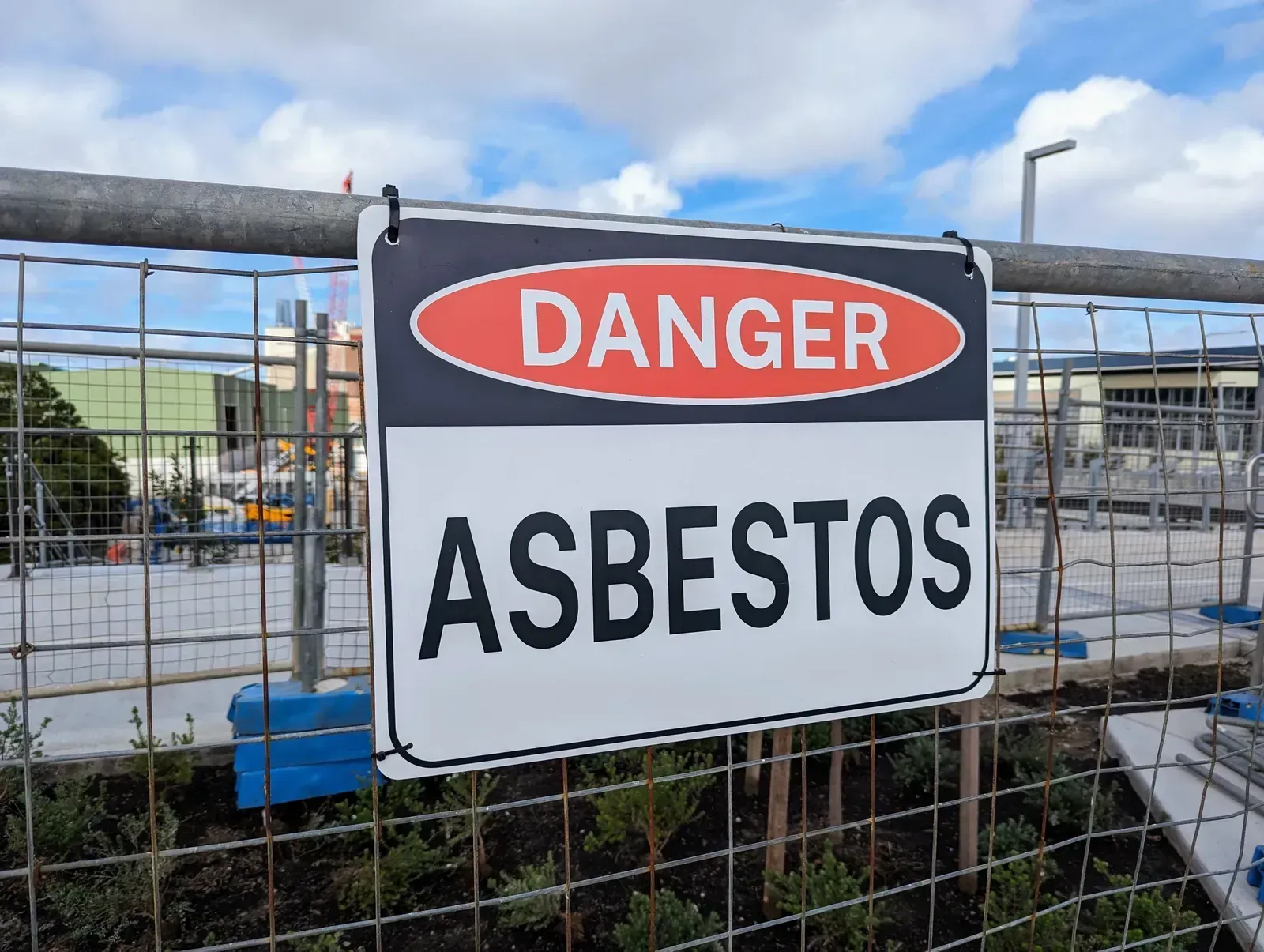
For decades, asbestos was hailed as a miracle material in home construction, prized for its powerful fire-resistant properties. It found its way into attic insulation, pipe wrappings, and even ironing board pads, seemingly keeping families safe from fire hazards. Grandparents walked past this stuff every single day without a second thought.
Asbestos was once celebrated for its fire-resistant and insulating properties, making it a common material in homes built before the 1980s. However, the dangers of asbestos exposure are now well-documented. Inhaling or ingesting asbestos fibers can lead to severe health issues, including lung cancer and asbestosis. In reality, the US didn’t ban Chrysotile asbestos until March of 2024, after decades of partial regulation. Yes, 2024. That detail surprises almost everyone.
7. Corporal Punishment as Everyday Discipline
Spanking, belting, slapping the hand. These were tools of parenting that many grandparents used without a second thought and rarely questioned. It was the standard response to misbehavior, often delivered in public without any embarrassment at all. Schools did it too. Principals kept paddles in their offices like office supplies.
It was common for a neighbor or teacher to scold a child who was misbehaving in public physically. Parents generally supported other adults keeping their kids in line when they were not around. The village approach to parenting involved much more physical intervention than we allow today. Today, touching a child that is not yours is a quick way to get arrested for assault in the modern world. Boundaries regarding physical contact have shifted drastically to protect children from abuse.
8. Kids Working in the Fields During Summer
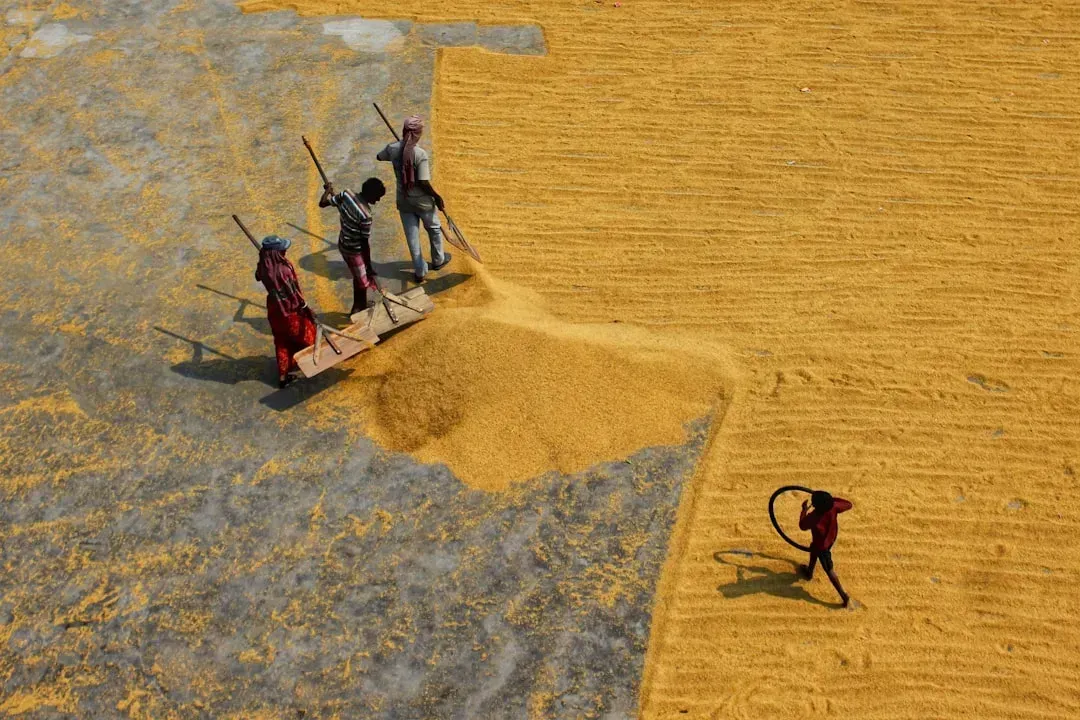
Summer vacation wasn’t always a time for day camps and swim lessons. For many families just a couple of generations ago, summer meant work. Real, hard, physical labor from sunup to sundown. Grandparents used to send their eight kids, from ages 5 to about 12, to work in the fields all day, from 6 a.m. to whenever the sun went down. These days, this would result in a visit from CPS, but back in the 50s, kids were expected to work all day, every day during summers and early autumn.
Honestly, it puts today’s complaints about too much homework into a different perspective. This was not a rare or extreme situation. It was the economic reality for millions of American families, particularly in rural communities. Child labor laws as we know them today were a long time coming, and many older generations lived entirely before those protections existed in any meaningful way.
9. Forcing Kids to Hug and Kiss Relatives

Every holiday gathering had this moment. The aunt with too much perfume or the uncle you barely knew leaning in with an expectant look, and your parents saying firmly, “Give them a hug.” No exceptions. No discussion. If you hesitated, you were considered rude. Forcing kids to hug or kiss always made some children uncomfortable. And for some, that discomfort stayed with them well into adulthood, making them permanently wary of physical affection.
Today, we understand that children have the right to decide who touches their bodies, and that forcing physical affection undermines that understanding early. The shift has been huge. Teaching kids that they always have the option to say no to physical contact, even from family, is now considered a cornerstone of healthy boundaries and body autonomy education. It sounds simple. It’s actually a major cultural shift.
10. Mercury Thermometers in Every Medicine Cabinet
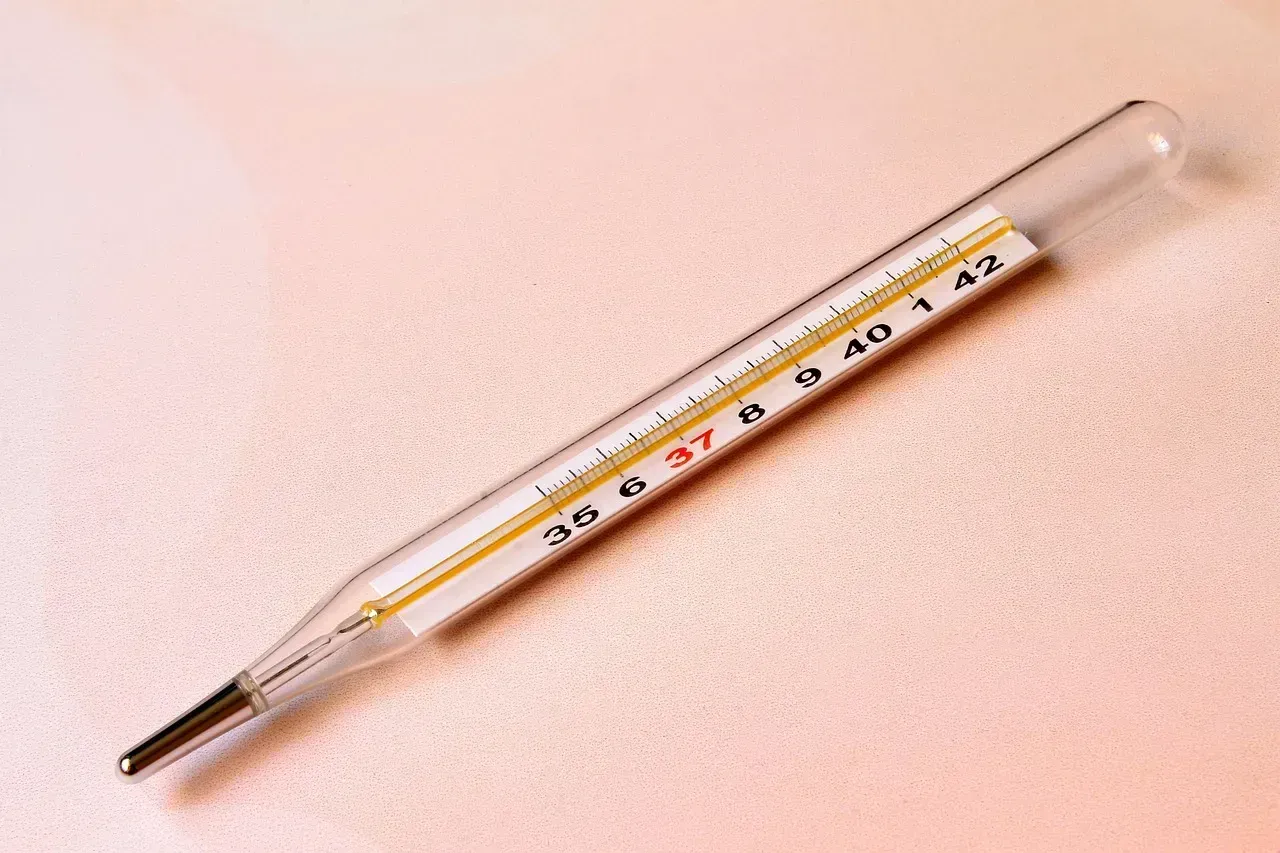
For generations, mercury thermometers were the gold standard for measuring fevers at home. But if one broke, the tiny silvery beads inside released invisible toxic vapors that could pose serious health risks, especially to children. Mercury exposure is linked to neurological and environmental harm, making even a small spill a significant danger. Grandparents used these casually, sometimes shaking them down right next to a child’s face.
The image of a broken mercury thermometer with silver beads rolling across the floor, while children watched in fascinated horror, is deeply familiar to anyone who grew up before the 1990s. It was treated like a minor inconvenience. A dustpan situation. In reality, that little spill required what would now be considered a full hazmat response. Safer alternatives have since replaced these hazardous household tools in modern medicine cabinets. But for decades, they were just another everyday object.
11. Letting Kids Ride in the Back of Pickup Trucks
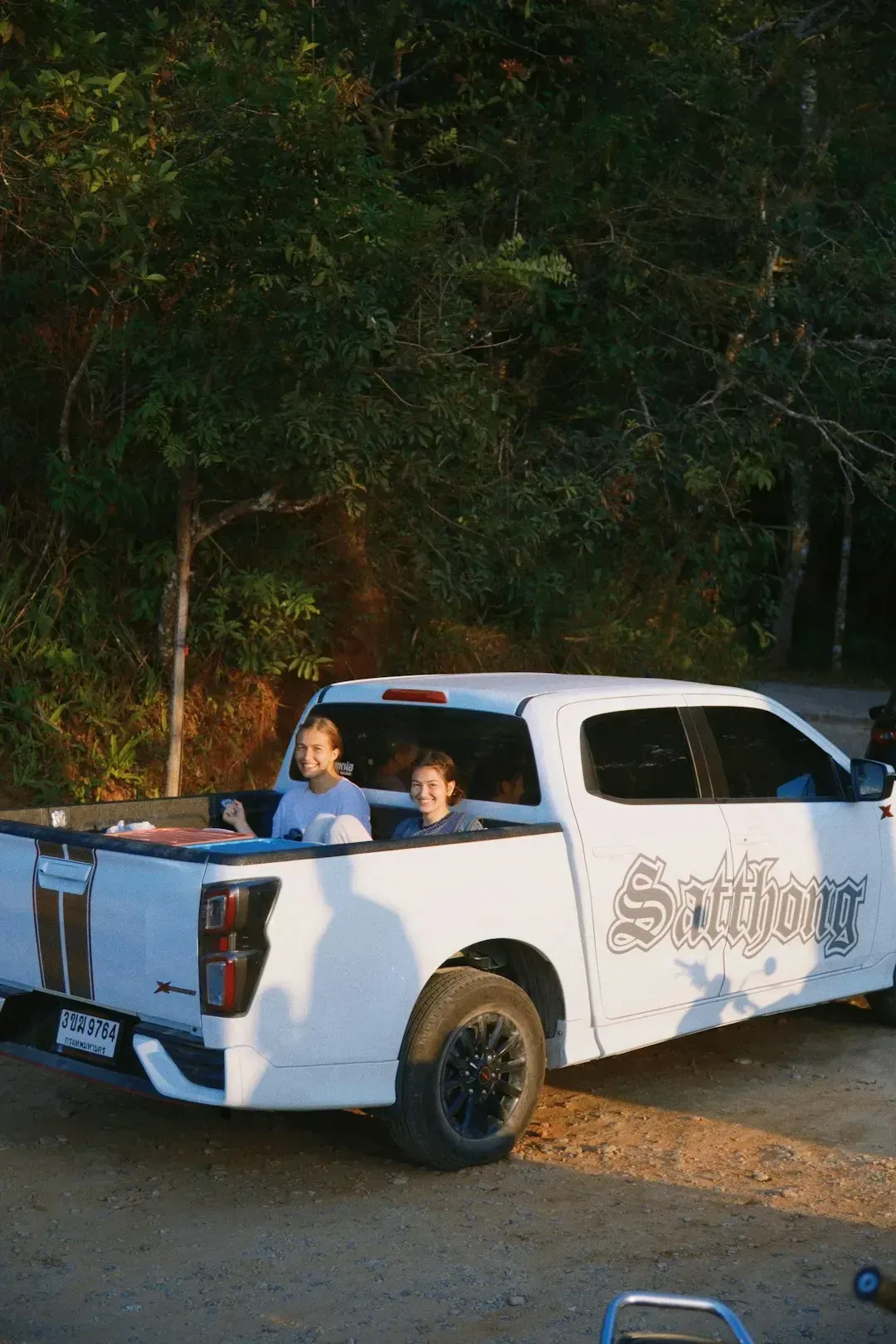
Nothing screamed summer like a pack of kids bouncing around in the open bed of a pickup truck, the wind in their hair, absolutely nothing between them and the road below. It was considered a treat, not a threat. Grandparents did it, parents did it, everybody did it. It was as normal as a barbecue.
When it comes to crashes, children are much safer than they used to be. The rate of motor vehicle crash deaths per million children younger than 13 is less than a quarter of what it was in 1975. A significant part of that improvement came from changing these casual, dangerous habits. Riding unsecured in a truck bed is now illegal in most U.S. states, and the statistics clearly show why that change was worth making.
12. Mothballs Used Freely Around the House

For decades, mothballs containing naphthalene were tucked into closets and drawers to ward off insects. However, the fumes from these small spheres are highly toxic, causing respiratory irritation and, in severe cases, poisoning, especially in children and pets who might accidentally ingest them. Grandma’s closets smelled intensely of them. It was just what clothes smelled like.
Think about it like this: leaving small white balls that look almost like candy in a drawer and trusting a toddler not to touch them. Today that seems completely reckless. Back then, it was standard household management. The smell alone was considered a sign of a well-kept home, not a warning signal. Today, safer alternatives are available, but the legacy of naphthalene mothballs stands as a stark warning about the dangers of common household chemicals.
13. Cloth-Covered Electrical Wiring Throughout the Home
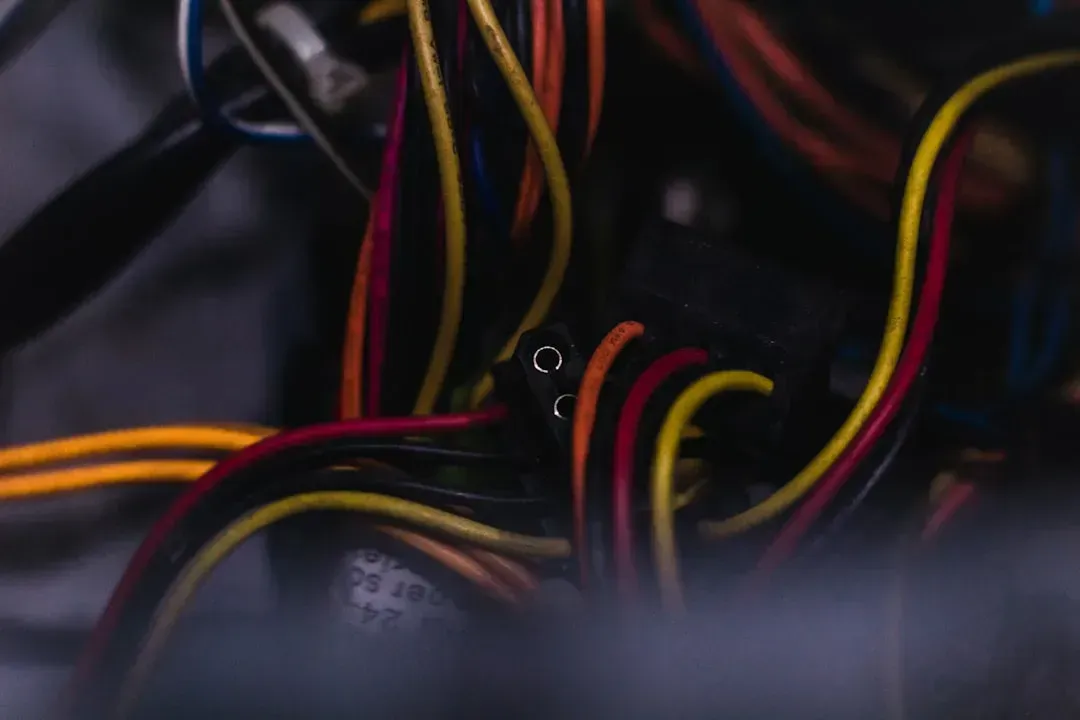
In the early days of electrification, many household appliances featured cloth-covered wires as insulation. While practical at the time, this material was highly flammable and prone to fraying, exposing families to risks of electrical fires and shocks. As usage increased, so did incidents of short circuits and hazardous sparks. Children played around these wires every single day in older homes.
Old houses where grandparents raised their children were full of this infrastructure. The walls hidden behind the wallpaper were not just full of old dust and odd smells but also of genuine fire risk. It’s hard to say for sure how many house fires over the decades can be traced back to this kind of outdated wiring, but the numbers are not small. Modern rubber and plastic coatings have replaced these outdated designs. But the old stuff is still inside walls across the country.
14. Children and Teens Smoking Cigarettes Openly

It wasn’t just adults lighting up. Teenagers smoking was treated by many grandparents as practically a rite of passage. Some started as young as twelve or thirteen, right in front of their parents, who might have offered them the cigarette themselves as a way of seeming cool or treating them like a grown-up. The social norms around tobacco and youth were unrecognizably different.
Among the many forces driving down smoking prevalence were the recognition of tobacco use as an addiction and a cause of cancer, along with concerns about the ill effects of breathing secondhand smoke. These factors contributed to the declining social acceptance of smoking, especially with the advent of legal restrictions on smoking in public spaces. By 2012, 30 states and hundreds of individual communities in the United States had adopted comprehensive laws prohibiting smoking in workplaces, restaurants, and bars. The shift in public attitudes is reflected in Gallup polls from 2001 to 2011, in which the percentage of Americans favoring a ban on smoking in all public places increased from roughly two in five to nearly three in five.
15. Mercury-Based Antiseptic Applied Directly to Kids’ Wounds
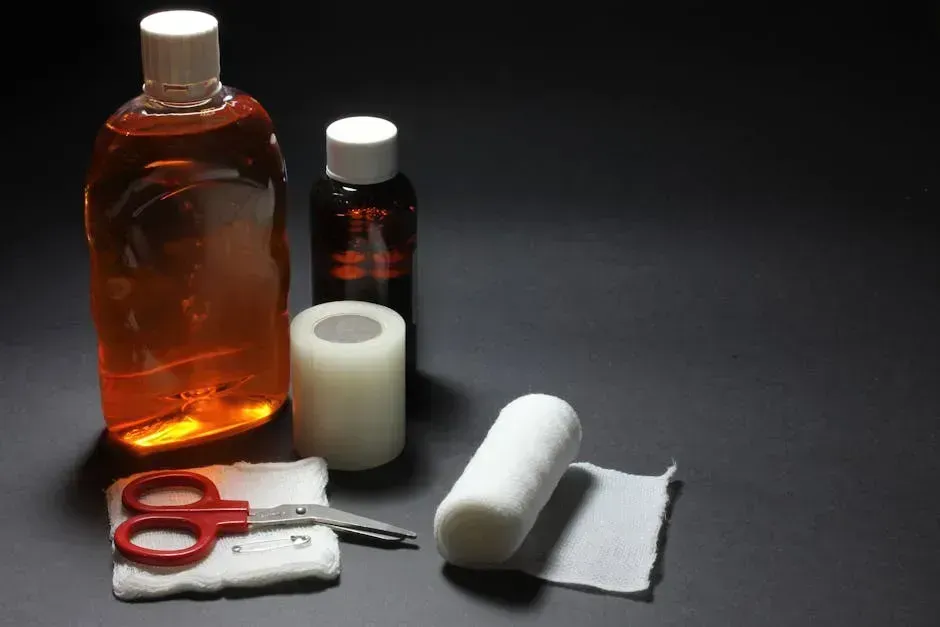
A bright red liquid antiseptic was a staple in 1950s medicine cabinets. Known as mercurochrome, it was applied to minor cuts and scrapes without much thought. Unfortunately, its vibrant color came from mercury, a toxic chemical we now know can harm the nervous system. Every scraped knee, every playground accident, every minor cut got a swipe of this glowing red liquid. Children thought it was almost magical. It was actually toxic.
Safer antiseptics, like those based on alcohol or hydrogen peroxide, have since replaced mercurochrome, and most countries have banned its use. Looking back, it’s remarkable how many everyday medical practices of the past involved materials we now classify as hazardous. The family medicine cabinet of 1955 would read like a warning label today. Parents were doing their absolute best with what they knew at the time. They just didn’t know very much yet.