Flight Anxiety: 11 Airlines Americans Say They’re Now Reluctant to Fly
Something has shifted in the minds of American travelers. It’s not just a vague unease about turbulence or airport lines. It’s a deeper, more specific kind of dread, one that has people googling “Is it safe to fly?” at record rates, reconsidering bookings, and second-guessing which airline logo should be on their boarding pass. The headlines from 2024 and 2025 have been relentless, from door plugs blowing out mid-air to midair collisions, to planes flipping over on runways.
Nearly two in three surveyed Americans say they are more nervous about flying in light of recent crashes and safety incidents, and nine in ten admit to a fear of flying. That’s not a small number. That’s practically everyone you know. So which airlines are at the center of this growing anxiety? Let’s get into it.
1. American Airlines: A Year No One Will Forget
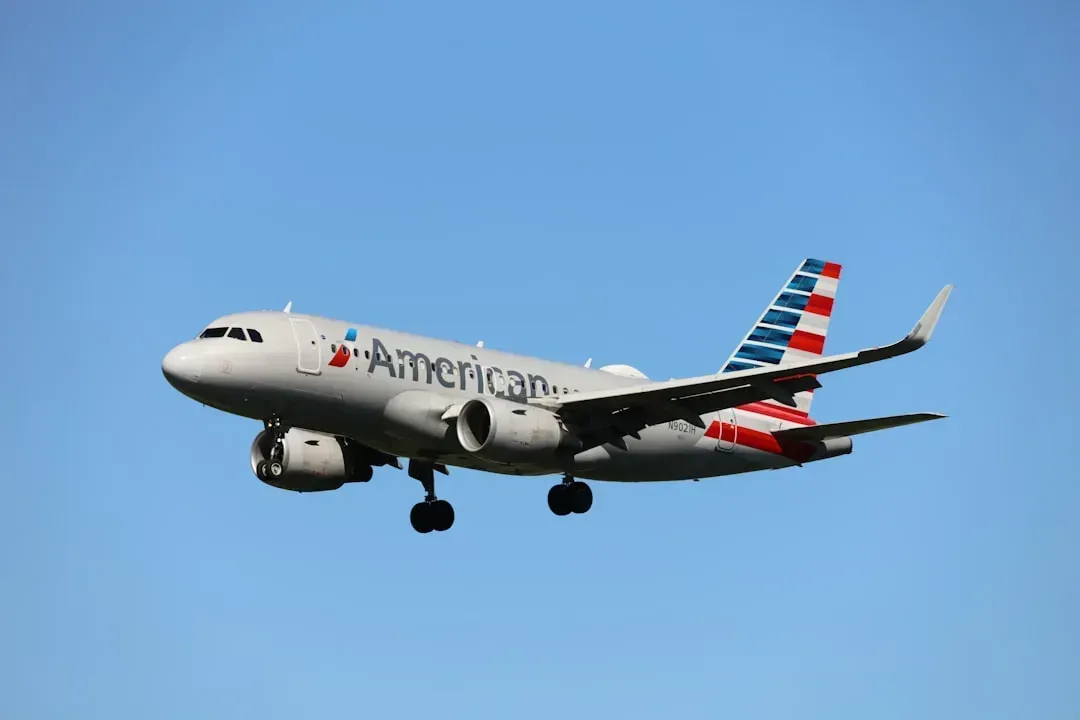
Honestly, it’s hard to talk about any other airline before addressing American Airlines. The reason is simple and devastating. There hadn’t been a deadly incident involving a major U.S. carrier since 2009 – until the January 29, 2025, midair collision of an American Airlines regional passenger jet and a U.S. Army helicopter, which tragically killed 67 people in Washington, D.C. That single event shattered years of reassuring safety statistics in a matter of seconds.
The Washington collision, which killed all 67 people aboard the two aircraft, was the country’s deadliest aviation disaster since 2001. The psychological toll on public trust was immediate. The AP-NORC Center for Public Affairs survey shows that 64% of U.S. adults say plane travel is “very safe” or “somewhat safe” – down from 71% the year before.
Beyond safety, American has struggled operationally. American rarely shines in rankings, but 2025 was particularly ugly. Its cancellation rate went from 1.37% in 2024 to a chart-topping 2.2%. Both American and Frontier wrestled with reliability and “outside issues” while passengers paid the price. American had the highest cancellation rate of all major airlines at 2.2% and rarely ranked higher than sixth in any category.
2. Frontier Airlines: Record Complaints, Three Years Running
If there’s one airline that shows up consistently in the wrong kind of headlines, it’s Frontier. For the third year in a row, Frontier had the most complaints per 100,000 passengers among the ten largest airlines, and its level was considerably worse than the carrier with the second-highest ratio, Spirit. That’s not a blip. That’s a pattern.
Frontier’s complaint ratio of 23.3 per 100,000 passengers was more than ten points higher than the next worst airline, Spirit, at 12.8. Think of it like a leaking roof. One bad storm is forgivable. But when it leaks every single season, passengers start wondering why they’re still booking that house.
The Denver-based airline was also among the top for flight cancellations, delays, mishandled wheelchairs and involuntarily bumped passengers. Frontier ranked last in four of seven categories and finds itself in the bottom spot for the second year in a row. Cheap fares can only excuse so much.
3. Alaska Airlines: The Door Plug That Changed Everything
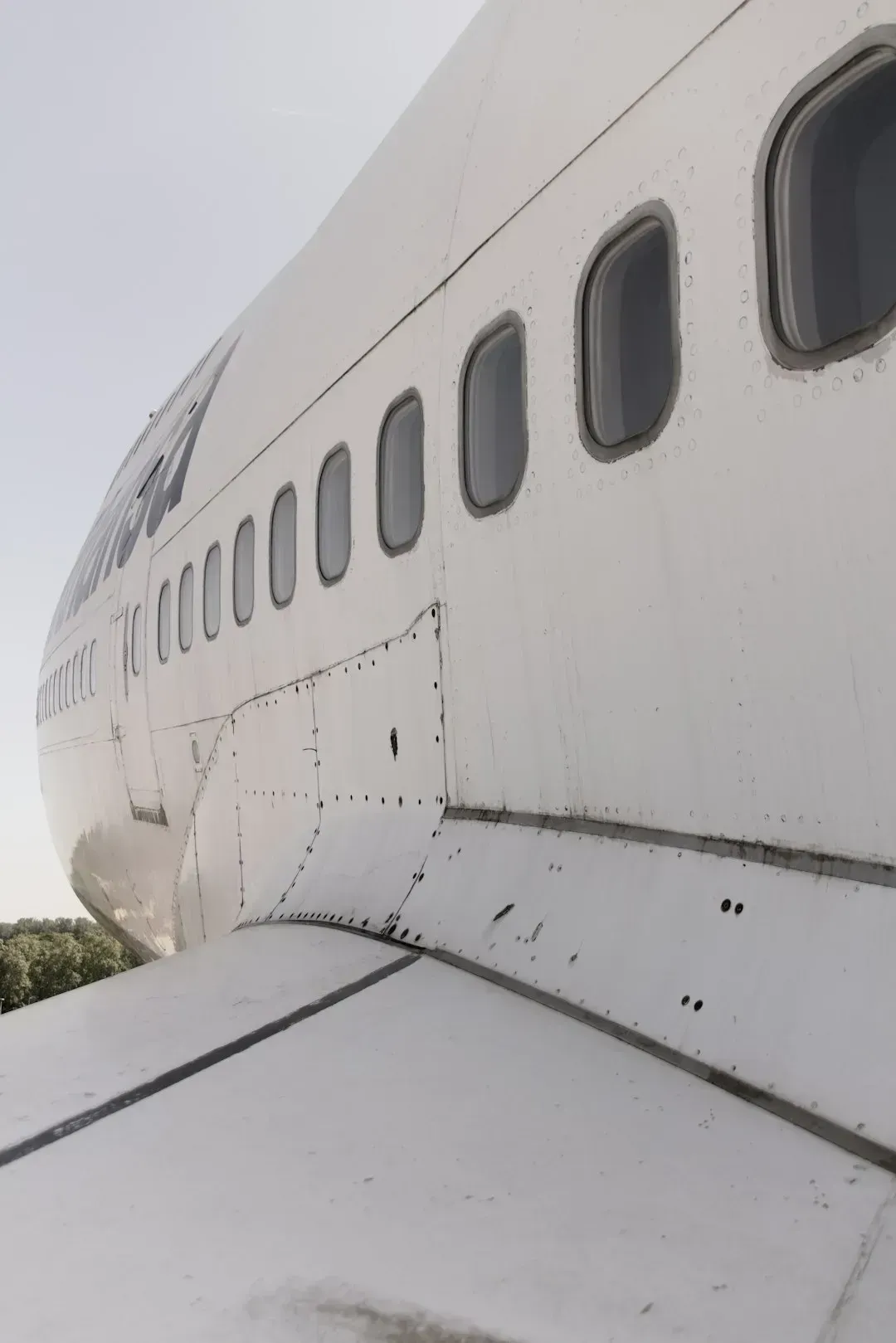
Alaska Airlines had a solid reputation for years. Then came January 2024, and everything changed. The incident stems from Alaska Airlines Flight 1282, which departed Portland International Airport on January 5, 2024, bound for Ontario, California. Minutes after takeoff, a mid-exit door plug panel blew off the aircraft at about 16,000 feet, causing rapid decompression.
What made it worse wasn’t just the terrifying images of a gaping hole in the fuselage. A National Transportation Safety Board investigation later found the aircraft left Boeing’s factory missing key bolts that were intended to secure the door plug, and the issue stemmed from manufacturing and inspection failures. The fact that it was a manufacturing problem, not a one-off mistake, made passengers deeply uncomfortable.
The 2024 AP-NORC poll was conducted after this incident in which a panel blew off an Alaska Airlines jetliner above Oregon, leaving a gaping hole in the side of the plane. Alaska still performs relatively well in complaint rankings, but in the court of public perception, the images of that exposed cabin remain burned into travelers’ minds.
4. Spirit Airlines: Brand Reputation at Rock Bottom
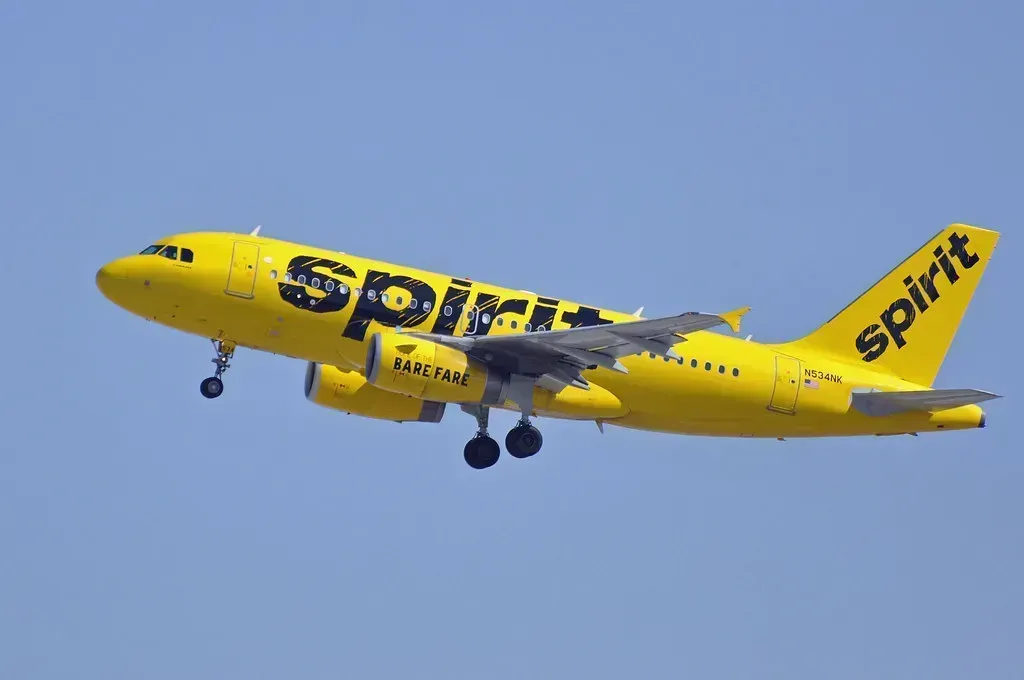
Spirit Airlines has always been the airline people love to hate. Budget fares, fees for everything, and a customer experience that often feels like being processed rather than served. Spirit ranked number 98 out of 100 on the 2024 Axios Harris Poll on brand reputation, beating out only X and The Trump Organization. That says a lot.
Here’s the thing though: Spirit’s safety record is actually cleaner than its reputation suggests. We actually have to go all the way back to September 18, 2005, to find an accident on a Spirit Airlines passenger flight. It was a hard landing that resulted in significant plane damage, but there were no fatalities. This incident is the only accident from this super-low-cost airline since 2000.
Still, Americans remain reluctant to fly Spirit for reasons beyond safety. Spirit Airlines struggles with everything from canceled flights to denied boarding. In 2024, Spirit had the highest percentage of denied boarding instances, and a total of more than 3,000 flights were canceled. Reliability anxiety, it turns out, is just as real as safety anxiety.
5. Boeing-Operated Carriers (Broadly): The 737 MAX Shadow
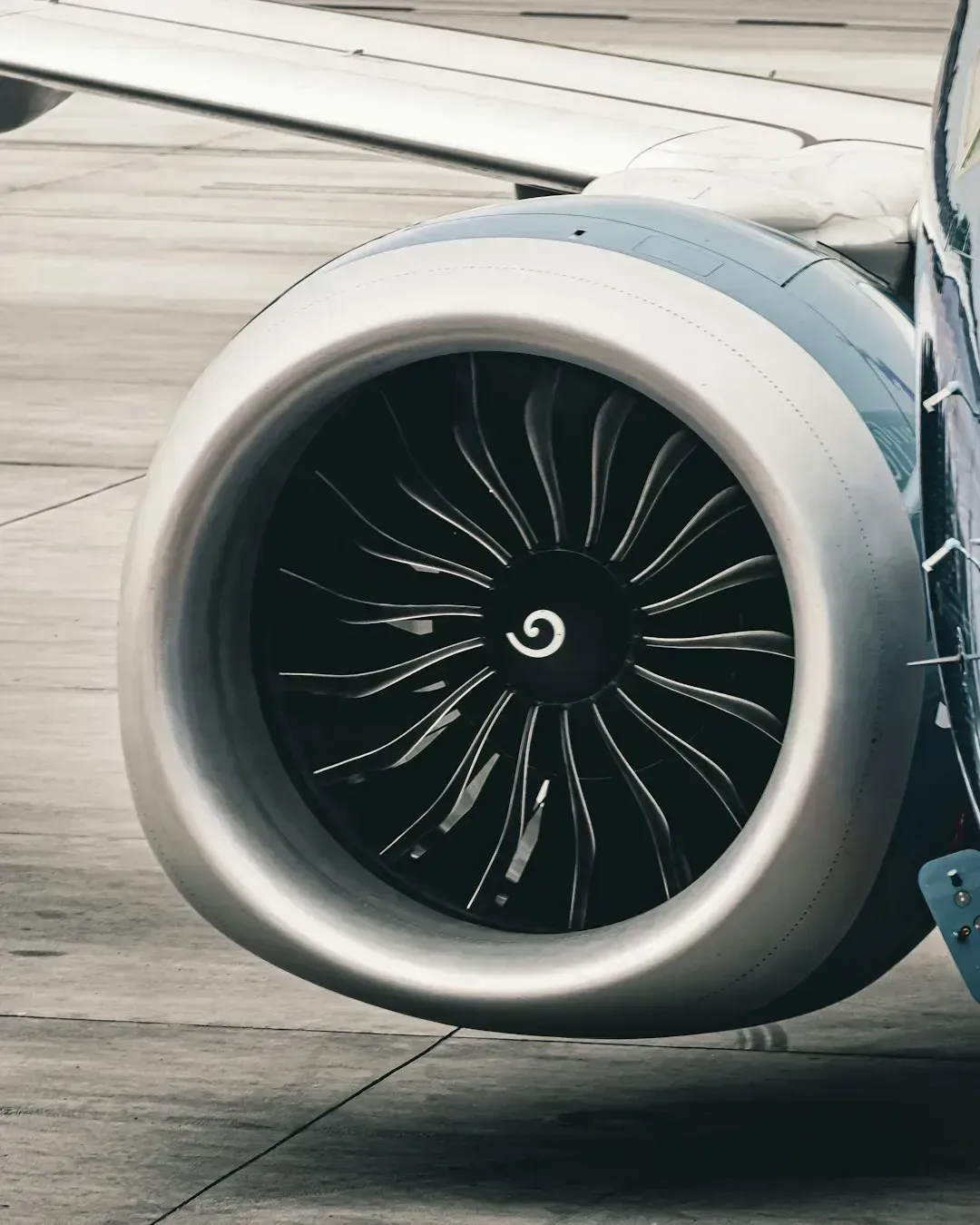
This one isn’t technically a single airline, but the Boeing effect is impossible to ignore when talking about flight anxiety. Boeing has come under scrutiny for its 737 MAX 9, the plane that the Alaska Airlines flight was on when the door plug blew out mid-air in 2024. Since many major U.S. carriers operate Boeing fleets, this concern spreads across multiple airlines at once.
Aviation and misinformation experts said people understandably see the recent slew of accidents as a seemingly chaotic time in aviation safety, but said social media has perpetuated that narrative. For the first two months of 2025, aviation incident discussions on social media were up 243% on X in the U.S. and 71% on Reddit compared to early 2024.
The 737 MAX specifically became a lightning rod. After the Alaska Airlines plane was grounded, United Airlines launched an independent inspection of its planes. Initial reporting showed that inspectors found multiple loose bolts throughout several Boeing 737 MAX 9 planes. When the planes you’re flying share parts made on the same production line, it’s hard not to feel uneasy in your seat.
6. JetBlue Airways: Delays, Complaints, and Consumer Frustration
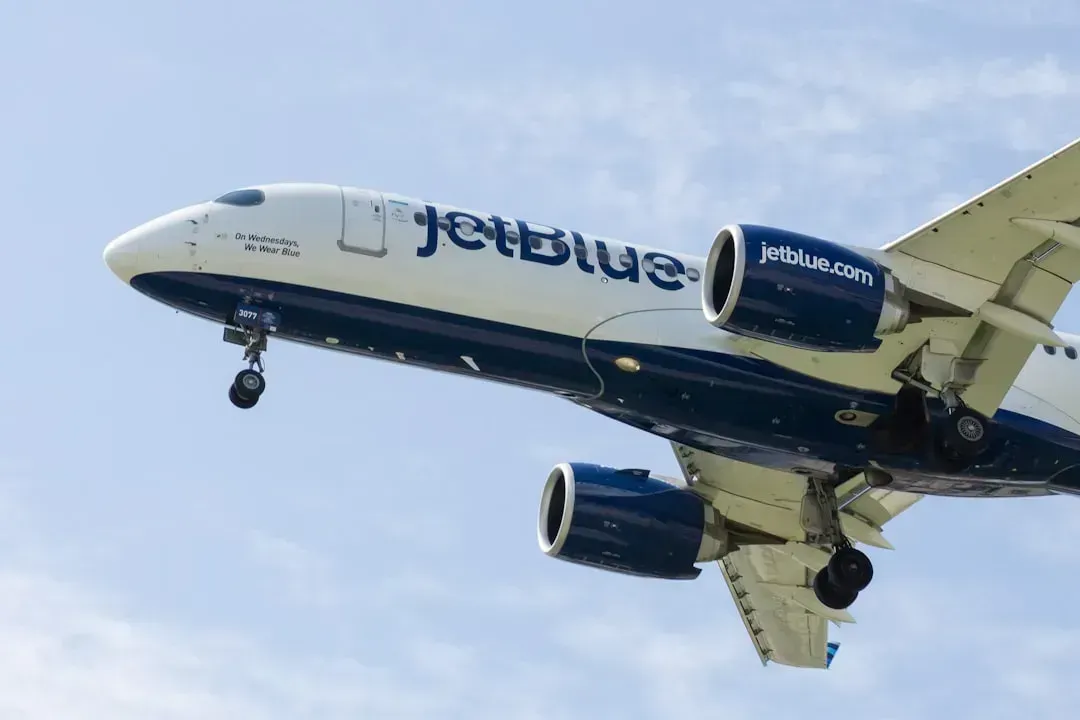
JetBlue used to be the cool, comfortable underdog of American aviation. Extra legroom, friendly service, a TV screen at every seat. Somewhere along the way, things slipped considerably. JetBlue has the third-highest complaint ratio among major U.S. carriers. For a brand that built its identity on the passenger experience, that’s a painful ranking.
JetBlue may win on legroom, but it has historically had subpar on-time performance stats. In 2025, only 73.36% of JetBlue flights were on time. Over a quarter of flights arriving late is the kind of thing that makes travelers start looking at alternatives. Especially when connection times are tight, and patience is already thin.
JetBlue announced that, starting in 2026, compensation for disruptions is given as points rather than cash. This approach departs from the proposed cash compensation rule, aligning with their focus on alternative rewards instead of cash payments. Travelers who expected money back for missed trips are now getting TrueBlue points instead. That’s not going to win over anyone already on the fence about flying the airline.
7. United Airlines: Incidents, Inspections, and Inconsistency
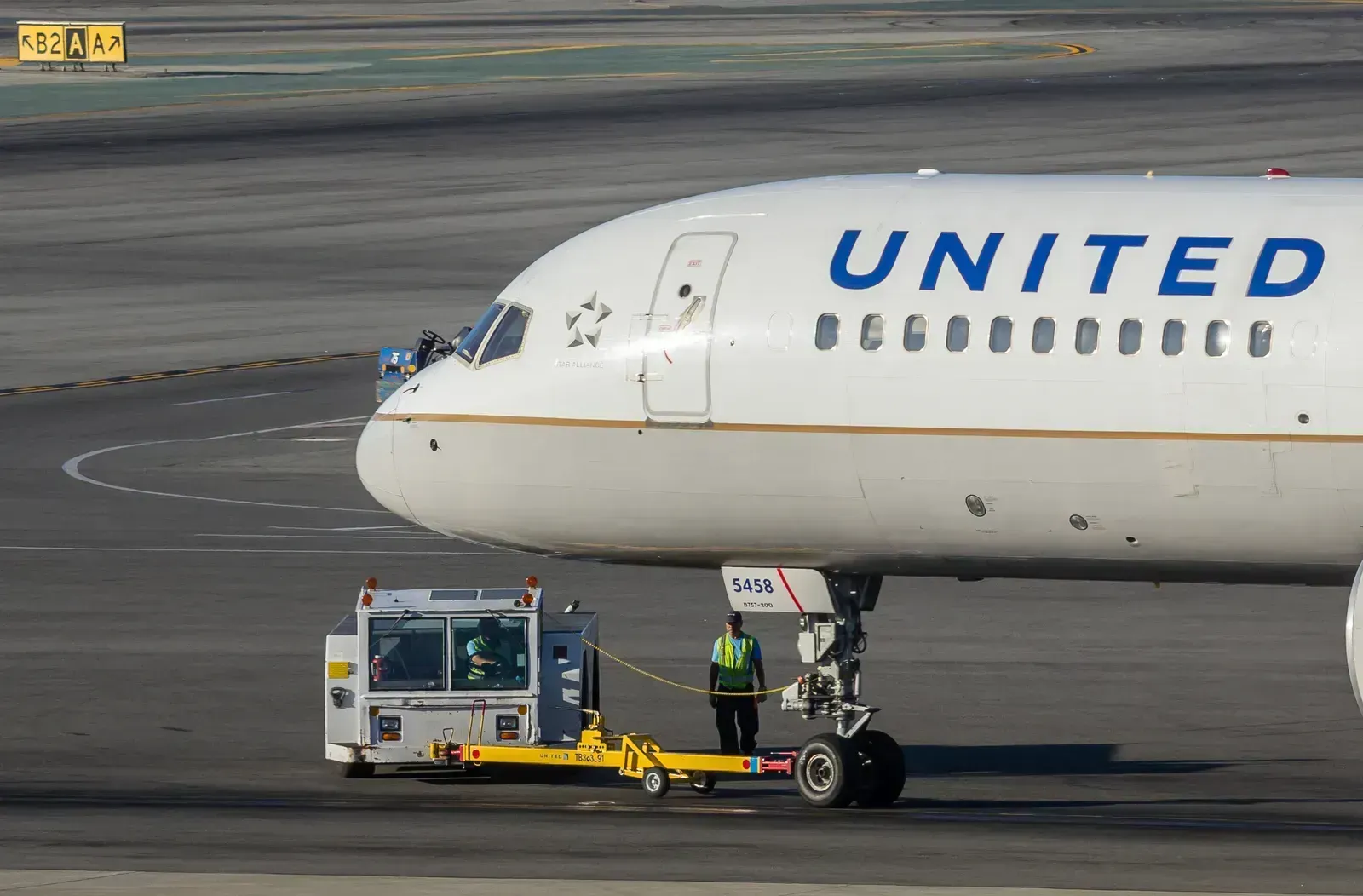
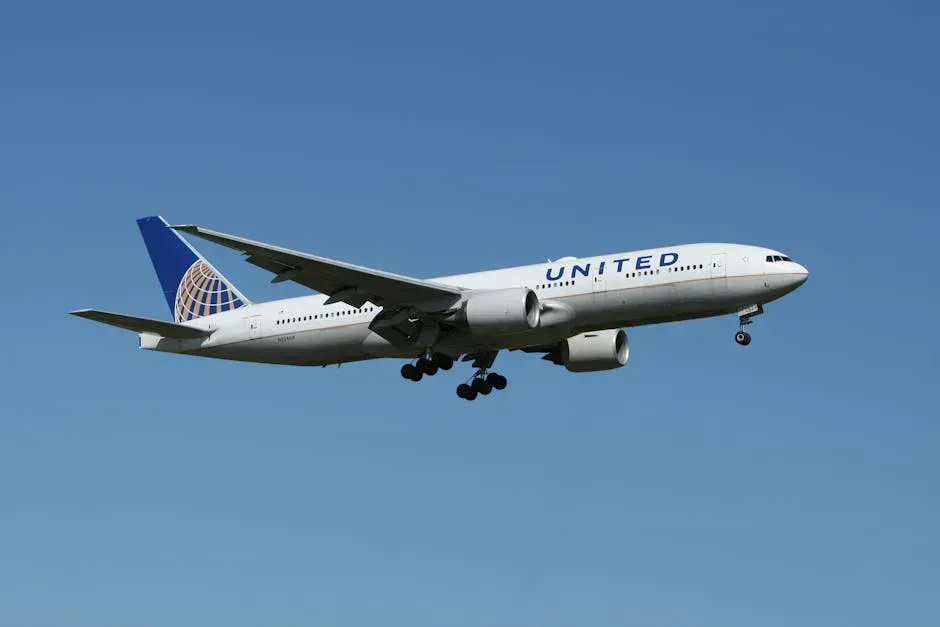
United Airlines occupies an interesting and uncomfortable middle ground. It’s not the absolute worst in any single category, but it shows up on the wrong lists with frustrating regularity. In 2024, United Airlines was the only U.S.-based carrier with an accident: two of them. One was a runway excursion due to a main gear failure, and the other was a tail strike that happened on landing. Neither was fatal.
Following the Alaska Airlines door plug disaster, United didn’t just sit quietly. After the Alaska Airlines plane was grounded, United Airlines launched an independent inspection of its planes. Initial reporting showed inspectors found multiple loose bolts throughout several Boeing 737 MAX 9 planes. That’s proactive, yes, but also deeply unsettling to anyone who had already flown on one of those aircraft.
United also deserves mention for inconsistency. The airline technically had a cancellation rate of 0.86% in 2025, but its historic average of 1.77% since 2019 is higher, meaning fliers can’t always count on United pulling off sub-1% cancellation rates. It’s the kind of airline where you never quite know which version you’re going to get that day.
8. Delta Air Lines: The CrowdStrike Meltdown
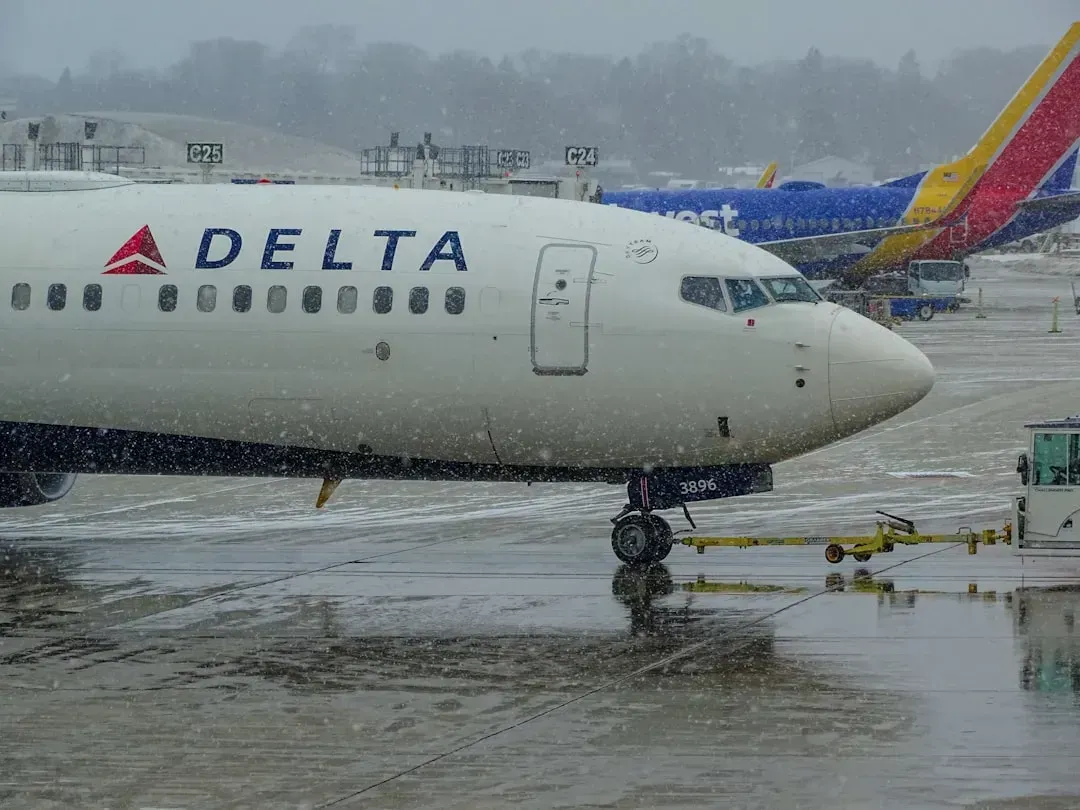
Delta has long been the gold standard of American domestic aviation. Four consecutive years at the top of the Wall Street Journal’s rankings. Excellent on-time performance. A reputation for treating passengers like adults. Then came the summer of 2024 and a tech outage that was almost comically catastrophic. Perennial winner Delta landed in third place in 2025 because of an increase in flight cancellations, tarmac delays, and submissions to the Transportation Department. Delta’s summer 2024 meltdown after a CrowdStrike tech outage wasn’t fully reflected in the 2024 rankings, because the data only ran through May of that year.
Although Delta led the industry in on-time arrivals, the Journal noted that its 2024 summer system outage that caused widespread flight disruptions weighed heavily on its 2025 performance. Thousands of passengers were stranded. Luggage piled up at airports. Families slept on terminal floors.
In February 2025, Delta added another chapter to its rough stretch. Videos of passengers inverted in their seats and evacuating from a smoking Delta Air Lines plane after it caught fire emerged across social media platforms after the crash, garnering millions of views on X alone. Delta is still among the better airlines by most hard metrics, but its once-pristine public image has taken real hits recently.
9. Southwest Airlines: The 2022 Ghost That Won’t Leave
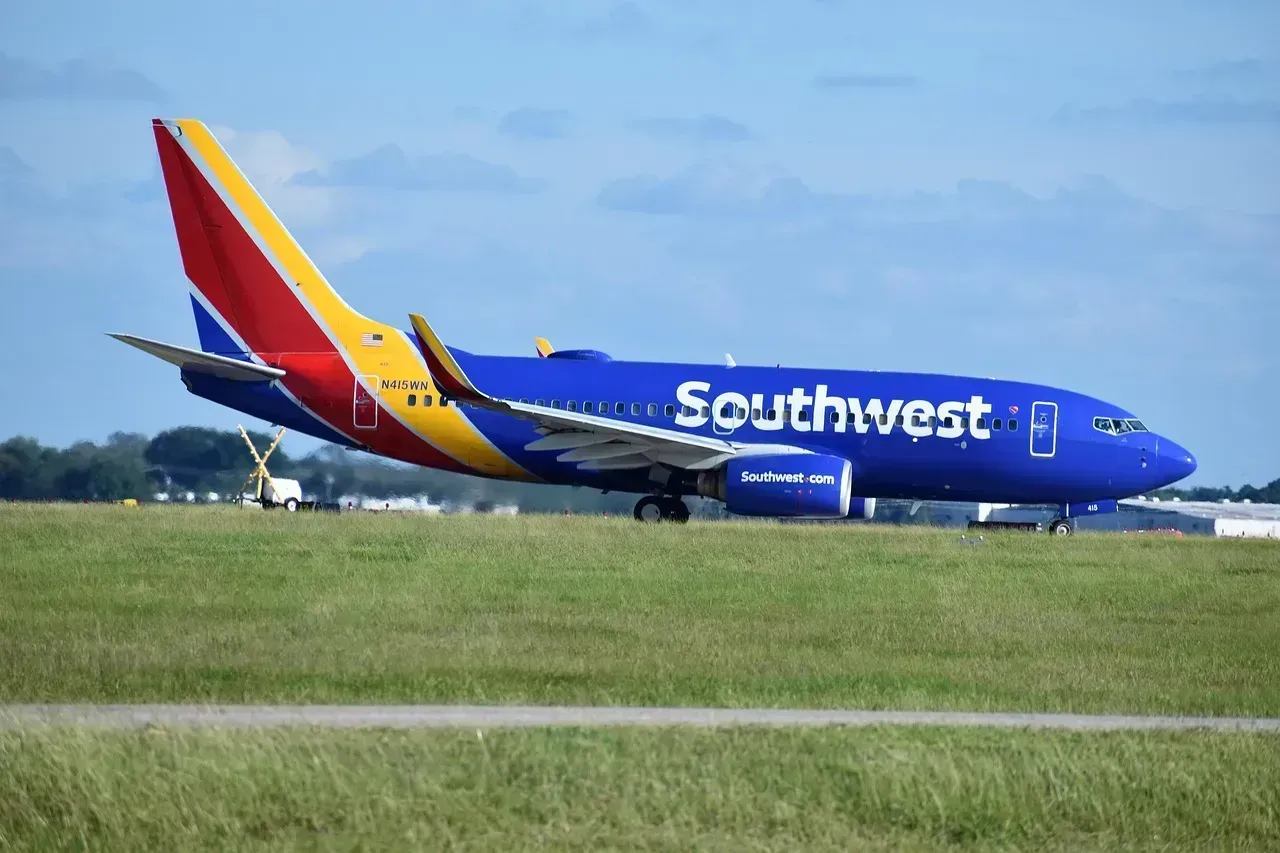
Southwest made a remarkable comeback. In 2025, the clear winner was Southwest Airlines. The largest U.S. domestic carrier by passengers took first place in the Wall Street Journal’s 18th annual airline scorecard for the first time since 2020. On paper, a genuine redemption story.
The trouble is that the 2022 holiday meltdown was so severe and so widely covered that many Americans still associate Southwest with chaos. Southwest’s chief operating officer says the airline has spent billions on its operation since its holiday-travel meltdown in late 2022 and early 2023. Billions. That gives you a sense of just how badly things went.
The anxiety lingers in certain demographics, especially frequent travelers who personally experienced cancellations that ruined holiday trips. Even though some time has passed since the airline chaos of early 2025, 45% of flyers still say they are more nervous about flying after airline safety incidents in the past few years. Reputation rebuilding takes time, even when the data supports the recovery.
10. Allegiant Air: Erratic Performance That Keeps Passengers Guessing
Allegiant is an airline that flies under the radar for most Americans, primarily serving leisure routes to smaller regional airports. When it’s good, it’s genuinely affordable. When it’s bad, it’s a logistical nightmare. Allegiant’s track record is the most erratic of the major carriers. In 2025, just 0.44% of flights were cancelled, but its overall average since 2019 is 3.21%. That’s an enormous gap between its best year and its average.
Allegiant excelled in three areas in 2025, posting the lowest cancellation rate at 0.55%, the fewest lost bags and the fewest involuntary passenger bumps. However, when Allegiant flights are delayed, those delays tend to last longer than the industry average. So you might land on time, or you might be sitting at the gate for three extra hours with no real explanation.
The unpredictability is what fuels anxiety. Travelers heading to a wedding or a once-in-a-lifetime vacation can’t afford to gamble on whether this flight will be one of the good ones or one of the bad ones. Data compiled by compensation firm AirHelp shows that nearly one in four passengers departing U.S. airports in 2024 experienced a delay or cancellation, affecting roughly 236 million people. Allegiant’s swinging performance makes it hard to commit to with confidence.
11. All U.S. Airlines: The Bigger Picture Behind the Fear
It’s worth stepping back to acknowledge something important. The anxiety isn’t really about one airline or even a group of airlines. It’s about a broader, very human response to a frightening news cycle. Concerns about crashes, staffing at federal agencies, and overall trust in air safety are pushing more travelers to rethink their plans. Some are canceling trips, others are finding other means of transportation.
One-third of voters say that recent crashes have made them less likely to fly on a plane, and an additional 28% say that the crashes have made them more scared of air travel, even though it hasn’t affected their likelihood of flying. That combination, fear without behavioral change, is the definition of anxiety. People are flying anyway, just with tighter armrests and shorter breathing.
The statistics tell a very different story from the headlines. An August 2024 study from MIT found the chance of dying in a commercial air crash was one in about 13 million boardings globally between 2018 and 2022. Yet 66% of travelers say they would pay more to book with an airline that had a perfect safety record in 2025, and on average, people say they’d pay 19% more for that peace of mind. Fear, it turns out, is expensive. And airlines that fail to address it, operationally or emotionally, are the ones Americans are quietly crossing off their lists.
What would it take for you to feel truly confident boarding again? The answer to that question says more about the state of modern aviation than any ranking ever could.