Check Your Wallet: The “Star” Note Hack That Makes an Ordinary $1 Bill Worth $500
That crumpled dollar bill sitting in your wallet right now might be worth hundreds of dollars, yet most people unknowingly spend these rare treasures every single day. The United States and India use “✫” in the serial number to mark a replacement banknote, known as “star notes.” While they look nearly identical to regular currency, a tiny star symbol beside the serial number transforms an ordinary piece of paper money into a collectible that can fetch impressive premiums from eager collectors across the country.
The exciting world of star notes has gained tremendous momentum in recent years, particularly as social media spreads awareness about these hidden gems. In recent years, star notes have gained popularity among new collectors thanks to social media and online trading platforms, with collectors increasingly searching for star notes in change, banking withdrawals, and even stacks of bills from ATMs. The thrill lies in knowing that anyone can discover valuable currency simply by paying closer attention to the bills passing through their hands daily.
What Makes Star Notes Special
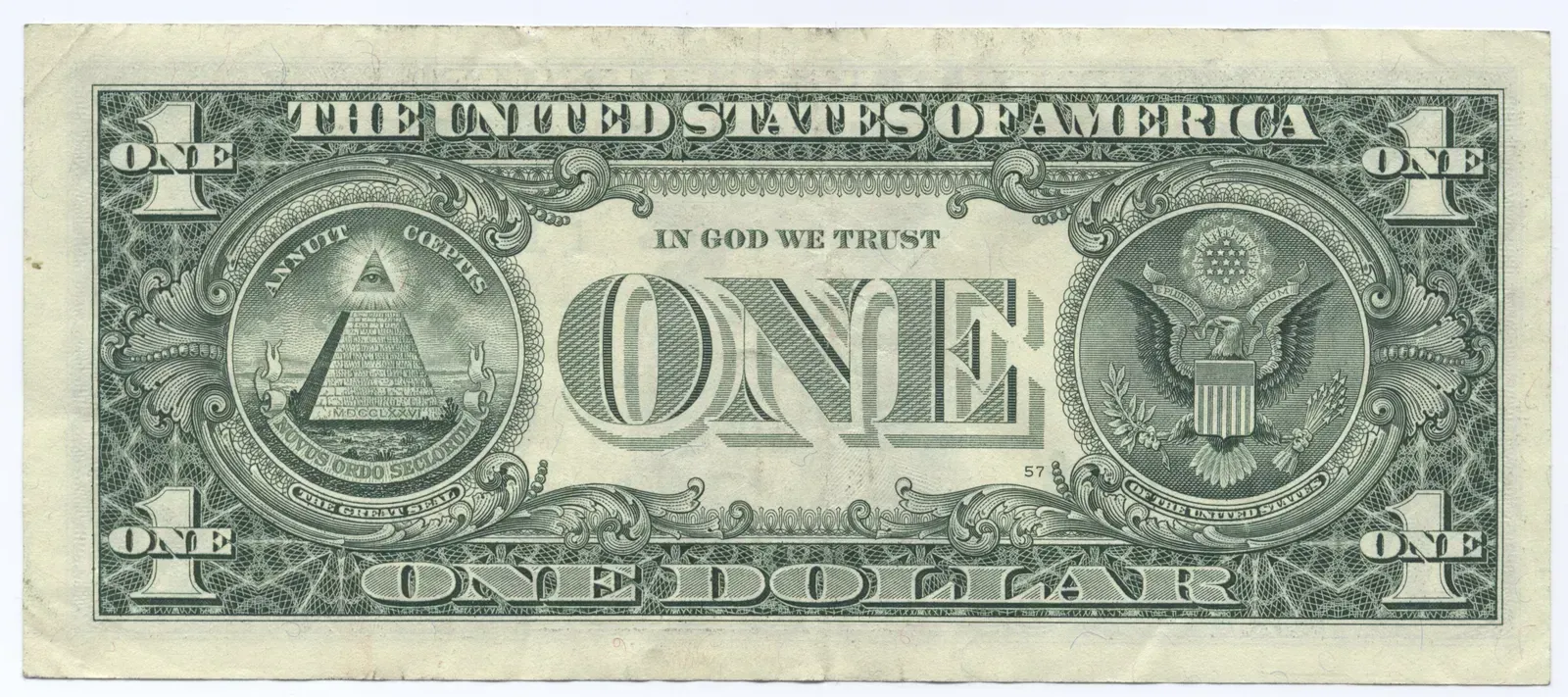
A Star Note is a replacement bill that is produced by the US Bureau of Engraving and Printing, created to take the place of regular bills that are defective or damaged in the course of the production process itself. When quality control inspectors discover printing errors such as smudged ink, paper tears, or misaligned images during production, those flawed bills must be removed from circulation. The Bureau of Engraving and Printing inspects currency for printing errors prior to releasing notes into general circulation.
Rather than disrupting the carefully tracked serial number sequence, the Bureau prints replacement notes with a star symbol. The problem is that no two currency bills can have the same serial number, so the BEP prints a Star Note with a star at the end of the serial number to indicate that it is replacing the old bill. Star notes are roughly 1% of all total notes. This replacement system maintains the integrity of currency tracking while ensuring that every bill entering circulation meets the highest quality standards.
How to Identify a Star Note in Your Possession
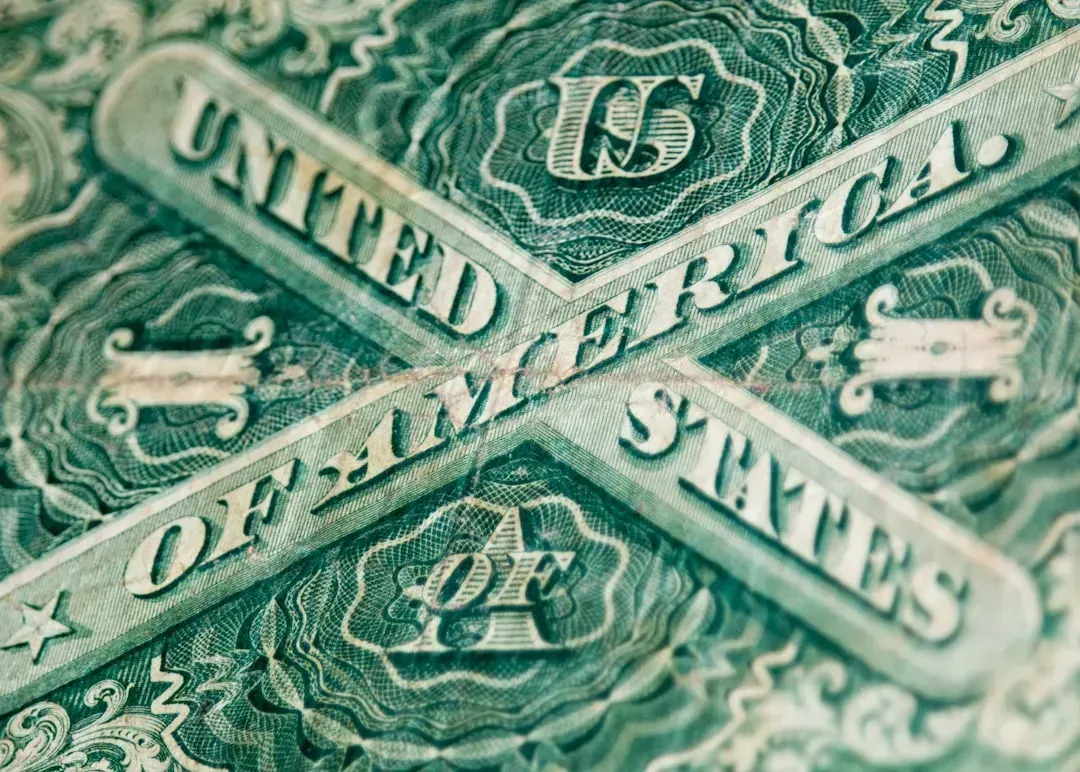
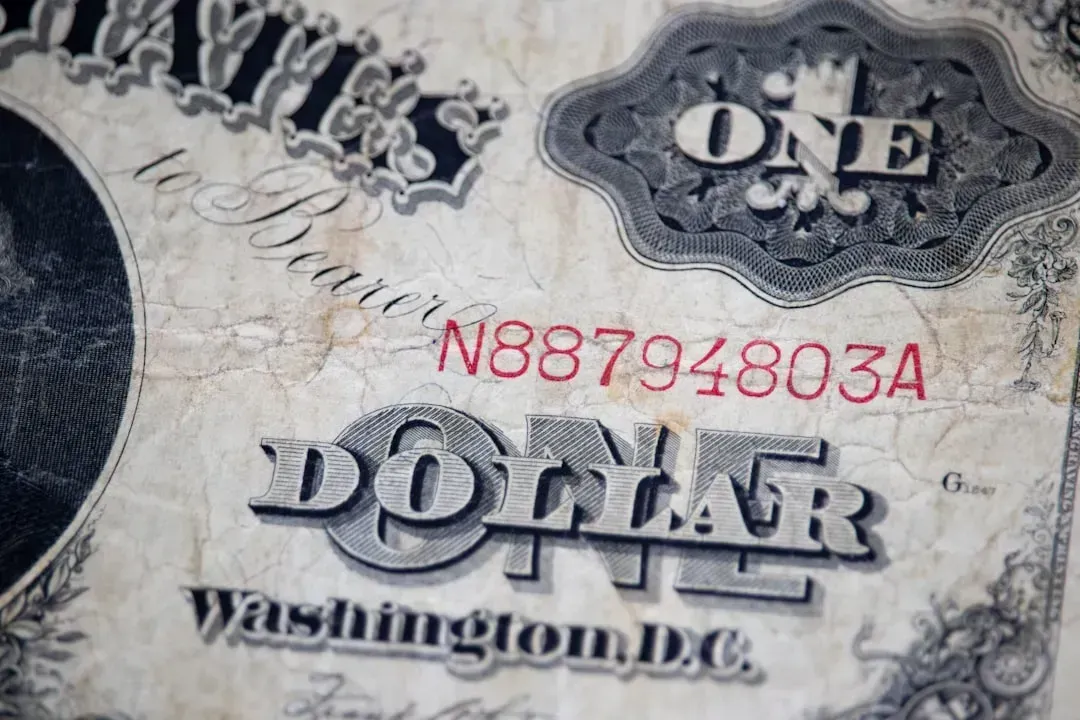
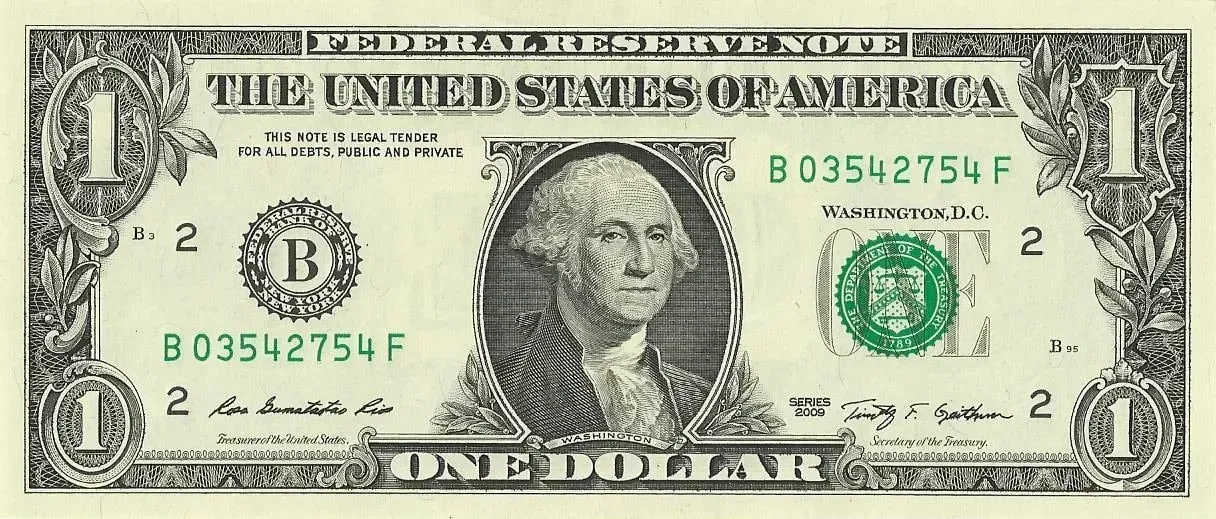
Modern replacement notes look exactly like normal paper money, except that there is a star printed at the end of the serial number rather than a letter. Finding one requires nothing more than looking carefully at the serial numbers on your bills. The star appears as a small symbol printed in the same color as the serial numbers, making it relatively easy to spot once you know what to search for. This small, solid star symbol takes the place of the last letter in the note’s serial number, found at the end of the eight-digit serial number on modern notes.
The identification process takes mere seconds. Simply examine both the left and right serial numbers on the face of any bill in your wallet. Older types of paper money like Gold Certificates, Silver Certificate, and Legal Tender notes the star was printed at the beginning of the serial number. Once you locate that distinctive star, the next step involves determining whether your discovery holds significant value beyond its face denomination.
Understanding What Determines Star Note Value
Collectors generally consider Star Notes from print runs of 640,000 notes or fewer to be rare enough to be worth more than face value, with condition being extremely important to value for modern notes. The print run size represents how many replacement notes were produced during a specific printing session. While there are many small runs printed between 160,000 and 640,000 notes, some star notes have been produced in quantities as low as 16,000. These limited production quantities create genuine scarcity that collectors eagerly seek.
Several additional factors influence pricing beyond just rarity. Coin collectors and bill collectors share a particular concern for condition, with the goal being to find bills that have never circulated and have no indicators of usage whatsoever, as a bill that appears to have just left the printer with no creases, folds, or wrinkles is more desirable and valuable than the alternative. The MyCurrencyCollection database was last updated February 12, 2026 with January 2026 production numbers. Additionally, certain denominations naturally carry more premium, with rarer bill types like two-dollar star notes commanding higher prices due to their overall scarcity in circulation.
Real Examples of Valuable Star Notes from Recent Years
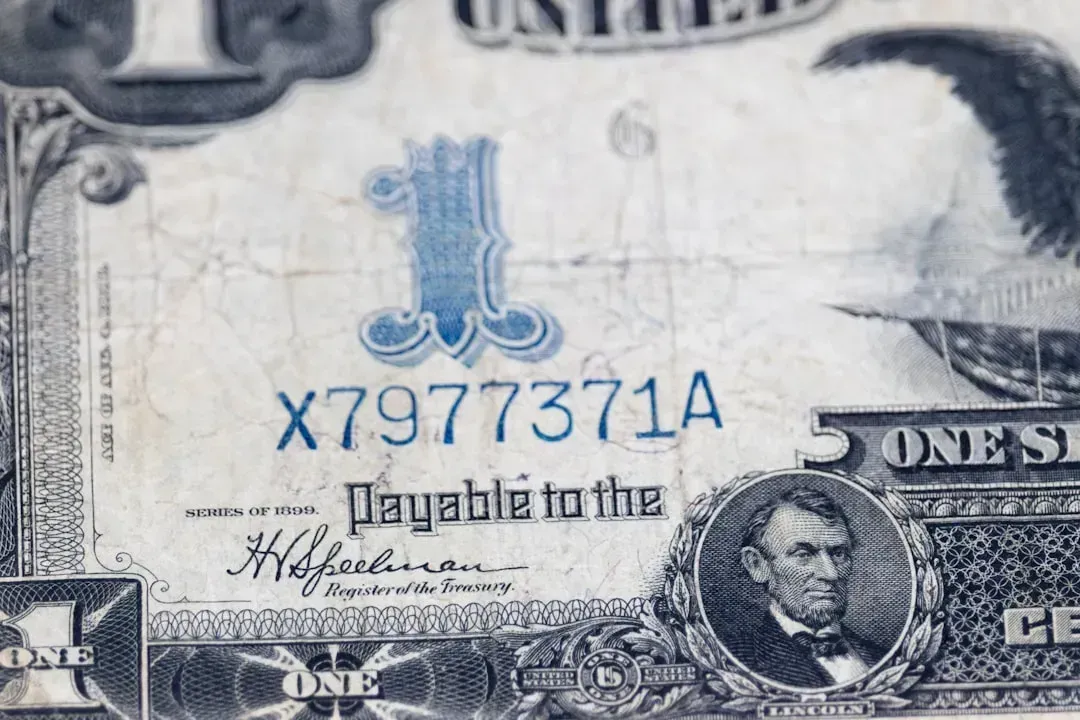
In 2024, a collector in Texas stumbled across a stack of old bills that belonged to his late grandfather, with a 1934 $5 star note tucked inside in remarkably good condition that went on to sell for nearly $55,000 at auction. While extremely rare vintage examples can reach five or six figures, even modern star notes from recent decades offer genuine profit potential. A star note that was circulated sold on eBay for $1,000. These real-world transactions demonstrate that valuable currency still circulates among everyday pocket change.
In 2024, almost 35% of all bills were hundos, another 27% were $1s, however, only 3% of bills were $2 bills. This production distribution means that finding star notes on less common denominations increases potential value significantly. Between 2014 and 2016, around 6.4 million one-dollar bills were printed that could be worth up to $150,000, thanks to a printing error where two batches of one-dollar bills were printed with the exact same serial number. Stories like these continue to motivate collectors and everyday people to examine their currency more closely.
Where to Check Your Star Note’s Rarity and Value
The BEP’s own website itemizes the star notes it creates each month on its monthly reports, which stretch back to 2003. Several free online databases allow anyone to verify whether their star note comes from a rare print run. You can quickly look up the production numbers of your star notes by entering the denomination, series, and serial number. These lookup tools provide instant information about print run sizes, helping you determine if your find merits further investigation or professional appraisal.
The process remains straightforward for anyone with internet access. Here is a quick summary of how measurement tools rate rarity: Very Rare equals to or less than 640,000 print runs for a series/denom./FRB AND older series, while Less Rare means low print runs similar to very rare but with newer series. Current trends show that star notes from short print runs under 320,000 notes are especially in demand. Armed with this data, you can make informed decisions about whether to keep your discovery for your collection or pursue selling opportunities in the active collector market.
Turning Your Discovery Into Cash
Online marketplaces such as eBay, Amazon, or Whatnot are a popular choice for selling star notes, allowing you to set your own price and reach a broad audience, though there may be fees associated with using these platforms. Currency dealers represent another viable option for those seeking faster transactions, though they typically offer somewhat lower prices than direct collector sales. Professional auction houses handle particularly rare or valuable specimens, connecting sellers with serious collectors willing to pay premium prices for exceptional finds.
Whether it’s a star note or a regular bill, condition plays a big role in value, with uncirculated notes without folds, creases, or marks worth more than circulated ones, and a star note in uncirculated condition able to fetch several times its original value, especially if from a rare print run. Professional grading services can authenticate and grade your note, often increasing its market appeal and final sale price. The combination of verified authenticity, documented rarity, and pristine condition creates the perfect formula for maximizing returns on these fascinating pieces of American currency that continue circulating unnoticed through millions of daily transactions nationwide.