A Flight Attendant Reveals 8 Food Habits That Make Travelers More Likable Fast
Most passengers never stop to think about what they look like from the other end of the aisle. To a flight attendant, every food choice you make tells a story. The way you eat, what you bring on board, and how you handle your trash all quietly shape the impression you leave behind, often before you’ve even said a single word.
Honestly, it’s surprising how much something as simple as your snack selection can determine whether cabin crew genuinely enjoy serving you, or quietly dread walking past your row. The details matter more than most travelers realize. Get ready, because some of these might catch you off guard.
1. Skip the Strong-Smelling Foods
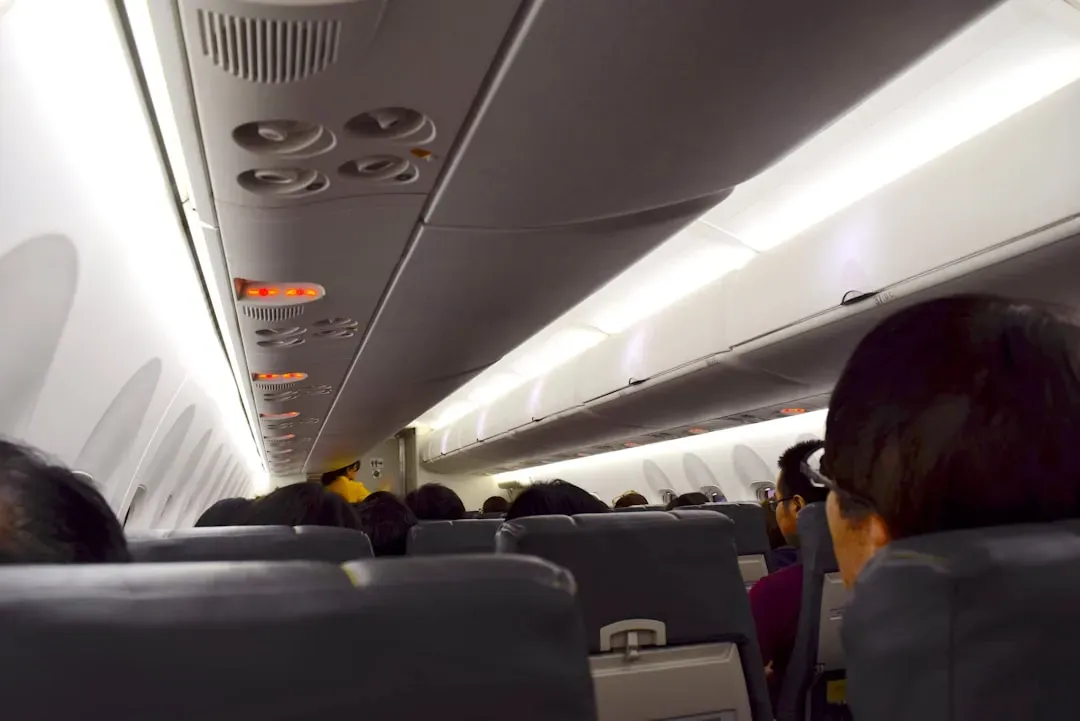
One of the biggest mistakes you can make while flying is packing a bag full of pungent snacks. Even if something sounds delicious at home, think about how it will impact the passengers around you. That leftover curry or tuna salad might be a comfort food classic, but it becomes everyone’s problem the moment you crack it open at 35,000 feet.
Eating strong-smelling food is discouraged by more than two thirds of survey respondents, according to a 2024 YouGov poll of over 1,000 American adults. That is a remarkable consensus for something people rarely call out directly. Whether snacks are too smelly, messy, noisy, or downright life-threatening to others on board, the choices you make could cause resentment, or even a fight between fellow passengers, and are even more likely to frustrate your flight attendant.
2. Be Mindful of Allergy-Triggering Foods
When packing or buying snacks to bring onboard, try to choose options without common allergens such as peanuts. At the very least, bring an alternative to enjoy should there be someone with a severe allergy nearby. This one simple habit immediately signals to cabin crew that you are a thoughtful person.
Research shows air travel is a significant source of anxiety for people living with or caring for someone with a food allergy. In a global survey of more than 4,700 people with food allergies and their caregivers published in 2024, nearly all respondents said having a food allergy adds anxiety to air travel. Be sure to listen for flight attendant announcements regarding allergies when you first settle into your seat. That single act of awareness makes a genuine difference to families who fly with real fear.
3. Choose Quiet Snacks When Others Are Sleeping
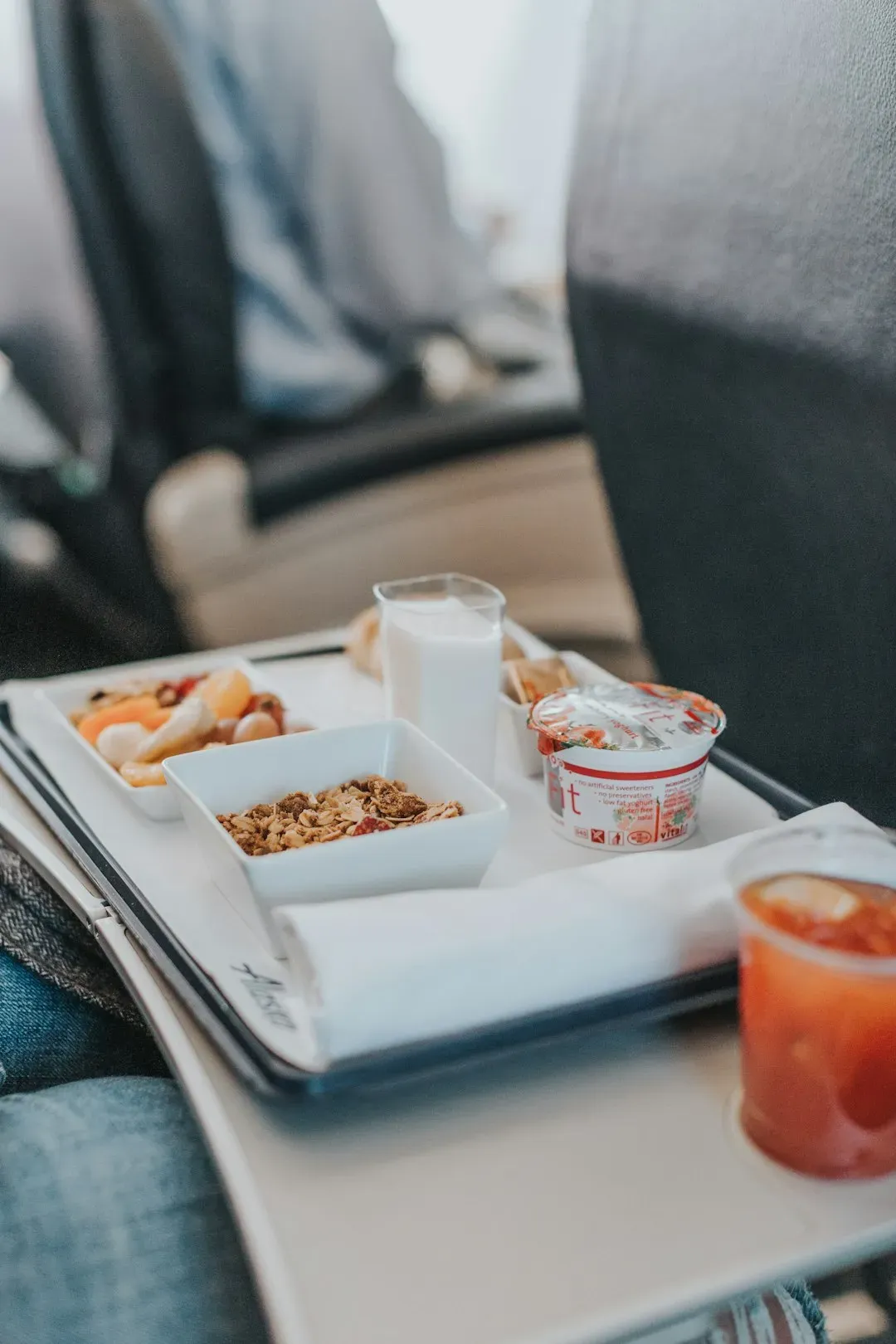
Another important thing to consider when packing airplane snacks is the noise they make. Flight attendant Shanie Peralta suggests avoiding noisy food, which can annoy passengers and flight attendants alike. One major offender is chips. A giant crinkly bag at midnight on a long-haul flight is genuinely one of the most antisocial things you can do on an aircraft.
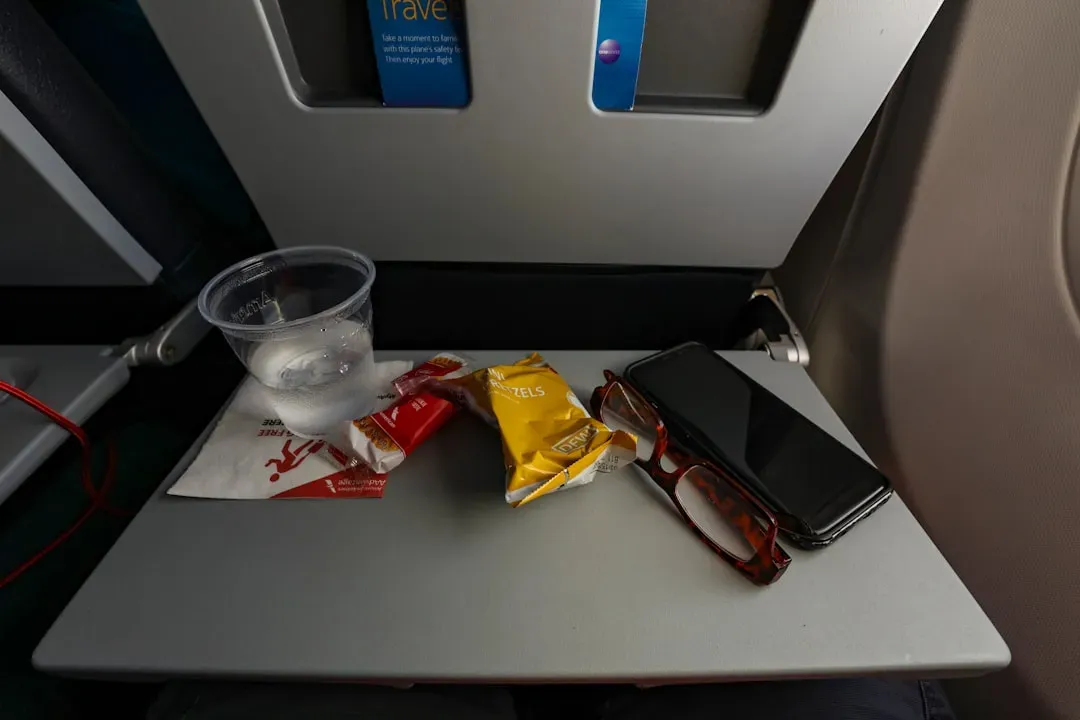
Safe and quiet options include granola bars, pretzels, non-sticky breakfast pastries, apple slices, cookies, and candy. These are easy to eat without creating a disturbance. To minimize the risk of annoying other passengers with loud crunching or rattling packaging, you can adopt the eating habits of those around you. Let’s be real, nobody wants to be the crunchy noise villain at 2 a.m.
4. Eat During Communal Meal Service
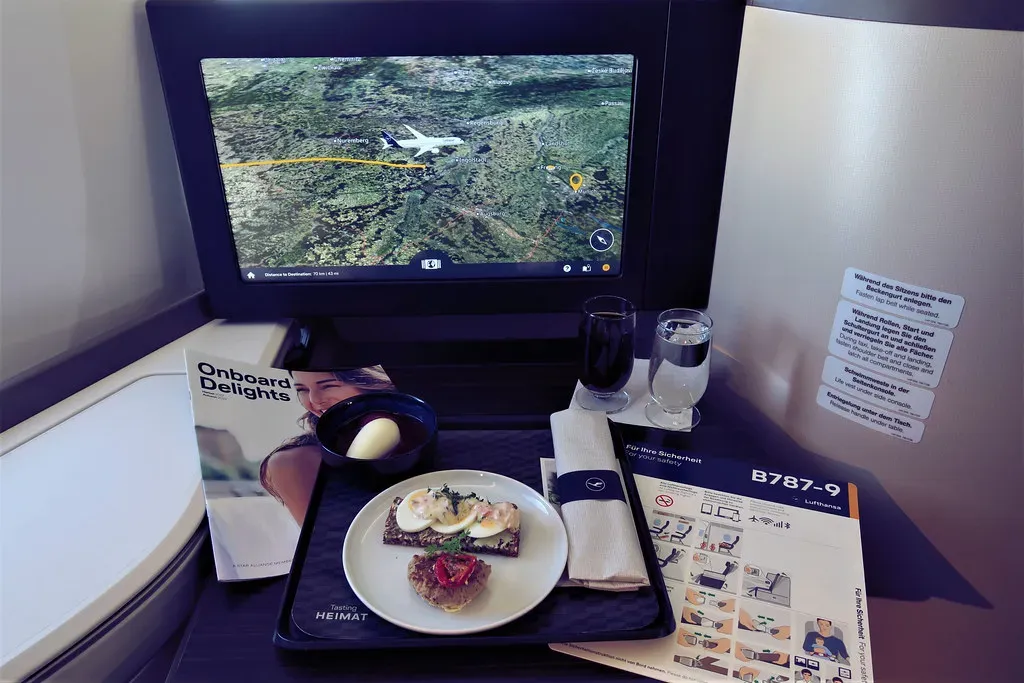
Synchronizing your own eating with meal service is a simple habit that will instantly prevent any disapproving looks or extra trips for the already very busy flight attendants. Implementing this is as simple as eating when snacks or meals are passed out. Think of it like the social rhythm of the cabin. When everyone is eating together, the mood shifts, it feels communal and cooperative.
If passengers are sleeping around you, eat foods that are quiet to munch on. It’s also important to eat foods that are easy to handle, such as finger foods, rather than something requiring utensils. This matters more than people think. A passenger digging through a full meal spread with plastic cutlery while the rest of the cabin is dark is the kind of thing that gets silently logged in a flight attendant’s memory.
5. Order Kindly and Use Basic Manners
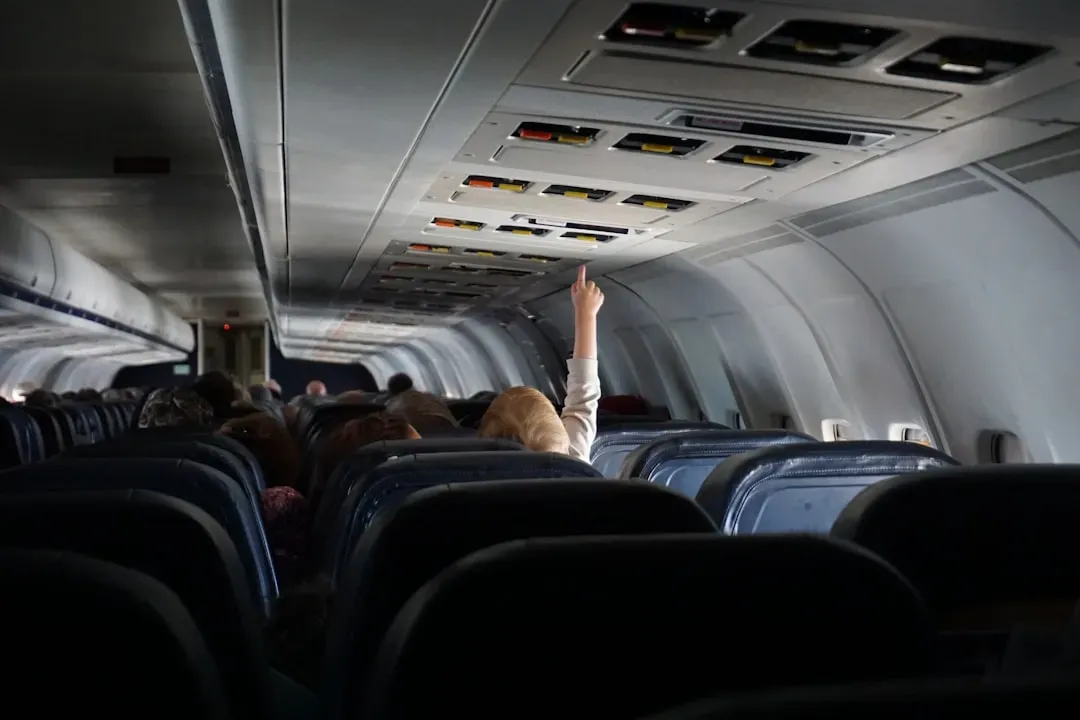
If you really want to make the most out of your in-flight food and drink experience, a little bit of kindness can go a long way. One flight attendant shared that she will move heaven and earth if she senses genuine kindness from a passenger. It sounds almost too simple, but it is completely true. The flight experience is a service environment, and warmth is genuinely reciprocated.
Flight attendants work tirelessly to ensure the comfort and safety of passengers. Showing appreciation for their efforts by being polite, responsive, and cooperative throughout the flight makes a real difference. Disruptive passenger behavior reached an all-time high, with 2,000 reported incidents in 2024, which makes the contrast of a polite and grateful traveler even more noticeable. A simple please and thank you when ordering a drink genuinely stands out.
6. Stay Hydrated With Water, Not Just Drinks From the Cart

Aircraft cabins typically maintain humidity levels between just ten and twenty percent, far below the forty to sixty percent range at sea level. This dry air accelerates fluid loss from both the skin and the respiratory tract. Passengers who understand this and come prepared with their own water are generally calmer, more patient, and simply more pleasant to be around throughout the flight.
In the standard airliner environment, individuals lose approximately eight ounces of water per hour, mostly from normal breathing. That is a considerable amount over a six or eight-hour flight. Foods rich in water content, like fruits, vegetables, and yogurt, can aid in staying hydrated throughout a flight, while regular tea and caffeinated beverages, acting as diuretics, may actually further dehydrate you. Passengers who stay properly hydrated tend to feel better, get less irritable, and make the crew’s job noticeably easier.
7. Avoid Messy and Complicated Foods
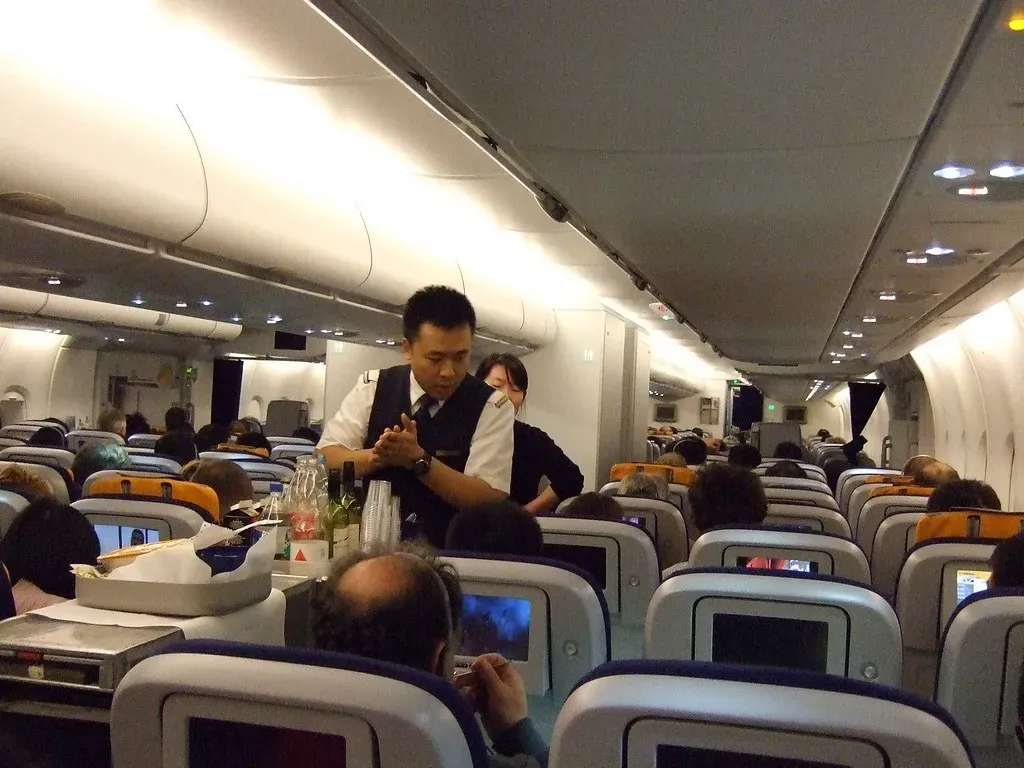
If you have a specific dietary need, don’t be afraid to bring your favorite snack along. Just make sure you have lots of napkins if your food is messy, because airplanes are unforgiving environments for trying to eat neatly. Saucy foods, crumbly pastries, and anything requiring assembly are genuine logistical nightmares in a seat roughly the size of a park bench.
If you’re traveling when passengers are likely to be sleeping, a giant crinkly bag of chips may not be the most considerate option, not to mention the mess they usually leave behind, from grease on your hands and anything you touch to getting crumbs everywhere. Flight attendants notice when someone has made a disaster zone out of their tray table. Choosing foods that are contained, clean, and simple to handle is a quiet but powerful signal that you respect the shared space.
8. Handle Spills and Accidents With Grace
If something goes wrong while you’re eating on a plane, don’t panic but act fast. Accidents happen, so own it, apologize right away, and jump into cleanup mode. Use any leftover napkins or sanitary wipes you might have on hand. This response, immediate accountability without drama, is genuinely one of the most likable things a passenger can do in a stressful situation.
Don’t forget to press the button to call a flight attendant if you need help with a spill. Flight attendants can assist, so there’s no need to hesitate in asking for help. Hopefully, your seatmates will be understanding because anyone can make a mistake. It’s hard to say for sure, but the passengers who handle mishaps with a smile and a quick cleanup are almost certainly remembered far more fondly than those who sit frozen or try to pretend nothing happened. Grace under pressure is quietly magnetic.