The Forgotten Origins of America’s Comfort Foods, Data Shows
From childhood lunchboxes to late-night cravings, American comfort foods have shaped our collective culinary memory in ways we’ve barely begun to understand. Behind every steaming bowl of mac and cheese and every crispy piece of fried chicken lies a complex tapestry of cultural migration, enslaved innovation, and industrial transformation. The stories these dishes carry reveal an America built on forgotten contributions and reinvented traditions that most people never think twice about.
Mac and Cheese Began as Presidential Elite Dining
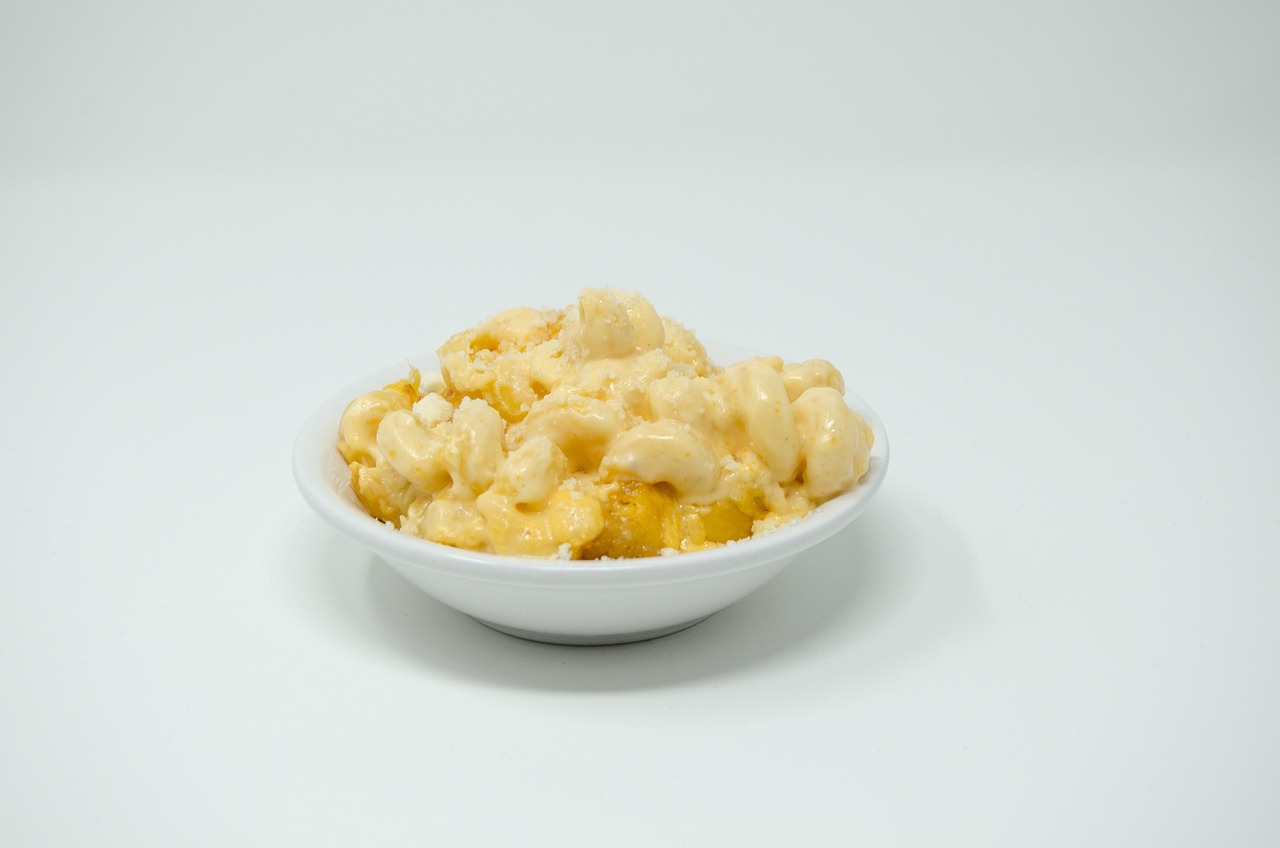
In 1784, Thomas Jefferson traveled to Paris as the American Minister to France, where he tasted his first macaroni and cheese, writing detailed notes about the pasta-making process and ordering a macaroni mold from Naples. James Hemings, considered the first Black American chef, learned the recipe for macaroni and cheese pie while training in Paris under Jefferson’s direction. On February 6, 1802, at a presidential dinner, Hemings served macaroni in a cheese sauce to Washington politicians and diplomats, with dinner guest Daniel Webster describing it as “a pie of macaroni, cooked in a way which is a mystery to most Americans”.
The Great Depression Created an American Icon
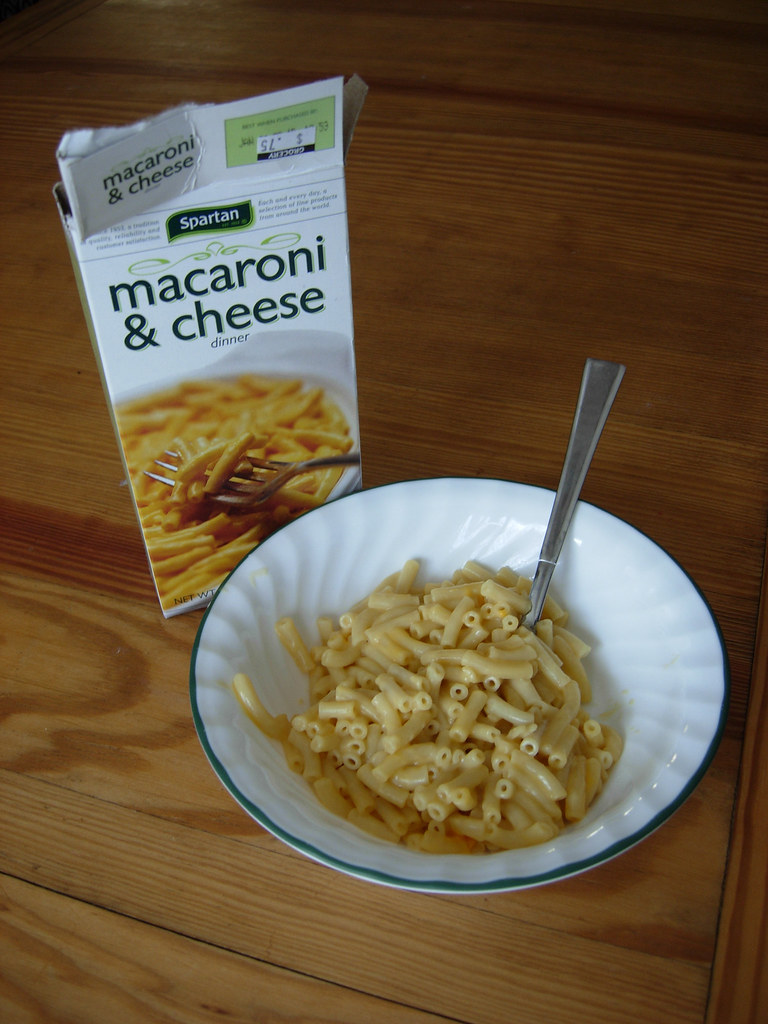
In 1937, Kraft began selling the boxed version that is still popular today, and one box could serve four at a very affordable price during a time when the average American was still feeling the impact of the Great Depression. In 1942, American and Canadian families faced strict food rationing because of World War II, with the U.S. government limiting households to 2 pounds of meat and 4 ounces of cheese per person each week, making Kraft’s boxed macaroni and cheese at 19 cents per box crucial for families. Sales of boxed macaroni and cheese tripled between 1943 and 1945.
Southern Soul Food Transformed a Simple Recipe
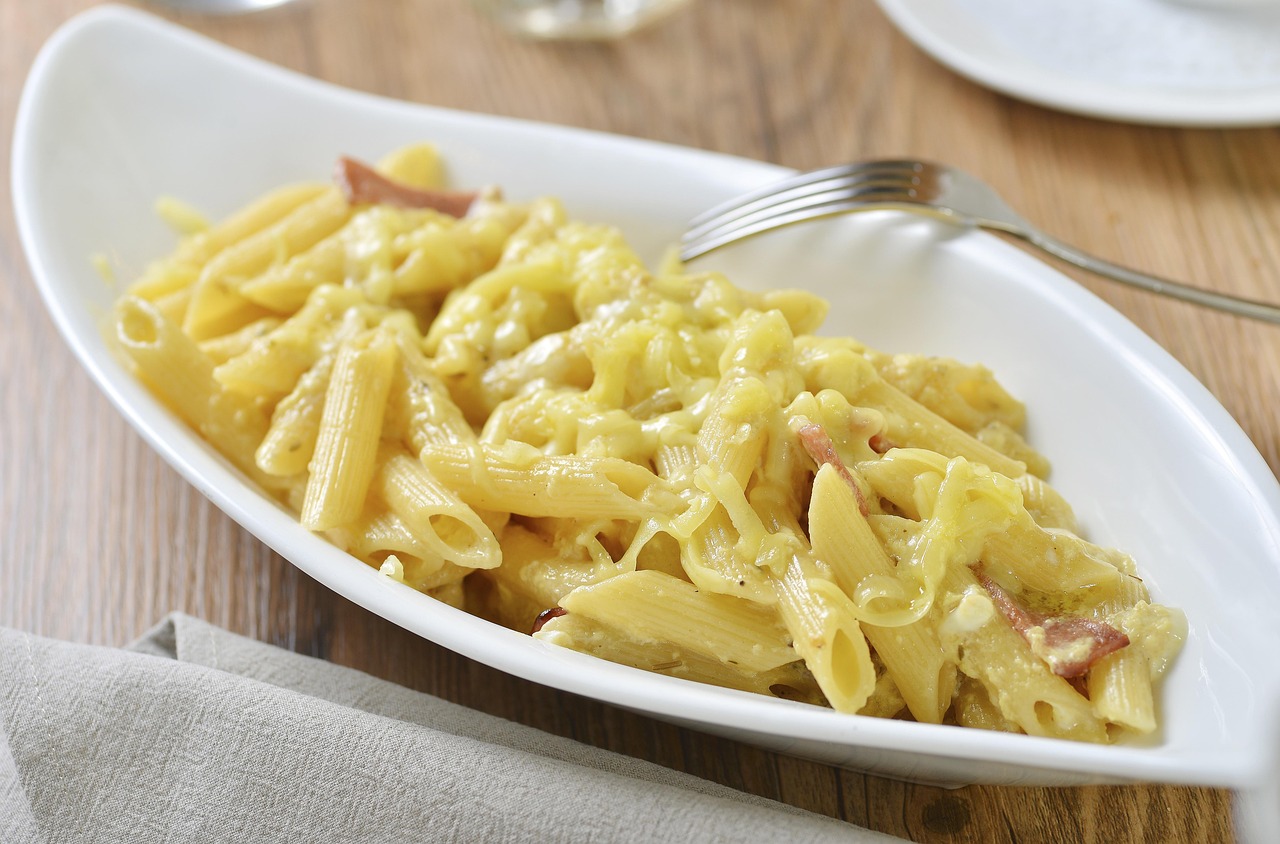
Black folks macaroni and cheese, also known as soul food macaroni and cheese, is a variation with roots in the African American community, where the main difference lies in the ingredients and seasonings used compared to traditional Southern versions. As the industrial revolution took hold, factory production of macaroni and cheese made the dish much more affordable and accessible to lower classes, with individual ingredients declining in price, and after emancipation, macaroni and cheese took on many dispositions with the Black community as a dish for celebrations, comfort food, and penny-pinching meal for poor families.
Fried Chicken Started Without Any Seasoning
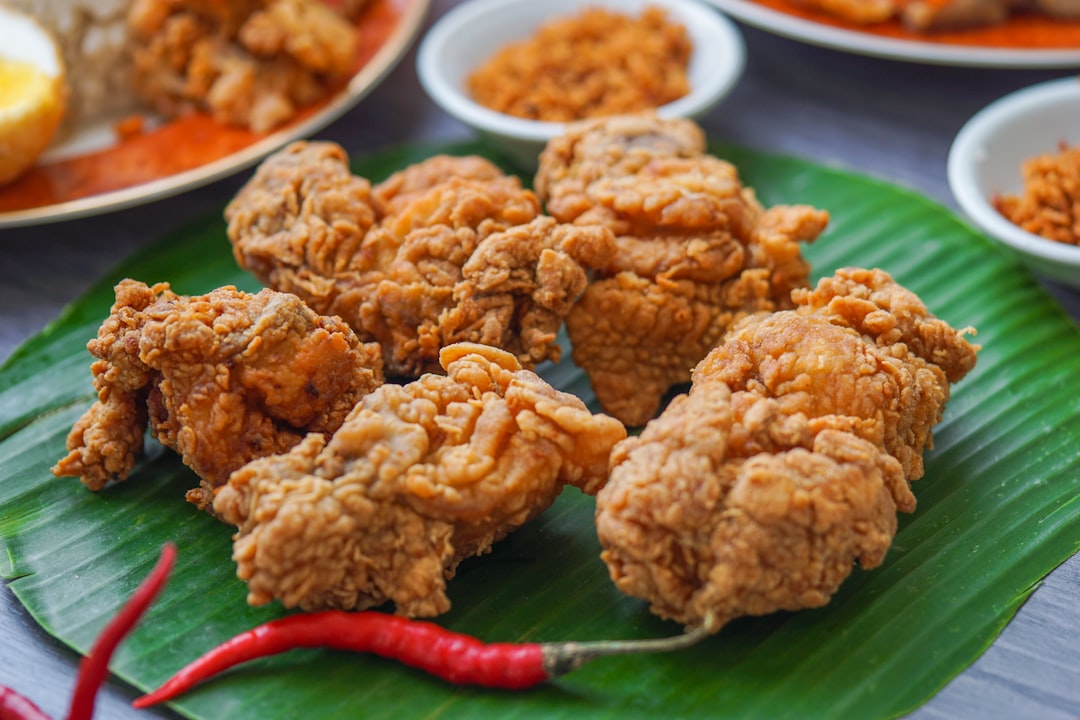
According to many sources on the origin of fried chicken, it is believed that fried chicken was invented by the Scots, who were known for frying various foods without seasoning and called them fritters. The origin of fried chicken in the southern states of America has been traced to precedents in Scottish and West African cuisine, with Scottish fried chicken battered with seasonings and deep fried in lard while West African fried chicken added different seasonings and was battered and cooked in palm oil. While it may have been Scottish immigrants who introduced the U.S. to fried chicken, enslaved African Americans popularized it by incorporating the dish into their own food culture and giving it the unique twist we know today, infusing the poultry with spices while Scots ate their fried chicken without any seasoning.
Train Station Entrepreneurship Built a Fried Chicken Empire
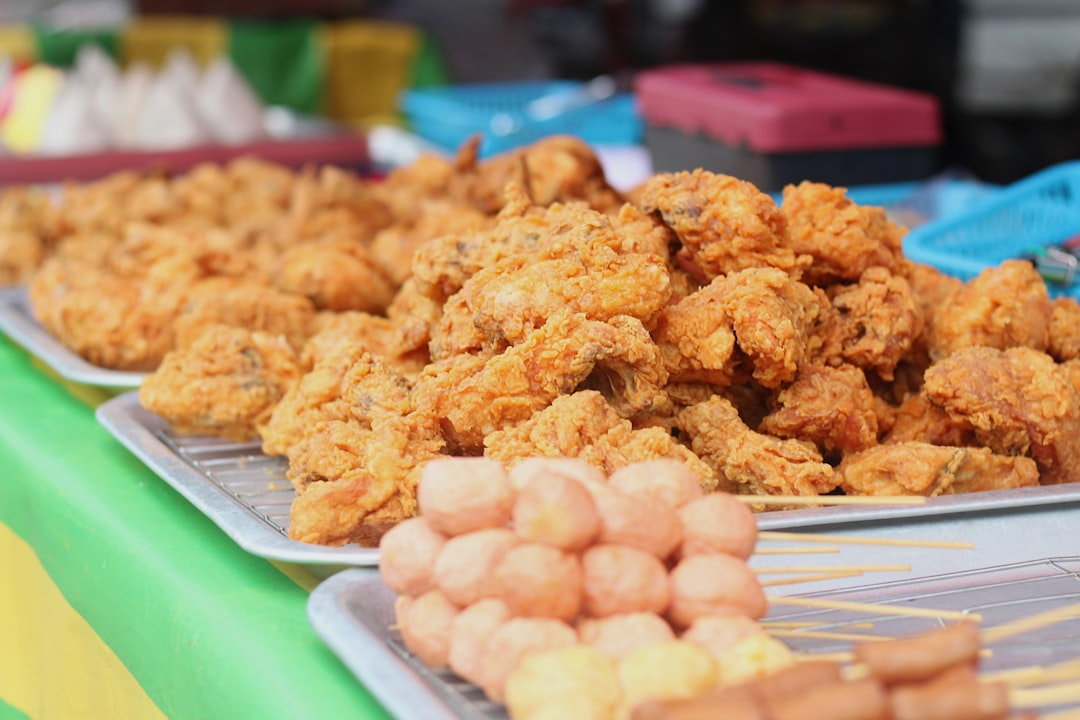
After slavery was abolished in 1865, African American women started using their culinary expertise to provide for themselves and their families, with perhaps the best example in Gordonsville, Virginia, where Black women became the driving force behind a special industry based around fried chicken, supplying passing travelers with their fried chicken, pies, and biscuits. Commonly called “waiter carriers,” the women would stand on the platform and hand over their goods to passengers through the train windows. Gordonsville was first given the title of the fried chicken capital of the world by writer George W. Bagby in 1869, a time when recently liberated Black women would feed the hungry hordes that passed through the town from railway platforms.
Industrial Revolution Made Comfort Food Affordable for All
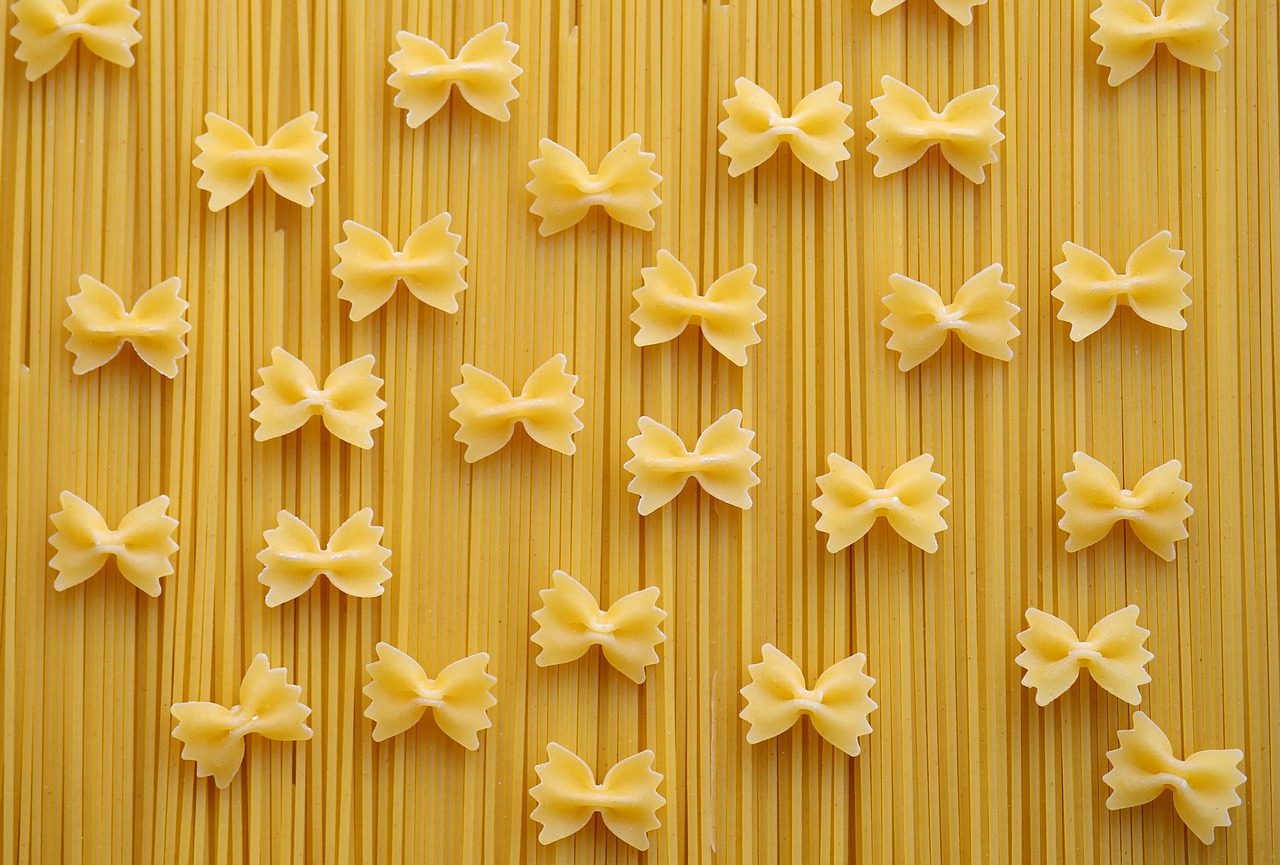
Factory innovations in 1885 transformed how Americans ate macaroni and cheese, with new industrial machines able to shape pasta into uniform tubes at ten times the speed of hand-rolling, while steel roller mills ground semolina flour so fine that pasta dried without cracking, and dairy factories in Wisconsin and New York churned out 50-pound wheels of cheddar cheese for $0.15 per pound, down from $0.45 in 1870. The industrial revolution slashed the cost of macaroni and cheese’s core ingredients, allowing a working family in Chicago to buy a pound of macaroni for $0.08 and enough cheese for a casserole for $0.12.
Current Data Shows Comfort Food Popularity Peaks
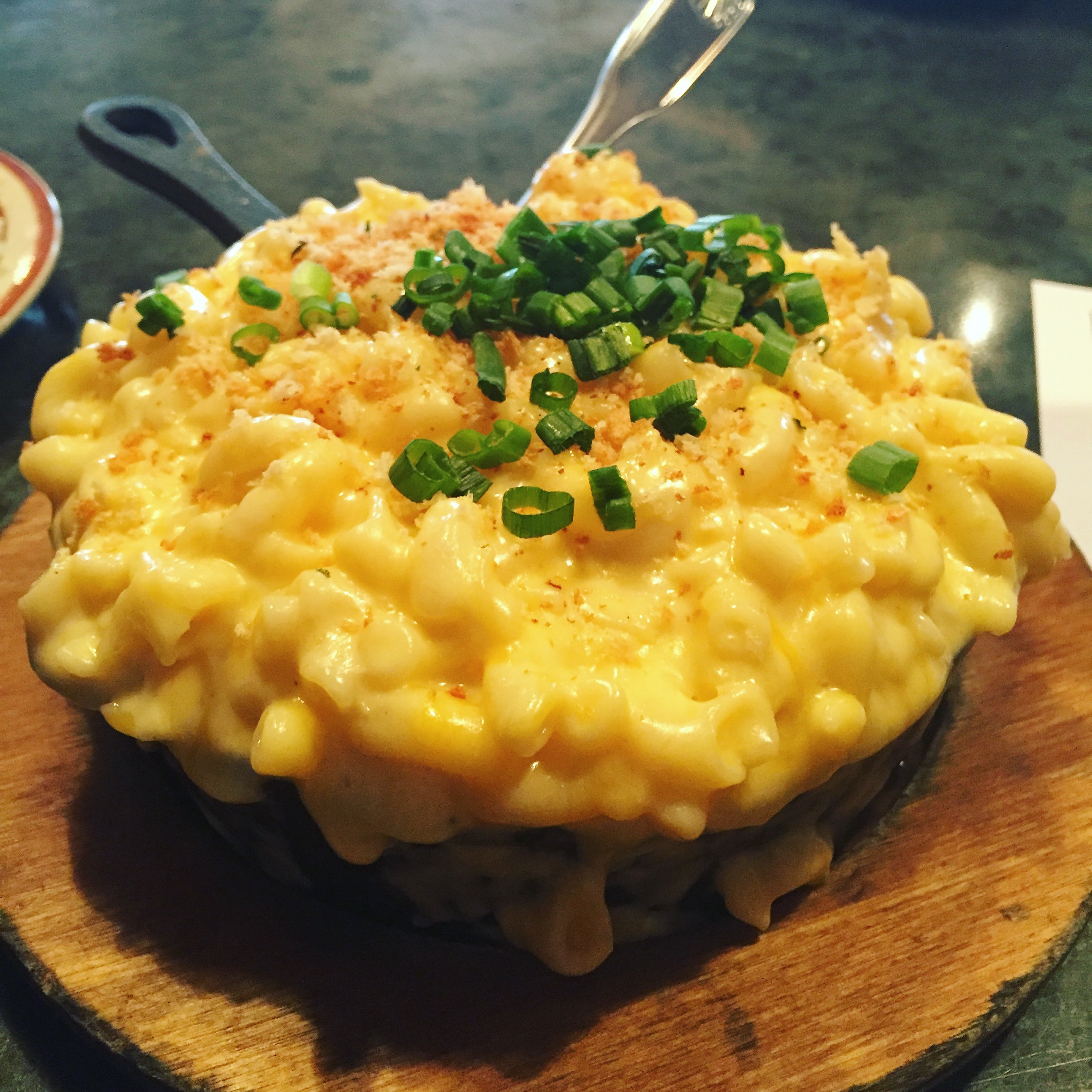
A 2023 survey of most popular side dishes, commissioned by Campbell’s, found that baked mac n cheese is the number one side dish in Louisiana. Most states rank the creamy comfort food amongst the top five sides for Thanksgiving, and the numbers were even higher for younger folks. When a top Portland marketing agency asked 1,000 Americans about their attitude toward fried chicken, 50% responded that they loved it and 16% said that they would marry the crispy snack, with 49% of Americans indulging in the fried dish at least once per week.
Secret Recipes Became Corporate Gold
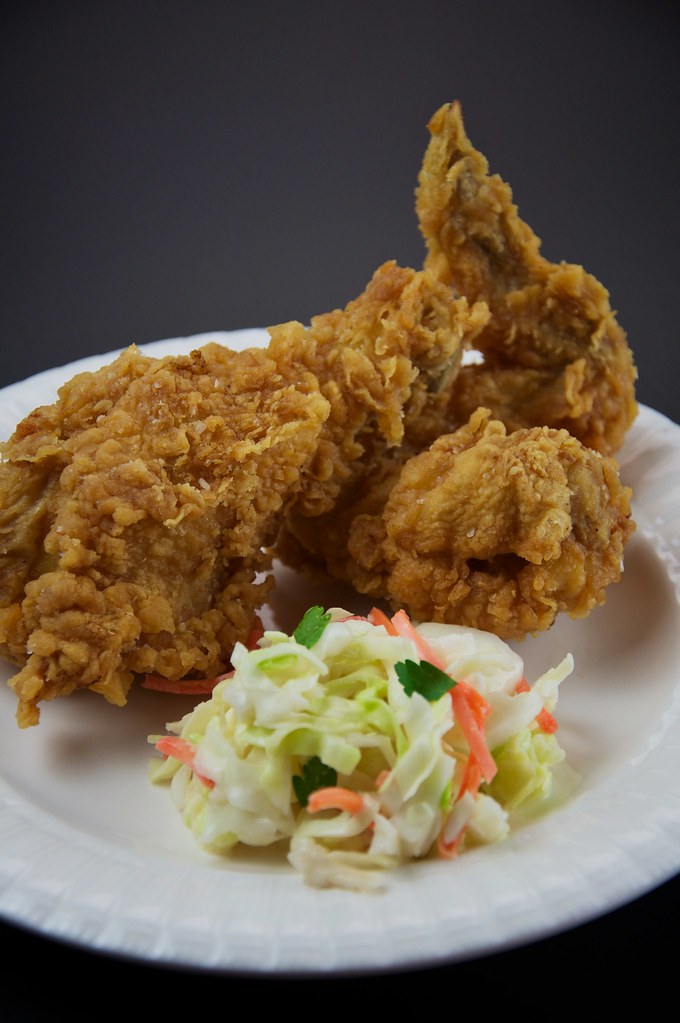
The global spread of fried chicken began in the mid-20th century, thanks in large part to Colonel Harland Sanders and his fast-food chain, Kentucky Fried Chicken (KFC), with Sanders developing his famous “secret recipe” of 11 herbs and spices in the 1940s and beginning to franchise his restaurant in the 1950s. Kentucky fried chicken was made famous by the popular fast food chain that uses a secret recipe, more protected than the one of Coca-Cola, which according to legend is kept on a 1940 handwritten parchment and hidden in a 350-kilo safe kept under constant surveillance by sensors and cameras.
Regional Variations Tell Stories of Cultural Exchange
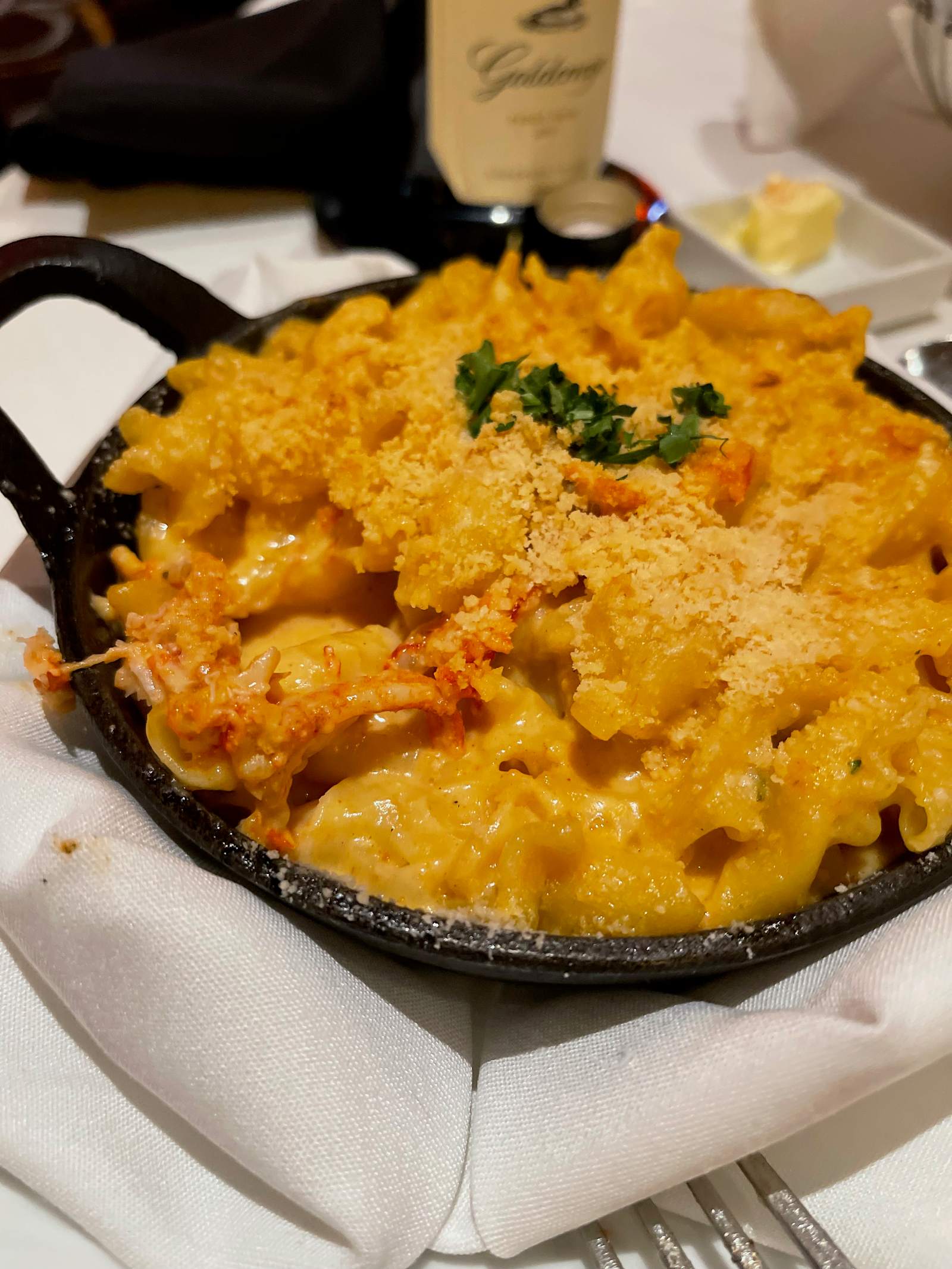
Maine is synonymous with lobster, and mac and cheese is no exception, with the addition of fresh shellfish transforming macaroni from comfort food to an elevated dish showcasing the state’s maritime bounty, creating lobster mac and cheese as a beloved dish combining indulgence with sweet, succulent Maine lobster. The regional adaptations of mac and cheese reflect America’s diverse culinary landscape, with the South featuring a baked version rich with eggs and topped with a crusty layer of breadcrumbs or cracker crumbs as a soul food classic.
Modern Comfort Food Reaches Global Status
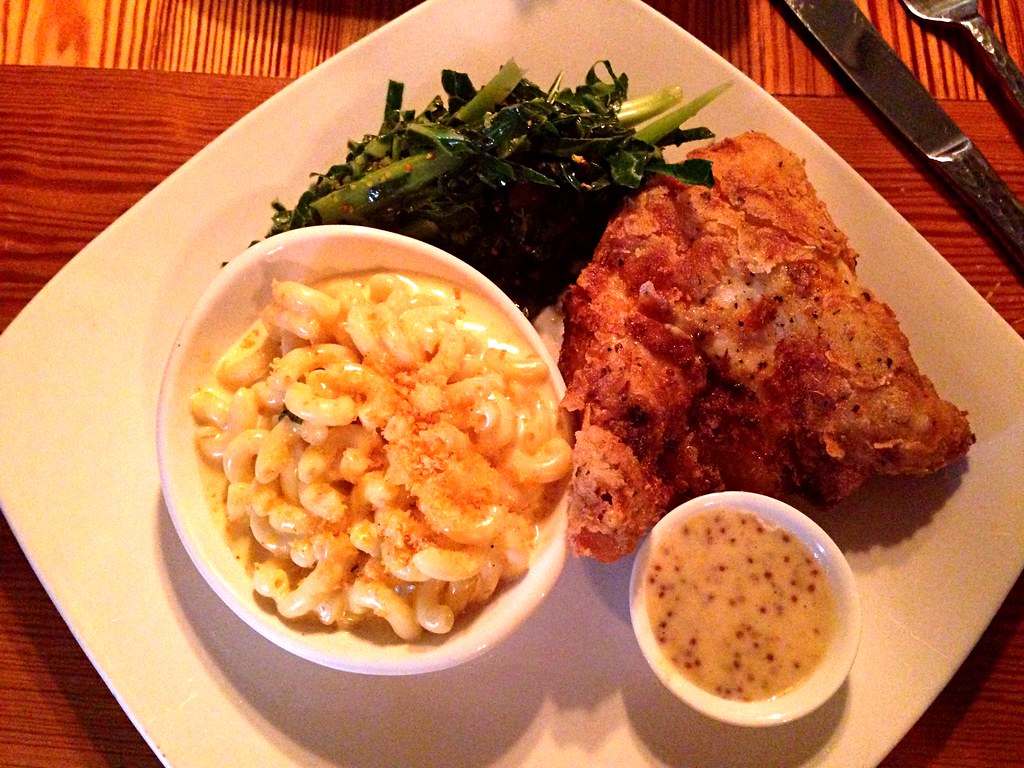
Many Southern families have passed down their fried chicken recipes through generations, and it continues to be a staple at gatherings, while in South Korea fried chicken has become popular for socializing often paired with beer in a tradition known as “chimaek,” and in Jamaica it’s a street food favorite. Mac and cheese has traveled well beyond its European and American roots, adapting to suit global tastes, with variations in parts of Asia infused with local flavors like soy sauce and star anise, and in Latin American countries including additions like jalapeños or using queso blanco. Kraft sold 50 million boxes in 1946, making mac and cheese a ubiquitous Americana dish.
The hidden histories of America’s comfort foods reveal a nation built on cultural fusion, economic necessity, and the ingenuity of marginalized communities whose contributions have been largely forgotten. These dishes didn’t emerge from some mythical American heartland but from the kitchens of enslaved people, immigrant communities, and working families who transformed simple ingredients into lasting symbols of home. Understanding these origins changes how we see both our food and our history.
What do you think about these forgotten stories behind your favorite comfort foods?