How Soda Sales Have Shifted Worldwide Since the 1990s, Report Reveals
The global soda industry has undergone dramatic changes since the 1990s, fundamentally reshaping how consumers worldwide approach carbonated beverages. What began as an era of steady growth has evolved into a complex landscape where health consciousness collides with traditional refreshment habits, creating unprecedented shifts in consumer behavior and market dynamics. The transformation touches every aspect of the industry, from sugar content reformulations to the rise of craft alternatives and government interventions through taxation policies.
Traditional Soda Consumption Faces Sharp Decline
Per capita soft drink consumption has reportedly contracted at an estimated annualized rate of 0.5% from 2020 to 2025, with consumer preferences shifting in response to greater awareness of negative health effects related to both sugar and artificial sweeteners found in diet soft drinks. This dramatic reversal represents one of the most significant changes in beverage consumption patterns since tracking began. Industry reports suggest bottled water consumption has risen significantly between 2017 and 2020, while soft drink consumption has declined substantially, and soda producer revenue dropped at a CAGR of 0.9% over the past five years to an estimated $42.9 billion in 2025. The shift reflects a fundamental change in American drinking habits, with health becoming the primary driver of beverage choices.
Health Consciousness Drives Market Transformation
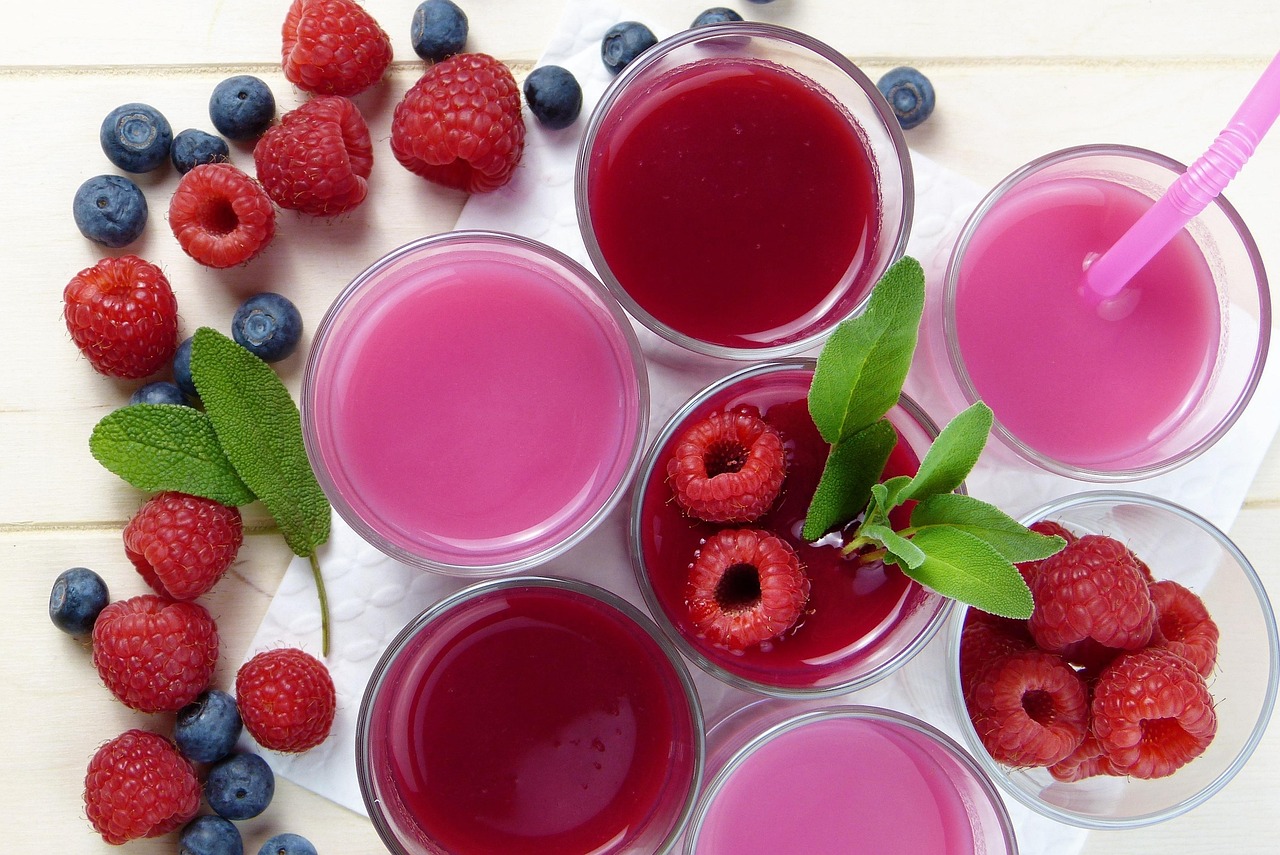
The frequency of consumption of CSD halved in 2023 compared to 2022, with the top reason consumers claimed for decreasing their consumption being perceived unhealthiness, despite 63% of CSD consumers claiming they still drink it more than once a week. This paradox reveals the complex relationship consumers have with traditional sodas. IBISWorld analysts noted that sales of CSDs in the United States “have gone flat,” pointing to health concerns surrounding CSDs as the reason for the category’s decline, with the government, media platforms and even soft drink producers themselves vocalizing the consequences of consuming artificially sweetened diet soda. The industry faces unprecedented scrutiny about its health impacts, forcing major brands to rethink their entire approach to product development and marketing.
Sugar Tax Implementation Creates Global Impact
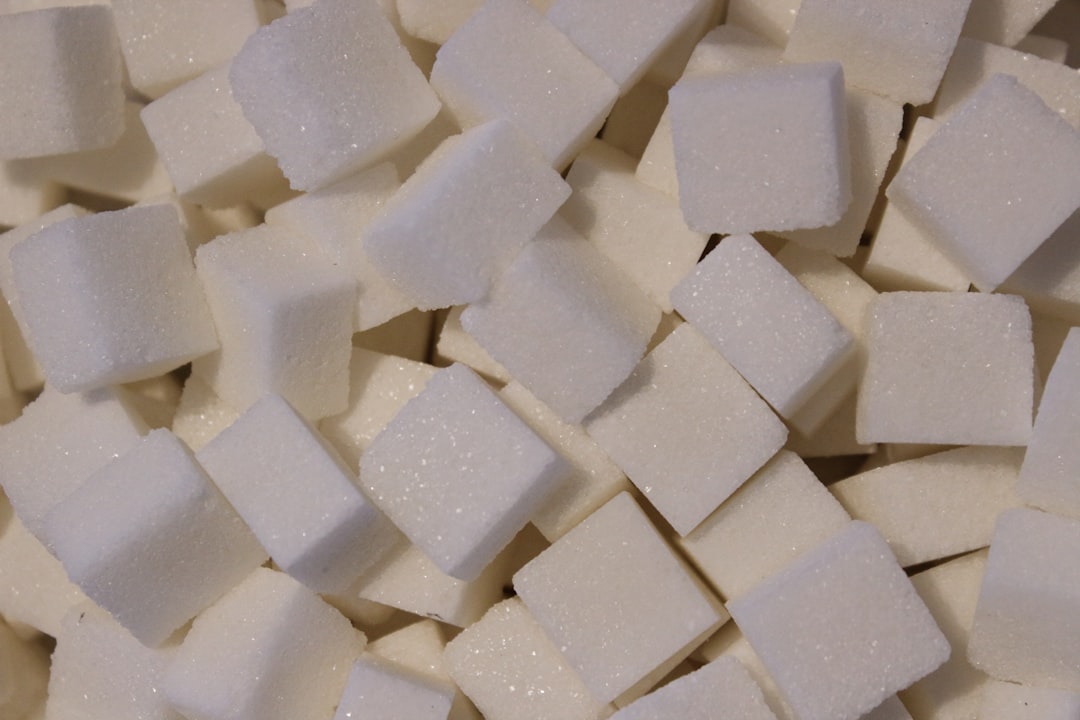
Studies suggest that a significant portion of the world’s population are covered by sugar taxes, with taxes covering 56% of people living in low- and middle-income economies. This widespread implementation demonstrates how global health concerns have translated into policy action. In the UK, substantial amounts of sugar have been removed from soft drinks following tax implementation, generating significant revenue. The success has been measurable, with reformulation becoming the industry’s primary response to taxation pressure. Sugar taxes raised the price of sugar-sweetened sodas, coffees, teas and energy drinks by an average of 31%, reducing consumer purchases by a third, with “for every 1% increase in price, a 1% decrease in purchases of these products.”
Craft Soda Emerges as Premium Alternative
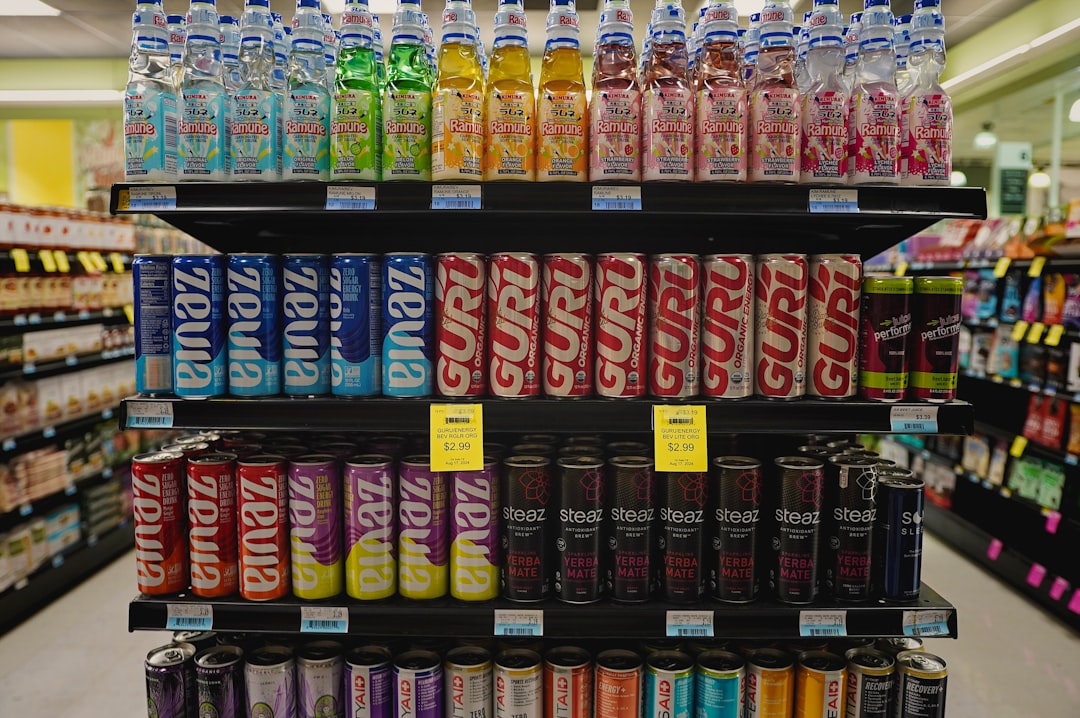
The global craft soda market is projected to experience significant growth, with industry forecasts suggesting continued expansion through 2033, with global craft soda retail volume reaching approximately 540 million liters in 2023, up from 490 million liters in 2022. This represents the fastest-growing segment within the broader soda category. Companies introduced botanical-infused craft sodas, leading to a 35% increase in demand for herbal and floral flavors like lavender, hibiscus, and ginger, while probiotic and gut-health craft sodas gained popularity, with sales increasing by 28%. The craft movement reflects consumers’ willingness to pay premium prices for perceived quality and health benefits, fundamentally changing the competitive landscape.
Functional Beverages Reshape Consumer Expectations
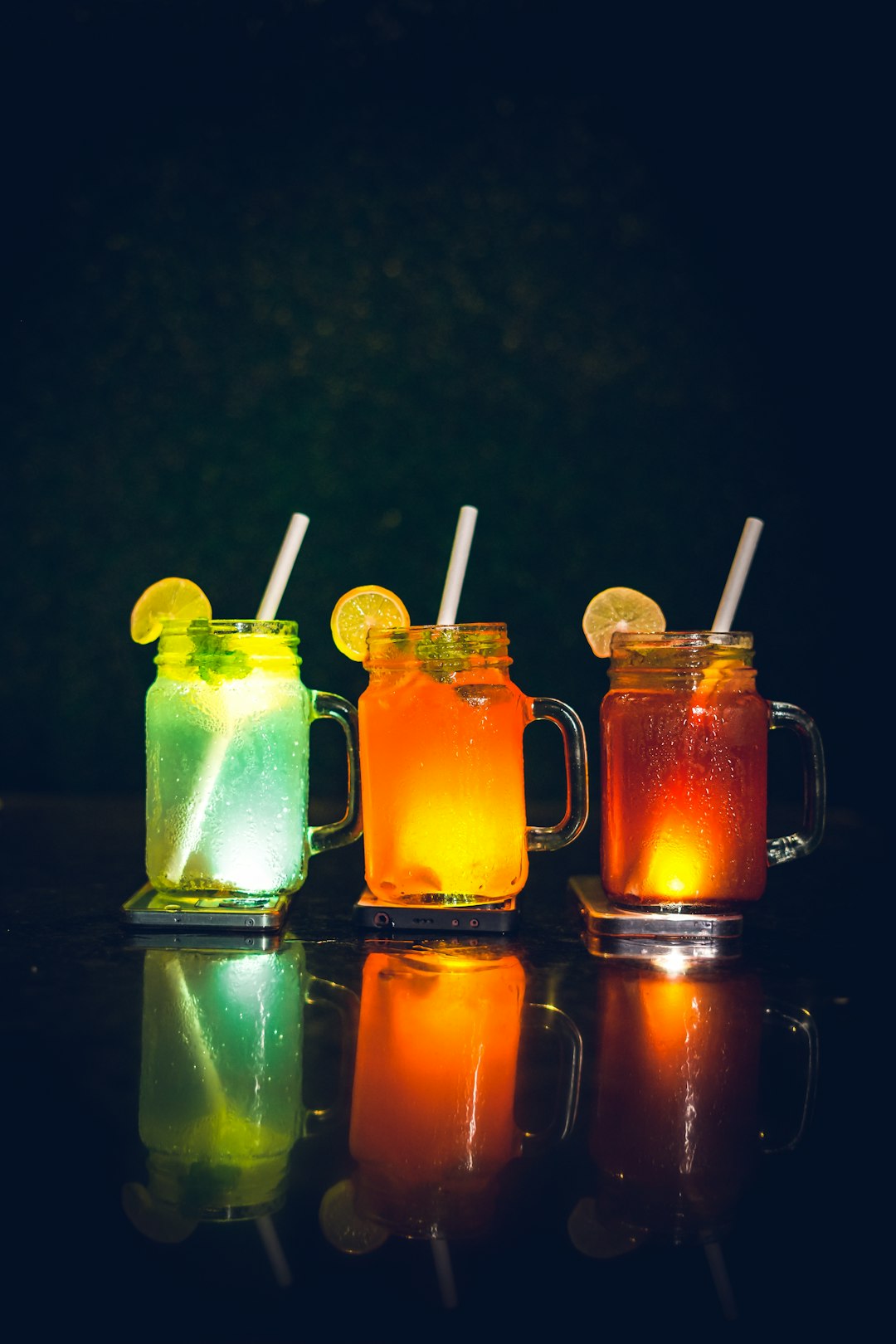
The craft soda market has seen a 30% increase in low-sugar and functional craft soda sales, with a 30% increase in demand for organic and naturally sweetened sodas, reflecting a shift away from artificially flavored soft drinks. This trend extends beyond craft to mainstream brands. “Other” flavors, which includes club soda and seltzer, will see the second-biggest share rise, going from 8.3% in 2021 to 9% in 2026, while CSD producers have implemented low-sugar and low-calorie options, appealing to health-conscious consumers looking to cut down their sugar intake. The functional beverage trend represents a fundamental shift from purely taste-driven purchases to health-conscious consumption patterns.
Regional Markets Show Divergent Patterns
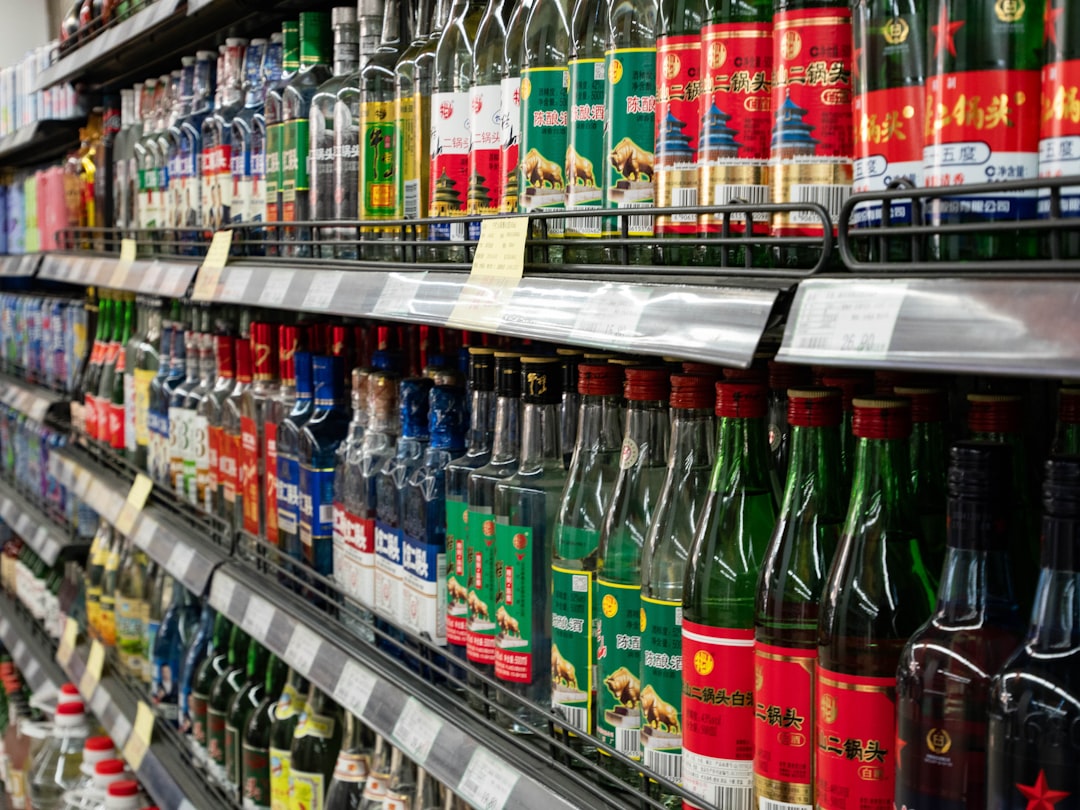
The Asia-Pacific region is projected to experience the highest growth rate in the market, primarily attributed to the rapid expansion of the beverage industry, the rise of new and emerging markets like China, India, Japan, and Australia, and the growing consumer demand for high-quality and unique beverages. This growth contrasts sharply with mature Western markets experiencing decline. North America dominated the market in 2024, holding a significant market share of over 35.5%, with the region leading the soft drinks sector. However, growth patterns suggest a shift toward emerging markets, where economic development is driving increased beverage consumption despite growing health awareness.
Packaging Innovation Responds to Sustainability Demands
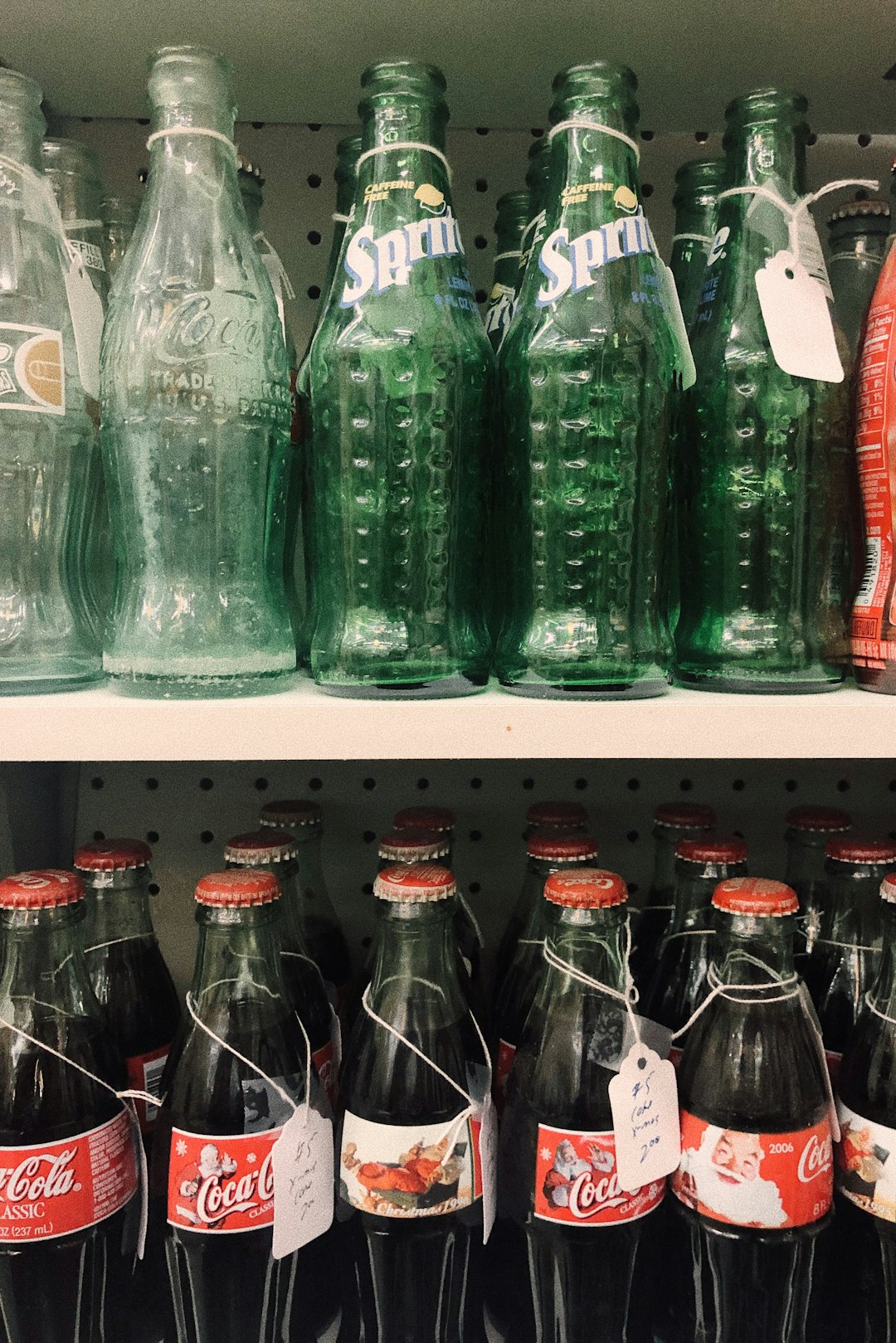
Glass packaging led the market share in 2022 with a share of 55.1% and is expected to maintain its dominance in the coming years, as glass bottles assist to preserve the carbon dioxide concentration in craft soda for a longer amount of time. This preference reflects both quality concerns and environmental consciousness. Crooked Beverage Co’s Sustainable Can Rollout transitioned 100 percent to 11.5 g aluminum cans, cutting material use by 9 percent and raising recycling rates from 62 percent to 76 percent. Sustainability has become a key differentiator, with companies investing heavily in environmentally friendly packaging solutions to appeal to conscious consumers.
Generational Divide Shapes Future Consumption
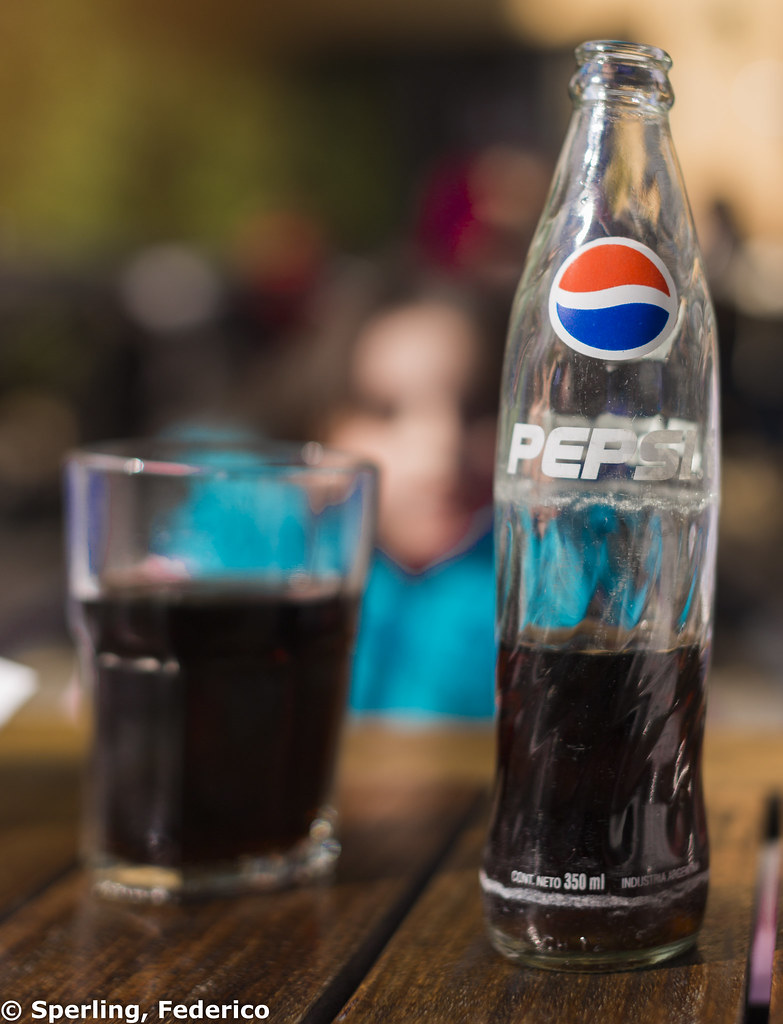
Older generations were more likely to buy CSD than younger generations, with Gen Z being the most likely to buy sparkling juices, while millennials demonstrate the greatest shift toward non-alcoholic and healthy beverages, with their interest in spending on fruit juices and seltzer/sparkling beverages rising as their spend on soft drinks declines. This generational shift has profound implications for long-term industry growth. Gen Z and Millennials are heavily engaged CSD users, balancing indulgence with interest in better-for-you options and innovative flavors, while parents seek CSDs that combine great taste with health-oriented attributes. The challenge for traditional soda companies involves adapting to younger consumers who view beverages through a health-first lens.
Alternative Beverages Capture Market Share
There has been a marked increase in the popularity of alternative beverages, particularly carbonated water products such as LaCroix, which offer perceived health benefits and fewer calories relative to traditional soft drinks, with this substitution effect accelerating the decline in soda consumption. The rise of alternatives represents a fundamental threat to traditional soda sales. In 2024, U.S. consumers opted for healthier drinks and reduced spending on alcohol, with seltzers and sparkling beverages attracting dollars across nearly every age, gender, and income segment – except for households earning under $50,000 annually. This broad-based shift toward healthier alternatives indicates that the trend is likely to continue accelerating across multiple demographic groups.
Industry Consolidation and Strategic Pivots
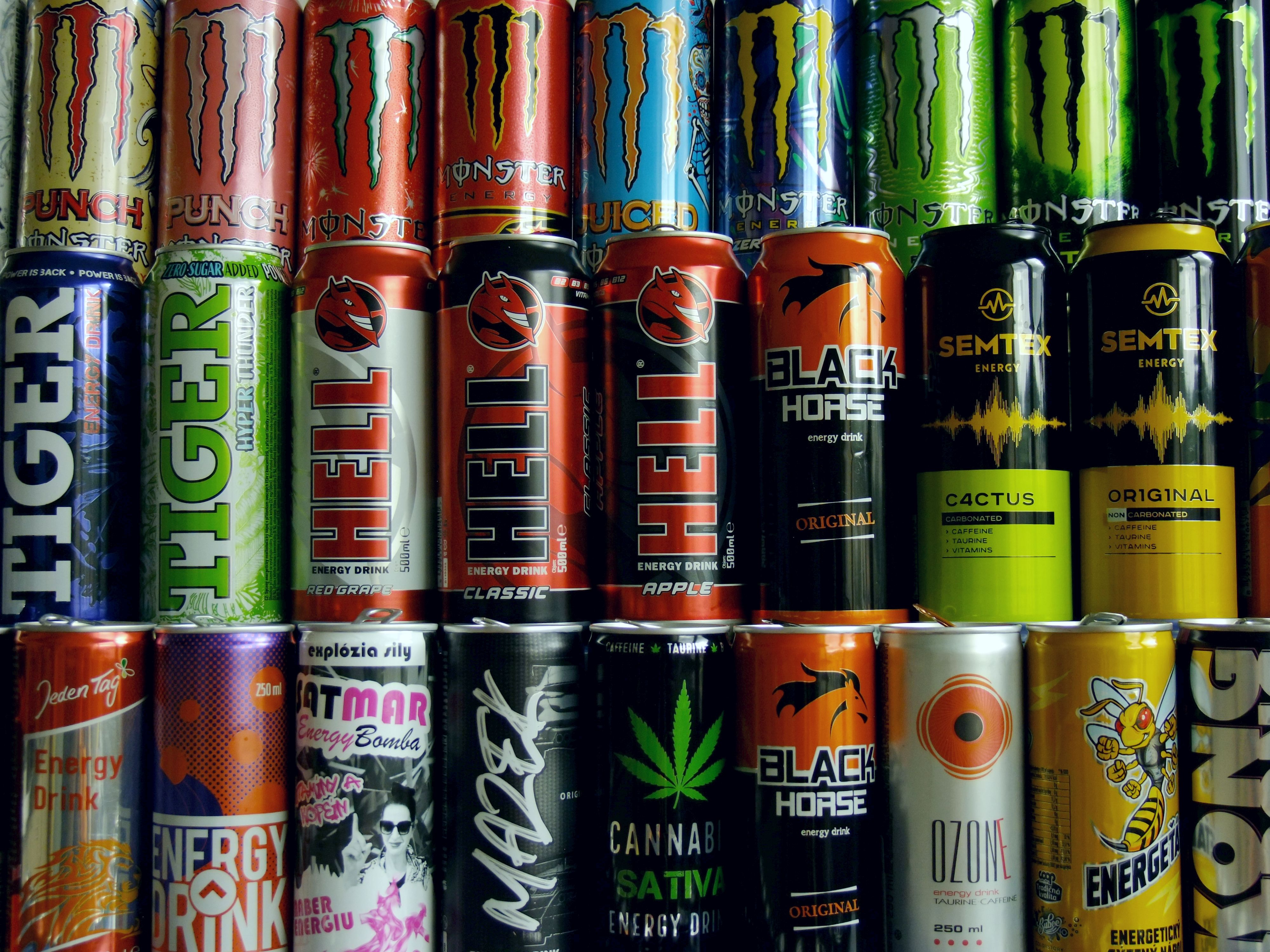
Coca-Cola has acquired Costa Coffee, Vitaminwater, Topo Chico, Smartwater, MOJI Beverages, and Fairlife Milk as of 2023, with these acquisitions not boosting soda consumption but partly attributed to the decreases in soft drink consumption. Major companies have recognized the need to diversify beyond traditional sodas. Coca-Cola’s acquisition of Core Hydration reflects the trend toward functional beverages, while the company aims for 100% recyclable packaging by 2025. This strategic pivot demonstrates how industry leaders are adapting to changing consumer preferences while maintaining market presence through portfolio diversification.
The global soda industry’s transformation since the 1990s represents one of the most dramatic shifts in consumer behavior and market dynamics in modern commercial history. Traditional carbonated soft drinks face sustained pressure from health consciousness, regulatory intervention, and changing generational preferences, while craft sodas and functional beverages capture growing market share. This evolution continues accelerating, with emerging markets providing growth opportunities even as mature markets experience decline. The industry’s future depends on successfully balancing consumer desires for taste, health benefits, and sustainability within an increasingly complex regulatory environment.
What’s your take on this massive shift in how we drink? Do you think traditional sodas will find a way to bounce back, or are we witnessing the permanent evolution of the beverage industry? Tell us in the comments.