How the TV Dinner Changed the Way America Ate, Report Finds
The TV dinner didn’t just change what Americans ate – it revolutionized when, where, and how they consumed their meals. What started as a convenient solution in 1953 has become one of the most influential food innovations of the 20th century, reshaping family dynamics, work schedules, and kitchen culture across the nation.
The Birth of a Cultural Revolution
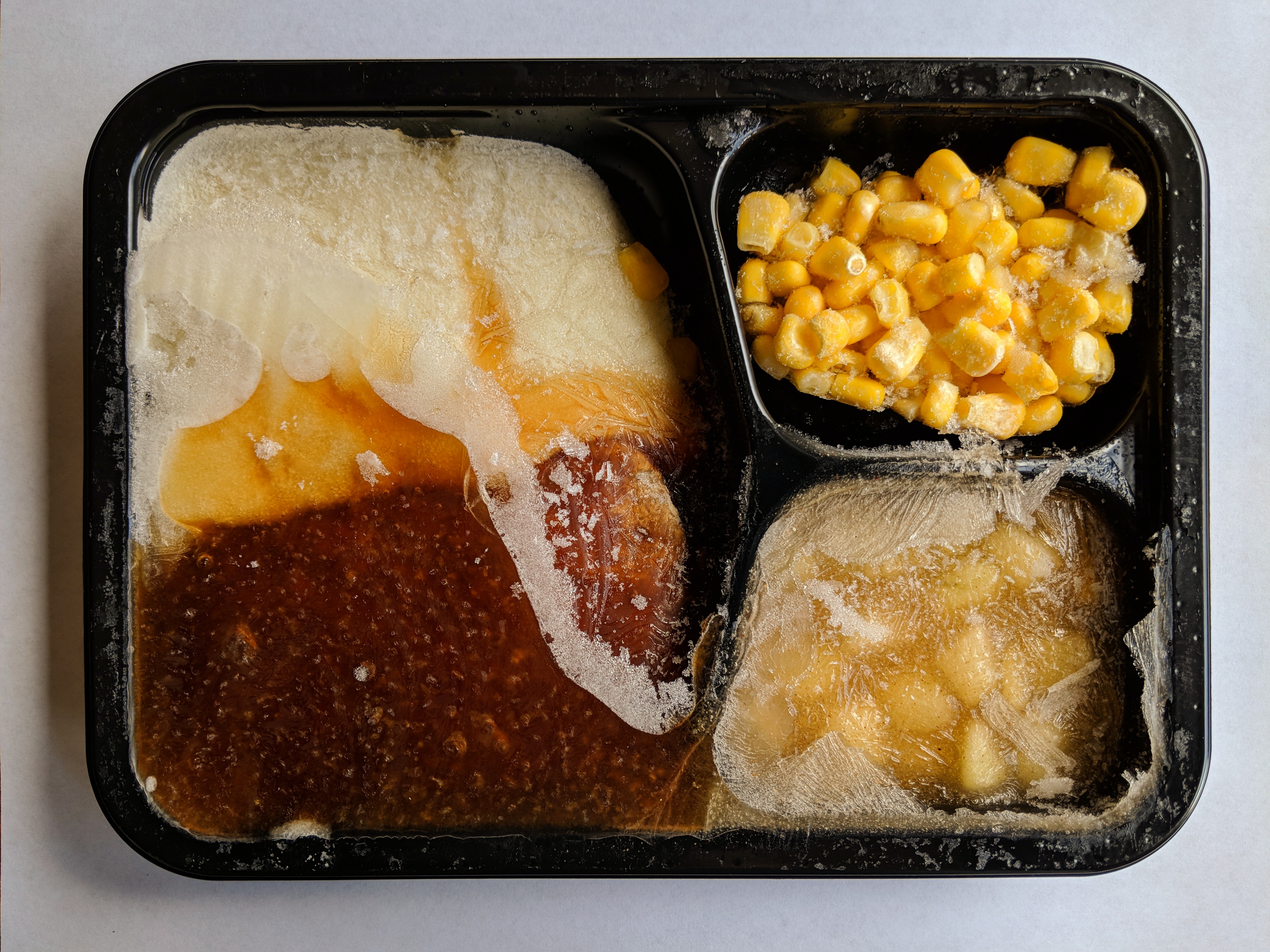
Swanson introduced the first TV dinner in 1953, featuring turkey, cornbread dressing, frozen peas, and sweet potatoes in a divided aluminum tray. The company initially sold modest quantities, but sales quickly grew to millions of units within the first few years. This wasn’t just about convenience – it represented a fundamental shift in how Americans viewed mealtime and family gathering.
Breaking Down Traditional Family Meal Times
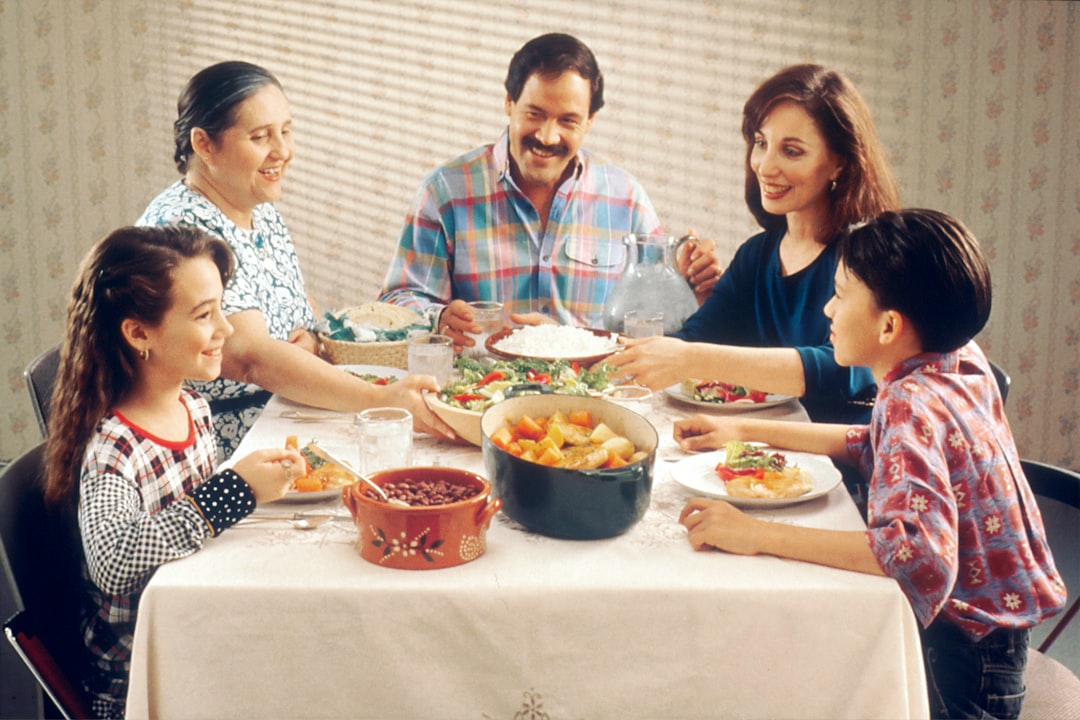
Before TV dinners, families typically gathered around the dinner table at set times, with meals prepared from scratch taking hours of preparation. The frozen meal revolution allowed family members to eat at different times, accommodating work schedules, school activities, and personal preferences. Research shows that by the 1960s, nearly 30% of American families were eating meals at different times rather than together, a dramatic change from the 1940s when family dinners were nearly universal.
The Kitchen Liberation Movement
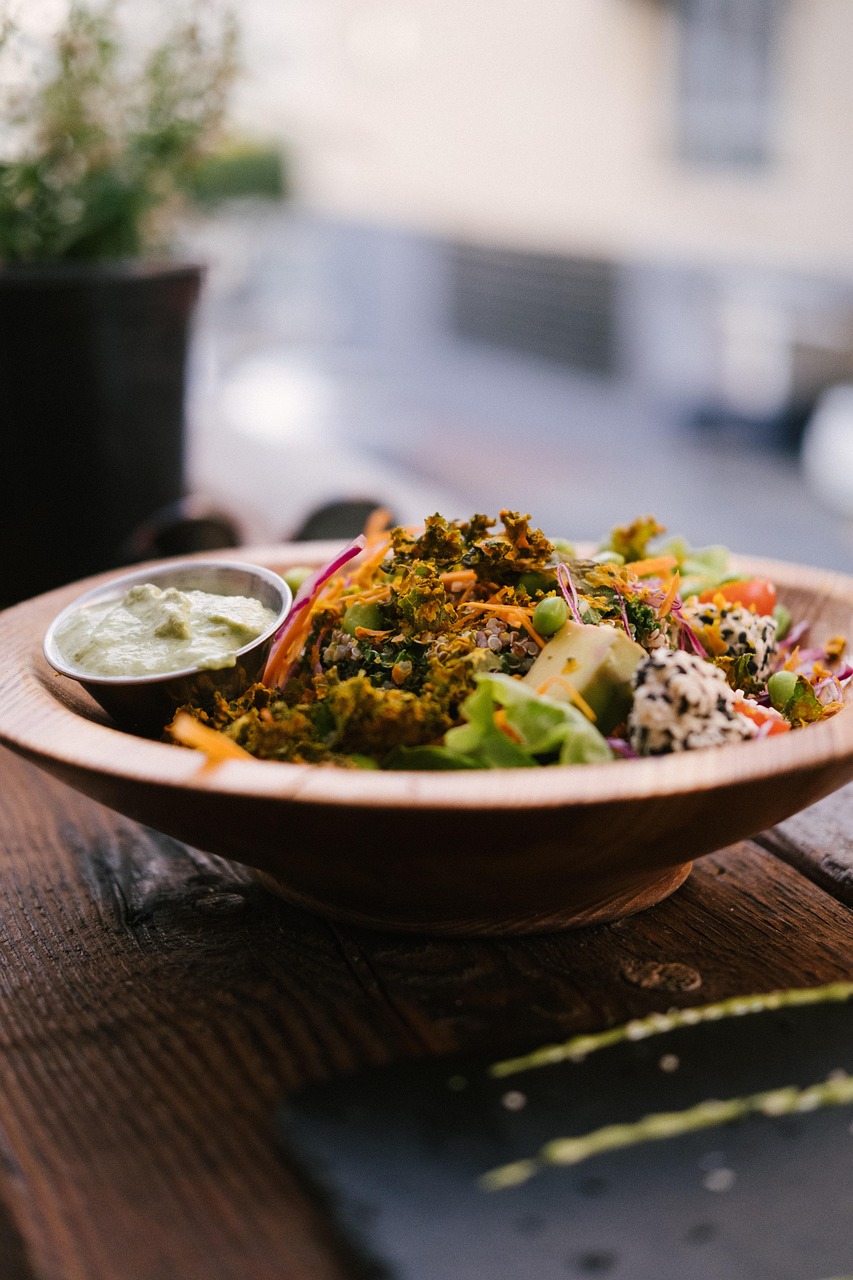
TV dinners freed housewives from spending 3-4 hours daily on meal preparation, according to studies from the era. Women could now heat a complete meal in 25 minutes, giving them time for other activities or employment outside the home. This shift coincided with the women’s liberation movement, as more women entered the workforce and needed convenient meal solutions.
Television’s Role in Eating Habits

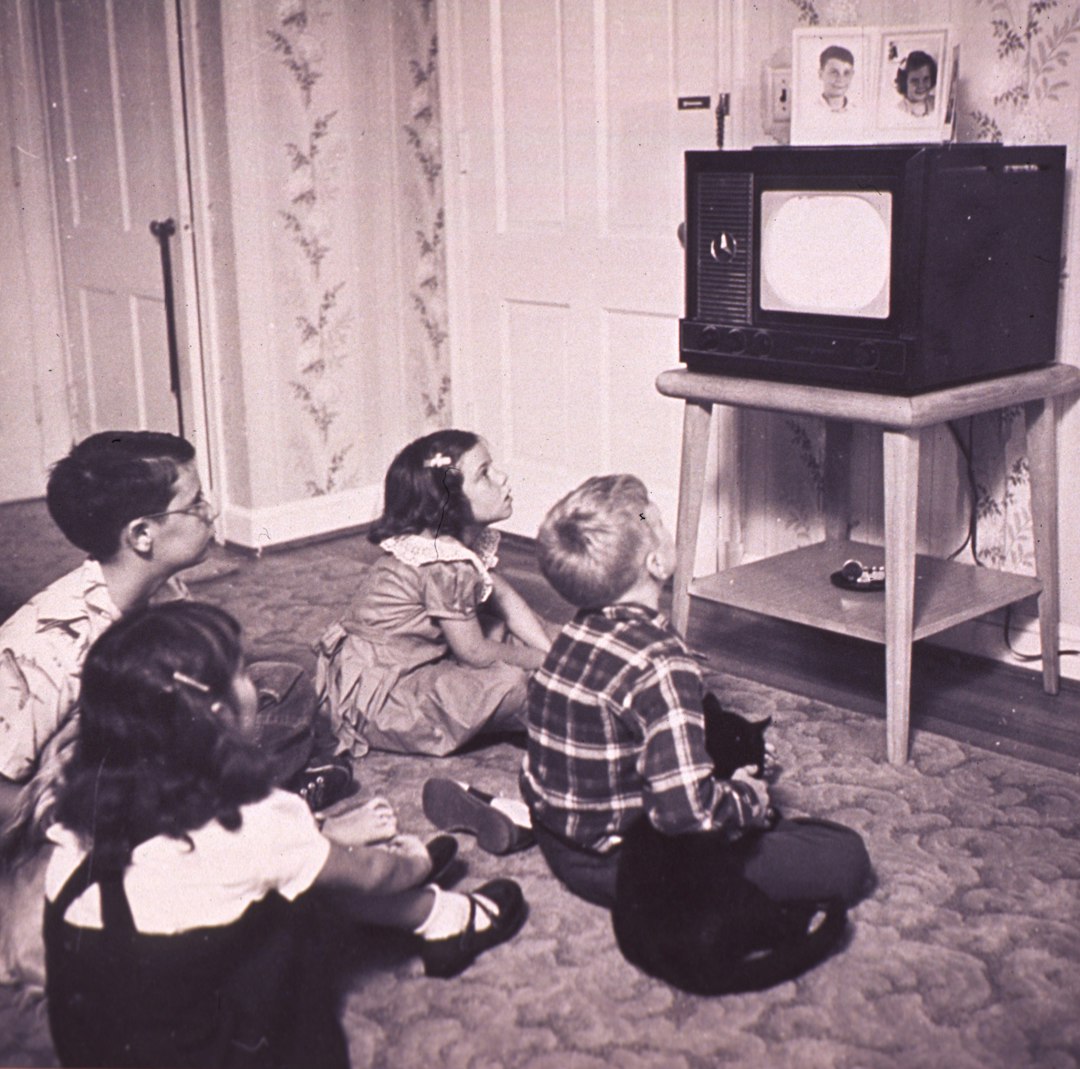
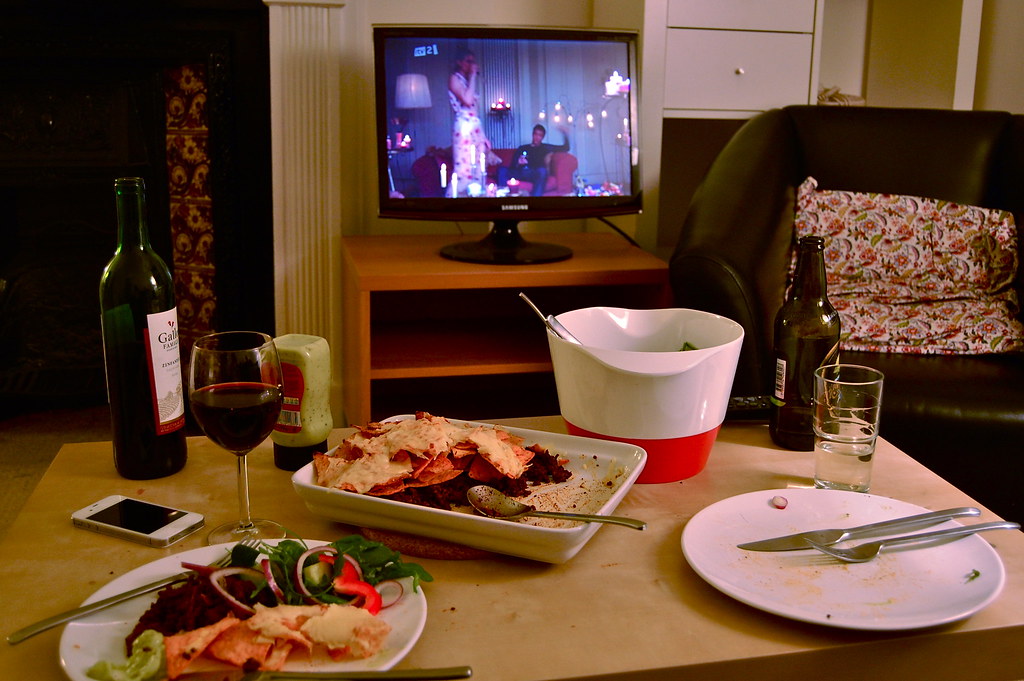
The name “TV dinner” wasn’t accidental – it reflected America’s growing obsession with television programming. Families could now eat while watching their favorite shows, fundamentally changing the social aspect of dining. By 1960, a significant percentage of American families regularly ate meals while watching television, compared to virtually none in 1950.
Nutritional Standards and Health Concerns
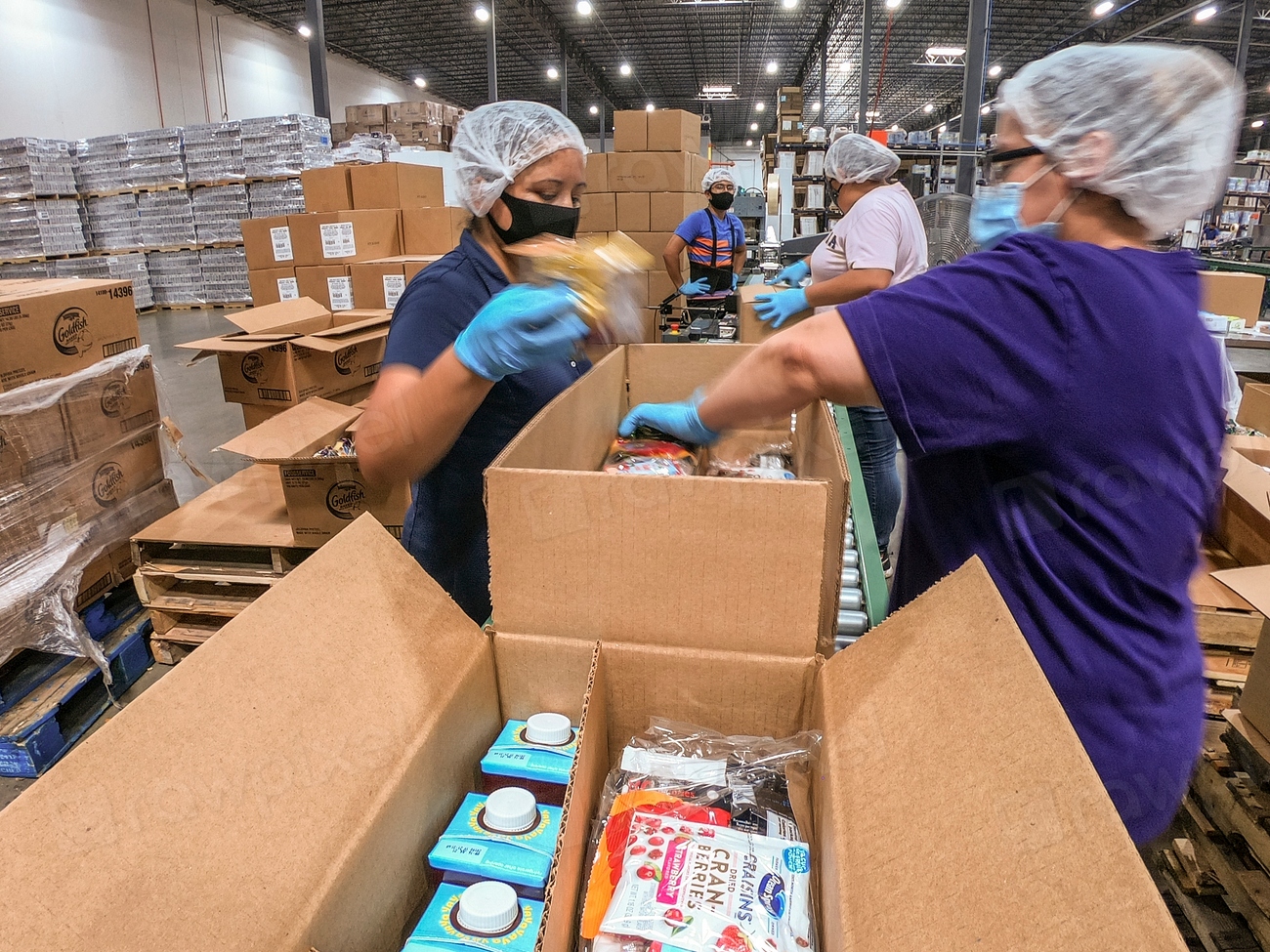
Early TV dinners contained significantly high levels of sodium and preservatives, with many meals containing high levels of sodium. Critics argued that convenience came at the cost of nutrition, as fresh vegetables and home-cooked meals were replaced with processed alternatives. The debate over processed foods versus fresh cooking intensified throughout the 1960s and continues today.
Economic Impact on Food Industry
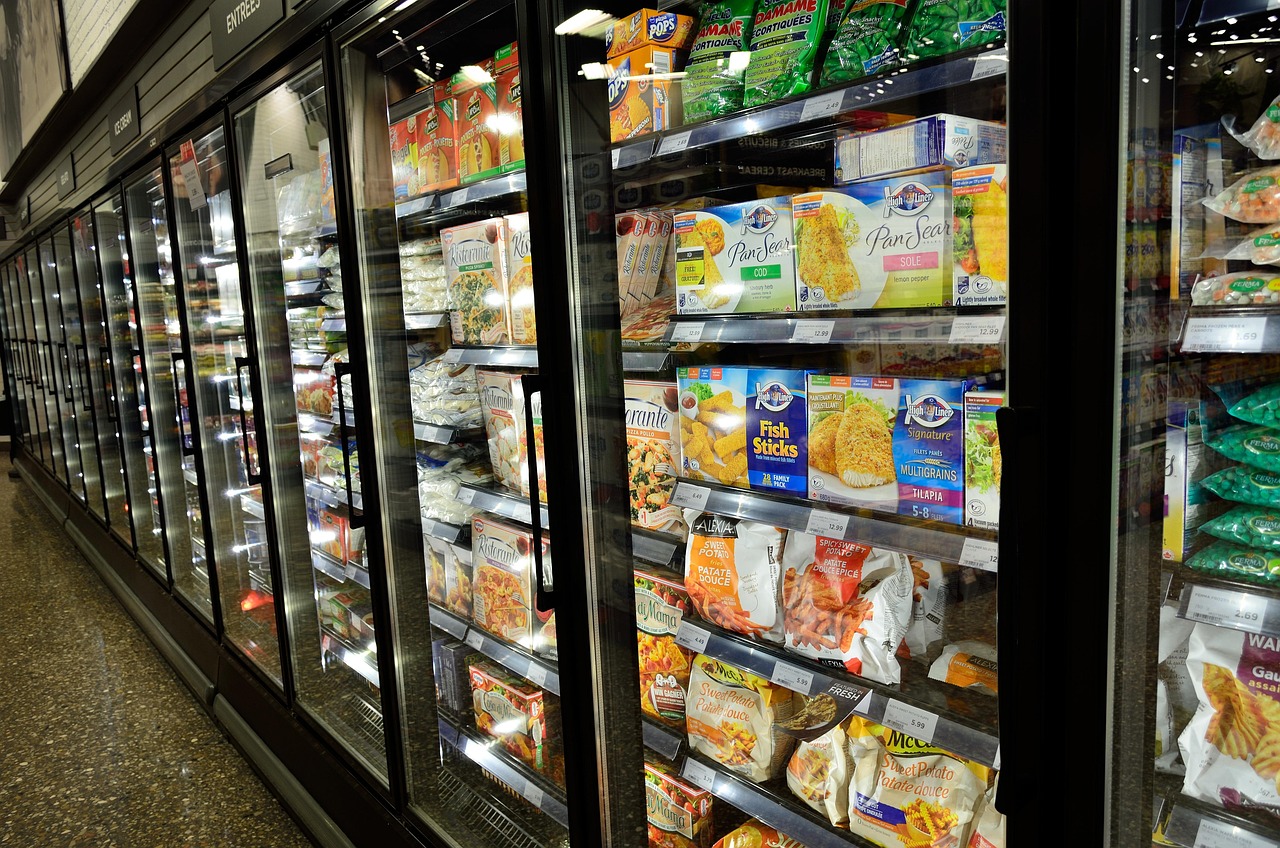
The frozen food market exploded from $1 billion in 1950 to over $5 billion by 1970, largely driven by TV dinner sales. Major food companies like Stouffer’s, Banquet, and Lean Cuisine entered the market, creating intense competition and innovation. This economic boom led to advances in freezing technology, packaging, and distribution systems that transformed the entire food industry.
Changing Work Patterns and Meal Scheduling
TV dinners accommodated America’s increasingly flexible work schedules and shift work patterns. Factory workers, healthcare professionals, and other shift workers could now have hot meals at any hour without extensive preparation. Studies from the 1970s showed that households with shift workers purchased TV dinners at twice the rate of traditional 9-to-5 families.
Regional and Cultural Adaptations
Different regions of America embraced TV dinners differently, with urban areas adopting them faster than rural communities. Southern states initially resisted the trend, preferring traditional cooking methods, while West Coast cities quickly integrated frozen meals into daily life. By the 1980s, however, TV dinners had become ubiquitous across all American regions and social classes.
Evolution of Portion Sizes and Variety
Early TV dinners contained modest portions, typically around 300-400 calories per meal, reflecting 1950s eating habits. As American appetites grew larger, so did TV dinner portions, with many modern frozen meals containing 600-800 calories or more. The variety expanded from simple meat-and-vegetable combinations to international cuisines, gourmet options, and dietary-specific meals like low-carb or gluten-free alternatives.
Modern Legacy and Continued Influence

Today’s meal kit services, fast-casual restaurants, and grab-and-go options all trace their origins back to the TV dinner concept of convenient, pre-portioned meals. Demand for convenient meal solutions further accelerated, with frozen food sales increasing by over 20% in many markets. The TV dinner’s influence on American eating habits remains evident in our continued preference for convenience, individual meal portions, and eating while engaged in other activities.