Study Reveals the World’s Fastest-Growing Snack Markets
When was the last time you grabbed a quick bite between meetings or reached for something satisfying during your evening Netflix session? You’re not alone in this behavior, and the numbers prove it. The global snacks market size was valued at approximately USD 1.34 trillion in 2023 and is anticipated to be worth USD 1,037.19 billion by 2033, marking an unprecedented transformation in how people consume food worldwide. This isn’t just about occasional indulgence anymore; it’s become a fundamental shift in eating patterns that’s reshaping entire industries.
Asia-Pacific Dominates Global Growth
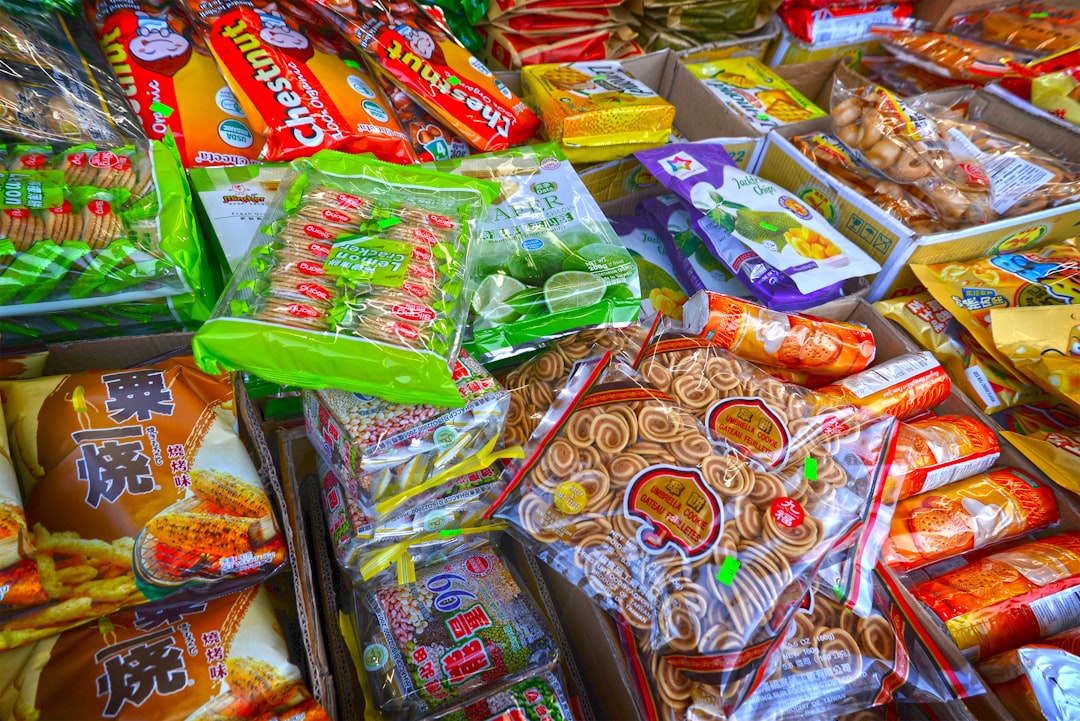
Asia-Pacific dominates the snacks industry and accounted for approximately 35.5% revenue share in 2023 and is expected to lead the charge in coming years. The Asia Pacific snacks market size was valued at USD 273.79 billion in 2024. The market is projected to grow from USD 293.68 billion in 2025 to USD 569.20 billion by 2034, exhibiting a CAGR of 7.63%.
What makes this region particularly fascinating is the diversity in growth patterns. By country, China dominated with 35.48% market share in 2024; India is anticipated to register a 9.74% CAGR and emerge as the largest incremental contributor to regional growth by 2030. Vietnam leads with a 7% increase from 2024 to 2025, supported by economic recovery and younger consumers, while the Philippines and Hong Kong have recorded a 6% CAGR from 2020–2025.
India’s Snackification Revolution
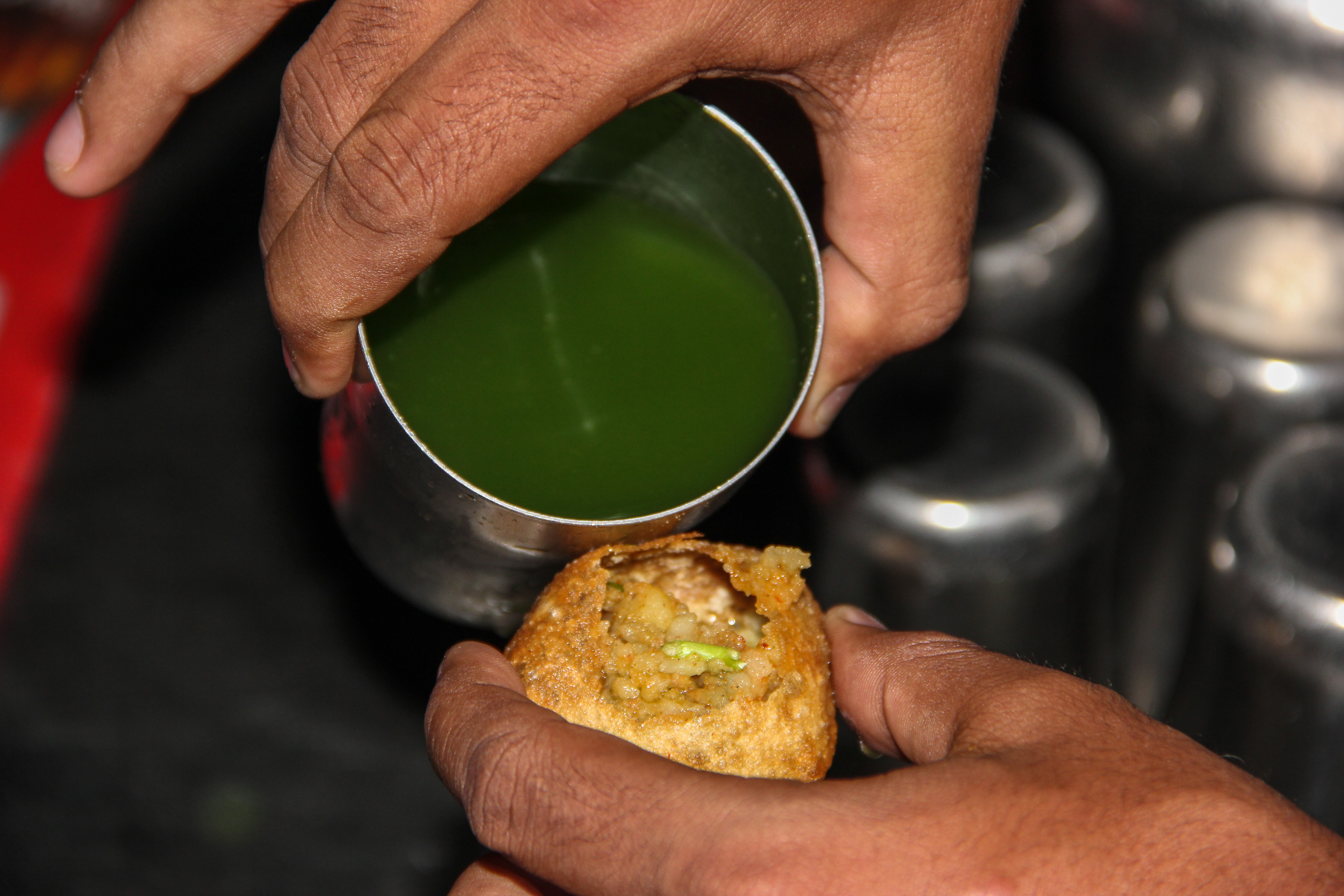
The term “snackification” might sound like marketing jargon, but in India, it reflects a genuine cultural shift. India remained at the forefront of the snackification revolution, with 18% of adults replacing meals with snacks in 2024, according to Euromonitor. Although this marked a slight decline from 21% in 2023, the country continued to lead the world in this trend.
The Indian snack market is projected to grow from $5.34bn in 2024 to $10.92bn by 2033, with a robust CAGR of 8.26%, according to Research and Markets. This growth is driven by shifting lifestyles, increasing disposable incomes, and urbanisation. India is expected to grow at a strong 9.74% CAGR, driven by rapid urbanization and a growing middle class that increasingly favors packaged foods. Between 2015 and 2025, urbanization in India is projected to rise by 67%.
North America’s Steady Expansion
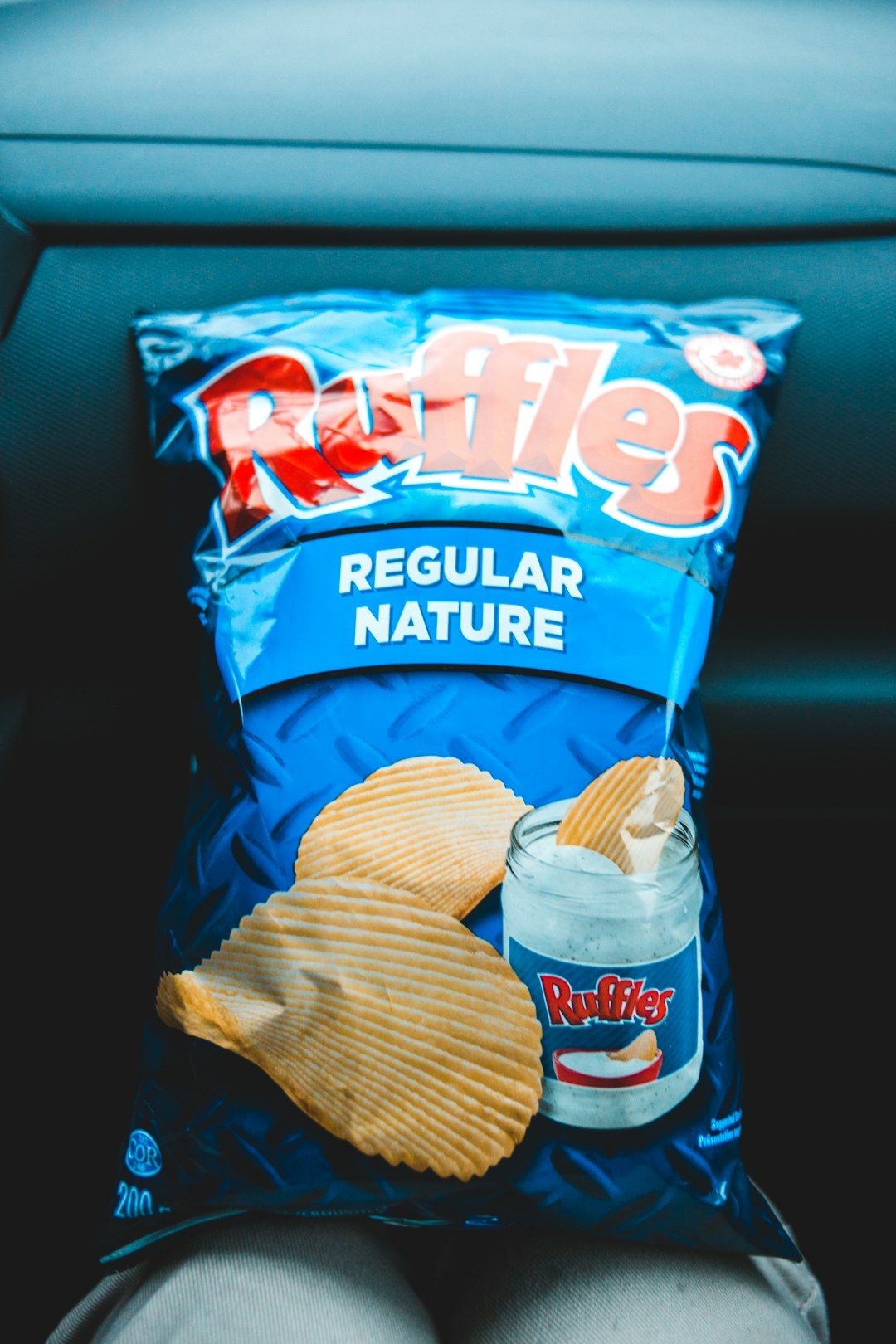
North America leads the pack, contributing 25.1% of global snack sales in 2023. This dominance is fuelled by high demand for innovative, convenient options that cater to on-the-go lifestyles. The United States specifically shows interesting consumption patterns that mirror broader lifestyle changes.
In the United States, the percentage of adults replacing meals with snacks rose from 14% in 2023 to 17% in 2024, according to Euromonitor. This 3% year-on-year increase illustrates a clear shift in American eating habits, driven by busy schedules and a desire for convenient, flexible food options. Statista forecasts the US snack market to grow by a 4.11% CAGR between 2024 and 2029.
The Frozen and Refrigerated Snacks Phenomenon

While most people think of chips and crackers when they hear “snacks,” one of the most surprising growth stories is happening in the frozen aisle. The frozen & refrigerated snacks segment is expected to grow at a CAGR of 5.5% from 2024 to 2030. The frozen and refrigerated snacks segment is projected to grow at a CAGR of 7.2% from 2025 to 2033.
There is a growing demand for convenient food options that require minimal preparation time as consumer lifestyles are becoming busier and more fast-paced. Furthermore, frozen and refrigerated snack manufacturers are constantly innovating to meet consumer demands for new flavors, ingredients, and formats. Think beyond frozen pizza rolls; we’re seeing everything from frozen fruit treats to sophisticated protein-packed options.
Meat Snacks Lead Premium Growth
The protein trend isn’t slowing down, and meat snacks are capitalizing on this momentum like never before. By product type, savory snacks led with 32.87% market share in 2024, whereas meat snacks are poised to post a 6.26% CAGR through 2030. This growth reflects more than just a fitness trend; it’s about consumers seeking functional nutrition in convenient formats.
In response to clean-label demands, brands are rolling out product extensions featuring grass-fed beef, turkey, and bison, emphasizing both taste and ethical sourcing. Such innovations resonate especially with premium snack buyers who value flavor and ingredient transparency. The segment is riding the wave of broader protein wellness trends and a pivot away from high-carb snacks. With its dynamic growth, diverse protein offerings, and alignment with modern lifestyles and clean eating, the meat snacks category is steadily increasing its footprint.
Clean Label and Organic Movement Gains Momentum
Consumer consciousness around ingredients has reached a tipping point, driving substantial changes in product formulations. By ingredient type, conventional recipes held 63.54% share in 2024, while organic / clean-label lines are projected to record a 5.35% CAGR over 2025–2030. This shift represents more than just marketing; it’s a fundamental change in how products are developed and positioned.
According to the International Food Information Council’s 2023 Food & Health Survey, 74% of Americans believe that the foods and beverages they consume have a significant or moderate impact on their mental and emotional well-being. This reflects a growing trend towards mindful eating and the selection of snacks that offer functional health benefits. Additionally, the same survey highlighted that “high-protein” was the top eating pattern in 2023, with 18% of respondents adhering to it.
Online Channels Reshape Distribution
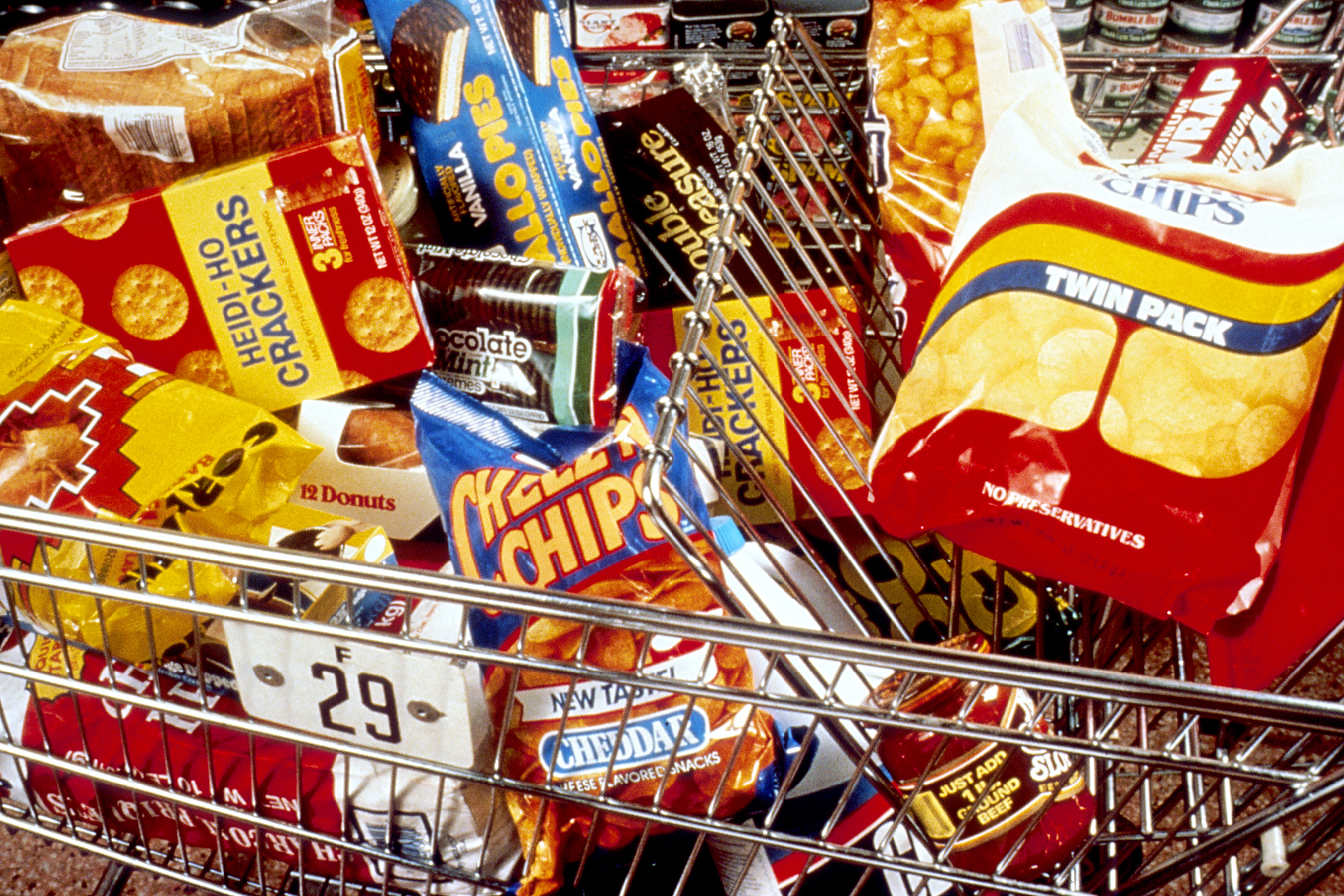
The way people buy snacks has transformed dramatically, with digital channels leading unprecedented growth. The online distribution channel is projected to grow at a CAGR of 11.8%, driven by digital transformation and changing shopping habits. The online channel, representing 21% of the market share, has seen notable growth. Driven by the increasing trend of e-commerce and the convenience it offers in snack purchases.
This shift goes beyond simple convenience. Further, online segment expects a significant growth in the market during the forecast period. The growth is attributed to the factors like easy convenience and accessibility of snacks without visiting the stores. Traditional brick-and-mortar stores are adapting too, with supermarkets & hypermarkets hold the largest market share, commanding a substantial 43% of the distribution channel.
Singapore Leads Asia-Pacific Spending
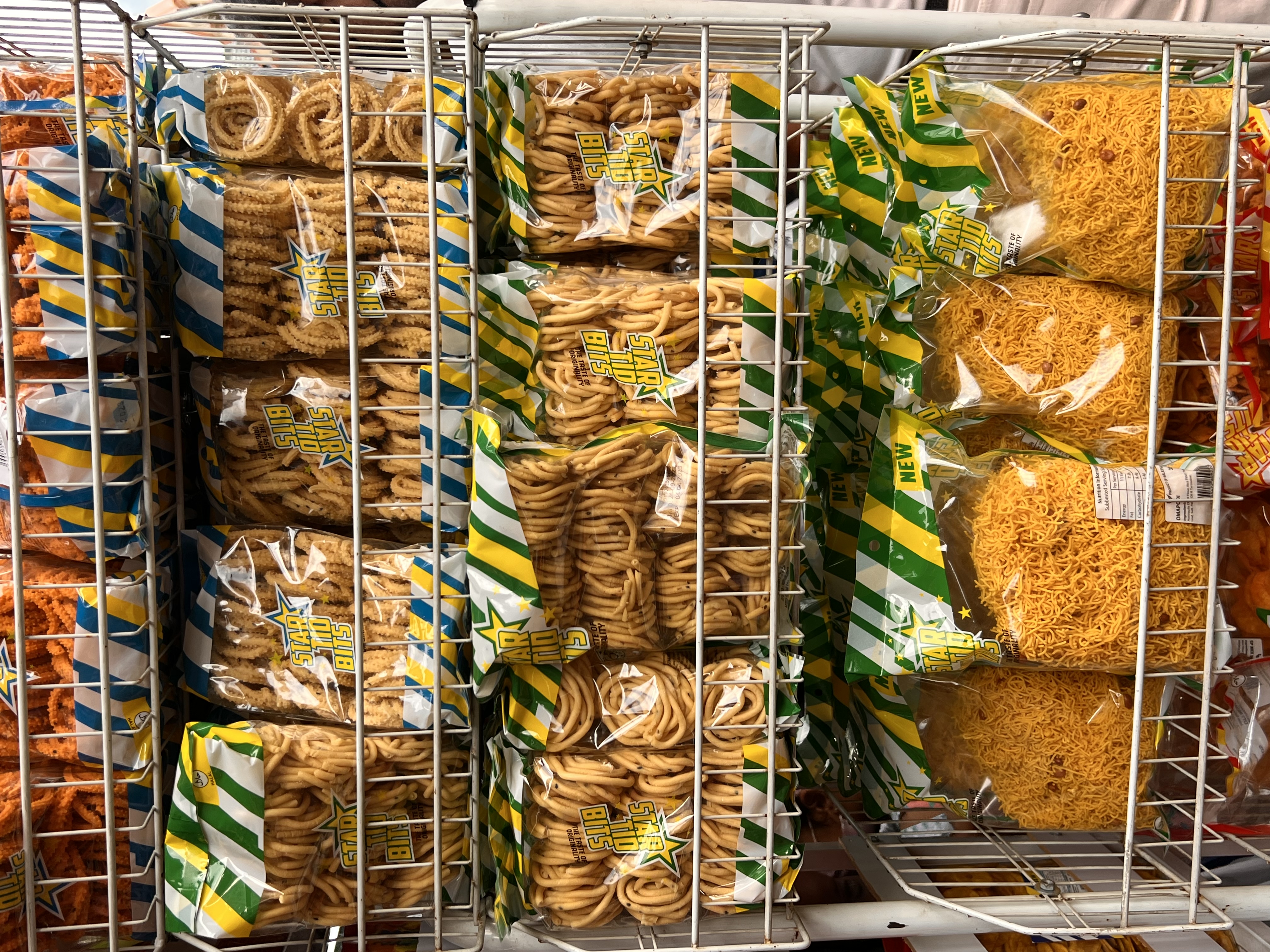
Singapore leads Asia in snacking and confectionery trends, with consumers spending an average of US$121.30 per buyer in 2024. This growth is fuelled by strong performance in key categories, including gum and candy (+18%), other snacks (+15%) and chocolates (+7%) in the same time period.
What sets Singapore apart isn’t just the spending amount, but the sophistication of consumer preferences. Beyond health, variety is key, with 62% of APAC consumers placing a high value on unique snack options. In Singapore, Original, Cheese and Spicy flavours were reported as top choices for snacks, while BBQ, Spicy and Cheese flavours dominated Southeast Asia. This market serves as a testing ground for premium and innovative products before they expand across the region.
The UK’s Resilient Snack Economy
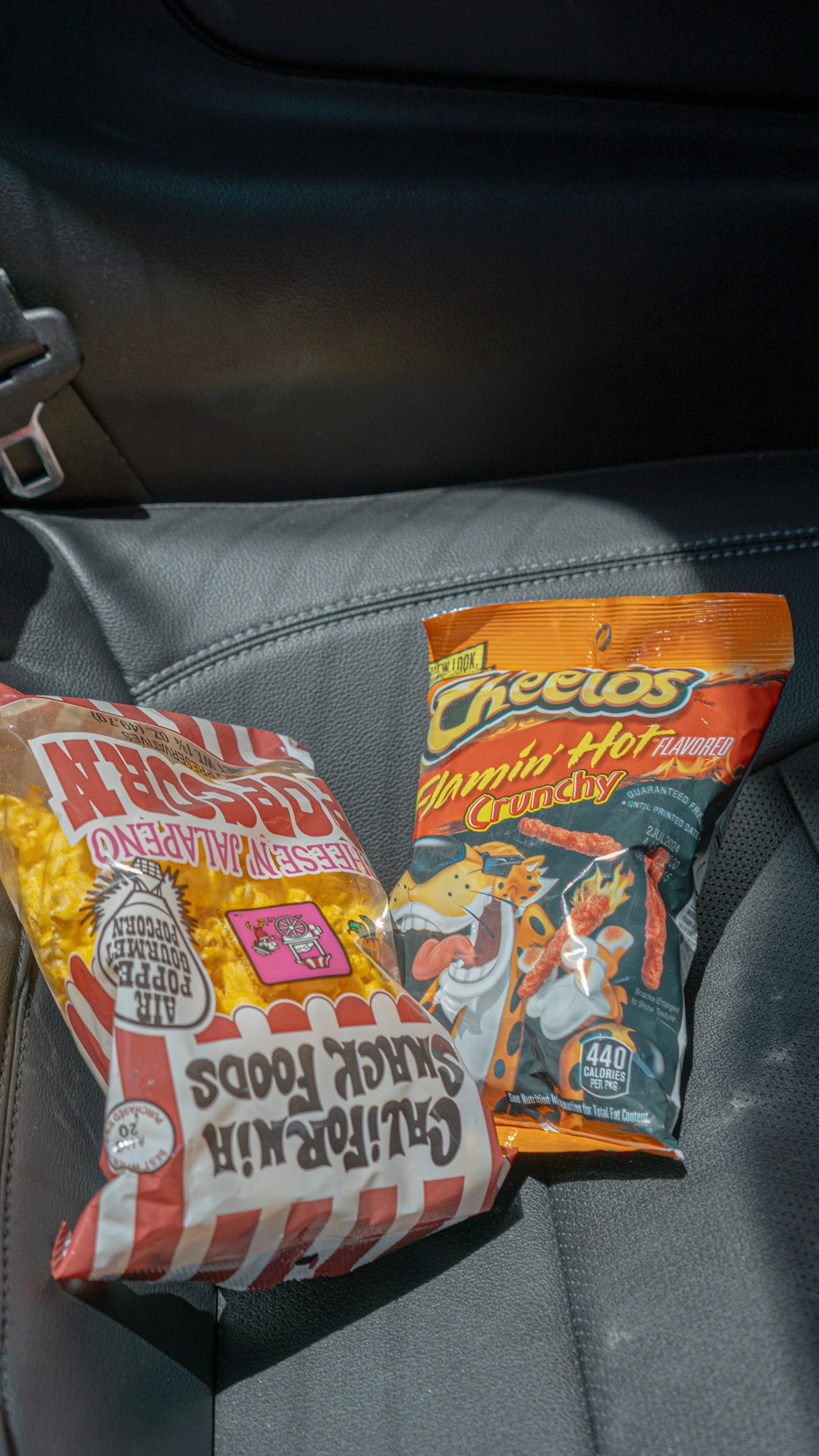
Despite economic uncertainties and Brexit-related challenges, the United Kingdom has shown remarkable resilience in snack consumption patterns. The UK has also seen a rise in snackification, with Euromonitor reporting that 13% of adults replacing meals with snacks in 2024, up from 10% the previous year. Statista valued the nation’s snack market at over £3bn in 2023, projected to grow by 3.74% annually from 2025 to 2029.
While traditional favourites like crisps and biscuits dominate – approximately six billion packets of crisps and £5.6bn worth of biscuits sold every year, making it one of the most robust in Europe – healthier snack options are gaining traction. The UK snack industry is also a significant exporter, with £709m worth of chocolate and confectionery shipped to the EU in 2023. Despite some setbacks from Brexit, the market remains resilient.
Sustainability Transforms Packaging Innovation
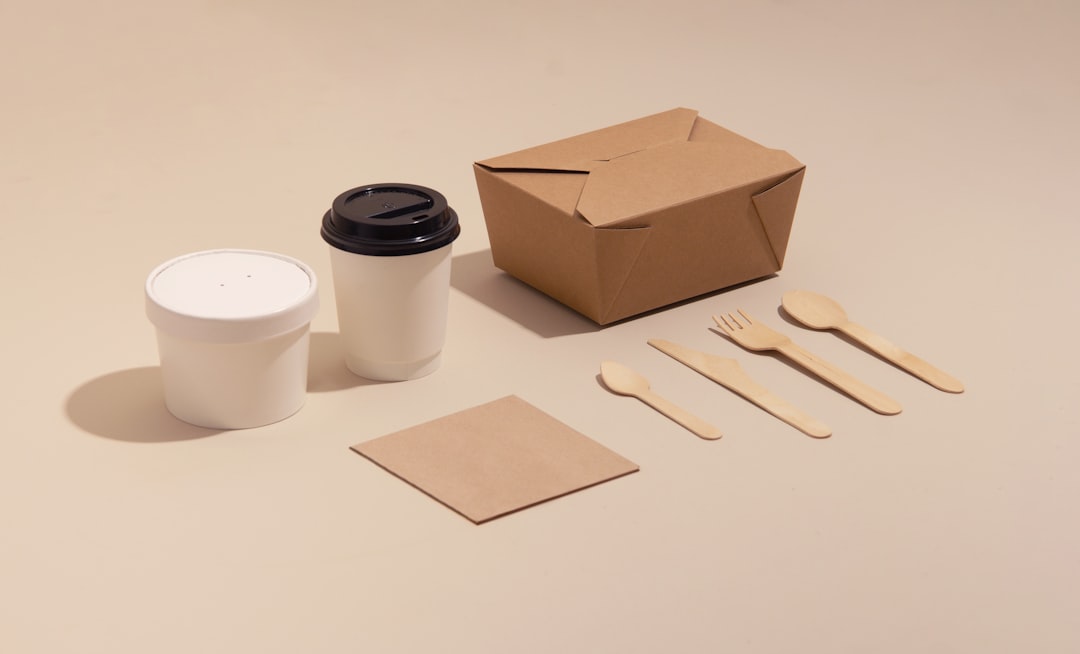
Environmental concerns are driving radical changes in how snacks are packaged and presented to consumers. With increasing awareness about environmental issues, including plastic pollution and waste management, there is a growing demand for sustainable packaging solutions. Brands are transitioning toward eco-friendly materials for snack packaging, such as recyclable plastics, compostable films, or biodegradable pouches. Consumers are more likely to choose snacks that come in environmentally friendly packaging options.
Industry leaders are making concrete commitments to sustainability. In April 2024, PepsiCo introduced new paper outer bags for all Snack A Jacks multipacks. These eco-friendly bags are widely recyclable in home recycling bins and can be collected at kerbside. The implementation of paper packaging is projected to reduce the greenhouse gas (GHG) emissions of each pack by approximately 52%.
The snack industry’s transformation reflects broader changes in how people live, work, and think about food. From India’s meal replacement trend to Singapore’s premium spending habits, these markets demonstrate that snacking isn’t just about satisfying hunger anymore. It’s about convenience, health consciousness, sustainability, and cultural expression all rolled into bite-sized packages. What started as simple between-meal treats has evolved into a sophisticated industry worth nearly three-quarters of a trillion dollars globally and showing no signs of slowing down.