5 Nations That Consume the Most Sugar – and 4 with the Least, Data Shows
The world’s relationship with sugar has reached unprecedented levels, with latest data revealing striking disparities between nations. While some countries consume more than five times the recommended daily amount, others maintain remarkably restrained sugar intake patterns.
Global sugar consumption hit 176 million metric tons in 2022/23, creating a complex map of dietary habits that reflects cultural preferences, economic factors, and health policies. The findings expose a troubling reality where processed foods and sugary beverages dominate many national diets.
Let’s examine these extreme differences in sugar consumption patterns across nations.
United States: Leading the Global Sweet Addiction

America is among the world’s highest consumers of sugar with per capita consumption estimated at over 90 grams daily. This staggering amount translates to more than ten times the lowest recommended intake of 11 grams per day.
The American sugar crisis stems largely from processed food dependency. Around 60% of the US diet consists of processed foods on average, which typically contain hidden sugars. Snacks make up about a fourth of daily calorie intake and a third of added sugar intake, significantly fueling the nation’s excessive consumption patterns.
Despite federal recommendations to limit added sugars to only ten percent of total intake, the effect of this recommendation has remained insignificant up to date. The consequences extend far beyond individual health, creating a public health emergency that continues to escalate.
Germany: Europe’s Sugar Capital

Germany ranks among the world’s highest sugar consumers with an average German citizen consuming over 90 grams of sugar daily. The country’s sugar culture runs deep, with nearly half of Germans regularly snacking on desserts and 60% typically ordering desserts when eating out in restaurants.
German sugar sources reveal concerning patterns. 36% of added sugar intake comes from confectionary goods, followed by juices and nectars at 26%, and soft drinks at 12%. Industrial food production plays a significant role, as about three-quarters of the sugar in the country is utilized in production firms, especially those dealing with sweets and beverages.
Recognizing the severity of the situation, the government has introduced initiatives to curb the high consumption, though changing deeply ingrained cultural habits proves challenging.
Netherlands: Hidden Sugar Epidemic

The Netherlands ranks among the world’s highest consumers with per capita sugar consumption exceeding 90 grams per day, doubling the WHO’s recommended amount of 50 grams. What makes the Dutch situation particularly alarming is the unconscious nature of much consumption.
A significant portion of intake comes from processed foods, including sauces, soups, and herb mix packets, with about 75% of Dutch cooks regularly using these flavor enhancers, yet most rarely check nutrition labels. This blind consumption pattern has serious consequences.
The health impact is already visible. The Dutch consume nearly twice the amount of sugar they believe they do, and around 1.1 million currently suffer from type 2 diabetes. The gap between perceived and actual consumption highlights how deeply hidden sugars have infiltrated everyday food choices.
Mexico: The Per Capita Champion

Recent data indicates Mexico has extremely high individual sugar consumption, ranking among the world’s highest consumers with per capita intake that rivals or potentially exceeds other high-consuming nations.
Traditional Mexican cuisine contributes significantly to these numbers, as traditional Mexican cuisine often includes sweet dishes and beverages. The combination of cultural dietary practices with modern processed food availability has created a perfect storm for excessive sugar consumption.
This consumption pattern has made Mexico a focal point for international health studies examining the relationship between sugar intake and rising diabetes rates in developing nations.
Ireland: The Celtic Sweet Tooth
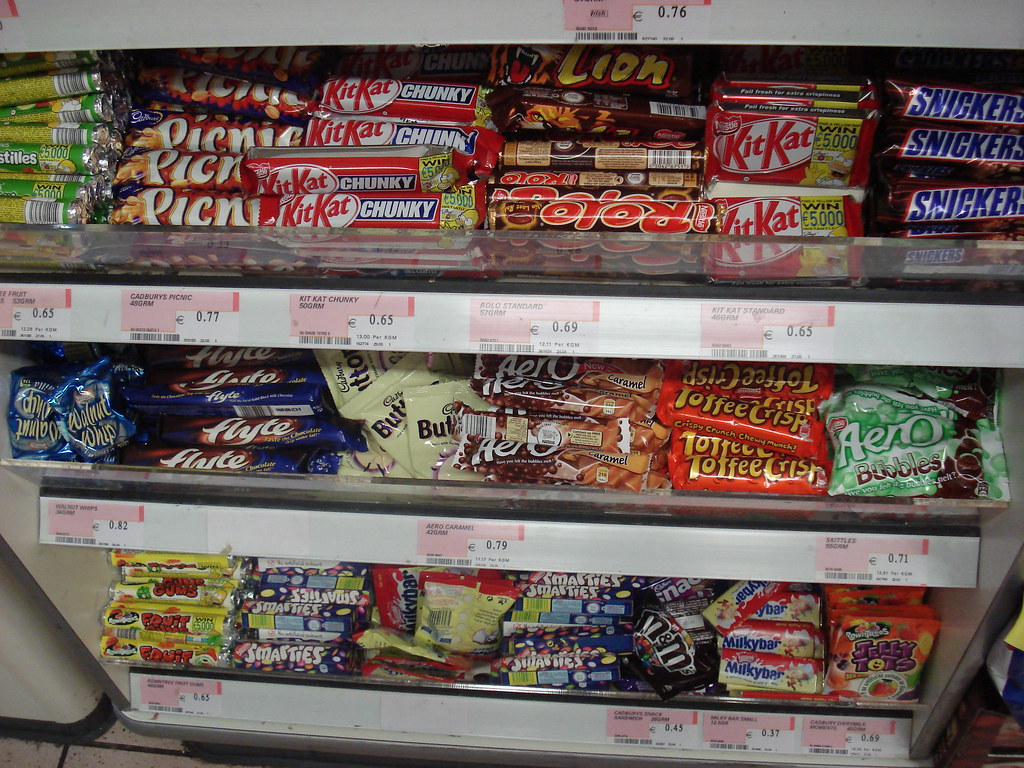
Ireland ranks among the world’s highest sugar consumers, with a per capita consumption rate exceeding 90 grams per day. The Irish have developed what researchers describe as an “uncontrolled craving for sweet things,” creating a distinct sugar culture.
Irish consumption patterns mirror other high-consumption nations. A vast percentage of this sugar is contained in processed foods like juices, sugary sports drinks, cookies, sweets, cakes, doughnuts, jellies, chocolates, ice creams. However, some consume added sugar in seemingly healthy food out of ignorance.
Food industry transparency remains a challenge, with critics pointing to inadequate labeling that prevents consumers from making informed choices about their sugar intake.
Japan: The Model of Restraint
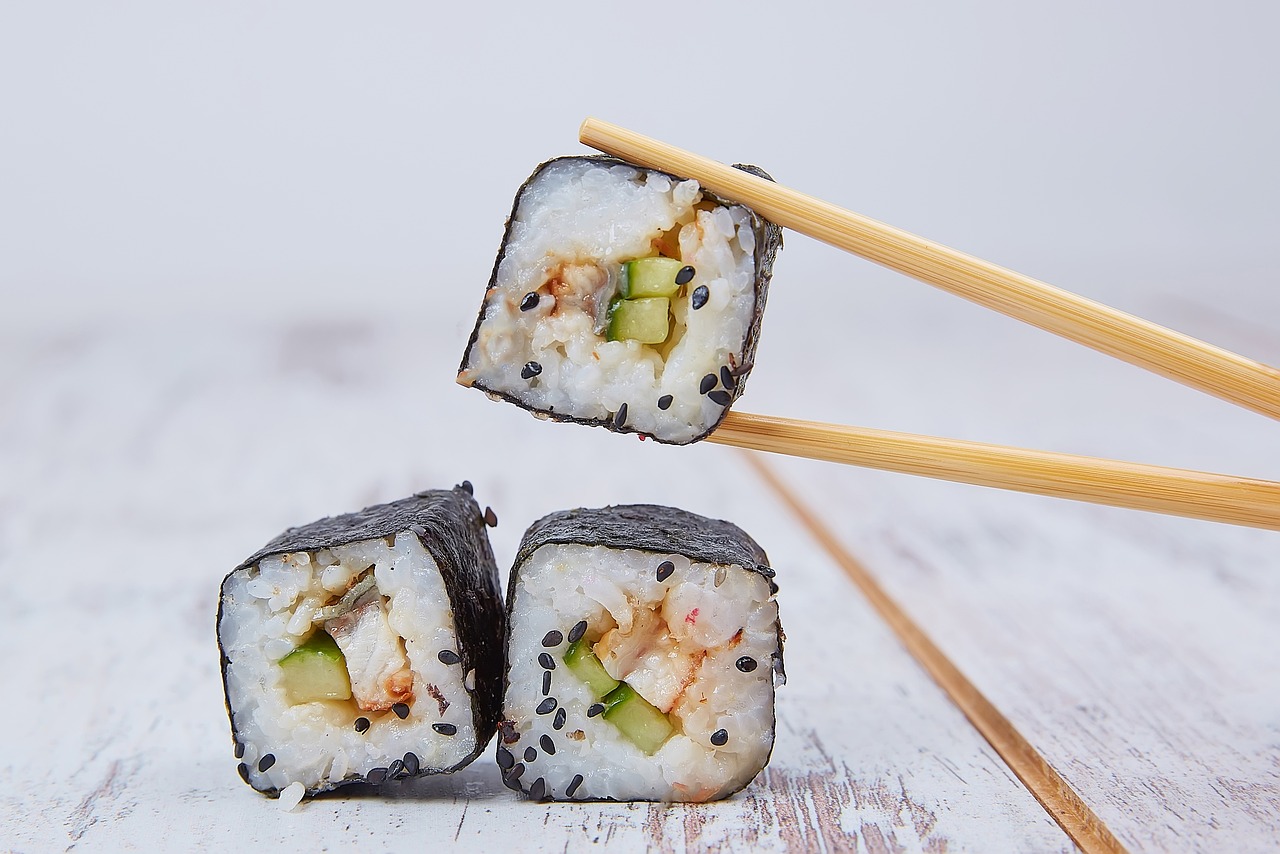
Japan demonstrates that modern developed nations can maintain low sugar consumption. Despite being known for its love of sweets like Wagashi (traditional Japanese confectionery), the overall sugar consumption in Japan is relatively low. Japan has a relatively low sugar consumption compared to some other countries with per capita consumption estimated at around 15 pounds (or 6.8 kilograms) per year.
The Japanese success stems from traditional dietary foundations. The traditional Japanese diet is based on fish, rice, and vegetables, which are generally low in added sugars. Additionally, the cultural practice of eating in moderation plays a significant role in limiting sugar intake.
Japan’s approach offers valuable lessons for other nations struggling with sugar overconsumption, proving that economic development doesn’t require sacrificing dietary restraint.
South Korea: Asian Dietary Discipline

South Korea is another country with a low sugar consumption rate. Despite rapid economic development and Western influence, South Korea has maintained relatively modest sugar consumption patterns compared to Western nations.
Recent data shows interesting trends in South Korean consumption. South Korea recorded average annual rates of per capita consumption growth of +3.3% per year, suggesting gradual increases but from a historically low baseline. In 2024, South Korea had sugar per capita consumption of 43 kg per person.
The Korean case illustrates how traditional food cultures can provide some protection against excessive sugar consumption, even as societies modernize and adopt more processed food options.
Democratic Republic of Congo: Extreme Scarcity

At the opposite end of the global spectrum, Congo (DRC) ranked lowest in sugar consumption per capita with 2.23 kg per person, followed by Guinea Bissau with 2.29 kg and Myanmar with 2.91 kg. These figures reflect not dietary choice but economic reality.
The extremely low consumption in countries like Congo highlights how sugar availability correlates strongly with economic development. While developed nations struggle with overconsumption, many developing countries face the opposite challenge of inadequate caloric intake overall.
This stark contrast reveals the complex global inequalities in food access and the luxury that sugar overconsumption represents for much of the world’s population.
Guinea-Bissau: Resource-Constrained Consumption
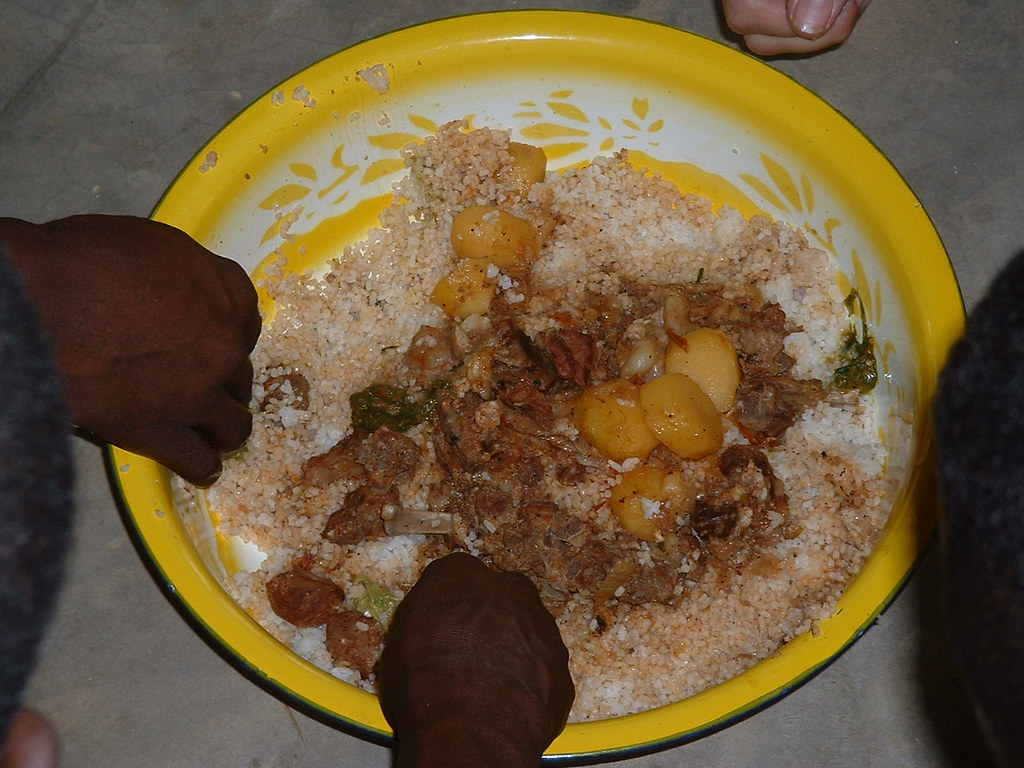
Guinea-Bissau represents another example of minimal sugar consumption driven by economic constraints rather than health-conscious choices. Guinea-Bissau recorded 2.29 kg per capita consumption, placing it among the world’s lowest sugar-consuming nations.
Such minimal consumption levels in West African nations reflect broader patterns of limited processed food availability and reliance on traditional diets with minimal added sugars. These consumption patterns, while low, often occur within contexts of overall nutritional challenges.
The situation in countries like Guinea-Bissau demonstrates how global sugar consumption patterns reflect deeper economic and developmental inequalities rather than purely dietary preferences.
The global sugar consumption divide reveals more than dietary preferences – it exposes fundamental inequalities in food systems and health outcomes. While some nations battle epidemics of overconsumption linked to processed foods and marketing, others struggle with basic food security. Understanding these patterns helps illuminate the complex relationship between economic development, cultural practices, and public health outcomes in our interconnected world.