10 Foods People Avoid Out of Irrational Fear, Nutritionists Reveal
We live in an era of extreme food fear. Scroll through social media for five minutes and you’ll see someone swearing off an entire food group. Maybe it’s carbs, gluten, MSG, or eggs that week. The nutrition landscape has become a minefield of anxiety, where perfectly healthy foods are demonized based on outdated science or internet myths. Let’s be honest, the diet industry thrives on keeping us confused and scared of what’s on our plates.
Here’s the thing: nutritionists are increasingly frustrated by the disconnect between actual science and public perception. Many foods that get a bad reputation are not only safe but can be downright beneficial when consumed as part of a balanced diet. What follows is a look at ten common foods that people unnecessarily avoid, based on the latest research and expert insights.
Monosodium Glutamate: The Misunderstood Flavor Enhancer

Human studies failed to confirm an involvement of MSG in “Chinese Restaurant Syndrome”, yet the fear persists decades later. The FDA considers MSG safe to eat, with multiple regulatory agencies worldwide reaching the same conclusion. Despite this scientific consensus, many people still avoid it religiously.
The irony? There’s no chemical difference between the glutamic acid found naturally in some foods and that found in MSG. Your body processes both identically. Research from 2024 showed no clear evidence linking MSG consumption to any serious adverse reactions, and MSG appeared to be a safer alternative to salt given the chronic health risks associated with excessive sodium. Still, decades of fear mongering have left MSG with a reputation it doesn’t scientifically deserve.
While a 2024 review noted that high doses and repeated exposure to MSG are associated with various toxicities, this applies to extreme consumption levels far beyond typical dietary use. Most people consume MSG in moderate amounts through processed foods or restaurant meals without any adverse effects. The compound occurs naturally in foods like tomatoes and cheese, yet nobody panics about those.
Carbohydrates: The Villainized Macronutrient

Carbs have replaced fat as the most feared macronutrient, thanks largely to diet trends like Atkins, Keto, and Paleo. The diet industry has demonized carbs and instilled an intense phobia around carbohydrates, comparable to the 1990’s when the world feared eating fat. The problem? Our bodies actually need carbohydrates to function properly.
Carbohydrates come from plants rich in vitamins, minerals, phytochemicals, antioxidants, and fiber, and many studies suggest whole grains and other healthful carb sources are protective against Type II Diabetes. The brain and red blood cells can only use glucose as fuel. Without sufficient carbohydrate intake, the body must convert fat or protein into glucose through inefficient pathways.
Without enough carbs in your diet, you could experience low energy, weakness, fatigue, nausea, dizziness, and even depression. Yet people continue restricting carbs in pursuit of health, often creating more problems than they solve. The real issue isn’t carbs themselves but the type and quality you choose. Whole grains, fruits, vegetables, and legumes provide essential nutrients and fiber that support overall health.
Gluten: The Unnecessary Restriction for Most People

Walk into any grocery store and you’ll see entire aisles dedicated to gluten-free products. In the US, an estimated 83 percent of people who suffer from celiac disease are undiagnosed or misdiagnosed, yet roughly one-third of Americans try to avoid gluten. The math doesn’t add up.
An estimated 1 in 133 Americans, or about 1% of the population, has celiac disease, while up to 6% of Americans may have non-celiac gluten sensitivity. That leaves the vast majority of people with absolutely no medical reason to avoid gluten. There is no need to limit gluten itself unless you have a sensitivity, intolerance or true allergy to wheat or gluten.
For those without celiac disease or genuine sensitivity, avoiding gluten means missing out on whole grains that provide fiber, B vitamins, and other important nutrients. The gluten-free trend has created a multi-billion dollar industry built largely on unnecessary fear. Gluten-free substitutes contain more fat and sugar, and fewer nutrients, making them potentially less healthy than their gluten-containing counterparts.
Eggs: The Cholesterol Myth That Won’t Die
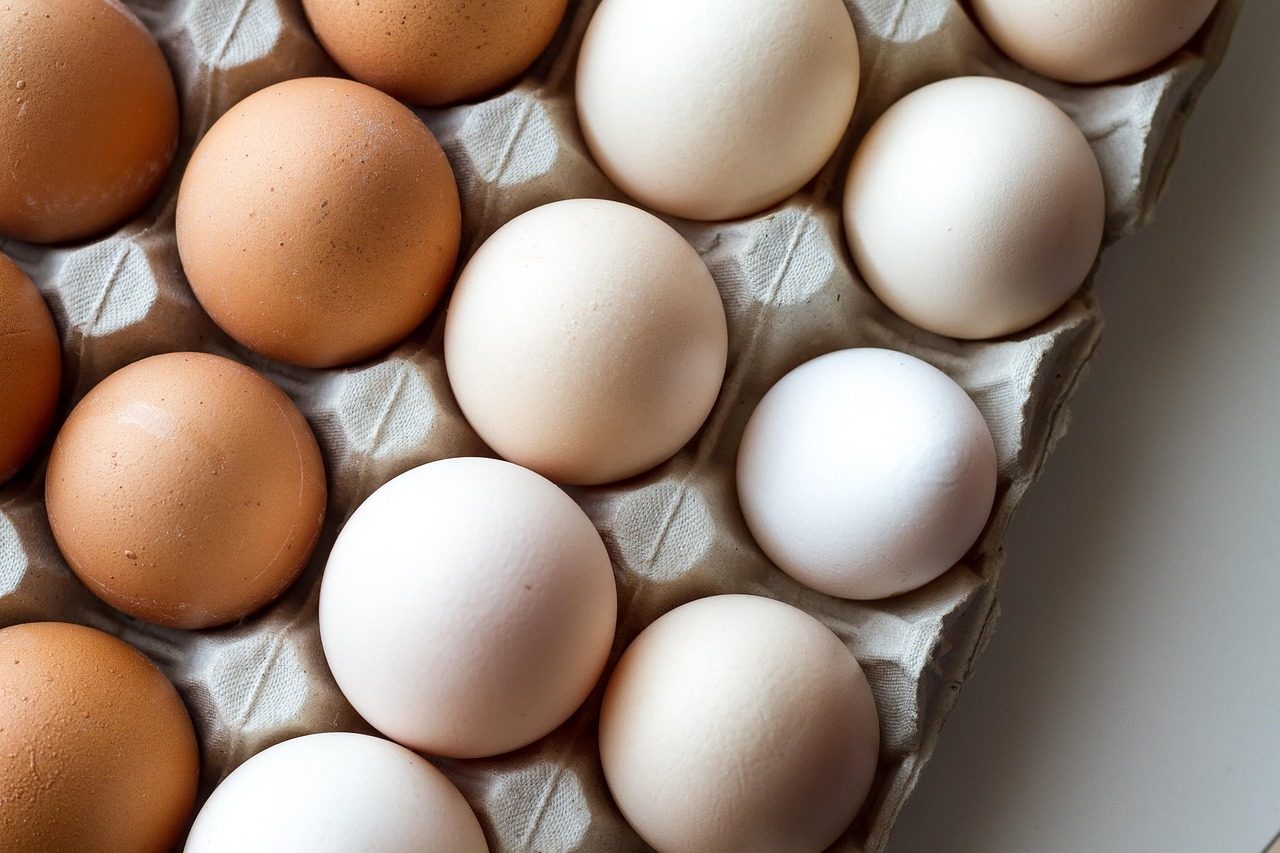
For decades, eggs were blamed for raising cholesterol and increasing heart disease risk. Recent research tells a completely different story. Eating two eggs a day, as part of a low saturated fat diet, can even help reduce LDL cholesterol, according to a 2025 study that challenges outdated guidelines.
Most of the cholesterol in our body is made by our liver – it doesn’t come from cholesterol we eat, and the liver is stimulated to make cholesterol primarily by saturated fat and trans fat. A large egg contains only about 1.5 grams of saturated fat. Studies conducted at Harvard Medical School that have followed hundreds of thousands of people over decades do not find higher rates of heart attacks or strokes in people who eat up to one egg per day.
The 2015-2020 Dietary Guidelines for Americans removed the limit on dietary cholesterol entirely, yet many people still fear eggs. Approximately 75% of the population exhibit minimal changes in their plasma cholesterol levels when consuming dietary cholesterol, and the ratios of LDL and HDL remain balanced. Eggs provide high-quality protein, vitamins, and nutrients like lutein and choline that support eye and brain health.
White Potatoes: The Carb That Gets Unfairly Blamed
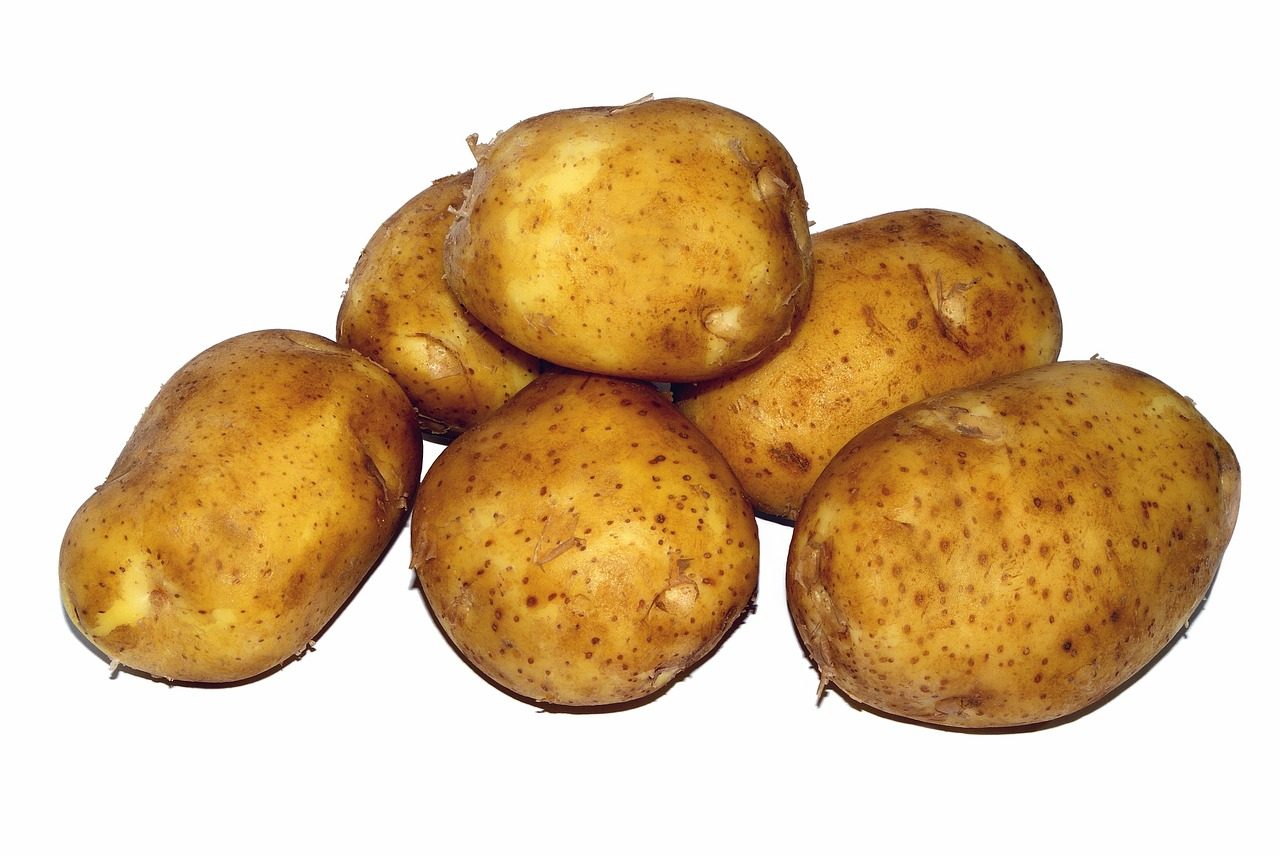
White potatoes have been cast as nutritional villains, lumped together with white bread and white rice in the “avoid white foods” rule. This simplistic guideline ignores the fact that many white foods are incredibly nutritious. Think cauliflower, mushrooms, onions, and garlic.
Many white foods such as white rice and white flour are missing healthful nutrients, but potatoes contain potassium which is vital for maintaining a healthy heart and blood pressure, and provide other beneficial vitamins, minerals, and fiber. They’re actually packed with nutrients when prepared without excessive butter, sour cream, or deep frying.
The fear of potatoes stems from their high carbohydrate content and glycemic index. Yet context matters enormously. While these foods will raise blood sugars at a quicker rate due to their high carbohydrate content, you can enjoy them by monitoring portion sizes and eating them with healthy proteins and fats. A baked potato with vegetables and lean protein can be part of a perfectly healthy meal.
Fruit: The Natural Sugar Panic
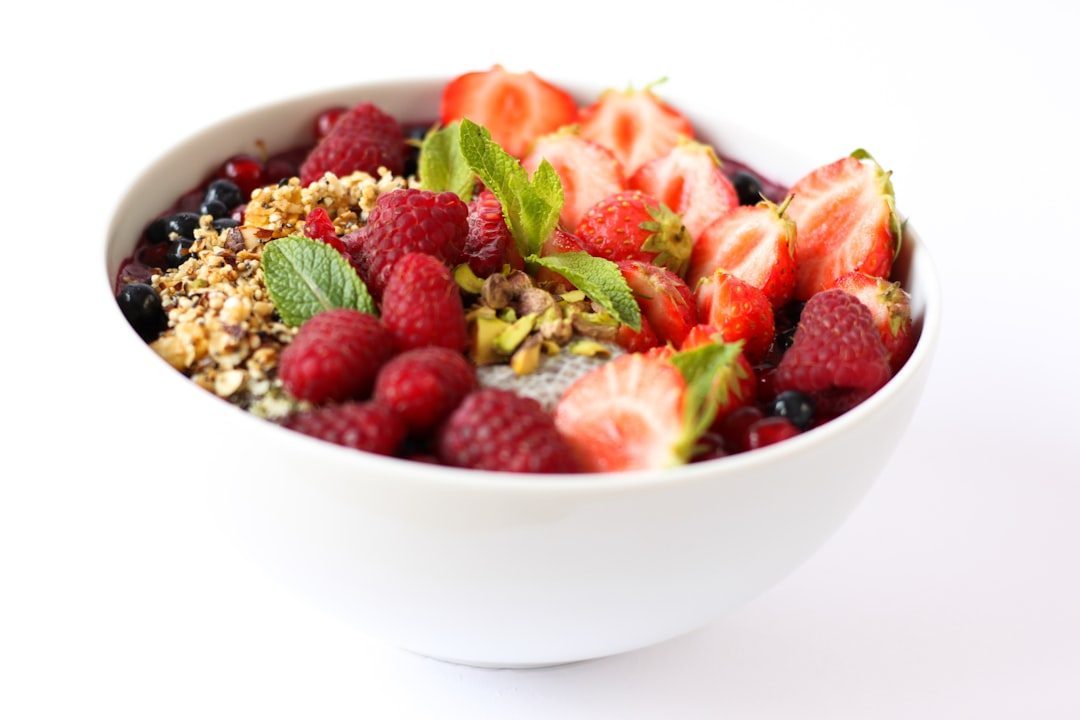
Some low-carb and keto dieters avoid fruit because it contains sugar. This represents a fundamental misunderstanding of nutrition. The sugar in fruit comes packaged with fiber, vitamins, minerals, and phytochemicals that provide numerous health benefits. It’s not remotely comparable to the refined sugar in candy or soda.
While a piece of fruit and a handful of M&Ms both raise blood sugar, a piece of fruit is going to provide more stable energy from the plant fibers. The fiber in fruit slows sugar absorption, preventing the blood sugar spikes that processed sweets cause. Fruit consumption is consistently associated with reduced risk of chronic diseases in epidemiological studies.
Mediterranean diets, which include abundant fruit, are among the healthiest dietary patterns studied. The anti-inflammatory compounds and antioxidants in fruit support heart health, brain function, and immune system strength. Treating fruit like it’s dangerous because it contains natural sugars ignores mountains of evidence showing its protective effects. Unless you’re following a very specific medical diet, there’s no reason to fear fruit.
Dairy Products: The Inflammation Myth

The claim that dairy causes inflammation has spread like wildfire through wellness communities, leading many people to eliminate milk, yogurt, and cheese from their diets. For most people, this fear lacks scientific support. While some individuals are genuinely lactose intolerant or have dairy allergies, the majority can digest dairy without problems.
Dairy provides calcium, vitamin D, protein, and probiotics from fermented products like yogurt and kefir. These nutrients support bone health, gut microbiome diversity, and muscle maintenance. The supposed inflammation link has been largely debunked by research showing that dairy consumption doesn’t increase inflammatory markers in most people and may actually have anti-inflammatory effects.
Greek yogurt, in particular, has become a nutritional powerhouse in many healthy eating patterns. The protein content helps with satiety, the probiotics support digestive health, and the calcium strengthens bones. Eliminating dairy without medical necessity means losing these benefits and potentially creating nutritional gaps that require supplementation or careful dietary planning.
Seed Oils: The Latest Diet Culture Target

Seed oils emerged as one of the biggest dietary bad guys of 2024, but the fear-mongering about seed oils is ill-advised. Oils like canola, sunflower, and soybean have become villainized despite being used safely for decades and recommended by health organizations.
The argument against seed oils typically centers on their omega-6 fatty acid content and processing methods. However, moderate consumption of these oils as part of a balanced diet doesn’t pose the apocalyptic health risks claimed by social media influencers. They provide essential fatty acids and can be part of healthy cooking when not heated to extreme temperatures or oxidized.
The irony is that many people avoiding seed oils still consume ultra-processed foods containing them, or they replace these oils with excessive amounts of saturated fat from animal sources. Nutritionists emphasize that the overall dietary pattern matters far more than obsessing over specific oils. Extra virgin olive oil remains an excellent choice, but demonizing all seed oils oversimplifies complex nutritional science.
Frozen Vegetables: The Fresh-Only Fallacy

There’s a widespread belief that frozen vegetables are nutritionally inferior to fresh produce. This assumption doesn’t hold up under scrutiny. Frozen vegetables are typically harvested at peak ripeness and flash-frozen quickly, which preserves their nutrient content remarkably well.
In some cases, frozen vegetables actually contain more nutrients than fresh produce that’s been sitting in transport and on store shelves for days or weeks. The freezing process locks in vitamins and minerals that degrade over time in fresh produce. Studies have shown frozen broccoli, spinach, and berries can have equal or higher nutrient levels compared to their fresh counterparts.
The convenience factor makes frozen vegetables more likely to be eaten rather than spoiling in the refrigerator. They’re pre-washed, pre-cut, and ready to cook, removing barriers to vegetable consumption. For people on tight budgets or with limited access to farmers markets, frozen vegetables provide an affordable, nutritious option. The nutrition snobbery around frozen produce does more harm than good by creating unnecessary obstacles to healthy eating.
Bread and Pasta: The Refined Grain Reality Check

Bread and pasta have become shorthand for “bad carbs” in popular diet culture. Most pastas and breads do contain high amounts of carbohydrates, but there are multi-colored foods that are rich in carbs, like sweet potatoes, corn, and grains. Not all bread and pasta are created equal, and completely avoiding them means missing cultural foods and convenience.
High-fiber carbs like whole grains and high-protein carbs like legumes are generally more nutritious than refined grains, but that doesn’t mean you can never enjoy regular pasta or white bread. You can still enjoy these foods by keeping portions in check if you want to stick to weight-loss goals.
The Mediterranean diet, consistently ranked among the healthiest eating patterns, includes pasta regularly. The key is preparation and accompaniments. Whole grain versions provide more fiber and nutrients, but even refined pasta served with vegetables, lean protein, and healthy fats can fit into a balanced diet. Context and moderation matter far more than complete elimination based on carb phobia.
Food fears have become exhausting. The constant anxiety about what to eat and what to avoid has turned meals into stress-inducing events rather than nourishing, enjoyable experiences. Nutritionists emphasize that for most people, eating a varied diet with plenty of whole foods, adequate protein, healthy fats, and yes, carbohydrates, provides the foundation for good health. The irrational avoidance of perfectly safe, nutritious foods often does more harm than good, creating nutritional gaps and disordered relationships with eating. What’s your biggest food fear? Have you reconsidered any of these supposedly scary foods?