The Countries Spending the Most on Wheat Imports, Data Shows
Every day, billions of people rely on wheat for their basic nutrition, making it one of the world’s most crucial commodities. This demand has created a massive global market where some nations spend billions of dollars annually to secure their wheat supplies. The latest data reveals dramatic shifts in import patterns, with global wheat imports representing tens of billions in international transactions in 2023.
The wheat import landscape tells a fascinating story of food dependency, economic priorities, and global trade dynamics. While some countries export massive quantities of wheat, others rely entirely on foreign suppliers to feed their populations. The scale of these purchases might surprise you, especially when you see which nations top the spending charts.
Indonesia Leading the Pack with Record Breaking Imports
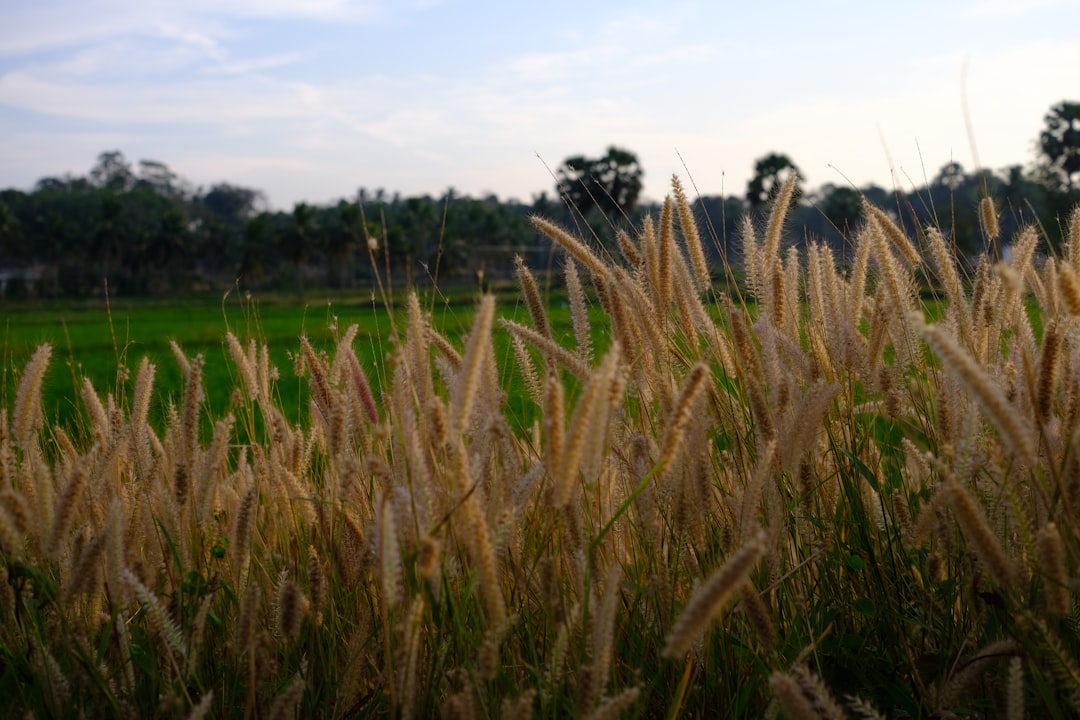
Indonesia emerged as one of the world’s largest wheat importers by value in recent years. This Southeast Asian nation with over 270 million people depends heavily on international wheat markets to meet its domestic flour needs. The country imports wheat primarily for its massive food processing industry, which produces everything from instant noodles to bread for both domestic consumption and export. Indonesia, the largest importer in the region at 11.5 mmts, will see a decrease of 500,000 tons year over year since record 2023/24 imports bolstered carry-in stocks.
China’s Strategic Wheat Import Operations

China holds a unique position in the wheat market, spending enormous amounts despite being one of the world’s largest wheat producers. Mainland China – $4.3 billion (6.7% of total wheat imports) in 2023, though this figure dropped in 2024. The country’s wheat imports serve multiple purposes beyond basic consumption. China as one of the leading importers with millions of metric tons annually. China uses imported wheat to supplement domestic production, maintain strategic reserves, and ensure food security for its massive population.
Turkey’s Massive Wheat Spending Despite Recent Declines
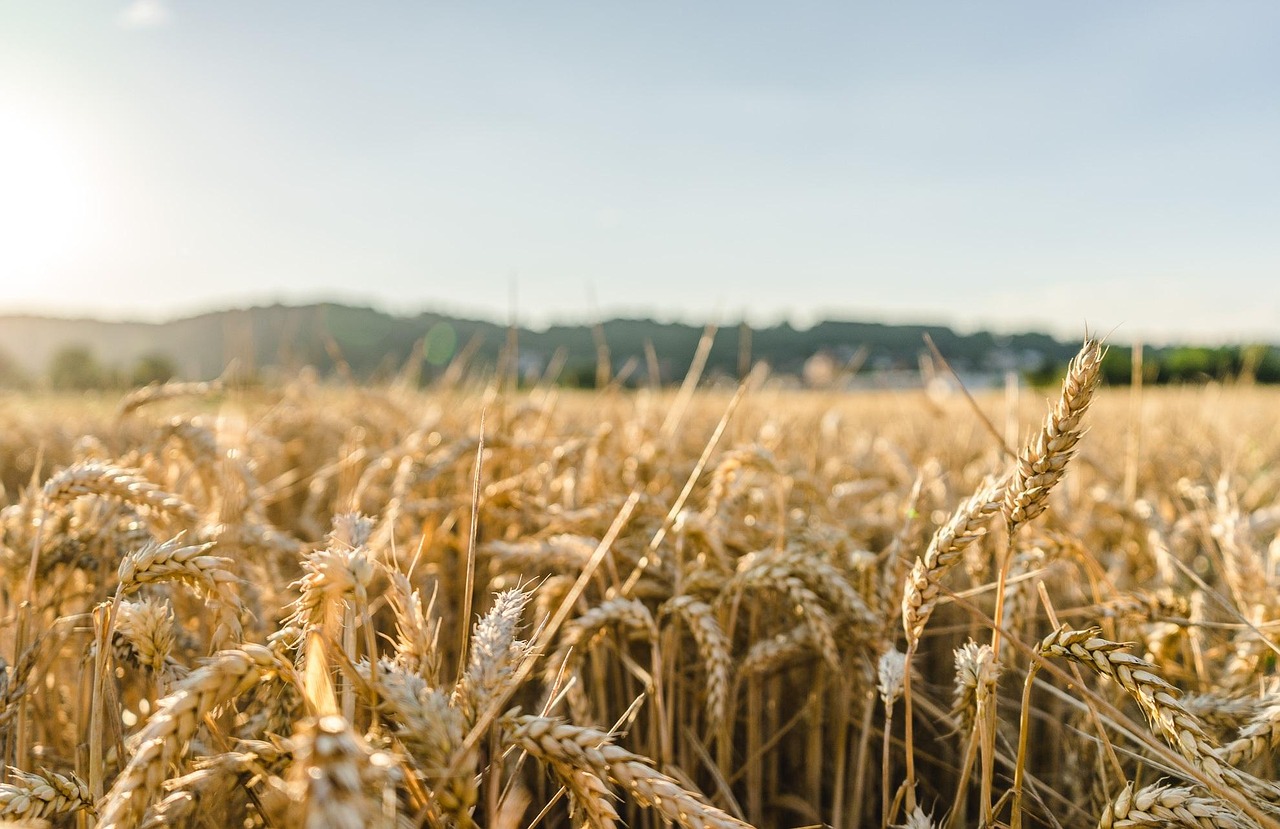
Turkey’s wheat import story demonstrates the volatility in global grain markets. Turkey spent billions of dollars on wheat imports in 2023. However, the country experienced dramatic changes in 2024, with Türkiye (down -61.6% from 2023) showing the steepest decline among major importers. This shift partly resulted from Turkey banning wheat imports for several months in 2024 as part of policy interventions aimed at stabilizing domestic markets.
Egypt’s Consistent Wheat Import Dependence
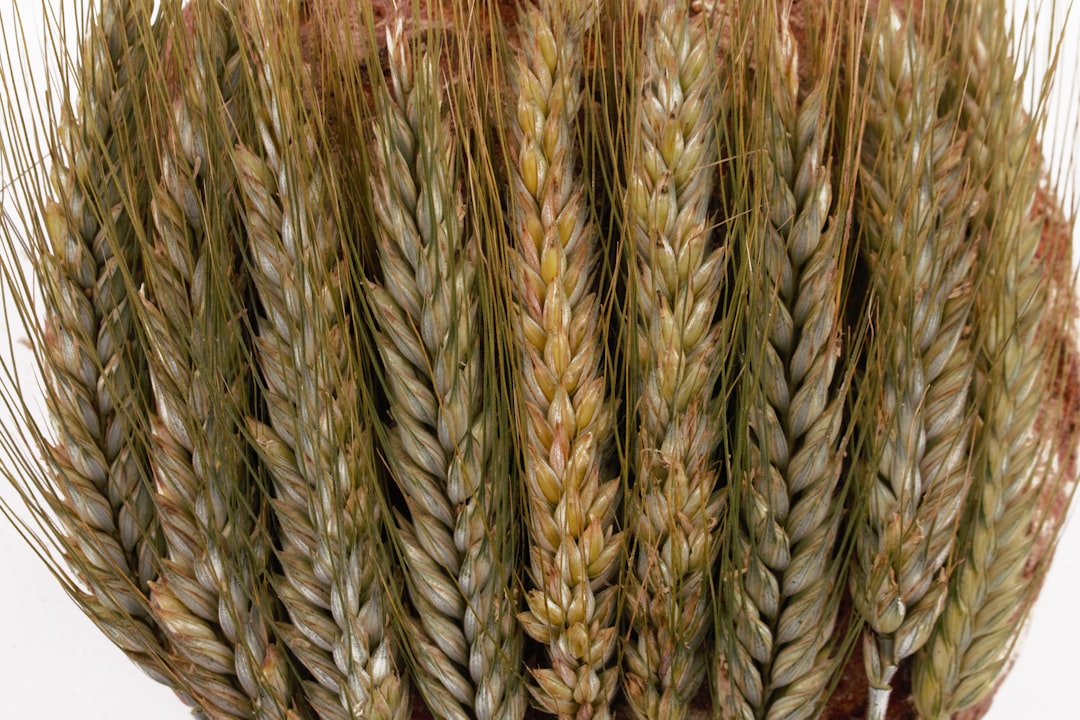
Egypt has long been recognized as one of the world’s most reliable wheat importers, driven by its large population and limited domestic production capacity. The country maintains substantial wheat purchases year after year, with Egypt was forecast to import approximately 11 million metric tons of wheat and wheat-derived products in 2023/24. Egypt’s wheat imports are crucial for its subsidized bread program, which feeds millions of citizens daily. The country’s strategic location makes it accessible to multiple wheat suppliers, from Black Sea exporters to North American producers.
Italy’s European Wheat Import Hub
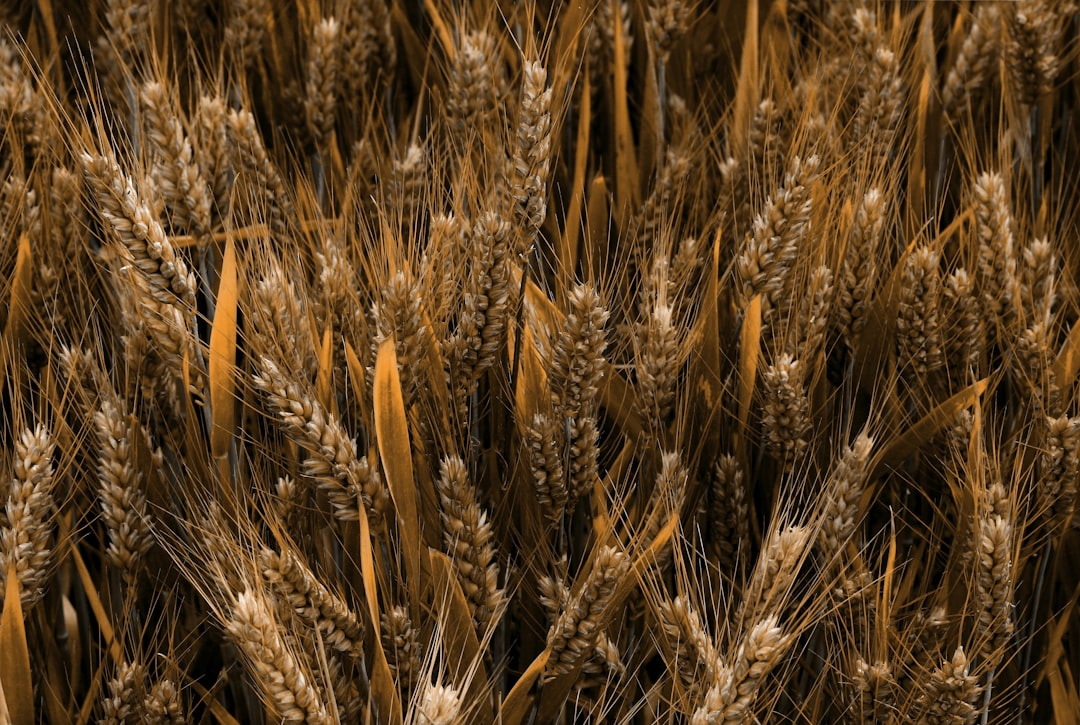
Italy represents one of Europe’s largest wheat importing nations, spending billions annually to supply its famous pasta and bread industries. By value, the 5 biggest buyers of wheat (Indonesia, mainland China, Italy, Philippines and Spain) purchased over one quarter (26.3%) of overall wheat imports bought in 2024. Italy’s wheat imports serve both domestic consumption and its significant food export industry. The country processes imported wheat into high-value products like pasta, which it then exports globally, creating a profitable value chain that justifies its massive wheat purchases.
Philippines Growing Wheat Market Presence
The Philippines has emerged as a significant player in wheat imports, driven by changing dietary preferences and population growth. Brazil (up 26.8%) and the Philippines (up 2%) were among the few countries that showed growth in wheat imports in 2024. Filipino consumers increasingly prefer wheat-based products like bread and noodles, moving away from traditional rice-heavy diets. United States: US$874.7 million (up 8.5% from 2023) … Among the above countries, the growth suppliers of wheat to Philippines since 2023 were: Brazil (up 1,321%), Ukraine (up 1,017%) and the United States of America (up 8.5%).
Spain’s Significant Wheat Import Investment
Spain rounds out the top wheat importing nations with substantial annual spending, though it experienced a notable decline in 2024. Spain ($2,567,589.90K ) spent approximately two and a half billion dollars on wheat imports in 2023. The country’s wheat imports support both domestic consumption and its food processing industry. Spain experienced a significant decrease in 2024 (down 34.3%) but remained a major buyer in global wheat markets, importing from both European Union partners and overseas suppliers.
Nigeria’s Strategic Wheat Purchasing
Nigeria represents Africa’s largest wheat import market, reflecting the continent’s growing dependence on imported grain. Flour Mills of Nigeria FZE – 3.2%, $695.32 million shows one major Nigerian company’s wheat import value alone. The country’s wheat imports have grown substantially due to urbanization and changing food preferences. However, Nigeria (down -37%) experienced a significant decrease in wheat imports in 2024, possibly due to economic challenges and currency fluctuations affecting purchasing power.
Japan’s Consistent Wheat Import Strategy
Japan maintains a steady position among top wheat importers, driven by its bread and noodle consumption culture. The leading destinations for American wheat include Mexico, which imports $1.6 billion worth, the Philippines at $920 million, and Japan at $914 million. Japanese wheat imports reflect the country’s food security strategy and consumer preferences for wheat-based products. The nation sources wheat from multiple suppliers to ensure stable supplies and competitive pricing, with the United States being a primary supplier due to quality standards and trade agreements.
Brazil’s Growing Wheat Import Market

Brazil presents an interesting case as both a major agricultural exporter and significant wheat importer. Brazil (up 26.8%) showed remarkable growth in wheat imports in 2024. The country’s domestic wheat production cannot meet its consumption needs, particularly in northern regions far from Brazil’s wheat-growing south. Brazilian wheat imports support a growing bakery industry and changing consumer preferences toward wheat-based products. The country has diversified its wheat sources, importing from Argentina, Uruguay, and other suppliers to meet demand.
These ten nations collectively shape the global wheat market through their massive purchasing power, spending dozens of billions of dollars annually on imports. Their import patterns reflect not just domestic needs but also strategic food security considerations, trade relationships, and economic conditions. As global wheat supplies face pressure from climate change and geopolitical tensions, these importing giants will continue to influence international grain prices and trade flows. What would you have guessed about which countries spend the most on wheat imports?