5 Holiday Dishes Americans Have All but Forgotten
Ever notice how every holiday table looks oddly similar these days? Turkey, ham, green bean casserole, maybe a sweet potato dish. It wasn’t always this predictable. American tables once held dishes so unusual, so wildly different from our current lineup, that they might shock a modern dinner guest. These weren’t obscure oddities either. They were mainstream traditions, celebrated foods that families looked forward to every season. Then, somewhere along the way, they just vanished. Let’s revisit the holiday dishes that slipped through history’s cracks.
Mincemeat Pie (The Real Kind, With Actual Meat)
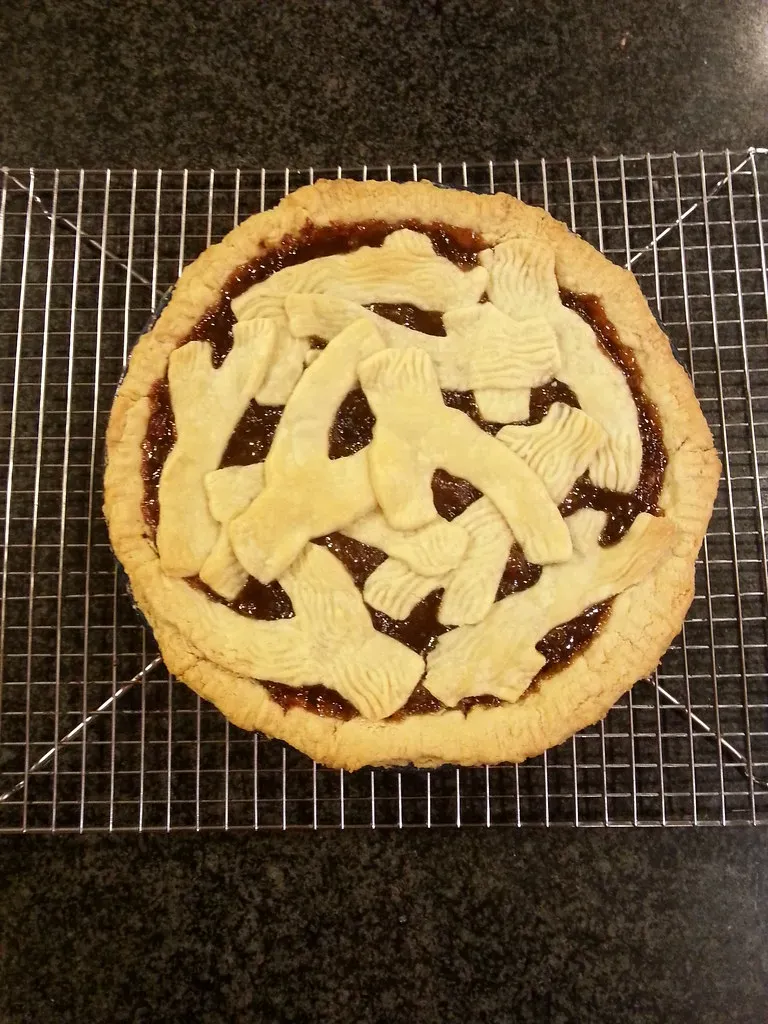
From the mid-19th century through the 1930s, it was mince rather than apple pie that signified Americanism on a plate, described as “the great American viand” and “an American institution.” Hard to believe now, right? Mince pies seemingly disappeared from the American table during World War II, never to return, possibly due to meat rationing. The traditional version wasn’t the jarred, fruit-heavy mixture you might spot in grocery stores today. The pie filling we now call mincemeat had once been prepared with actual meat, usually chopped beef and beef suet, in addition to apples, raisins, currants, spices, citrus peel, brandy, and molasses. Many Americans haven’t even heard of the sweet treat. What happened to a dish once deemed more American than apple pie itself?
Syllabub (The Frothy, Boozy Dessert)
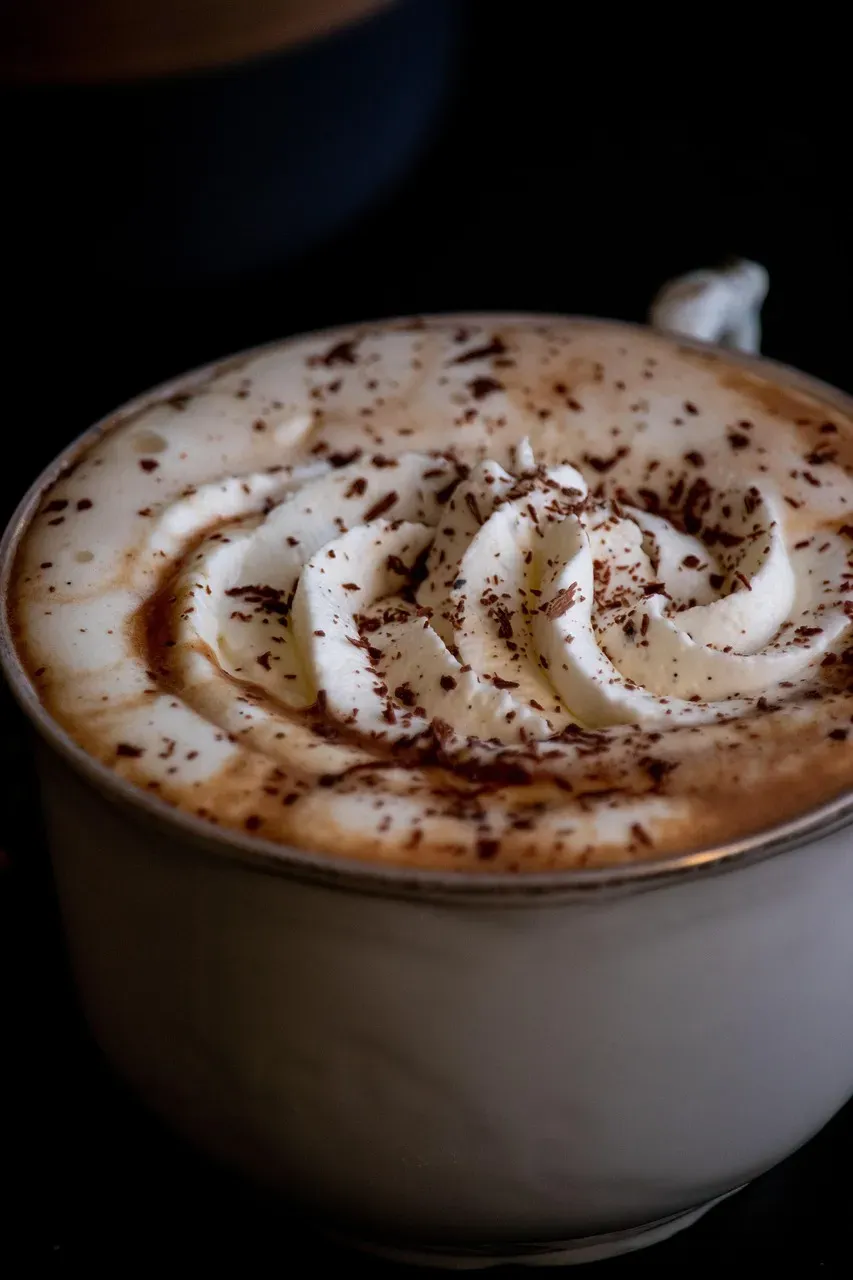
Syllabub is a sweet dish made by curdling cream or milk with an acid such as wine or cider, and it was a popular British confection from the 16th to the 19th centuries, often considered a ladies’ drink. Syllabubs are one of the oldest of all English desserts, and they have been known in this country since the first American colonies were established. Picture this: a frothy, wine-laced cream dessert that separated into layers, with rich foam on top and sweet wine underneath. Generally syllabub was made with a mixture of whipped cream, whipped egg whites, white wine, sugar, lemon juice and zest of lemon. It was festive, elegant, served at celebrations. Near the end of the century, syllabubs began to lose their appeal as a dessert course for English meals because ice cream became a very popular sweet treat. Ice cream won that battle, and syllabub quietly faded into historical cookbooks.
Posset (The Medieval Milk Punch)
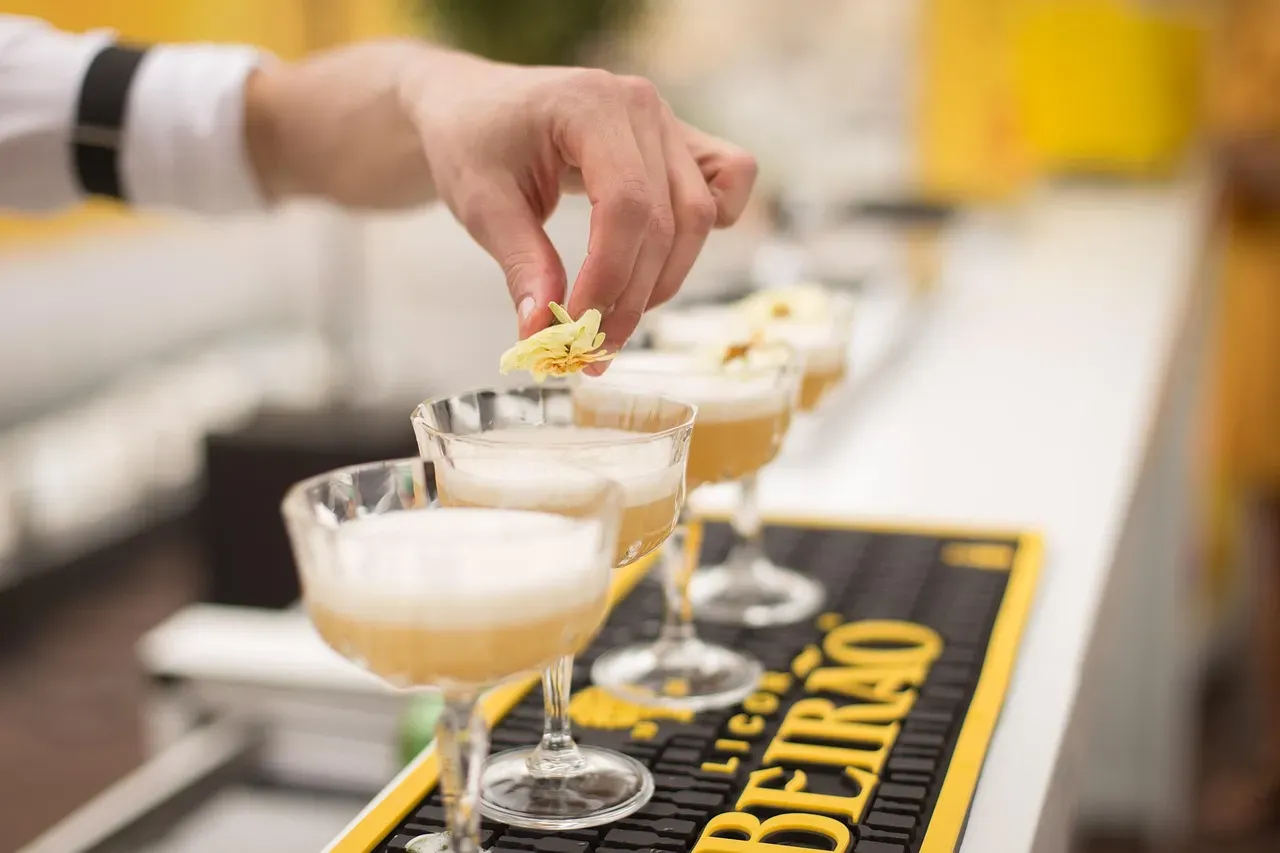
Similar to syllabub, posset was another creamy, alcoholic concoction that graced American holiday tables. Food historians confirm English recipes for posset (especially sack posset) and syllabub were similar to later eggnog. Think of it as eggnog’s older, stranger cousin. Hot milk was curdled with wine or ale, sweetened with sugar, and spiced with nutmeg or cinnamon. The result was a thick, warming beverage perfect for cold winter nights. Syllabub belongs to the English family of creamy dessert beverages combining dairy products and sweet wine, along with eggnog, caudle, and posset. As eggnog gained popularity in America, posset fell out of favor. The texture, admittedly, takes some getting used to. That curdled quality might explain why modern palates have moved on.
Plum Porridge (Not What You Think)
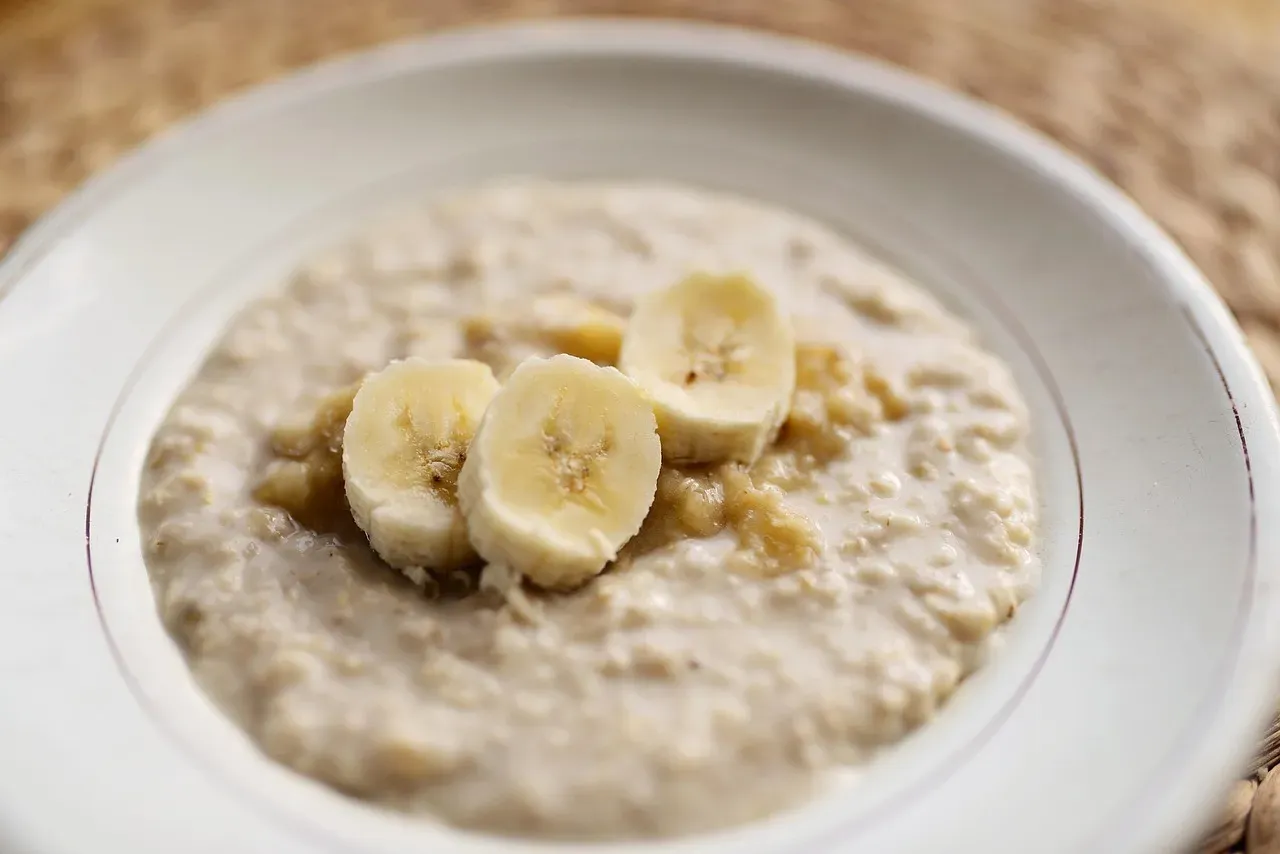
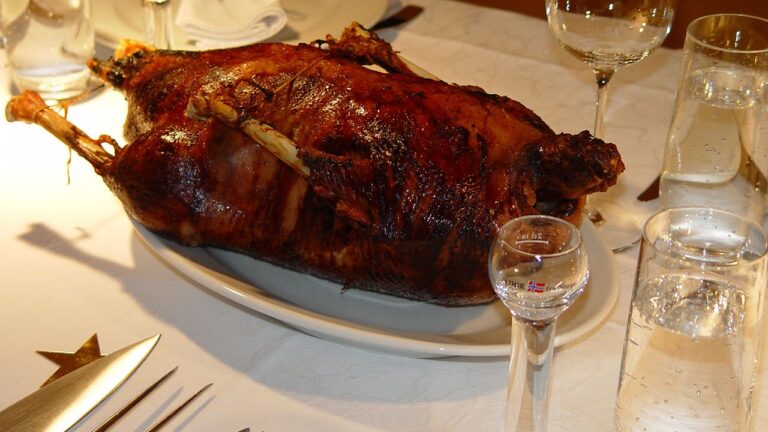
Christmas was killed at Naseby fight, and with it died roast beef and shred pie, pig, goose, capon, and plum porridge. This historical reference points to plum porridge as a traditional Christmas dish in colonial America. Forget your instant oatmeal packets. Plum porridge was a thick, savory-sweet stew made with meat broth, breadcrumbs, dried fruits (including prunes, not necessarily plums), spices, and wine. It was hearty, filling, perfect for harsh winter months when fresh produce was scarce. The dish eventually morphed into what we now know as Christmas pudding, which itself has become less common on American tables. The original porridge version, though, has been completely forgotten. Too labor-intensive, maybe. Or perhaps just too weird for modern tastes that prefer clear divisions between savory and sweet.
Shrewsbury Cakes (The Colonial Cookie)
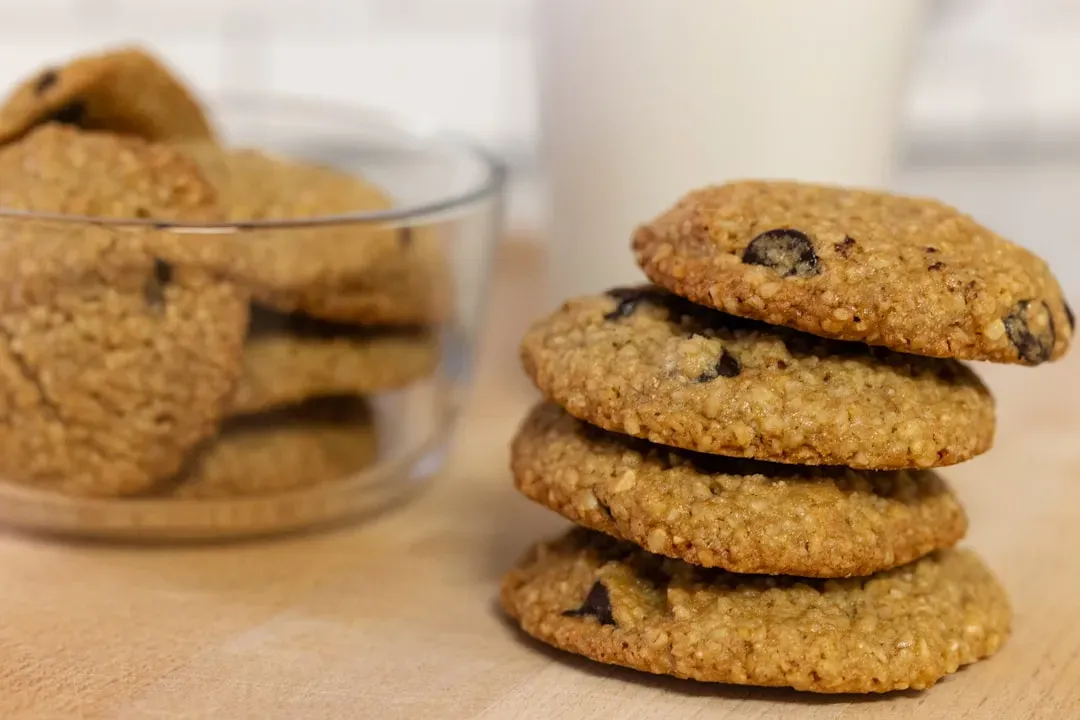
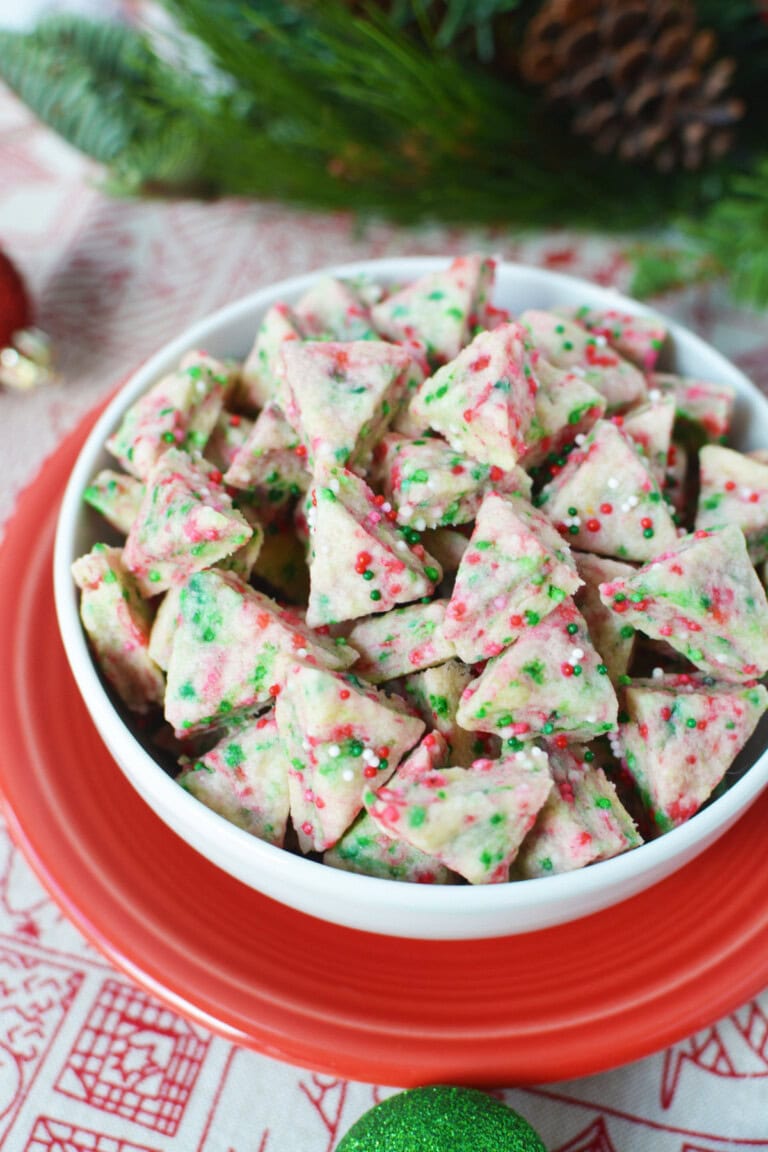
These weren’t cakes in the modern sense. They were delicate, butter-rich cookies flavored with rosewater or caraway seeds, popular in colonial America during the holidays. The recipes came over from England, where Shrewsbury cakes had been a festive treat since the 1600s. They were elegant, refined, the kind of thing you’d serve at a proper tea or holiday gathering. Honestly, they sound lovely. So why did they disappear? Simpler cookies took over. Sugar cookies, gingerbread, shortbread. The elaborate flavoring with rosewater fell out of fashion as American tastes shifted toward vanilla and chocolate. Caraway seeds became associated more with rye bread than desserts. Shrewsbury cakes became a footnote in culinary history, remembered only by food historians and historical reenactors.
These dishes didn’t vanish because they were bad. They disappeared because tastes changed, convenience won out, or newer options simply pushed them aside. It makes you wonder what dishes from our current holiday tables might be completely forgotten a century from now. What would you have guessed?