10 Things Legal Specialists Say You Can’t Dump on Your Driveway – But People Still Do
Your driveway might seem like your own personal space where you can do whatever you want. Think again. Legal experts are clear that dumping certain materials on your property, even temporarily, can land you in serious trouble with environmental and local regulations. From hefty fines to potential jail time, the consequences are real and surprisingly common.
1. Motor Oil and Automotive Fluids
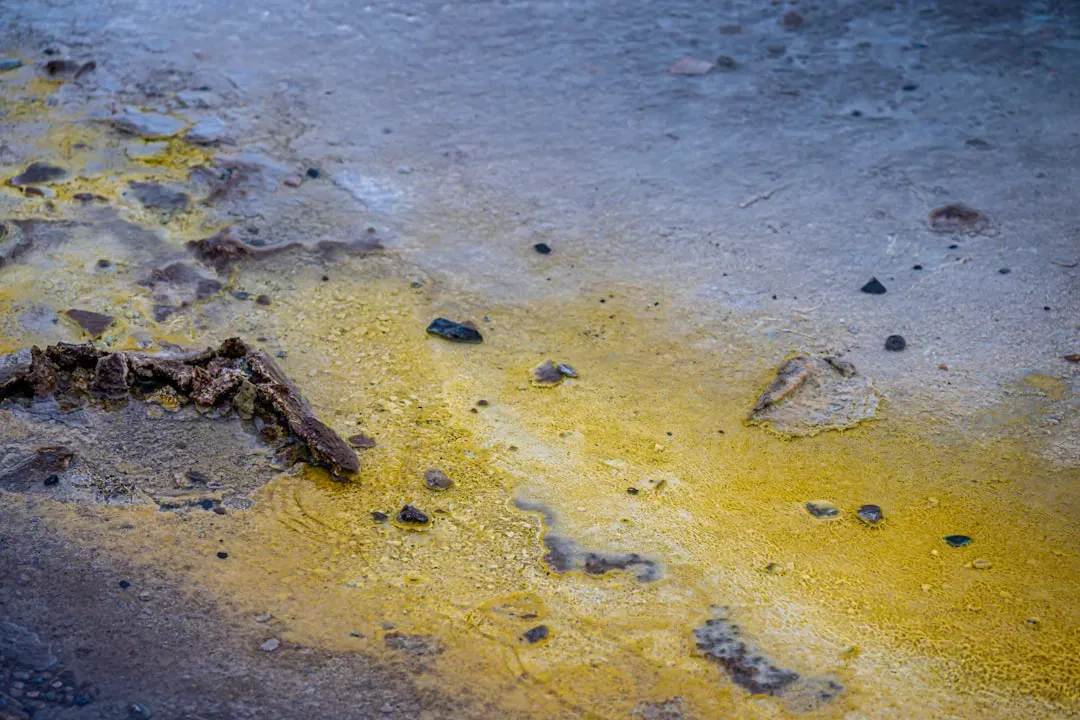
Used motor oil from just one oil change can contaminate one million gallons of fresh water, enough to supply a small community for a year. Missouri regulations explicitly prohibit using motor oil as a dust suppressant on driveways or similar surfaces, a practice that was surprisingly common decades ago. It’s illegal to dispose of motor oil anywhere except approved locations, and that includes your own property. The EPA labels oil dumping a criminal discharge of a hazardous substance, which means this isn’t just a civil fine situation.
2. Construction and Demolition Debris
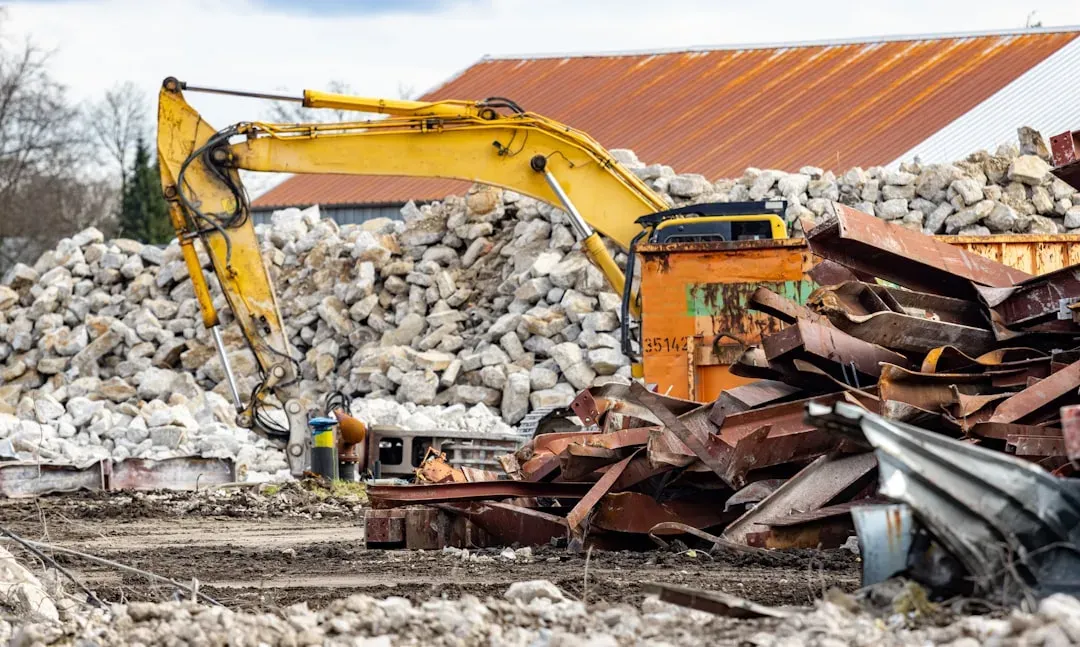
That pile of leftover shingles or drywall might be convenient to stack temporarily, but it’s more regulated than you’d think. In Missouri, businesses face civil penalties up to $50,000 per day and criminal misdemeanor charges for illegally disposing of construction and demolition waste. Fort Collins, Colorado imposes substantial penalties, including daily fines and up to six months in jail, for failing to follow construction waste management requirements. Even homeowners can face scrutiny if they’re storing materials improperly or creating a public nuisance.
3. Paint and Chemical Sealers

Items like paint, solvents, pesticides, pool chemicals, and driveway sealers contain flammable, corrosive, or toxic ingredients, and in North Carolina they’re banned from landfill disposal – dumping them on your driveway is a violation and safety risk. Wet oil-based paint falls into hazardous waste territory. Latex paint might seem harmless, but many municipalities require it to be dried out completely before disposal. Honestly, most people don’t realize that even partially full paint cans sitting on a driveway could trigger code enforcement visits.
4. Yard Waste and Leaves Blown into Streets

Many cities have enacted municipal codes that prevent property owners from blowing leaves into the right-of-way, and the action is considered illegal dumping with fines up to five hundred dollars or six months imprisonment depending on locale. Many counties ban yard waste from regular landfills due to methane and volume concerns, and dumping them on your driveway or roadside is illegal and unsightly. Let’s be real, most of us have seen neighbors rake leaves to the curb, but that seemingly innocent move can become a legal headache fast.
5. Used Antifreeze
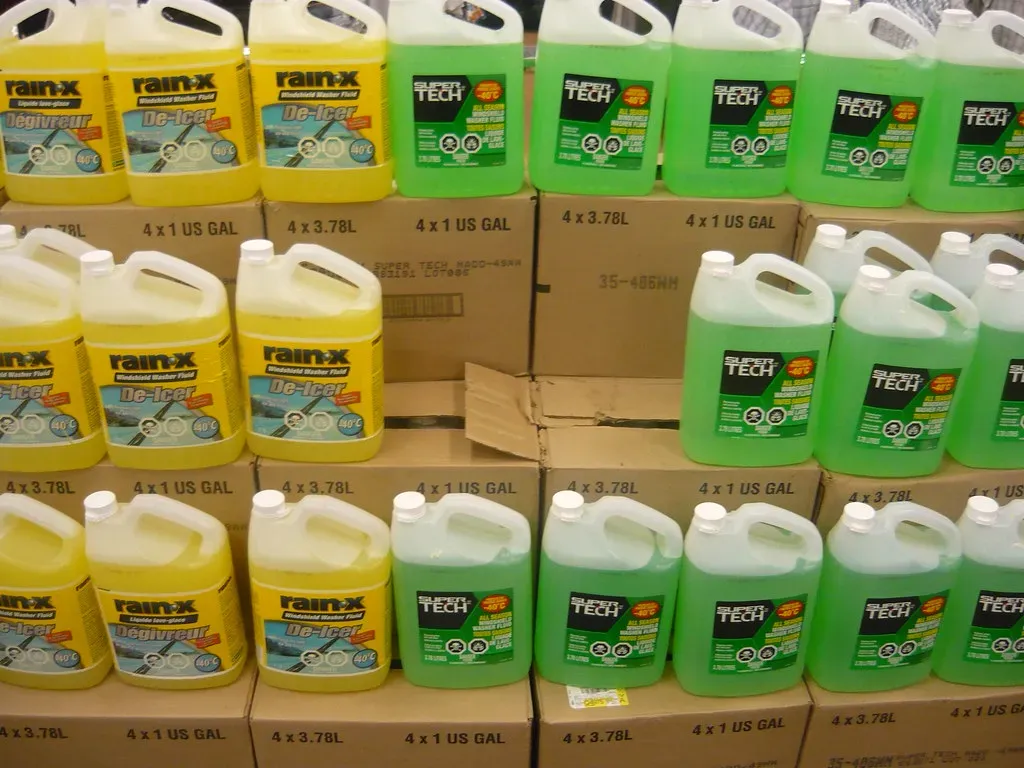
Antifreeze has a deceptively sweet taste that attracts animals and children, making improper disposal especially dangerous. Pouring antifreeze down the drain is illegal and harmful to the environment and public water systems. When antifreeze is improperly discarded, such as being dumped down a drain or into the soil, it can contaminate water sources and pose a significant risk to wildlife. While it might be tempting to just dump it behind the garage or let it soak into the gravel, you’re looking at potential contamination charges.
6. Household Hazardous Waste
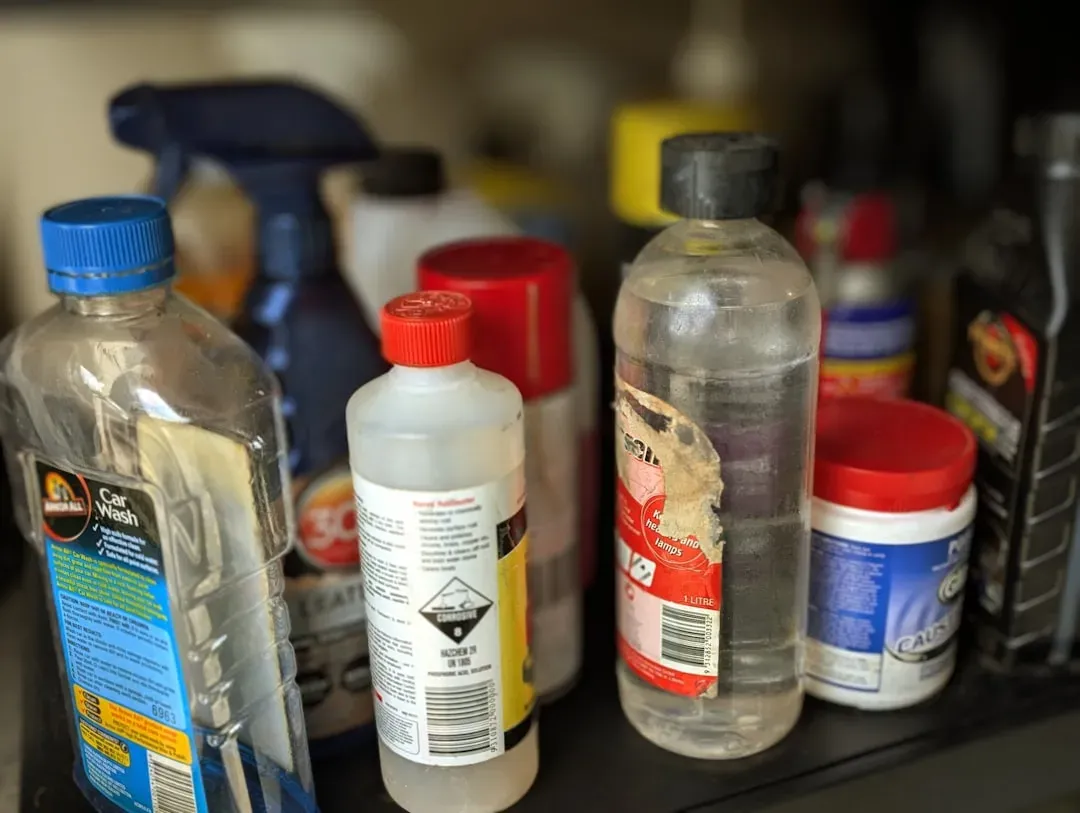
Hazardous waste includes household items like cleaners, certain light bulbs, medications, aerosol cans, paints, and automotive liquids. It is illegal to dispose of Household Hazardous Waste through automated residential collection programs, and proper disposal options must be used. The tricky part is that many people don’t even know what qualifies as hazardous. That old container of pool chlorine or the pesticide you used once three summers ago? Both count, and both can get you cited.
7. Tires
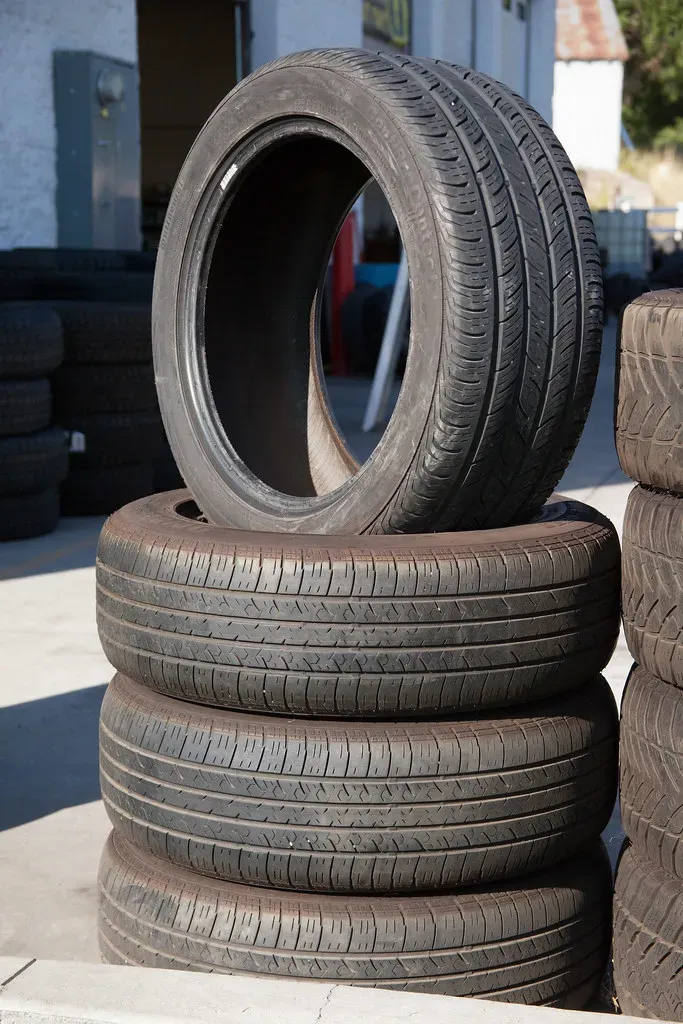
Old tires stacked on driveways are more than an eyesore. They create breeding grounds for mosquitoes and pose fire hazards that are nearly impossible to extinguish once ignited. Illegally dumped tires are a significant problem – they can catch fire that are difficult to put out. While specific tire dumping penalties vary by jurisdiction, most areas classify improper tire disposal as illegal dumping with corresponding fines. Plenty of people think they’ll get around to taking them somewhere, but weeks turn to months.
8. Commercial Quantities of Waste
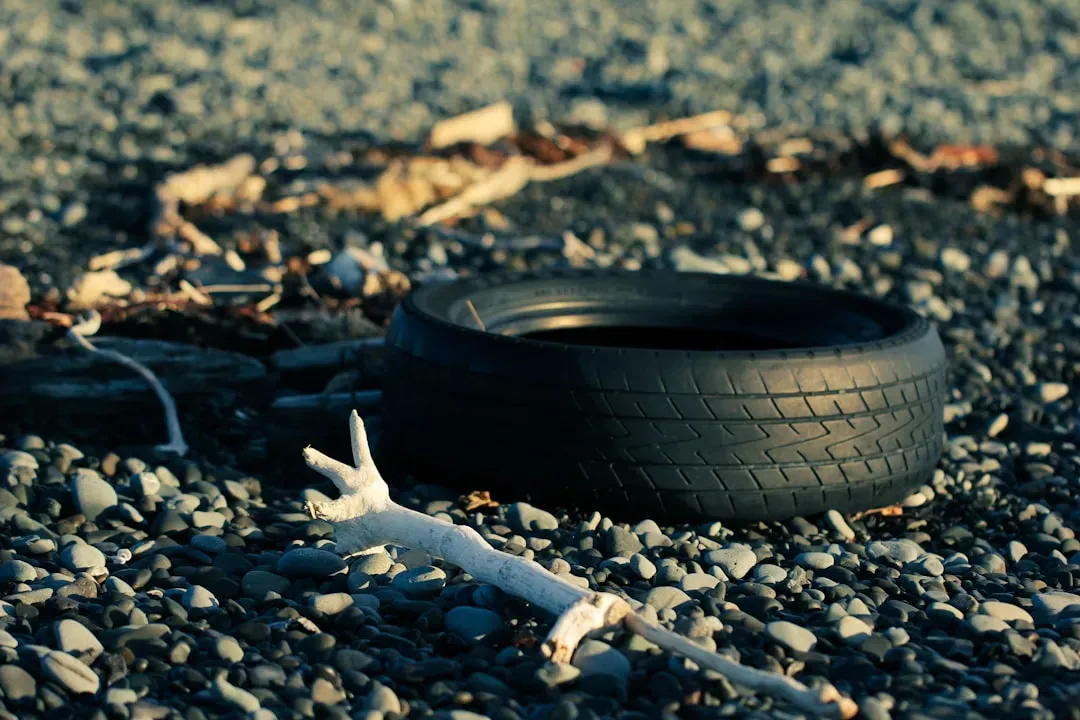
California defines commercial quantities as waste generated in the course of trade, business, profession, or occupation, or an amount equal to or exceeding one cubic yard. California Penal Code section 374.3 makes illegal dumping on public and private property a misdemeanor punishable by a fine up to one thousand dollars and up to six months in jail. It’s hard to say for sure, but contractors and small business owners are frequent offenders here.
9. Appliances and Electronics

That old refrigerator or broken television can’t just sit on the driveway indefinitely. Many contain hazardous materials like Freon or mercury that require special handling. There’s been an uptick in dumping trash including couches to cars to hazardous waste on Washington roadsides – household garbage is bad enough, but often includes cars, boats and hazardous material. Items that hold oil or liquids may spill, drip, or leak and contaminate soil if rained upon. Even if you’re planning to haul it away eventually, local codes often set strict timelines.
10. Concrete, Asphalt, and Landscaping Materials
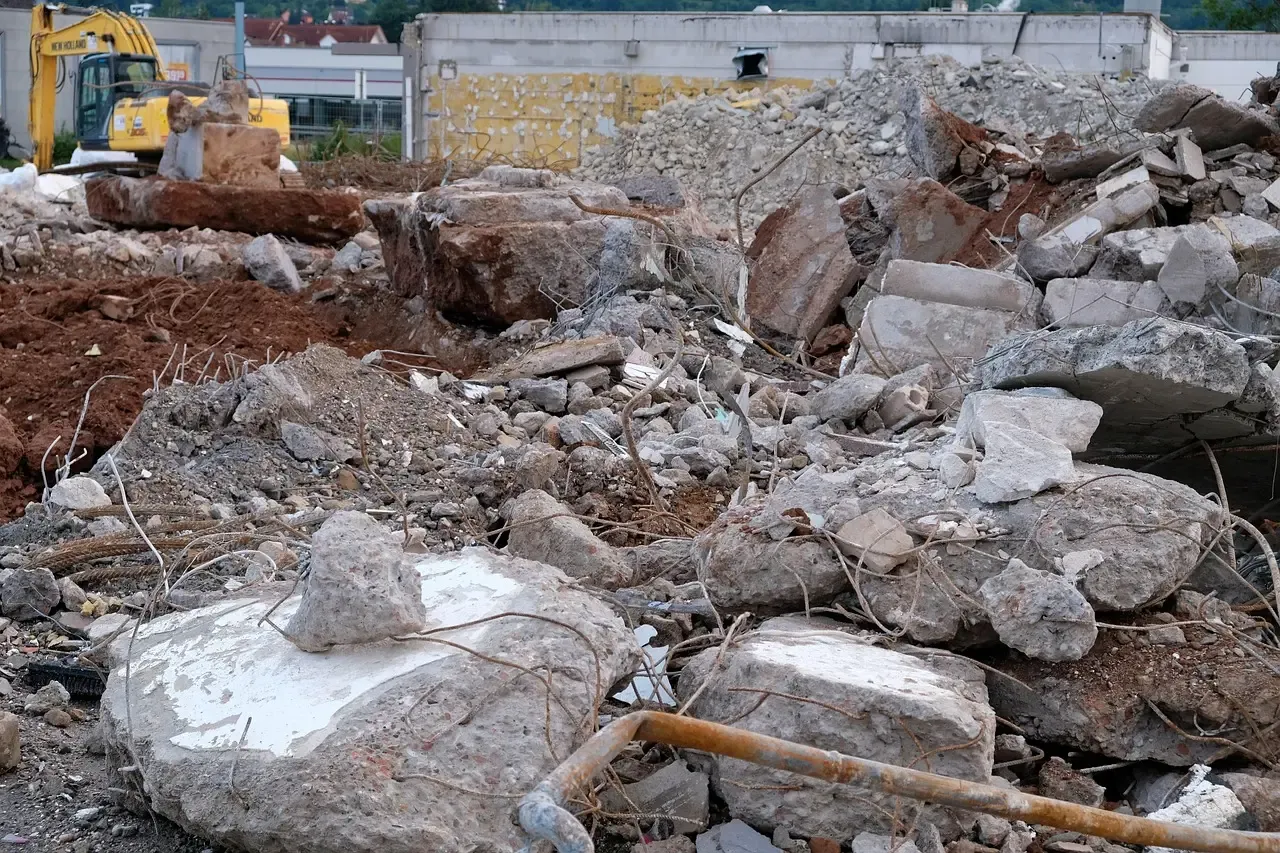
California law includes rocks, concrete, dirt, and asphalt among the objects that it is illegal to dump. While these materials seem inert compared to chemical waste, they’re still regulated. The issue is volume and proper disposal channels. Brick, concrete and masonry can be recycled on site as fill, subbase material or driveway bedding, but only if done correctly and within permitted uses. Dumping a truckload of broken concrete creates drainage issues and violates solid waste codes in most places.
What catches people off guard is how many everyday items fall under these restrictions. The line between temporary storage and illegal dumping gets blurry fast, especially when neighbors complain or code enforcement drives by. These aren’t just theoretical rules gathering dust in some legal library. Chicago prosecutes illegal dumpers with fines minimum fifteen hundred dollars for first offense, jail time up to six months, and community service up to two hundred hours. It’s worth checking your local regulations before assuming your driveway is a free-for-all zone. Did you know half of these were actually illegal?