The 8 Dog Breeds Vets Say Are Most Likely to Turn on Their Owners
Dogs hold a special place in our hearts. They’re our companions, protectors, and often, our most loyal friends. Yet there’s something we don’t talk about enough: the reality that any dog, regardless of breed, can exhibit aggression toward their owner under certain conditions.
Roughly four and a half million people get bitten by dogs every year in the United States, and honestly, that’s a staggering number when you think about it. Over half of fatal dog attacks involve dogs owned by the victim’s family. Let’s be real here – this isn’t just about strange dogs on the street. These incidents happen at home, with pets people thought they knew inside and out. The question isn’t whether certain breeds are born evil, but which ones veterinarians and researchers consistently flag as higher risk based on documented cases and behavioral studies. Let’s dive in.
Pit Bull Terriers

Studies have found that Pit Bulls were responsible for the most fatal dog attacks, a pattern that stretches back decades according to CDC data. There have been documented cases of dogs killing their owners, with Pit Bulls responsible for the majority of them. The numbers are uncomfortable to look at, but they exist for a reason.
Here’s the thing, though. Research shows that a dog’s breed isn’t as reliable a predictor as environmental factors, and there’s no evidence proving Pit Bulls are inherently aggressive – it likely has more to do with their upbringing. Pitbulls are more than twice as likely to bite multiple areas of the body, nearly three times more likely to attack off their property, and about one-third more likely to attack strangers compared to other breeds. The severity of their bites stems from their powerful build and jaw strength, which can cause catastrophic injuries when things go wrong.
What complicates this further? Studies on canine DNA have found that roughly sixty percent of dogs labeled as “pitbulls” have no genetic ancestry from pitbull-type breeds. Misidentification muddies the water considerably. Still, veterinarians routinely see the damage these dogs can inflict, making them a breed worth approaching with proper training and socialization.
Rottweilers

Studies agree that Rottweilers are responsible for the second-most fatal dog attacks by breed, with these dogs weighing up to one hundred thirty-five pounds and having a reputation for aggression. Their sheer size alone makes any aggressive incident potentially life-threatening. I think what catches people off guard is how quickly a protective instinct can shift into something dangerous.
Research shows that male Rottweilers are significantly more likely to be diagnosed with aggression than females, a finding supported by substantial previous studies. Veterinarians in New Zealand categorized the Rottweiler as extremely aggressive in breed rankings, placing them at the very top of concern lists.
Rottweilers are powerful dogs originally bred to herd livestock and pull carts, making them highly protective and great guard dogs – but their strength and protectiveness can become dangerous if not managed correctly, and an untrained or poorly socialized Rottweiler may view innocent actions as threatening and respond aggressively. That split-second assessment can result in serious harm when a dog of this size reacts defensively.
German Shepherds
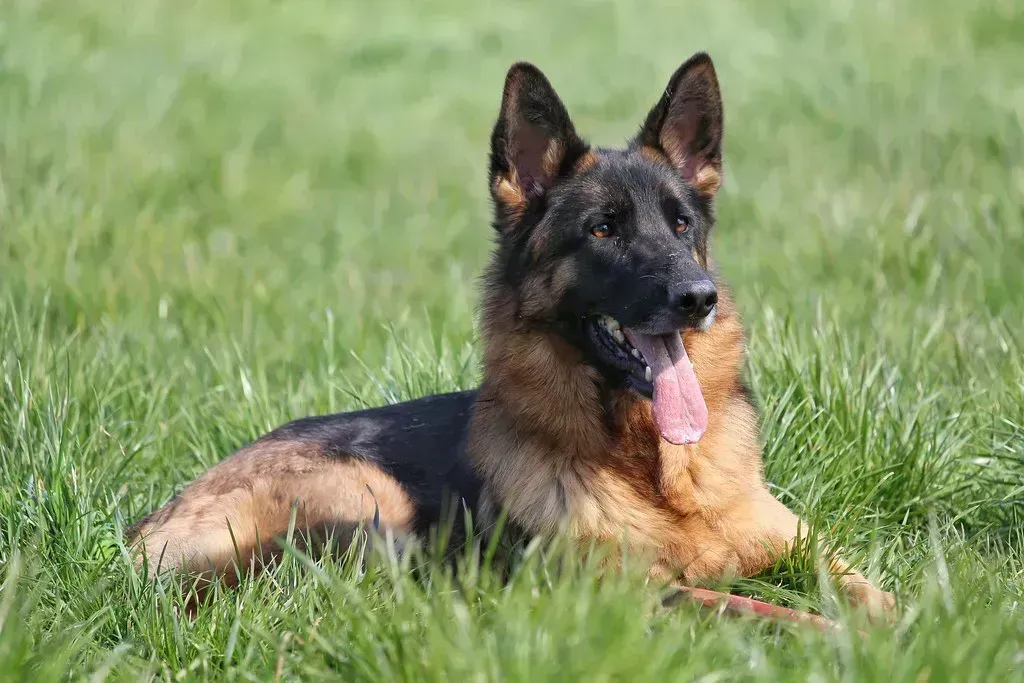
German Shepherds frequently appear in bite statistics, though not quite as prominently as Pit Bulls or Rottweilers. German Shepherds and Huskies made it onto lists of breeds involved in fatal attacks, though these breeds fell far behind the overwhelming majority caused by Pit Bulls and Rottweilers.
When people rated common breeds on serious bite risk, German Shepherds ranked among the highest, following Pit Bulls and Rottweilers. These are smart, driven dogs originally bred for herding and police work. That intelligence can work against you if they’re not properly trained.
What makes German Shepherds tricky is their protective nature combined with their size. They’re capable of inflicting serious damage, and when their guarding instincts kick in without proper boundaries, owners can become targets. It’s worth noting that many German Shepherds live their entire lives without incident – but the ones that do attack often cause significant injuries due to their strength and determination.
Chow Chows

This one surprises people. Chow Chows don’t have the same aggressive reputation in the public eye, but veterinarians tell a different story. When veterinarians rated perceived bite risk associated with popular dog breeds, Chow Chows were perceived as the highest risk – even higher than Pit Bulls in professional assessments.
Studies have specifically noted the breed’s increased aggression and territoriality. These fluffy, lion-like dogs were originally bred as guard dogs in China, and that protective temperament runs deep. Veterinarians classified Chow Chows as very aggressive in breed rankings.
Chow Chows tend to bond intensely with one person and remain aloof or suspicious of everyone else, including other family members. That exclusivity can translate into aggression when they feel their primary person is threatened – or when anyone, including their owner, crosses a boundary they’ve mentally established. Their stocky build and powerful jaws make bites from this breed particularly damaging.
Akitas

The Akita is part of the spitz-type dog group, bred as a guardian and big game hunter, giving them a strong prey drive – and studies have specifically noted the breed’s increased aggression and territoriality. These are large, powerful dogs with an independent streak that can make them challenging even for experienced owners.
Public perception rated Akitas relatively low on bite risk compared to veterinarians, who rated them as high risk. There’s a disconnect between how the public views these dogs and what professionals actually see in clinical settings. Akitas are loyal to a fault, but that loyalty doesn’t necessarily extend to all family members equally.
Over twenty percent of Akitas were reported as displaying serious aggression toward unfamiliar dogs. That dog-directed aggression can easily redirect toward humans who intervene or who the dog perceives as threats. Their imposing size – males can weigh over one hundred pounds – means any aggressive incident carries serious consequences.
Siberian Huskies
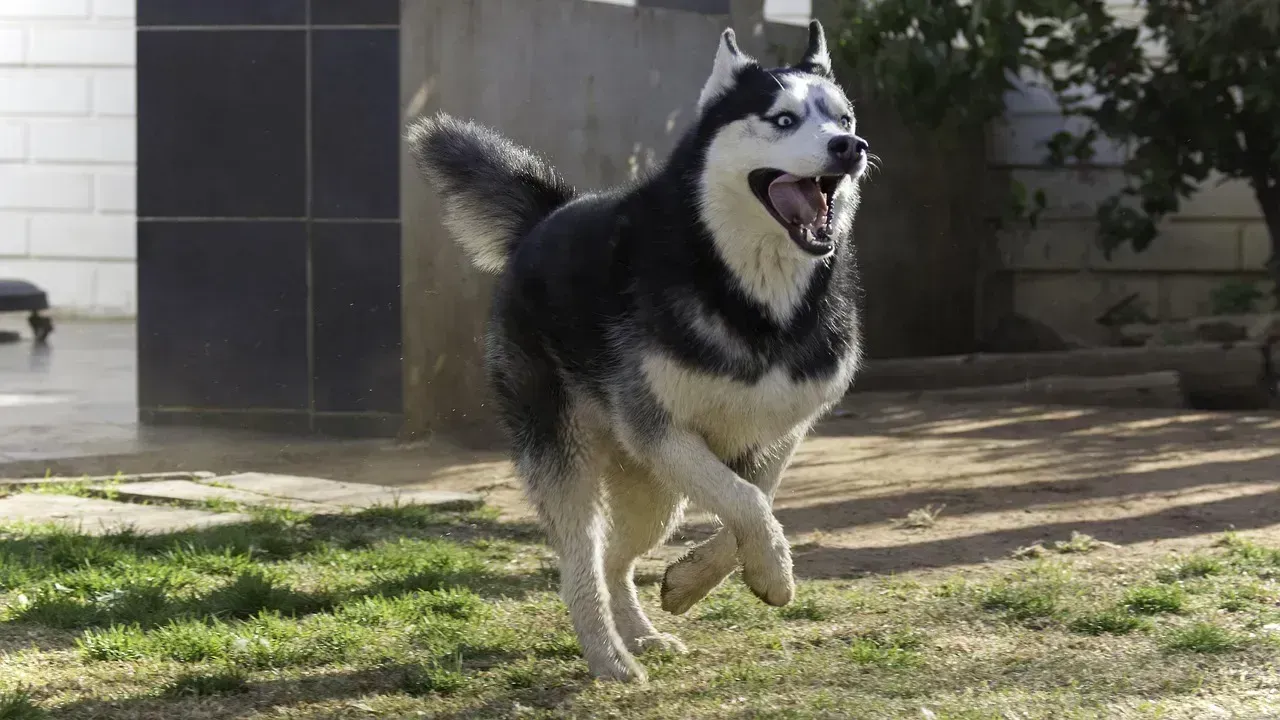
Huskies might seem like an odd inclusion given their popularity as family pets, but the data tells a different story. According to tracking by the American Veterinary Medical Association, husky-type dogs were involved in fatal attacks, accounting for a notable number of fatalities over a twenty-year period.
These are high-energy working dogs bred to pull sleds across frozen tundra. Huskies can show aggressive behavior if not trained properly, have a strong prey drive, and require plenty of exercise – early obedience training helps them fit into family life. Without adequate physical and mental stimulation, that energy can manifest in destructive or aggressive ways.
What makes Huskies particularly unpredictable is their pack mentality. They were bred to work in teams, and dominance struggles within the household can lead to aggression directed at owners who fail to establish clear leadership. Their beautiful appearance and friendly reputation mask the fact that these are powerful animals with strong predatory instincts.
Doberman Pinschers

Dobermans have a long-standing reputation as guard dogs, and for good reason. Doberman Pinschers ranked among breeds rated highest on serious bite risk in public perception surveys. These sleek, muscular dogs were specifically bred for protection work, and that purpose-driven breeding shows in their behavior.
The AVMA documented fatalities caused by Dobermann Pinschers in their tracking of fatal dog attacks. While Dobermans are incredibly intelligent and trainable, they require owners who can provide firm, consistent leadership. Without it, they may decide to make their own rules.
Modern breeding has attempted to soften the Doberman’s temperament compared to earlier lines, but individual dogs still vary widely. They’re intensely loyal and protective, which sounds wonderful until that protectiveness is misdirected toward family members during moments of high stress or confusion. Their size and athleticism make them capable of causing serious harm quickly.
Dachshunds

Yes, you read that right. These little dogs might seem laughable compared to the other breeds on this list, but studies evaluating behaviors of over thirty dog breeds found that Chihuahuas and Dachshunds scored above average in aggression. Size doesn’t determine aggression – only the potential for serious physical damage.
Research shows breed average height has strongly significant inverse relationships with owner-directed aggression, meaning smaller dogs like Dachshunds show higher levels of this behavior. These dogs were bred to hunt badgers, requiring tenacity and fearlessness that can translate into aggression in a domestic setting.
The reason Dachshunds don’t make headlines for fatal attacks is obvious – they’re small. Their bites, while painful and potentially serious, rarely cause life-threatening injuries. However, from a behavioral standpoint, veterinarians consistently report high levels of aggression in this breed, particularly owner-directed aggression. They’re stubborn, territorial, and quick to snap when they feel threatened or challenged.
Research identified several factors that increase the probability of aggressive behavior toward people: older age, being male, fearfulness, small body size, lack of other dogs in the household, and being the owner’s first dog. Understanding these risk factors matters more than breed alone. Studies show that how a dog was raised can predict aggressive tendencies more precisely than their pedigree – for example, puppies who attended training classes were half as likely to be aggressive toward strangers.
The breeds listed here aren’t inherently evil or destined to attack. Environment, training, socialization, and individual temperament play massive roles. What do you think – does breed matter as much as we’ve been told, or is it really all about the owner?
What Actually Triggers Dog Aggression

Here’s what most people miss – aggression rarely happens out of nowhere. Veterinarians and animal behaviorists have identified specific triggers that push dogs toward aggressive behavior, and understanding these can literally save lives. Fear tops the list as the number one cause. When dogs feel cornered, threatened, or unable to escape a situation, they default to fight mode. Resource guarding comes in second – dogs protecting food, toys, or even their favorite person from perceived threats. Pain is another massive trigger that owners often overlook. A normally sweet dog dealing with an ear infection, arthritis, or dental pain might snap when touched in sensitive areas. What’s really eye-opening is how much our own behavior contributes to the problem. Dogs pick up on our stress, anxiety, and fear through our body language and tone. When owners tense up around other dogs or people, they’re essentially telling their dog there’s something to worry about. The good news? Most aggression is preventable through proper socialization during puppyhood, consistent training, regular vet checkups to catch pain issues early, and learning to read your dog’s warning signals before they escalate to biting.
Why Breed Labels Don’t Tell the Whole Story
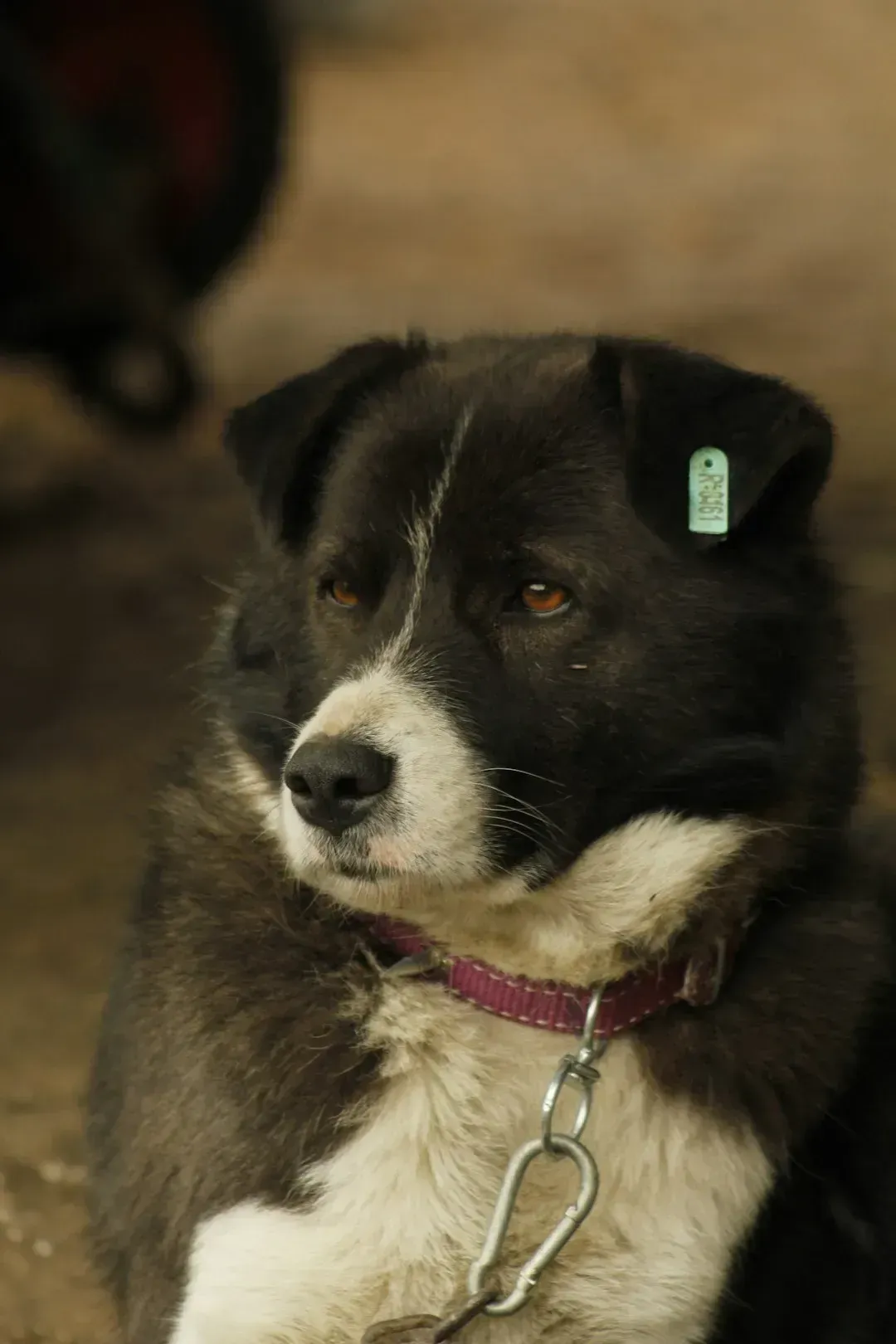
Here’s something that might surprise you – veterinarians increasingly argue that focusing solely on breed creates a dangerous blind spot for dog owners. A 2019 study published in the Journal of Veterinary Behavior found that breed identification is often wildly inaccurate, even among shelter workers and vets. What looks like a Pit Bull mix might actually have zero Pit Bull DNA, yet it carries all the stigma and assumptions. The real kicker? Research shows that individual temperament, training history, and early life experiences predict aggressive behavior far better than breed ever could. A Golden Retriever raised in isolation with zero socialization can be significantly more dangerous than a well-trained Rottweiler from a responsible breeder. Insurance companies and apartment complexes love their breed restriction lists, but these policies ignore the elephant in the room – any dog can bite, and the circumstances matter infinitely more than genetics. The American Veterinary Medical Association actually opposes breed-specific legislation for this exact reason, stating that dangerous dog laws should focus on owner behavior and individual dog assessment rather than blanket breed bans that give people false security.