10 Rare U.S. Coins Collectors Believe Are Still in Circulation
Imagine finding a penny in your change that could pay off your car loan. Sounds wild, right? Yet collectors across the country continue searching their pocket change for rare U.S. coins that somehow escaped detection for decades. These aren’t ancient relics from some dusty vault. They’re modern coins that slipped through the cracks, hiding in plain sight among ordinary quarters and pennies. Most of the coins on this list were minted in the U.S. within the last 100 years, which means they might still be in circulation.
Some were created by wartime necessity. Others emerged from production errors that mint workers either missed or decided to release anyway. What makes these coins fascinating isn’t just their value, which can reach six figures. It’s the fact that roughly a few dozen to a few thousand examples are believed to exist, and not all of them have been found.
1943 Copper Penny: The Wartime Mistake Worth a Fortune
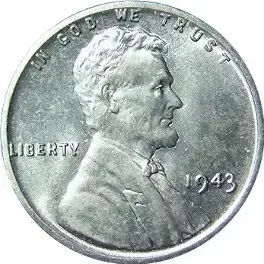
This is the coin everyone dreams about finding. During World War II, the U.S. Mint transitioned to steel for the penny to conserve copper, essential for the war effort. Despite this, approximately 40 pennies were mistakenly struck using copper blanks, creating what became one of the most famous error coins in American history. 1943 Copper Pennies have been discovered in various locations, including cafeterias, gumball machines, and in circulation.
Circulated examples selling at auction in the past two years bringing between $240,000 and $336,000. The unique Denver mint version carries an estimated value exceeding one million dollars. A total of 27 1943 copper wheat pennies are confirmed to exist and have been graded, including the unique 1943-D, 6 of the 1943-S and 20 of the 1943 cents.
Here’s what makes this discovery tricky: many people have altered regular 1943 steel pennies with copper plating to create fakes. The simple magnet test separates the real from the frauds. Steel sticks to magnets. Copper doesn’t.
1955 Doubled Die Penny: The Night Shift Error
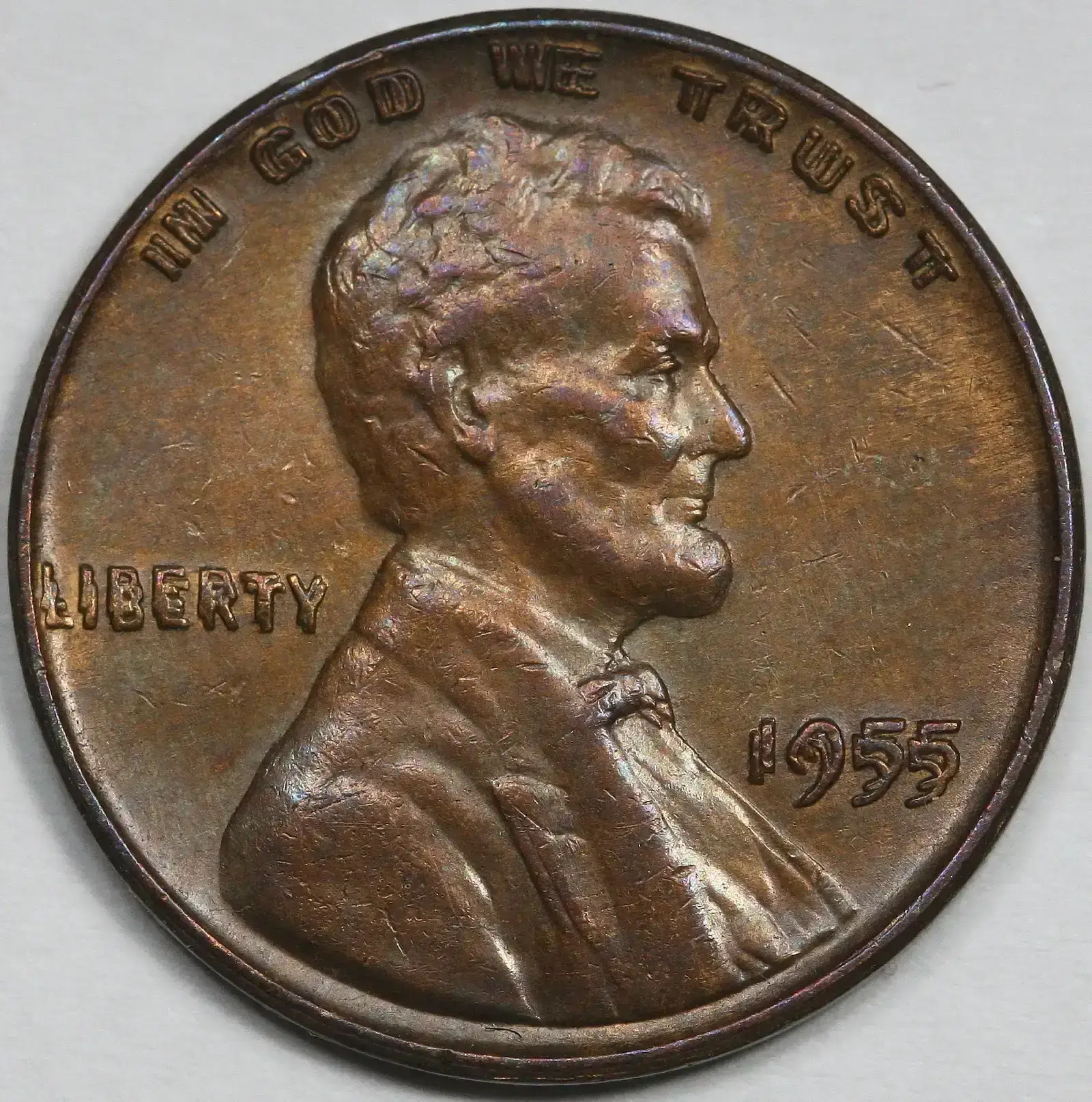
It is estimated that 40,000 of these coins were minted, all during one night shift at the Philadelphia Mint. Roughly 20,000–24,000 of the pennies were introduced into circulation after the minting error. What happened was simple yet dramatic: a misaligned die struck the coins twice, creating a ghostly doubling effect on the date and lettering that’s visible to the naked eye.
A very rare 1955 penny which was struck with a doubled die sold for a new world record price of $124,875 at an unreserved auction by GreatCollections on Sunday, March 1st. The auctioned coin is the finest known of the famous U.S. error and was graded MS-65+ RD by PCGS. Lower grade examples still command impressive prices. The NGC Price Guide to estimate the current retail value of a 1955 Doubled Die Lincoln cent at a range from $1,000 in worn “About Good” condition to $85,000 in Mint State 66 with original mint red color.
Collectors should watch for the “Poor Man’s Doubled Die,” a common impostor caused by die deterioration rather than true doubling. The authentic version shows clean, rounded doubling on LIBERTY, IN GOD WE TRUST, and the date.
1969-S Doubled Die Obverse: A Scandal and a Legend
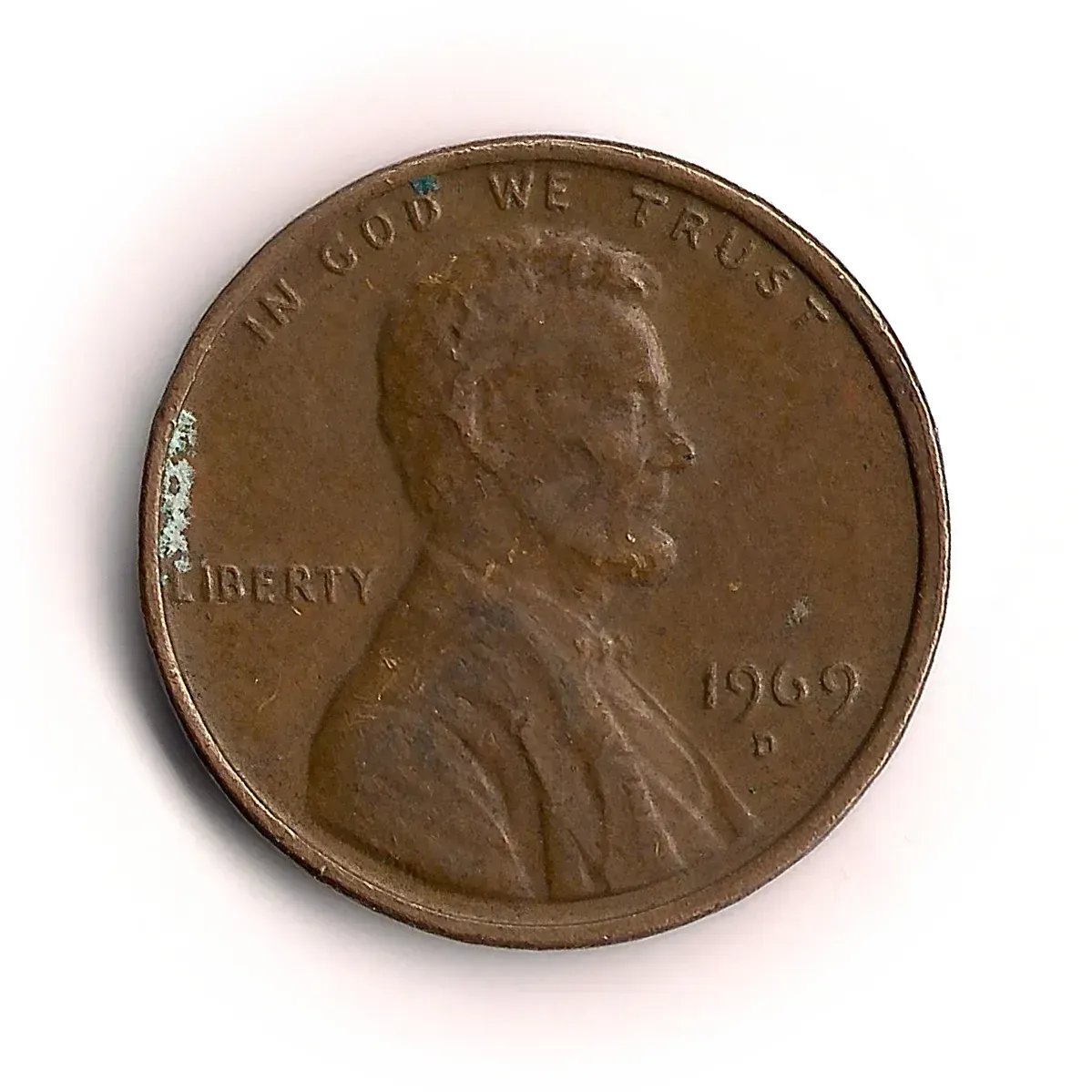
This penny has one of the strangest backstories in numismatics. Cecil Moorhouse and Bill Hudson were credited in July 1970 with discovering the first 1969-S Doubled Die Obverse cents. As the Secret Service searched for fake 1969 Doubled Die Obverse cents, they found several authentic 1969-S Doubled Die Obverse cents. Ironically, while hunting for counterfeit versions, authorities accidentally destroyed some genuine examples, making this error even rarer.
This same coin sold on January 09, 2008 at public auction for a record-breaking price of $126,500. Remarkable, Tremonti found a second example which is probably the PCGS MS63 Red graded example that sold in a Heritage auction on March 27, 2009 for $86,250. The 1969-S Doubled Die Obverse is an extremely desirable variety having an estimated population of 40 to 50 pieces based on combined certification service statistics.
The doubling appears strongest on LIBERTY and IN GOD WE TRUST. One key identifier: genuine examples won’t have doubling on the S mint mark, since that was punched into the die separately.
2004 Wisconsin Quarter with Extra Leaf: The Modern Marvel
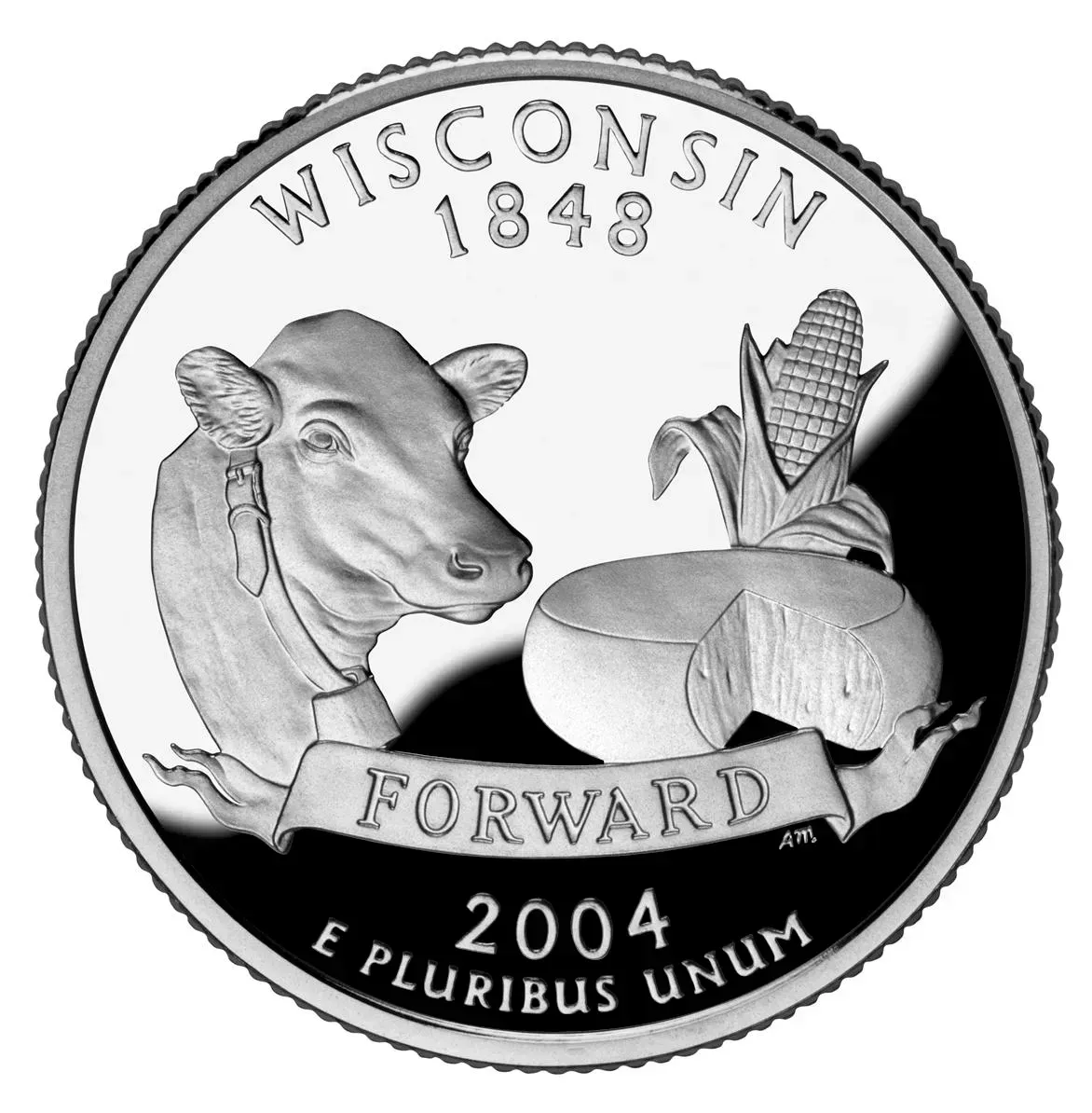
These varieties were discovered late in December 2004 by Robert Ford. Immediately, the discovery of the coins broke out in the news and people all over the country were out searching for them. There were some reports that some individuals found up to hundreds of them at once from bank wrapped rolls.
Two distinct varieties exist: Extra Leaf High and Extra Leaf Low, referring to the position of the additional leaf on the corn stalk design. One of them being the “Low Leaf” variety, which is the most common of the two. The second variety is the “High Leaf” variety, which is the scarcer of the two. 2004-D Wisconsin State Quarter with an Extra Leaf, $6,000 represents typical pricing for high-grade examples.
They are known to have been deliberately created at the Denver Mint by someone who sabotaged two different dies with a small tool. Their overall rarity has now been determined to be similar to that of classic die errors like the 1955 Doubled die cent and 1937-D 3-leg Buffalo nickel.
1972 Doubled Die Penny: The Overlooked Cousin
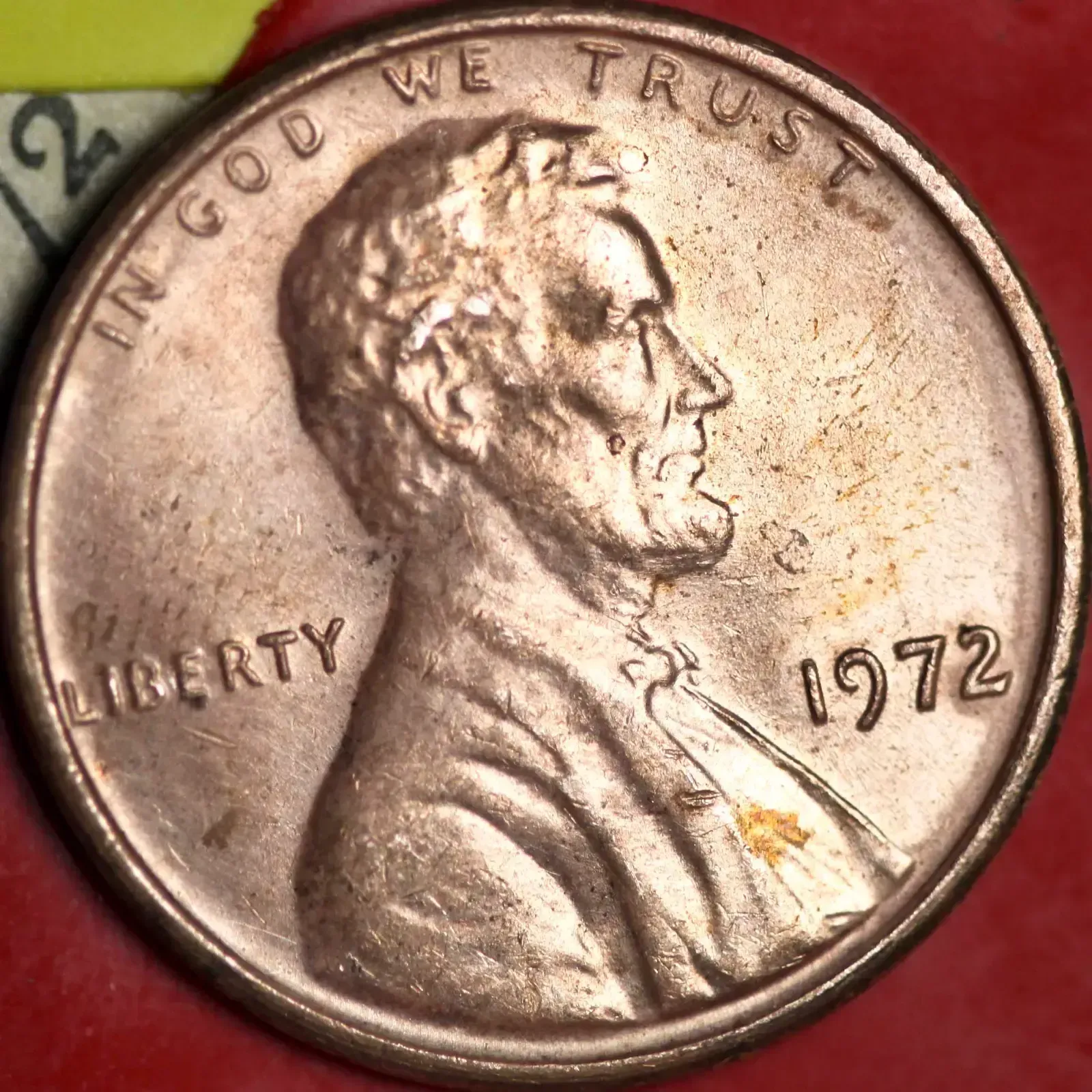
While less famous than the 1955 version, the 1972 doubled die penny still commands serious attention from collectors. There are seven recognized DDOs for 1972, but only one exhibits dramatic doubling. The others are subtle and often require magnification. Top specimens graded MS-65 Red by PCGS or NGC have realized up to $14,400.
The doubling on this coin appears on the date and motto, showing a rounded separation in the lettering. It’s easier to spot than some other varieties, making it an ideal coin for new collectors learning to identify doubled dies. 1972 Lincoln Cent With a Doubled Die Obverse, $1,150 represents a more accessible price point for circulated examples.
Type 1 is the most valuable variety, featuring obvious doubling that spreads toward the southwest on all four digits of the date. The key is examining LIBERTY and the date closely under good lighting.
1970-S Large Date Doubled Die Penny: The San Francisco Rarity
San Francisco produced this subtle but valuable error that many collectors overlook because the doubling isn’t as dramatic as other varieties. 1970-S Large Date Lincoln Cent With a Doubled Die Obverse, $3,675 shows the premium these coins command when properly identified and graded.
The trick to identifying this coin lies in examining the large date variety, which shows a clear 7 that sits fairly level with the other numbers. The small date version, by contrast, has noticeably different alignment. Doubling appears most prominently on LIBERTY and the date, though you’ll likely need magnification to spot it clearly.
What makes this coin particularly interesting is that it came from proof production at the San Francisco Mint. Many were pulled from circulation quickly once the error was discovered, yet examples continue to surface decades later in old collections.
2005 Bison Nickel with Speared Buffalo: The Die Break Phenomenon
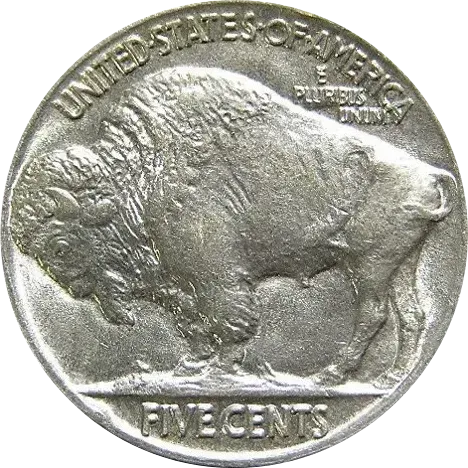
Look closely at any 2005 Bison nickels you come across. If you find one with what looks to be a spear through the back of a buffalo, caused by a severe die break when stamping, keep it safe. While not terribly valuable compared to other coins, you should be able to get between $150 to $450 for one in decent condition.
This error resulted from a dramatic die break during the striking process, creating what appears to be a spear piercing the buffalo’s back. This is a good example of a recent coin that will increase in value over the next five years and a perfect starter coin for the burgeoning collector in your life.
The visual impact of this error makes it easier to identify than subtle doubled dies. The “spear” appears as a raised line running through the buffalo, clearly visible without magnification.
1999 Wide AM Reverse Penny: The Spacing Error
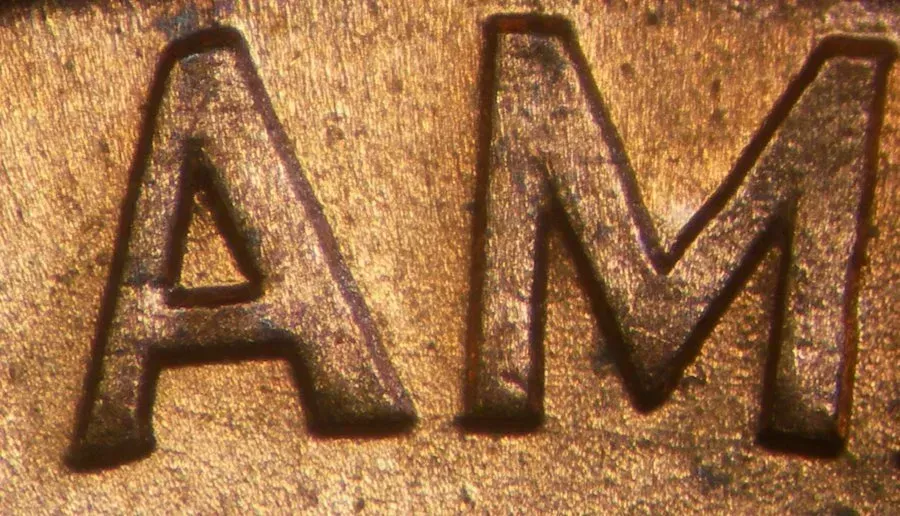
This modern error proves you don’t need to search decades-old coins to find value. 1999 Wide “AM” Reverse Lincoln Cent, $250 represents the typical value for this subtle variety that collectors prize for its rarity.
The error involves the spacing between the A and M in AMERICA on the reverse. Normal 1999 pennies have the letters touching or very close together. The error version shows a noticeable gap. It sounds like a minor detail, but this spacing difference resulted from using the wrong die type, making these coins genuinely scarce.
Check your change from the late 1990s carefully. The Wide AM variety exists for several years in the 1990s and early 2000s, with the 1999 being among the most valuable. You’ll need decent eyesight or a magnifying glass, but the gap is visible once you know what to look for.
Silver Kennedy Half Dollars from 1965-1970: The Forgotten Silver
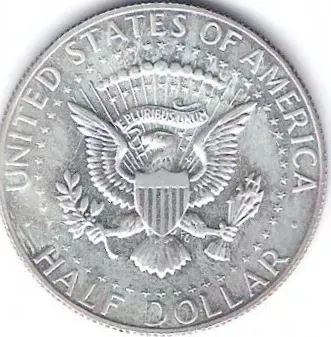
The silver-clad Kennedy Half Dollar was issued between 1965 and 1970 as a compromise between the nation’s need to honor the late President on a silver coin and the Mint’s need to change to a more economically sound base metal planchet. These coins contain valuable silver content that exceeds their face value. At the time of writing in late January 2025, the melt value alone of a silver-clad Kennedy Half Dollar is $4.50.
Kennedy Half Dollars don’t circulate and never really did. Your best bet to find 40$ silver halves is asking for rolls of the coin from your bank. Banks sometimes have rolls of these coins sitting in vaults, and customers can purchase them at face value.
The silver content makes these coins worth hunting. They have a different sound when dropped on a hard surface compared to modern clad versions, and the edge shows a copper stripe on clad coins but appears silvery on the genuine article.
Lincoln Wheat Pennies from 1909-1958: The Persistent Survivors
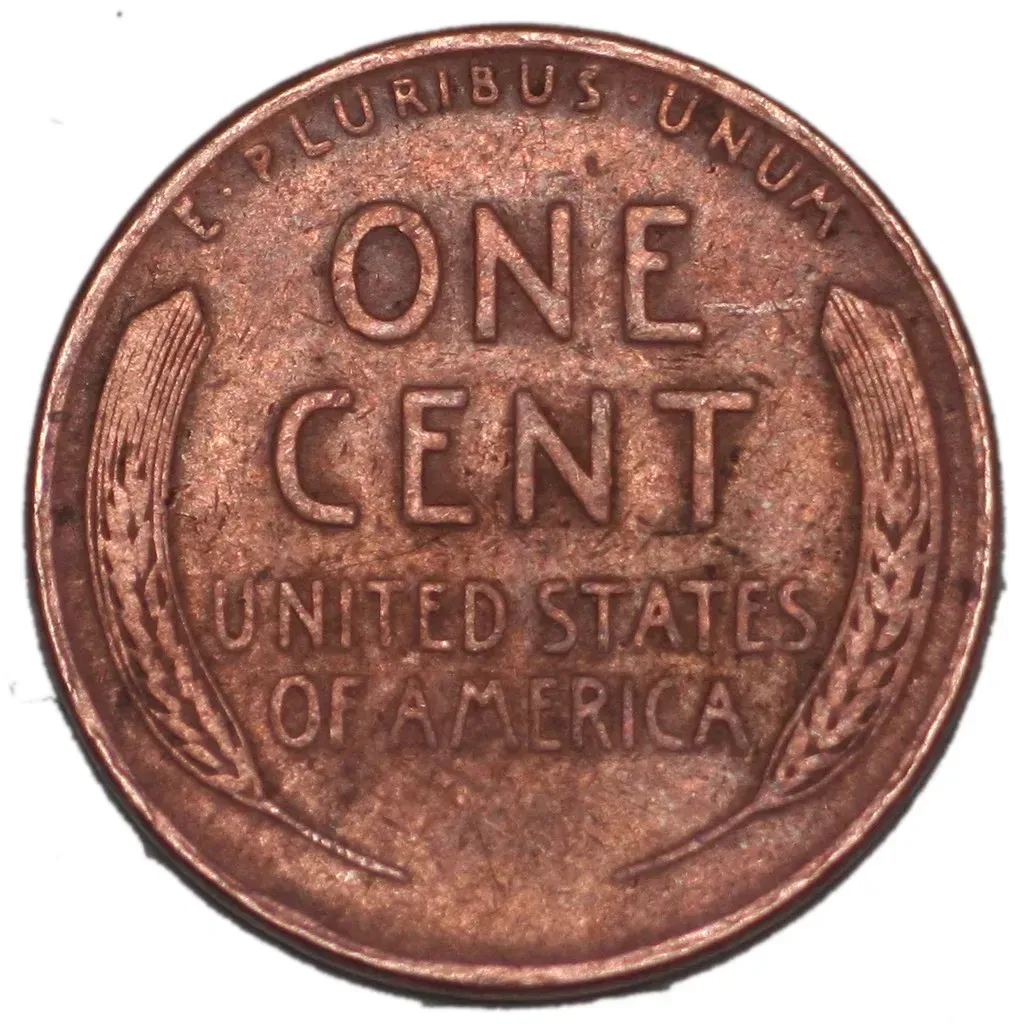
Lincoln Wheat Cents–or Wheat pennies, as they’re popularly known–were first issued over a century ago, way back in 1909. The last Wheat penny came out in 1958, as the type was replaced by the Memorial Cent in 1959. While not terribly common in pocket change today, they do show up every once in a while and are coins well worth looking out for. You may, however, increase your chances slightly by searching through rolls from a local bank.
Certain dates and mint marks command premiums well beyond face value. The 1909-S VDB, 1914-D, and 1931-S rank among the most valuable, with prices ranging from hundreds to thousands of dollars depending on condition. Even common dates in nice condition can be worth several dollars to collectors building sets.
The wheat stalks on the reverse make these pennies instantly recognizable. They’re not rare in the technical sense, but their age and historical appeal keep collectors hunting through change jars and penny rolls.