8 Home Features Buyers Say They No Longer Want, Realtor Data Reveals
The housing market feels like it’s always changing. Honestly, one year everyone wants open floor plans, the next year they’re craving cozy nooks. If you’re thinking about selling your home or just curious what’s considered outdated these days, it’s worth knowing what today’s buyers are actively avoiding. Recent data from real estate professionals and industry surveys shows a clear shift in buyer preferences during 2024 and 2025. Some features that were once considered standard or even desirable have fallen dramatically out of favor, potentially impacting your home’s appeal and resale value.
Formal Dining Rooms with Built-ins Are Losing Their Appeal
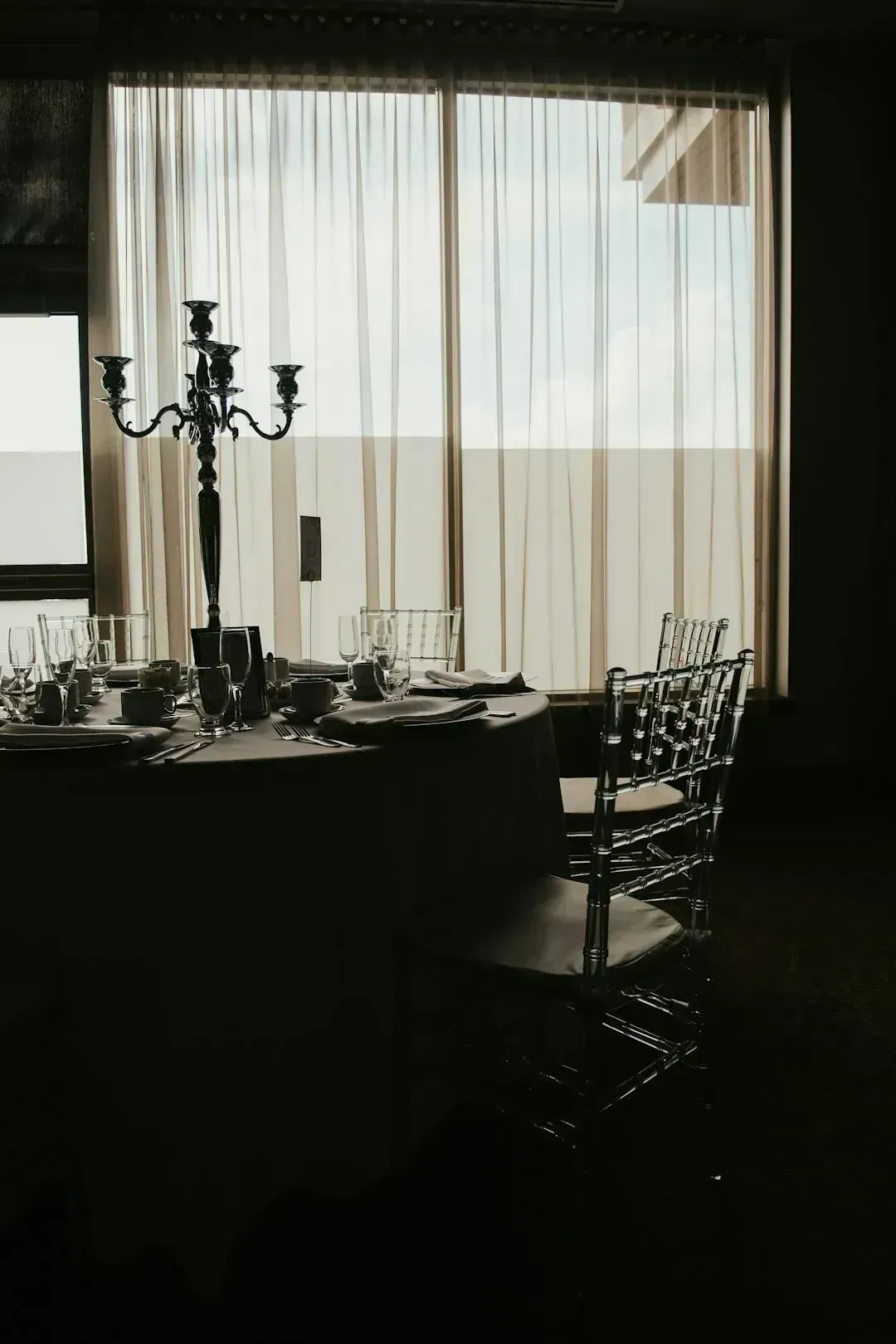
According to Realtor.com data comparing listings from 2024 to 2025, formal dining rooms with built-ins saw a decline of over 25 percent in how frequently they appeared in property descriptions. It’s hard to say for sure, but this dramatic drop suggests that buyers just aren’t prioritizing these spaces anymore. The lifestyle shift is real. Most families today prefer casual dining areas connected to the kitchen where they can multitask, help with homework, or just hang out. A formal dining room that only gets used twice a year for holidays? That’s valuable square footage going to waste in the eyes of modern buyers.
Wall-to-Wall Carpeting Throughout the Home
Homeowners favored hard-surface flooring throughout their homes for the past five years, though carpet is making a slight comeback in bedrooms specifically. Still, buyers are increasingly turned off by wall-to-wall carpeting in living rooms, hallways, and dining areas. When buyers do choose carpet in 2024, they’re opting for browns, beiges and tans over grays, especially cool blue-toned grays. The trend toward hard surfaces makes sense when you think about it. Hard floors are easier to clean, they don’t trap allergens, and they simply feel more modern and fresh. Let’s be real, nobody wants to inherit someone else’s old carpet.
Overly Open Floor Plans Without Defined Spaces
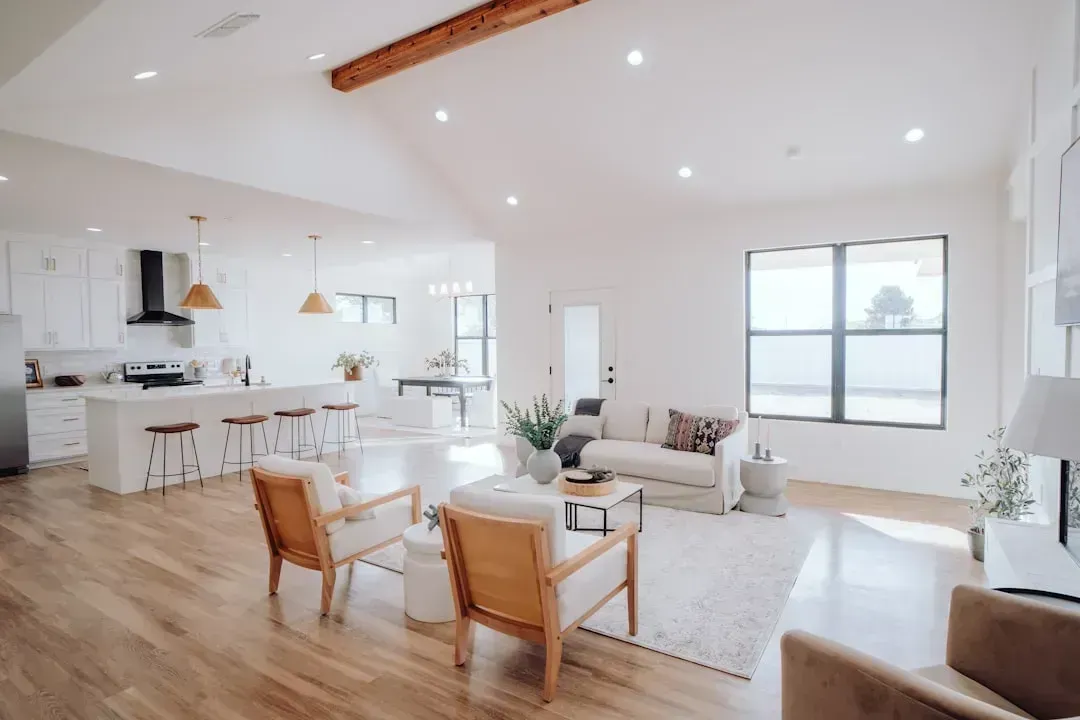
Here’s the thing: open floor plans used to be the holy grail of home design, right? Yet recent trends show a surprising reversal. Open floor plans are losing their charm as people crave more privacy, and closed floor plans are taking the lead, with buyers saying goodbye to vast spaces and hello to intimate seating arrangements in smaller rooms. The 2020 pandemic changed how we use our homes, creating demand for separate spaces where people can work, study, or just escape for a moment of quiet. A completely open concept means noise travels everywhere, there’s nowhere to close a door for privacy, and it can actually feel cold rather than inviting.
Infinity-Edge Pools and Elaborate Outdoor Water Features
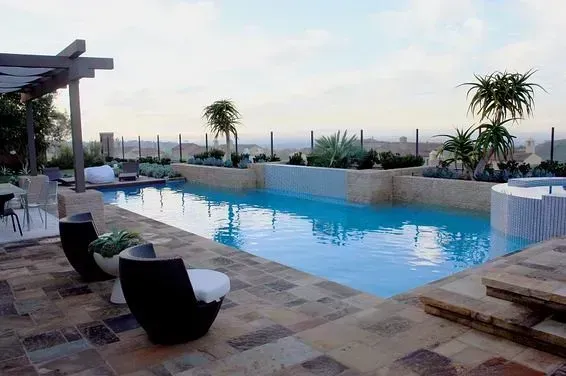
Infinity-edge pools saw a notable decline of nearly 25 percent in listing descriptions between 2024 and 2025. These high-maintenance luxury features are increasingly seen as more trouble than they’re worth. Infinity pools require specialized maintenance, they’re expensive to repair, and many buyers worry about the ongoing costs. Honestly, most families would rather have a functional pool with lower upkeep requirements or invest that money elsewhere in the property. The days of trying to impress with over-the-top outdoor water features seem to be fading as buyers prioritize practicality.
Three-Car Garages in Standard Suburban Homes
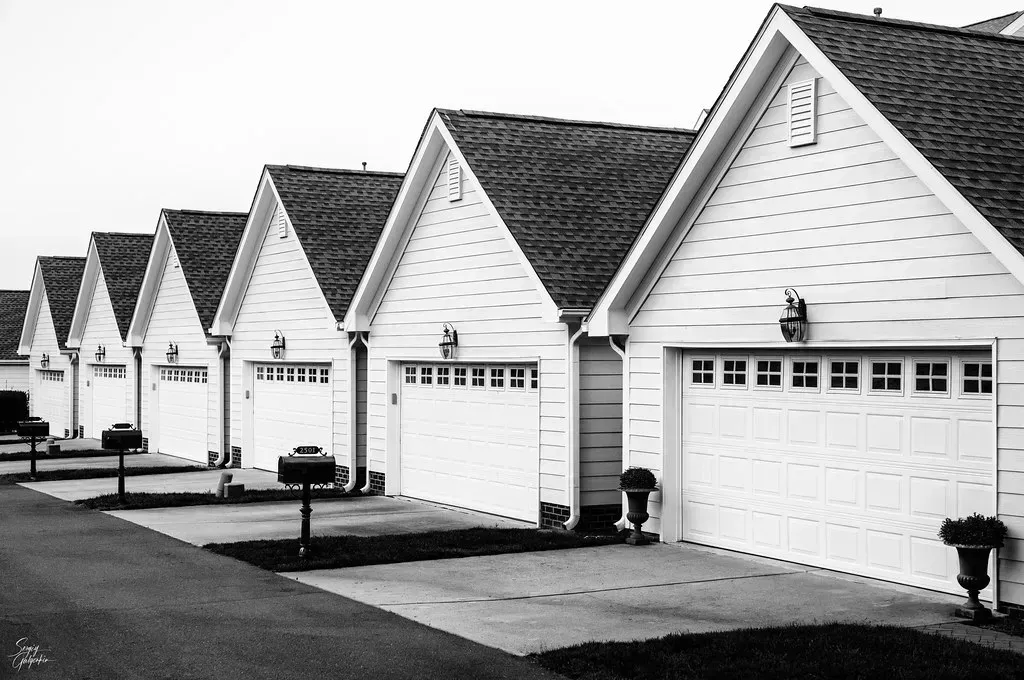
This one might surprise you. Three-car garages saw a decline of over 19 percent in how often they appeared in property descriptions. While attached garages remain popular, the supersized three-car versions are falling out of favor except in truly high-end properties. Buyers are questioning whether they really need that much garage space, especially when it means sacrificing yard space or adding significant cost to the home price. Modern homebuyers are looking for slightly less square footage in homes, just over 2,400 square feet, which is the smallest desired home size in over a decade. Smaller, more efficient homes mean less wasted space, even in the garage.
Bathtubs in Secondary Bathrooms
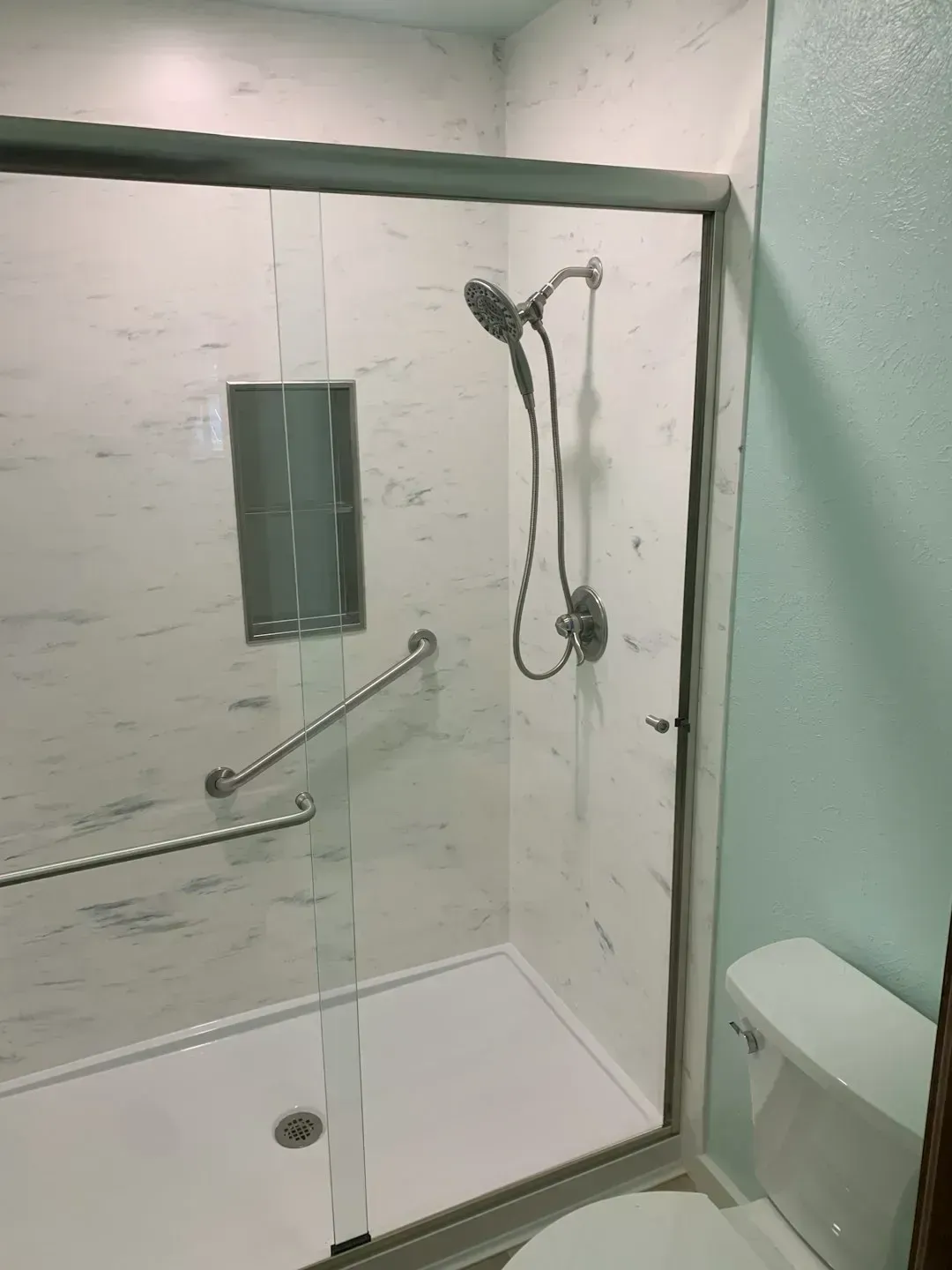
The bathtub debate is getting interesting. While soaking tubs are still a top premium bathroom feature frequently selected by home remodelers in primary bathrooms, buyers are increasingly indifferent to having bathtubs in secondary bathrooms. Many prefer walk-in showers with modern fixtures instead. Let’s face it, most adults rarely take baths, and when they do, they want it to be a luxurious experience in the primary suite. Secondary bathrooms with tubs can actually feel dated, take up valuable floor space, and limit design options. Curbless showers and spacious walk-in designs feel more contemporary and accessible.
Matching Furniture Sets and Built-in Everything
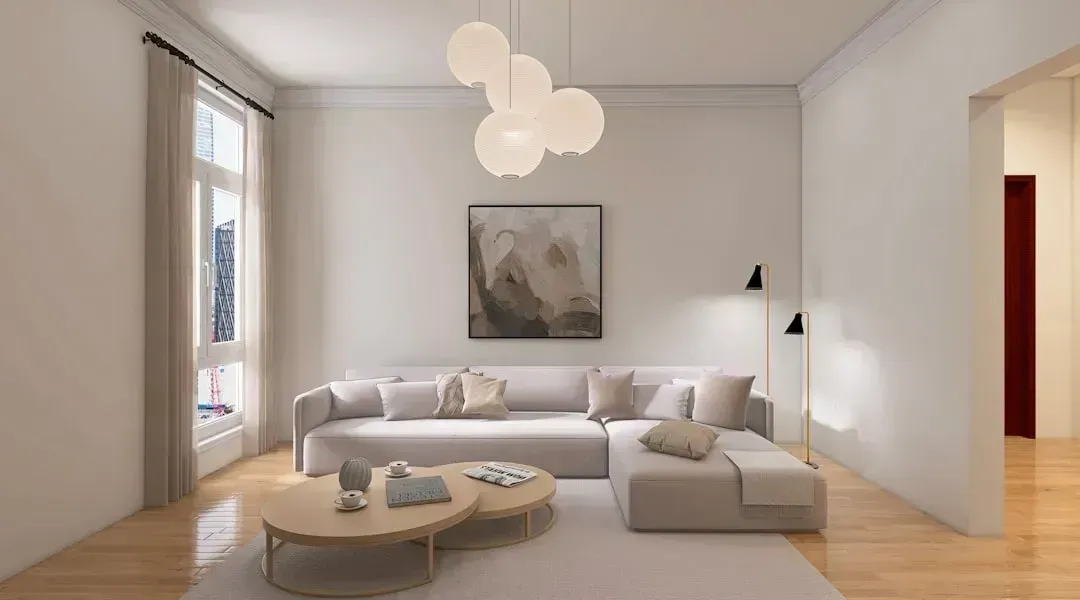
Matching furniture sets are a thing of the past, with buyers saying goodbye to the uniformity of matching sets and welcoming the mix and match trend. This philosophy extends to built-in furniture throughout the home as well. While custom built-ins were once considered upscale, today’s buyers see them as limiting. They want the flexibility to arrange their own furniture, change layouts when they feel like it, and not be locked into someone else’s design choices. Built-ins can make rooms feel smaller and dated, particularly when they’re done in styles that quickly fall out of fashion. Buyers want a blank canvas they can personalize.
Cool Gray Everything
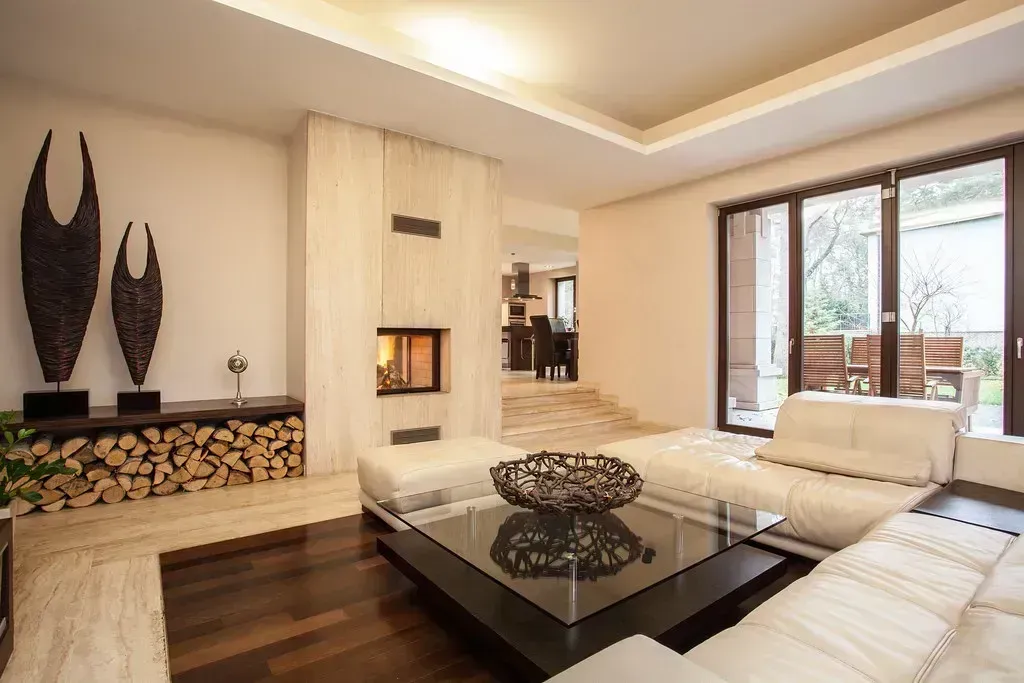
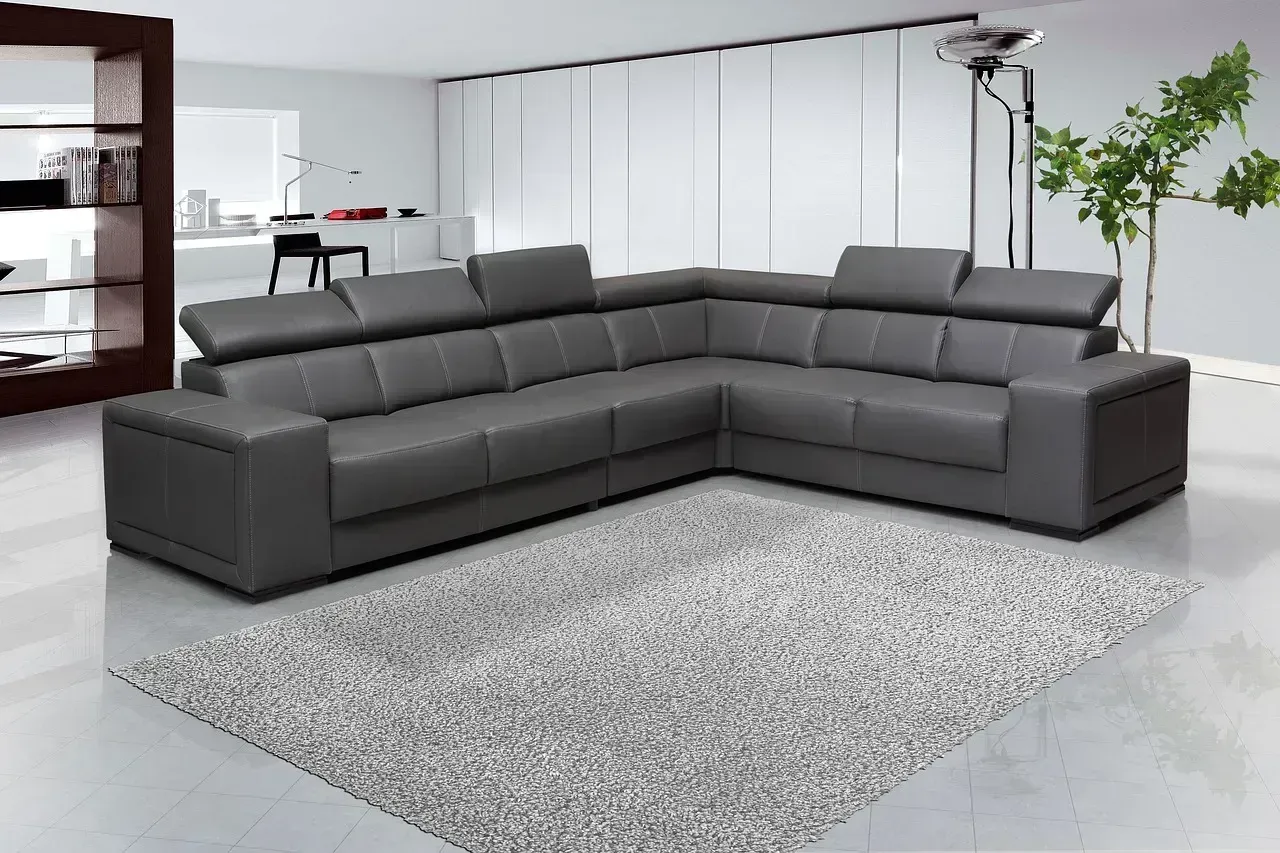
Gray walls are definitely a trend that’s over, making spaces look drab, and warmer neutrals like beige, cream, and earthy tones are taking center stage in 2024. This isn’t just about paint colors either. Gray flooring, gray cabinets, gray countertops – the all-gray aesthetic that dominated the 2010s now feels cold and sterile. Buyers want warmth, character, and homes that feel inviting rather than resembling a grayscale Instagram filter. The shift toward warmer tones reflects a broader desire for comfort and coziness in our living spaces, especially after spending so much time at home in recent years.
Home Offices That Try Too Hard
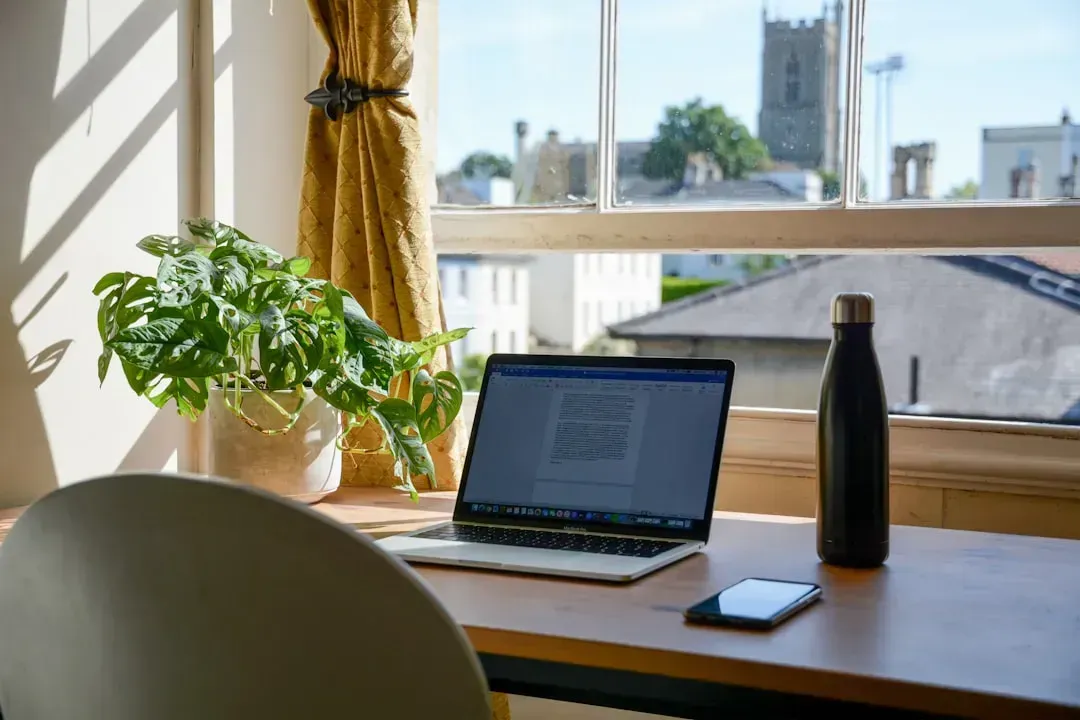
The pandemic made us all scramble to create home offices, but buyers are now rejecting those overly designed, permanent workspace setups that dominated 2020-2021. You know the ones – built-in desks, floor-to-ceiling shelving, elaborate cable management systems, and custom lighting that screams “I spent $15,000 on this Zoom background.” Today’s buyers want flexibility instead. They’re looking for spare rooms that can easily transform from office to guest room to hobby space as life changes. The truth is, many people are back in offices full-time or hybrid, so dedicating an entire room to a workspace that’ll sit empty most days feels wasteful. Real estate agents report that homes with multipurpose rooms sell faster than those with permanent office installations that future owners might need to rip out. It’s ironic – we all thought remote work would make home offices essential forever, but it turns out buyers prefer spaces that can adapt to whatever comes next rather than being locked into one very specific, very 2020 function.