12 Forgotten ’70s Dinner Recipes Making a Comeback
Honestly, it’s pretty surprising what’s happening in kitchens across America right now. In 2025, these recipes appeared across social media with updated ingredients and presentations, reflecting a return to the comfort foods of forty years prior. That brown, bubbly casserole your grandmother made seems to be everywhere again. In 2025, nostalgia-based trends are emerging from home decor trends to the family meal plan. While rising economic pressures and cultural shifts may contribute to unease and instability, many Americans are turning to the familiar dishes of their childhoods. Let’s be real here, some of these dishes sound absolutely wild until you taste them. The return isn’t accidental either. Rising food costs make these resourceful meals particularly appealing. Think about it: these recipes were designed to stretch budgets while still tasting incredible. What you’re about to discover might just change your dinner rotation entirely. So let’s dive in.
Beef Wellington Returns to the Table
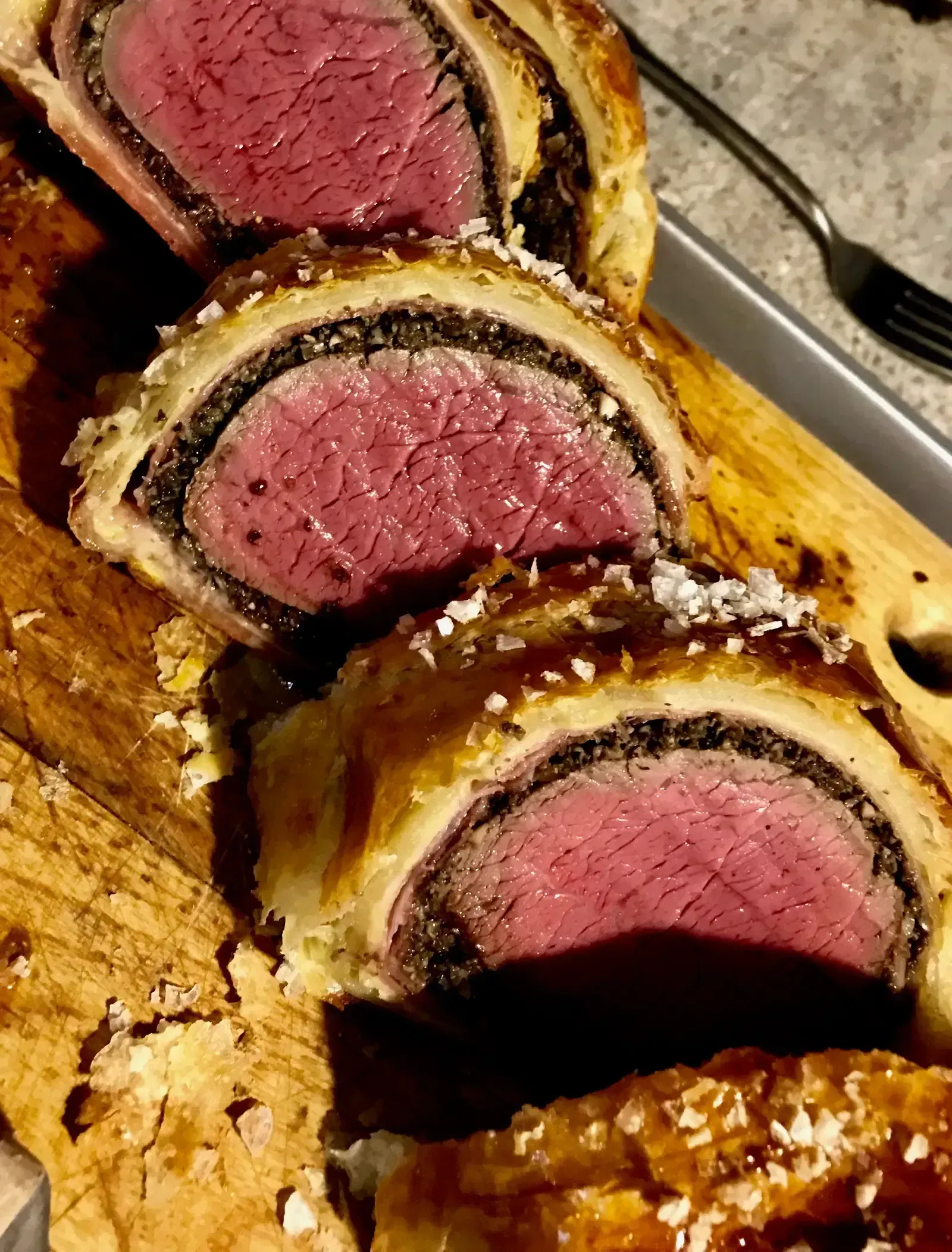
The popularity of beef wellington took off in the decades immediately after the Second World War, when a slew of recipes appeared in books and magazines on both sides of the Atlantic. This dish wrapped tender beef in pastry and became a showstopper at every fancy dinner party. In recent years, the popularity of Beef Wellington has seen a resurgence, thanks in part to celebrity chef Gordon Ramsay. The golden, flaky crust conceals perfectly cooked meat inside, creating genuine drama when you slice through it at the table. Sure, it looks complicated, but once you break down the steps, it’s surprisingly manageable for home cooks.
Fondue Makes a Cheesy Comeback
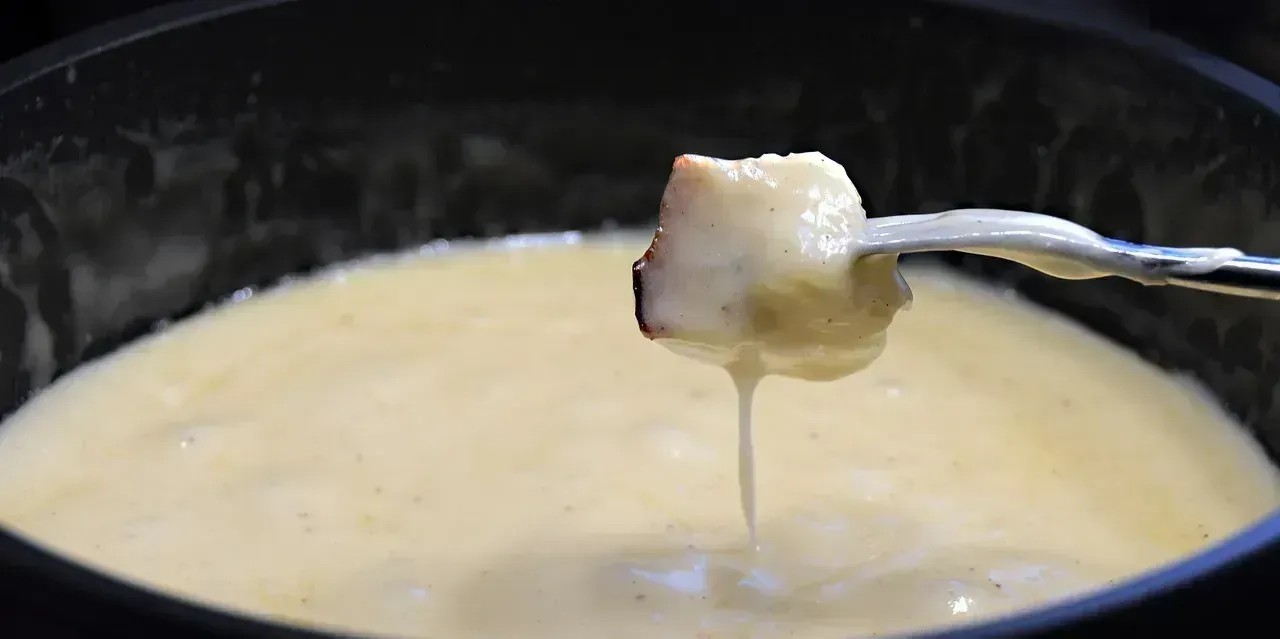
Here’s the thing: fondue never really disappeared in Switzerland, but Americans are rediscovering why communal eating around a bubbling pot of cheese feels so right. If you attended a dinner party in the 1970s, chances are you would have been served cheese fondue, a dish hailing from the Alps somewhere near the Franco-Swiss border. When fondue was on the menu, a pot filled with bubbling combo typically made of grated cheese and white wine was placed in the center of the table. Guests, wielding long forks, could dip chunks of bread or other tasty vittles into the cheesy pool. Good news, folks: Fondue is back on the menu. A staple of American dining in the 20th century, fondue later slipped into the “retro” category of recipes. The interactive nature makes dinner feel like an event rather than just a meal. People are even hosting fondue parties specifically because they’re craving that sense of togetherness.
Quiche Lorraine Reclaims Its Crown
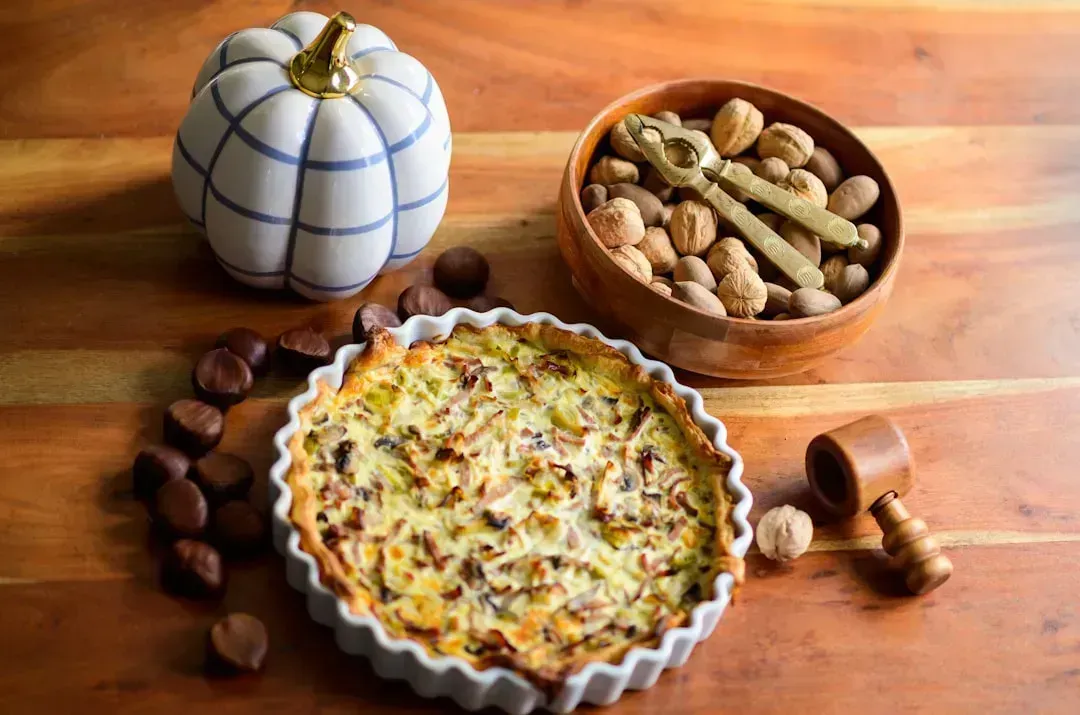
Nothing said “sophisticated dining” in the ’80s quite like a Quiche Lorraine. This savory, custard-filled pastry made with eggs, bacon, and cream became the darling of brunch menus and cocktail parties everywhere. Despite being mocked in that famous book about what real men supposedly don’t eat, this French classic has earned its place back. Quiche: Full and bite-sized quiches are becoming a popular savory breakfast and brunch selection. The buttery crust holds a silky custard interior that’s neither too heavy nor too light. It works for breakfast, lunch, or dinner, and honestly, that versatility is exactly what modern cooks need.
Chicken Kiev Brings Back the Butter
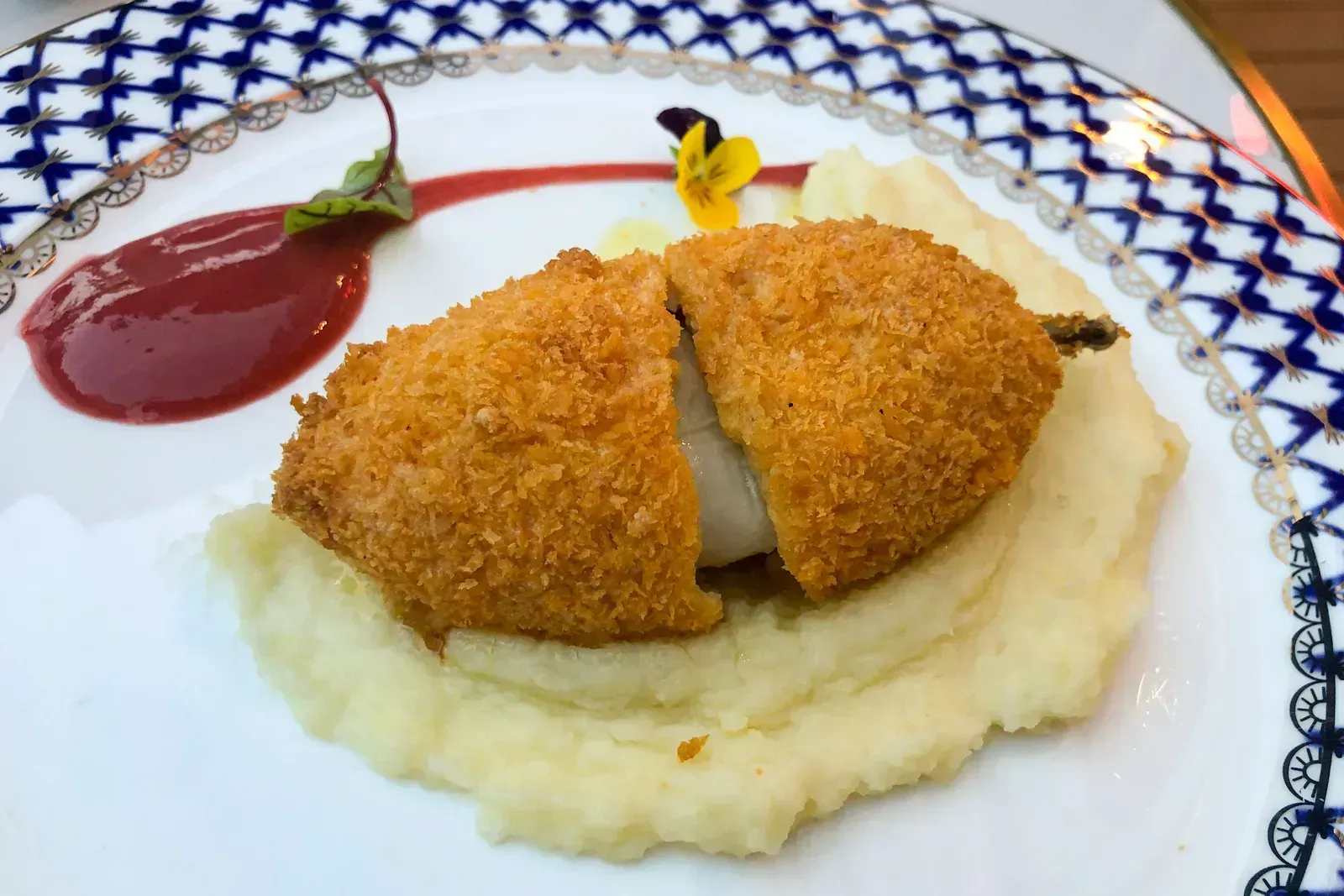
Back in the ’80s, few dishes felt as dramatic as Chicken Kiev. At first glance, it looked like a simple breaded chicken breast, but one slice into it, and an explosion of garlicky butter would come oozing out. It was like a magic trick on a plate, and diners loved every buttery bite. Chicken Kiev is ! This irresistible garlic butter-stuffed chicken breast is breaded and pan-fried. The crispy exterior gives way to juicy meat with a molten herb butter center. Young cooks are sharing videos of the butter fountain moment on social media, and it’s bringing this Ukrainian-Russian classic right back into American kitchens. The technique might seem fussy at first, but it’s actually quite forgiving once you get the hang of sealing that butter inside.
Salisbury Steak Gets a Second Chance
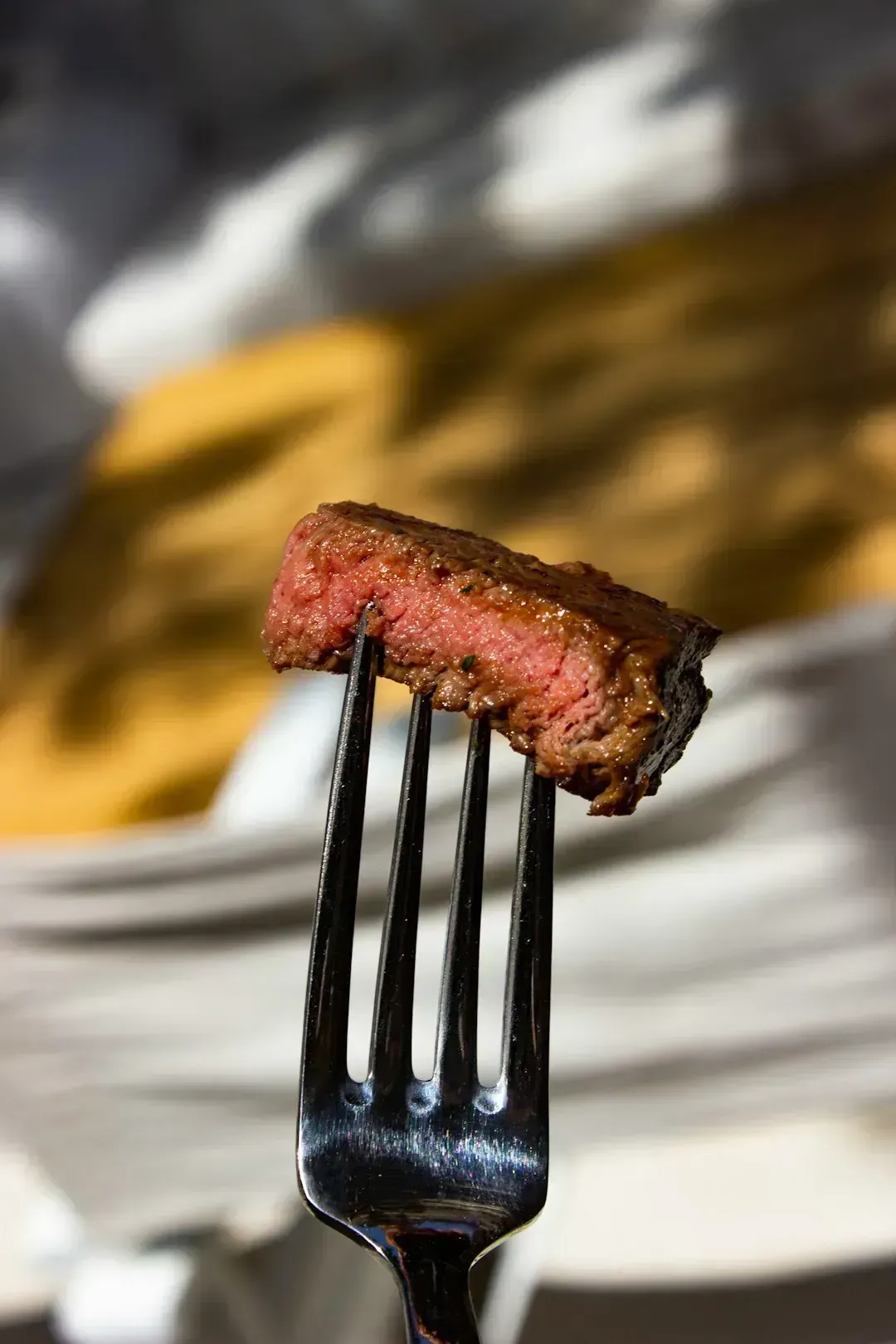
Made by shaping minced beef into miniature meat loaves, Salisbury steak – served with mashed potatoes and gravy – was a staple cafeteria lunch and TV dinner in America in the 1970s. Yeah, frozen dinners gave this one a bad reputation, but when you make it from scratch with real ingredients, the result is completely different. Salisbury Steak in the Slow Cooker revives the TV dinner classic the way it was originally meant to be – hot, tender, and covered in gravy. In the ’70s, this was a weeknight standard that felt like more. Slow cooking updates the method without losing what made it a staple. The rich mushroom gravy soaks into fluffy mashed potatoes, and suddenly you understand why this was comfort food in the first place.
Tuna Noodle Casserole Comes Home
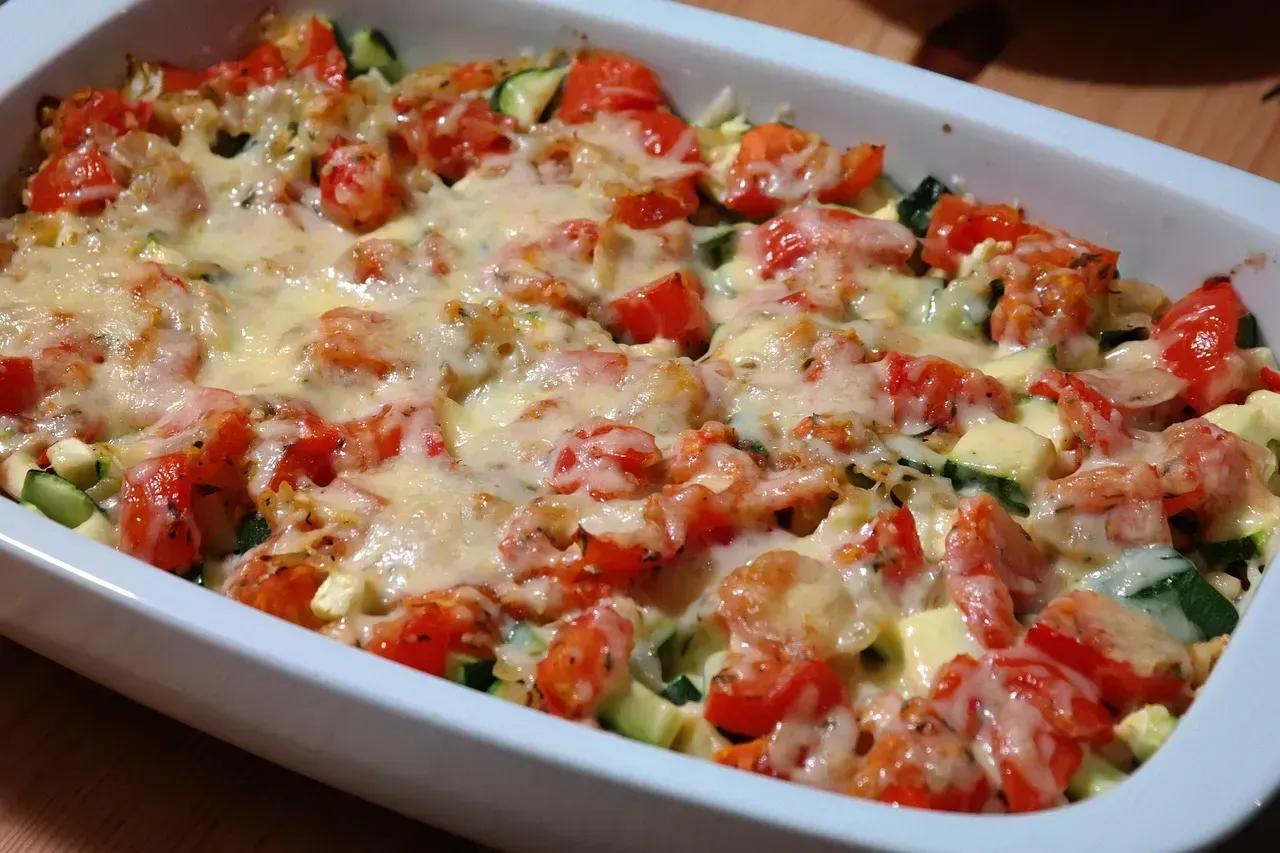
Tuna noodle casserole was once a regular midweek fixture, whipped up using pantry staples and canned goods. A mixture of pasta, Campbell’s cream of mushroom soup, frozen peas, tuna and breadcrumbs, it was a hearty dish that was as fuss-free as it was tasty. Nobody’s pretending this is haute cuisine, but that’s exactly the point. Easy Tuna Noodle Casserole was peak ’70s practicality – pantry-based, fast, and surprisingly filling. Tuna, noodles, and creamy sauce made for a dinner that showed up everywhere from church suppers to weeknight tables. Modern versions swap canned soup for homemade sauce and add panko breadcrumbs on top for extra crunch. It feeds a crowd without breaking the bank or taking hours in the kitchen.
Beef Stroganoff Without the Shortcuts
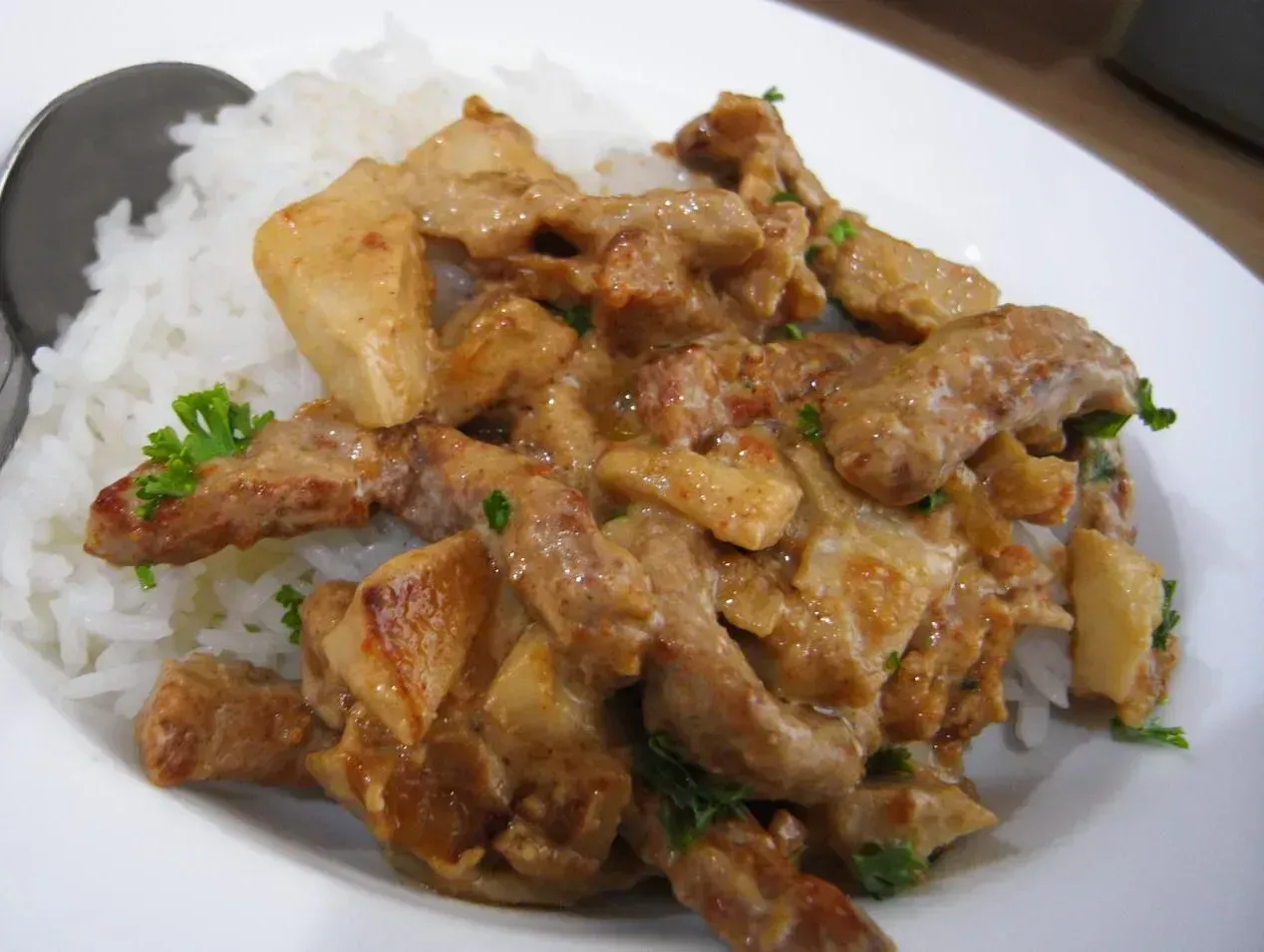
Named after Russian nobleman Count Pavel Stroganoff, this comfort food classic is said to have been invented by a French chef back in the 19th century – but it really took the world by storm in the 1960s and 1970s. Cooks used to dump in canned mushroom soup and call it a day. Made well (that’s without the can of condensed mushroom soup), it’s a recipe that’s always worth revisiting. The proper version with tender beef strips, sautéed mushrooms, and real sour cream sauce over egg noodles is worlds apart from the gloppy stuff people remember. When you taste authentic stroganoff made with quality ingredients, you’ll wonder why anyone ever stopped making it this way.
Chicken à la King Makes Its Royal Return
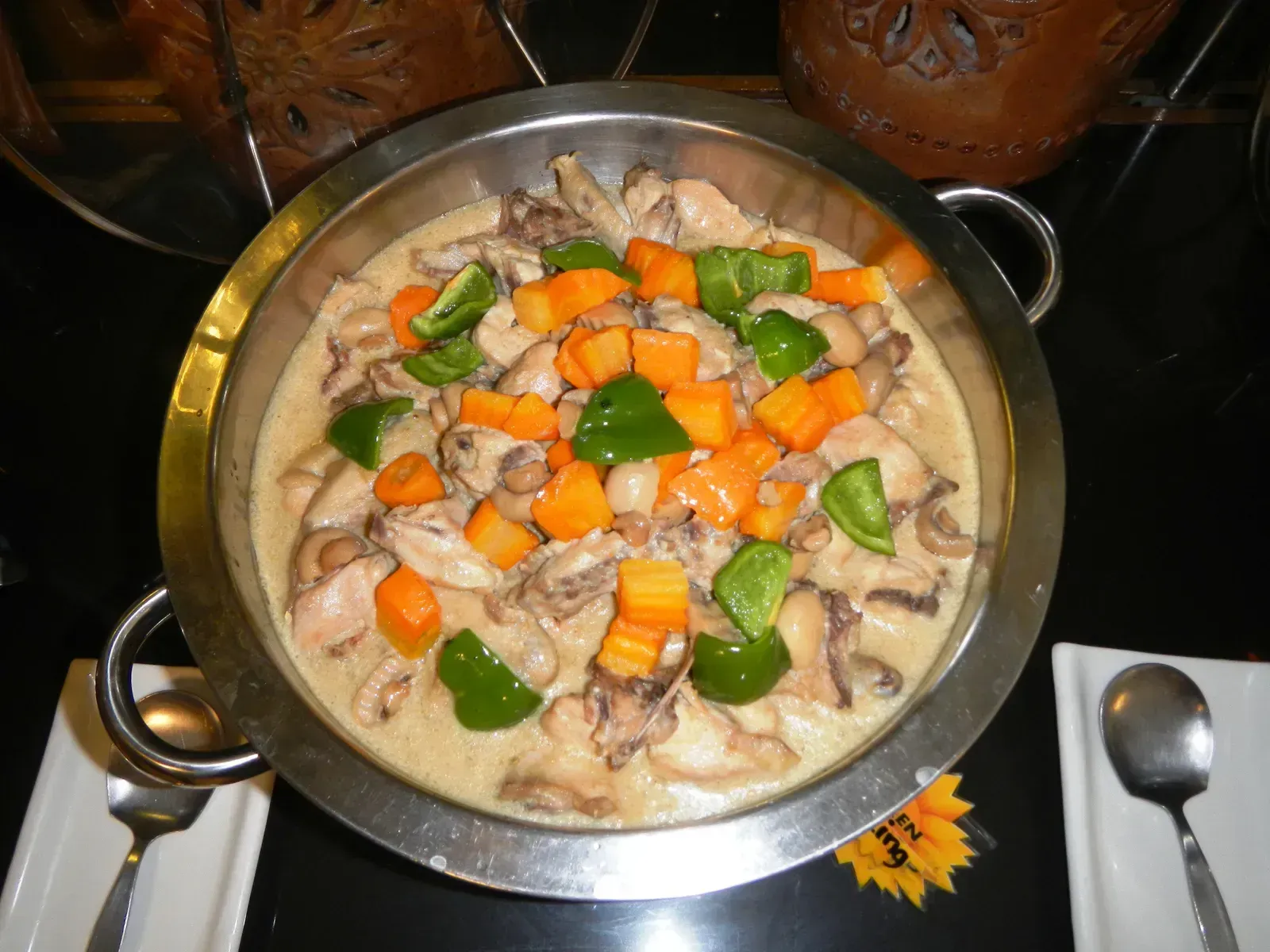
Chicken à la King brought a little luxury to everyday ’70s meals using just pantry basics. Creamed chicken and vegetables served over toast was quick, filling, and made you feel like dinner mattered. This one disappeared almost completely for a while, but it’s showing up again in home kitchens. The creamy sauce loaded with chicken, mushrooms, and pimentos gets ladled over toast points or puff pastry shells. It looks elegant enough for guests but comes together faster than you’d expect.
Pineapple Upside-Down Cake Flips Back
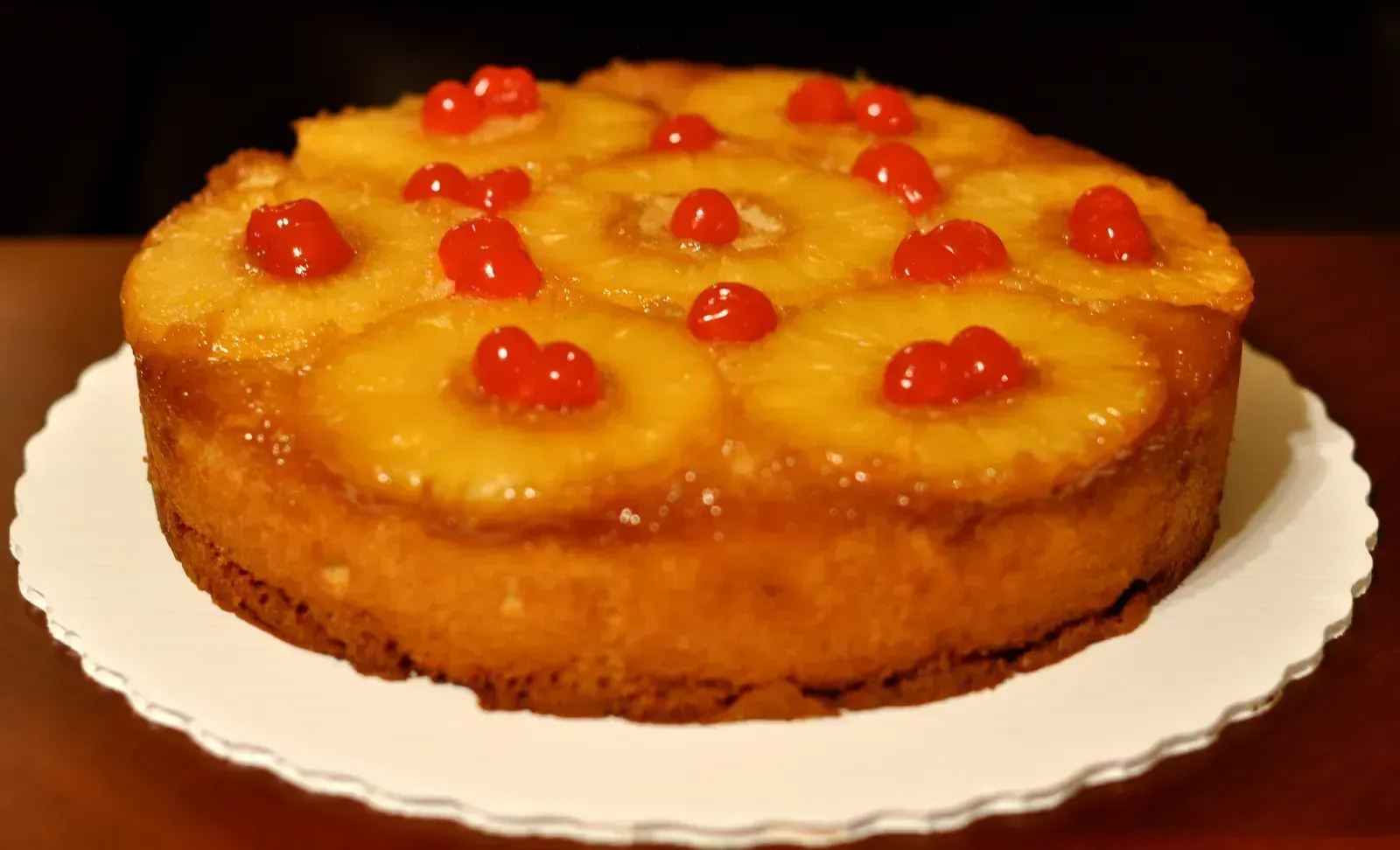
According to food historians, the term ‘upside-down cake’ first appeared in the late 1800s. However, it wasn’t until the early 20th century that the pineapple upside-down cake began to pop up in magazines and cookbooks, following the introduction of canned pineapple. The dessert hit its peak in the 1960s and, while upside-down cakes are still around today, they’re usually made using different fruit. The classic version with perfectly arranged pineapple rings and bright red maraschino cherries delivers pure nostalgia. That caramelized fruit layer on top creates a sticky-sweet glaze that soaks into the tender cake beneath. People are posting photos of their versions online, and suddenly everyone wants to pull out their cast iron skillets again.
French Onion Soup Bubbles Back
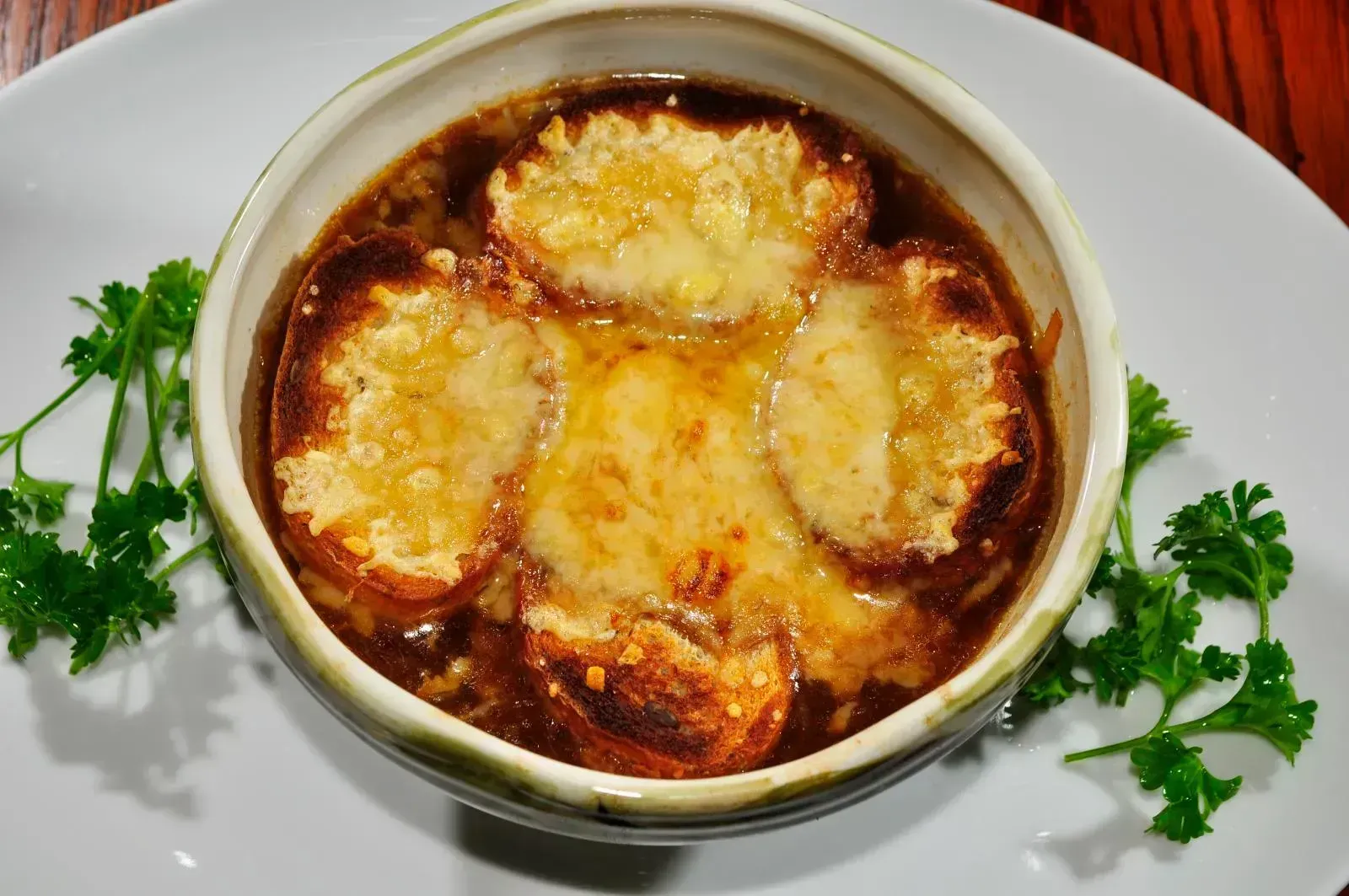
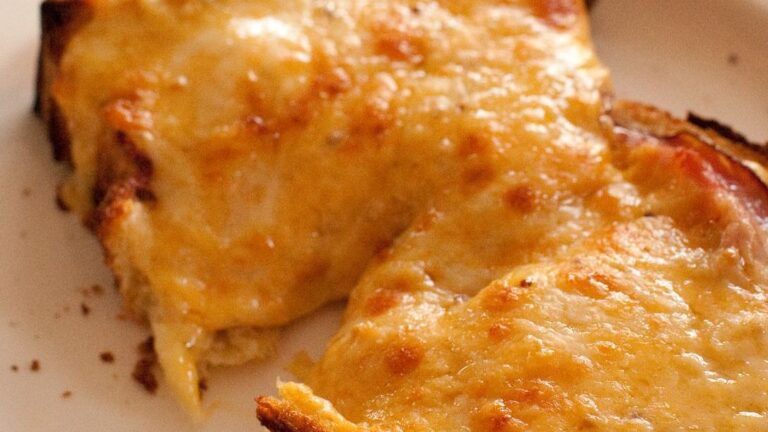
French onion soup: This go-to comfort food has recently experienced a renaissance and is appearing on a growing number of menus across the country. Few dishes felt fancier in the ’80s than a steaming bowl of French Onion Soup served in a heavy ceramic crock with gooey, golden-brown cheese bubbling over the top. This decadent, comforting dish became a staple in restaurants across America, offering a taste of old-world French sophistication. The labor of slowly caramelizing those onions for roughly an hour pays off when you pull that cheese-topped crock from the oven. That first spoonful with the stretchy Gruyère connecting bowl to mouth never gets old, no matter how many times you’ve had it.
Pasta Primavera Brightens Plates Again
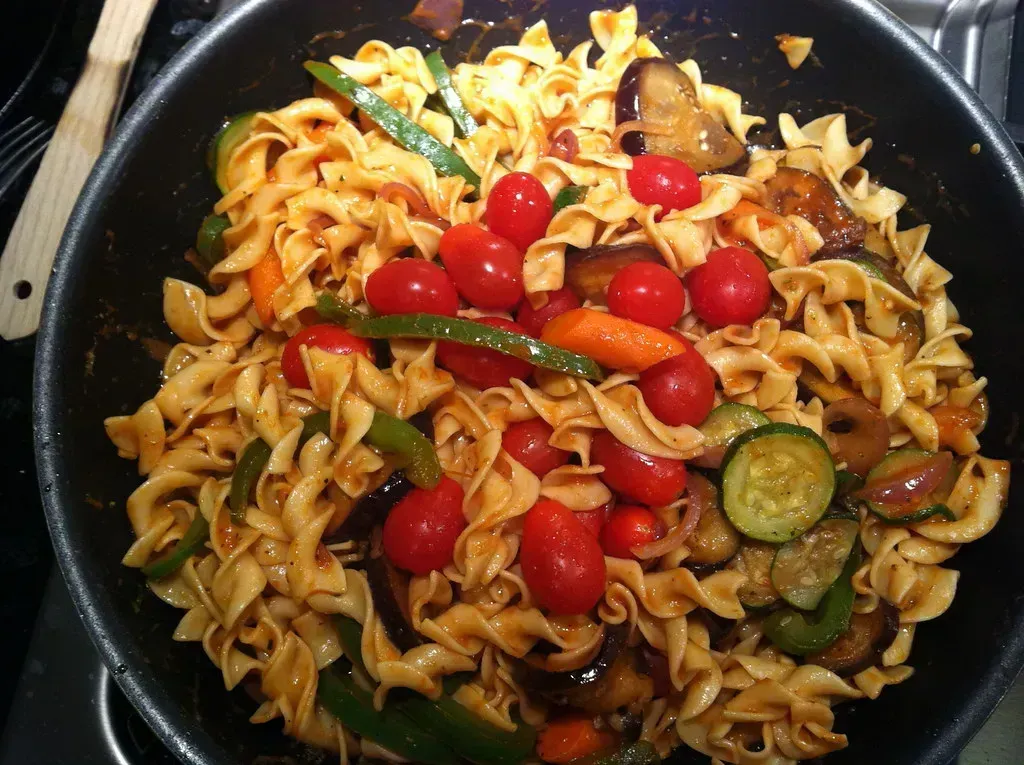
Italians have been rustling up brilliant pasta dishes loaded with vegetables for centuries, but pasta primavera is a resolutely American creation. Invented in the 1970s by chefs at Le Cirque, an upmarket restaurant in New York City, this continues to be a family favorite. The dish celebrates fresh vegetables tossed with pasta in a light cream sauce. When people in the ’80s wanted to lighten up their meals without sacrificing flavor, Pasta Primavera was the answer. This dish, which combined fresh vegetables with creamy sauce over pasta, was the perfect blend of indulgence and nutrition. Spring asparagus, bright peas, crisp broccoli, and zucchini come together in a way that feels both virtuous and satisfying. Modern cooks are adapting it with seasonal vegetables and different pasta shapes, proving the basic concept still works brilliantly.
Jell-O Salads Jiggle Into Relevance
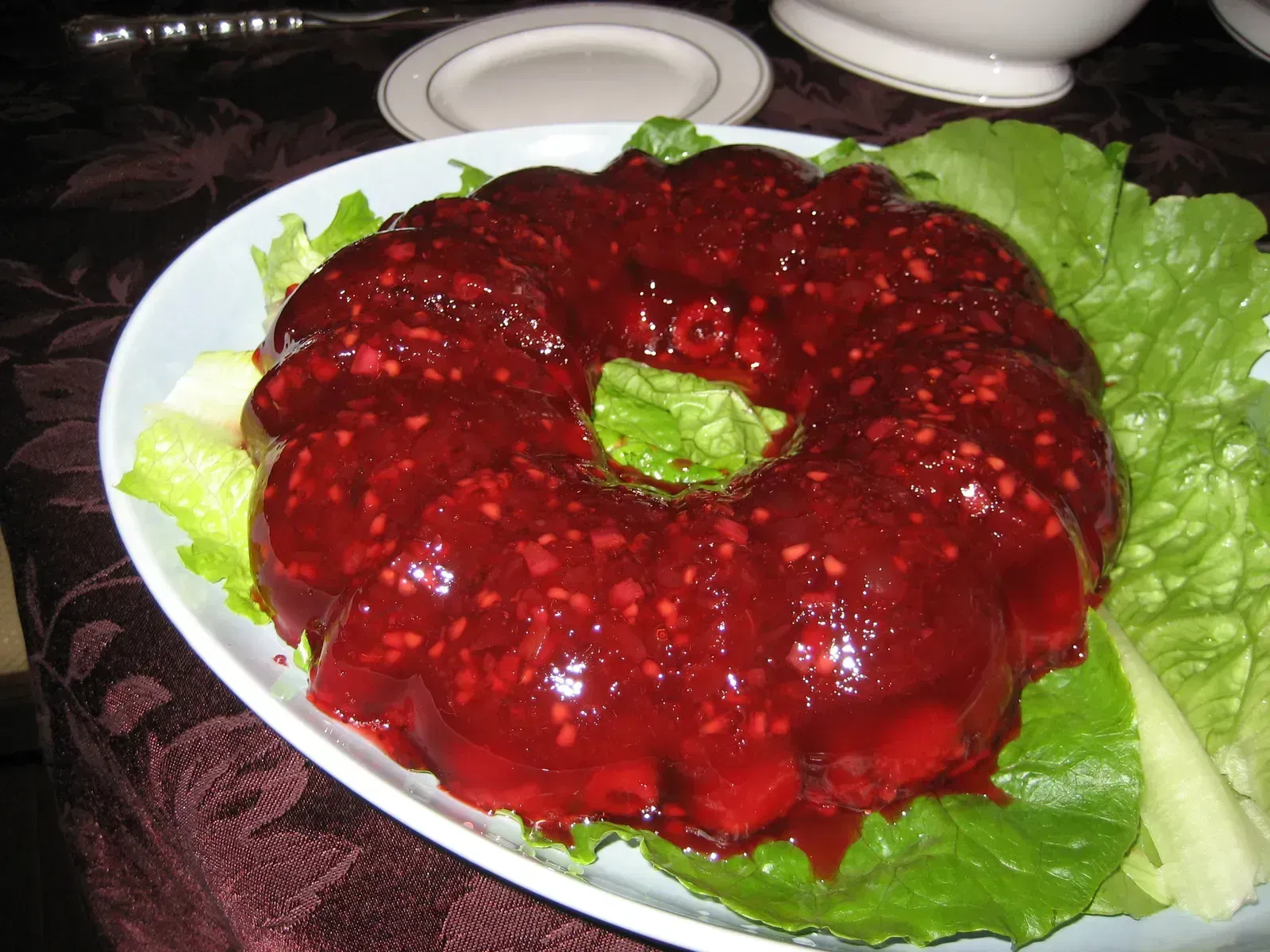
I know what you’re thinking – those suspended-in-gelatin creations can’t possibly be making a real comeback. Yet here we are. As millennials and Gen X rediscover “grandma food” such as meatloaf, casseroles and Spam, the wave of nostalgia has made room for gelatin-based “food art” trending across TikTok, Instagram and Pinterest. Shimmering aspic creations garnished with edible flowers have tapped into a growing fascination, especially with the texture. Jellied desserts are having a resurgence in recent years. [There are] layered jelly petit fours, jelly-based cakes and small bites with beautiful pieces of fruit and flowers inside. The sweet versions with fruit cocktail and marshmallows work as retro desserts, while savory tomato aspics are showing up at dinner parties as conversation starters. Not everyone will love them, but they’re definitely back in rotation for adventurous cooks who appreciate their visual drama and historical significance.
These twelve dishes prove that good food never truly disappears – it just waits for the right moment to return. Whether you’re drawn to the budget-friendly nature of these recipes or simply craving the flavors of decades past, there’s something satisfying about bringing these classics back to modern tables. What surprised you most about this list?