Some Buffalo Nickels Are Worth Thousands – Here’s How to Identify Them
Certain Buffalo nickels can fetch thousands of dollars depending on rare key dates or minting errors, turning what appears to be ordinary pocket change into a small fortune. These coins were in circulation from 1913 until 1938 and were designed by sculptor James Earle Fraser. While most of these coins are worth only a few dollars in worn condition, specific examples have sold at auction for eye-watering sums. A gem-status 1937-D Three-Legged Buffalo Nickel sold for over $7,500 in November 2024, proving that the right coin at the right time can change someone’s financial situation dramatically.
The Legendary Three-Legged Buffalo Error
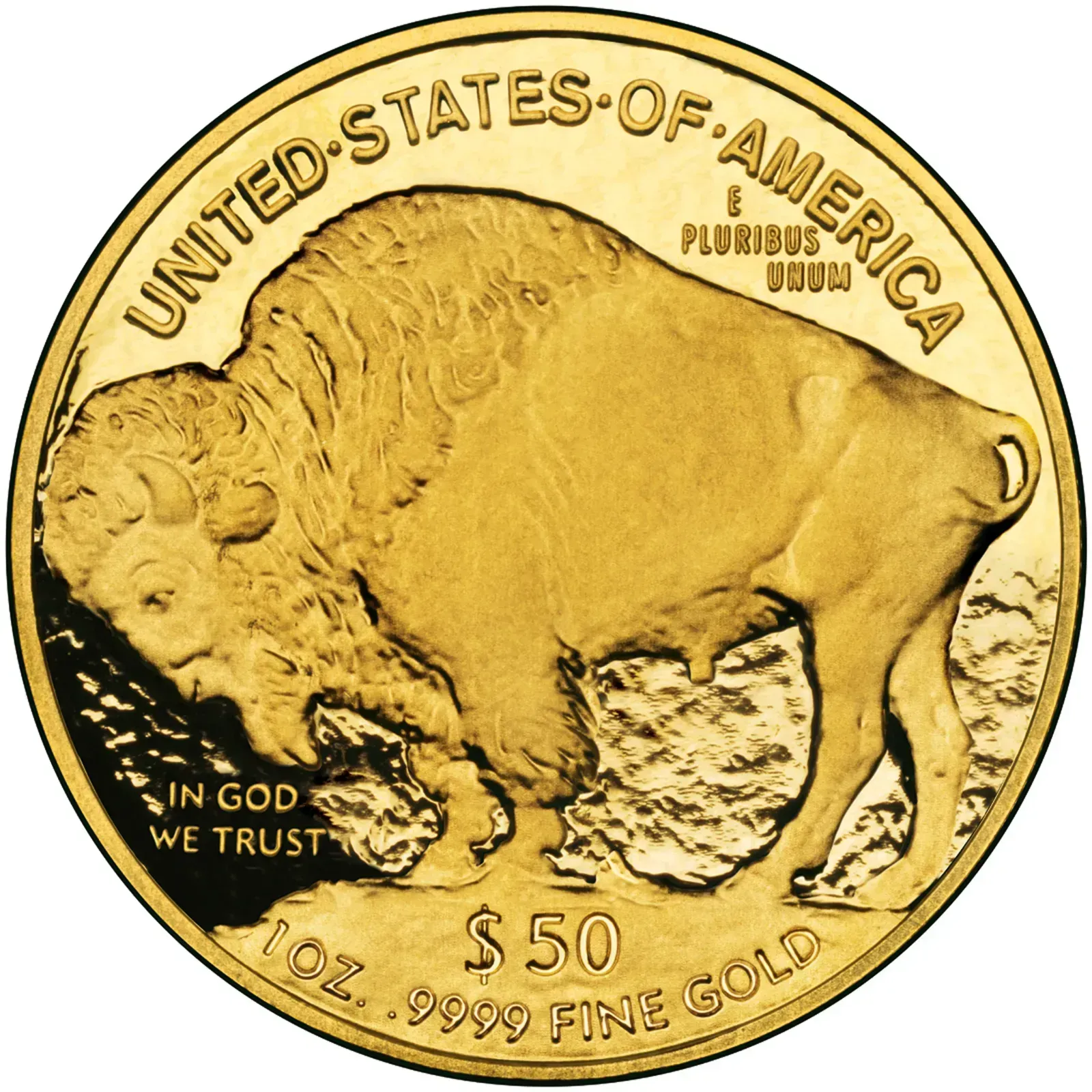
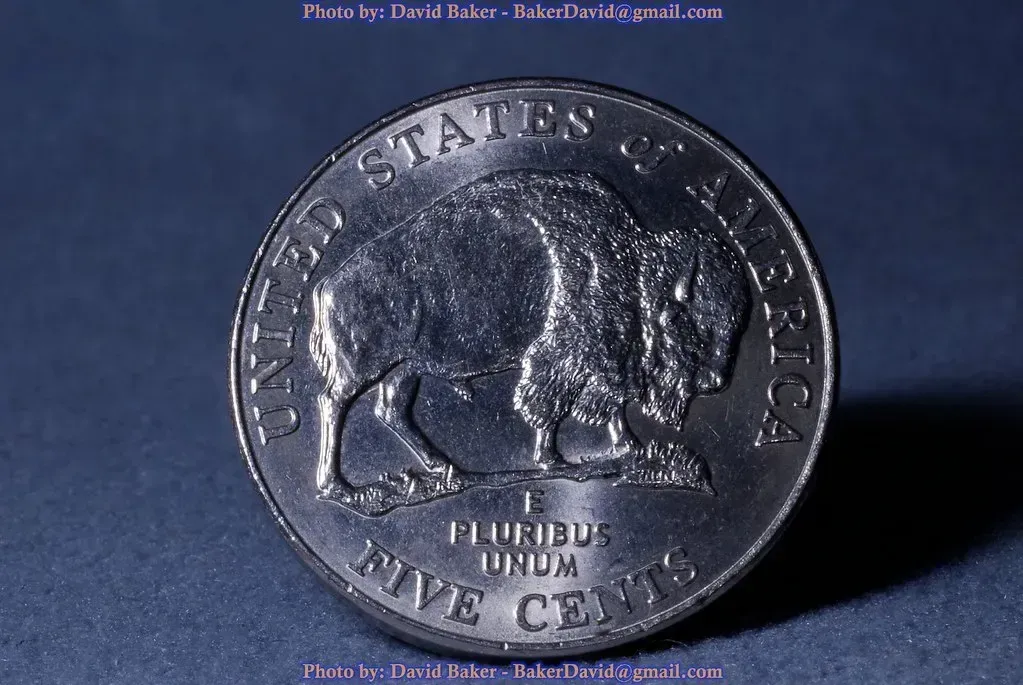
Error coin collectors discovered this three-legged buffalo in 1939, and experts estimate that around 10,000 of these error coins entered circulation. The story behind this mistake is almost as fascinating as the coin itself. A young Denver mint worker accidentally caused the opposing dies to crash together when the planchet-feeder stopped feeding blank metal into the press, damaging the dies. In an attempt to fix the problem, the worker over-polished one die with sandpaper, accidentally removing one of the buffalo’s front legs.
Coins graded by NGC and PCGS have sold for anywhere between $705 and $2,640 at auction, with premium examples commanding significantly more. In 2021, a three-legged nickel graded MS66 was sold for $99,875 at Legend Rare Coin Auctions. This dramatic visual error makes the coin incredibly easy to spot even without magnification, which is why it remains one of the most famous U.S. coin errors ever produced.
Overdate Varieties That Command Premium Prices
The 1918/17-D Overdate shows a faint “7” under the “8” in the date on coins from the Denver Mint. This happened when mint workers used a 1917 die and simply stamped a new “8” over the “7” to create 1918-dated coins. The 1918 overdate error is extremely rare and these coins were only produced in the Denver mint, making them highly sought after by serious collectors.
The 1916 Buffalo nickel doubled die obverse sold for $281,750 in 2004, establishing a strong market value for this remarkable minting error. The 1916 doubled die variety shows extremely obvious doubling on the date numerals, with only a few hundred examples surviving, and even the most worn examples are worth $5,000 or more. These aren’t subtle imperfections you need a microscope to find. Hold one of these coins under decent lighting and the doubling practically jumps out at you.
Key Dates and Mint Marks That Increase Value
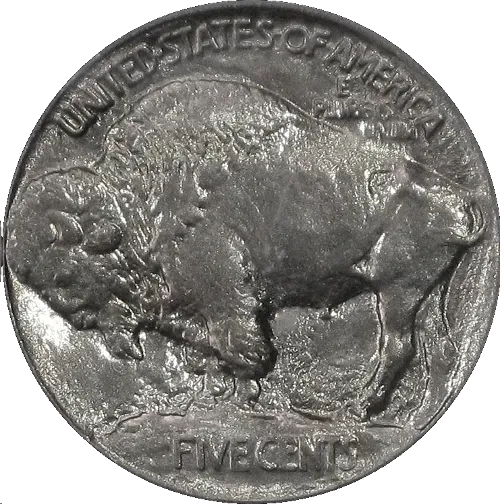
Low mintage numbers of San Francisco Buffalo nickels place most dates as the scarce issue for the year, with a total of 118 million struck with all years combined, the lowest of the mints. Early year Denver examples from 1913 to 1926 are all high premium coins, and surprisingly, the 1938 Denver nickel is a premium coin because it was the last year of the series and only minted at Denver.
Each Buffalo Nickel has a date and a mint mark indicating where it was produced, with Denver marked “D,” San Francisco marked “S,” and Philadelphia having no mint mark, making some combinations harder to find due to lower mintages. Honestly, I think collectors underestimate how much difference a tiny letter can make. That small “D” or “S” stamped beneath the buffalo on the reverse can transform a fifty-cent coin into something worth hundreds or even thousands.
Condition and Grading Matter Immensely
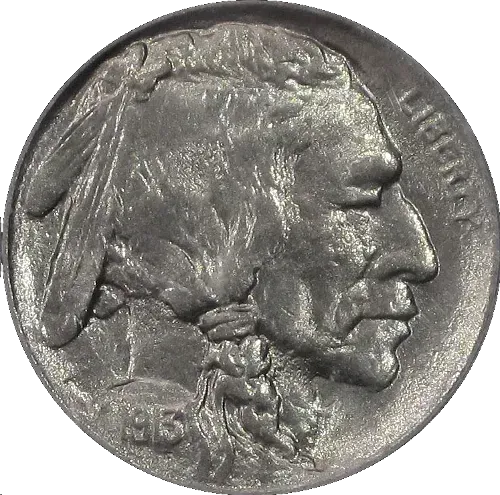
The condition of a Buffalo Nickel is vital in determining its value, with coins graded on a scale ranging from Poor (P-1) to Mint State (MS-70), and the better preserved the coin, the higher its value. Coins in pristine condition can sell for 50 times more than others in poor condition, and this affects Buffalo Nickels more than other coins because uncirculated examples are extraordinarily rare.
A single light source and magnification help inspect for a clear date, as the date area is high in relief on Buffalo nickels and quickly wears, so a bold date showing places your coin in the upper grade ranges. The raised design that makes these coins so beautiful also makes them vulnerable to wear. It’s frustrating to find what looks like a rare date only to discover the details have been rubbed away by decades of handling. Always buy from reputable dealers, reference guides like the “Red Book” to verify value, and seek professional appraisal for potentially valuable coins.
Spotting Fakes and Avoiding Common Mistakes
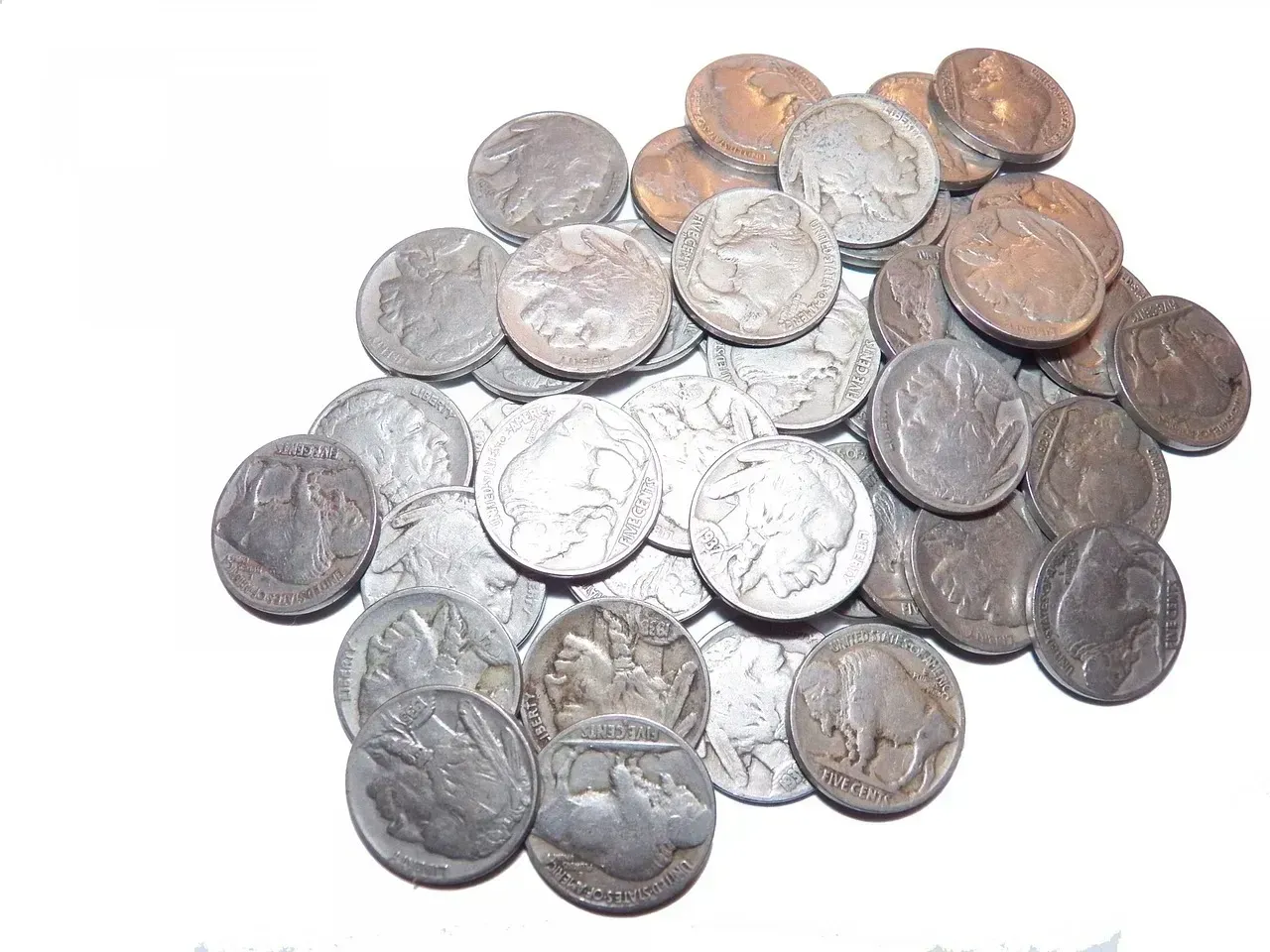
The coin collecting world has its fair share of scams, with sellers claiming common Buffalo Nickels are rare and demanding high prices, attempting to tamper with coins to create fake errors like a missing leg, or listing coins online that don’t match the described grade. Here’s the thing: if someone’s trying to sell you a Three-Legged Buffalo for twenty bucks, walk away. Due to high demand, counterfeit and altered coins exist, making professional authentication extremely important.
Chemical restoration using ferric chloride (Nic-A-Date) can temporarily reveal dates but leaves a permanent unattractive mark that diminishes aesthetic value, and collectors value partial-date buffalo nickels higher than dateless counterparts, making chemical restoration a risky venture. Never try to improve a coin’s appearance yourself. Professional numismatists view chemically treated coins with justified skepticism. Even well-meaning attempts to “restore” a coin usually end up destroying whatever collector value it might have had.
Did that Buffalo nickel in your change jar just become a lot more interesting? What hidden treasures might be hiding in plain sight in your own collection?