10 Foods Banned in Other Countries That Americans Still Eat
Ever wonder why some of your favorite snacks and treats are impossible to find in Europe? Maybe you’ve noticed that familiar candy brands look slightly different overseas, or that certain sodas simply don’t exist on foreign shelves. There’s a reason for that disconnect. While Americans continue consuming products loaded with synthetic dyes, chemical treatments, and lab-made additives, other countries have drawn a hard line in the sand.
The gap between American food standards and those in the European Union, Canada, and beyond has widened dramatically over the past few decades. What’s considered perfectly acceptable in the U.S. often raises red flags abroad, prompting outright bans or strict warning labels. These aren’t just minor differences in taste or preference. They’re fundamental disagreements about what belongs in our food supply.
So let’s dive in and explore ten foods that Americans consume regularly but are either banned or heavily restricted in other parts of the world.
Mountain Dew and Other Sodas With Brominated Vegetable Oil
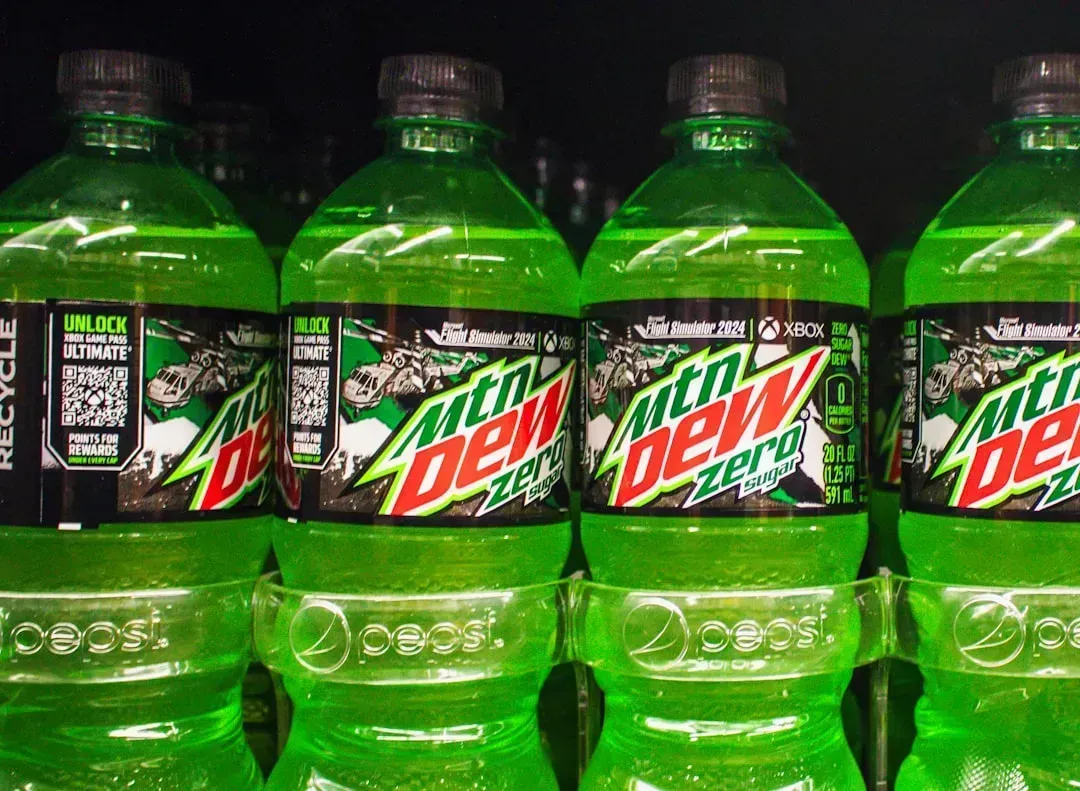
Brominated vegetable oil, or BVO, is a stabilizer made with a blend of vegetable oil and bromine that allows citrus-flavored drinks to taste the same all the way down the bottle or can. Think about that for a second. Bromine is also used in fire retardants and certain sedatives, yet it’s been floating around in American soft drinks for decades. In the European Union, BVO has been banned from use since 2008, and it was originally banned in the UK and several other European countries in 1970. Japan followed suit years ago.
The FDA concluded that the intended use of BVO in food is no longer considered safe after the results of studies conducted in collaboration with the National Institutes of Health found the potential for adverse health effects in humans. The agency finally revoked its authorization in July 2024, giving manufacturers one year to reformulate. Canada banned the use of brominated vegetable oil since August 30, 2024. Still, older products might linger on shelves, and Americans have been consuming this stuff for years without knowing.
Skittles and Candies Containing Titanium Dioxide
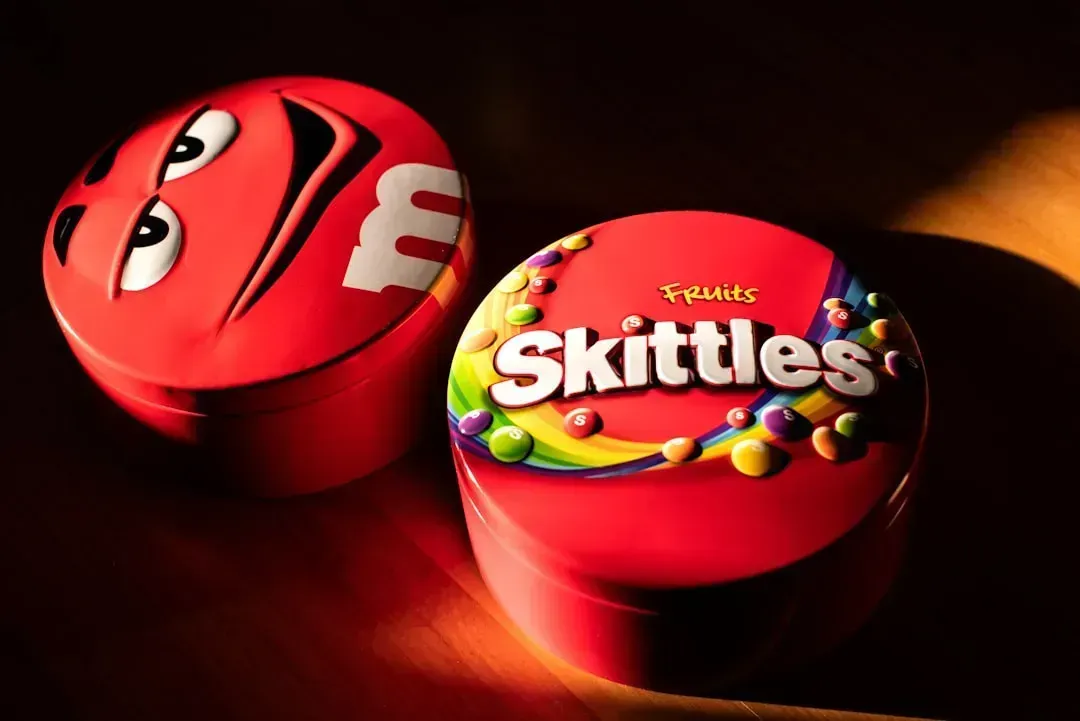
Taste the rainbow? More like taste the titanium dioxide. This whitening agent has been used to make candies brighter and more appealing, but the European Commission banned the food additive titanium dioxide, also known as E171, in 2022. The European Food Safety Authority could not rule out the risk that the additive could have a carcinogenic effect on humans. That’s a pretty significant concern when you’re talking about products marketed heavily to children.
The Mars corporation reformulated Skittles for European markets to comply with the ban, proving it’s entirely possible to make colorful candy without this controversial ingredient. Yet American consumers continue eating the original formula. It’s hard to say why the U.S. hasn’t followed Europe’s lead on this one, especially when safer alternatives clearly exist.
Artificial Food Dyes in Cereals and Snacks
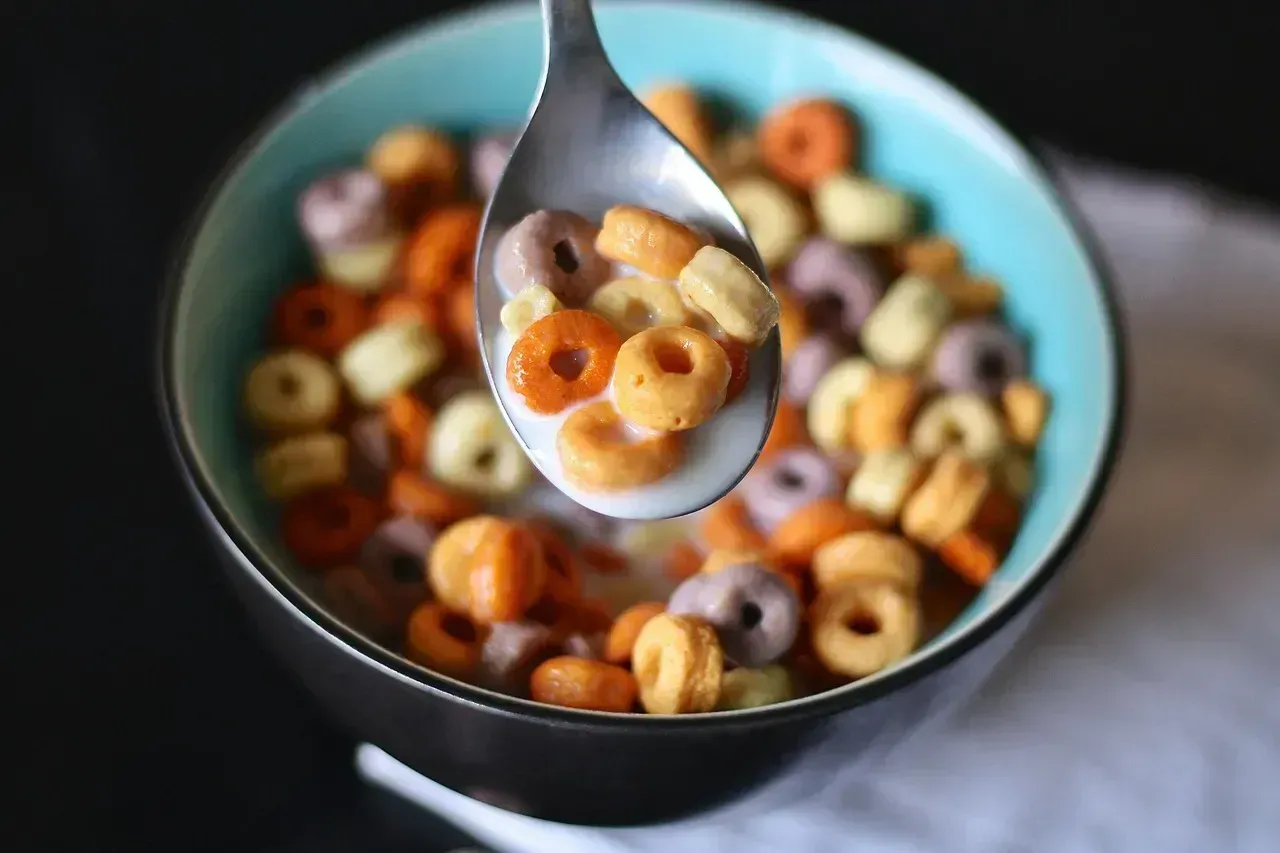
The colorful breakfast pastry contains food dyes Yellow 5, Yellow 6, and Red 40, which are still deemed safe to eat domestically but are partially banned in the European Union. Actually, they’re not fully banned, but there’s a catch. Foods that contain these dyes are required to carry a warning label that states the product may have an adverse effect on activity and attention in children. That warning is enough to make most European manufacturers switch to natural alternatives.
Some research has found a possible correlation between Yellow 5 and heightened hyperactivity in children, while rat studies exploring Yellow 6 have uncovered potential links to tumors in the testes and adrenal glands. Froot Loops, for instance, are made with entirely different ingredients in Europe compared to the U.S. Countries like France, Austria, Norway and Finland have banned Froot Loops due to so many dyes and chemicals.
Milk From Cows Treated With Growth Hormones
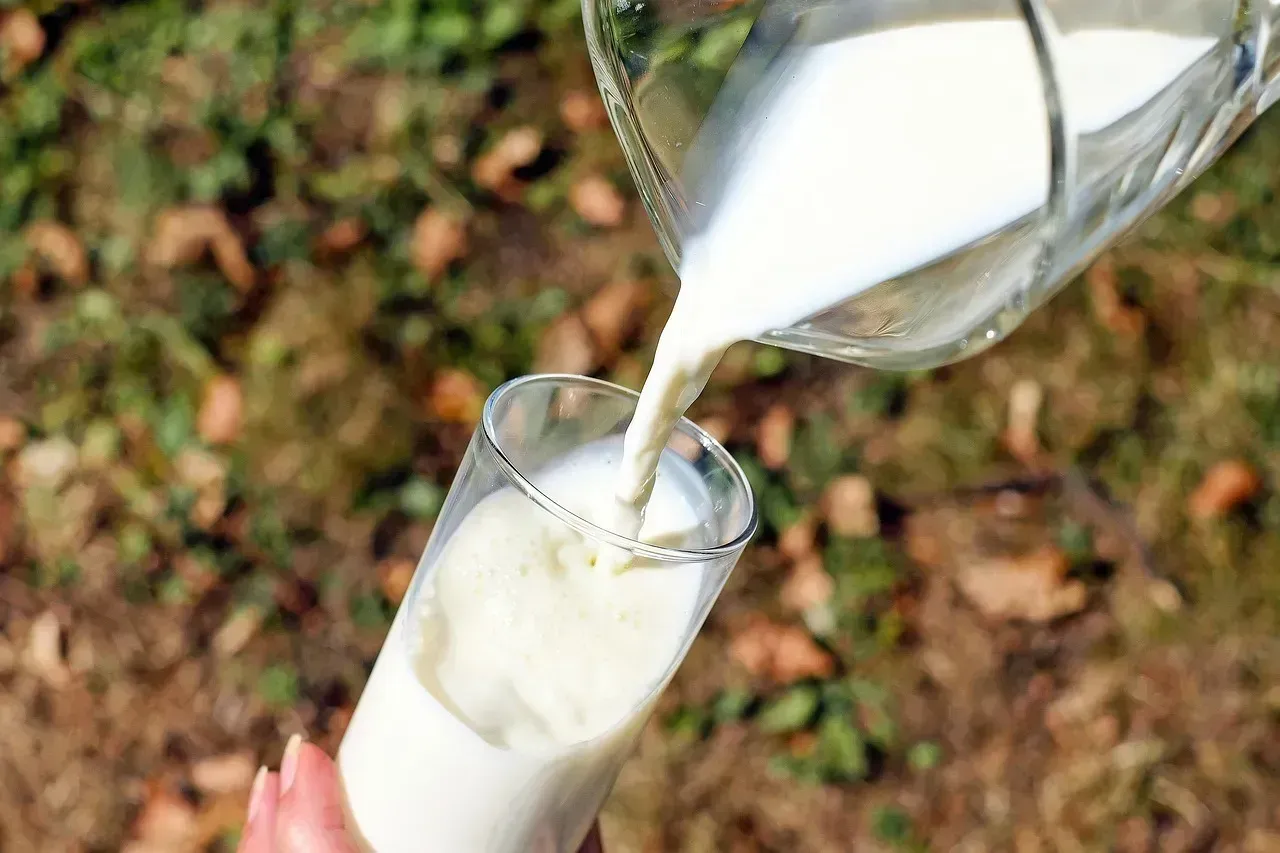
Milk in the United States, unless marked otherwise, is treated with either rBST or rBGH, which are artificial hormones that stimulate milk production. These synthetic hormones increase milk output by roughly ten to fifteen percent, which sounds great for productivity but raises serious questions about what ends up in your glass. Controversy over its safety for cows has led to rBST being banned in several countries, including the European Union since 1990, and Canada, Japan, Pakistan, Australia, New Zealand, and Argentina.
The concern isn’t just about the cows, though they do experience higher rates of mastitis and other health problems. The use of rBST in dairy cows has been shown to increase the concentrations of IGF-1, a protein naturally found in milk, and higher blood levels of IGF-1 have been linked to increased risk for pre-menopausal breast cancer. The United States doesn’t require labeling of dairy products from hormone-treated cattle, so most Americans have no idea whether their milk contains these additives.
Chlorine-Washed Chicken
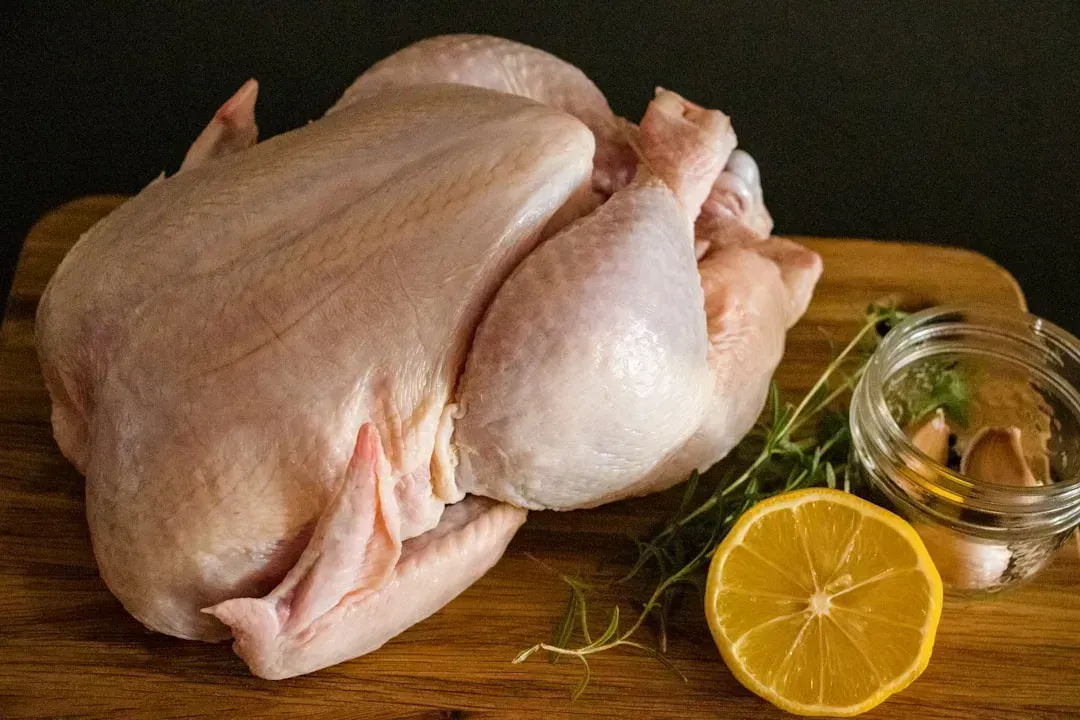
US chicken has been banned in the EU since 1997 because of this chlorine washing process. American poultry producers use antimicrobial rinses to kill bacteria like Salmonella and E. coli on chicken carcasses. The vast majority of chicken processed in the United States is not chilled in chlorine and hasn’t been for quite a few years, according to poultry microbiologists, but other chemical treatments are still used.
EU officials believe the food industry should be continually improving hygiene standards in all steps of processing, and so have banned chickens washed in chlorine as a deterrent to poor practices. The real issue is transparency and overall food safety philosophy. Europe focuses on preventing contamination throughout the production process, while the U.S. relies heavily on chemical interventions after slaughter. The U.S. does not require processors to disclose whether their chicken has been chemically washed, creating an apparent transparency gap between American and European food standards.
Bread and Baked Goods With Potassium Bromate

Potassium bromate is added to bread dough as a strengthener that creates a higher rise, reduces baking time and cost, and gives finished loaves a bright white color, but the chemical is also linked to cancer, nervous system damage, and kidney damage. It’s a suspected carcinogen that helps create that perfect fluffy texture in bagels, rolls, and packaged bread products. Potassium bromate is banned in the United Kingdom, Canada, Peru, and many other countries, but is still ubiquitous in many American bread products including bagel chips, rolls, and even breadcrumbs.
The FDA has urged bakers to voluntarily stop using it, but that recommendation carries no legal weight. Many smaller bakeries and food manufacturers continue adding potassium bromate because it’s cheap and effective. Reading ingredient labels becomes crucial if you want to avoid this additive, though honestly, most people don’t even know what to look for.
Pork Treated With Ractopamine
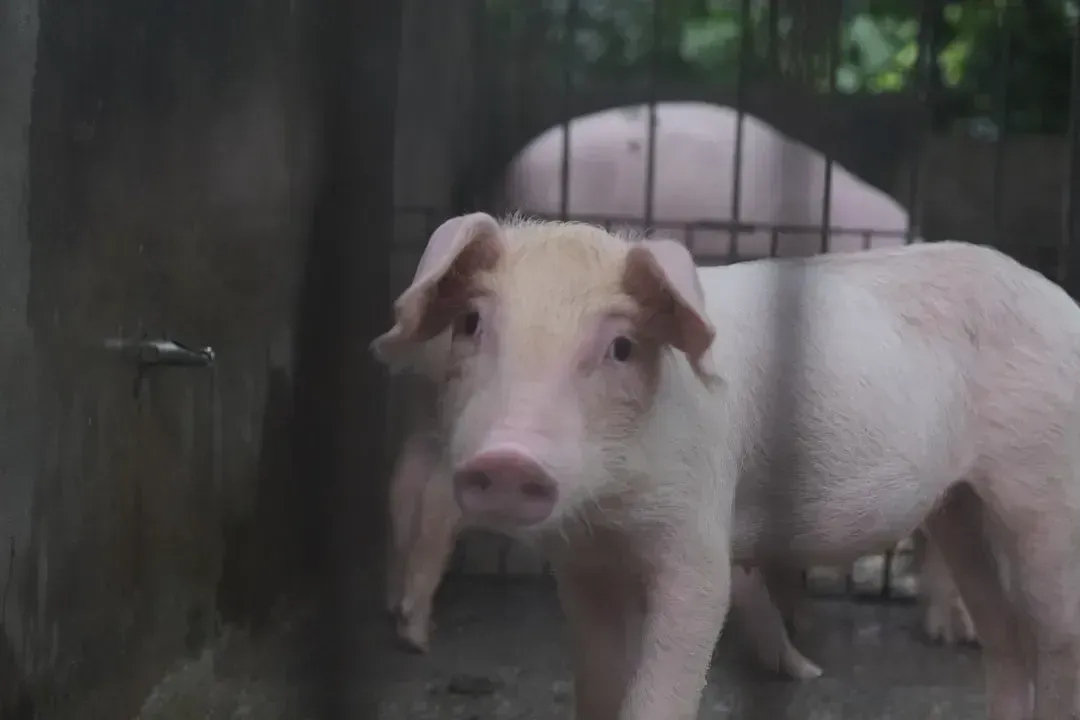
In the United States, farmers use ractopamine to increase lean muscle growth in livestock, including in 40 to 60 percent of American pigs, while 160 nations including the European Union, Russia, and China ban the use of the drug in meat production. This livestock feed additive boosts muscle mass while keeping the meat lean, which sounds ideal until you consider what it does to the animals and potentially to humans who consume the meat.
When this growth stimulant is passed onto us, it can cause cardiovascular stress, tremors, behavioral changes, and more harmful health effects. The overwhelming majority of the world has said no to ractopamine, yet it remains standard practice in American factory farms. It’s one of those ingredients that makes you wonder what other corners are being cut in the name of efficiency and profit.
Farm-Raised Salmon Fed Synthetic Astaxanthin
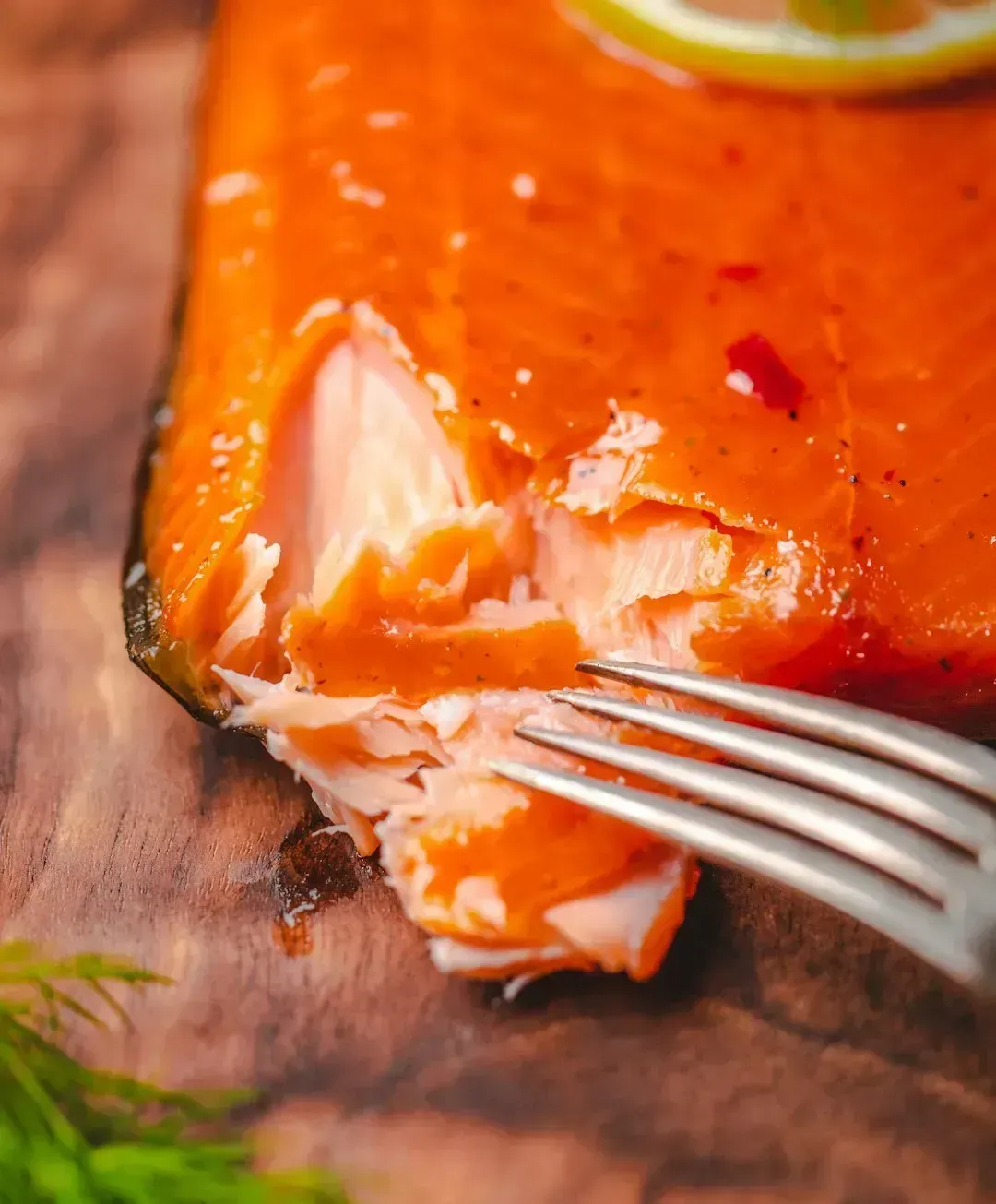
Farm-raised salmon available in America is fed astaxanthin to give it its coral color, and salmon containing this petrochemical is banned for consumption in Australia and New Zealand. Wild salmon get their pink color naturally from their diet of krill and other seafood. Farmed salmon, raised in crowded pens and fed processed pellets, would be gray without artificial coloring.
The synthetic version of astaxanthin is derived from petrochemicals, which is a polite way of saying it comes from the same source as gasoline. Beyond the color additive, farmed salmon also receive antibiotics and other chemicals to combat the diseases that spread rapidly in confined conditions. Wild-caught salmon costs more, but you’re paying for fish that developed naturally rather than being chemically manipulated.
Corn and Produce Sprayed With Atrazine
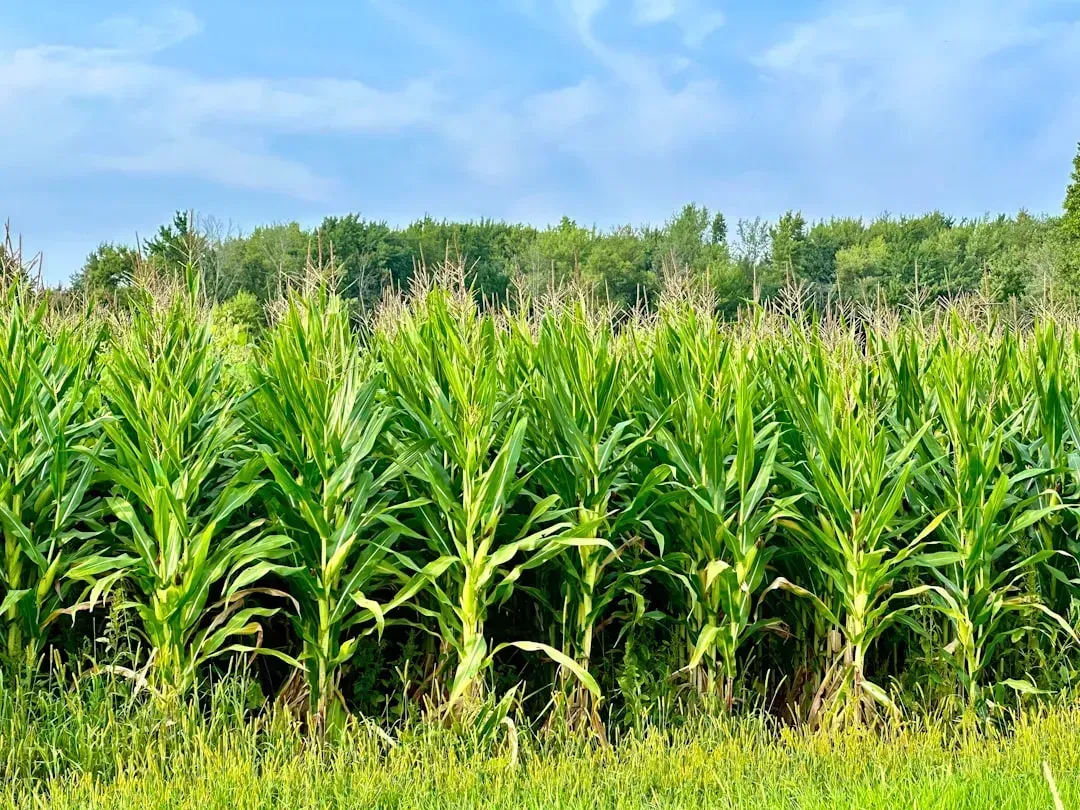
US Corn is commonly sprayed with atrazine, which is linked to birth defects and it’s banned in 44 countries. This herbicide is one of the most widely used in American agriculture, applied to roughly three-quarters of all corn and sugarcane crops. Europe banned atrazine more than a decade ago after studies showed it contaminated drinking water and disrupted hormones in humans and wildlife.
Atrazine is found on these common items: field corn, sweet corn, sorghum, and sugarcane. The chemical doesn’t just stay on the crops; it seeps into groundwater and runs off into rivers and streams. Americans are exposed through multiple pathways, including drinking water, yet the EPA continues allowing its use. It’s another example of the U.S. taking a reactive rather than precautionary approach to potentially harmful substances.
Ritz Crackers and Snacks With BHT and BHA

Butylated hydroxytoluene and butylated hydroxyanisole are preservatives that extend shelf life in crackers, cereals, and countless processed foods. This breakfast food uses the flavor enhancer BHT, a suspected carcinogen that is banned in the European Union and Japan. These additives prevent oils from going rancid, which is useful for food manufacturers but concerning for consumers.
Both BHT and BHA have been linked to potential cancer risks in animal studies. Japan and parts of Europe decided the risk wasn’t worth taking, especially when natural preservatives like vitamin E exist as alternatives. American food companies continue using these synthetic preservatives because they’re inexpensive and highly effective. Once again, it comes down to priorities: maximizing profit and shelf life versus minimizing health risks.