Why I Stopped Traveling to Playa del Carmen – and What You Should Know
The Rising Crime Problem Finally Became Impossible to Ignore
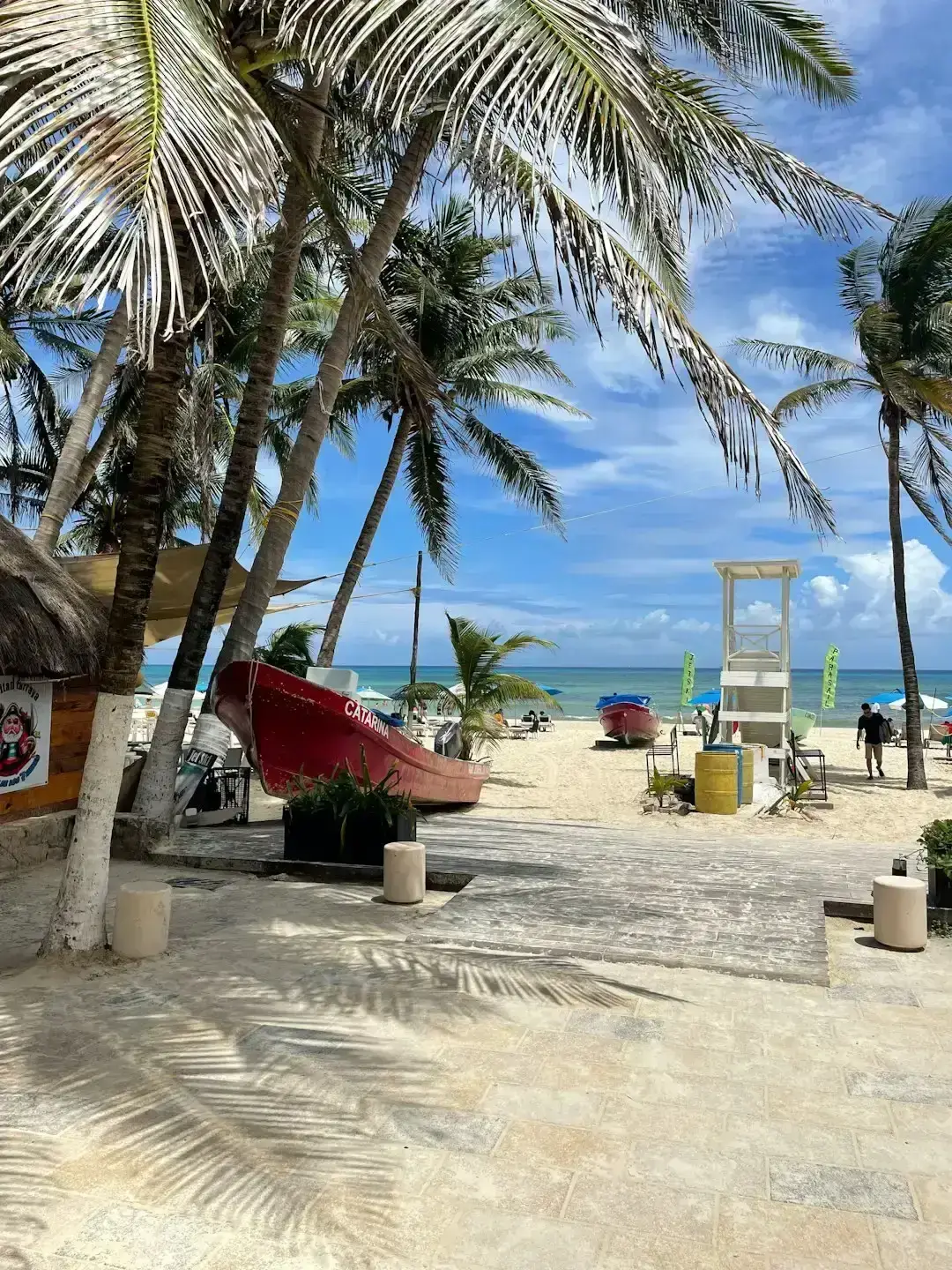
User surveys on Numbeo suggest crime in Playa Del Carmen has increased in the last 3 years. What used to be a paradise built on white sands now feels different. The reported Crime Index for Playa del Carmen is approximately in the mid-40s according to some sources, which is considered a moderate level of crime, yet when you dig deeper into the trajectory, it paints a concerning picture. I remember visiting years ago when petty theft was the main worry.
Today, it’s harder to dismiss the changes. Before the current administration, Playa del Carmen was reportedly ranked 17th among the most dangerous municipalities in Mexico. However, through rigorous law enforcement and community programs, the city now reportedly ranks 49th. While that improvement sounds good on paper, the reality you feel walking the streets tells a more complicated story. The US government travel advice does still recommend that American tourists exercise increased caution while in Playa Del Carmen.
Two incidents of extortion by police. I see police extortion as the biggest risk in Playa del Carmen. That statement from a local resident hit me hard when I came across it. When the people supposed to protect you become part of the problem, something fundamental has shifted in a destination.
Cartel Presence Turned From Background Noise to Frontline Reality

The elephant in the room is the undeniable cartel presence that has shifted from background noise to front-page reality. The US Treasury Department has recently taken significant action against a violent cartel operating in Playa del Carmen, a popular tourist destination in Mexico. This cartel, known as the Cartel de Jalisco Nueva Generación (CJNG), is notorious for its involvement in various violent crimes, including murder, torture, and extortion. That sentence alone should make anyone pause before booking.
Walking down Fifth Avenue used to be charming, full of artisan shops and beach vibes. Now? While walking down 5th avenue in Playa, it is very common to be offered to buy weed, cocaine, or other types of drugs. What used to be occasional encounters becomes constant harassment. Let’s be real here: when drug dealers approach you repeatedly during a simple afternoon stroll, the destination has fundamentally changed character.
In January 2022, a shooting at Xcaret Water Park left two Canadians, Robert Dinh and Thomas Cheruka, dead over a debt they owed to the cartels. These kinds of events aren’t supposed to happen at family water parks, yet here we are. It’s hard to relax knowing that violence can erupt even in supposedly safe tourist zones.
The Sargassum Seaweed Catastrophe Destroyed the Beach Experience
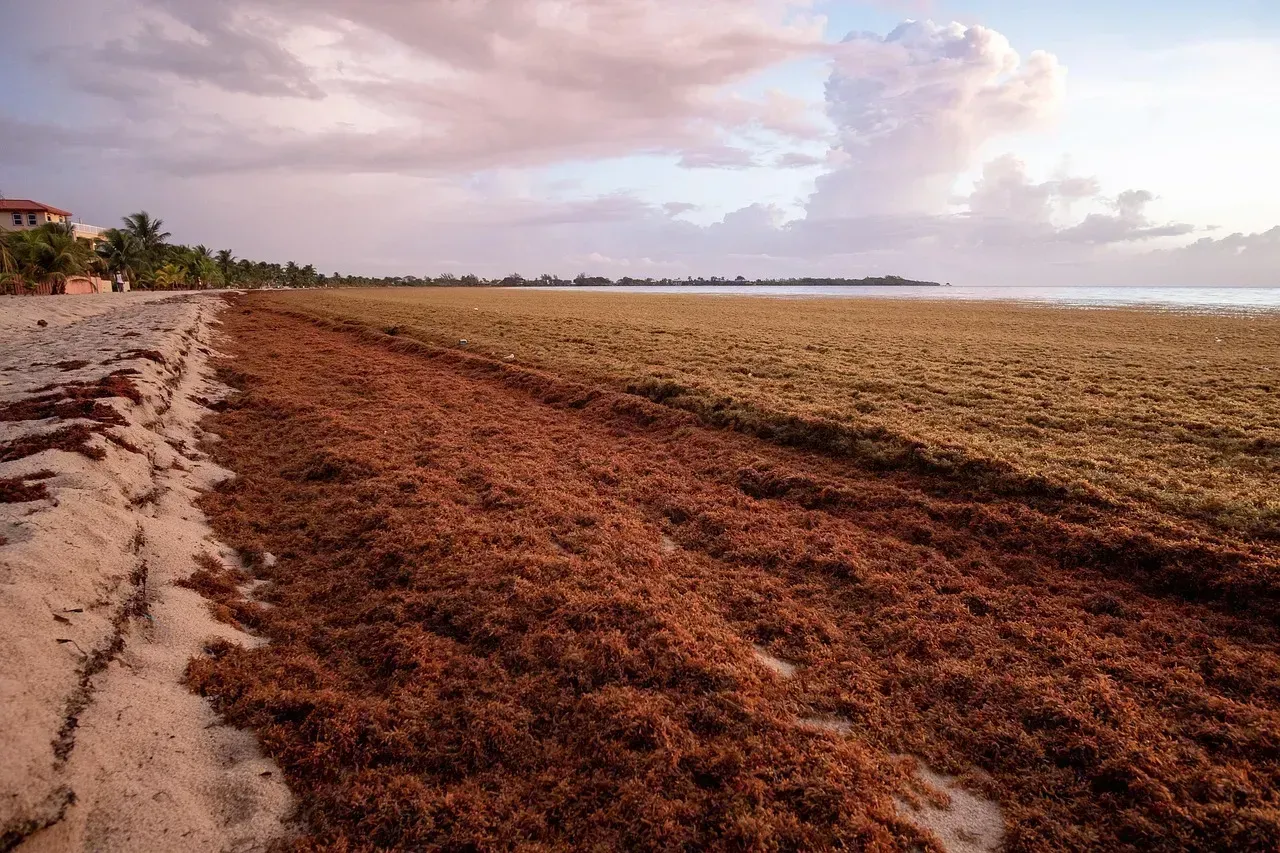
Here’s something nobody warned me about before my last trip: The popular resort town of Playa del Carmen has been experiencing a double whammy of challenges in recent years. The main problems are the erosion of its beaches and the influx of sargassum seaweed along the coast. And honestly, when you pay premium prices for a Caribbean beach vacation, you expect pristine sand and turquoise water.
I’ll be honest, the sargassum in Playa del Carmen can be really bad at some times during the year. At its worst, there can be massive piles of brown sargassum on the beaches with an overpowering rotten eggs smell that makes you want to hold your breath. Imagine planning your dream vacation for months, maybe saving all year, only to arrive at beaches covered in rotting seaweed that smells like sewage. That was my reality.
The 2025 seaweed season in the Cancun Area was reportedly one of the worst on record! Generally, the beaches most affected by high concentrations of algae include Cozumel, Playa del Carmen, Tulum, Sian Ka’an, and certain areas between Cancun and Puerto Morelos. The predictions aren’t getting better either. Seaweed in Playa del Carmen has a tendency to get trapped and decompose. It then smells and release dangerous gases such as hydrogen sulfide gas, or H2S, a colourless, poisonous gas with an unpleasant rotten-egg odor.
Beach Erosion Has Shrunk the Coastline Dramatically
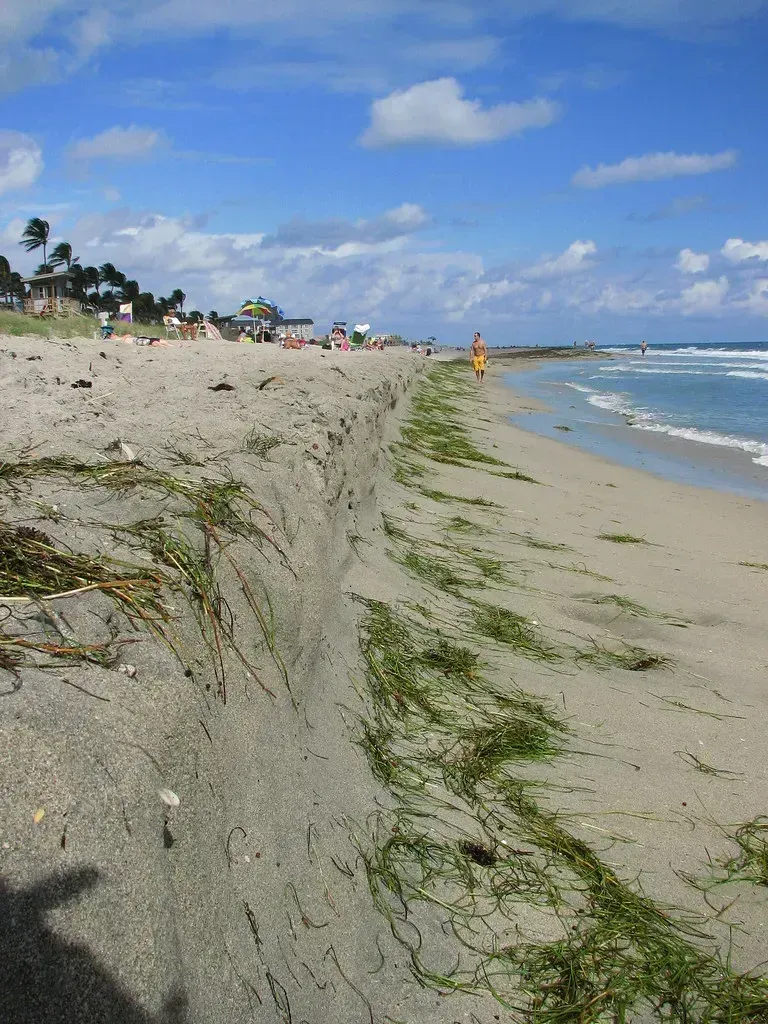
Beyond the seaweed problem lies another environmental disaster most tourists don’t know about until they arrive. In addition to issues with seaweed, erosion has affected the beaches especially in the center of Playa Del Carmen. In the past decade they have progressively gotten narrower, but the number of visitors is growing, leading to crowded beaches or people going to other beaches in the Riviera Maya for that perfect beach day. The beaches are literally disappearing.
I remember photos from just five years ago showing wide expanses of pristine sand. Now you’re fighting for a narrow strip between the ocean and restaurants. The infrastructure was built assuming beaches would always be there, but nature had different plans. Hotels and beach clubs sit uncomfortably close to the water now, their foundations exposed in ways that look frankly dangerous.
Climate change isn’t some abstract future threat here. It’s actively eroding one of the main reasons people visit. You can see it with your own eyes, and it makes you wonder how much longer this destination can even function as a beach resort.
Overtourism Crushed the Local Charm and Authenticity
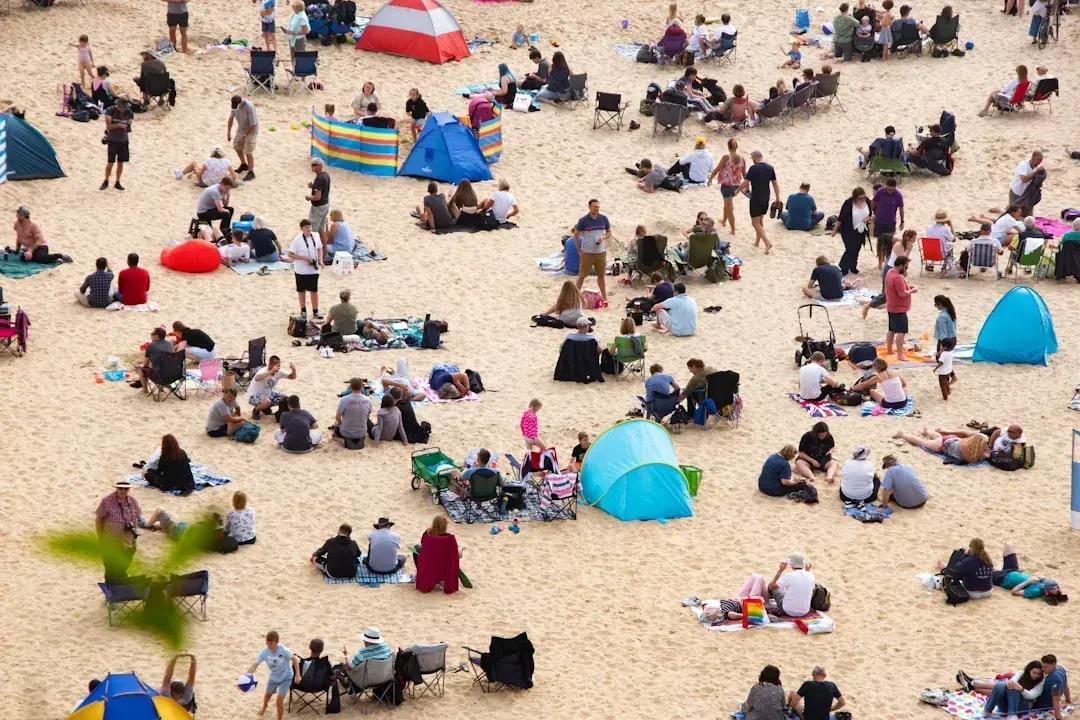
There’s a tipping point where popularity destroys the very thing that made a place special. Playa del Carmen crossed that line years ago. Playa Del Carmen is another Riviera Maya town, an hour south of Cancun. This once sleepy, thousand-inhabitant fishing village is now one enormous beachfront resort town. According to Equal Times, Playa Del Carmen was purported to be the fastest growing city in the world in 2006.
What we have seen in Playa Del Carmen in the past few years is the downtown transform into a residential neighborhood for weekly guest. Owners of apartments prefer to rent out on a nightly or weekly basis and make more money rather than rent to a resident. The entry level one bedroom in the center used to be around 5000/6000 pesos a month. Now it is hard to find a place for 10,000 pesos. This has pushed locals out of the downtown and further inland. When actual residents get priced out of their own neighborhoods by short-term vacation rentals, the soul of a place dies.
It is known today for obnoxiously loud clubs and touts selling everything from food, tours, handicrafts and the obligatory recreational drugs. Oh, and don’t forget to visit the local Walmart. That description stings because it’s accurate. Fifth Avenue used to have character; now it’s basically an outdoor mall with aggressive sellers at every corner.
Tourism Infrastructure Collapsed Under Its Own Weight
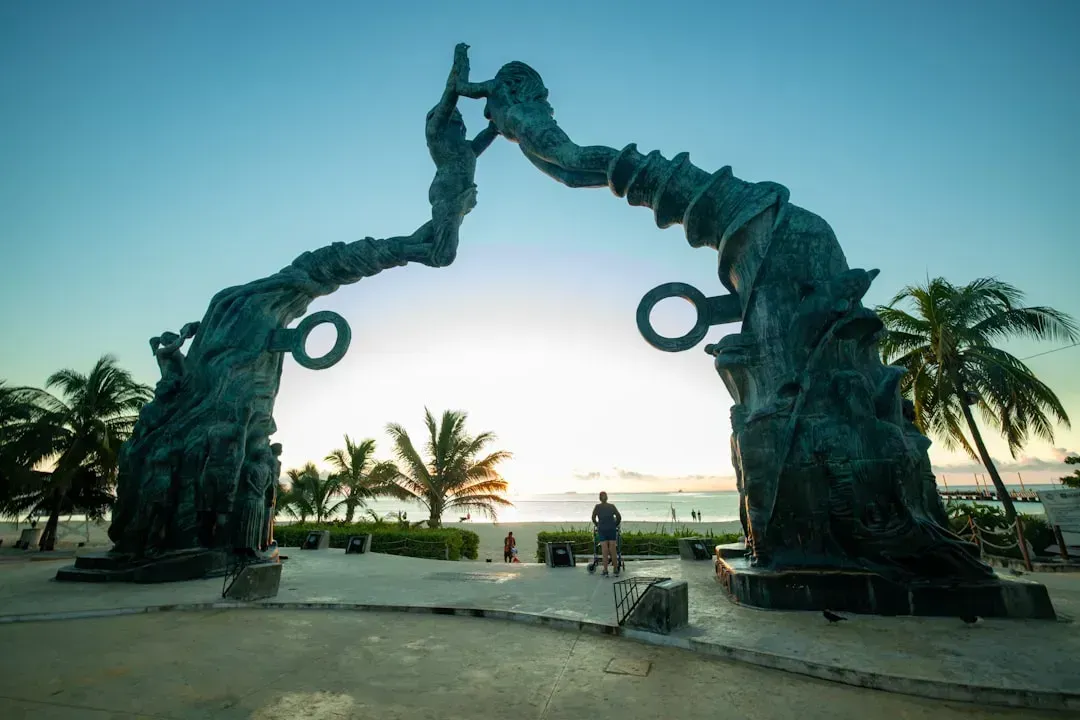
Success can be a curse, and Playa del Carmen proves it. Recent reports highlight a significant reduction in foot traffic to Playa del Carmen, which has raised concerns within the local tourism industry. Several factors have contributed to this downturn, including shifts in global tourist preferences, economic constraints faced by potential travelers, and the increasing competition from other emerging tourist destinations. With more options available, tourists are opting for alternatives that may offer better value or less crowded experiences.
The irony is rich: the destination became so popular that it degraded itself, and now tourists are avoiding it. In recent years, the two destinations have been popular for both locals and tourists who rely on collective buses, also known as “vans,” as an affordable and reliable transportation option. However, daily ridership has reportedly decreased drastically from 70,000 passengers last year to just 30,000-35,000 currently. Public transport ridership dropping by more than half tells you everything about declining visitor numbers.
Sewage System Expansion: A 4 million peso project launched in 2024 aims to extend sewage coverage, benefiting nearly 30,000 residents. The fact that major sewage infrastructure is only now being addressed shows how development outpaced basic services. Development happened so quickly that basic infrastructure never caught up. That’s not a minor inconvenience; it’s a fundamental failure of planning.
Prices Skyrocketed While Quality Plummeted
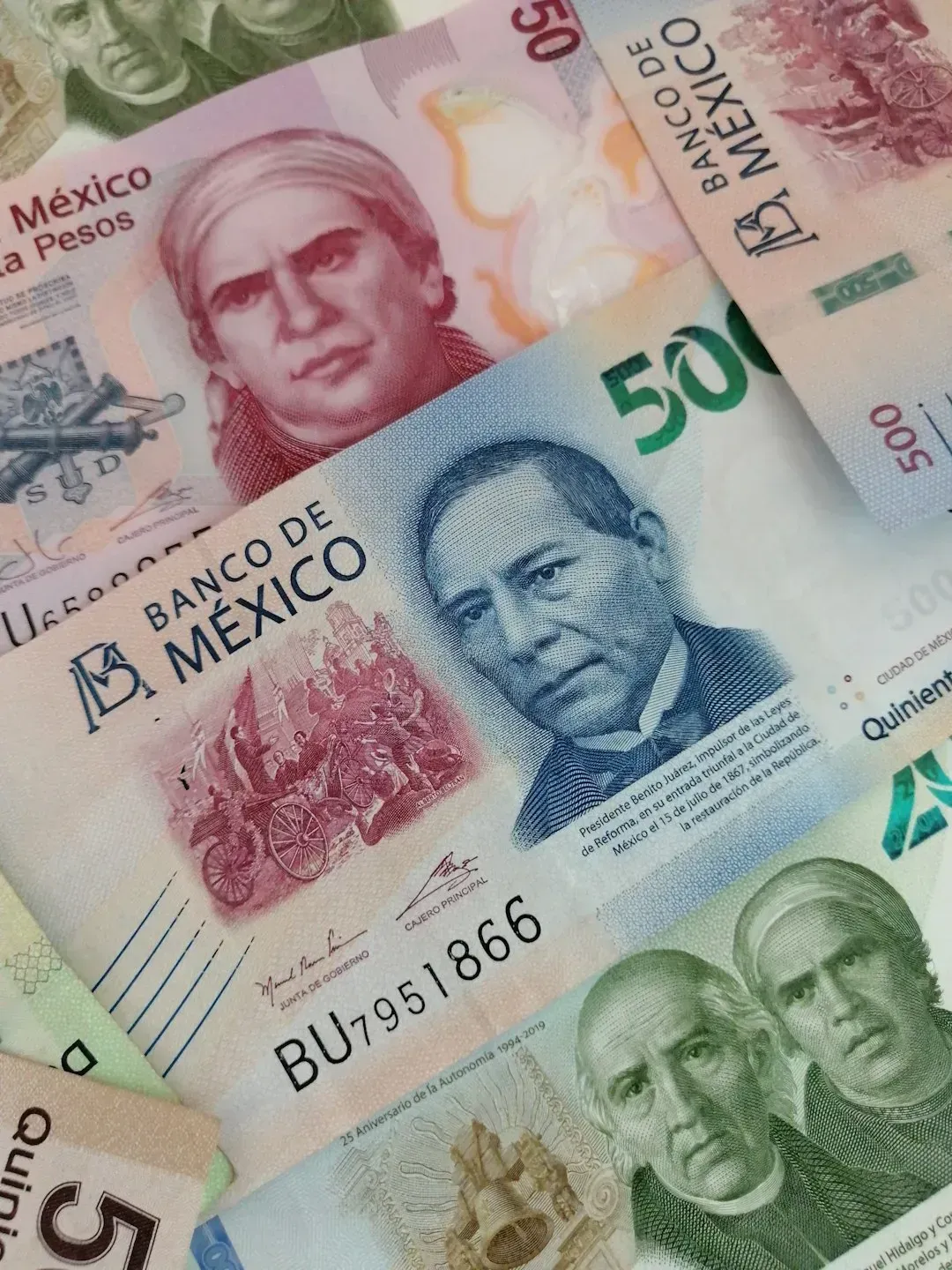
The financial reality of visiting Playa del Carmen has shifted dramatically. Recent exchange rates have generally shown the peso trading at around 20 pesos to the USD. This is higher than the averages of the past 5 years. Combined with inflated tourist pricing, even basic experiences have become prohibitively expensive. What once offered excellent value now rivals prices in expensive European cities, yet you’re getting a degraded product.
Restaurant bills mysteriously inflate with hidden charges. The rip-offs and scams don’t stop there. They continue during your vacation. Everything from restaurants adding tips into the bill, beach clubs overcharging, or the stores offering tax-free shopping, there are a lot of scams and not-so-honest people trying to make a buck. Constant vigilance against being cheated gets exhausting when you’re supposed to be relaxing on vacation.
Honestly, I think Mexico has so many better destinations where your money goes further and you’re treated like a valued guest instead of a walking ATM. The coast of Oaxaca, Sayulita, even lesser-known spots in Yucatan offer authenticity and value that Playa del Carmen abandoned long ago.
Environmental Damage From Mass Tourism Became Undeniable
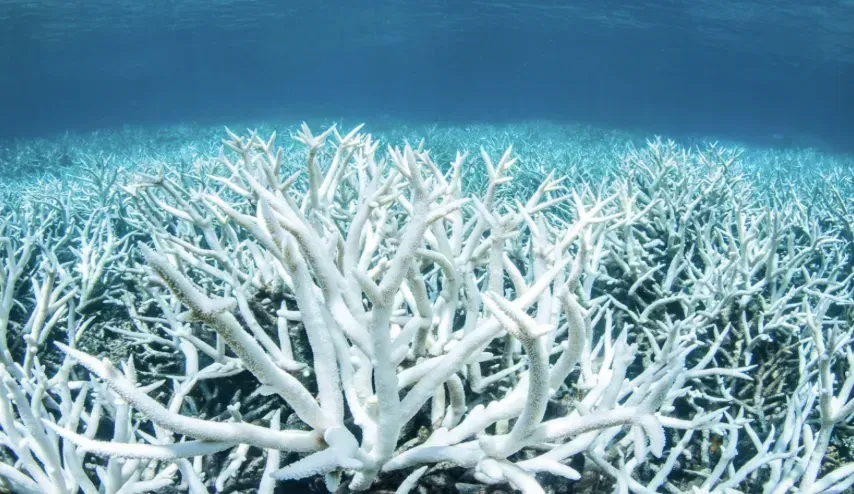
The fragile ecosystems of the Riviera Maya, including coral reefs and jungle preserves, face increased strain from mass tourism. Tourists are encouraged to respect environmental guidelines, book early, and avoid overloading popular sites. The natural beauty that attracted everyone in the first place is being systematically destroyed by the sheer volume of visitors.
Rapid urbanisation and tourism development have altered the city’s natural ecosystems, among them mangroves and wetlands. These changes have disturbed the sedimentary dynamics of the coastal dunes and put more pressure on the barrier reef system. Mangroves protect coastlines and support marine life; wetlands filter water and provide habitat. Destroying them for hotels and condos has consequences we’re seeing play out in real time.
Local meteorologist Luis Antonio Morales Ocaña explained that over the past decade, maximum temperatures have reportedly risen to 37°C, with thermal sensations surpassing 45°C. According to his analysis, the accumulation of sargassum along the coast traps heat and alters local microclimates, intensifying the already warm Caribbean conditions. Even the climate itself has worsened, making the destination less comfortable than it was before.
Better Alternatives Exist Across Mexico’s Coast
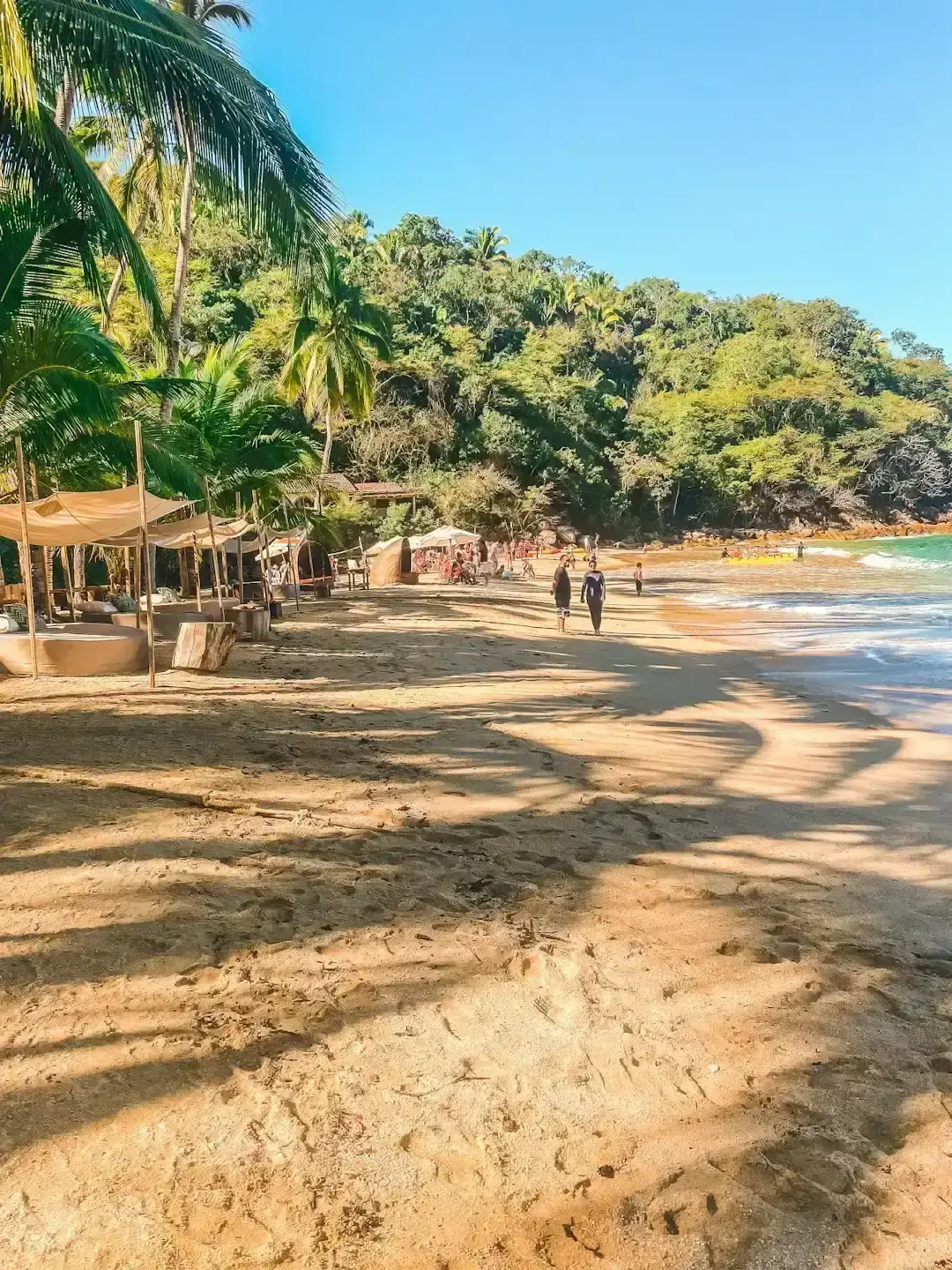
Let’s talk about what you could do instead. Mexico has thousands of miles of coastline, and Playa del Carmen represents maybe the worst combination of problems you’ll find anywhere. The Pacific coast offers incredible alternatives without the cartel visibility, seaweed invasions, or overtourism crushing the experience.
Puerto Escondido has world-class surf, authentic Mexican culture, and beaches that aren’t carpeted in rotting vegetation. Mazunte remains beautifully underdeveloped with a strong environmental ethos. Even Isla Holbox, still on the Caribbean side, maintains the laid-back authenticity that Playa del Carmen lost decades ago. Isla Mujeres, Holbox, and Cozumel are islands that tend to be more protected from seaweed, with clearer waters and excellent swimming conditions, especially this month. Costa Mujeres and Punta Maroma are rising in popularity for their beauty and tranquility, with some of the cleanest beaches near Cancún.
The frustrating part? These destinations cost less, treat you better, and haven’t sold their souls to mass tourism. You’ll actually meet locals, eat at family-run restaurants where they remember your name, and swim in water that’s genuinely Caribbean blue instead of murky brown.
The Transformation Feels Permanent and Irreversible
Since the start of my trip, I have asked myself – why are Cancun, Playa Del Carmen and Tulum so devoid of any charm or allure? Well, it turns out that these places, Cancun in particular, were designed and developed purely with tourism in mind. ‘The Cancun Project’ started in 1970 and was intended to (in their words) build a solely tourism inhabited zone, providing residential areas for workers further away from the desirable beaches. Understanding this history explains a lot about why the place feels so soulless.
Cities designed purely for tourism extraction rather than organic community development lack something fundamental. You can feel it walking around. There’s no there there, as they say. The rapid growth that once seemed like prosperity has revealed itself as unsustainable development. Playa del Carmen continues to be one of the fastest-growing cities in Mexico, with its vibrant lifestyle and economic opportunities driving rapid population growth. Growth for growth’s sake without planning or sustainability inevitably collapses under its own weight.
I don’t see how Playa del Carmen recovers from this combination of environmental disaster, crime increases, infrastructure failures, and reputation damage. Some destinations reach a point of no return, and I believe this is one of them. The beaches are eroding, the seaweed is worsening, the crime is entrenched, and better alternatives exist everywhere you look.
What’s your take on destinations that changed beyond recognition? Have you stopped visiting places you once loved? Tell us in the comments.