7 Popular Destinations Where Locals Say They’re Overwhelmed by Tourists, Survey Finds
Have you ever dreamed of sipping coffee in a Venetian café or watching the sunset over Santorini? So have millions of others. That’s becoming the problem. Places that once felt like hidden gems are now bursting at the seams, and the people who actually live there are getting frustrated. Real frustrated.
Barcelona, Spain: When Water Pistols Become Protest Tools
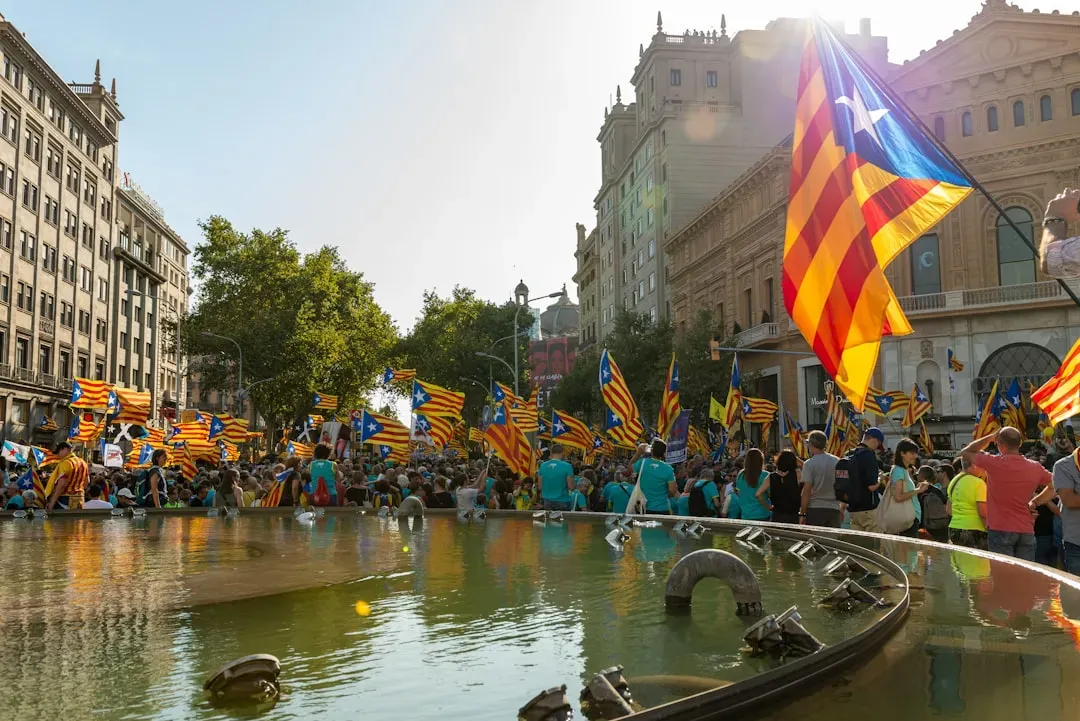
Barcelona welcomed a staggering 12.0 million international visitors in 2024, and the city’s residents have had enough. The Spanish hotspot now faces a harsh reality that roughly 14.5 million annual visitors bring. In July 2024, thousands of residents took to the streets demanding reduced tourist numbers, and some protesters even sprayed water at tourists. The message was clear: locals feel they’re being pushed out of their own city. A 2023 city council survey revealed that a majority of Barcelona residents don’t see tourism as much of an economic driver as they did before and think the city has reached its limit. Housing costs have skyrocketed, with short-term rentals eating up residential spaces. Mayor Jaume Collboni announced an end to the city’s 10,000 tourist rental apartments by 2028, as tourists staying in overnight accommodations reached nearly 10 million in 2023.
Venice, Italy: Paying to Enter Your Own City
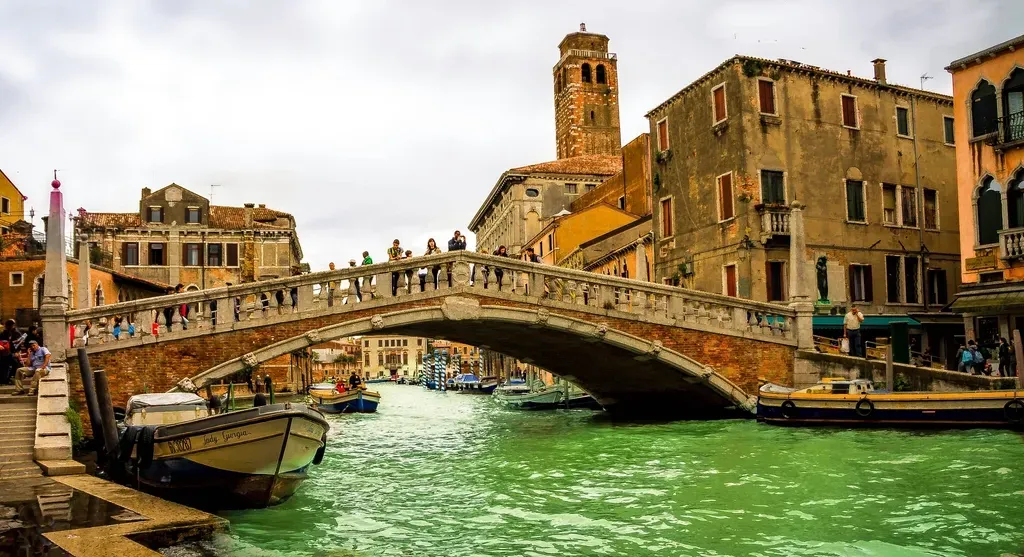
Venice has a population of less than 50,000 but has to contend with a phenomenal 30 million tourists a year. Picture this: residents outnumbered by visitors about 1.6 to one on any given day. Reports indicate that in 2024, an average of 80,000 visitors arrived each day, pushing Venice’s fragile infrastructure to its limits. The floating city has become so overwhelmed that authorities took the unusual step of charging admission. In April 2024, Venice introduced a €5 tourist tax on selected weekends and limited group sizes to 25 people. Locals have staged protests, some even holding symbolic funeral processions to mourn the death of authentic Venetian life. In late 2024, more than 6,600 residents signed a petition calling on city officials to hold a referendum on banning tourist lets in residential blocks.
Amsterdam, Netherlands: The City That Launched a ‘Stay Away’ Campaign
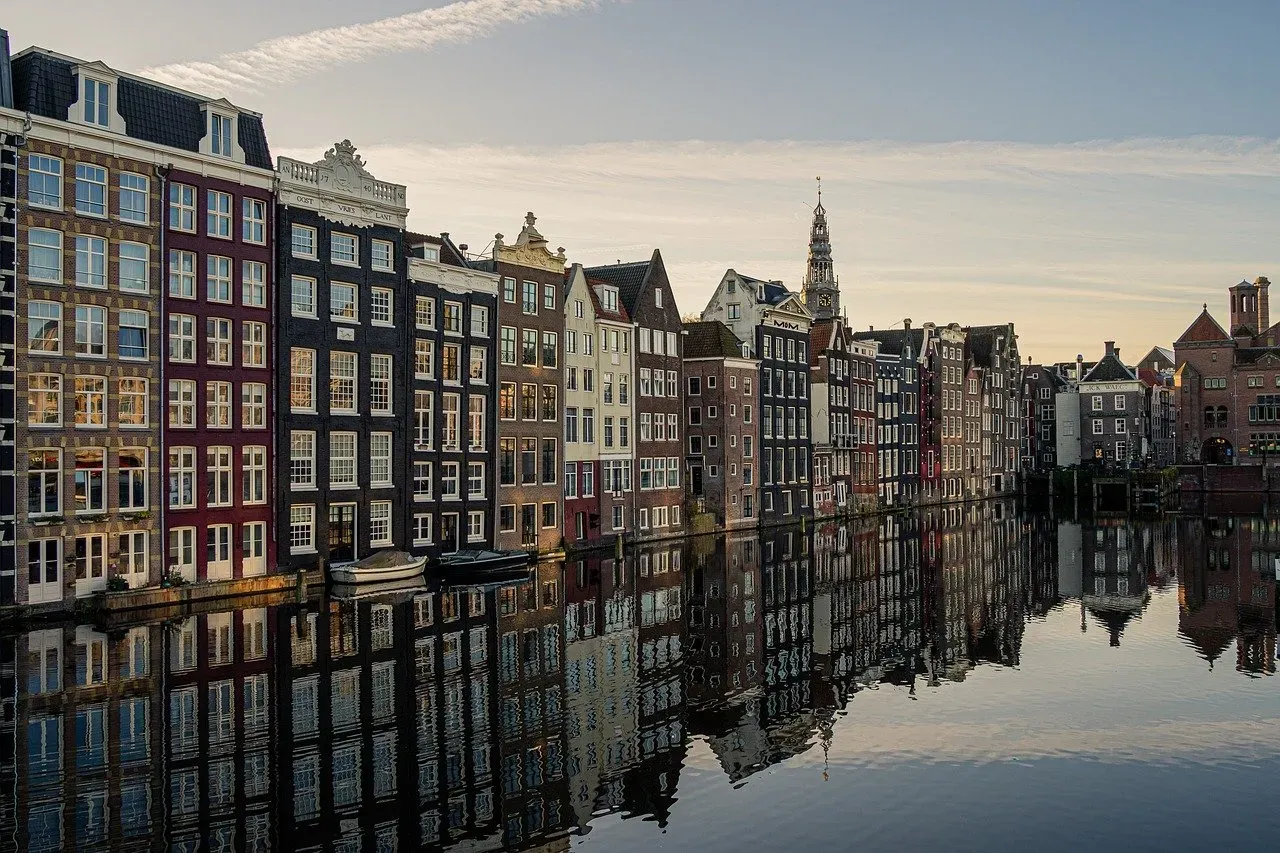
Amsterdam’s situation borders on the absurd. Tourist overnight stays surpassed the agreed 20 million threshold in 2023, with projections showing that the number could climb as high as 28 million by 2027. Let’s be real, that’s completely unsustainable. The city now charges 12.5% of the nightly rate for accommodation, with four-star hotels translating to $27 of additional tourist tax. The ‘Stay Away’ initiative is aimed primarily at male tourists between 18 and 35 years old, with warnings about alcohol and drug abuse, earlier closing times for venues, and a ban on smoking marijuana on the streets of the red-light district. A citizens’ initiative called ‘Amsterdam Has a Choice’ has taken the issue to court, accusing the City Council of failing to uphold its regulations.
Santorini, Greece: Instagram Paradise Lost
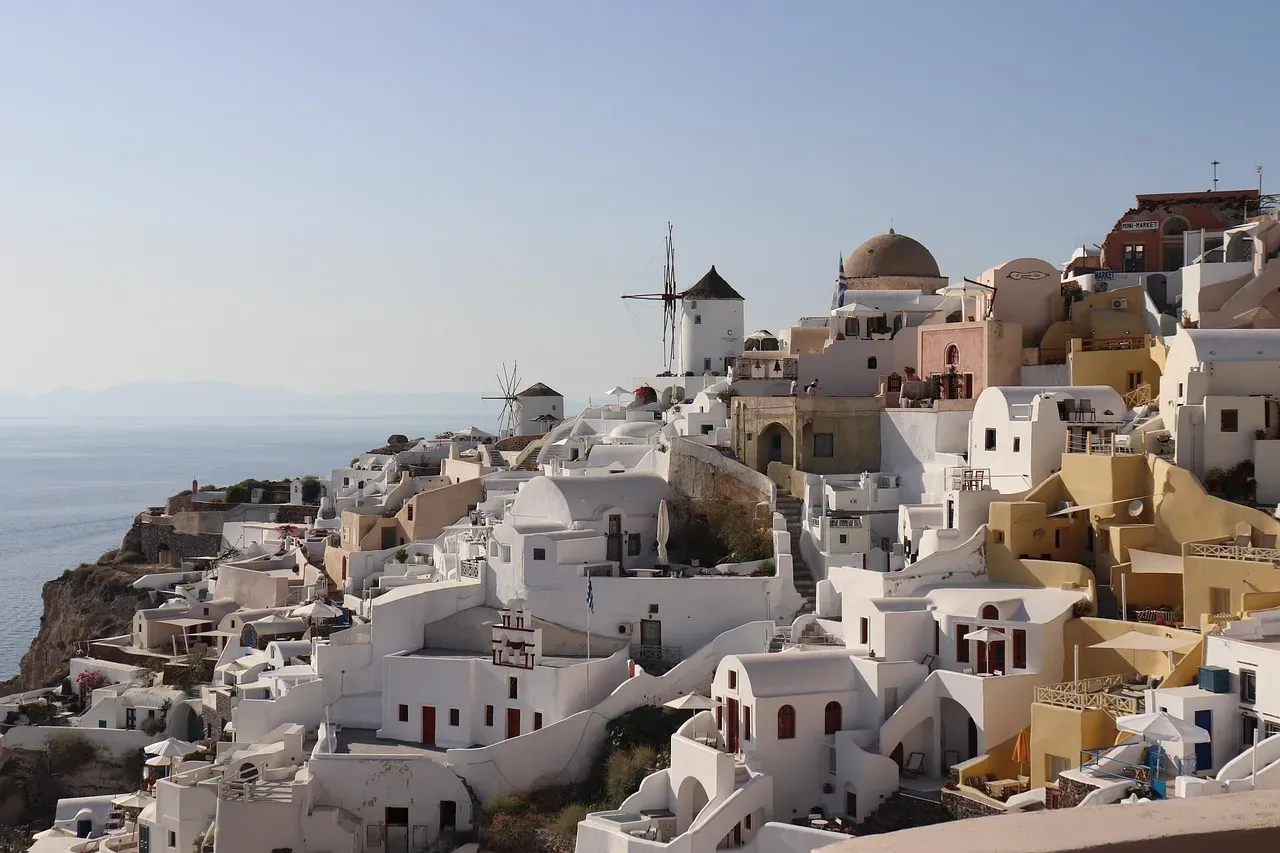
The island attracts a staggering 3.4 million visitors annually against a local population of 15,000, with as many as 17,000 cruise ship tourists flooding the island daily at high season’s peak. That’s not tourism anymore, that’s an invasion. In 2024, reports showed up to 18,000 cruise passengers overwhelming the island daily, straining resources for its 15,000 residents. The narrow streets of Oia become completely impassable during sunset viewing hours. 11,000 cruise passengers arrived one day in July 2024, and one government official posted an appeal to residents to restrict their movements that day, generating controversy over the notion that native residents should suffer something like a lockdown just so tourists could move about undisturbed. Santorini Mayor Nikos Zorzos, backed by Greek Prime Minister Kyriakos Mitsotakis, has proposed a daily cap of 8,000 cruise ship visitors.
Kyoto, Japan: Where Geishas Face Harassment
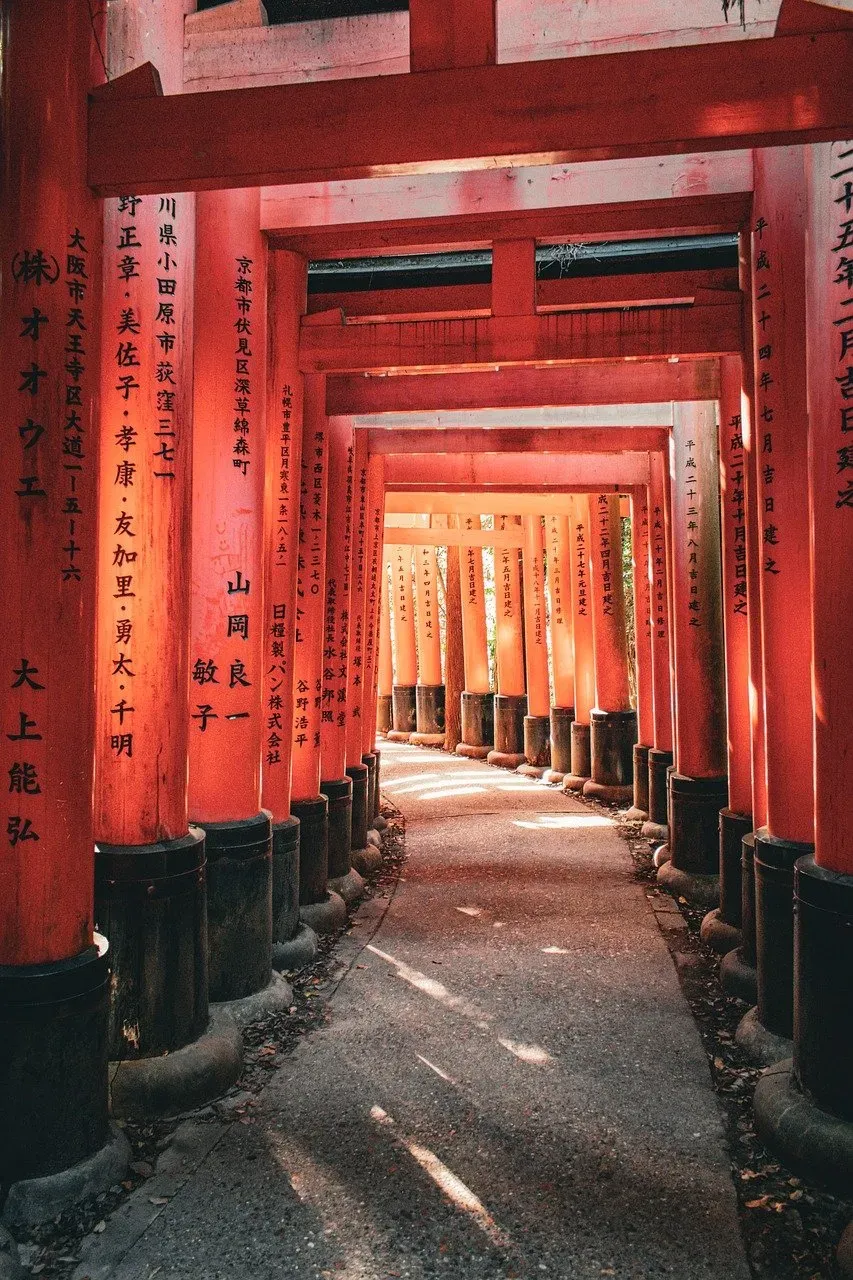
A tourism boom that saw over 10 million visitors in 2023 has significantly altered the city’s atmosphere. Honestly, it’s hard to watch a city lose its soul. Visitors’ misbehavior has become problematic, as some harass geishas and disrespect the city’s cultural sites. In May 2024, Japan blocked a popular view of Mt Fuji to prevent tourists from taking selfies and inconveniencing locals. Many residents feel that the high volume of tourists dilutes the traditional culture, with tourism causing the closure of long-standing businesses, replaced by souvenir shops and chain restaurants catering primarily to visitors. In Kyoto, roads have been sealed off to ensure the city doesn’t become a theme park.
Bali, Indonesia: The Island Losing Its Identity
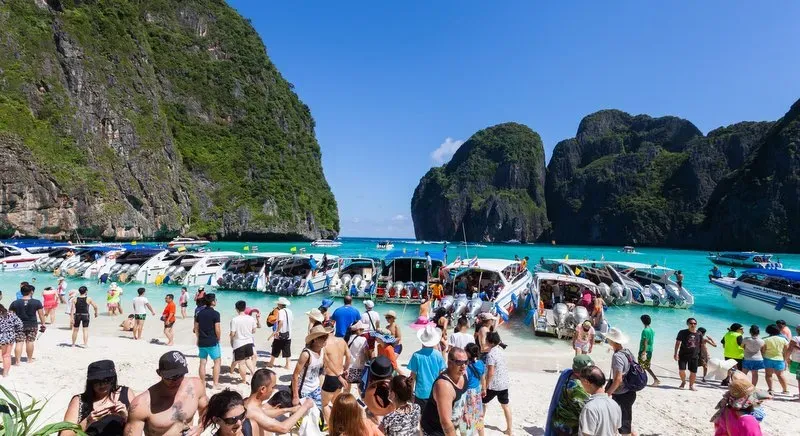
Bali grapples with over 5 million annual visitors, which has fundamentally transformed the island’s character. Mass mythologizing of Bali’s party culture has resulted in the island commercializing at a pace faster than it can handle, with rapid development of luxurious villas and beach clubs proving detrimental, leading officials to halt the indiscriminate construction of such structures in 2024. Bali-bound international tourists visiting from February 14, 2024, have to pay a new tax of 150,000 Indonesian rupiah, equivalent to about $10, and travelers aren’t exempt from paying it again if they return after visiting other destinations in Indonesia. In 2023, the government announced a ban on tourist activities on all 22 of Bali’s sacred mountains.
Iceland: When Nature Can’t Keep Up
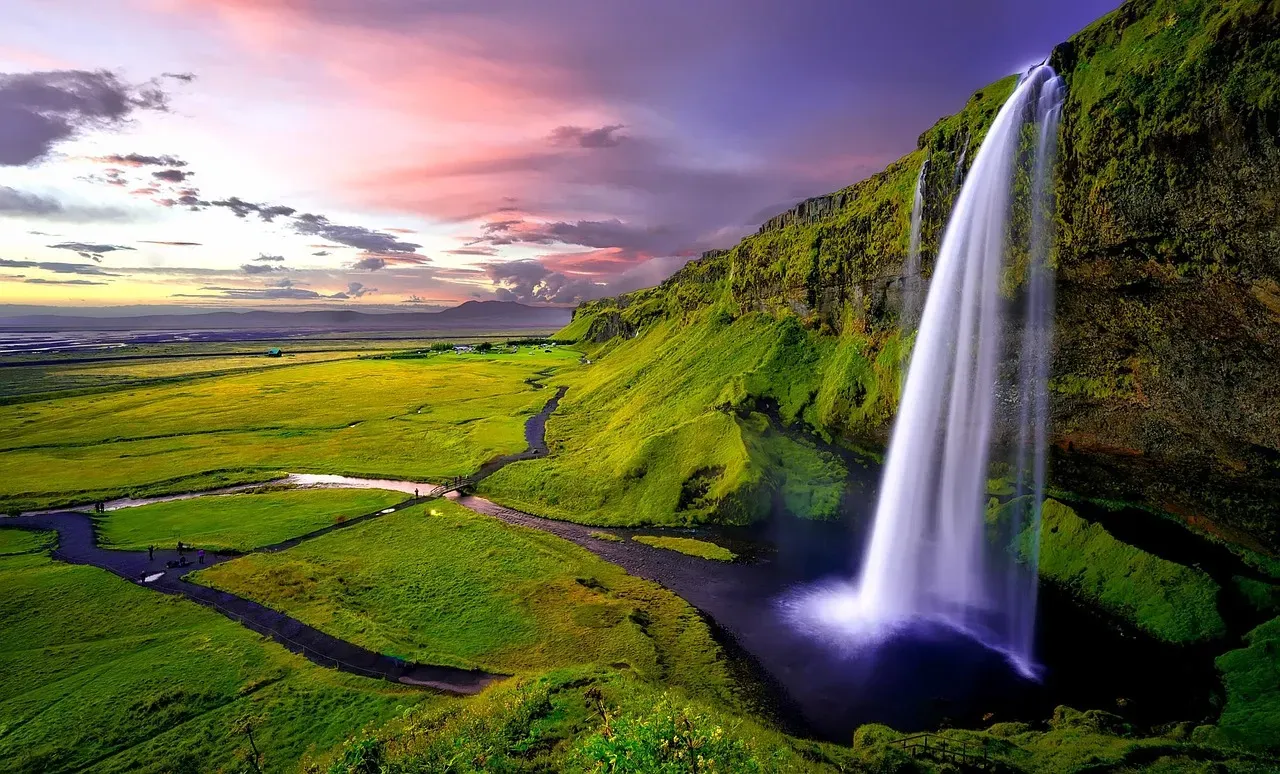
Iceland welcomed 2.26 million international tourists in 2024, which might not sound dramatic until you consider the country’s tiny population. The fragile ecosystem simply can’t handle the pressure. Justin Bieber’s music video made one canyon so popular it had to be closed for months to recover, with officials worried that tourism’s rapid growth could overwhelm the country’s fragile ecosystem. Think about that for a second: a pop star’s music video literally destroyed a natural wonder. Reykjavik capped Airbnb licenses and limited tour buses in attempts to manage the overflow. The strain on water resources, increased pollution, and environmental degradation have pushed Icelandic authorities to implement stricter controls on where tourists can go and what they can do.
The pattern across these seven destinations tells the same story. Mass tourism, fueled by cheap flights and social media, has turned dream destinations into daily nightmares for those who actually call these places home. Roughly four-fifths of travelers visit just one-tenth of the world’s tourist destinations, and mass tourism can encumber infrastructure, frustrate locals, and even harm the attractions that visitors came to see in the first place. What we’re witnessing isn’t just frustration but a fundamental crisis in how we travel and what we expect from the places we visit. Did you expect things to get this bad?