What You Can Do With Pennies Now That Minting Is Officially Ending
On November 12, 2025, the United States Mint made its final penny at the Philadelphia facility, ending more than 230 years of production. The humble one cent coin met its official fate when Treasurer Brandon Beach pressed the final pennies at an event held at the facility. The decision came after years of debate. It’s hard to ignore the math. The cost of producing the penny increased from 1.42 cents to 3.69 cents per penny. Let’s be real, when something costs nearly four times its actual value to make, you know the end is near. In 2024, the US mint produced 3,225,200,000 pennies at a cost 3.69 cents per penny, which resulted in an annual loss to taxpayers of $85.3 million. Still, with an estimated 250 billion pennies in circulation, these copper colored coins aren’t disappearing overnight.
Cash Them In While You Still Can

First things first, you’ve got options if you want to turn those jars of pennies into actual spendable money. Coin Counting Machines like Coinstar are available at many grocery stores, which can count and convert your coins into gift cards or cash, though cash redemptions come with a processing fee of about 11.9 percent while gift card redemptions are typically fee free. If you’re not thrilled about losing nearly 12 percent of your stash, some banks and credit unions still accept rolled coins, though you should call ahead to confirm their policy, as not all branches handle coin deposits. The manual rolling route requires patience. You’ll need 50 pennies per roll to make 50 cents. Honestly, it’s tedious work, yet there’s something oddly satisfying about stacking those copper discs and wrapping them up.
Hunt for Hidden Treasures Worth Serious Money
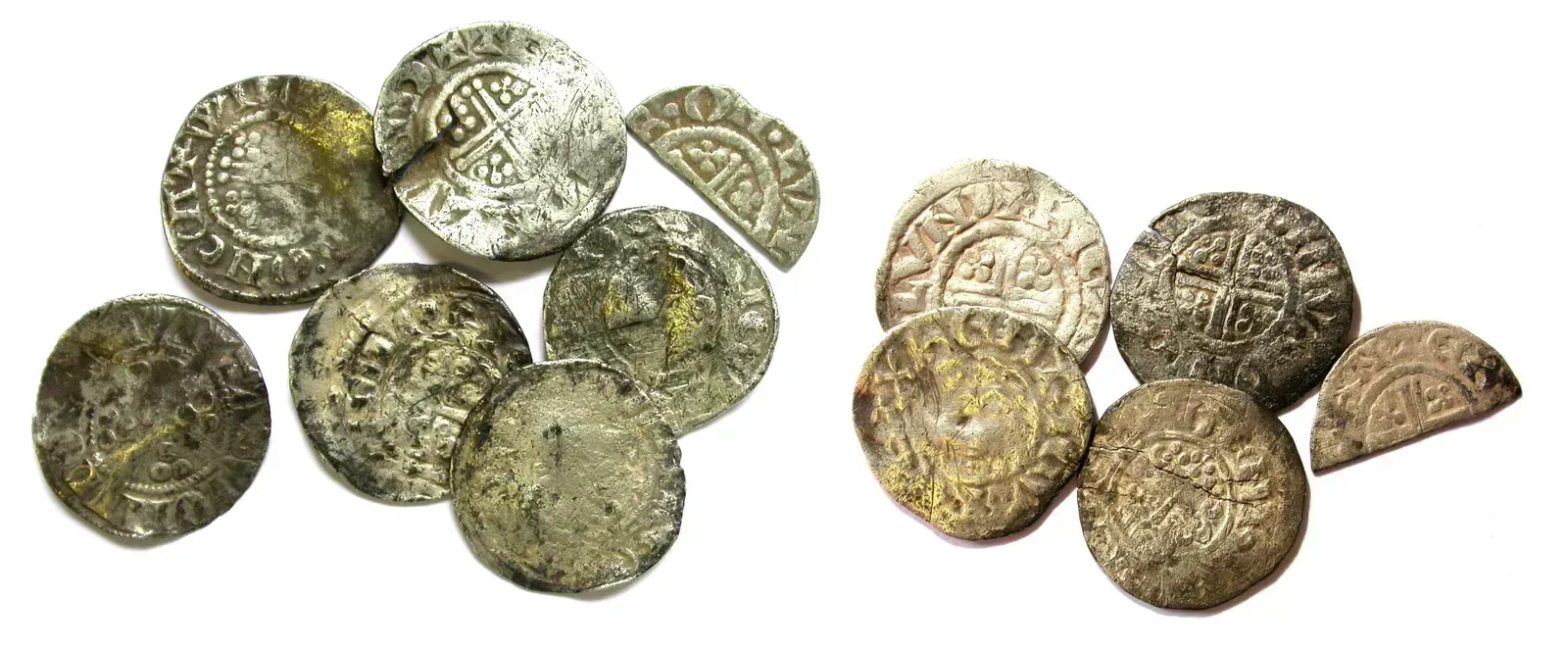
Before you dump your penny collection into a machine, take a moment to look closer. Some of those coins could be worth far more than one cent. The 1944 Steel Wheat penny could be worth as much as $408,000 in mint condition, and up to $10,000 in average condition. That’s not a typo. The 1943 copper penny in perfect condition is quoted at $250,000 and in average condition could be worth more than $60,000. These rare coins exist because of wartime material shortages and minting errors.
A few copper pennies from 1943 were mistakenly minted, making them rare and highly valued, while the 1955 doubled die cent features an error that makes the Liberty and In God We Trust inscriptions appear doubled. Even newer pennies can have value if they contain minting errors or unusual characteristics. It’s hard to say for sure, but digging through your change might just uncover a small fortune.
Turn Them Into Stunning Home Décor
If rare coins aren’t in your collection, get creative instead. People have been transforming pennies into jaw dropping art and furniture for years. With a bit of glue and sealant, pennies can be turned into durable and eye catching designs for floors or tabletops, while craft projects can create wall art, mosaics, or jewelry using pennies, especially those with meaningful dates. Penny flooring has become particularly popular. The shimmering copper tones catch light beautifully and create texture that’s impossible to replicate with standard tiles.
You can paint pennies white to make a crafty vase, make them into coasters, decorate a mirror or picture frame, or create creative wall art like penny mosaic portraits of Abraham Lincoln, block letters, or ombré wall hangings, or find pennies from milestone years in your life and make a commemorative piece. The variety of penny colored tones ranging from bright copper to dark brown creates natural gradients that add depth to any project. One of my neighbors actually covered an entire coffee table with pennies sealed under epoxy resin, and I’ve got to admit it looks incredible.
Get Crafty With Unique Penny Projects
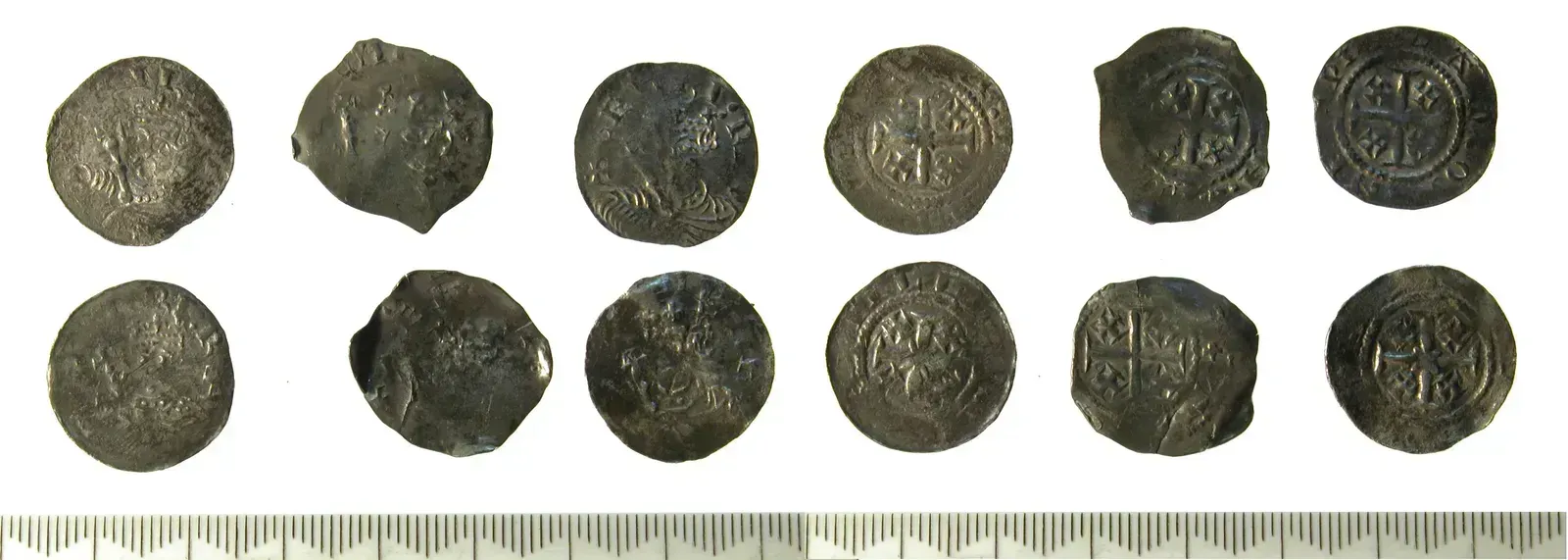
Smaller scale projects work beautifully too. You can protect your table from spills and beautify your living space with penny coasters by gluing down a layer of pennies to a cork frame. Kids especially love these hands on activities. Challenging kids to fill a jar with pennies, then count and roll them creates a mini math lesson that also builds fine motor skills.
According to florists, you can add a copper penny dated before 1982 and a cube of sugar to a vase filled with water, then add your flowers, as the copper acts as a natural fungicide which helps keep the flowers free from yeasts and bacteria. It sounds crazy, but apparently copper has antimicrobial properties. Instead of folding up a piece of paper to put under a wobbly table or chair leg, you can glue as many pennies as necessary to level the leg, then glue the stacked pennies to the table leg and add a small piece of felt to the bottom if you’re worried about scratching the floor. These practical uses might not be glamorous, yet they’re genuinely useful around the house.
Save Them as Historical Keepsakes
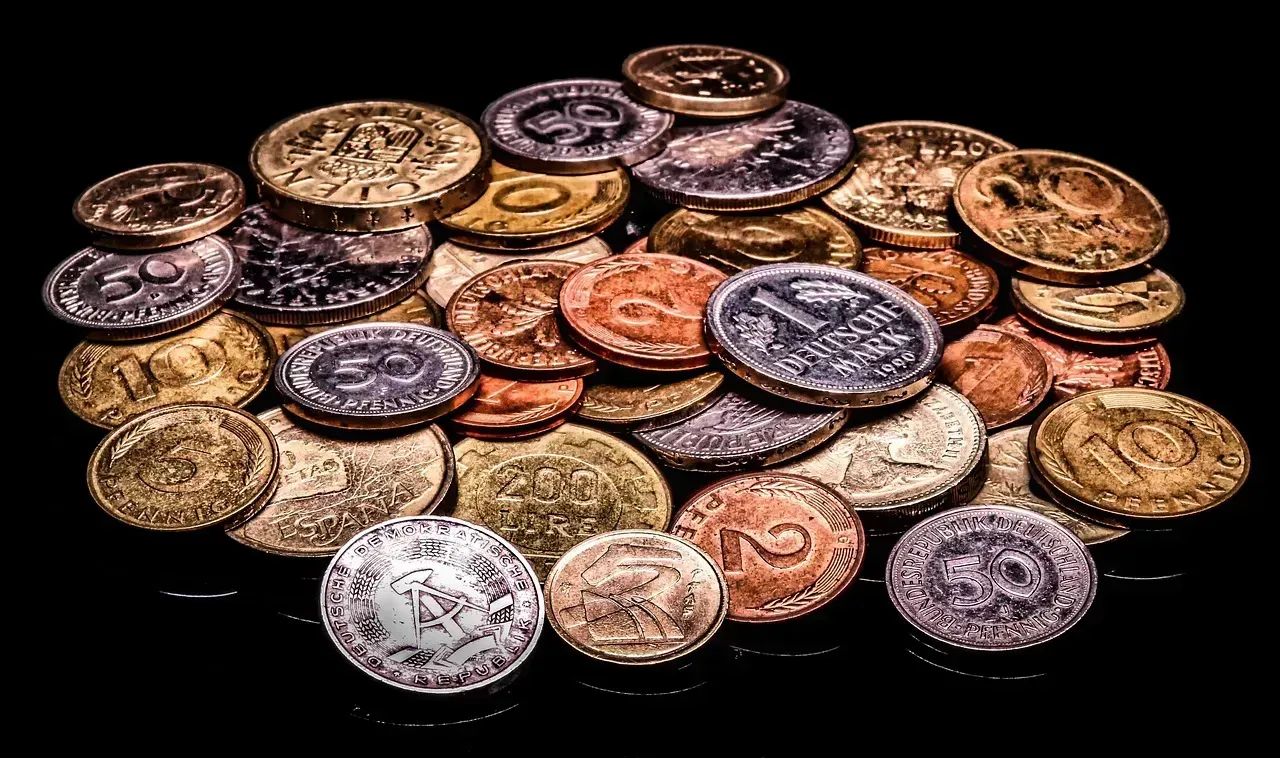
Here’s the thing: once minting stops completely, pennies become artifacts. The penny remains legal tender and may still be used for transactions. They won’t lose their value as currency, at least not officially. As the penny disappears from circulation, it may become a nostalgic keepsake or collectible, so you should save a few with unique dates or sentimental value for a future conversation piece or family heirloom.
Think about it. In 20 or 30 years, kids might grow up never having seen a penny in regular use. The coins you save now could become tangible pieces of history, much like how half dollars and two dollar bills feel special today simply because we rarely encounter them. The 2025 pennies, being from the last year of production, might be worth holding onto. I think we’re going to see penny collecting surge as nostalgia kicks in and people realize these little copper coins represent more than just one cent. They’re reminders of a simpler economic era, physical connections to American history that you can literally hold in your hand. What will you do with yours? Tell us what you think about the end of penny minting.
Donate Them to Charities That Actually Want Them
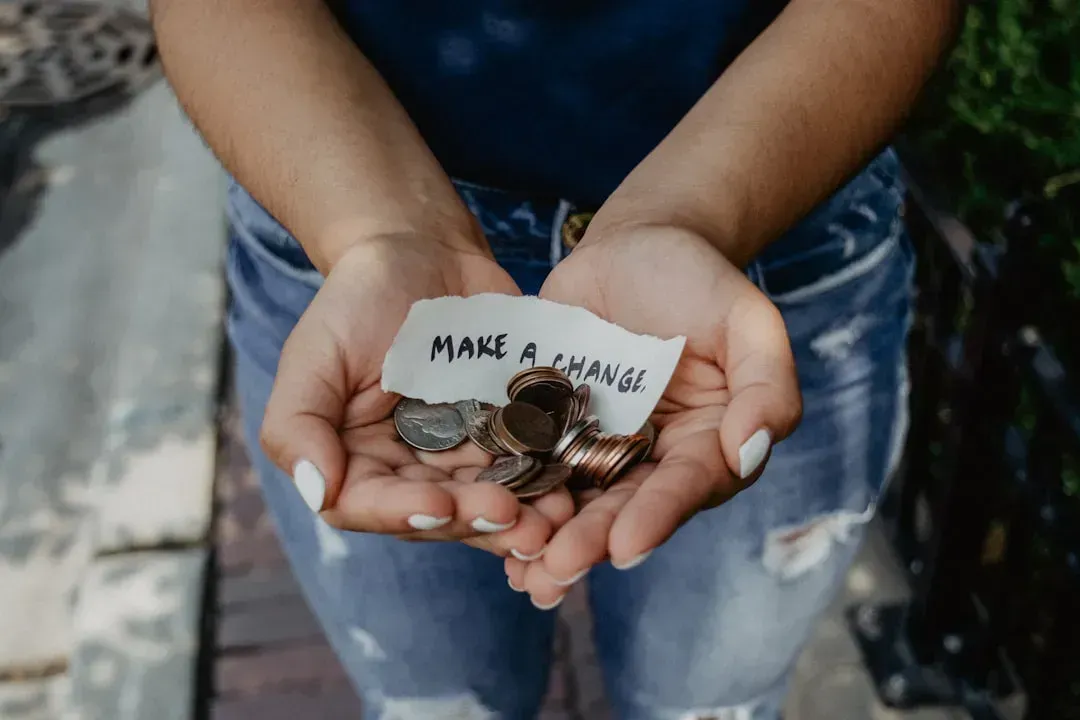
You know those charity collection jars at checkout counters? They’re about to become way more relevant. With pennies phasing out, nonprofits and charitable organizations are scrambling to collect as many as possible before they’re gone for good. Organizations like the Leukemia & Lymphoma Society have run massive penny drives that raised millions of dollars over the years, proving that these tiny coins add up to real impact when pooled together. Here’s something most people don’t realize: many charities specifically prefer pennies because donors feel more comfortable dropping in handfuls of coins they consider worthless anyway. It’s psychological gold for fundraising. Some schools and community groups are even launching final penny collection campaigns, treating it like a last hurrah for the humble cent. Instead of letting your pennies collect dust or lugging them to a coin counter that charges fees, consider finding a local charity or food bank that accepts them. You’ll clear out your coin jar, support a good cause, and give those pennies one last meaningful purpose before they fade into history. It’s honestly the most feel-good option on this entire list.