Which Nations Waste the Most Food, According to UN Data
Households across all continents wasted over 1 billion meals a day in 2022, while 783 million people were affected by hunger and a third of humanity faced food insecurity. This staggering statistic from the United Nations Environment Programme reveals a global paradox that exposes the urgent crisis we face today. In 2022 there were 1.05 billion tonnes of food waste generated (including inedible parts), amounting to 132 kilograms per capita and almost one-fifth of all food available to consumers. Let’s dive into the shocking reality of which nations are leading this wasteful race and what the latest UN data reveals about our global eating habits.
China Leads the Global Food Waste Crisis
The gross amount of food waste in China exceeds 108 million tons annually, as of 2024. China has the highest food waste of any country, with nearly 109 million tonnes generated in 2024. This massive figure makes China the only nation worldwide to surpass the 100 million tonne mark.
The large quantities of food waste reported by China, while considerable, probably shouldn’t be too much of a surprise for the world’s most populous country. Per capita, about 76 kg of food is wasted each year. Though China tops the total volume charts, their per capita waste is actually relatively modest compared to other developed nations.
India’s Massive Scale of Food Waste
The gross amount of food waste for India exceeds 78 million tons. Though second-placed India’s total of just over 78 million tonnes was substantially less than China’s, it was more than double the total of any other country. Like China, India’s enormous population directly contributes to these staggering numbers.
Much like China, India’s sheer population numbers unsurprisingly result in larger amounts of unused food. About 54 kg of food is wasted per Indian annually. Interestingly, India’s per capita food waste is actually lower than China’s, suggesting different consumption and waste patterns between these two population giants.
Pakistan’s Alarming Per Capita Waste
In Pakistan, almost 31 million tons of food was wasted in the year 2024. Per capita, Pakistanis waste as much food as Chinese and Indians combined, at 122 kg in a year. This puts Pakistan in a particularly troubling position despite having a smaller total waste volume than the top two countries.
Pakistan’s per capita waste rate of 122 kilograms annually is among the highest globally, indicating serious infrastructure and distribution challenges. The country ranks third in total food waste volume but shows one of the most concerning individual consumption waste patterns.
Nigeria and United States Tie for Fourth Place
Nigeria wasted 24.8 million tons of food in 2024. The gross amount of food waste in the US exceeds 24 million tons per year. Both countries generate remarkably similar total volumes despite vastly different economic conditions and infrastructure capabilities.
The biggest reasons for food waste in Nigeria are poor storage facilities, inefficient transportation, and limited access to markets, causing much of the harvest to spoil before it ever reaches consumers. Meanwhile, America’s waste stems from different causes entirely, reflecting overconsumption rather than infrastructure failures.
Brazil’s Supply Chain Challenges
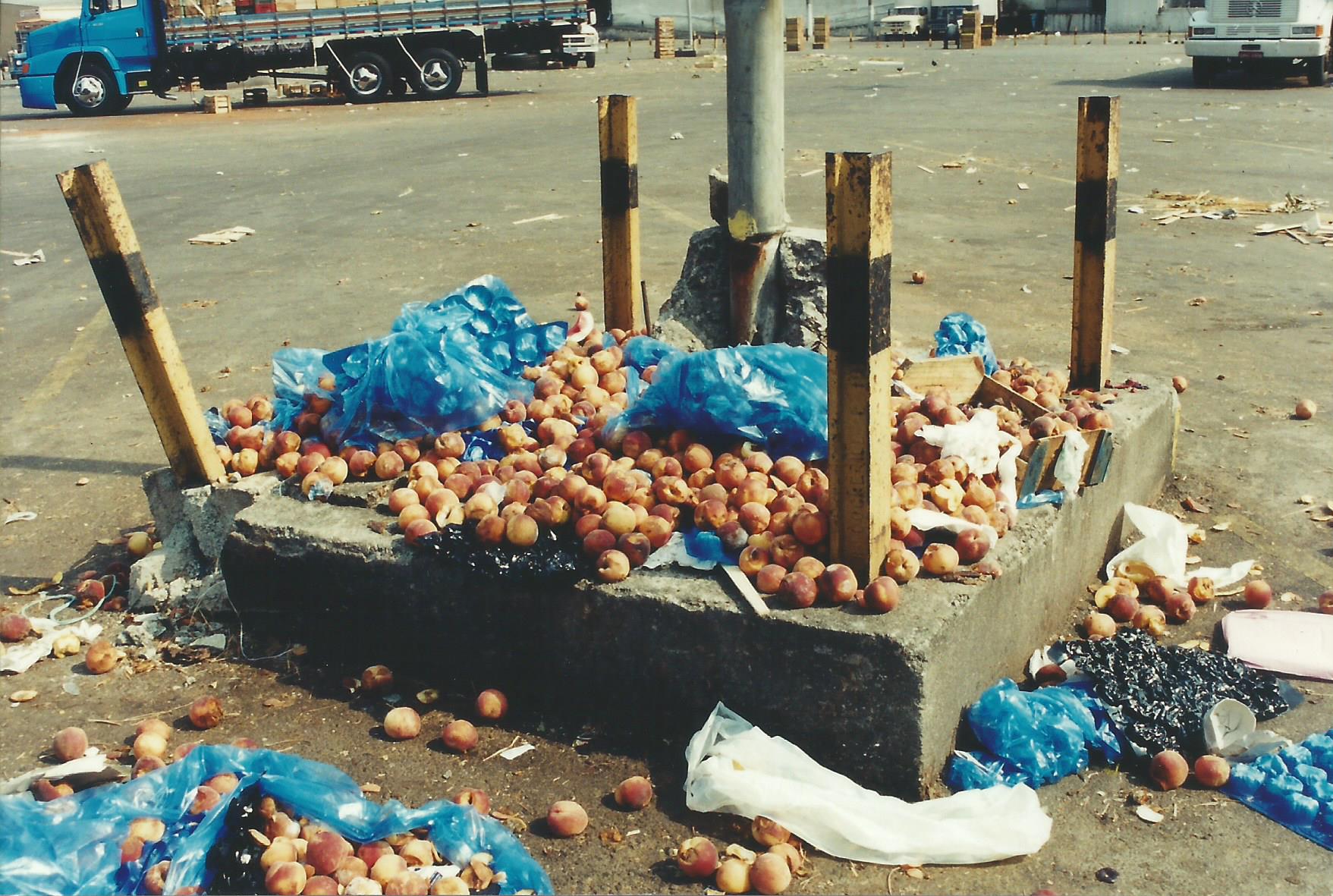
The gross amount of food waste in Brazil exceeds 20 million tons. The per capita amount is about 95 kg per year. Brazil ranks fifth globally in total food waste, with infrastructure gaps playing a significant role in these losses.
In Brazil, most food waste happens during harvesting, storage, and transportation, where infrastructure gaps and handling losses cause large amounts of food to spoil before reaching store shelves. This pattern mirrors challenges seen across developing nations where post-harvest losses dominate the waste landscape.
Egypt’s Extreme Per Capita Waste Problem
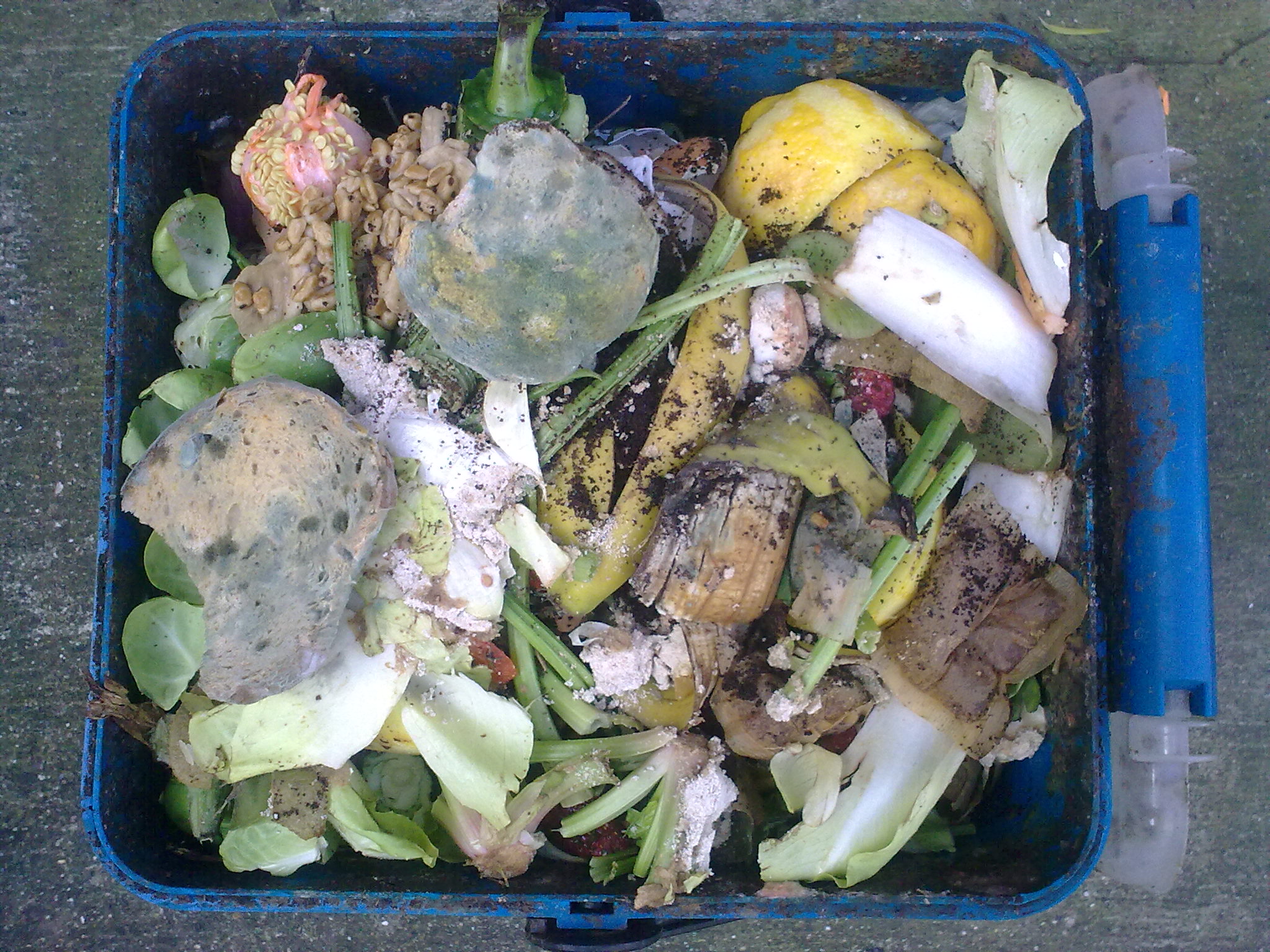
In Egypt, the gross amount of food waste exceeds 18 million tons. That is about 155 kg per capita, placing Egypt as one of the top food wasting countries per capita in the world. Egypt’s per capita waste rate is shockingly high, surpassing even wealthy developed nations.
With 155 kilograms wasted per person annually, Egypt faces one of the most severe individual food waste challenges globally. This figure suggests systemic issues in food distribution, storage, and consumer behavior that require immediate attention.
European Leaders in Total Food Waste

Food waste per country (by households, in tonnes): Germany 6,288,851; Italy 5,904,668; France 3,944,000; Poland 2,528,473; Spain 1,434,726; Portugal 1,284,025; Greece 914,011; Netherlands 847,654; Belgium 750,886; Czechia 652,455. The ranking FLW by Member State sees Germany (18,21%), France (15,96%) and Italy (13,85%) at the top, in the same order as they are found for food production levels.
Germany leads Europe with over 6.2 million tonnes of household food waste annually, followed closely by Italy and France. These three nations account for nearly half of Europe’s total household food waste, though their high production levels partially explain these figures.
The Household Factor Dominates Global Waste
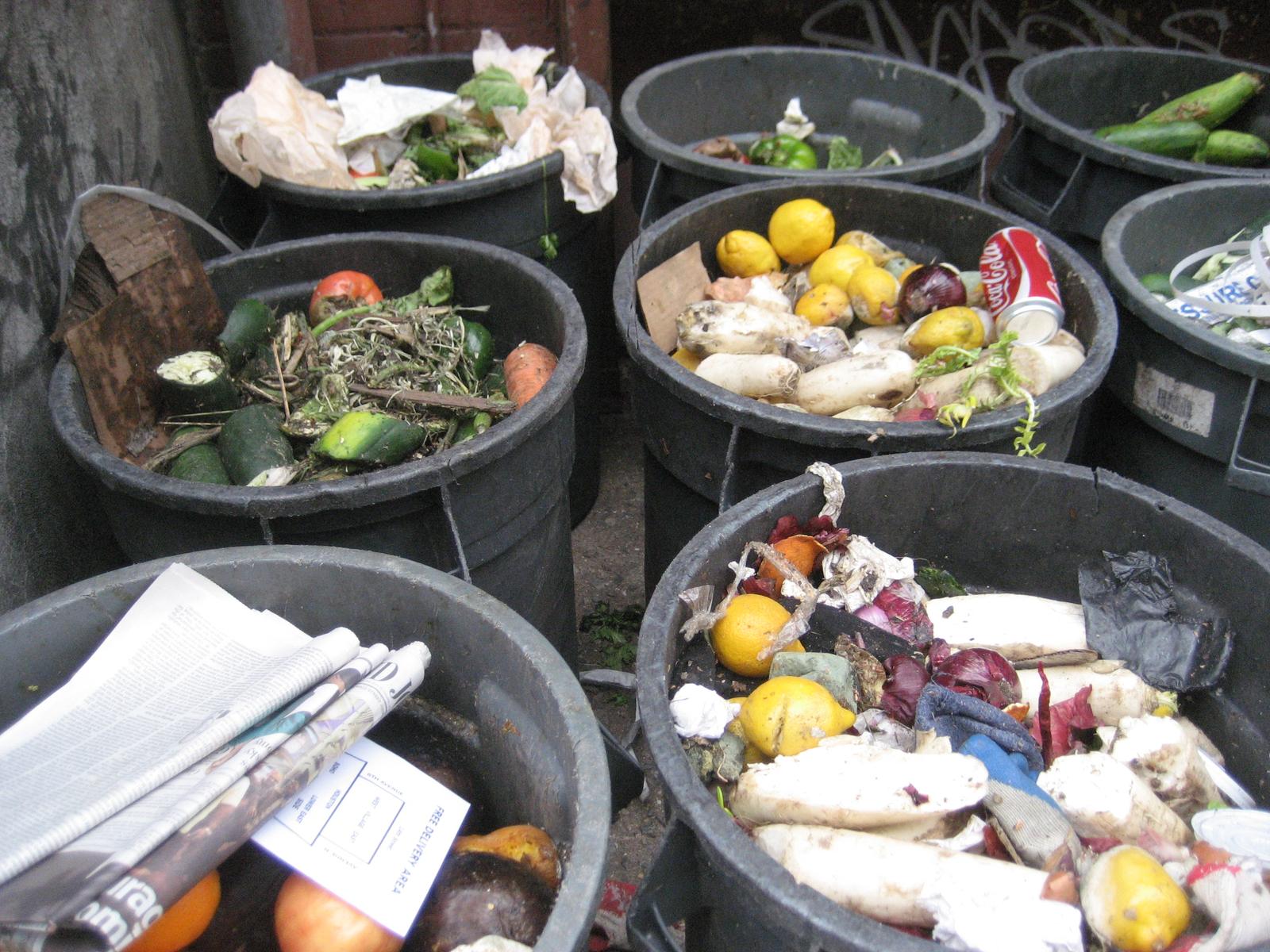
Out of the total food wasted in 2022, 60 per cent happened at the household level, with food services responsible for 28 per cent and retail 12 per cent. Out of the total food wasted in 2022, households were responsible for 631 million metric tons, equivalent to 60%. This finding challenges assumptions that commercial operations drive most waste.
The report shows that on average, each person wastes 79 kg of food every year. Households globally throw away more food than all retail and food service sectors combined, making individual consumer behavior the primary battleground for waste reduction efforts.
The Economic Status Myth Shattered
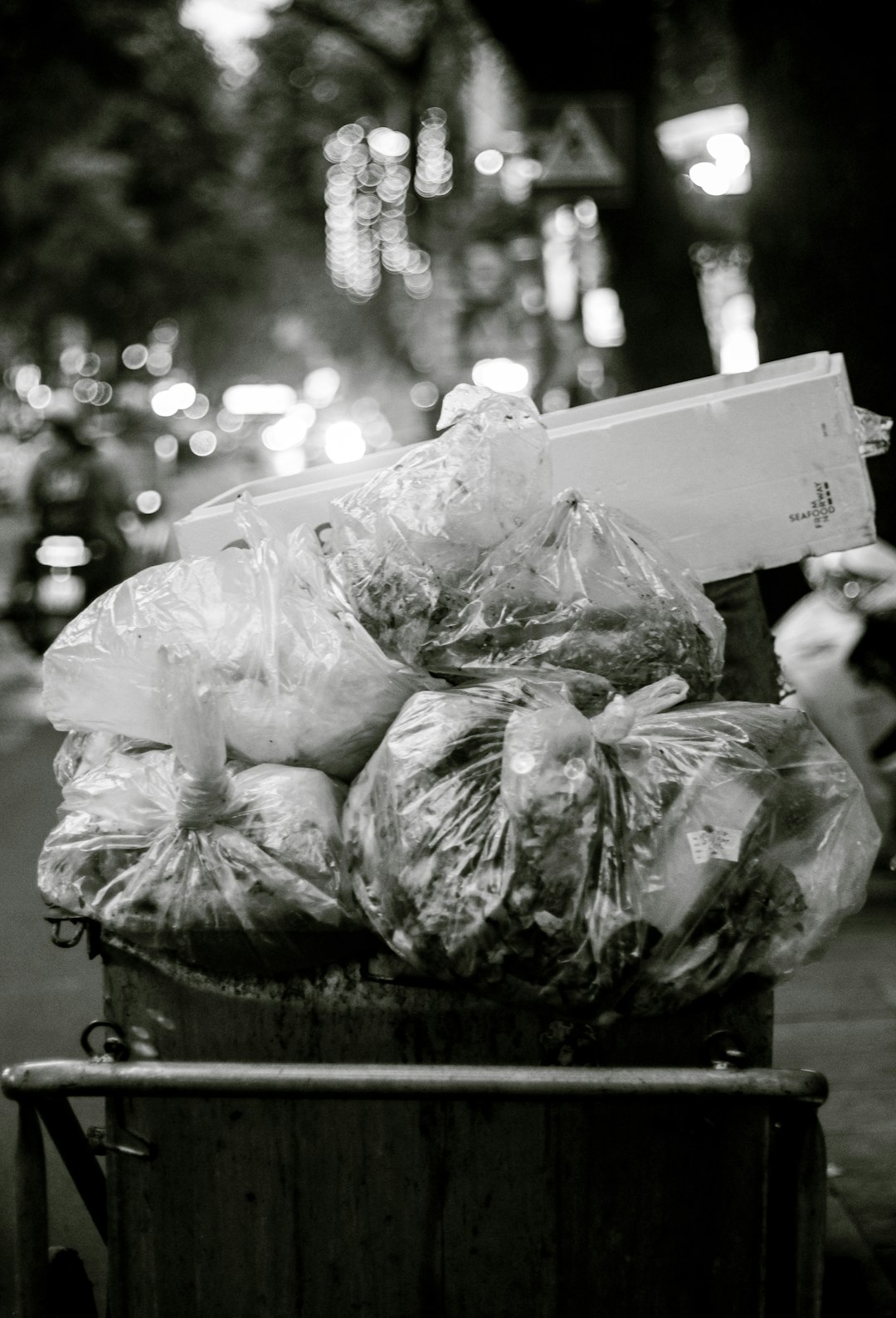
The data confirms that food waste is not just a ‘rich country’ problem, with levels of household food waste differing in observed average levels for high-income, upper-middle, and lower-middle-income countries by just 7 kg per capita. High-income, upper-middle income, and lower-middle income countries differ in observed average levels of household food waste by just 7 kg/capita/year.
This revelation completely overturns conventional wisdom about food waste being primarily a wealthy nation problem. The similarity across income levels suggests that waste patterns are driven more by cultural habits, infrastructure, and food systems rather than purely economic factors.
Climate Connection Makes Food Waste Urgent

According to recent data, food loss and waste generates 8-10 per cent of annual global greenhouse gas (GHG) emissions – almost 5 times that of the aviation sector. Food waste generates 8-10% of annual global greenhouse gas emissions. If food waste were a country, it would be the fifth most GHG-emitting country in the world.
The environmental impact of global food waste rivals entire nations in terms of carbon emissions. This staggering environmental cost transforms food waste from a moral issue into an urgent climate action priority that demands immediate international cooperation and systemic change.
These revelations from the UN’s latest data paint a sobering picture of global food waste that transcends traditional economic divides. The fact that households drive sixty percent of all waste, while nearly 800 million people face hunger daily, represents one of our time’s most pressing paradoxes. The countries leading this wasteful race span every continent and income level, proving that solutions must be as diverse as the nations involved. What strikes you most about these findings? Tell us in the comments.