Why Your Money Isn’t Truly Liquid Anymore: New Withdrawal Limits Explained
The Shock at the ATM

Picture this: You need cash for an urgent expense, so you head to your bank’s ATM. You punch in a withdrawal for a thousand dollars, but the screen flashes an error message. Your daily limit is lower than you thought. According to banking experts, the amount you can withdraw from an ATM may range from $300 to $5,000 a day, depending on the financial institution, with somewhere between $500 and $1,000 being typical.
This scenario plays out thousands of times daily across the United States, leaving people frustrated and confused about access to their own money. The reality is that withdrawal limits have become tighter in recent years, and the reasons behind this shift extend far beyond simple security measures. The Federal Reserve Board announced in April 2020 an interim final rule to delete the six-per-month limit on convenient transfers from the “savings deposit” definition, allowing depository institutions to suspend enforcement of the six transfer limit, yet many banks still maintain various restrictions.
Daily ATM Caps Keep Shrinking
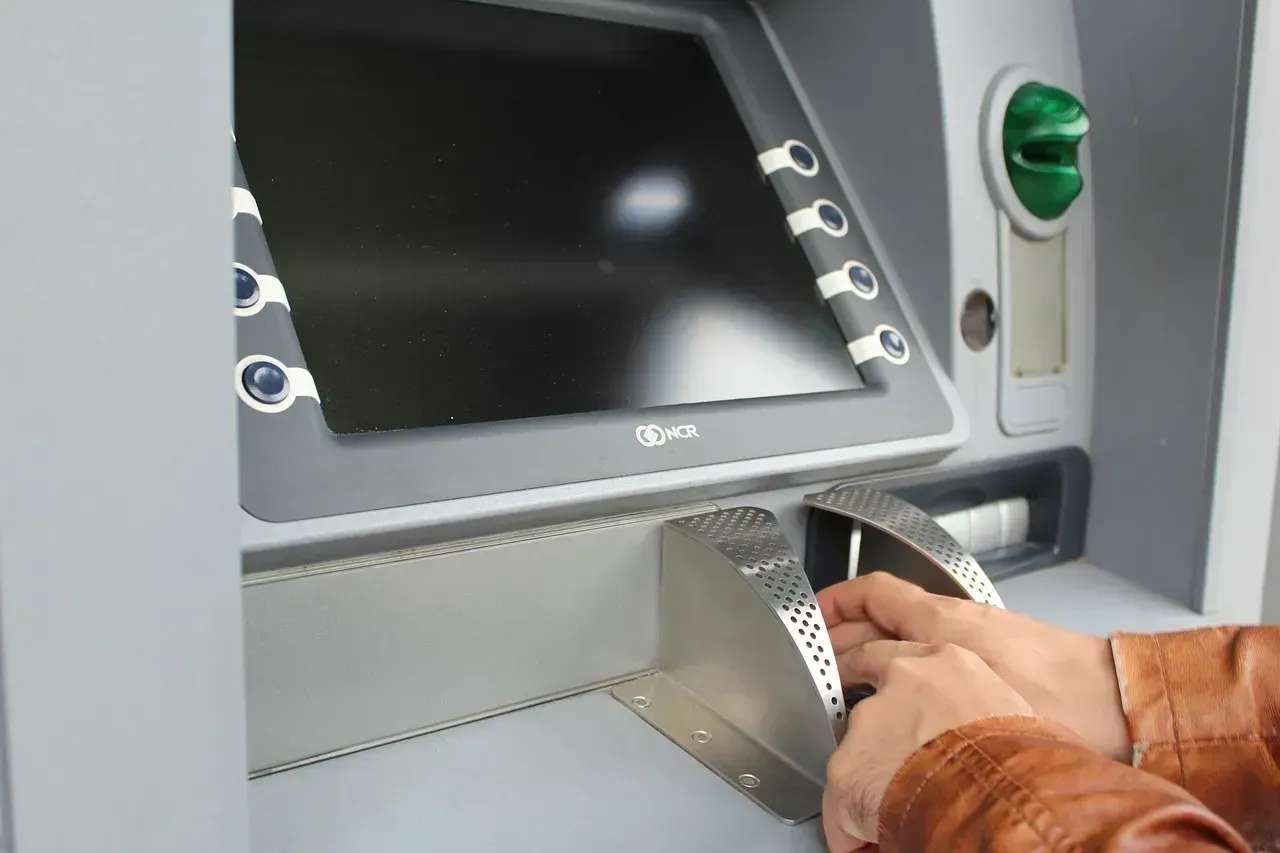
Daily ATM withdrawal limits are set by banks and typically fall between $500 and $2,500, but the actual numbers vary wildly depending on your institution and account type. If you’re banking with one of the major national institutions, you might find yourself facing surprisingly low thresholds. At Bank of Luxemburg, a Wisconsin-based bank, the default limit for customers to make cash withdrawals at ATMs is $300, though there are opportunities to request an increase if needed.
The picture gets even more complicated when you consider that different account types carry different withdrawal privileges. At Citibank, customers with a Citigold Account can withdraw up to $5,000 in a business day while Citi Priority Account packages can withdraw up to $2,000 at ATMs each business day, and those with other account packages can take out up to $1,500. Premium accounts often enjoy higher limits, but basic checking accounts face the strictest restrictions.
Here’s something that catches many people off guard: even if your bank allows higher withdrawals, individual ATMs might impose their own caps. You could be approved for a thousand dollars daily but encounter an ATM that only dispenses five hundred per transaction.
Behind the Curtain: Why Banks Are Tightening Control
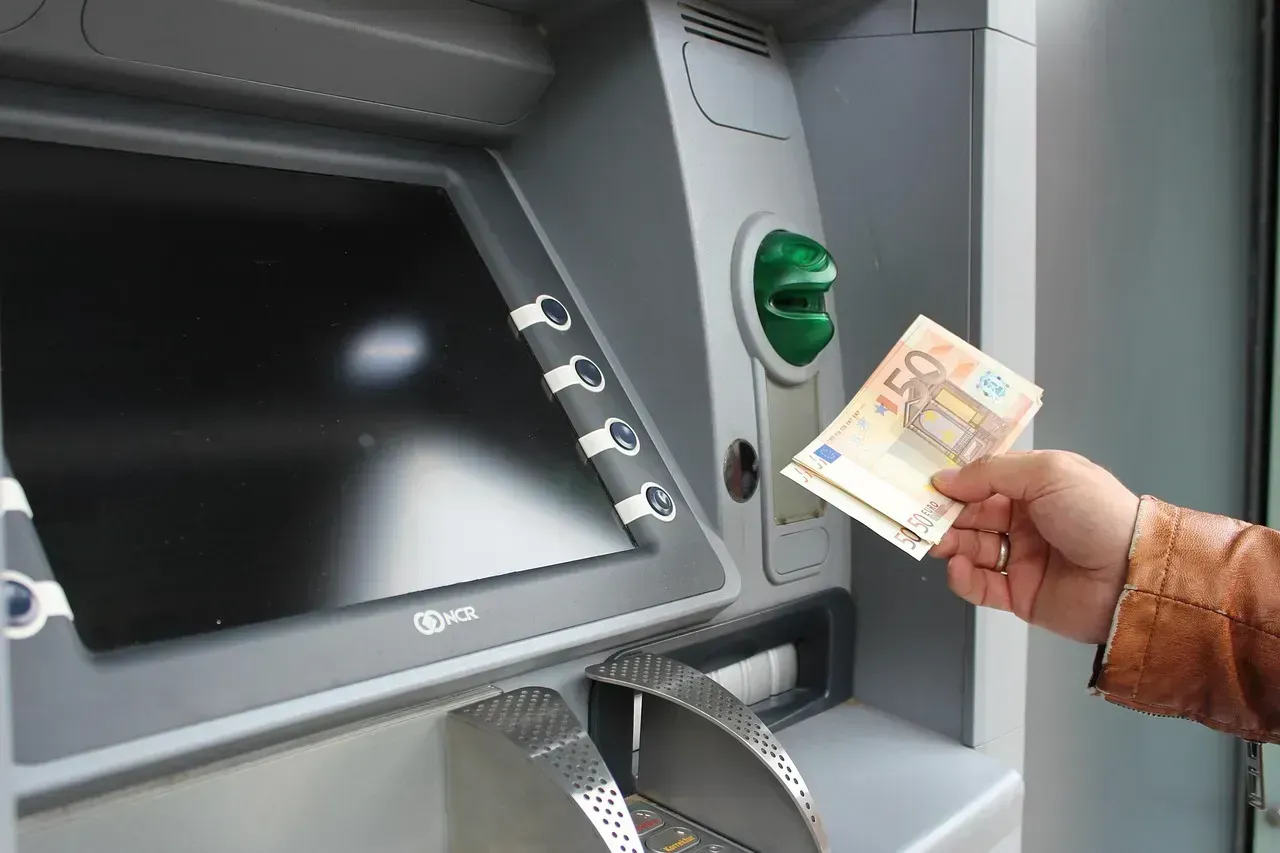
Banks justify these limits primarily through security concerns and operational necessities. The main reason banks have ATM limits is to protect money and the bank in case someone has both an ATM card and the PIN, with withdrawal limits in place because ATMs contain a limited amount of cash and to help keep fraud at bay. That sounds reasonable on the surface, doesn’t it?
Yet there’s another layer to this story that banks rarely advertise. ATMs need to stay stocked with physical currency for all customers throughout the day, and limiting individual withdrawals helps manage that inventory. It’s essentially rationing, dressed up as consumer protection. While ATM withdrawal limits can be inconvenient, they are designed to protect customers and banks from fraudulent activity, with capping daily withdrawals helping limit losses if a thief steals a debit card and tries to drain an account, while also helping banks manage cash reserves and ensure ATMs don’t run out of money.
The $10,000 Reporting Threshold Nobody Talks About

There’s a federal regulation that creates an invisible barrier around larger cash transactions, and most people have no idea it exists until they trigger it. The Bank Secrecy Act, a piece of legislation enacted in 1970 to combat money laundering and financial fraud, requires banks to report any cash transactions exceeding $10,000 to the Financial Crimes Enforcement Network, a bureau of the U.S. Department of Treasury, and this applies not just to withdrawals but also deposits, currency exchanges, and even the buying of traveler’s checks.
Now, this reporting doesn’t mean you’ve done anything wrong, but it does create a paper trail. The rationale behind monitoring large cash transactions is to deter criminal activities such as money laundering, terrorism financing, and tax evasion, and when you withdraw a substantial sum, your bank files a report detailing the transaction, though this doesn’t mean you’re under suspicion. Still, many customers feel uncomfortable knowing their financial movements are being documented and potentially scrutinized.
Honestly, the real kicker is what happens if you try to outsmart the system. Banks are on the lookout for what’s known as “structuring” – deliberately breaking down a large transaction into smaller amounts to evade reporting thresholds, and under the law, all cash transactions carried out at a single institution within one day are considered a single transaction, meaning that withdrawing $5,000 in the morning from one branch and $5,000 in the afternoon from another counts as a $10,000 transaction for the day, triggering a report to the IRS. You can’t slip through the cracks.
Savings Account Restrictions Persist Despite Regulatory Changes

Remember when you could only make six withdrawals per month from your savings account? That rule technically disappeared during the 2020 pandemic, but banks didn’t necessarily get the memo. Although the requirement to enforce the six monthly withdrawals limit was removed by the Federal Reserve in 2020, some banks may still maintain withdrawal restrictions.
Regulation D capped savings withdrawals at six per month, and even though that rule has been lifted, banks may still limit the number of monthly withdrawals customers can make from savings accounts. This creates a bizarre situation where the federal government gave banks permission to lift restrictions, but many institutions chose to keep them anyway. It’s hard to say for sure why, but it likely comes down to managing their reserve requirements and maintaining predictable cash flows.
Post-Crisis Banking Regulations Changed Everything

The banking crisis of 2023 sent shockwaves through the financial system that are still reverberating today. The 2023 banking turmoil included, in the United States, the failures of three large banks and, in Europe, the first post-financial crisis collapse of a global systemically important bank. These failures exposed serious vulnerabilities in how banks manage liquidity and customer withdrawals.
Deposit outflows in cases of banks that failed in 2023, such as Credit Suisse or First Republic, were substantially larger than ones observed during the Great Financial Crisis, and those developments may be linked to a structural reduction in the degree of stability of deposits at weak banks, as the consequence of the application of new technologies such as online banking, with evidence that social media and the internet can contribute to intensifying bank runs by helping to disseminate news and rumours very rapidly. This digital acceleration of bank runs has fundamentally changed how regulators and banks think about liquidity management.
In 2013, U.S. bank regulators implemented the liquidity coverage ratio requirement, which requires banks with more than $50 billion in total assets to hold a portfolio of high-quality liquid assets at least as large as expected total net cash outflows over a 30-day stress period. These rules force banks to maintain much larger cash reserves than before, which ironically makes them more cautious about large withdrawals from individual customers.
November 2025 Brought Stricter Daily Caps

Recent policy changes made headlines, particularly new restrictions that reportedly took effect in late 2025. Starting November 1, 2025, a new policy by U.S. banks significantly impacted how much cash customers could withdraw from their accounts, introduced in response to rising security concerns, increased digital banking usage, and efforts to monitor large cash movements more effectively.
From November 2025, major U.S. banks enforced stricter daily and monthly limits on cash withdrawals, with these changes mainly affecting ATM and over-the-counter withdrawals, aiming to reduce fraud and increase financial tracking, with daily withdrawal limits expected to range between $300 and $1,000 depending on the bank and account type, and monthly caps also introduced for high-risk accounts. Seniors and rural residents who rely heavily on cash transactions have been particularly affected by these changes.
The Overdraft Fee Overhaul Coming in 2025
Alongside withdrawal limits, the Consumer Financial Protection Bureau announced major changes to how banks could charge overdraft fees, which were scheduled to take effect later in 2025. Financial institutions had three options under the new rule, which took effect on Oct. 1, 2025, according to the CFPB: capping overdraft fees at $5, capping fees at an amount to cover costs and losses, or disclosing the terms of the overdraft loan.
This shift recognizes that overdraft fees have long functioned as a form of short-term lending, often hitting the most vulnerable customers hardest. The CFPB estimates that most banks could cover their costs with a five-dollar fee, a dramatic reduction from the typical thirty-dollar charge many institutions have imposed for years. It’s about time, honestly.
In-Person Withdrawals Face Different Rules

If you walk into a physical branch and speak with a teller, you’ll typically encounter much higher withdrawal limits than at ATMs. How much cash you can withdraw from a bank in one day can range anywhere from $300 to $20,000, with daily withdrawal limits typically lowest at ATMs ranging from $300 to $1,000, somewhat higher for debit card transactions commonly around $5,000, and highest for in-person withdrawals at a teller which can be as high as $20,000.
Banks often require advance notice for very large withdrawals, particularly if you’re requesting tens of thousands in cash. This isn’t necessarily because they’re trying to obstruct you, but because branch locations simply don’t keep massive amounts of physical currency on hand. A visit to a local branch for an in-person transaction with a cashier is likely the best way to make a large withdrawal, though you can call your bank directly to notify them of your intention to make a large withdrawal, and some banks also allow you to go online and request a temporary increase to your daily withdrawal limit.
Digital Banking Accelerated the Liquidity Crunch

Technology has fundamentally altered the relationship between banks and liquidity. According to the 2025 Diary of Consumer Payment Choice, an annual survey measuring the evolving role of cash in the U.S. economy, findings showed that amid the increasing digitalization of payments, consumers continue to use cash and keep it handy, with cash ranking third as a top payment instrument among consumers, accounting for 14% of consumer payments by number in 2024, while credit and debit cards accounted for 35% and 30% of payments, respectively.
The paradox here is striking. People use less cash overall, but when they need it, they really need it. Meanwhile, banks have responded to declining cash usage by reducing their physical cash infrastructure. Fewer branches maintain large cash reserves, and ATM networks become more centralized. This creates friction points where customers discover their money isn’t quite as accessible as they assumed.