Why Nordic Nations Still Lead the World in Coffee Drinking, Data Confirms
The Nordic countries continue to dominate global coffee consumption charts, defying expectations and maintaining their position as the world’s most coffee-obsessed nations. While larger countries like the United States might lead in total volume, the per capita statistics tell a dramatically different story. These northern European nations have transformed coffee from a simple beverage into a cultural cornerstone, creating traditions and practices that have spread worldwide.
Finland Claims the Coffee Crown
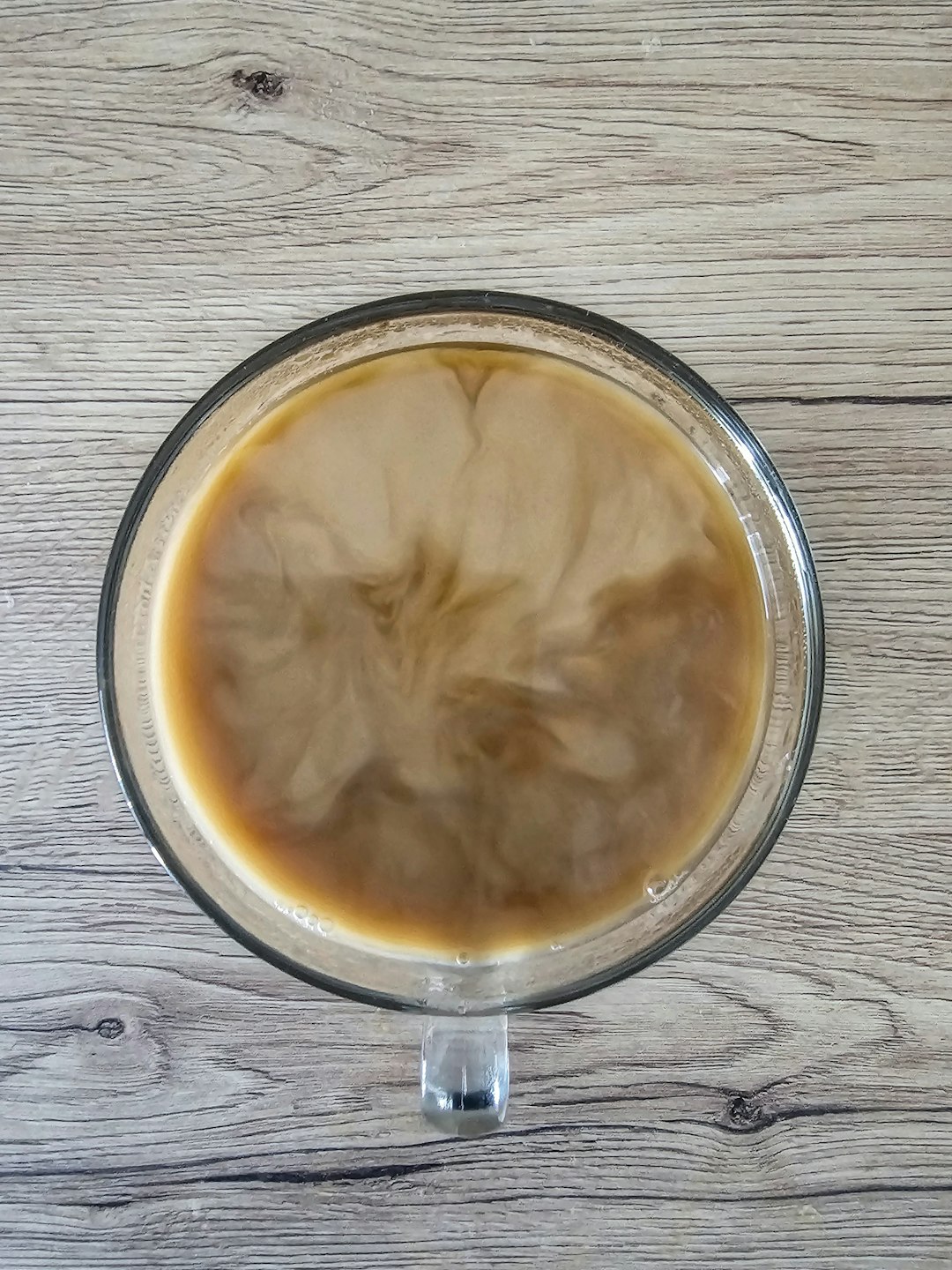
Finland remains the world’s highest coffee consumer among Nordic countries, with an average of 3.77 cups per day. According to readily available statistics from the International Coffee Organization, Finland is the number one coffee drinking country with an average of just over 12 kg of coffee consumed per year, per person. Despite its colder climate and high costs of living, coffee in Finland is an everyday essential – driven by community routines, workplace norms, and strong preference for light roasted Arabica beans.
Finns are the undisputed champions of coffee consumption, with the average adult drinking up to 4 cups a day. Coffee in Finland is almost ceremonial, often enjoyed lightly roasted and accompanied by pulla, a sweet cardamom bun. “Kahvitauko” (coffee break) is a respected part of the workday, and even formal events include a dedicated coffee moment. This commitment extends beyond mere consumption into a deeply ingrained cultural practice that shapes daily life.
Sweden Perfects the Art of Fika
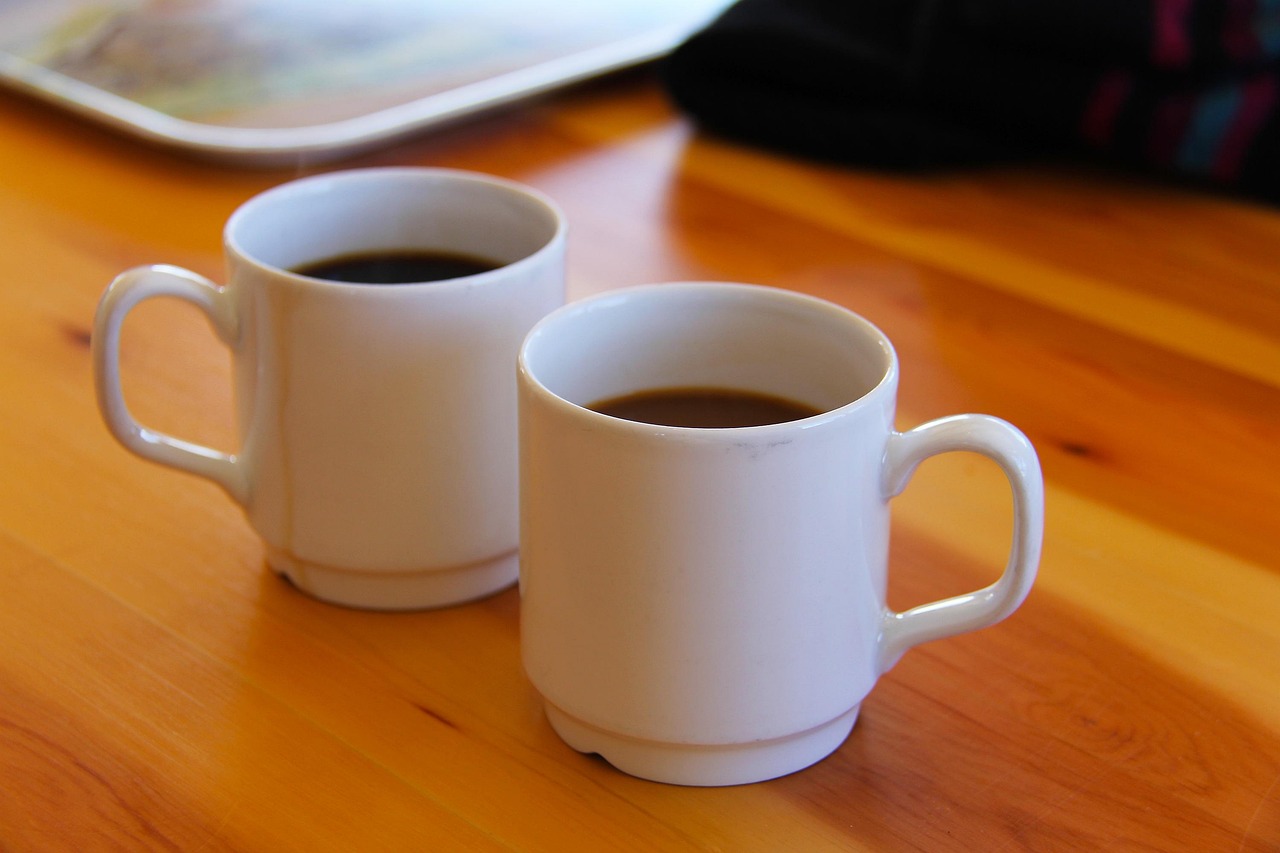
Sweden maintains its position among the top coffee consuming nations, with 2.59 cups per day per person. Coffee is central to Swedish life, especially during “fika” (coffee and cake breaks) that are deeply ingrained in national culture. In Sweden, there is even a social event called “Fika” specifically for drinking coffee together during the day (typically enjoyed around 10 a.m. and again at 3 p.m.). This tradition is an important part of Swedish culture and is intended to encourage people to socialize and relax.
Fun fact: Sweden has among the highest coffee consumption rates across the globe! The Finns, Norwegians, Icelanders, Danes, and Dutch all consume more coffee per capita than the Swedes. The Swedish approach to coffee emphasizes quality and social connection over speed and convenience, creating a model that many other countries now seek to emulate.
Norway’s Coffee Heritage Runs Deep
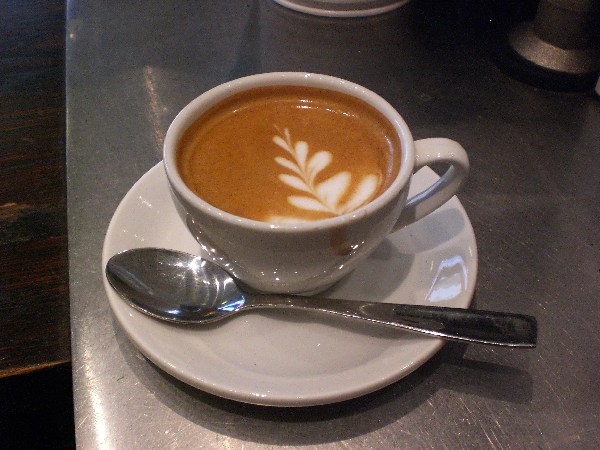
Norwegians consumed an average of 2.57 cups daily in 2024. The country’s long-standing love of coffee dates back centuries, with black coffee and pour-over methods remaining common. Known for their love of nature, Norwegians often enjoy “kaffekos” – cozy coffee moments – at home or even on mountain hikes, where a thermos of black coffee is as essential as the boots on your feet. Like in Finland, light roast filter coffee is most common, and it’s not unusual to spend hours over multiple cups during a conversation or a visit.
As a pioneer of light roasts, Norway is home to a significant number of successful specialty roasters and world coffee champions. This expertise has helped establish Norway as a leader in coffee innovation and quality, influencing global trends in specialty coffee preparation and appreciation.
Cultural Traditions Drive Consumption
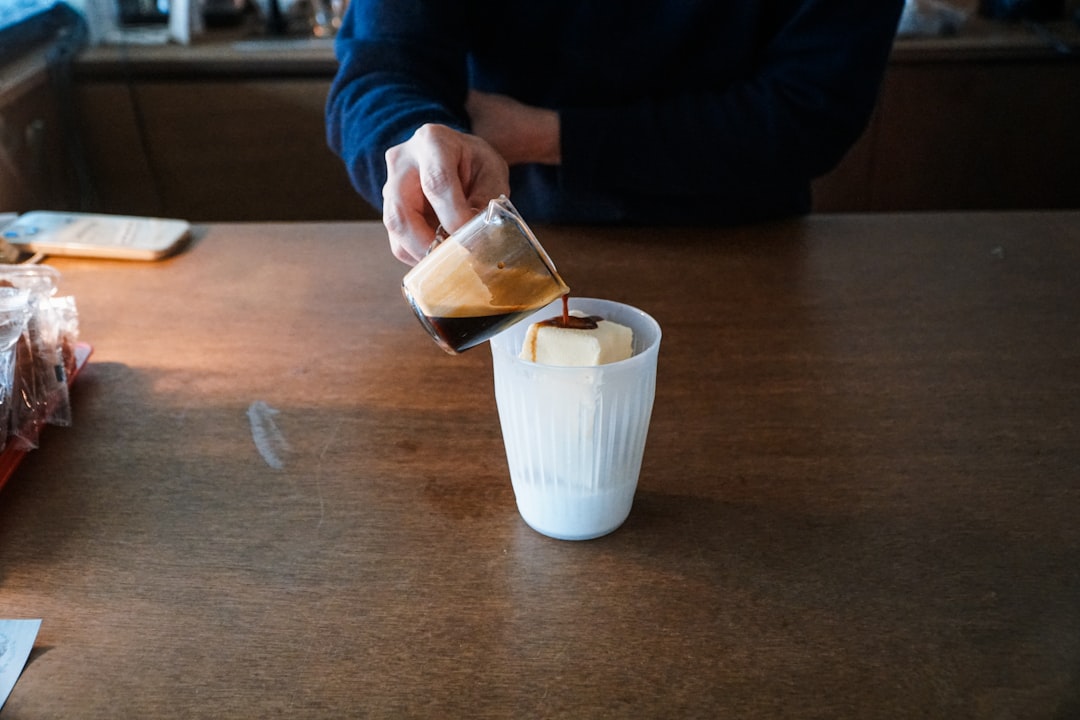
Scandinavians love their coffee. Coffee breaks are common at work and at home and are an essential part of daily life. Scandinavians often take multiple coffee breaks during the day. They drink coffee not only at home but also at work and during social gatherings. In Sweden and Finland, where fika (or fika pause) is most common, coffee is a serious and necessary diversion from the stresses of life. The work or school day is interrupted twice – typically sometime in mid-morning, and again in the afternoon – for a strong brew and a sweet bite, which is guaranteed by law to all employees nationwide.
Nordic coffee culture extends beyond the coffee itself. It embraces the concept of “hygge,” which represents coziness, comfort, and a feeling of well-being. Hygge is about creating a warm and inviting atmosphere, often with soft lighting, candles, and comfortable seating, to enhance the coffee-drinking experience and foster a sense of contentment. This holistic approach transforms coffee consumption into a mindful practice rather than a rushed necessity.
Quality Over Quantity Philosophy
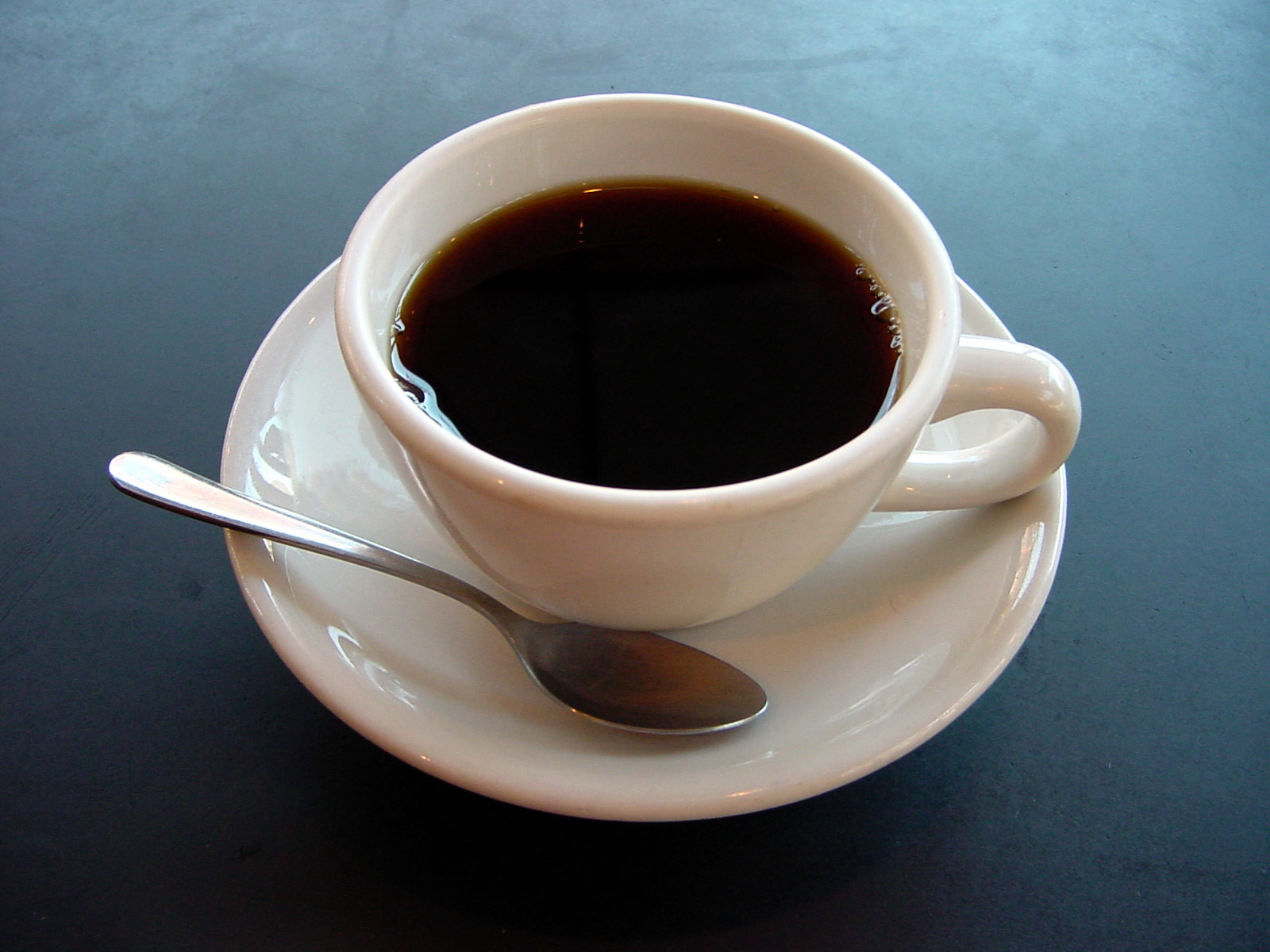
Almost 50 percent of Danish consumers and even over 75 percent of Norwegians reported this in 2023. Since they prefer to taste the real and strong coffee flavor, the quality of the product is crucial, and they like to drink it as filter coffee. Scandinavians prefer their coffee to be strong and robust. In Denmark, Sweden and Norway, coffee is predominantly consumed black. This means without milk and sugar. The quality of the actual coffee is therefore very important in these markets.
One of the defining characteristics of Nordic coffee culture is the preference for lighter roasts. Unlike the dark roasts commonly found in other parts of the world, Nordic coffee roasters tend to roast their beans to a lighter degree, preserving the delicate flavors and highlighting the nuances of the beans’ origin. This commitment to showcasing bean characteristics rather than masking them with roast flavors demonstrates a sophisticated palate and appreciation for coffee’s complexity.
Climate and Coffee Connection

The striking pattern of cold-weather countries leading the way might be as simple to explain as realizing that people need something to warm them up on cold, Northern mornings and coffee is the obvious choice. Maybe this isn’t so surprising since coffee is traditionally a hot beverage and warming up during the long, northern winter months is a lot easier with a nice cup of coffee in hand. The harsh winters and limited daylight hours create a natural demand for warming beverages and cozy indoor activities.
In fact, Denmark, Finland, Norway, and Sweden are among the top coffee consumers, beating many large markets. Because these countries have small populations, import volumes are relatively low compared to other regions. However, Nordic consumers prefer high-quality beans and have the means to pay for them. The combination of climate needs and purchasing power creates ideal conditions for premium coffee consumption.
Sustainability Leadership
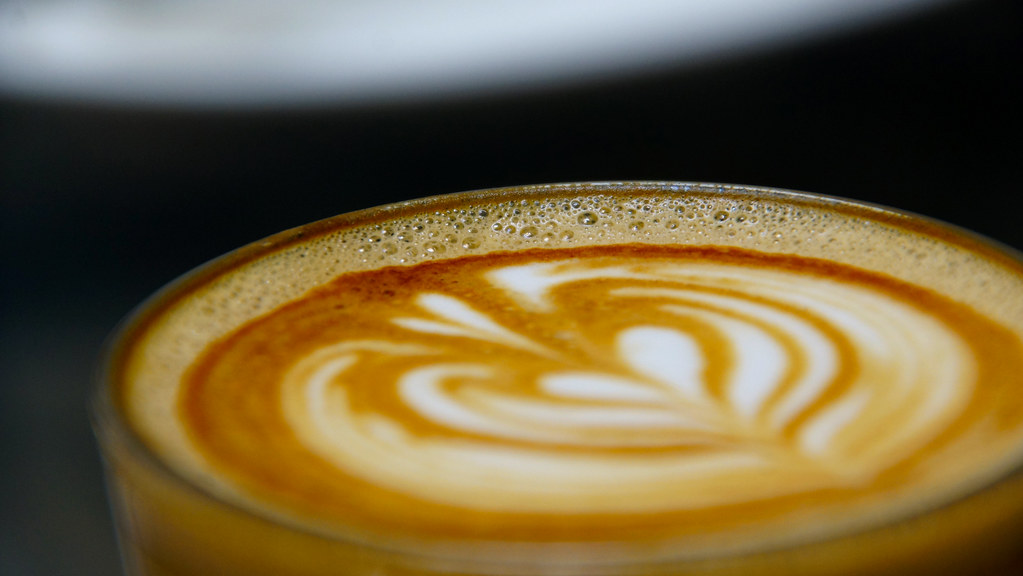
Klaus foresees that in terms of sustainability, Scandinavian roasters will continue to be influential. “I think more roasters will continue to focus on being more sustainable and transparent with their buying practices,” he says. Sustainability is highly valued in Nordic coffee culture. Coffee enthusiasts prioritize environmentally friendly practices, fair trade, and direct relationships with coffee farmers to ensure that their coffee consumption aligns with their values.
Prioritizing sustainability, EU initiatives such as the Common Agricultural Policy and Exchange agreements affect international necessities, raising the market for sustainable coffee. Prioritizing sustainability, EU initiatives such as the Common Agricultural Policy and Exchange agreements affect international necessities, raising the market for sustainable coffee. Nordic countries lead by example in demanding ethical sourcing and environmental responsibility from their coffee suppliers.
Innovation in Coffee Preparation
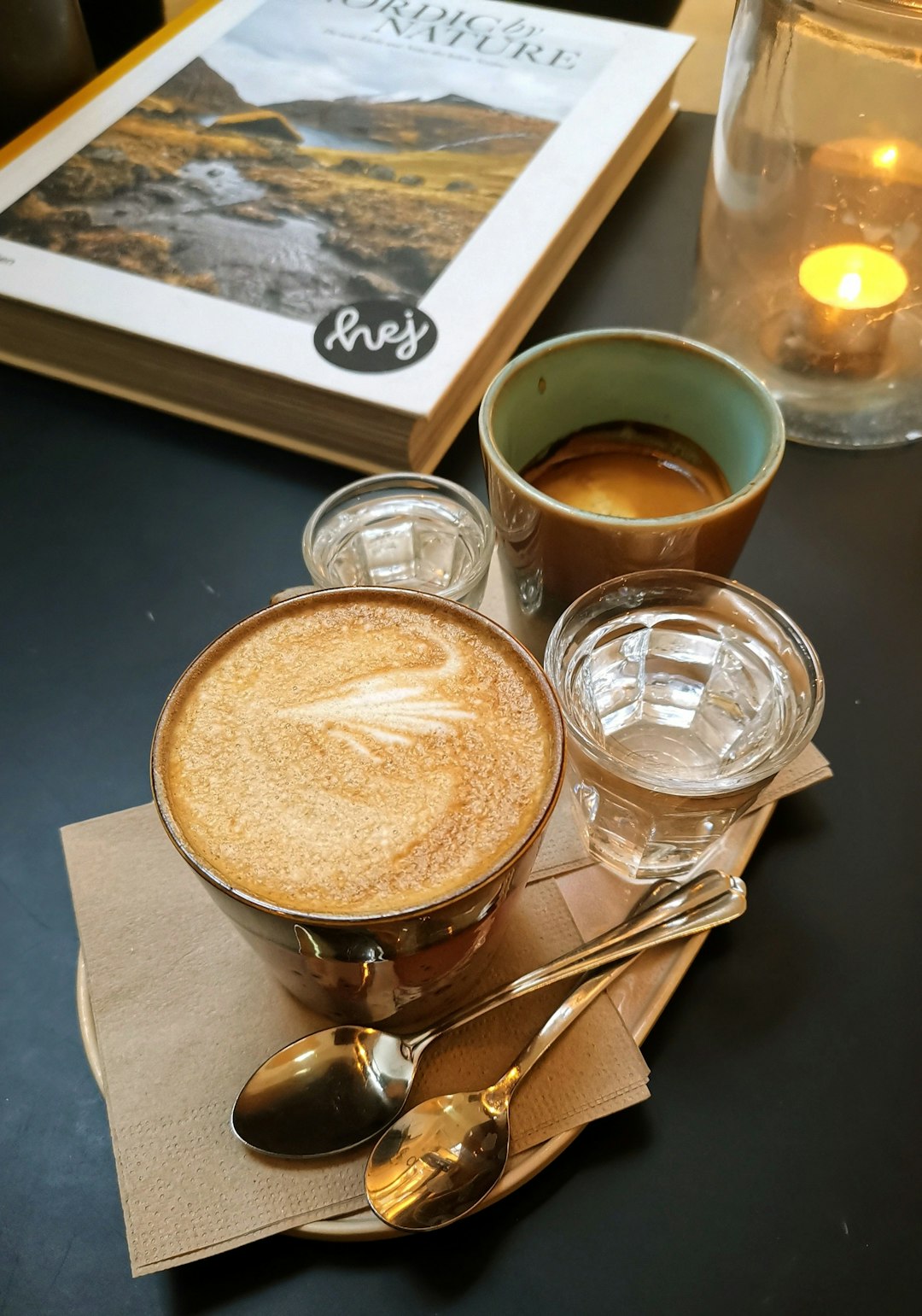
Thanks to pioneering industry professionals in countries like Norway, Denmark, Sweden, and Finland in the late 1990s and early 2000s, specialty coffee has become popular in more and more countries around the world. The global reach of Nordic coffee culture is partly attributed to the high rates of coffee consumption in these countries. In fact, in 2016, out of the six highest coffee consuming countries per capita, five of them were Scandinavian countries. Moreover, Scandinavia’s rich history of coffee consumption – along with Nordic consumers’ overwhelming preference for higher-quality and sustainably-sourced coffee – has only continued to drive innovation in the international coffee industry.
This characteristic roast profile first appeared in the early 2000s, when specialty coffee became popular in Nordic countries, including Sweden, Finland, and Denmark. Light roasting minimises the influence of a roast on the coffee and allows its inherent characteristics to shine through. This means other factors such as terroir, variety, and processing methods have more of an impact on the final cup profile. Nordic innovation has fundamentally changed how the world approaches coffee preparation and appreciation.
Economic Impact Despite Small Population
A recent study conducted by Molgo showed that Norway, Sweden, and Denmark have coffee consumption levels that are well above the European average. Sweden, the largest coffee market in the region with a population of 10.5 million, ranks sixth globally in per capita coffee consumption. Norway, with a population of 5.4 million people, has a per capita consumption of 9.9 kg, the second highest globally. Denmark’s consumption of 6.6 kg makes it eighth.
Despite their relatively small populations, these nations generate significant economic activity in the coffee sector. Their willingness to pay premium prices for quality coffee creates lucrative markets that influence global coffee trade patterns and encourage producers worldwide to focus on quality improvements.
Future Trends and Global Influence
While Nordic countries maintain their status as the world’s most coffee-obsessed per capita, the global landscape of consumption is shifting. Emerging markets like the Philippines, Ethiopia, and Indonesia are seeing increased domestic demand, while traditional giants like the U.S. and Brazil continue to lead in absolute volume. Klaus tells me that he anticipates the Nordic specialty coffee market will also continue to grow in the coming years – which could further drive innovation across the world.
Consumers increasingly seek environmentally responsible brands – especially millennials and Gen-Z. Consumers increasingly seek environmentally responsible brands – especially millennials and Gen-Z. Nordic countries continue to set the standard for responsible coffee consumption, with their emphasis on quality, sustainability, and social connection serving as a model for developing coffee cultures worldwide.
The Nordic nations have proven that coffee consumption is about far more than caffeine intake. Through deeply rooted cultural traditions like fika, commitment to quality and sustainability, and innovative approaches to preparation, they’ve created a coffee culture that prioritizes experience over efficiency. These small northern countries continue to punch above their weight in global coffee influence, demonstrating that true leadership comes from depth of appreciation rather than volume alone.