Nations That Have Nearly Moved Away from Wheat-Based Diets, Report Reveals
Recent global dietary patterns reveal surprising shifts in traditional wheat consumption, though complete abandonment of wheat-based diets by entire nations remains largely theoretical. According to industry reports, the global gluten-free food market is projected to experience significant growth, with estimates suggesting substantial expansion over the next decade. This dramatic expansion signals significant population segments worldwide are indeed reducing their wheat intake, even if entire countries haven’t completely eliminated wheat from their diets.
Asia’s Traditional Rice Cultures Show Lowest Wheat Dependency

Traditional Japanese cuisine relies heavily on rice, and wheat is not a primary component of their diet. Therefore, wheat flour consumption per capita in Japan is relatively low compared to other nations. Japan represents perhaps the clearest example of a developed nation where wheat never dominated the dietary landscape.
Despite being the largest producer of wheat flour, China has relatively low per capita consumption. This is primarily due to the popularity of rice as a staple food in Chinese cuisine. Similar patterns emerge across East Asia, where rice cultivation and consumption have maintained cultural dominance for millennia.
South Korea and the Philippines reportedly exhibit lower wheat consumption levels compared to Western countries. These figures demonstrate how certain Asian nations maintain significantly lower wheat consumption rates compared to Western countries.
European Nations Leading Gluten-Free Adoption

Europe represents a significant portion of the global gluten-free food market, with substantial revenue in 2024. The demand of gluten-free foods in Europe is increasing because of the requirement of adequate nutrition and increasing awareness regarding gluten related diseases.
Several European countries have implemented comprehensive policies supporting gluten-free lifestyles. Australia and New Zealand have the toughest labeling laws in the world; these have been set by the Australia New Zealand Food Standard’s Code and apply to all food sold or prepared for sale, including imported food. The Australia New Zealand Food Standards Code require the following: Foods labeled as “gluten free” must not contain any detectable gluten.
Though not complete wheat abandonment, these regulatory frameworks create environments where wheat-free alternatives thrive. The European Union has adopted universal labeling laws for gluten free food. If the food contains less than 100 mg/kg, it may be labeled “very low gluten,” while if it contains less than 20 mg/kg it may be labeled “gluten-free.”
North American Consumer-Driven Wheat Reduction

Due to increased consumer awareness of celiac disease, gluten sensitivity, and health consciousness, the US market for gluten-free foods is among the biggest in the world. The demand for gluten-free products keeps growing as more people follow gluten-free diets for health reasons and as they look for clean eating or allergen-free options.
A significant portion of Americans are reportedly cutting back on gluten. This remarkable statistic reveals that roughly thirty-three percent of the American population is actively reducing wheat consumption, representing one of the most significant dietary shifts in modern history.
In 2024, an estimated 445 million consumers worldwide purchased gluten-free products at least once per month. Gluten-free bakery items accounted for 38% of total product demand, followed by cereals and snacks at 21%. These numbers demonstrate substantial market demand for wheat alternatives across North America.
Latin American Corn-Centric Food Cultures

Corn is a staple food in Mexican cuisine, overshadowing the consumption of wheat flour. Tortillas, made from corn, are the primary carbohydrate source in Mexico. Mexico exemplifies how indigenous food traditions can maintain cultural dominance over introduced wheat-based diets.
Throughout Central America, corn-based diets have persisted despite centuries of European influence. Traditional tortilla consumption patterns show how entire populations can maintain low wheat dependency while meeting nutritional needs through alternative grains.
Argentina presents an interesting case study. Argentina recently implemented its “National Program for the Detection and Control of Celiac Disease.” The program not only promotes awareness and knowledge regarding celiac disease, it also implemented an impressive array of labelling restrictions and created a national logo for all certified-GF packaged foods. For residents, Argentinian health care providers must cover the cost of alternative flours and gluten-free mixes.
Middle Eastern Nations Embracing Alternative Grains
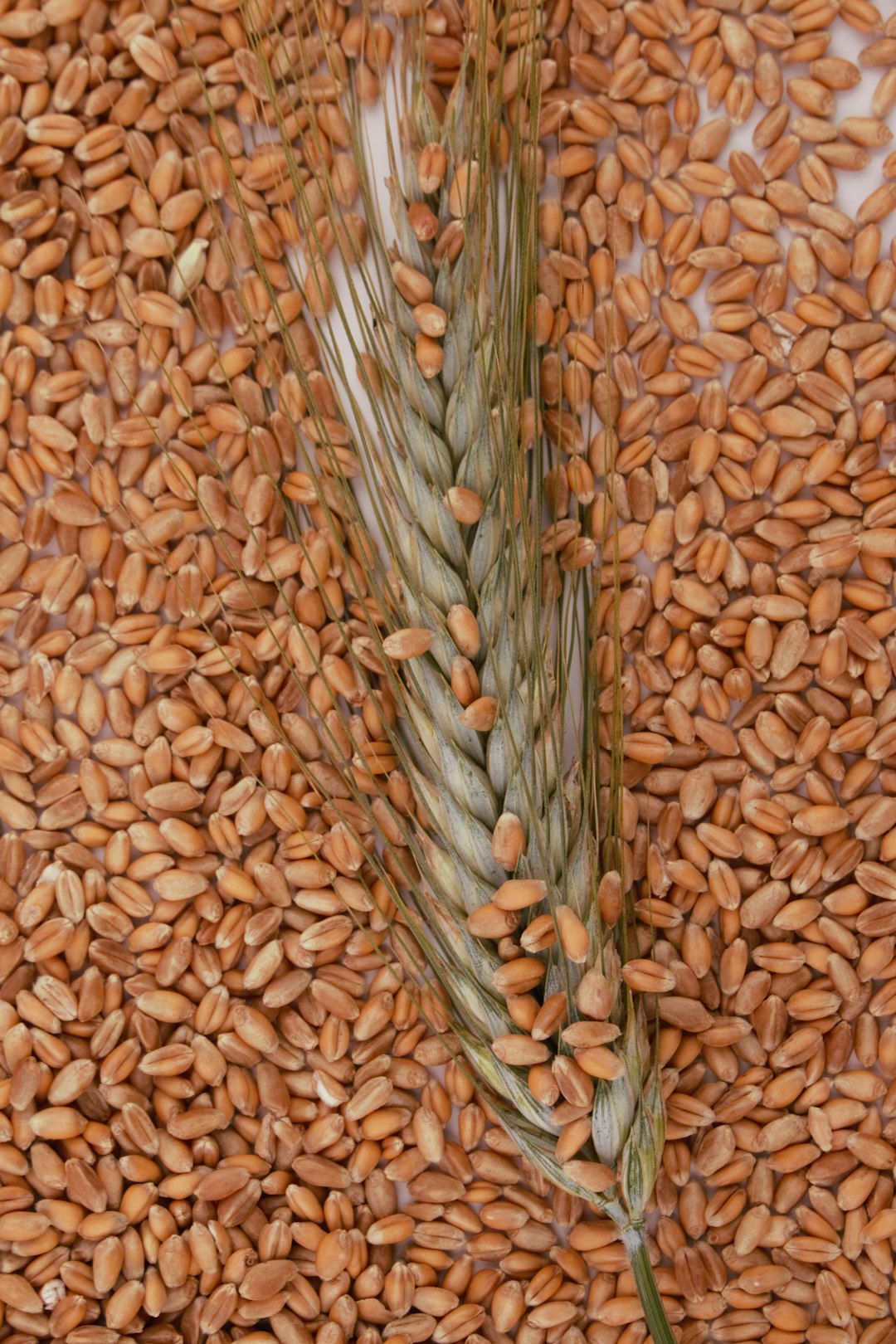
Egypt and Israel are among the countries with notably high wheat consumption per capita according to available data. Interestingly, while Egypt shows high consumption, Israel demonstrates complex patterns where significant populations seek wheat alternatives.
Regional dietary diversification accelerated during recent supply chain disruptions. Global wheat, maize, rice, and soybean prices are lower than in 2023, with significant reductions observed across all categories; soybean prices dropped by nearly 20 percent, wheat and rice by 10 percent, and maize by 1.5 percent. These price fluctuations encouraged exploration of alternative grain sources.
Traditional Middle Eastern cuisines historically incorporated diverse grains beyond wheat, including barley, millet, and various legumes. Modern health consciousness is reviving these ancient dietary patterns, particularly in urban populations seeking gluten-free options.
African Countries Diversifying Grain Sources
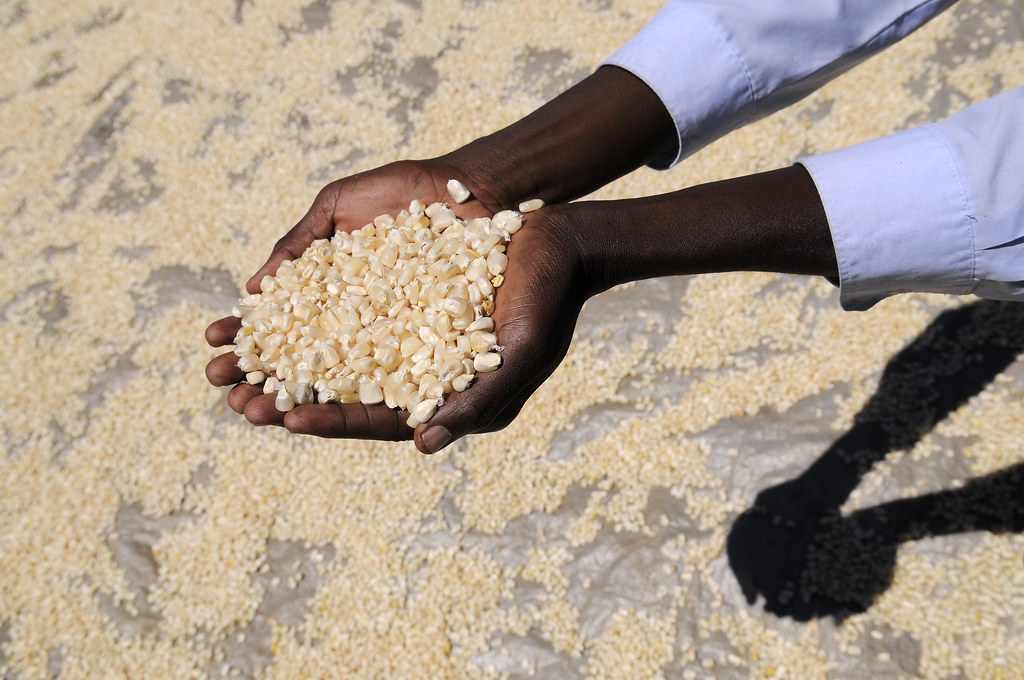
From a continental standpoint, Asia emerged as the leading importer of wheat in 2023, with purchases valued at $28.4 billion, representing 44% of the global total. Following Asia, Africa ranked second with 23.6%, while Europe accounted for 20.3% of global wheat imports.
Despite significant wheat imports, many African nations maintain strong traditional grain cultures. Sorghum, millet, and cassava continue serving as primary carbohydrates across vast regions, effectively limiting wheat’s dietary dominance.
Smaller consumers, such as the Democratic Republic of the Congo and Zambia, show significant growth percentages, while nations like Ukraine and Cuba have experienced declines. This data suggests certain African nations are actually increasing wheat consumption, though others maintain historically low usage patterns.
Plant-Based Diet Movement Reducing Wheat Dependency
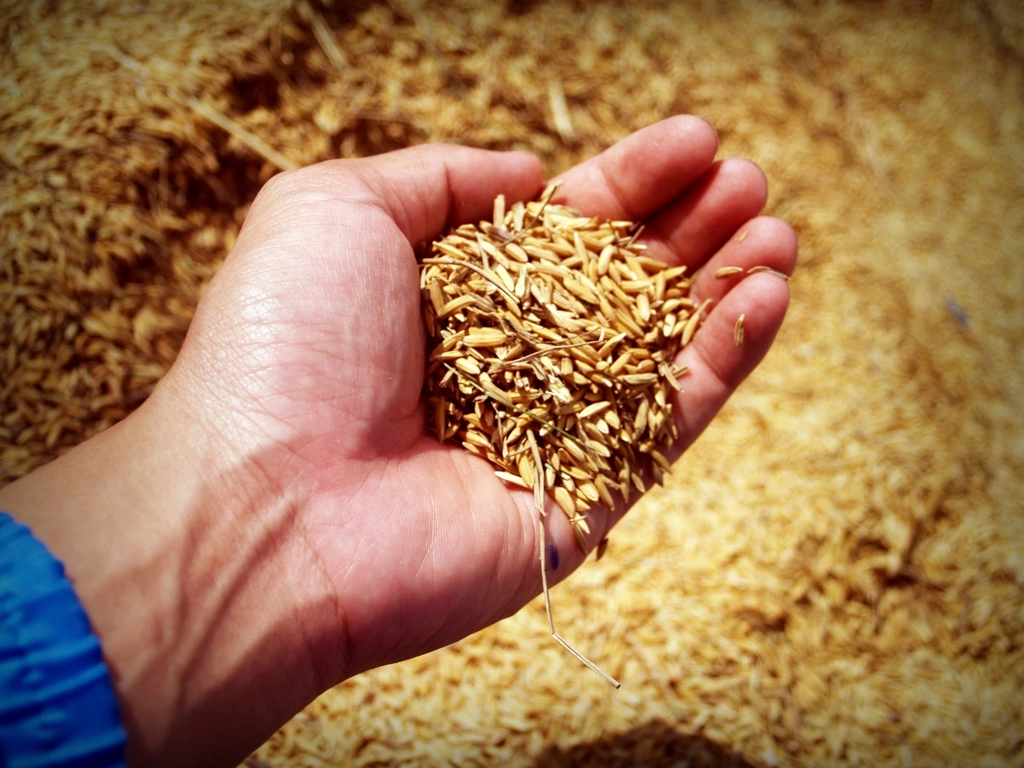
Vegan-friendly and plant-based gluten-free foods surged in popularity, accounting for 37% of product innovations in 2024. The intersection of plant-based eating and gluten-free lifestyles creates powerful momentum for wheat reduction across multiple demographics.
Interestingly, gluten-free whole grains tend to be higher in protein than wheat-based grains. For instance, quinoa offers 8 grams of protein per cup, compared to barley’s 3.5 grams per cup. This nutritional advantage encourages sustained adoption of wheat alternatives.
Dietary changes that favor plant-based and allergy-free meals also play a role. Modern environmental consciousness drives consumers toward diverse grain sources, reducing reliance on wheat monocultures.
Technological Innovation Supporting Wheat Alternatives

Major producers have adopted rice, tapioca, and almond flours to replace wheat. Shelf life improvements of 22% and texture enhancement technologies have driven strong consumer acceptance. These technological advances make wheat-free products increasingly viable for mainstream adoption.
Innovations in gluten-free ingredients and production methods have fueled the growth by enhancing taste and texture and drawing in customers outside of the dietary restriction market. Manufacturing improvements eliminate traditional barriers to wheat alternatives.
Between 2023 and 2025, global gluten-free product availability increased by 29%, with new launches emphasizing high fiber, protein enrichment, and fortified micronutrients. This rapid innovation cycle supports sustained consumer interest in wheat alternatives.
Economic Factors Driving Dietary Transitions
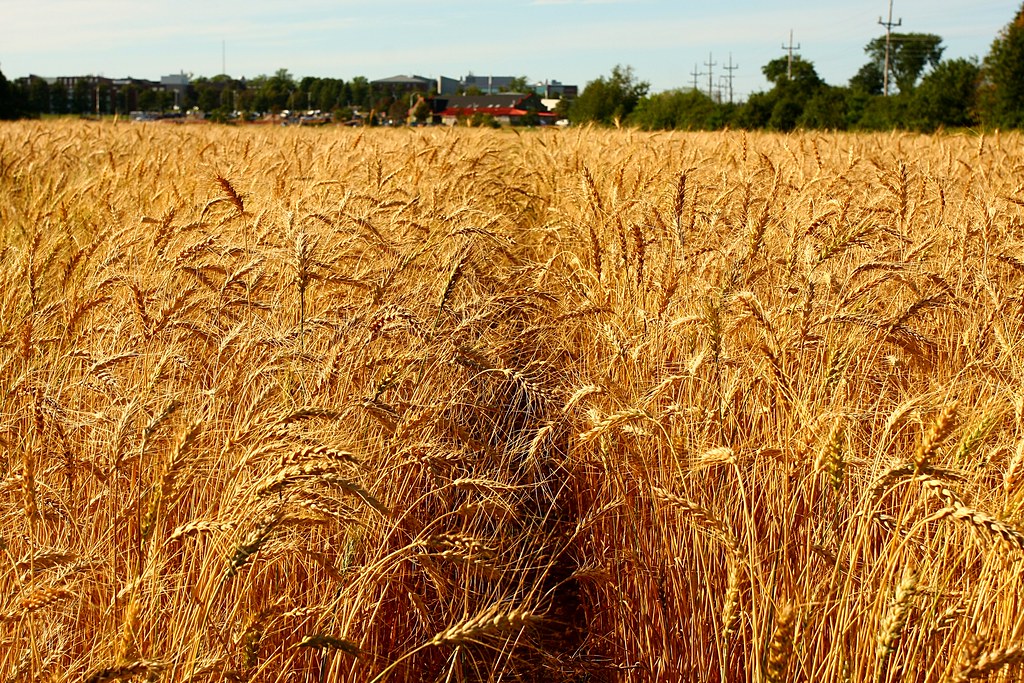
The level of wheat flour consumption per capita can be influenced by several factors. Cultural practices, such as preferences for bread or alternative staples like rice, play a significant role. Economic factors, such as income levels and affordability, also impact consumption patterns.
Global supply chain disruptions exposed wheat dependency vulnerabilities, encouraging nations to diversify grain sources. The global wheat market in 2024 was characterized by tightening supply, particularly due to reduced European production, and increasing demand driven by population growth and changing dietary habits. This dynamic is likely to keep prices volatile and potentially higher than in previous years.
Price volatility motivates consumers and governments to explore alternative grain sources, reducing wheat dependency for economic security. Local grain production often proves more cost-effective than wheat imports, particularly for developing nations with suitable climates for rice, millet, or cassava cultivation.
Future Projections for Global Wheat Consumption Patterns
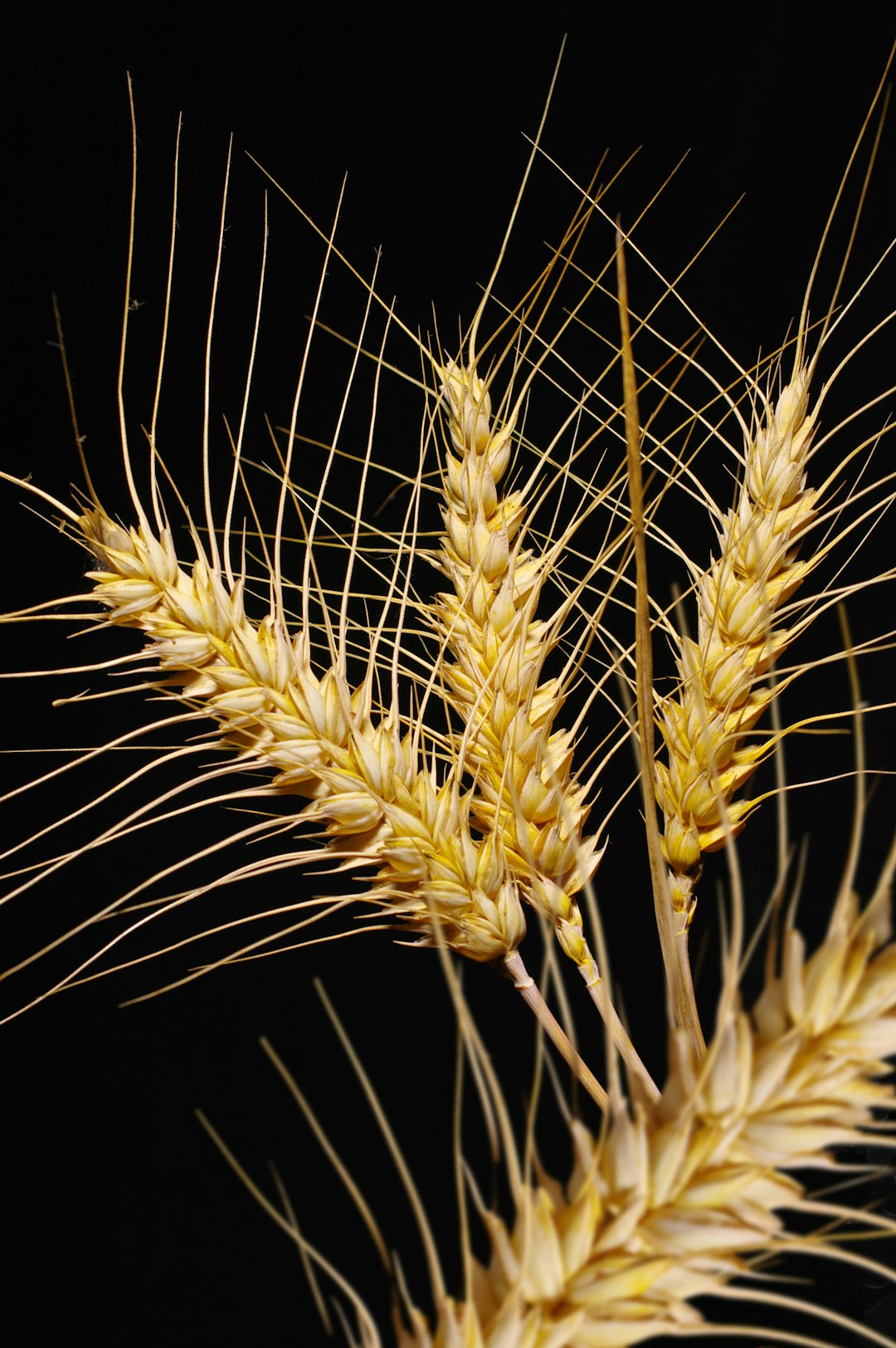
Future trends to watch include geopolitical shifts, which could impact wheat availability, altering per capita consumption patterns. Additionally, climate change effects on wheat production and global economic changes could influence consumption levels in these regions.
The market is expected to grow from USD 14.1 billion in 2025 to USD 33 billion in 2034, at a CAGR of 9.9%. Increased consumer understanding that relates to gluten sensitivity, celiac disease, and the health advantages associated with eliminating gluten from the diet have prompted remarkable growth in the market.
Climate change will likely accelerate dietary diversification as traditional wheat-growing regions face increasing agricultural challenges. Nations with strong alternative grain traditions appear better positioned to maintain food security while reducing wheat dependency. The convergence of health consciousness, environmental concerns, and economic factors suggests continued growth in wheat alternative adoption across multiple continents.
While no nation has completely eliminated wheat from its diet, these trends reveal significant population segments worldwide are successfully reducing wheat consumption through gluten-free alternatives, traditional grain preferences, and innovative food technologies. What patterns do you see in your own community’s food choices?