7 Countries Leading the World in Organic Farming, Study Reveals
The organic farming revolution is sweeping across the globe, reshaping how we think about food production and sustainability. According to the latest data from the Research Institute of Organic Agriculture and IFOAM Organics International, 96 million hectares worldwide were farmed organically in 2022 (latest available data), representing just over 2% of all agricultural land globally. Yet, some countries are blazing a trail far ahead of others in this agricultural transformation.
The numbers tell a remarkable story of commitment to sustainable agriculture, with certain nations dedicating significant portions of their farmland to organic methods. From European pioneers to agricultural giants down under, these leading countries are proving that large-scale organic farming isn’t just possible – it’s profitable and sustainable. So let’s dive in and discover which countries are truly setting the pace in this green revolution.
Australia
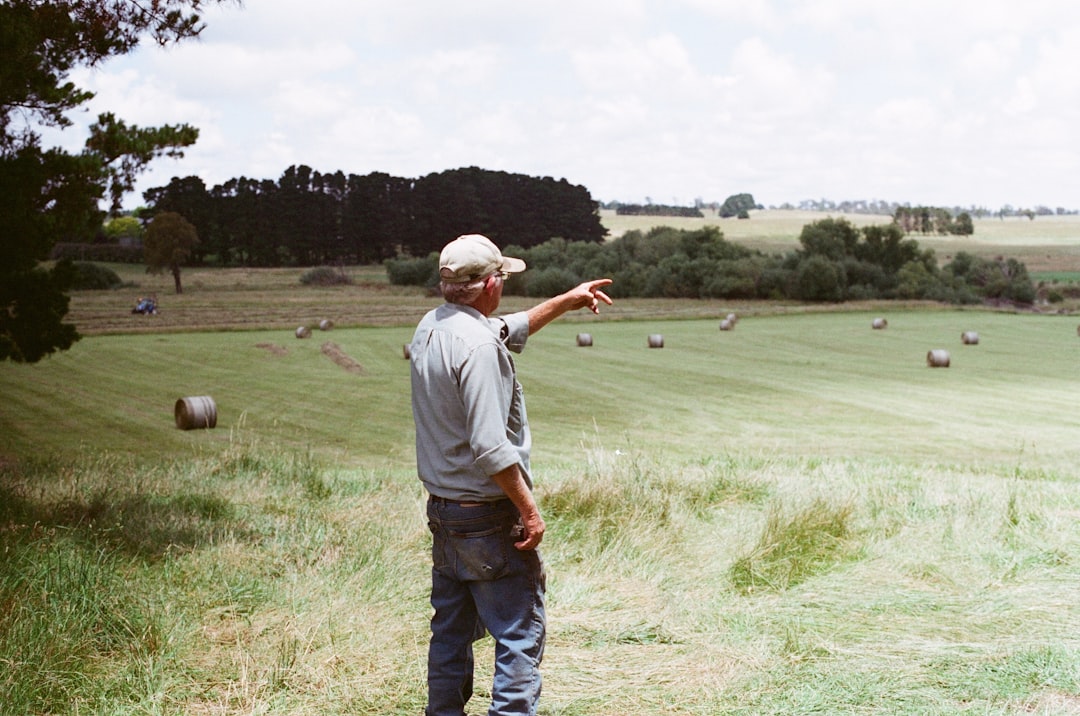
Australia dominates the global organic farming landscape with an astounding 53 million hectares of organic farmland, making it the undisputed world leader by total area. This massive expanse represents more than half of all organic farmland globally and is larger than the combined organic areas of all other leading countries. Australia has more organic farmland than the rest of the countries of the world combined.
The land area used for organic agriculture in Australia is thus larger than the acreage of all the other leading countries combined. Oceania remains the leading region for organic farming, with 53.2 million hectares, accounting for more than half of the global organic area. Much of Australia’s organic land consists of extensive grassland systems and pastoral operations, which explains why the country can maintain such vast organic areas while meeting international certification standards.
Liechtenstein
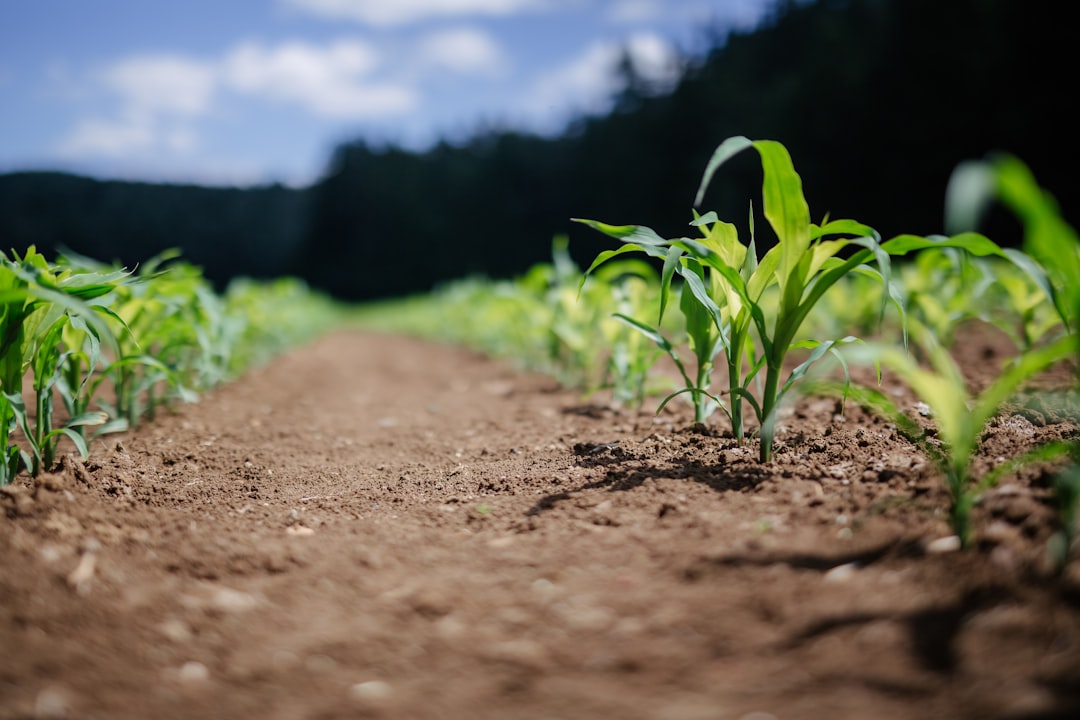
Liechtenstein leads the world with the highest percentage of organic farmland, dedicating an impressive 44.6 percent of its agricultural land to organic management. Among European countries and globally, Liechtenstein had the highest organic area share at 44.6 percent. This tiny European principality has become a model for how smaller nations can achieve remarkable organic farming penetration through focused agricultural policies and strong government support.
The country’s commitment to organic agriculture demonstrates that ambitious environmental goals are achievable even in densely populated regions. Liechtenstein’s success story shows how comprehensive agricultural transformation can occur when there’s political will and community support for sustainable farming practices.
Austria
Austria ranks as the second-highest country globally for organic farming percentage, with 27.3 percent of its agricultural land under organic management. The countries with the highest shares of organic area within total UAA in 2022 were Austria (27 %), Estonia (23 %) and Sweden (20 %). Austria has consistently maintained its position as Europe’s organic farming champion, setting ambitious targets that have influenced EU-wide organic agricultural policies.
Austria is the EU country with the highest organic share at 27.3 percent. The country’s alpine geography and strong environmental consciousness have created ideal conditions for organic farming development. Austrian organic farmers benefit from comprehensive government support programs and premium market prices that make organic production economically viable across diverse agricultural sectors.
Spain
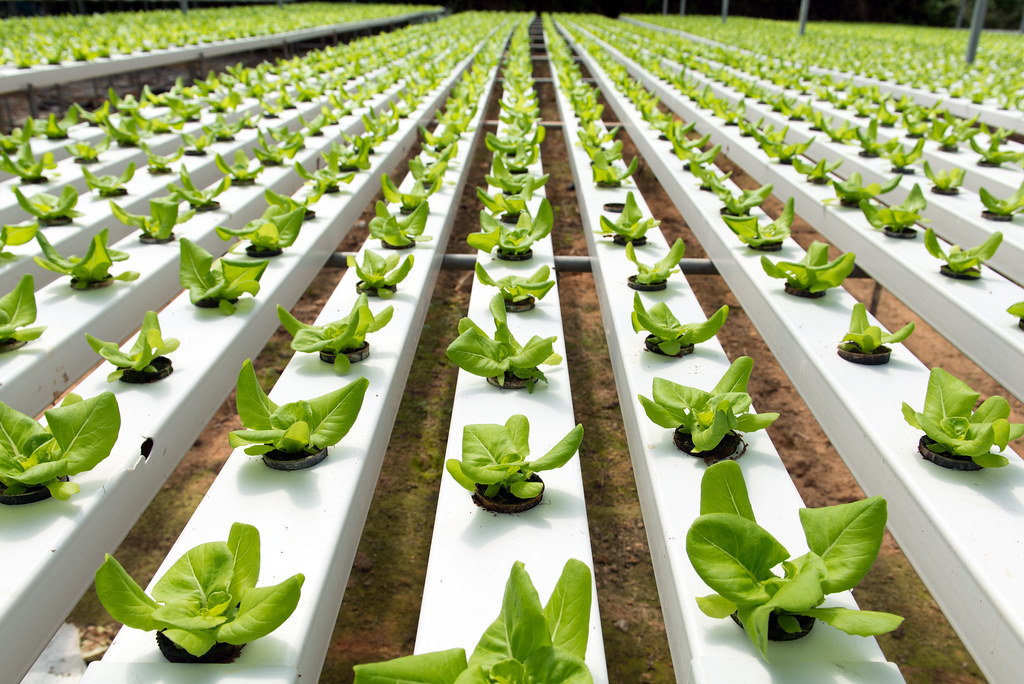
Spain overtook France in 2023 as the country with the largest area of organic farmland in Europe, reaching 3.0 million hectares. Spain achieved 316,550 hectares or 11.8% more organic farmland than in 2022. This remarkable growth positioned Spain not only as Europe’s leader but also as a global powerhouse in organic production.
Spain is the world’s leading producer of organic olive trees and vineyards, and also occupies prominent positions in citrus and vegetables. The analysis places Spain as a world power in organic production, ranking sixth globally behind Australia, India, Argentina, Uruguay, and China, and Spain was third in 2023 growth, behind Uruguay and China.
India
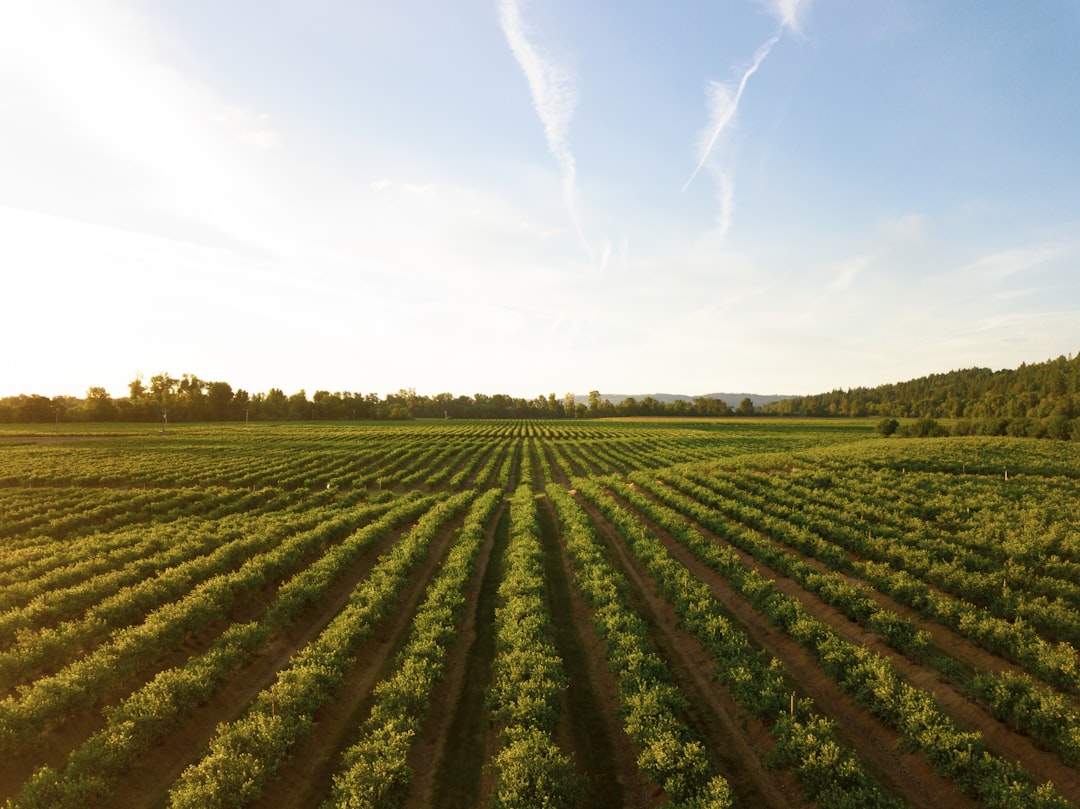
India remains the country with the most organic producers globally, with 2.36 million organic farmers, while maintaining 4.5 million hectares of organic farmland. India follows Australia with approximately 4.73 million hectares of organic agriculture. The sheer number of organic producers in India reflects the country’s vast agricultural sector and growing commitment to sustainable farming practices.
Notable increases were observed in Vietnam, Sri Lanka, and Burkina Faso. India’s leadership in organic producer numbers demonstrates how developing nations can embrace organic agriculture as a pathway to sustainable development while supporting millions of farming families through environmentally friendly agricultural methods.
Denmark
Denmark maintained its leading position with an organic market share of 12.0 percent, followed closely by Switzerland with 11.6 percent. Denmark continued to have the highest share worldwide, with 12.0 percent in 2022, and continued to have the highest share of the organic market at 12.0 percent of the total food market. Denmark’s achievement in organic market penetration represents the highest consumer adoption rate globally.
Danish consumers spent 362 euros per capita on organic food in 2023, and Swiss and Danish consumers spent the most on organic food, with 437 and 362 euros per capita, respectively. This combination of high consumer spending and market share makes Denmark a unique success story in organic food systems integration.
Switzerland
Switzerland recorded the highest per capita spending on organic food globally at 437 euros in 2022, while maintaining an organic market share of 11.6 percent. The Swiss spent the most on organic food (an average of 437 euros per person). Switzerland’s combination of high consumer spending and significant market share demonstrates strong domestic demand for organic products.
Switzerland dedicated 18.2% of its agricultural area to organic farming, which is exceptional among EEA member and cooperating countries where most had less than 5% of their agricultural area in organic production. The country’s mountainous geography and premium agricultural focus have created an ideal environment for organic farming development, supported by consumers willing to pay premium prices for sustainably produced food.