How the Slow Cooker Became a Suburban Kitchen Icon, Report Finds
Walking into any American suburban kitchen today, you’ll likely spot at least one slow cooker tucked away on a counter or stashed in a cabinet. These humble appliances have quietly revolutionized how families approach dinner time, transforming from a niche cooking tool into an essential suburban staple. Slow cookers are widely used in American households, making them one of the most popular kitchen appliances in America.
The slow cooker’s rise to iconic status didn’t happen overnight, though it certainly captured hearts faster than most kitchen gadgets. What started as a simple solution for working families has evolved into a symbol of suburban convenience culture. Let’s explore how this unassuming appliance earned its place as a kitchen icon.
From Bean Pot to Suburban Essential
While the technique of low-and-slow cooking has been around since the 18th century, the slow cooker appliance as we know it today was developed in the 1930s by Jewish inventor Irving Nachumsohn. The inspiration came from traditional Sabbath cooking practices. In eastern Europe during the Sabbath, families often prepared cholent, a traditional Jewish stew made of meat, beans, and vegetables and cooked slowly at a low temperature. However, the Jewish community was prohibited from cooking because of the Sabbath, so they would bring pots of stew to a town bakery the day before observation and slowly cook it using residual heat from the ovens.
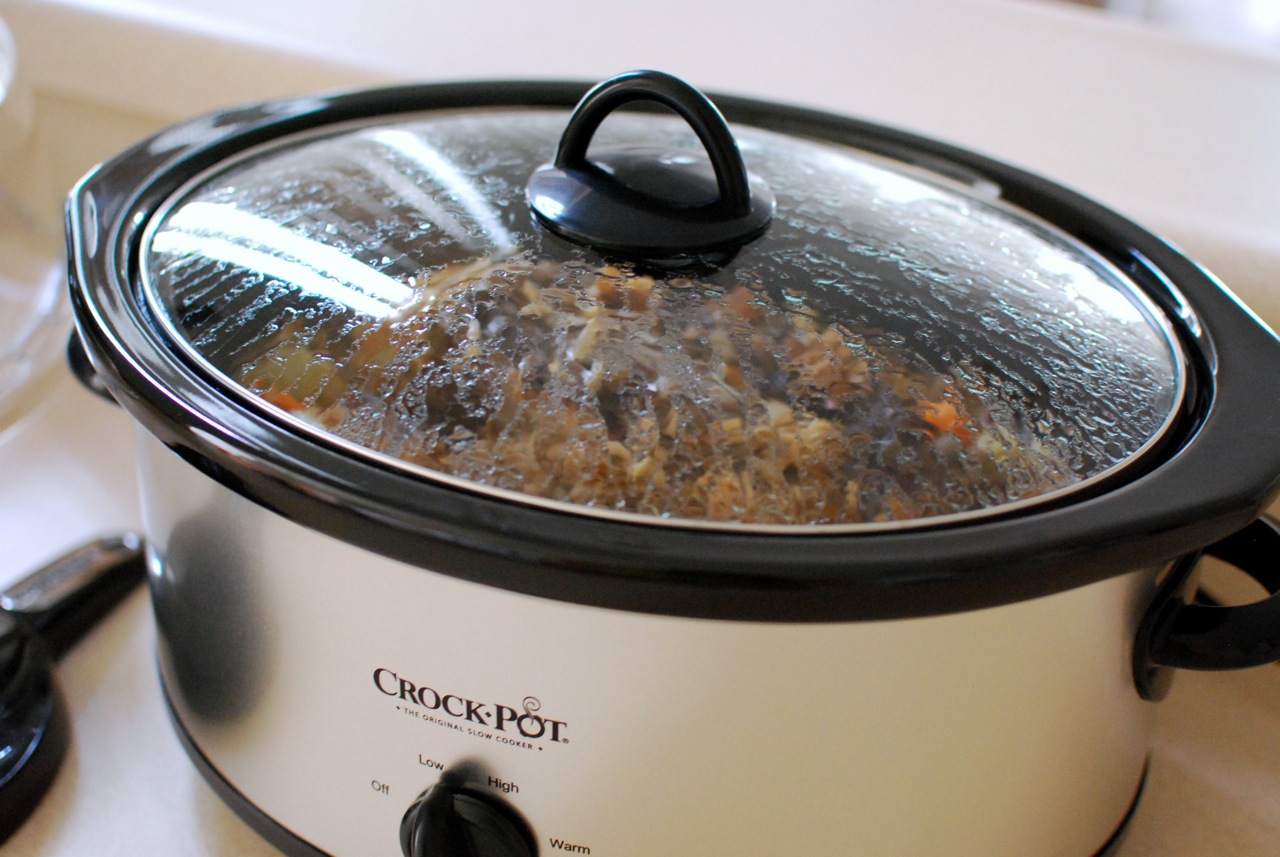
In January 1940, Nachumsohn obtained the patent for the appliance, which later became known as the Crock-Pot in the 1970s. The transition from patent to popularity took decades, but when it finally happened, it transformed American kitchens forever.
Kansas City’s Kitchen Revolution
The Rival Company of Kansas City, Missouri, bought Naxon in 1970, acquiring Naxon’s 1940 patent for the bean simmer cooker. Rival asked inventor Alex MacMaster, from Boonville, Missouri, to develop Naxon’s bean cooker into a large scale production model that could cook an entire family meal, going further than just cooking a bean meal. This pivotal moment marked the beginning of the slow cooker’s journey into suburban America.
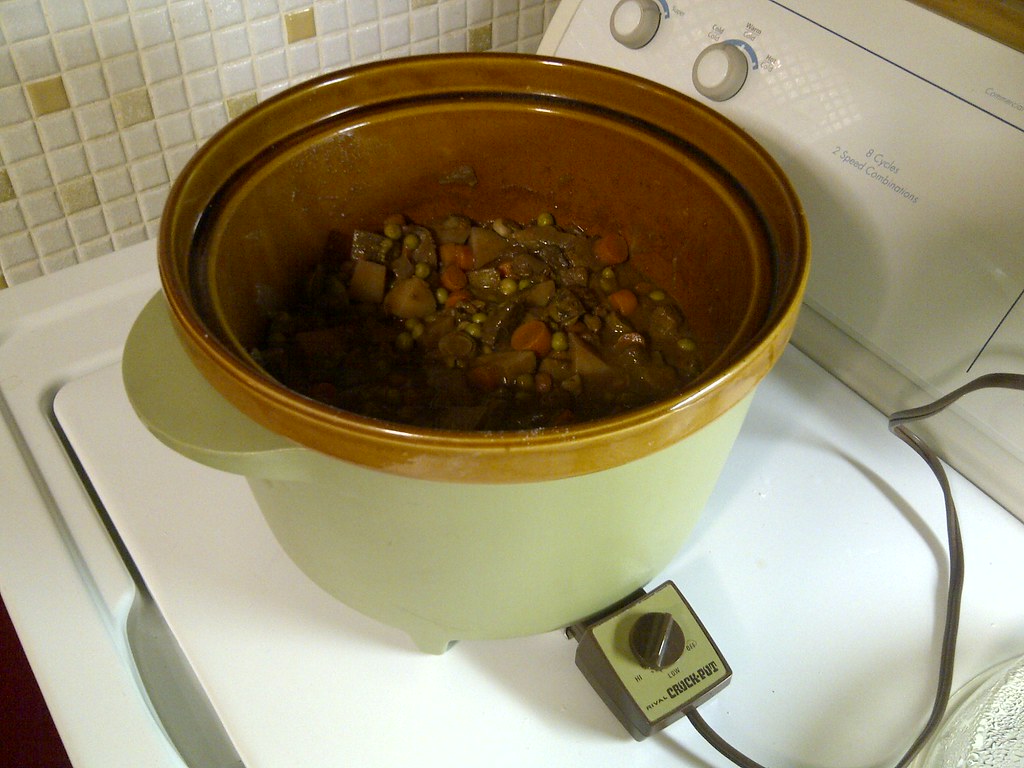
The cooker was then reintroduced under the trademark “Crock-Pot” in 1971. What happened next was nothing short of remarkable. During its first 10 years, the Crockpot brand’s sales exceed $30 million, making it the #1 slow cooker brand.
The test kitchen at Rival became ground zero for slow cooker innovation. As the story goes, Miller handed the Beanery over to Rival’s test kitchen, where an employee named Marilyn Neill had an immediate epiphany: This can cook way more than just beans.
Working Families Find Their Solution
The 1970s brought significant social changes that perfectly aligned with the slow cooker’s capabilities. More women entered the workforce, creating a demand for convenient cooking solutions that didn’t compromise on home-cooked meals. In her research, Johnson talked to teachers, nurses and factory workers who called the Crock-Pot “a lifesaver.” “It was easy. It was foolproof,” she explains. “It made tough cuts of meat more tender with a long braise. It made the house smell great.”
This testimonial captures the essence of why slow cookers became suburban icons. They solved a real problem for real families. Slow cookers require only a few minutes of prep for healthy meals, making them ideal for working individuals and families who can’t afford to spend hours in the kitchen. The ability to make heavy homemade foods with just a follow-up hands-on approach is perhaps the biggest driver of demand in families with working parents or with tighter schedules.
The Pandemic Cooking Renaissance
Fast forward to recent years, and the slow cooker experienced another surge during the 2020 pandemic. In 2021, approximately 44 percent of respondents in the United States (U.S.) stated that they have cooked more often, since the start of the 2020 pandemic. Furthermore, approximately 25 percent stated that they have cooked more with family members. This renewed interest in home cooking brought slow cookers back into the spotlight.
The growing trend of home cooking, fueled by the pandemic, has further driven the sales of small kitchen appliances such as slow cookers, stand mixers, and air fryers. Families rediscovered the joy and practicality of set-it-and-forget-it cooking during a time when many were working from home and spending more time together.
Market Growth Tells the Story

The numbers paint a compelling picture of the slow cooker’s enduring appeal. The global slow cooker market size was valued at approximately USD 1.9 billion in 2024 and was anticipated to expand at a CAGR of over 5.5% during the period 2025 to 2034. Market projections suggest continued growth in the slow cooker industry, with various estimates indicating substantial market expansion through 2035.
The U.S. holds an 82% share of the North American slow cooker industry, driven by increasing demand for time-saving kitchen appliances among busy households and working professionals. These statistics demonstrate just how deeply embedded slow cookers have become in American kitchen culture.
The Technology Evolution
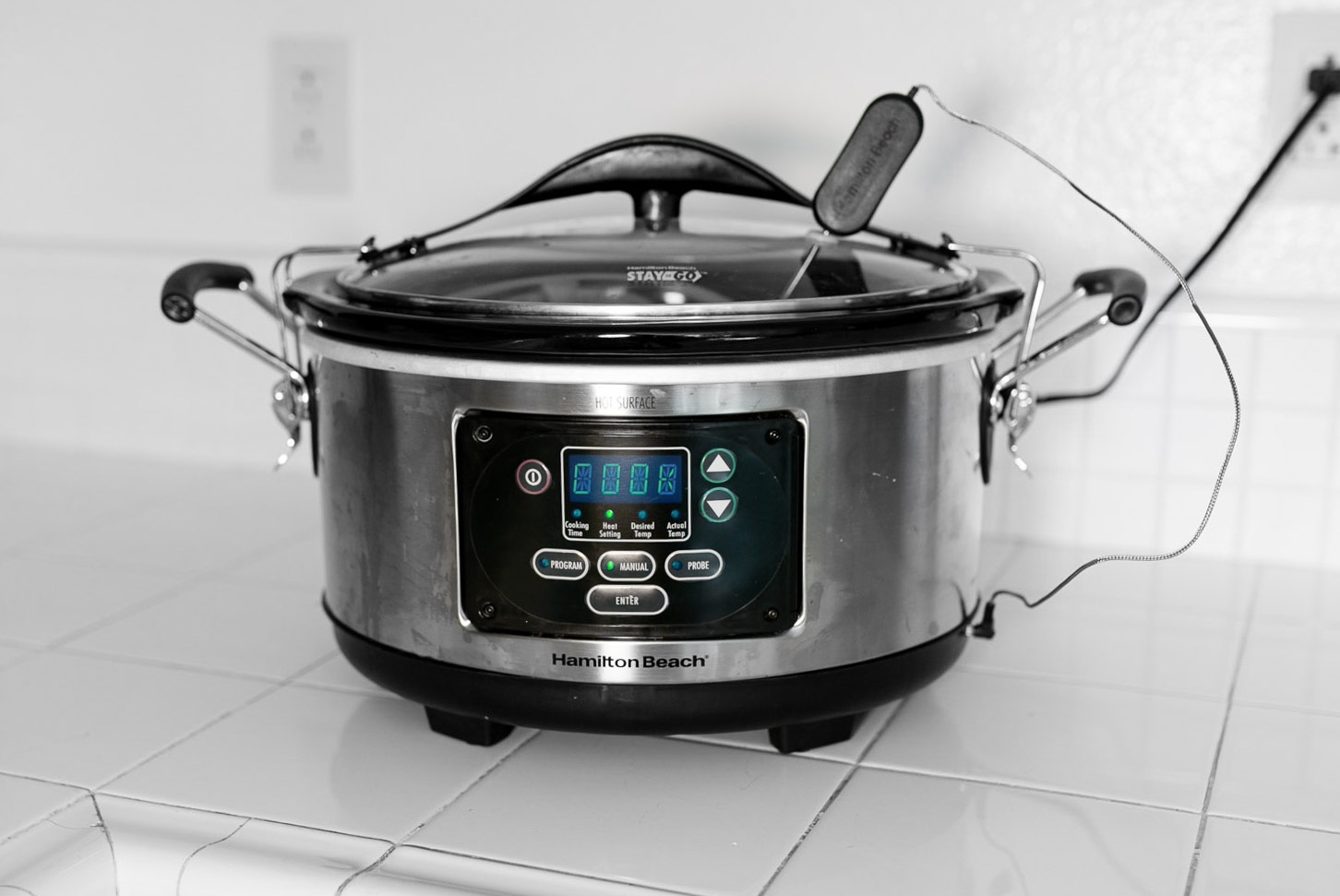
Modern slow cookers bear little resemblance to their 1970s predecessors. The market is being propelled by technological advancements in product features, including digital timers, smart connectivity, and multi-functional capabilities. The availability of programmable models and the integration of mobile app controls are further enhancing the appeal of slow cookers.
Smart technology integration has become a game-changer. The integration of smart technology into slow cookers is a growing trend. Wi-Fi-enabled devices allow users to monitor and control cooking remotely, catering to the tech-savvy consumer’s desire for connectivity and control. These innovations keep slow cookers relevant in an age of increasingly sophisticated kitchen appliances.
Suburban Demographics Drive Demand

The slow cooker’s suburban success isn’t accidental. By 2024, the medium-cooked segment had already covered more than 50% of the total market and was projected to expand at a CAGR of 5.8% over the forecasted timeframe. Medium capacity slow cookers of 3-7 quarts have found great acceptance especially among cooking enthusiasts as they offer versatility. These are mostly picked by families consisting of 3 to 5 members, or single people who prefer preparing larger portions, for instance, some meal prep.
This demographic perfectly describes suburban American families. The rise in dual-income households and busy lifestyles has driven consumers toward kitchen appliances that simplify cooking processes. Furthermore, the growing focus on healthy eating, home-cooked meals, and convenience has boosted the adoption of slow cookers globally.
Cultural Impact Beyond Cooking
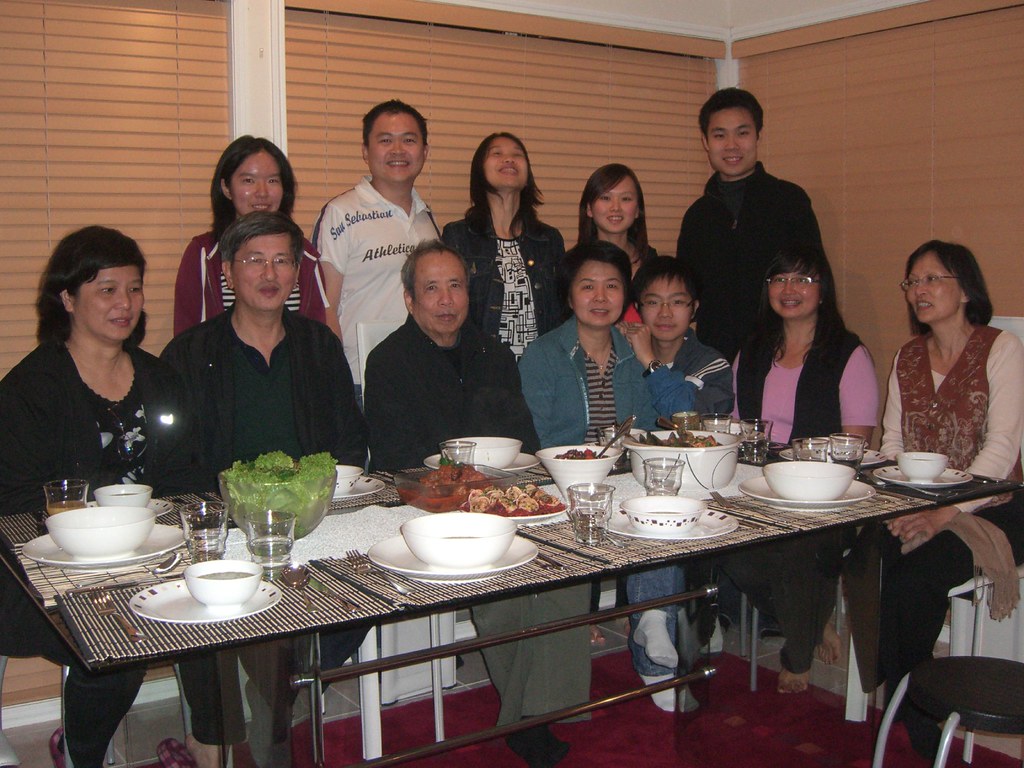
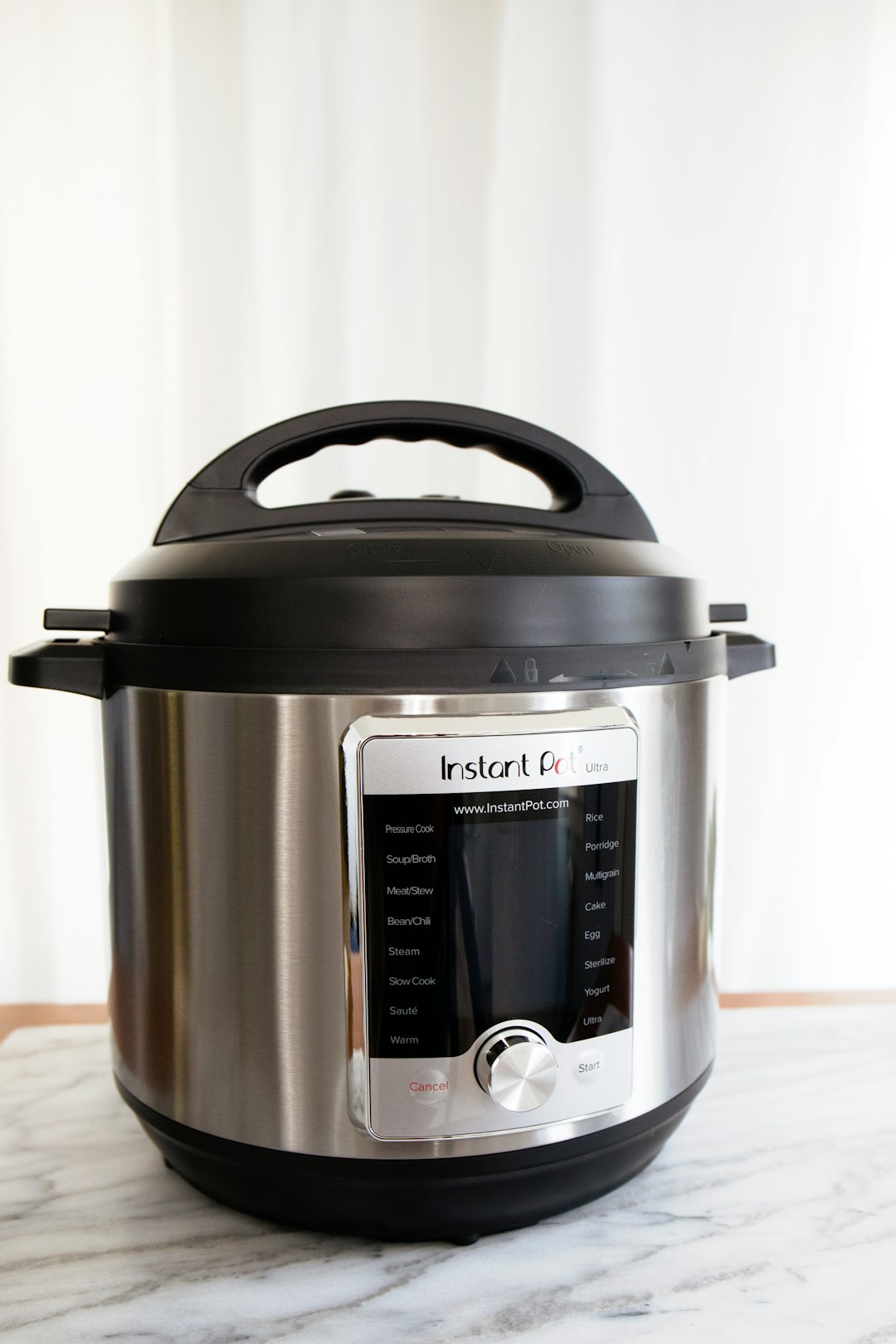
The slow cooker’s influence extends far beyond meal preparation. “As a Midwesterner, I can attest that the Crockpot is still indispensable for family meals and special events,” Johnson says. “Potluck dinners, graduation parties, tailgating events, or supper at the cabin generally involve a crock pot or two. The Crockpot and, more recently, the [Instant Pot] are two culinary devices that answer the needs of many Americans.”
This cultural embedding shows how slow cookers became more than appliances. They became part of American social fabric, particularly in suburban communities where potlucks and family gatherings are common. The Crock-Pot has an emotional appeal, too – that feeling of coming home to a hearty meal, already simmering away. “I don’t think that any meal delivery or any of the frozen products can ever replace the aroma, the comfort, the emotion and the memories that come from a home-cooked meal,” Moore says.
Modern Kitchen Appliance Competition
Despite facing competition from newer appliances like air fryers and instant pots, slow cookers continue to hold their ground. This includes 5% who would consider buying a rice cooker or air fryer in the coming year, as well as 4% who would consider a coffee maker, electric kettle, toaster oven or slow cooker. While air fryers currently dominate purchase consideration lists, slow cookers maintain steady demand among American consumers.
Most Americans (68%) are considering buying a kitchen appliance in the coming 12 months. Air fryers are sizzling hot among new appliance considerers, with 29% thinking of buying one. However, the enduring presence of slow cookers in purchase considerations shows their staying power in competitive kitchen appliance markets.
The Enduring Appeal
What makes slow cookers suburban icons isn’t just their functionality, it’s their accessibility. The segment in manual slow cookers reported a revenue of about USD 951.5 million by the year 2024 with a projection of growth at a CAGR of 5.5% within the range of 2024 and 2035. Manual slow cookers are widely used because of their affordability and their offering of basic control over cooking functions such as time set and temperature which makes them easier to use.
The Crockpot is also easy to use, allowing those without any culinary training to prepare nutritious, often comforting, meals. That the cookery could also be cleaned easily clinched its spot in cooks’ hearts. This simplicity made slow cookers democratic kitchen tools, accessible to cooks of all skill levels.