Gone but Not Forgotten: 10 Fast-Food Chains That Have Vanished Over Time
The American fast-food landscape tells countless stories of rise and fall. Some chains reached incredible heights before vanishing into memory, leaving behind only nostalgic recollections and empty parking lots where familiar signs once stood. While giants like McDonald’s and Burger King continue to dominate, dozens of other chains have quietly slipped away, taking their unique flavors and traditions with them.
These vanished restaurants weren’t just places to grab a quick meal – they were cultural touchstones that defined entire generations. From the health-conscious pioneers to tragic endings that shocked the nation, each story reveals something deeper about changing consumer tastes, economic pressures, and the unforgiving nature of the restaurant business.
Let’s dive into the fascinating stories of ten beloved fast-food chains that time has forgotten.
Chi-Chi’s: The Mexican Restaurant That Became a Public Health Nightmare
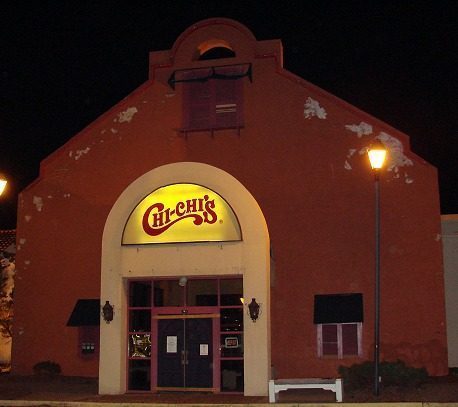
Chi-Chi’s Mexican Restaurant expanded rapidly after opening in Minneapolis in 1975, growing to 210 locations by March 1995. The chain became famous for its fried ice cream, complimentary chips and salsa, and festive atmosphere that brought Tex-Mex cuisine to millions of Americans. The company’s slogans included “A celebration of food” and later “Life always needs a little salsa”.
However, disaster struck in October 2003 when Chi-Chi’s filed for Chapter 11 bankruptcy, followed a month later by the largest hepatitis A outbreak in American history. Over 650 confirmed cases were linked to contaminated green onions at a Pennsylvania location, with four people dying from the illness. The FDA traced the contamination back to green onions imported from farms in Mexico.
The chain closed all 65 remaining restaurants over the weekend of September 18, 2004. Although the brand has recently announced plans for a comeback in 2025, the original Chi-Chi’s collapse remains one of the most dramatic in restaurant history.
Arthur Treacher’s: When the Cod Wars Sank a Seafood Empire
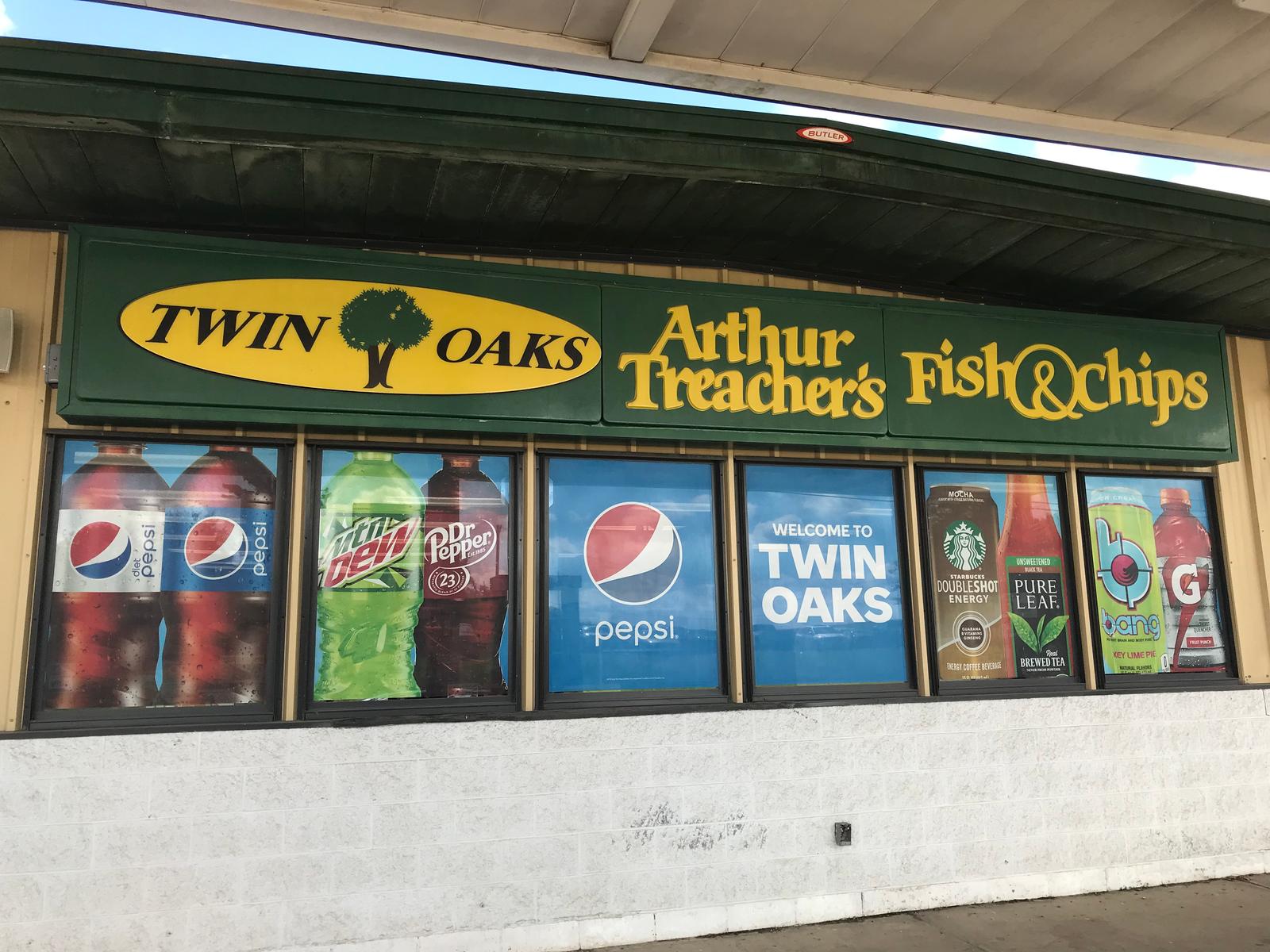
Founded in 1969 in Columbus, Ohio, Arthur Treacher’s capitalized on the British pop culture craze with its fast-food take on fish and chips, eventually reaching 826 locations across the U.S. Named after English actor Arthur Treacher, the chain introduced something revolutionary to fast food: baked potato bars alongside their signature fish offerings.
Unfortunately, the 1970s “Cod War” between the U.K. and Iceland sent fish prices soaring, while changing consumer tastes and declining interest in fried seafood further hurt profits. The combination of rising costs and shifting preferences toward burgers and chicken proved too much for the seafood specialist to overcome.
Today, only a handful of Arthur Treacher’s locations remain, mostly in the Northeast, serving as reminders of when fish and chips could compete with hamburgers for America’s fast-food dollar.
Gino’s Hamburgers: The NFL Star’s Restaurant Dream
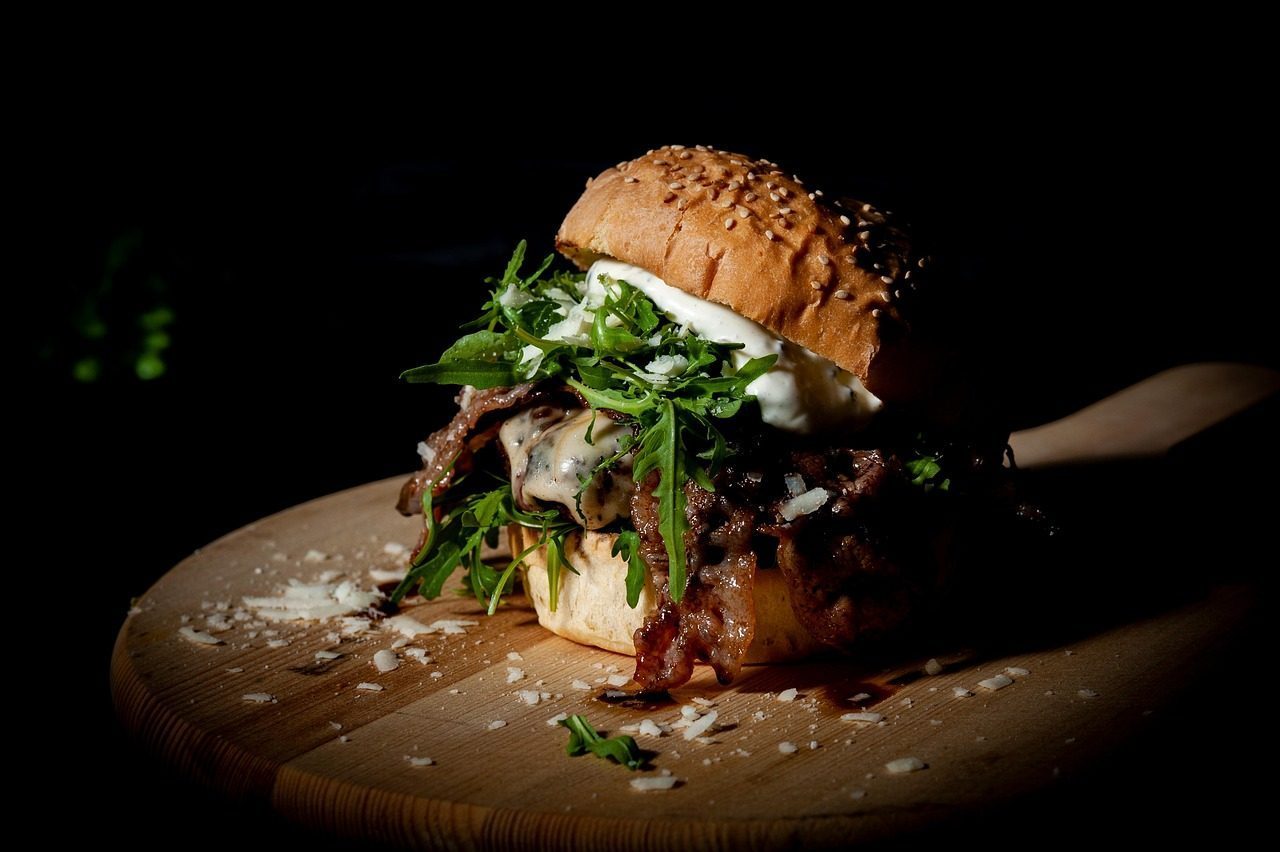
The hamburger joint was founded in 1959 when Baltimore Colts captain Gino Marchetti joined forces with owners Joe Campanella, Louis Fisher, and Alan Ameche. At its peak, Gino’s Hamburgers had 359 locations open, combining sports celebrity appeal with quality fast food in an era when such partnerships were rare.
The restaurants were famous for their Sirloiner sandwich and Kentucky Fried Chicken, which they had licensed to sell. Sports memorabilia decorated the walls, creating a unique atmosphere that appealed to families and sports fans decades before sports bars became commonplace.
The Marriott Corporation purchased the chain in 1982 and rebranded the locations as Roy Rogers restaurants, with the final Gino’s location closing its doors in 1986. Many loyal customers still praise the unique taste of Gino’s burgers decades after the chain’s disappearance.
Red Barn: Where Hunger Hit the Farm
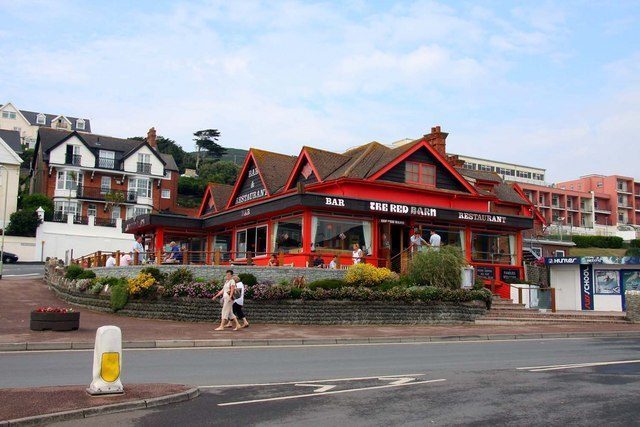
Red Barn started sprouting in Dayton, Ohio, circa the 1960s, eventually growing to over 300 locations across 19 states and even parts of Canada and Australia. Known for its distinctive barn-shaped buildings, Red Barn offered innovative menu items like the Big Barney and Barnbuster burgers, and introduced one of the first self-service salad bars in fast food restaurants.
The two biggest sellers included the double-decker, triple bun Big Barney, which resembled today’s Big Macs, and the Barnbuster, which was similar to a Quarter Pounder with a quarter-pound patty. Their marketing campaign featured cartoon characters called the Red Barn Gang, which appealed to children.
The brand became utterly defunct after its last locations closed in 1988, unable to compete with the rapid expansion and marketing budgets of McDonald’s and Burger King.
D’Lites: The Health Food Pioneer That Was Too Early

D’Lites promised healthier fast-food options, offering lower-calorie burgers, diet shakes, and other healthier takes on drive-thru favorites long before wellness culture went mainstream, expanding rapidly to reach more than 100 locations across 19 states. The chain offered lean beef, high fiber buns, and low-fat cheese.
D’Lites took the approach of being a health-conscious fast-food chain, which brought success for some time, until fast-food giants like McDonald’s, Wendy’s, and Burger King began to do the same, offering salads, baked potatoes, and more. Overexpansion and high costs eventually led to bankruptcy in 1986, with most locations closed or acquired and converted into Hardee’s locations by 1987.
Short-lived though it was, D’Lites helped pioneer the idea that fast food could be healthier, predating the health food movement by decades.
Burger Chef: The Happy Meal Creator That Couldn’t Keep Up
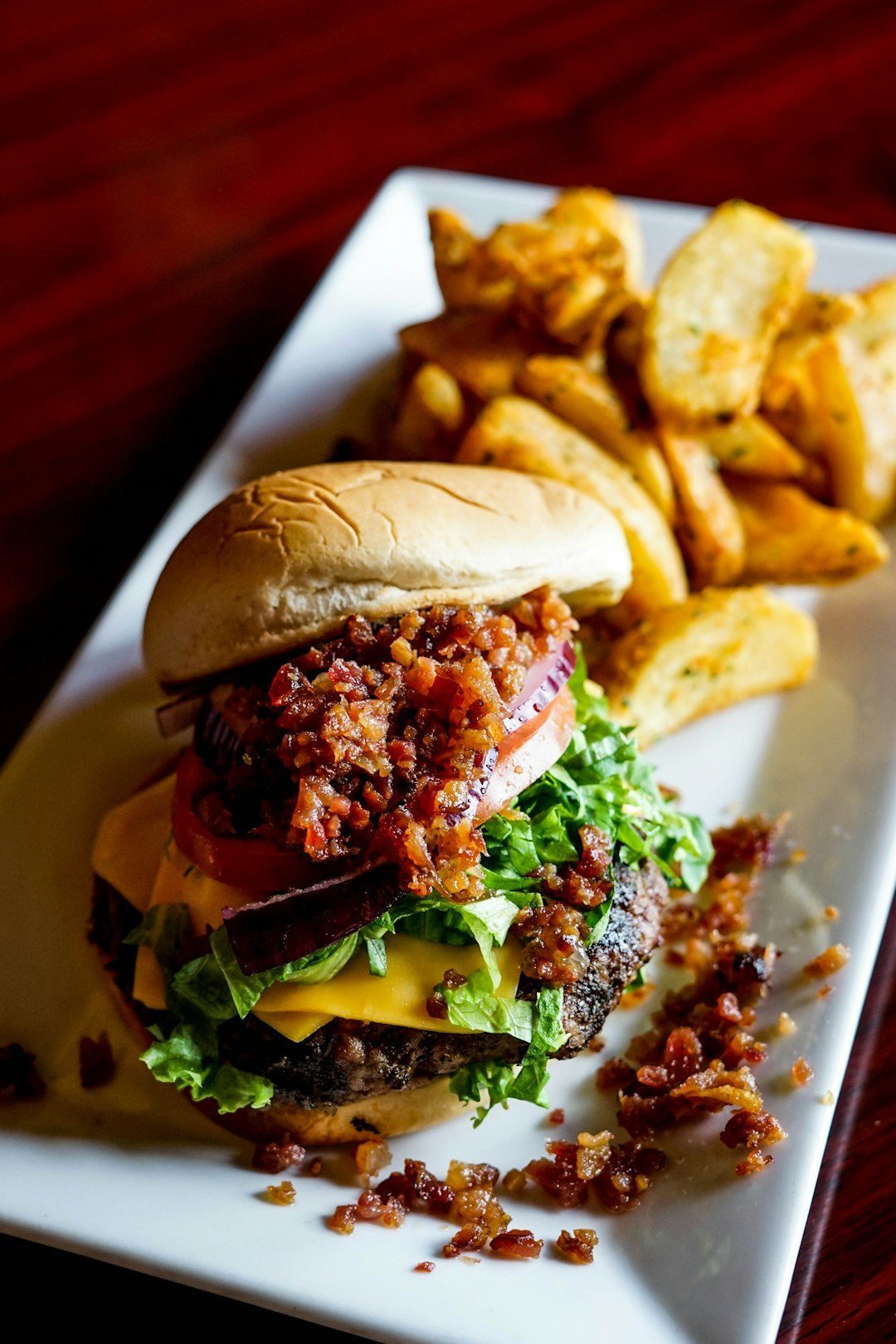
For more than 40 years, Burger Chef was a major fast-food chain in the United States, based out of Indianapolis, Indiana, originally founded in 1954 with 1,050 different locations at its peak in the 1970s. The chain actually invented the children’s meal concept that McDonald’s would later perfect as the Happy Meal.
The chain’s reputation took a hit after a tragic incident in 1978 in which four employees disappeared in an unsolved murder, combined with growing competition from Burger King and McDonald’s and some corporate missteps. Overexpansion brought the McDonald’s-esque chain down.
Eventually the chain was sold to Hardee’s in 1982. Despite creating one of fast food’s most enduring concepts, Burger Chef couldn’t compete with the marketing muscle and standardization of its larger rivals.
Howard Johnson’s: America’s First Restaurant Chain Empire
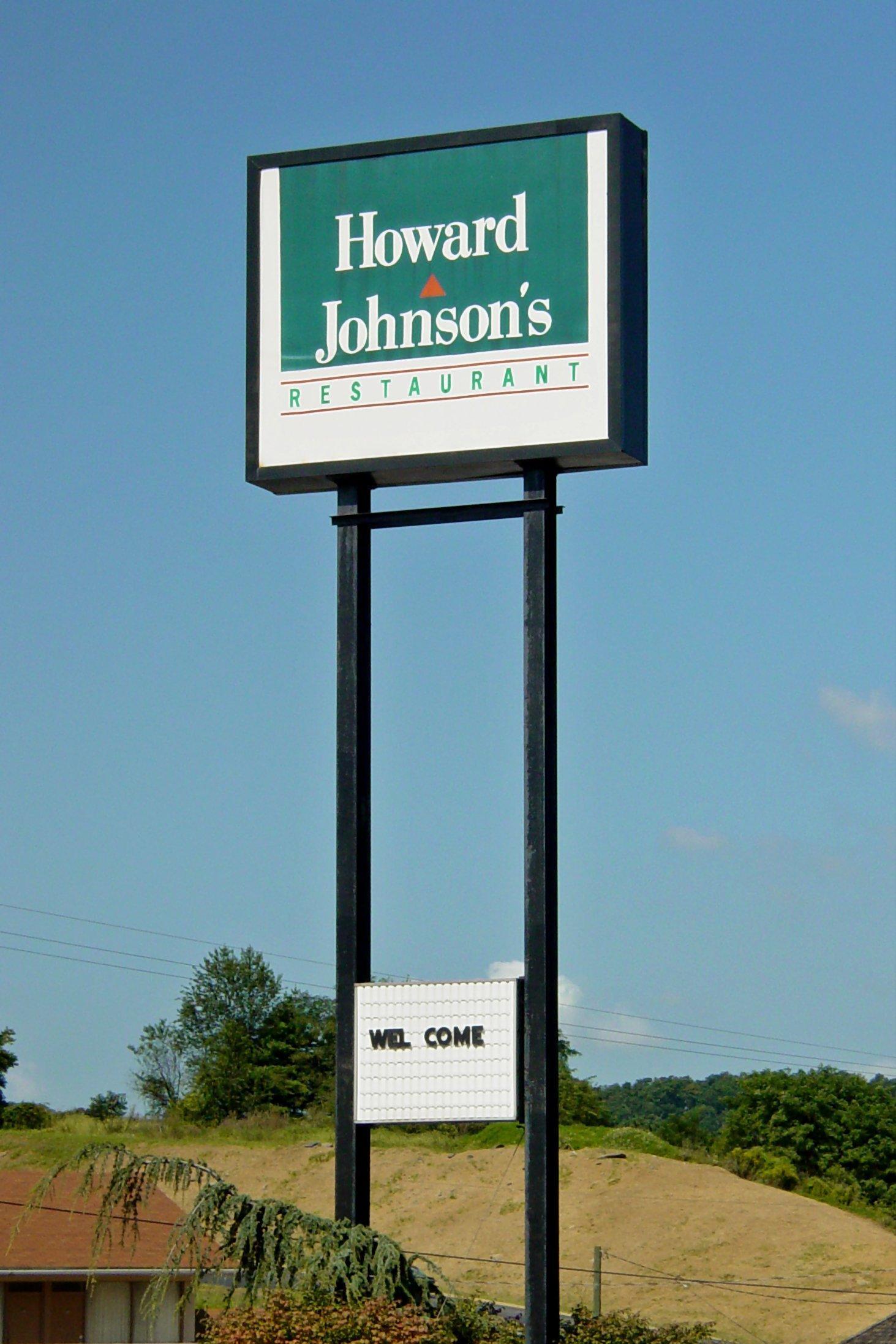
Howard Johnson’s was the largest restaurant chain in the U.S. throughout the 1960s and 1970s, with more than 1,000 combined company-owned and franchised outlets. The distinctive orange roofs and blue spires were a familiar sight along highways nationwide, and the restaurant was famous for its 28 ice cream flavors and fried clam strips.
The chain’s success came from its consistent quality and family-friendly atmosphere, but its decline began in the 1980s as newer chains emerged with faster service and lower prices. After dwindling down to one location, the last Howard Johnson’s restaurant in Lake George, New York closed in 2022 due to the 2020 pandemic.
The final closure in 2022 marked the end of a dining era that spanned nearly a century, ending the reign of America’s original highway restaurant empire.
Pup ‘N’ Taco: The Quirky Hybrid That Merged Two Worlds
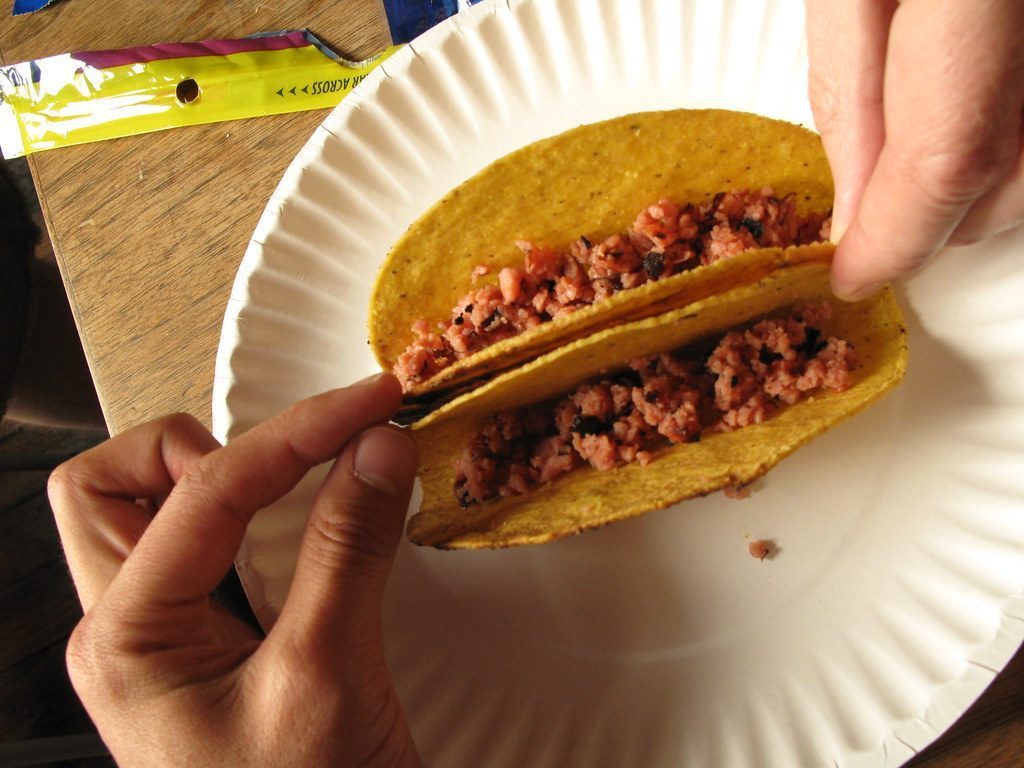
Pup ‘N’ Taco provided the perfect confluence of American and Mexican fare with its joint menu of tacos and hot dogs – it even fused the two to create taco dogs featuring taco meat and pico de gallo on top of the frankfurter in a bun. The fast-food chain flourished in southern California for nearly 20 years.
The restaurant was an interesting hybrid – kind of like an early McDonald’s and Taco Bell combination that offered something truly unique in the fast-food landscape. The chain’s quirky concept and California roots gave it a cult following among locals who appreciated its unconventional approach.
A merger with Taco Bell was the beginning of the end for Pup ‘N’ Taco, as the larger chain absorbed its locations and discontinued the unique hot dog-taco hybrid concept that made it special.
Wetson’s: The East Coast’s Answer to McDonald’s
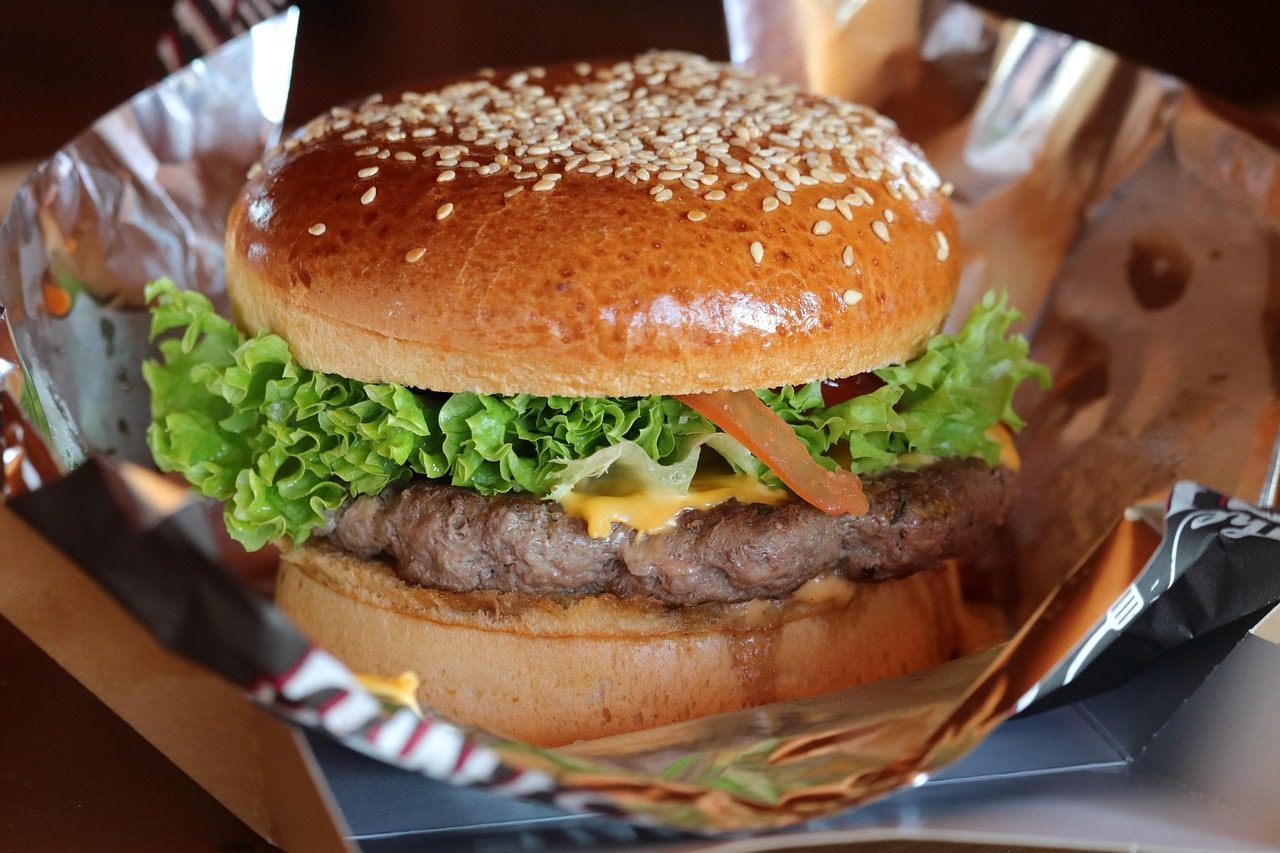
Wetson’s was an American fast-food chain that operated from 1959 to 1975 and was known for its signature “Big W” burger, as well as 15-cent burgers and 10-cent fries, with approximately 70 locations at its peak in the greater New York metropolitan area. This New York-based chain was the East Coast’s answer to McDonald’s in the 1960s, famous for its 15-cent hamburgers and distinctive yellow-arched architecture, with the Big W burger being a direct competitor to the Big Mac.
As national chains such as McDonald’s and Burger King expanded into the New York market, Wetson’s steadily lost ground, merging with Nathan’s Famous in the mid-1970s after which most locations were closed or rebranded. The chain’s inability to compete with national franchises led to its closure in 1975.
Despite its regional success, Wetson’s couldn’t match the advertising budgets and operational efficiency of the emerging national chains that would dominate the industry.
Lum’s: The Classy Chain with Beer-Steamed Hot Dogs
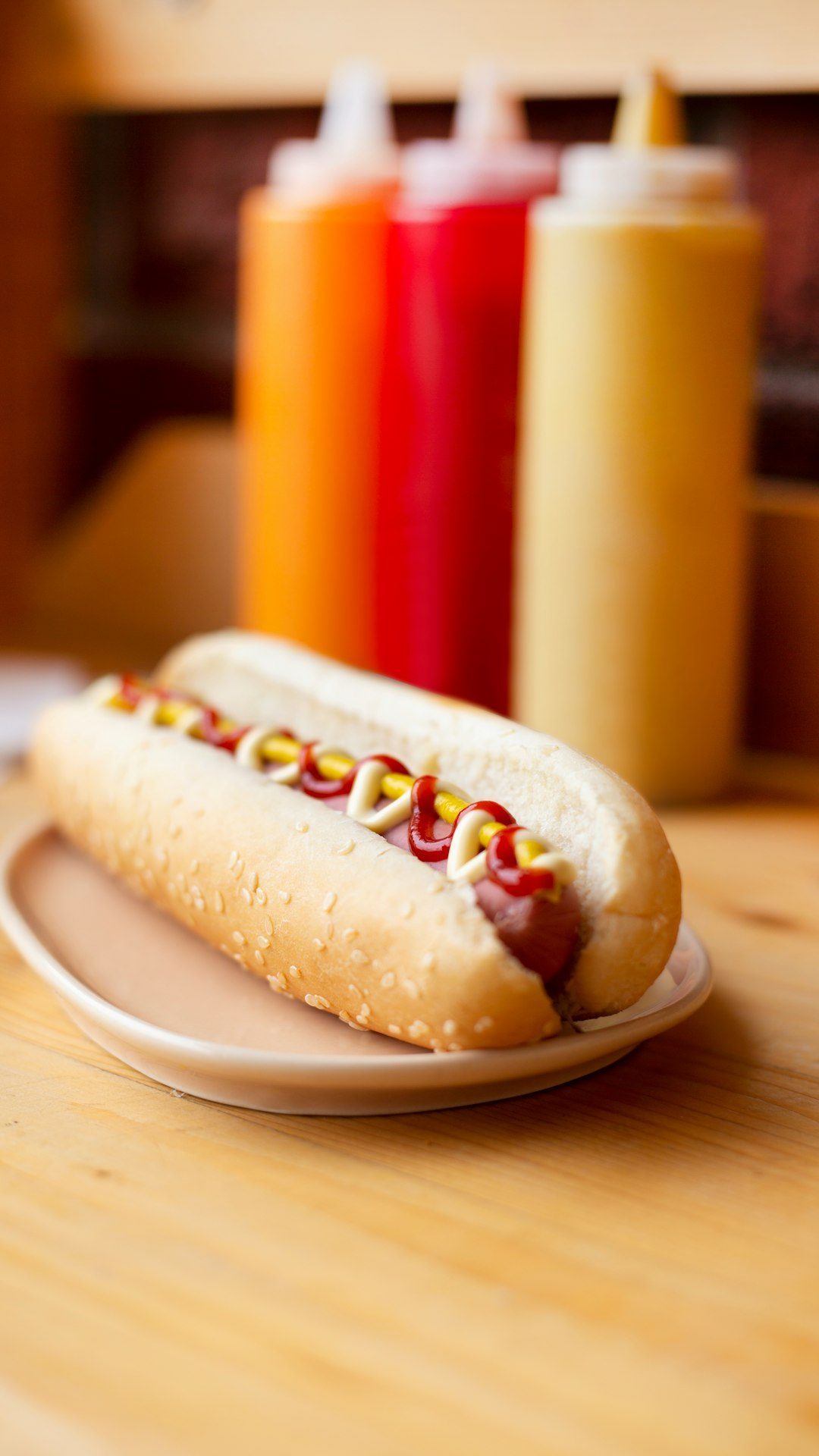
In 1956, brothers Stuart and Clifford Perlman bought a 16-seat hotdog stand in Miami, and over time, it would transform into the beloved chain known as Lum’s, eventually boasting 450 locations. Unlike so many other fast food chains, Lum’s signature offering was not a hamburger, but a beer-steamed hotdog.
Lum’s was unusually classy for a fast food restaurant, and as time went on, the Perlman brothers sold the franchise to one John Brown, who expanded the menu to include one of Lum’s most famous offerings: the Ollieburger. The chain’s upscale approach and unique menu items set it apart from typical fast-food establishments of the era.
However, the chain’s higher costs and specialized concept couldn’t compete with the standardized efficiency of burger chains, leading to its eventual decline and disappearance from the American dining scene.