How Airline Meals Got So Bad – And Why That Won’t Change Soon, Report Finds
Flying used to mean something special. You’d dress up, arrive at the airport with excitement, and actually look forward to the meal service. Those days are long gone, and recent reports reveal just how dramatically airline food quality has plummeted – with little hope for improvement in the foreseeable future.
The Golden Age That Never Really Was
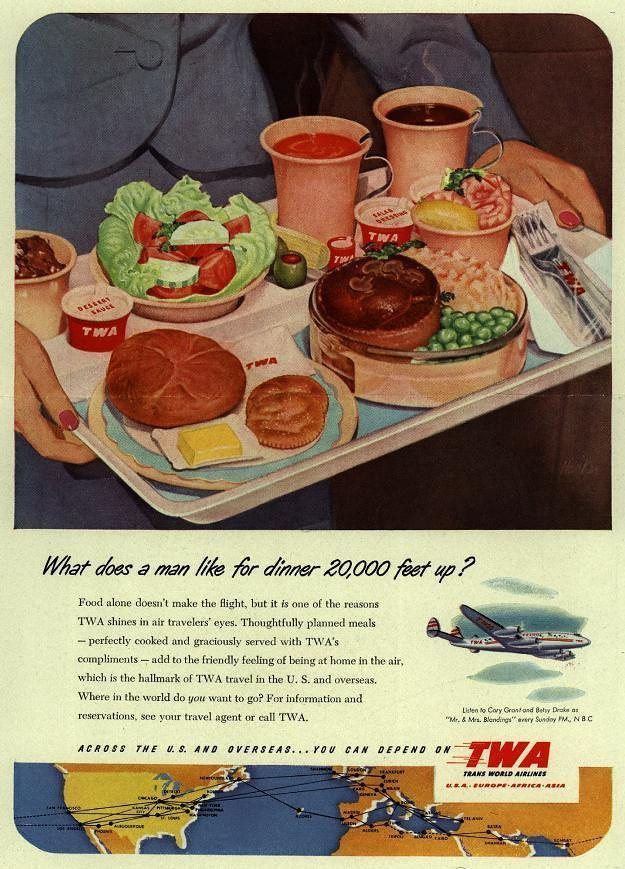
When people reminisce about the golden age of airline dining, they’re not entirely wrong about the experience. Until 1978, when the airline industry was deregulated, the law required that every passenger got an entrée, two vegetables, a salad, dessert and a drink as part of their ticket price. “Delicious food adds to the enjoyment. It’s prepared in four simultaneously operating galleys, where dishes can be cooked in five-minute ovens,” Pan Am advertised in a 1958 commercial. The reality was more complex, though. Air travel was historically only available to the rich and out of reach for everyone else. Even the cheapest 1955 airline ticket from New York to Paris cost more than $2,600 in 2014 dollars.
Deregulation Changed Everything
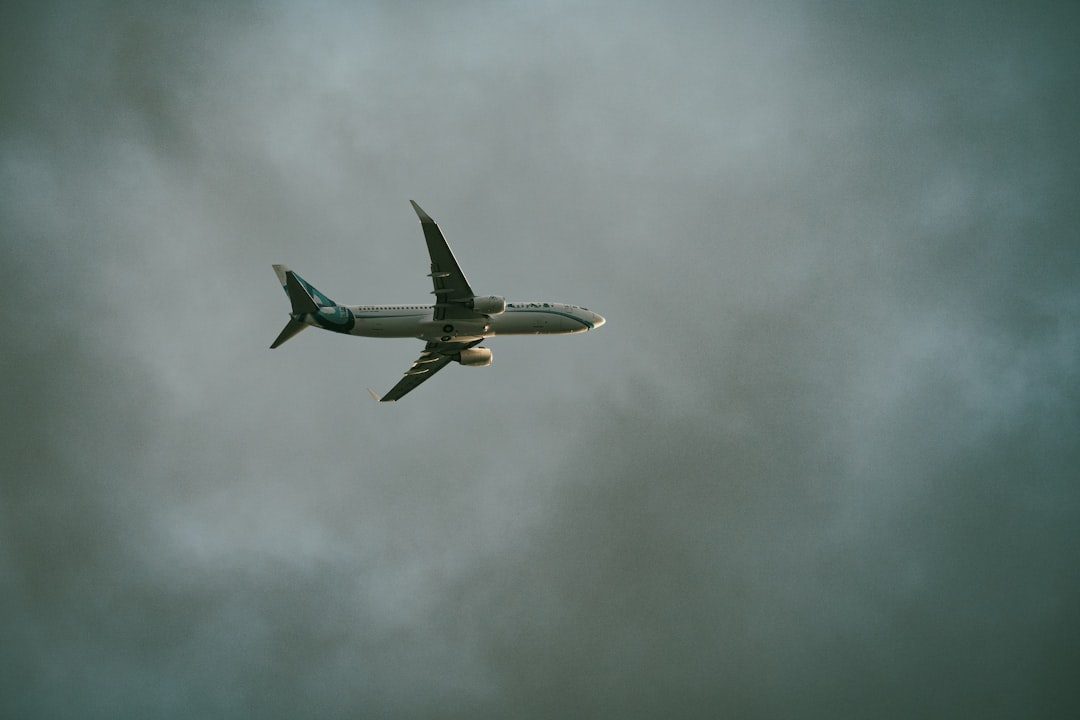
Prior to the Airline Deregulation Act of 1978, the Civil Aeronautics Board heavily regulated airlines. Spurred by the energy crisis of the early 1970s, as well as the strong buy-in of both President Jimmy Carter and Senator Ted Kennedy, the Airline Deregulation Act was passed in 1978 with bipartisan support. This fundamentally altered how airlines competed. Before deregulation, airlines operated under a fixed pricing system – which meant they could offer more comprehensive services without worrying about having to undercut competitors’ prices. This was the era where in-flight dining mimicked restaurant dining: meals were multi-course, served on real china with linen napkins. However, once the industry was deregulated, airlines faced intense competition and many went into cost-cutting mode.
The Great Race to the Bottom
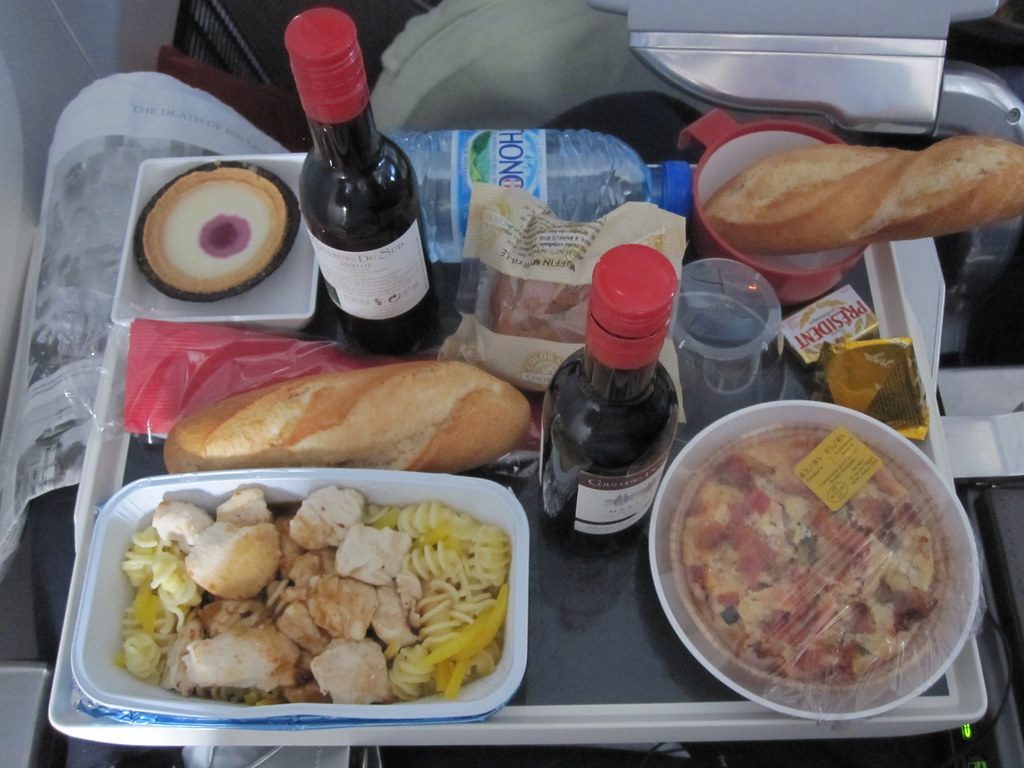
Luxury meals were one of the first areas to be scaled back, while free meals were largely eliminated altogether on shorter flights. Simultaneously, low-cost carriers began shifting travelers’ expectations when it came to in-flight dining as they often only served shelf-stable snacks, like peanuts and cookies. The infamous example of cost-cutting came when Robert Crandall, then the head of American Airlines, bragged about how removing just one olive from every salad saved the airline $40,000 a year. Cost and speed became more important to airlines than how the food tastes ever since.
September 11th Accelerated the Decline
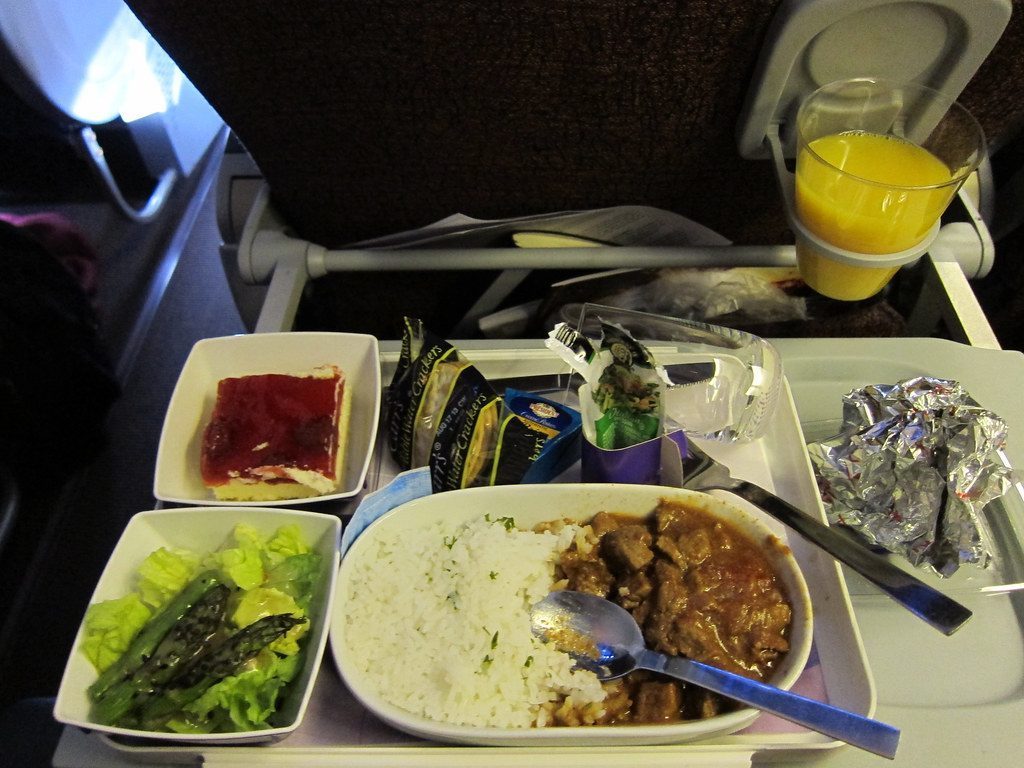
The September 11 attacks accelerated the decline of free airline meals. Airlines faced a deep reduction in demand and slashed in-flight meal service in response. United, American Airlines, Delta and others announced sharp reductions in-flight meal service shortly after the attacks. The last holdout, Continental Airlines, became the final major airline to end free domestic meals in economy class in 2010. This marked the end of an era for most passengers. Airline safety protocols and regulations since September 11 have changed what types of cooking knives crews can work with in the air. Airplane galleys are smaller to allow for more passenger seats on a plane. And airlines don’t serve some foods, like peanuts, to protect people with allergies.
Passenger Complaints Hit Record Highs
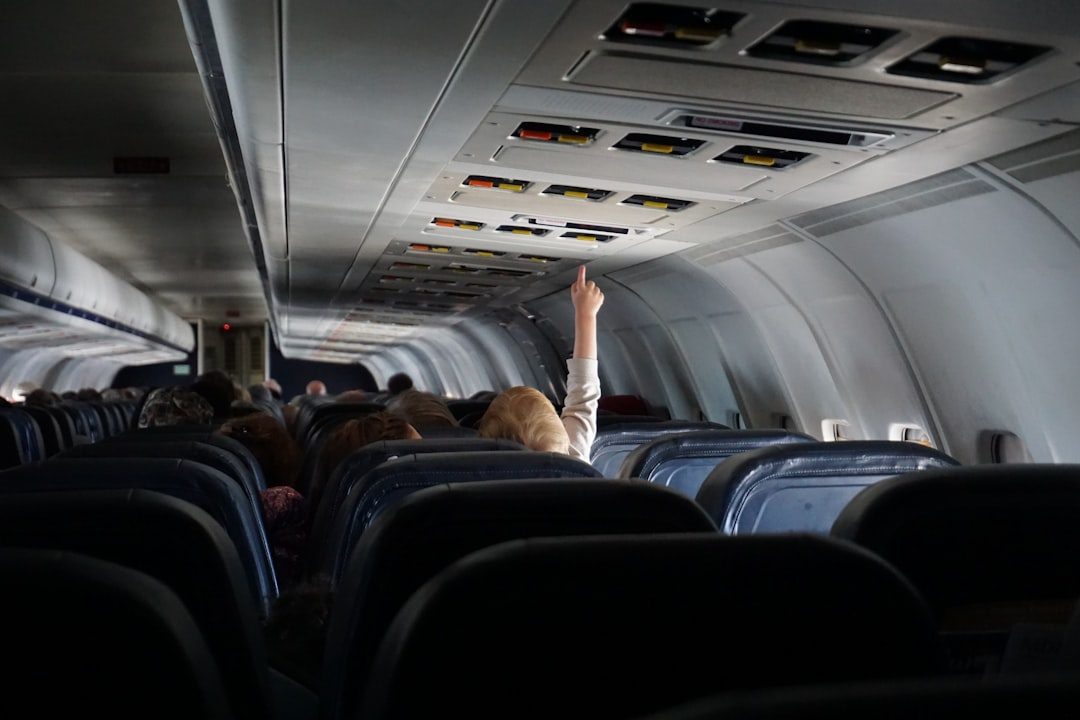
In 2024, customers lodged a record 66,675 complaints against U.S. airlines, according to a new report from the U.S. PIRG Education Fund, a consumer advocacy group, based on data from the U.S. Department of Transportation. What’s particularly telling is that complaints lodged against U.S. airlines hit another record in 2024, rising by nearly 9%, even though passenger volume rose by only 4% compared with 2023. This suggests that passenger dissatisfaction is growing faster than the number of people flying. Prior to 2020, when the 2020 pandemic erupted in the U.S., annual complaints against all airlines hovered below 20,000. That year, they jumped to more than 102,000 during what was a catastrophic period for air carriers.
The Current State of Airline Food Service
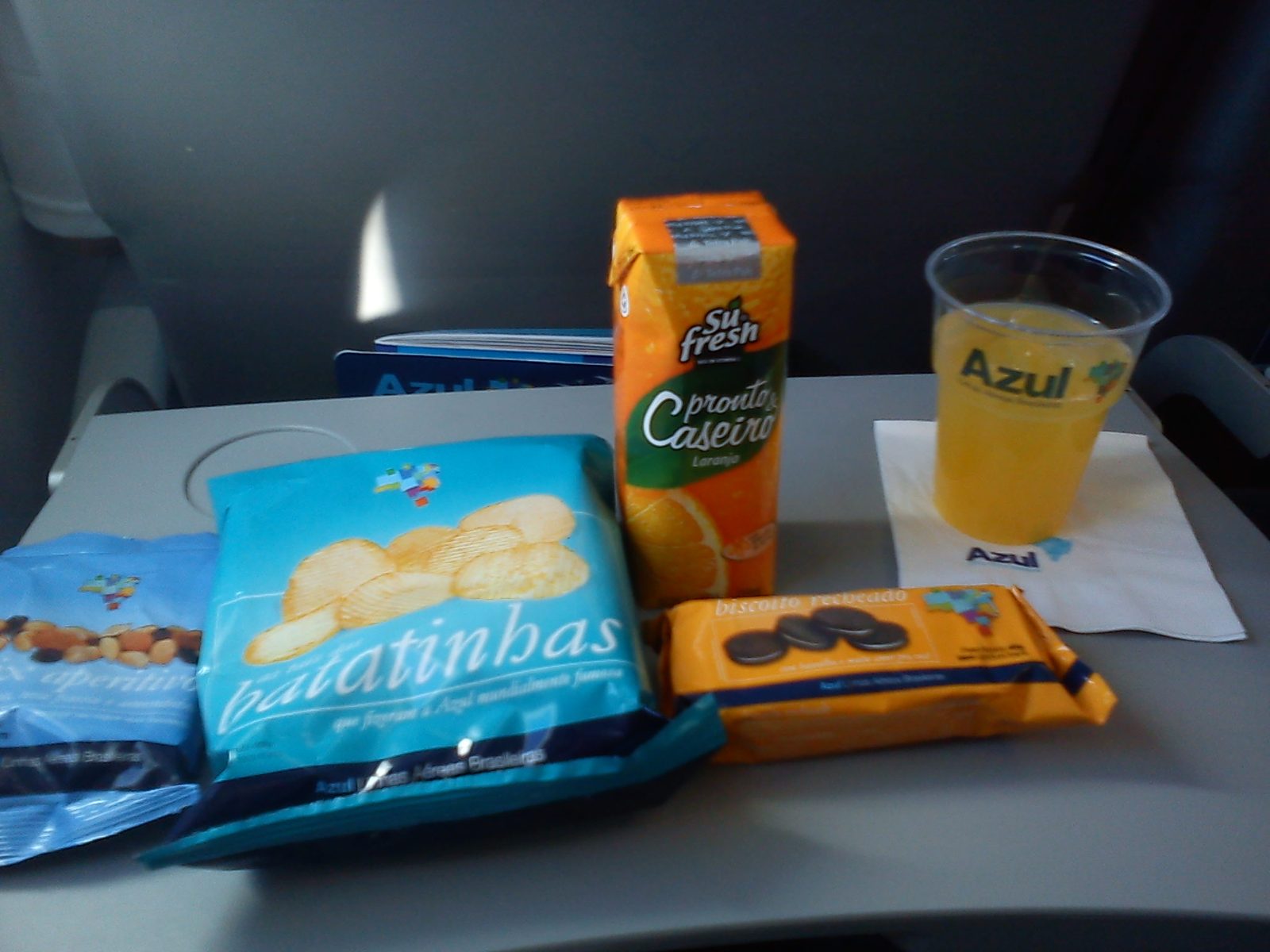
The meals segment continued to dominate the airline food service market, holding approximately 46% of the market share in 2024. However, the quality remained questionable at best. Carriers like Singapore Airlines or Delta may have partnerships with Michelin-starred celebrity chefs, but most companies farm out their food to catering services who may prepare it hours ahead. “People are willing to trade food for low fares,” said Blaise Waguespack, a professor of airline marketing. “Your ticket gets you the seat. And anything beyond the seat you pay for.” Charging passengers for food on board is also a way for airlines to save on taxes.
Market Growth Despite Quality Issues
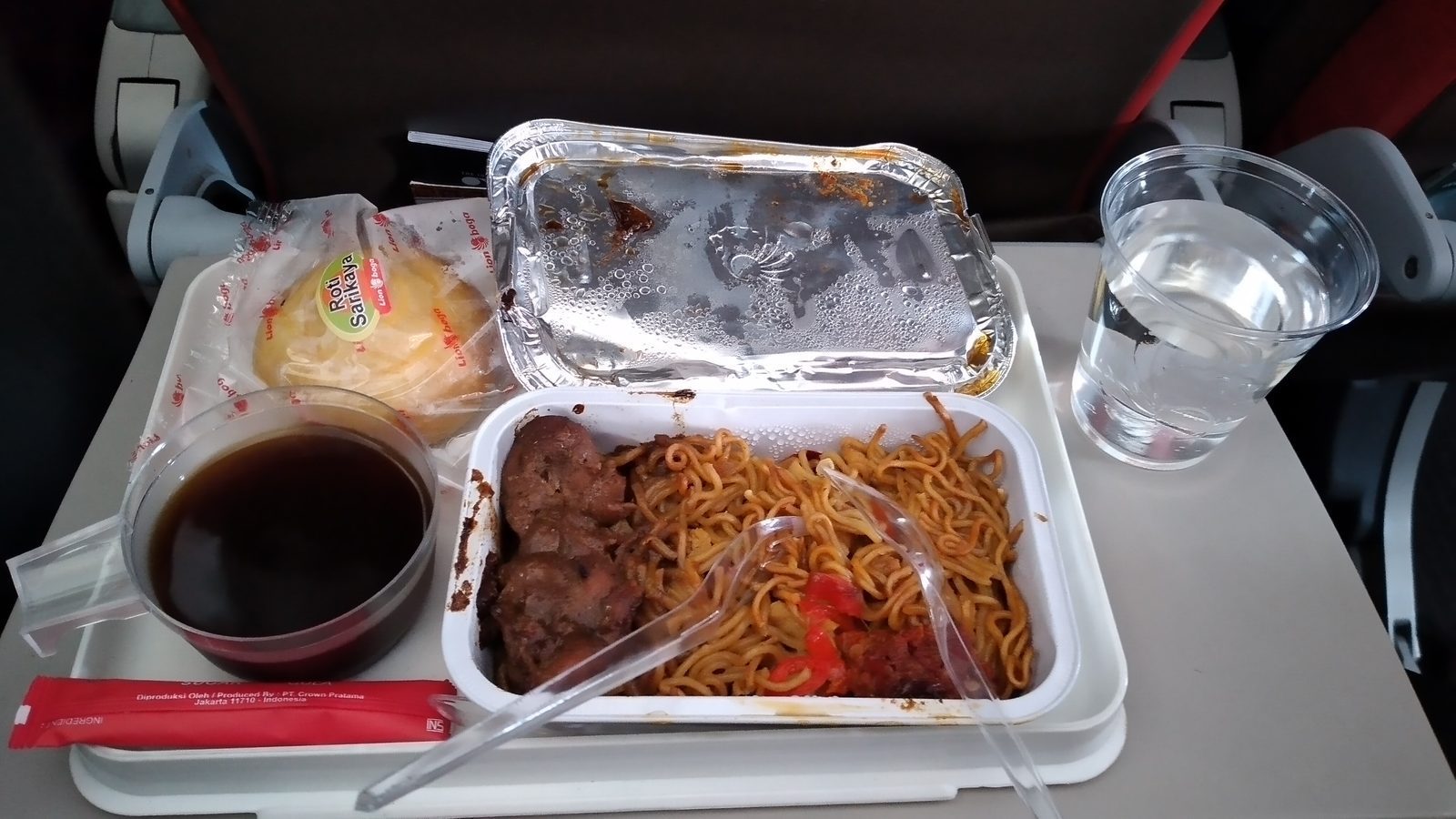
A recent report from Technavio found that the global in-flight catering market is slated to grow by $7.65 billion between 2025 and 2029, supported by air passenger traffic growth, and accelerated interest in providing high-quality meals and beverages. The market is valued at impressive numbers: The global inflight catering market size was valued at USD 16.5 Billion in 2024. IMARC Group estimates the market to reach USD 25.9 Billion by 2033, exhibiting a CAGR of 5.3% from 2025-2033. Yet this growth doesn’t necessarily translate to better food for economy passengers.
Premium Cabin Passengers Get Different Treatment
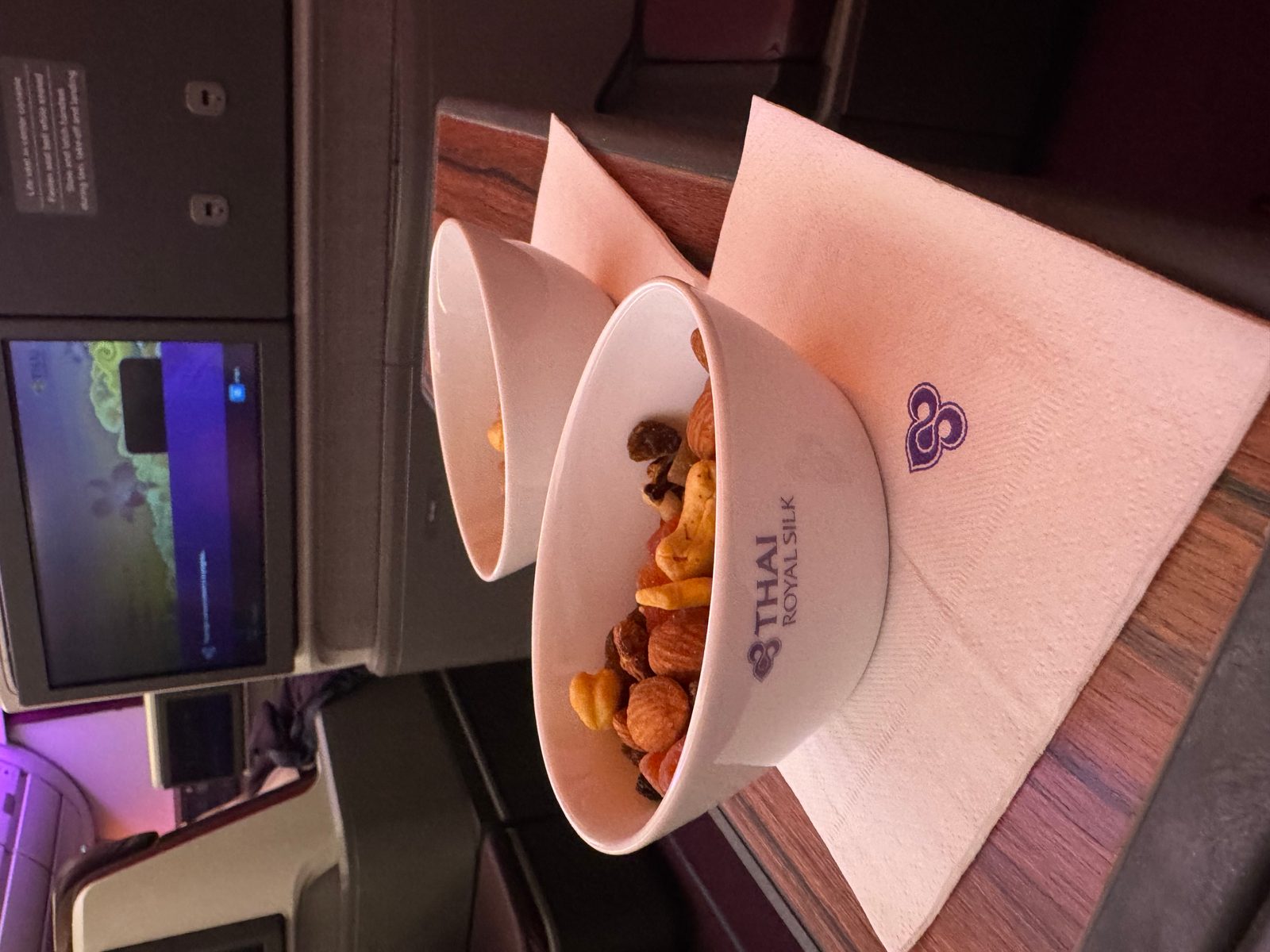
The reality is very different for business and first-class passengers. Molly Brandt, the executive chef of culinary innovation for North America at in-flight catering company Gategroup, said that the “golden age for airline food is here.” Full-service carriers’ strong position is driven by their focus on providing premium dining experiences across all cabin classes, especially on international and long-haul routes. Full-service carriers are continuously innovating their meal offerings and introducing new menu concepts to enhance passenger satisfaction. This creates a two-tiered system where your meal quality directly correlates with how much you paid for your seat.
Why Things Won’t Change Soon
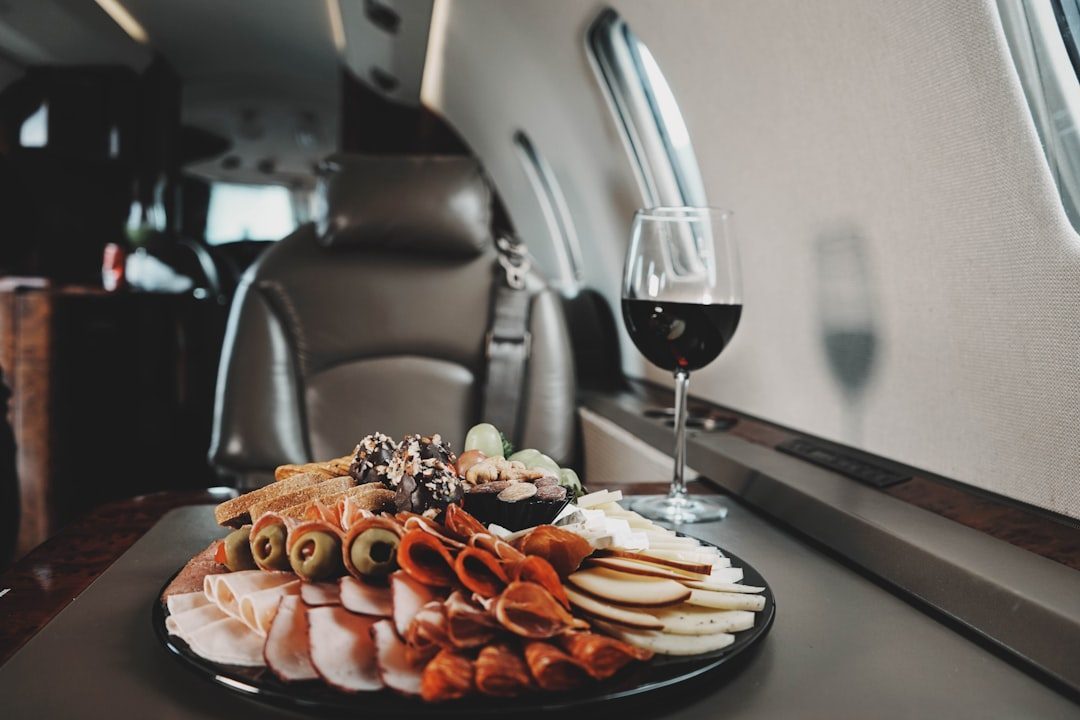
Airline meals had been the brunt of jokes and criticism for decades, but now people miss them. Few airline-industry experts see them coming back anytime soon in coach. The economics simply don’t support it. As airlines see a pullback in consumer spending for lower-income consumers, they’re doubling down on offerings for those willing to pay a premium. Airlines have discovered that most passengers prioritize low fares over meal quality, making it economically unfeasible to improve food service across all cabin classes.
What Passengers Can Expect Going Forward
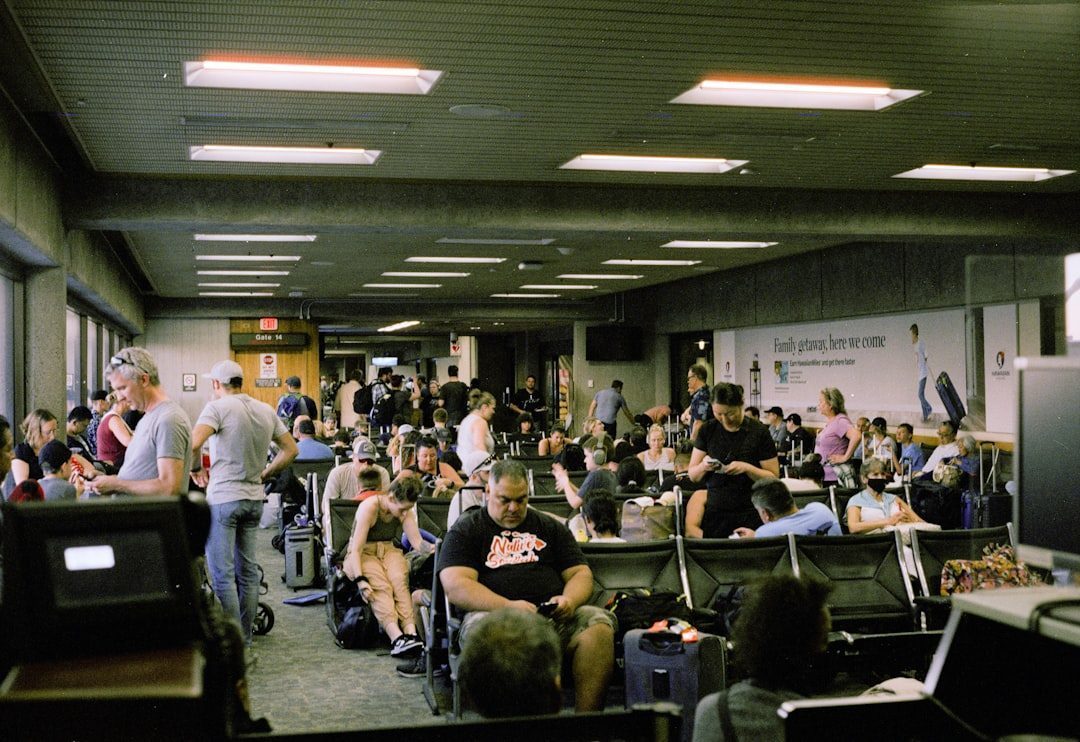
The report also examines what travelers are experiencing in 2025 as the busy summer travel season approaches. Global passenger volume was initially projected to grow by 6.7% compared with 2024, and that surge is now being felt across major hubs. With airlines reducing flights while demand stays strong, travelers are seeing extra-crowded cabins and airports, more missed connections, and yet another record year for complaints.
Meal quality onboard remains largely unchanged. Airlines have realized that passengers continue to tolerate mediocre food in exchange for lower fares, leaving little incentive to upgrade economy-class dining. Unless travelers show they’re genuinely willing to pay more for better meals – or regulatory pressure forces change – the current state of airline food service will persist. Culinary improvements remain concentrated in premium cabins, where higher profit margins justify the investment.