10 Forgotten Restaurant Chains Americans Still Miss, Food Experts Note
Chi-Chi’s Mexican Restaurant
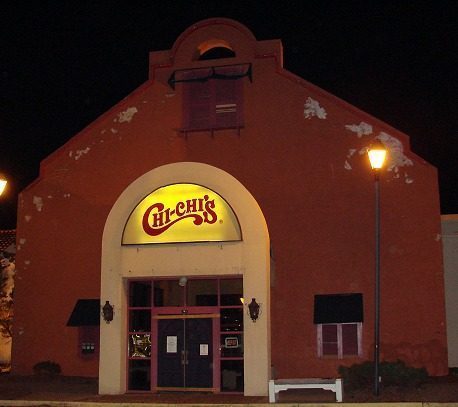
Chi-Chi’s closed in 2004 after a hepatitis A outbreak in 2003 tied to green onions in their salsa. The outbreak sickened about 650 people, left four dead and spurred a slew of lawsuits against the chain. It remains the one of the largest hepatitis A outbreaks in U.S. history. Founded in 1975 by Marno McDermott and former Green Bay Packers player Max McGee, the chain once boasted more than 200 locations nationwide.
What makes Chi-Chi’s story particularly compelling is its unexpected resurrection. Hormel Foods, which owns the trademarks to Chi Chi’s, announced it has reached a deal with Michael McDermott, the son of Chi Chi’s founder, that allows him to use the name on new restaurant locations. Chi-Chi’s, the once-popular Mexican restaurant chain that closed its last location nearly 20 years ago, will officially make its comeback with an opening Oct. 6 in St. Louis Park, Minn., near Minneapolis.
The timing couldn’t be more interesting. “While restaurants continue to face challenges like rising food costs, labor shortages, and higher buildout expenses, nostalgia has emerged as a powerful driver of customer visits,” R.J. Hottovy, head of analytical research at Placer.ai, told CNN.
Steak and Ale

Founded in 1966, it achieved major success in the 1970s and 1980s before declaring Chapter 7 bankruptcy proceeding and closing its remaining 58 locations on July 29, 2008. “The new Steak and Ale will maintain the Tudor-style look and Old World charm that guests enjoyed for decades, and of course, we’re bringing back everyone’s favorite salad bar,” said Mangiamele. “We’re leaning into what I call ‘new-stalgia,’ because Americans love a great comeback story. But while retaining the signature elements that made Steak and Ale an American classic, we’re redefining it as a 21st Century polished-casual concept, setting a new standard for affordable family-friendly steakhouses with a fun atmosphere, great music and infectious energy.”
The chain’s comeback became reality in 2024. The first location, in Burnsville, Minnesota, opened on July 9, 2024. The nation’s first new Steak and Ale is now open in Burnsville, attached to the Wyndham hotel at 14201 Nicollet Av. S. It’s the first of 15 Midwestern locations for Steak and Ale and Bennigan’s, planned in partnership with a local franchisee, Endeavor Properties.
The revival strategy focuses heavily on nostalgia marketing. The power of that nostalgia is perfectly exemplified by the Facebook group called “Steak and Ale’s Comeback,” which was created in 2013 and has grown to nearly 55,000 followers. That group has become a kind of playbook for Mangiamele, with wish-list cities and former employees reminiscing about how great it was to work for the company.
Boston Market
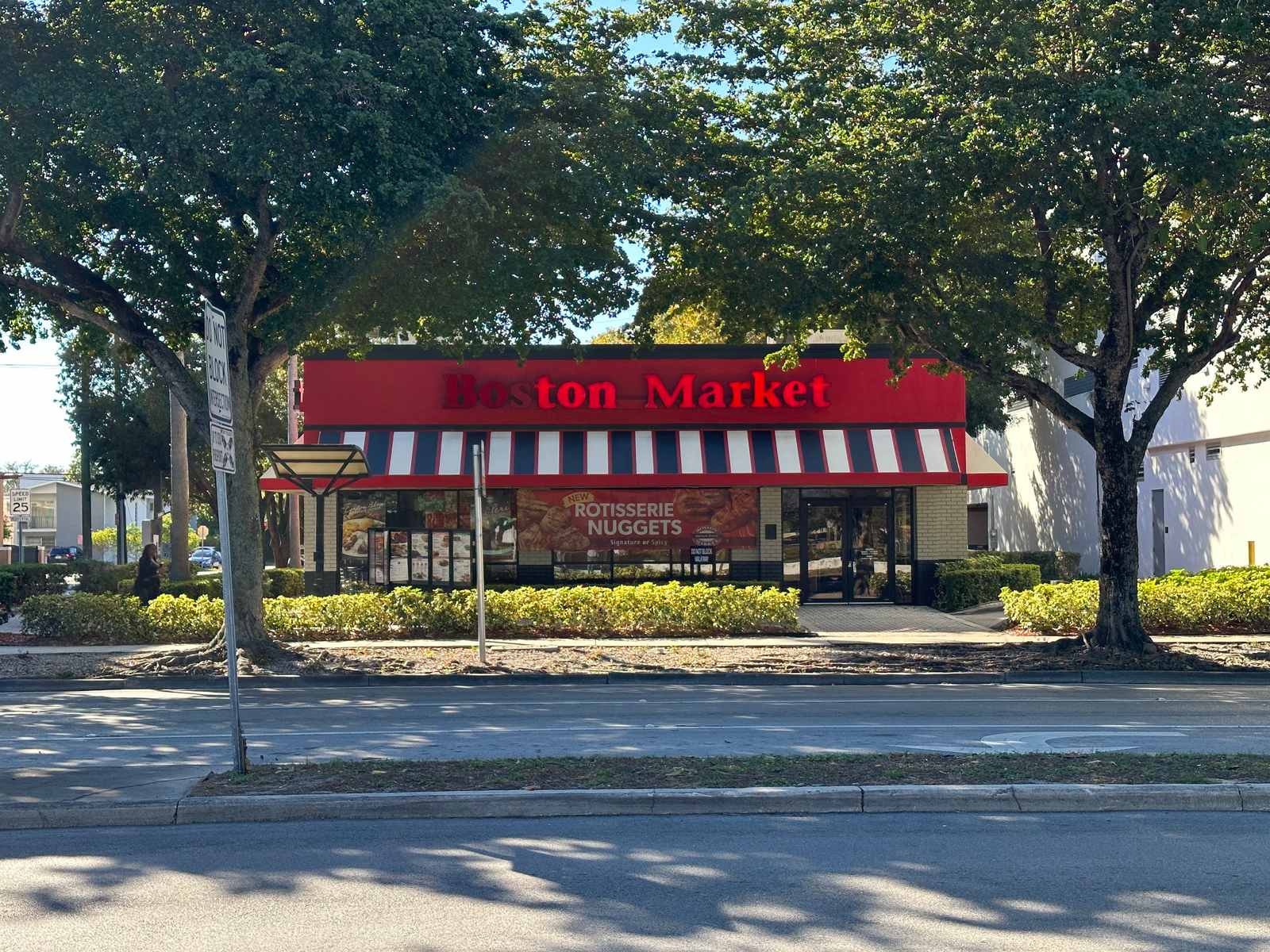
Perhaps the most dramatic restaurant collapse in recent years, Boston Market has seen its location count plummet from over 1,200 at its peak to just 27 restaurants at the beginning of 2024, and reportedly even fewer since then. The rotisserie chicken chain closed approximately 300 locations in 2023 alone, and by the end of 2024, reports indicated only about 16 restaurants remained nationwide.
The rapid pace of closures has been attributed to landlords evicting the chain over unpaid rent and utility bills, and state officials shutting down locations for tax issues. Industry experts suggest Boston Market may be in its final days as a national chain. The chain’s dramatic decline represents one of the most stunning falls from grace in restaurant history.
What made Boston Market special was its home-style comfort food served quickly. The rotisserie chickens spinning behind glass windows became an iconic sight in American shopping centers. Yet financial mismanagement and changing consumer preferences proved too much to overcome.
Red Lobster’s Original Glory Days
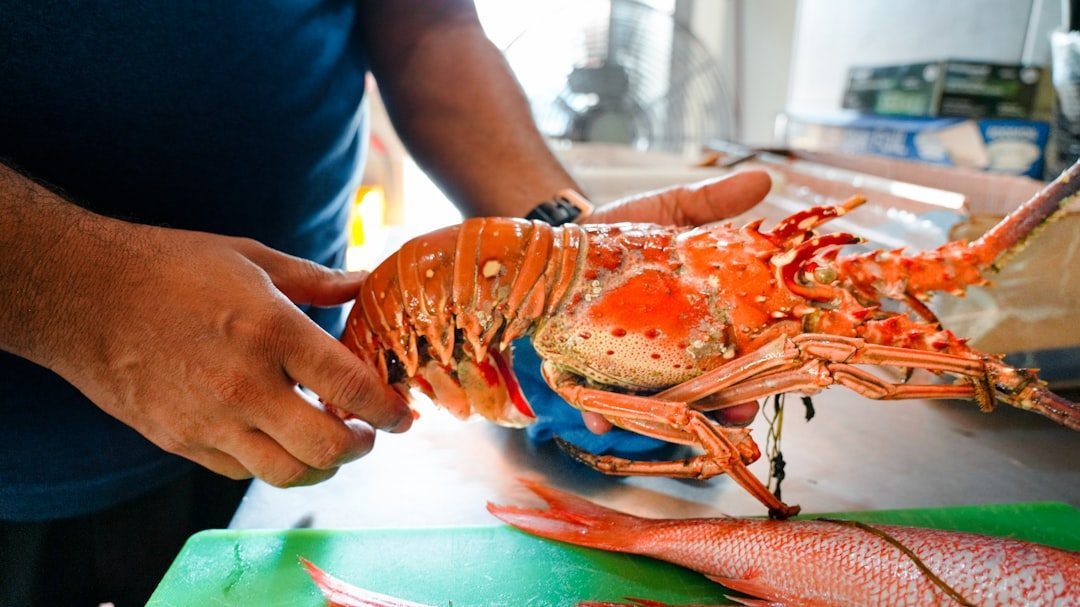
While Red Lobster technically still exists today, the chain many Americans remember fondly is largely gone. The seafood chain’s professional woes have played out very publicly, from the marketing fail that was all-you-can-eat shrimp to its Chapter 11 bankruptcy protection filing in May 2024. Shortly before approaching the court, Red Lobster closed 93 of its restaurants in one day and claimed to be saddled with over $1 billion in debt.
Interestingly, many blamed Red Lobster’s decline on its endless shrimp promo, which let diners have their fill of the succulent morsels for a set price. Initially a limited-time offer, the deal was added to the chain’s permanent menu in 2023, ultimately resulting in $11 million in losses.
Fortunately, it seems like Red Lobster is on the rebound. The company was acquired by RL Investor Holdings LLC and exited bankruptcy in September, just four months after its initial declaration. This announcement came one month after Red Lobster initiated one final wave of closures, having axed an additional 23 restaurants in August. However, the Red Lobster of today bears little resemblance to the seafood destination that defined special occasions for countless American families.
TGI Fridays
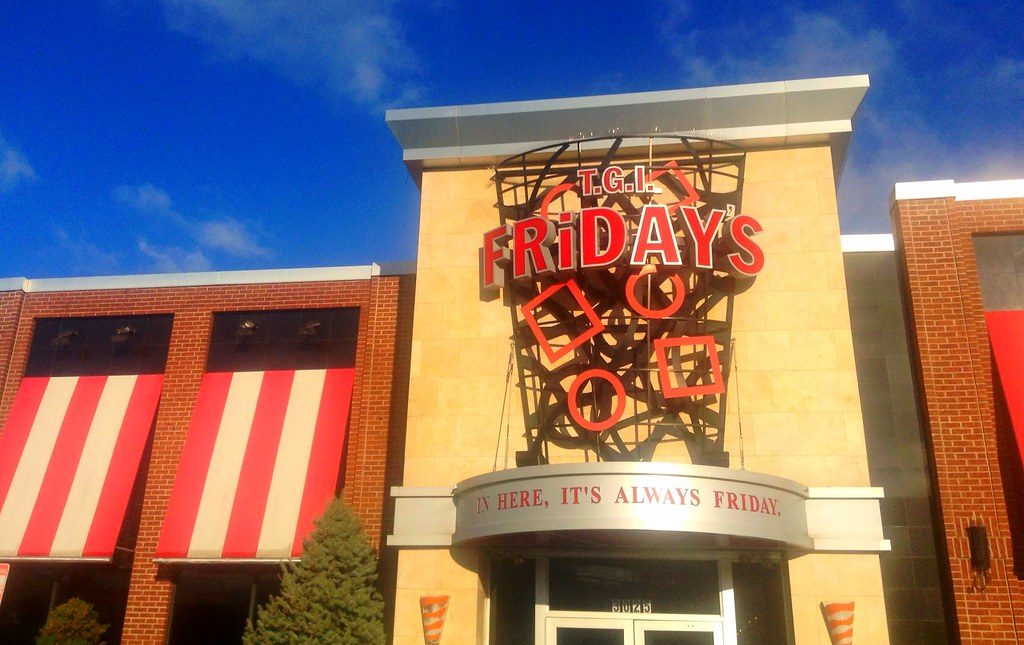
When TGI Fridays filed for bankruptcy in 2024, the chain was down to 163 locations in the U.S. This number stood at 269 the previous year, before a sweeping wave of closures drastically reduced the restaurant’s footprint. Today, TGI Fridays has fewer than 100 restaurants in the U.S., highlighting just how far the once-popular casual dining chain has fallen.
Known for its classic casual dining atmosphere and striped decor, TGI Fridays has been rapidly shrinking its footprint. The chain has been forced to scale back dramatically due to declining sales and increasing debt. The 59-year-old company filed for Chapter 11 bankruptcy in November 2024, after closing about 100 locations earlier in the year.
The chain that once embodied the “thank God it’s Friday” spirit of American nightlife has become a shadow of its former self. TGI Fridays pioneered the casual dining experience with flair bartending and an upbeat atmosphere that made it a cultural touchstone of the 1980s and 1990s.
Applebee’s Neighborhood Glory
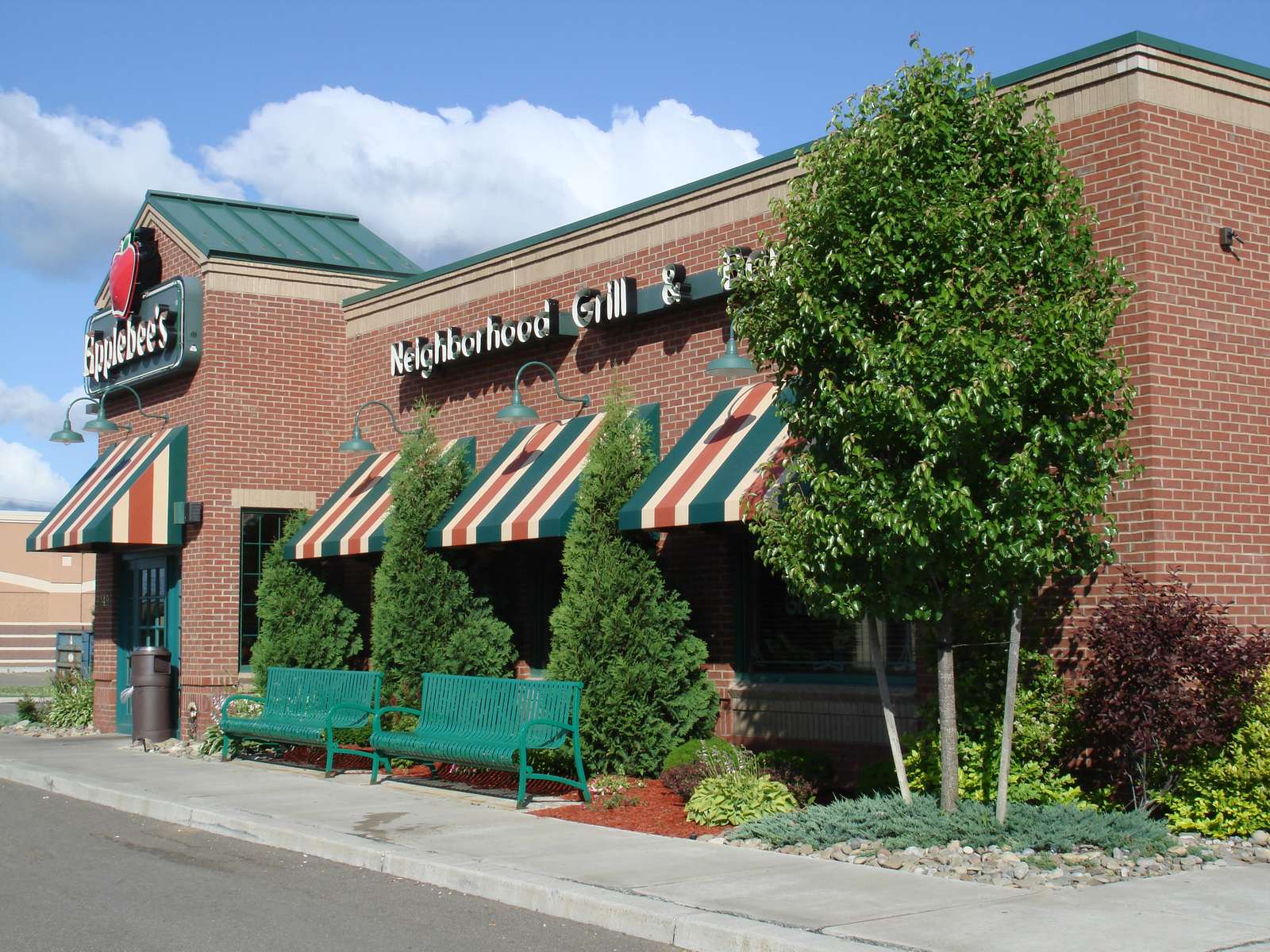
The neighborhood bar and grill chain announced plans to close 25 to 35 locations in 2024, following the 46 restaurants it shuttered in 2023, citing underperformance. Applebee’s parent company, Dine Brands Global, revealed the closures during an earnings call earlier in the year. The situation has been particularly difficult in certain markets – for example, eight Applebee’s locations in and around Kansas City, Kansas, closed after a franchisee filed for bankruptcy, leaving just two restaurants in that market.
The chain closed roughly 300 locations since 2017, having originally earmarked 2023 as a growth year – but that didn’t quite work out. By the end of 2024, the situation looked even more bleak, with the restaurant experiencing a nearly 5% drop in year-on-year comparable same-restaurant sales.
The Applebee’s many Americans remember was the neighborhood gathering spot where families could afford to eat out regularly. Its extensive menu and consistent quality made it a reliable choice for everything from date nights to family celebrations.
Hooters Sports Bar Experience
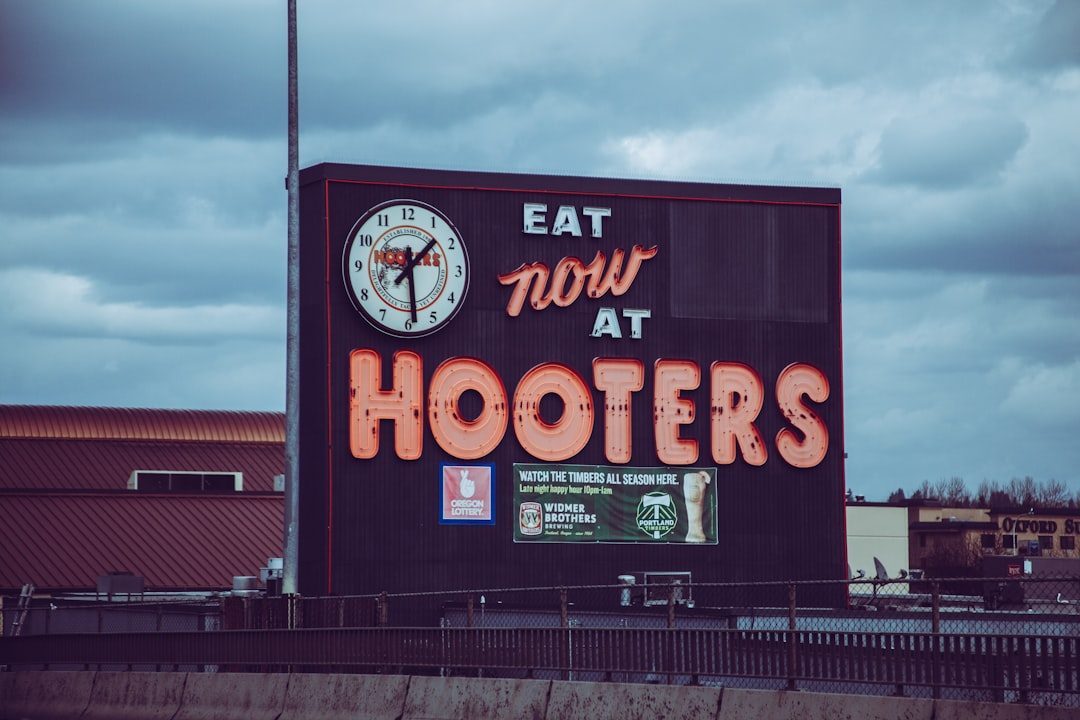
In early 2024, approximately 41 Hooters restaurants closed across the United States. Texas and Florida – states with the most Hooters locations – were hit particularly hard, with at least six restaurants closing in Texas and four in Florida. Reports have emerged suggesting Hooters may be considering bankruptcy after shuttering these locations, though specific filing details remain unconfirmed.
While Hooters remains a polarizing brand today, many Americans have fond memories of watching sports games at locations that offered a casual atmosphere and buffalo wings that helped popularize the now-ubiquitous bar food. The chain’s distinctive orange shorts and owl mascot became cultural symbols of a particular era in American dining.
The closures reflect broader challenges facing sports bars and casual dining establishments that haven’t successfully adapted to changing consumer preferences and increased competition from newer concepts.
Arthur Treacher’s Fish & Chips
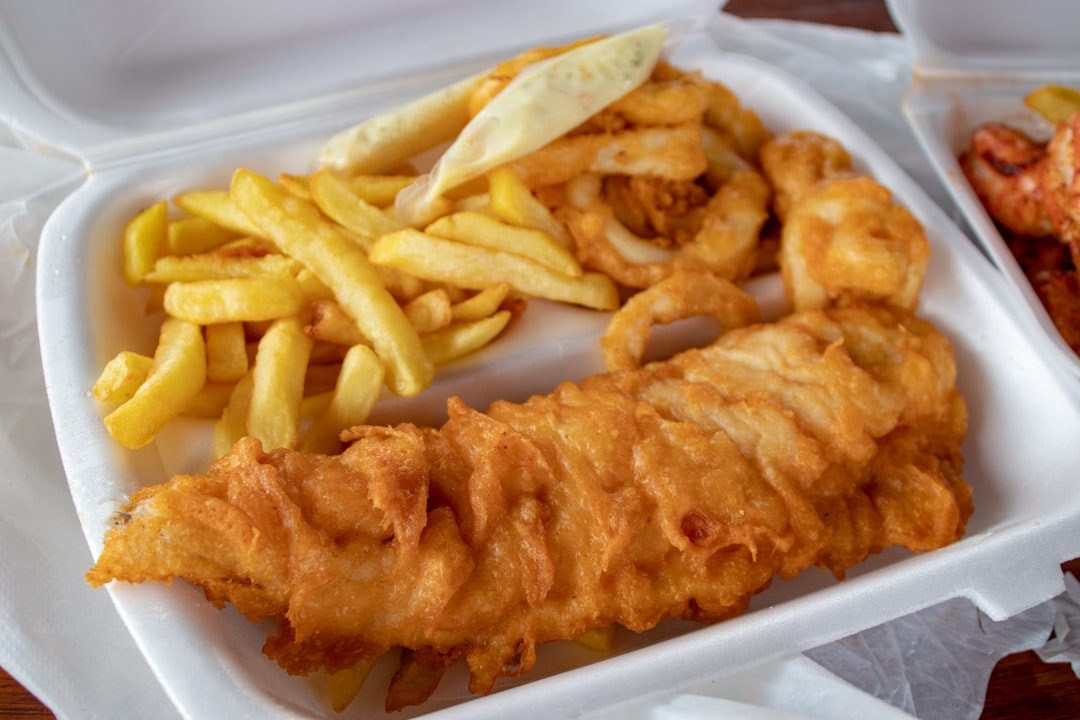
Well, the Cod Wars happened. Arguments over cod fishing between several European nations led to fishing limits and, eventually, increases in cod prices for American companies. This severely impacted the chain, and despite alternative efforts such as replacing the fish with less expensive pollack – a move which was not well received – its footprint slowly began to constrict. As of this writing, there are only three free-standing Arthur Treacher’s locations, all in Ohio.
However, one of those three opened in December 2024, and a fourth location may be on the way, so the chain isn’t necessarily done just yet. You can also get a taste of the fishy fried goodness in many places where Nathan’s Famous is sold, thanks to an unlikely partnership with the global hot dog brand.
Arthur Treacher’s represented something unique in American fast food – quality fish and chips served in a setting that evoked British pub culture. The chain’s decline wasn’t due to poor food quality or service, but rather external economic factors that made their signature product too expensive to maintain profitably.
Denny’s Family Dining Legacy
In October 2024, Denny’s confirmed plans to close 150 underperforming locations. By the end of the year, roughly half of these closures had been completed, with the remainder scheduled for 2025. This came after the chain revealed it was already down 53 franchised restaurants compared to 2023.
Denny’s has been around since the 1950s, and in 2024, the diner is really showing its age. Consistently declining sales have prompted Denny’s execs to announce the closure of 150 underperforming locations across the U.S. – which accounts for 10% of its restaurants. When 2020 pandemic hurt the chain’s foot traffic, business never fully recovered.
While Denny’s continues operating, the 24-hour family dining experience it once represented has largely vanished. The chain was synonymous with late-night dining, road trips, and affordable meals that brought families together around simple comfort food.
White Castle Slider Heritage
This year, White Castle was sued by one of its managers – and the fallout could cost the company a whopping $17 billion in total. In February 2023, a White Castle in the state of Illinois was found to have breached its state’s laws on using digital identification systems. The employees had been using a technology in-store for 10 years that did not ask whether or not their personal information – in this case, their fingerprints, which were used to unlock their place-of-work’s digital systems – was okay to be assessed via a third-party verification platform. This is an illegal action in Illinois, and the Supreme Court ruled that the franchise be required to pay for every single instance in which it occurred.
It’s hard to consider that a restaurant with such a large cultural impact as White Castle could just disappear. However, given the challenges it faced in recent years, 2024 may have marked the point when it came closest to taking its final breath.
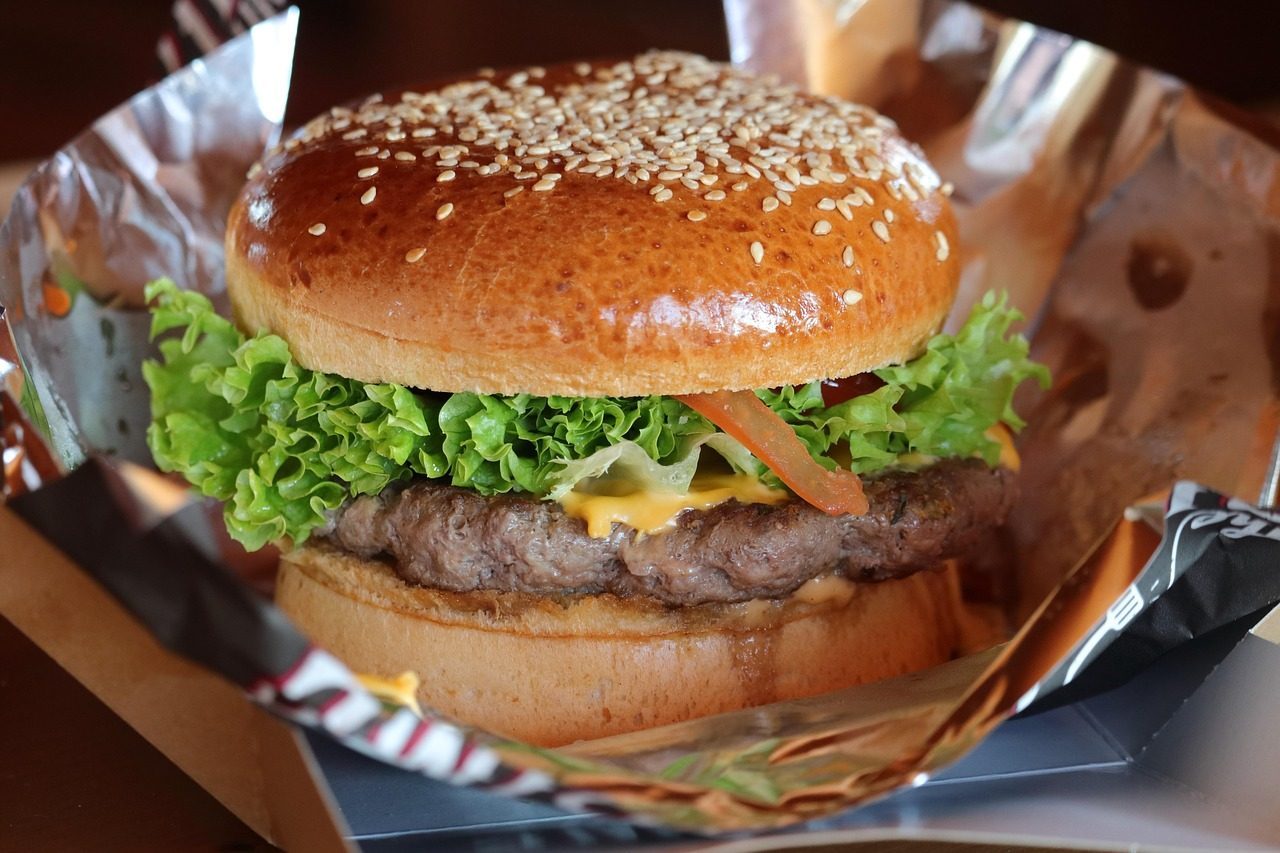
White Castle holds a special place in American food culture as the original slider restaurant and one of the first fast-food chains. Their small, square burgers with distinctive holes became an iconic part of American cuisine, inspiring countless imitators and earning a devoted following that spans generations.
The closure pattern shows how even the most established restaurant chains can face existential threats. Rising costs, labor shortages, and changing consumer preferences have created an environment where survival requires constant adaptation. Many of these beloved chains simply couldn’t evolve quickly enough to meet new market demands while maintaining the qualities that made them special in the first place.
What makes these closures particularly poignant is the role these restaurants played in American family life and culture. They weren’t just places to eat – they were gathering spots, celebration venues, and comfort zones where memories were made across multiple generations.
What do you think about these vanishing pieces of American dining culture? Have you noticed these changes in your own community? Tell us in the comments about your favorite memories from these disappearing chains.