6 Restaurant Meals That Actually Cost Less to Buy Than to Cook Yourself
Let’s be honest. We’ve all heard it a thousand times: cooking at home saves money. That’s the golden rule, right? Yet here we are in 2025, staring at grocery bills that make our eyes water and wondering if that advice still holds true. Inflation has turned grocery shopping into a budget workout, with prices climbing steadily over the past few years. Sometimes the math doesn’t add up the way we expect it to.
Restaurant prices have climbed much higher and faster than groceries, with an average increase of 3.6% annually versus 1.2% for food at home according to 2024 data. That gap suggests cooking wins every time. Still, there are some surprising exceptions lurking in the shadows of our dining choices. Certain restaurant meals have cracked the code, offering better value than recreating them in your own kitchen. Let’s dive into six surprising meals where dining out actually makes more financial sense.
Rotisserie Chicken From Warehouse Clubs
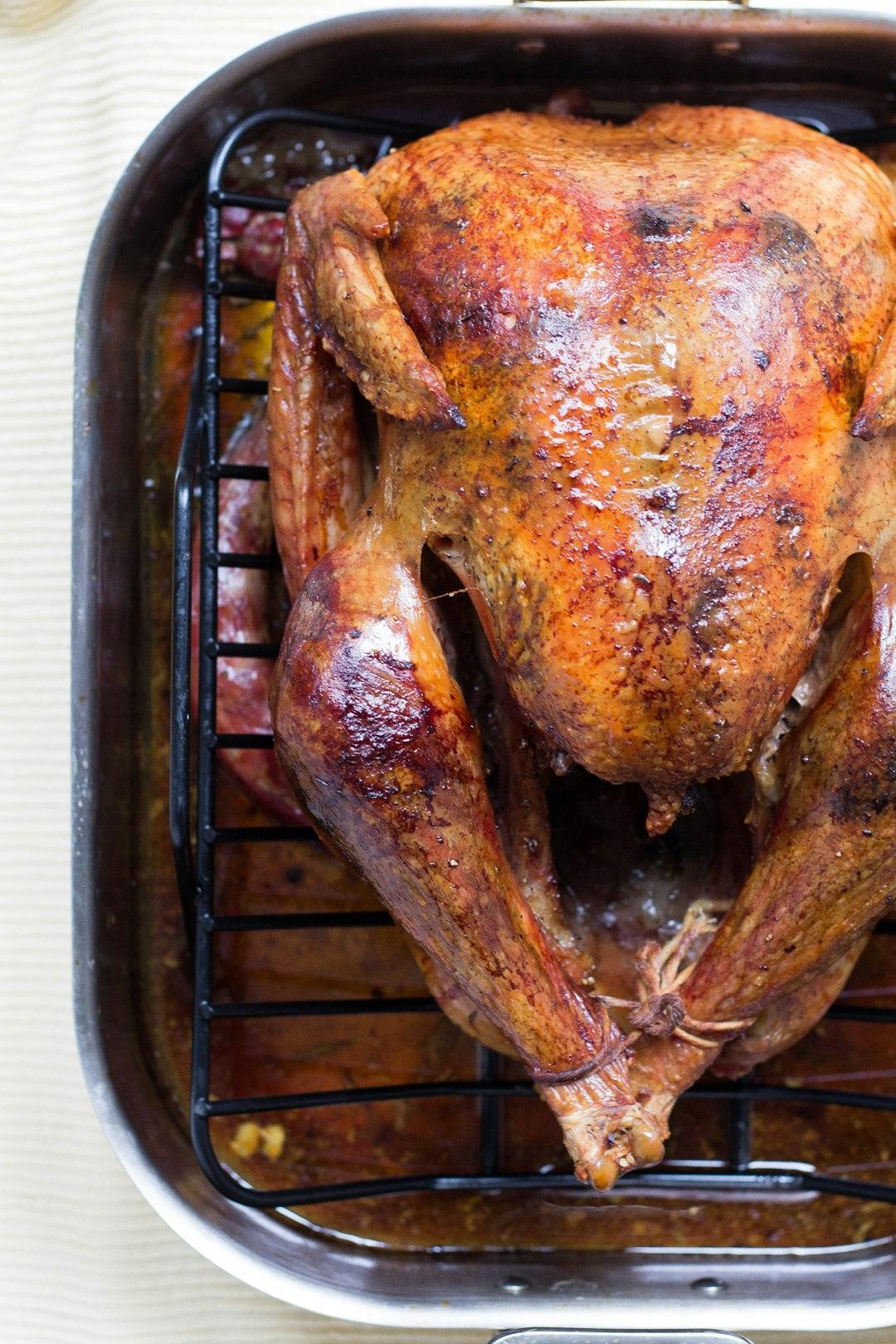
Walk into nearly any grocery store and you’ll smell it. That golden, perfectly seasoned rotisserie chicken sitting under warm lights, practically calling your name. Here’s where things get weird: at the end of 2024, a hot rotisserie chicken at a Safeway in Portland, Oregon cost about $10, while a whole raw chicken cost between $13 and $18. Wait, what?
The price inversion happens for a clever reason. According to reports, the golden rotisserie chickens in grocery stores are often the unsold raw chickens that are about to expire. Stores cook them up instead of tossing them out. Places like Costco take this even further. In 2023, Costco shoppers consumed 137 million roasted birds, with each one priced around five bucks.
At that price point, the chicken becomes what’s known as a loss leader for the company, luring shoppers in the door where they’ll likely fill up their cart with other items. Meanwhile, if you tried roasting your own chicken at home, you’d need to factor in the raw bird’s cost, electricity for the oven, oil, seasonings, and about an hour of your time. The rotisserie chicken wins this round.
Fast Food Value Meals During Promotional Periods
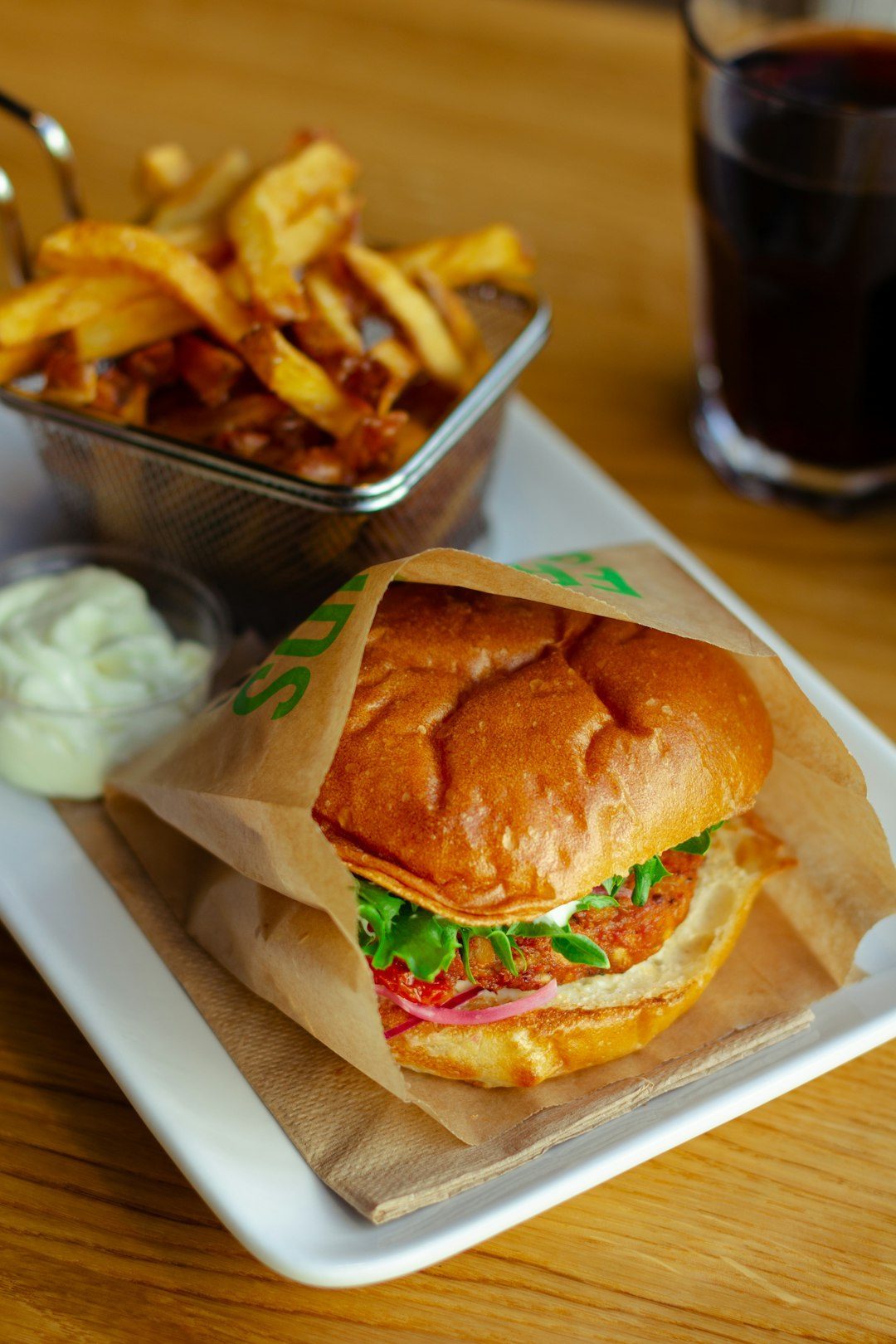
Fast food chains have been fighting what some call the “value wars” throughout 2024 and into 2025. Taco Bell’s Luxe Cravings Box offers the best overall value, allowing customers to get $15.65 worth of food for just $7, a 55% savings. That’s a Chalupa Supreme, Beefy 5-Layer Burrito, Double Stacked Taco, chips with nacho cheese sauce, and a drink.
Could you replicate that spread at home for seven dollars? Honestly, probably not. Ground beef alone would set you back several dollars, then you’d need tortillas, sour cream, cheese, lettuce, tomatoes, and taco seasoning. Both Wendy’s and McDonald’s offer $5 meal deals that include about $10 worth of food, saving consumers around 50% compared to buying each item individually.
These value meals are designed specifically to compete with grocery store prices. When you factor in the convenience and the fact that you’re getting variety without buying full-sized packages of multiple ingredients, these deals can genuinely beat home cooking. The catch? They’re often limited-time offers, so you’ve got to strike while the promotional iron is hot.
Breakfast Combo Deals at Chain Restaurants
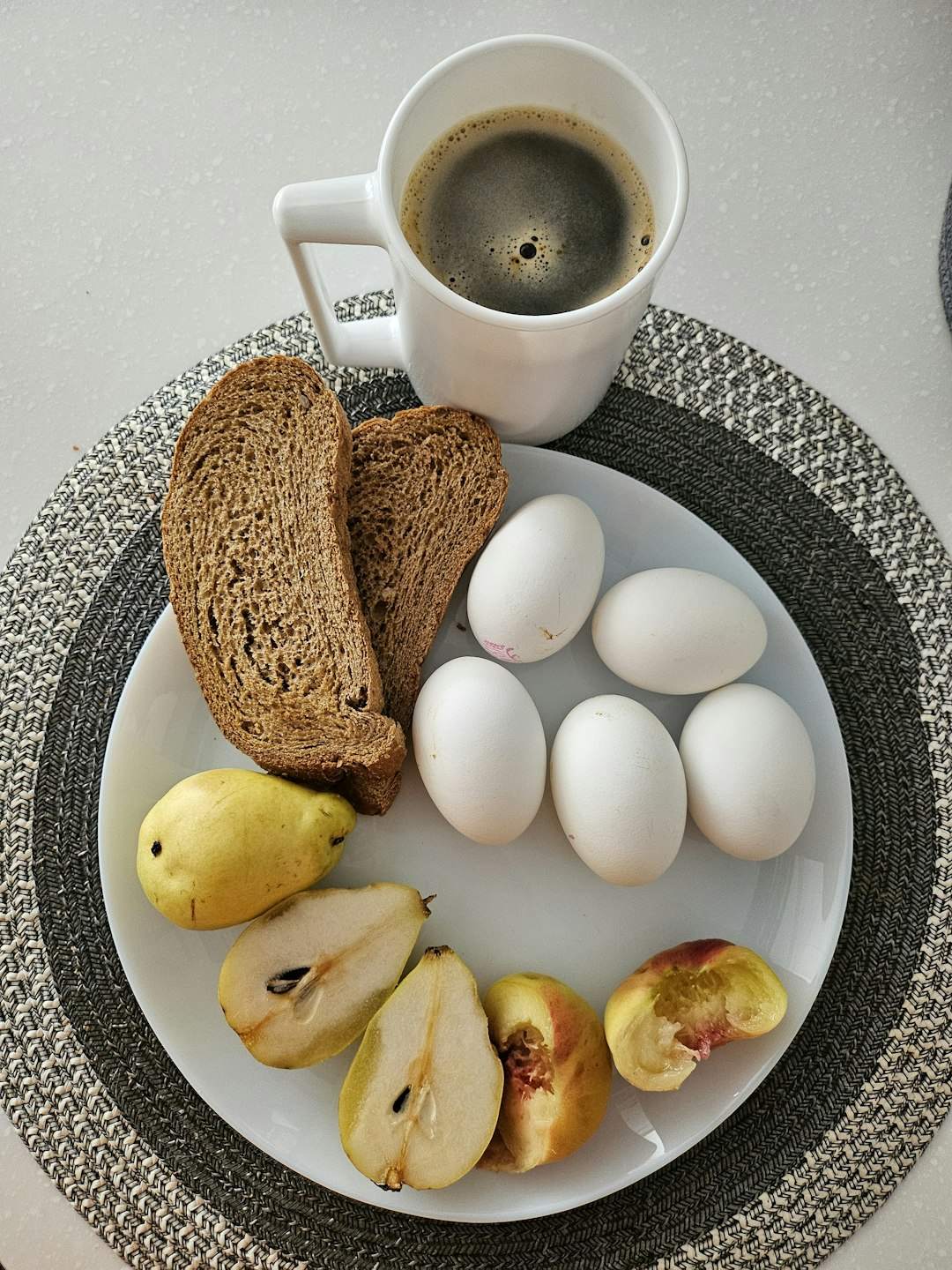
Breakfast might be the most important meal of the day, but it’s also one where restaurants can surprise you with value. A $6 meal deal at Dunkin’ includes a medium coffee, breakfast sandwich, and hash browns, which would cost $10.57 if purchased separately. That’s nearly half off.
Now let’s think about making that same breakfast at home. You’d need eggs, English muffins or bagels, cheese, breakfast meat (sausage or bacon), coffee beans or grounds, hash browns (or potatoes to shred), and cooking oil. If you don’t already have these items stocked, you’re looking at spending considerably more than six dollars just to assemble the ingredients. Sure, you’d have leftovers for future meals, but for a single breakfast? The restaurant wins.
What really seals the deal is the coffee component. A quality medium coffee alone can justify a chunk of that six-dollar price tag. Making coffee at home is cheap per cup if you drink it regularly, but casual coffee drinkers might find the restaurant deal more economical. Plus, you’re getting hot food delivered to you without dirtying a single pan. Sometimes convenience has a surprisingly affordable price.
Pizza During Special Promotions
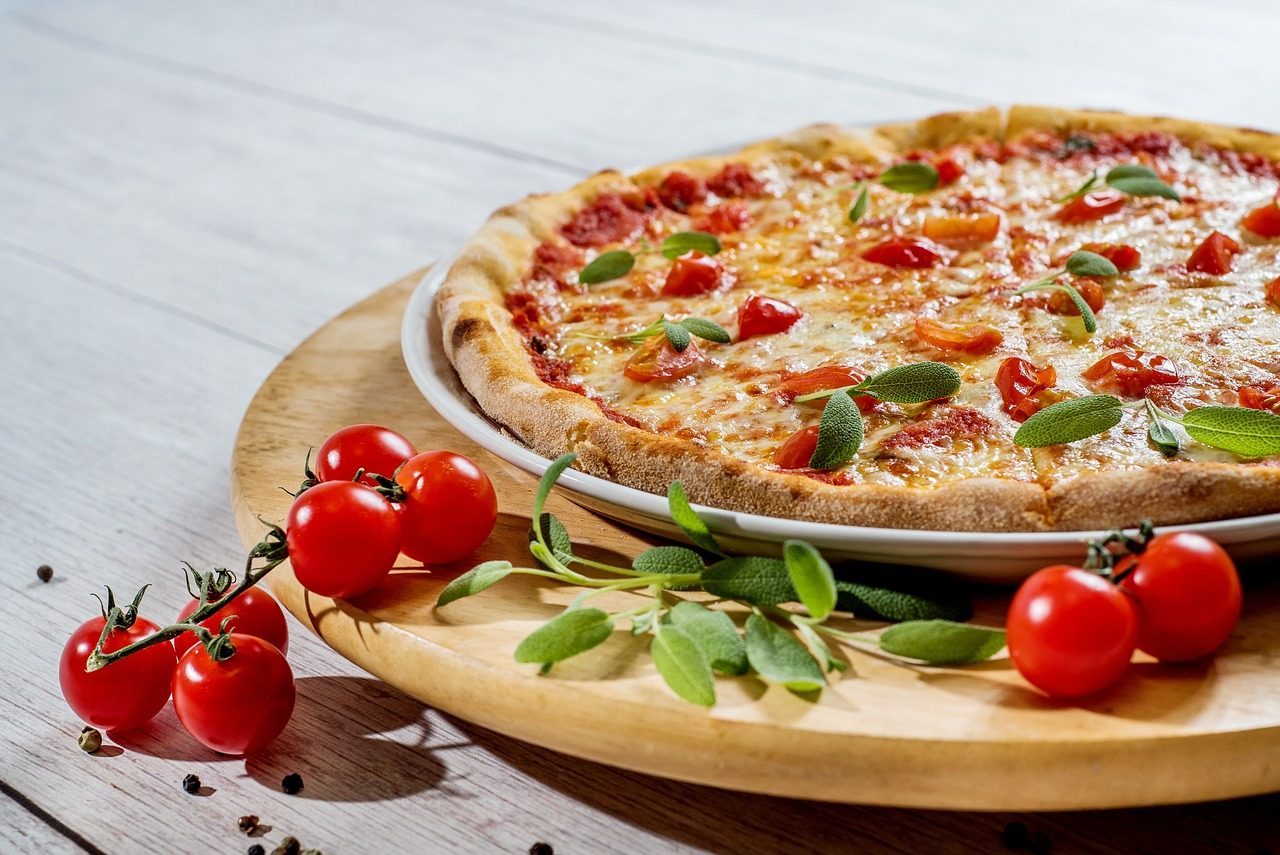
Pizza occupies a strange space in the cooking-versus-buying debate. Pizza orders from restaurants can easily reach $20 to $25 for two people, while the cost of ingredients like oil, flour, yeast, cheese and tomato sauce can come in at under $6 for a basic 12 to 14-inch homemade pizza. That math clearly favors home cooking, right?
Here’s where it gets interesting. All the ingredients needed to make one 10-inch pizza will cost you around four bucks, including 70 cents for flour, 68 cents for pizza sauce, 50 cents for olive oil, yeast, and salt, and about $2 for mozzarella. Those numbers look great until you realize what you’re actually buying.
When pizza chains run promotions, the economics flip. Large chains regularly offer deals like large pizzas for eight or nine dollars during special events or through app-exclusive offers. At that price point, you’re competing with homemade costs while skipping the hour-plus of prep, rising time, and baking. A slice of cheese pizza now costs 30% more than it did in 2016, with some spots charging $6.50 a slice, but whole-pie promotions can still undercut your kitchen.
Simple Sandwich Combinations at Sub Shops
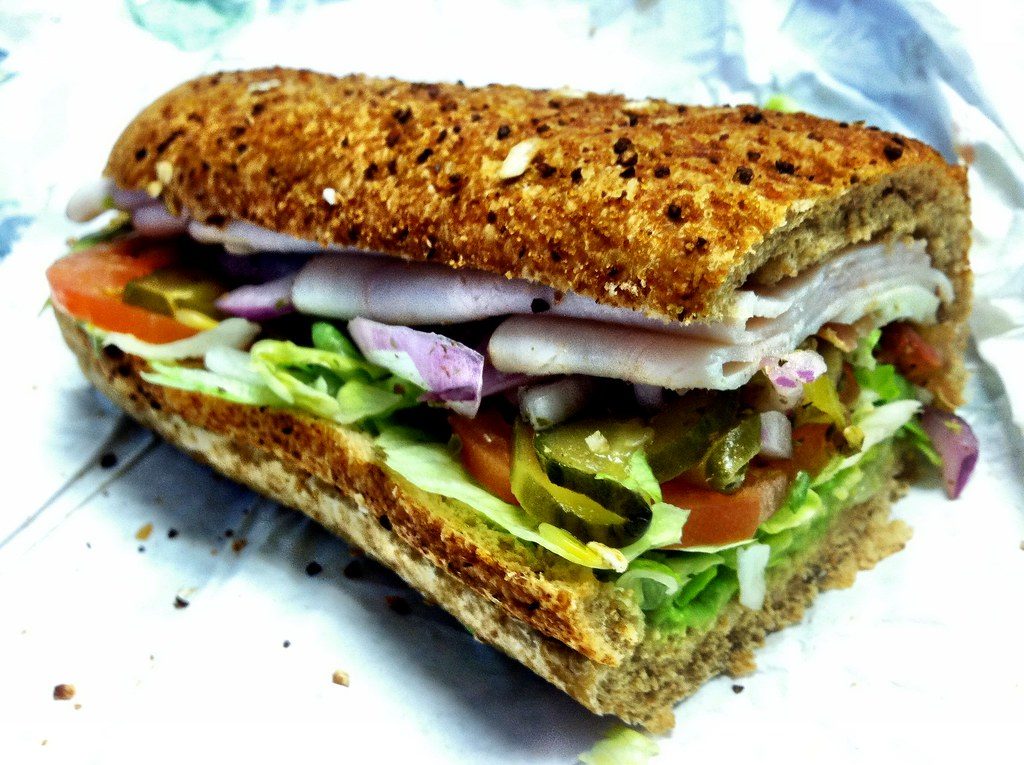
Submarine sandwich shops have been quietly offering decent value for years, though you have to know where to look. Subway offers a rotating selection of daily featured subs, and replicating that variety at home with different fresh ingredients every day would certainly surpass the restaurant cost. The daily deals vary, but they generally hover around the seven-dollar mark.
The thing about making sandwiches at home is that you need to buy entire packages of ingredients. A loaf of decent bread, deli meat (which isn’t cheap), cheese slices, lettuce, tomatoes, onions, pickles, and condiments. If you’re feeding a family regularly, buying all this makes sense. For one or two people eating sandwiches occasionally? You’ll end up throwing away ingredients that go bad before you use them.
Sub shops solve this problem by offering fresh ingredients in portion-controlled amounts. They’ve already absorbed the cost of bulk purchasing, and they’re spreading that efficiency across hundreds of daily customers. When you grab that footlong on special, you’re benefiting from their economies of scale in a way your home kitchen simply can’t match. The variety available without committing to full-sized ingredient packages makes these deals hard to beat.
Restaurant Loss Leaders and Daily Specials
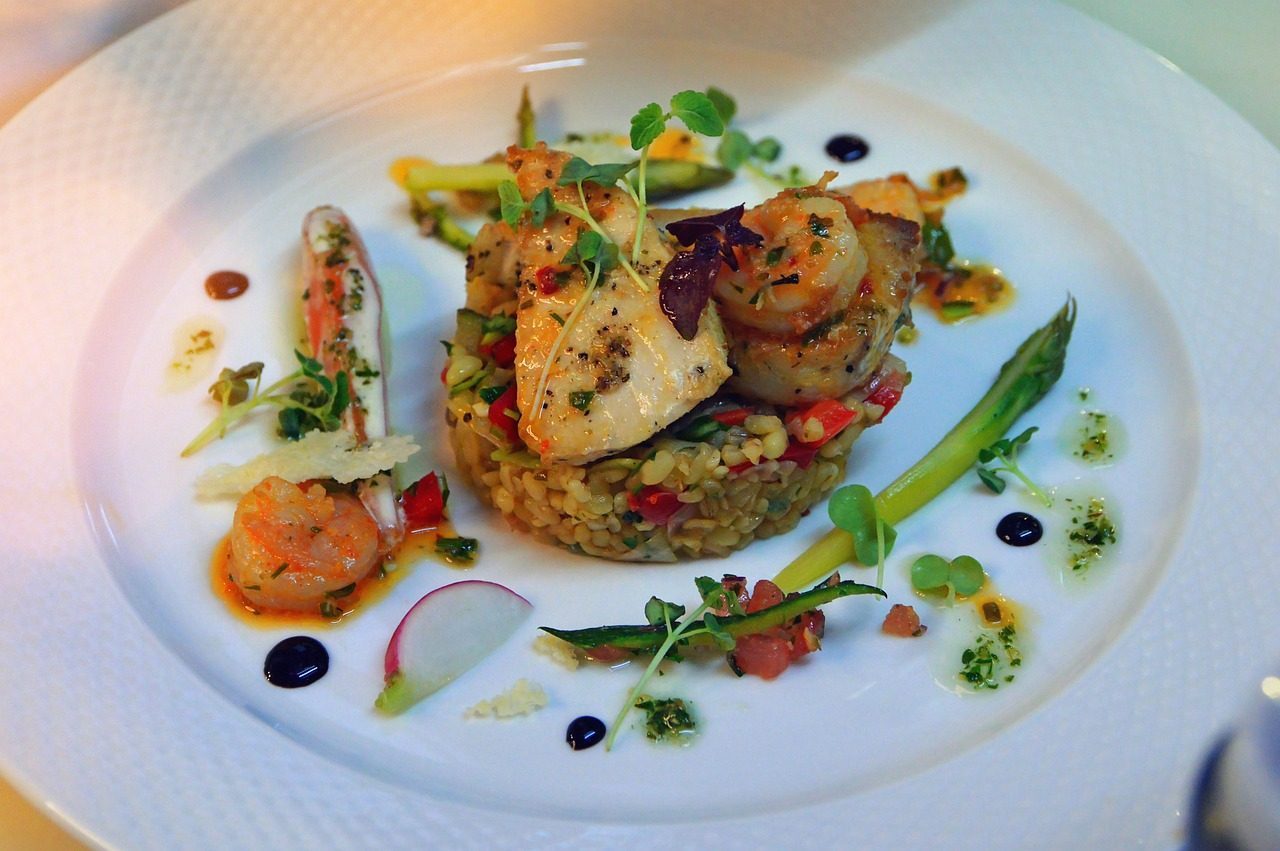
Every restaurant has them: those suspiciously cheap menu items that make you wonder how they’re making any money. They’re called loss leaders, and they’re designed to get you in the door. Stores use loss leaders by utilizing birds bought at bottom-dollar prices, a kitchen and staff already in place, and strategic pricing. This same principle applies across many restaurant offerings.
Daily specials at diners and family restaurants often fall into this category. A complete breakfast for $4.99, a burger-and-fries combo for $5.99, or all-you-can-eat soup-and-salad deals. These prices are set deliberately low, sometimes below cost, banking on the fact that customers will order drinks, appetizers, or desserts that carry much higher profit margins. Smart diners can take advantage by sticking to just the special.
Making these same meals at home requires buying multiple ingredients in quantities larger than you need for one dish. That breakfast special with eggs, bacon, toast, and hash browns? You’d spend more than five dollars just on the bacon and eggs at many grocery stores. The restaurant has negotiated supplier contracts, bought in bulk, and streamlined preparation. They’re passing some of that efficiency to you as bait, but if you take the bait without adding extras, you come out ahead.