7 Hidden Toxins Found in Everyday Lunches – Study Finds
Packed lunches and quick meals have become essential parts of our daily routine. While we focus on convenience and taste, most people remain unaware that these seemingly harmless foods harbor invisible threats. Recent scientific investigations reveal alarming levels of toxic compounds lurking in our everyday lunch choices, raising serious concerns about long-term health impacts.
Acrylamide in French Fries and Heated Potato Products
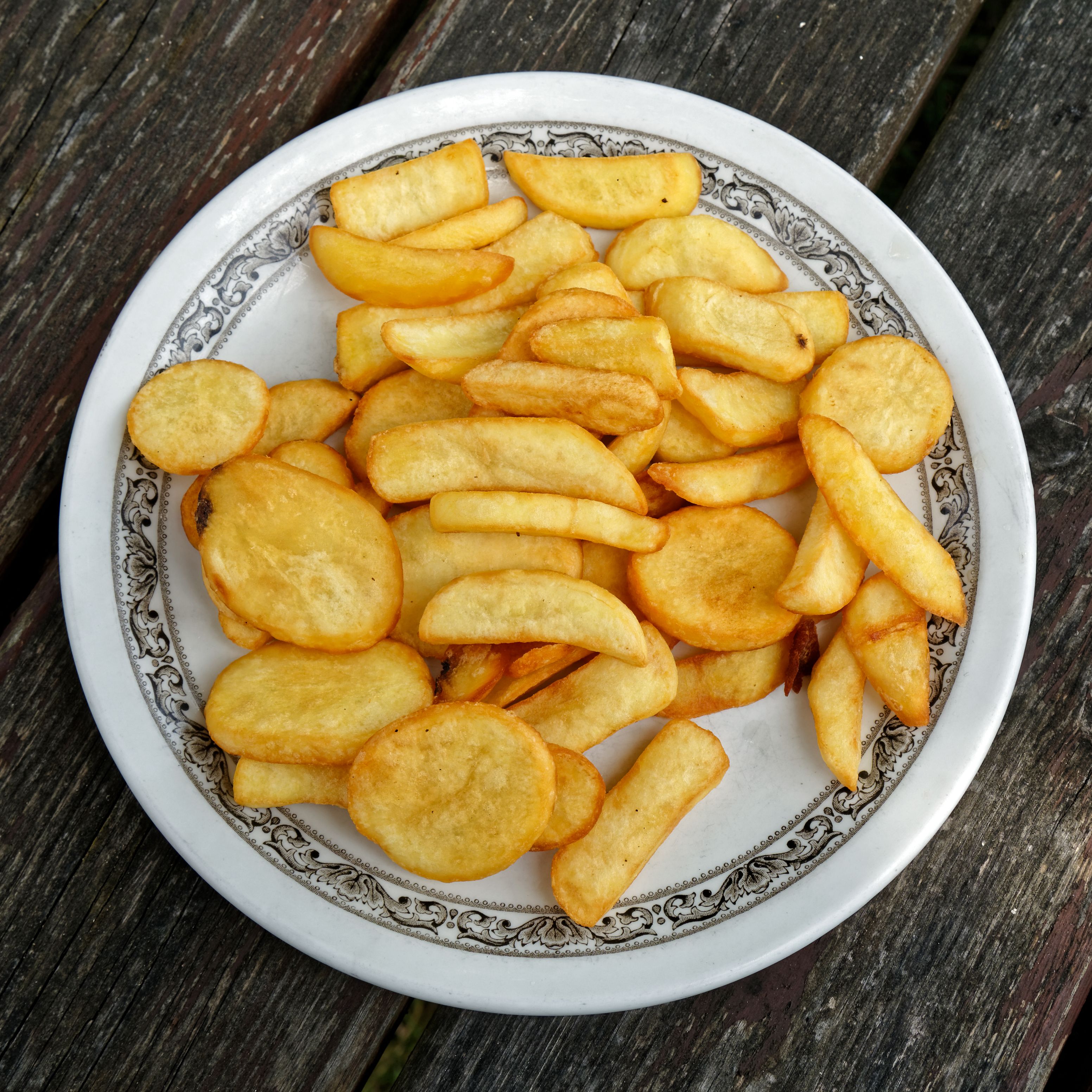
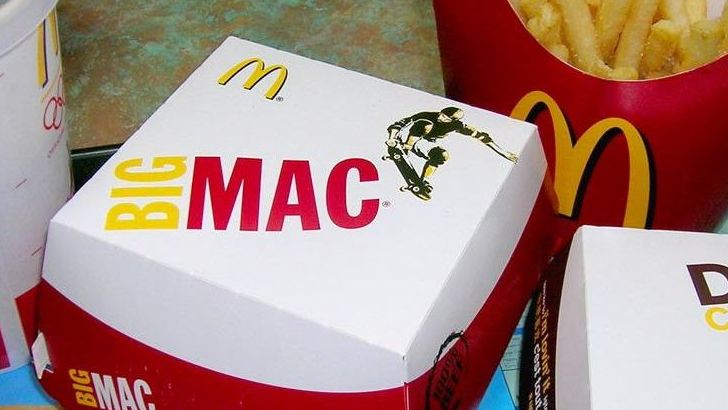
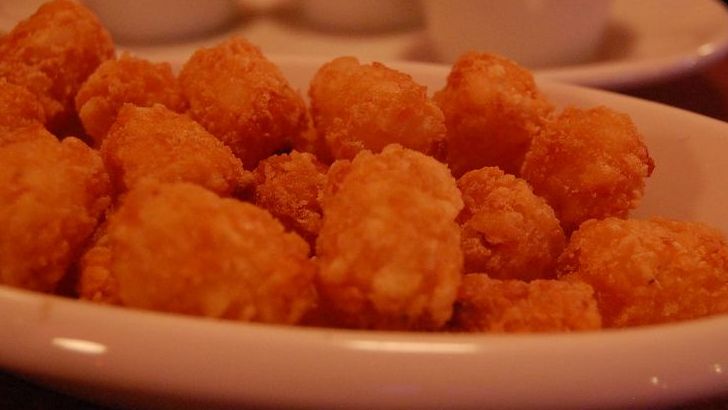
Fried potato products are the largest dietary source of acrylamide, a potential carcinogen formed at high temperatures. The highest acrylamide content was found in potatoes cooked using the air fryer, followed by deep frying and oven frying. This shocking discovery means that popular lunch items like McDonald’s fries and homemade potato wedges contain substantial amounts of this Group 2A probable carcinogen. Fast-food French fries showed high levels of acrylamide among tested foods, with studies indicating significant concentrations that exceed safe drinking water standards.
Microplastics Released from Food Packaging and Containers
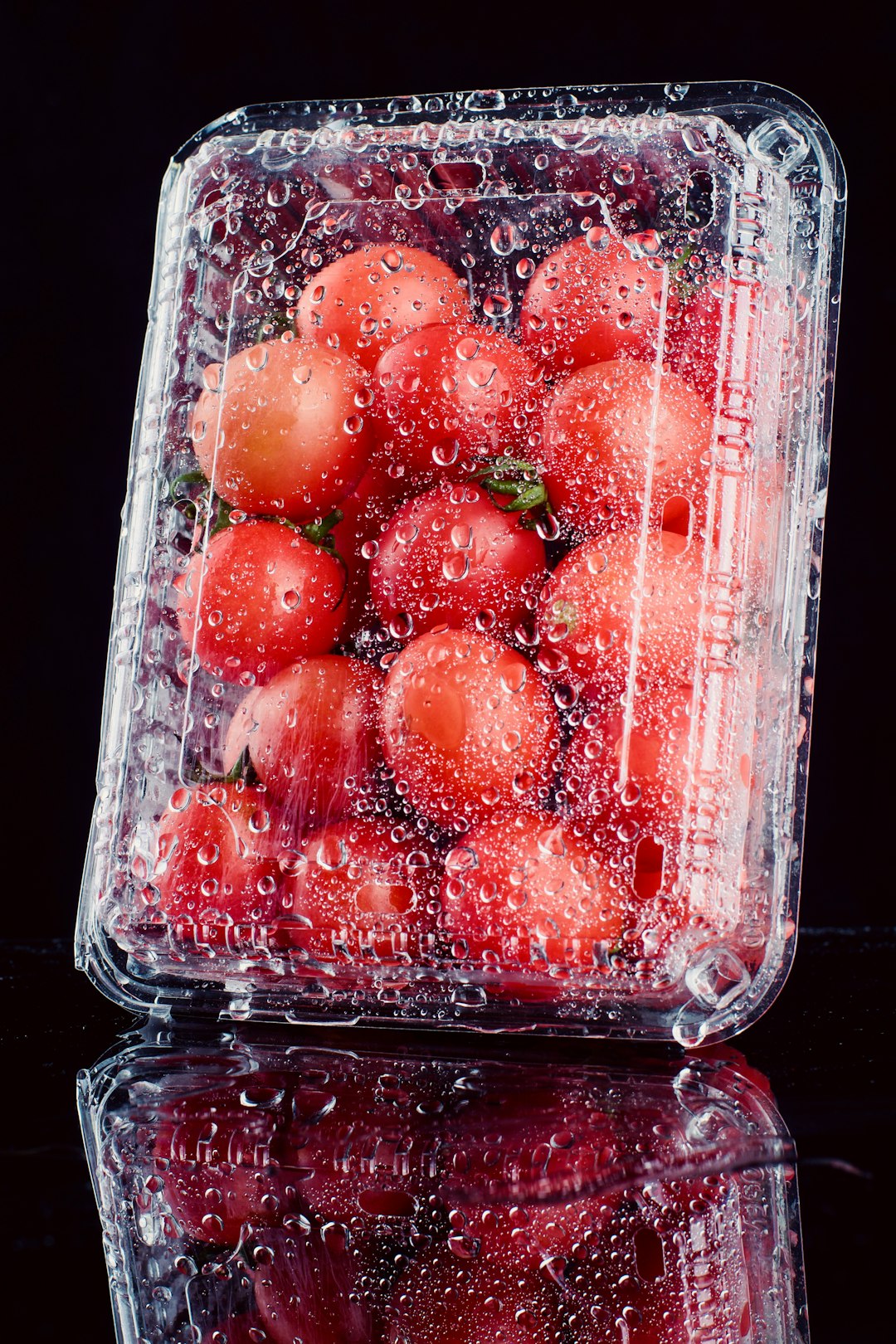
Opening and closing plastic bottle caps can release microplastics into a drink, and ripping the plastic wrap from meat or prepackaged fruit and veggies may contaminate your food with micro- and nanoplastics. Some containers could release as many as 4.22 million microplastic and 2.11 billion nanoplastic particles from only one square centimeter of plastic area within 3 minutes of microwave heating. Even seemingly safe glass jars pose risks. Glass bottles and jars with a plastic-coated metal closure may also shed microscopic bits of plastic. One study found that 96% of tested food packaging released detectable amounts of microplastics into the packaged products.
Mycotoxins in Processed Lunch Foods
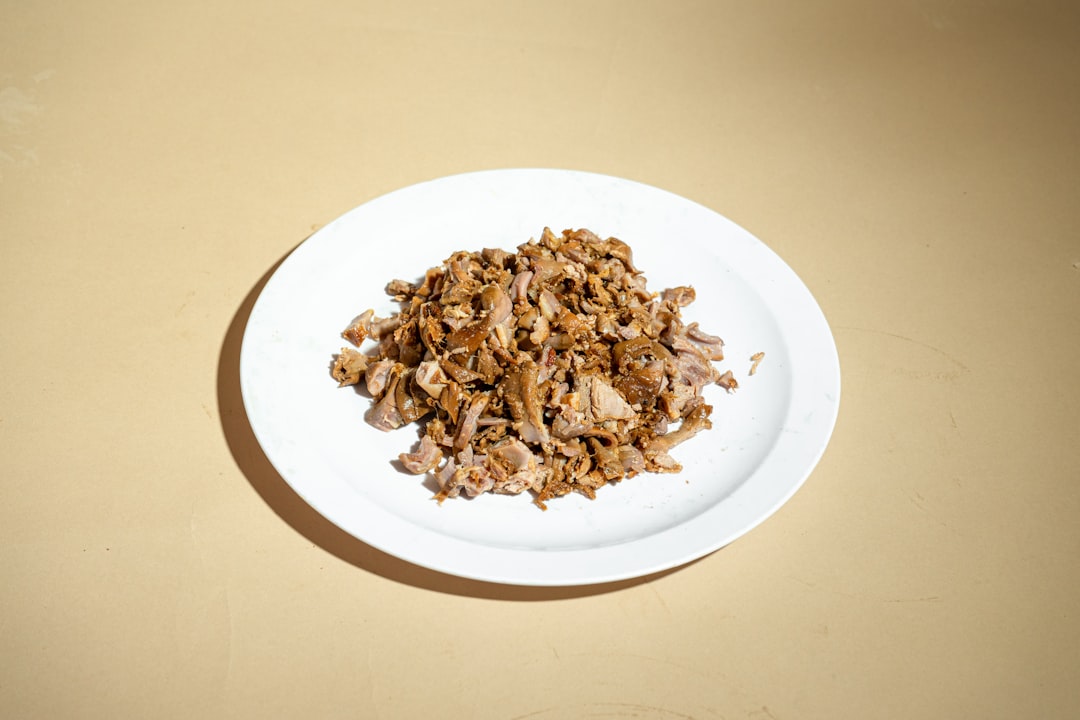
The major reasons for the production of harmful metabolites, chemicals, and toxins are poor processing, inappropriate storage, and microbial spoilage, which are lethal to consumers. Mycotoxins represent a particularly insidious threat because they develop naturally during food processing and storage. These toxic compounds frequently contaminate grains, nuts, and dried fruits commonly found in lunch boxes and prepared meals. A study published in 2024 proposed a tiered hazard-prioritization and risk-ranking approach for assessing mycotoxin exposure risks, which may become a promising tool for quantifying and prioritizing health risks in support of human health risk management.
Heavy Metals and Chemical Residues in Lunch Vegetables
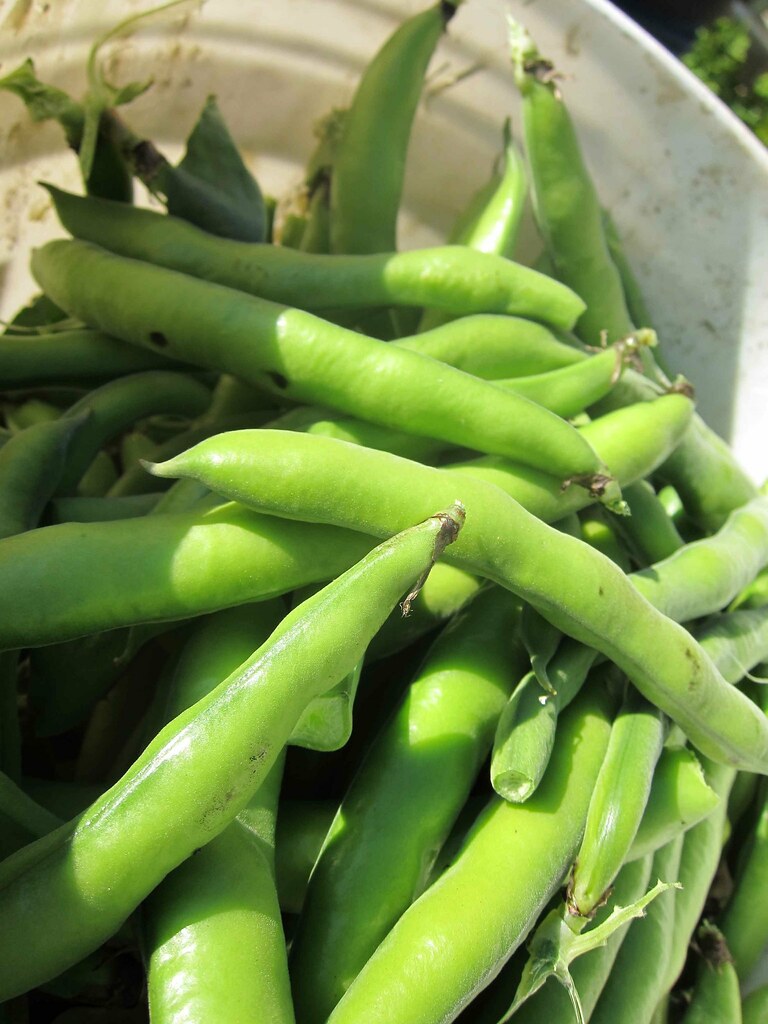
Scientists identified the most toxic mix of concerning pesticides in green beans, spinach, bell and hot peppers, kale, collard and mustard greens. These vegetables, often praised as healthy lunch options, carry dozens of pesticide residues that enter our bodies through contaminated produce. Car tires contain hundreds of chemical additives that can leach out of them, and this is how they end up in crops and subsequently in the food chain. The contamination pathway extends far beyond traditional agricultural chemicals, encompassing industrial pollutants that accumulate in our food supply through environmental exposure.
Natural Plant Toxins in Common Foods
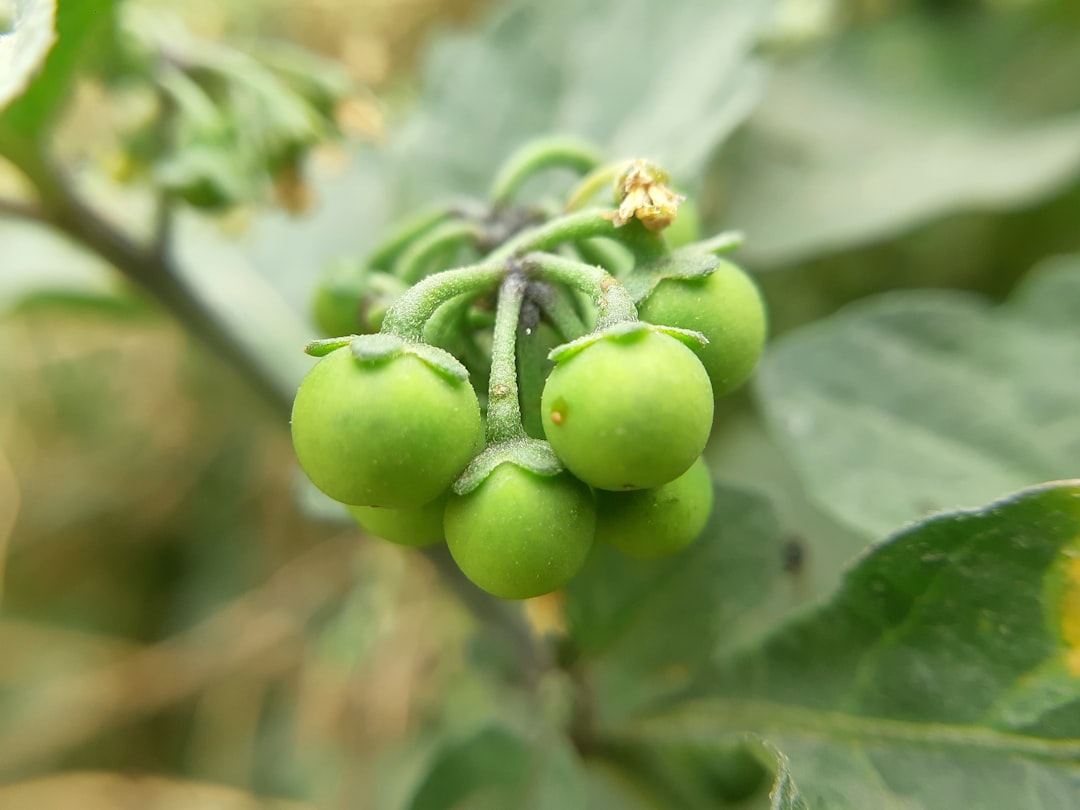
It is less well known that many foods also contain toxins of completely natural origin, which are often chemical compounds that plants use to ward off predators such as insects or microorganisms. These substances are found in beans and potatoes, for example, and can pose potential health risks. Popular lunch ingredients like kidney beans, lima beans, and potatoes contain lectins, glycoalkaloids, and other naturally occurring compounds that become toxic when improperly prepared or consumed in large quantities. Many people unknowingly expose themselves to these risks through inadequately cooked beans or sprouted potatoes in their daily meals.
Undeclared Allergens in Processed Lunch Items
Undeclared allergens/ingredients was the single biggest cause for recalls, totaling 101, or 34% of the year’s recalls. Recalls for undeclared allergens in foods have accounted for a significant portion of food recalls in recent years. This represents a hidden danger for millions of people with food sensitivities who rely on processed lunch foods. Cross-contamination during manufacturing processes means that products labeled as allergen-free may still contain trace amounts of nuts, dairy, or gluten that can trigger severe reactions. The prevalence of these undeclared allergens makes every packaged lunch item a potential health hazard for susceptible individuals.
Chemical Additives in Ultra-Processed Lunch Foods
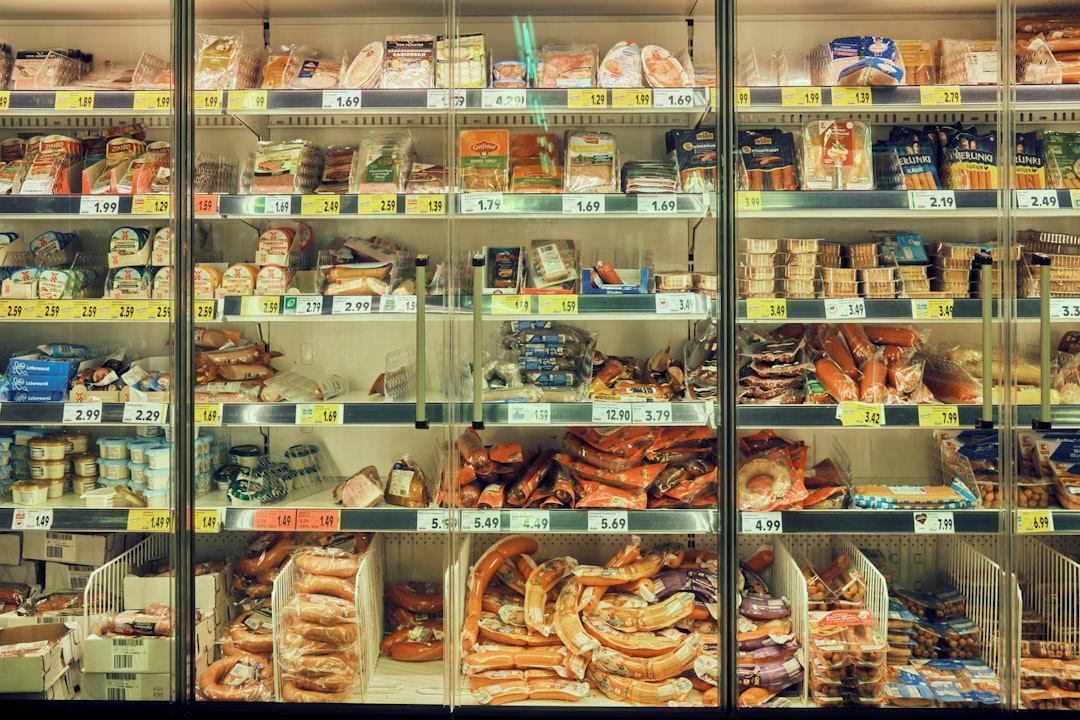
Frozen pizza, ready-to-eat meals, instant noodles, and many store-bought breads contain a long list of ingredients, chemical additives, and little to no “whole” foods, with data showing 53% of the calories adults consumed daily came from ultraprocessed foods between 2021 and 2023. Many of those food-processing chemicals are known to cause cancer, genetic mutations, endocrine and reproductive issues, and other health concerns, according to recent studies. These chemical preservatives, artificial colors, and flavor enhancers accumulate in our bodies over time, potentially disrupting hormonal balance and cellular function. The convenience of grab-and-go lunch options comes at the cost of exposing ourselves to a cocktail of synthetic compounds whose long-term effects remain largely unknown.
The reality of modern lunch consumption reveals a troubling pattern of hidden toxin exposure that affects millions of people daily. Recent data suggests that contaminated food continues to be a significant public health concern, with reported illnesses and hospitalizations remaining at concerning levels. These statistics underscore the growing urgency of addressing food safety concerns. What do you think about these findings? Are you ready to reconsider your lunch choices?