Which Nations Eat the Most Pasta – and Why Italy Lost the Lead, Report Finds
The pasta landscape has dramatically shifted over the past two decades, with surprising new champions emerging on the global stage. While Italy remains synonymous with pasta culture, recent market data reveals fascinating trends that challenge traditional assumptions about who truly dominates pasta consumption worldwide. These findings paint a picture of evolving food preferences, changing demographics, and the powerful influence of convenience in modern dining.
Italy Still Reigns Supreme in Per Capita Consumption
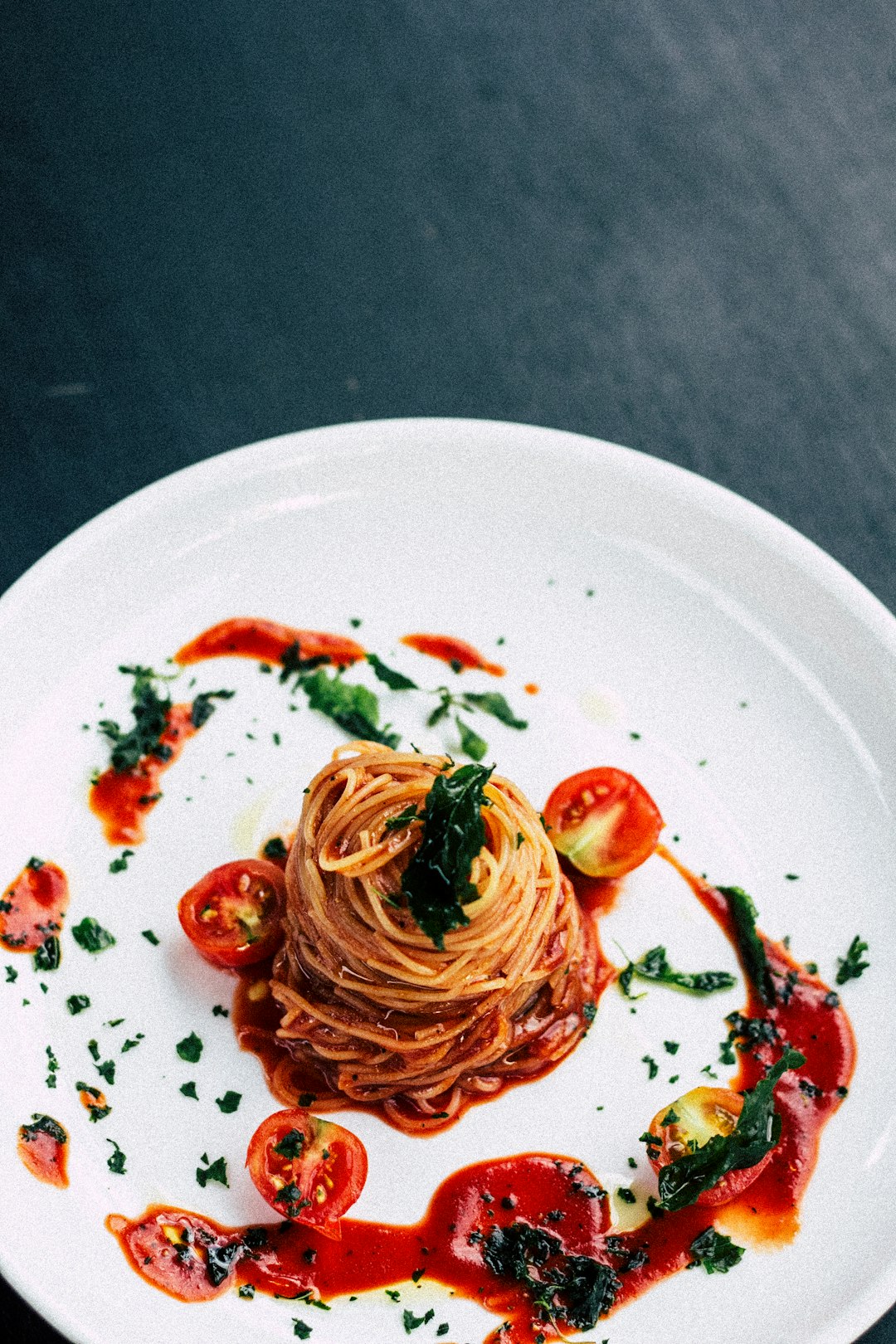
Italy topped the list, with its citizens consuming an average of 23 kilograms of pasta annually. This remarkable figure underscores the deep cultural connection Italians maintain with their beloved staple food. According to a survey, 17 percent of Italian respondents said they eat pasta six to seven times a week. Another 30 percent of respondents stated they have pasta four to five times a week.
This consumption pattern reflects generations of culinary tradition where pasta isn’t merely food but a cornerstone of Italian identity. Domestic consumption remains the world’s highest – 23.3 kg per capita annually, demonstrating that despite global market changes, Italians haven’t wavered in their pasta devotion.
Tunisia Emerges as an Unexpected Runner-Up
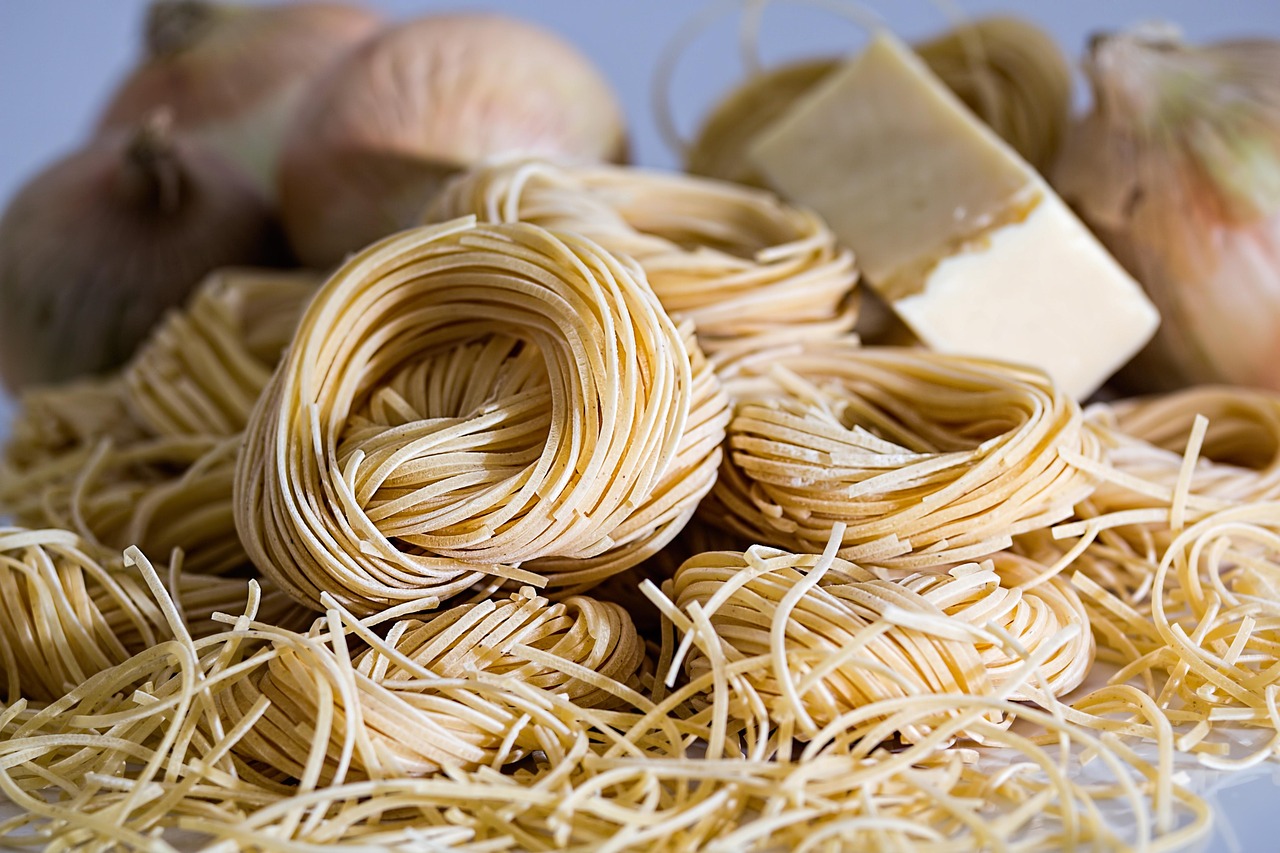
Tunisia ranked second with a per capita consumption of 17 kilograms. This positioning might surprise many who wouldn’t immediately associate North African cuisine with pasta consumption. The strong showing reflects historical Mediterranean connections and the adoption of Italian culinary influences in the region.
Tunisia’s impressive consumption rate demonstrates how pasta has transcended its Italian origins to become truly international. The country’s strategic location between Europe and Africa has likely facilitated this cultural food exchange, making pasta a significant part of local dining habits.
China Dominates Total Volume Despite Lower Per Capita Rates

China remains the largest pasta products consuming country worldwide, accounting for 15% of total volume. This positioning represents a fundamental shift in global pasta dynamics. Moreover, pasta products consumption in China exceeded the figures recorded by the second-largest consumer, the United States (572K tons), twofold.
China’s dominance stems from its massive population rather than individual consumption habits. China’s pasta products market continues its growth trajectory valued at $2.4 billion in 2024. The market is forecast to expand to 1.8 million tons worth $2.9 billion by 2035. This growth trajectory suggests pasta is becoming increasingly integrated into Chinese food culture.
The United States Claims Second Place in Global Volume
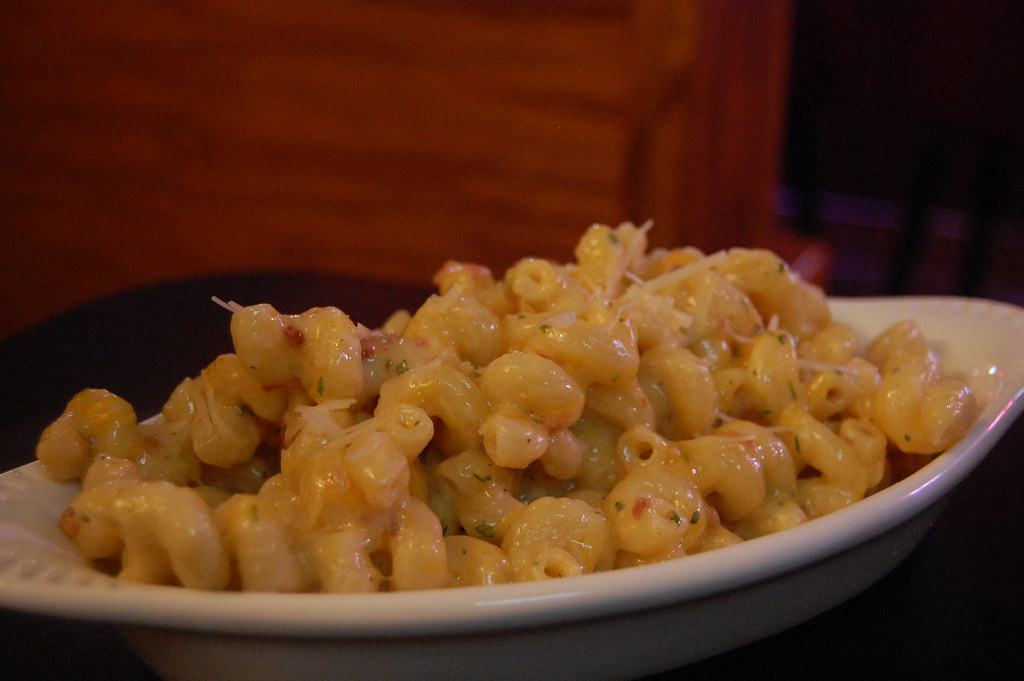
The countries with the highest volumes of consumption reportedly were China, the United States and India, with a combined 30% share of global consumption. America’s substantial pasta consumption reflects the country’s diverse population and strong Italian-American cultural influences that have made pasta a mainstream staple.
In the United States, pasta consumption continues to grow significantly, driven by the rising demand for ready-to-cook and easy-to-store products. This convenience factor has proven crucial in maintaining pasta’s popularity among busy American households seeking quick meal solutions.
India’s Surprising Third-Place Finish
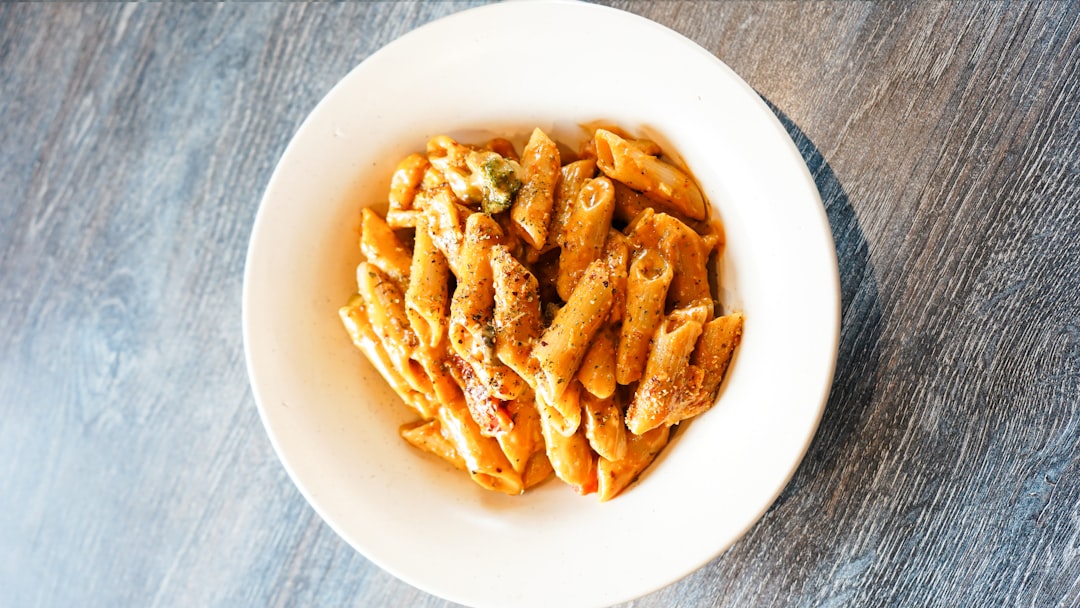
India ranked third in terms of total consumption. This development represents one of the most significant shifts in global pasta consumption patterns. India’s emergence reflects changing dietary preferences among urban populations and the growing influence of Western cuisine in metropolitan areas.
The Indian market’s growth has been particularly noteworthy given pasta’s relatively recent introduction to traditional Indian cooking. Asia-Pacific presents lucrative investment potential as urbanization and Western food trends fuel demand; countries like China and India reported double-digit growth in pasta imports in 2024.
Europe Maintains Market Leadership Despite Italy’s Per Capita Crown

In 2023, Europe represented approximately 40% of the global pasta market, and it is expected to maintain its leading position over the forecast period, with a steady CAGR of around 3.5%. Europe continues to dominate the pasta market, accounting for the largest share of global consumption.
Germany leads pasta consumption in Europe due to strong retail distribution and increasing demand for organic and gluten-free variants. The market is valued at USD 3.55 billion in 2025, supported by growing health-conscious consumer preferences. This shift toward premium and specialty pasta products indicates evolving consumer sophistication across European markets.
North America Shows Remarkable Market Value Growth
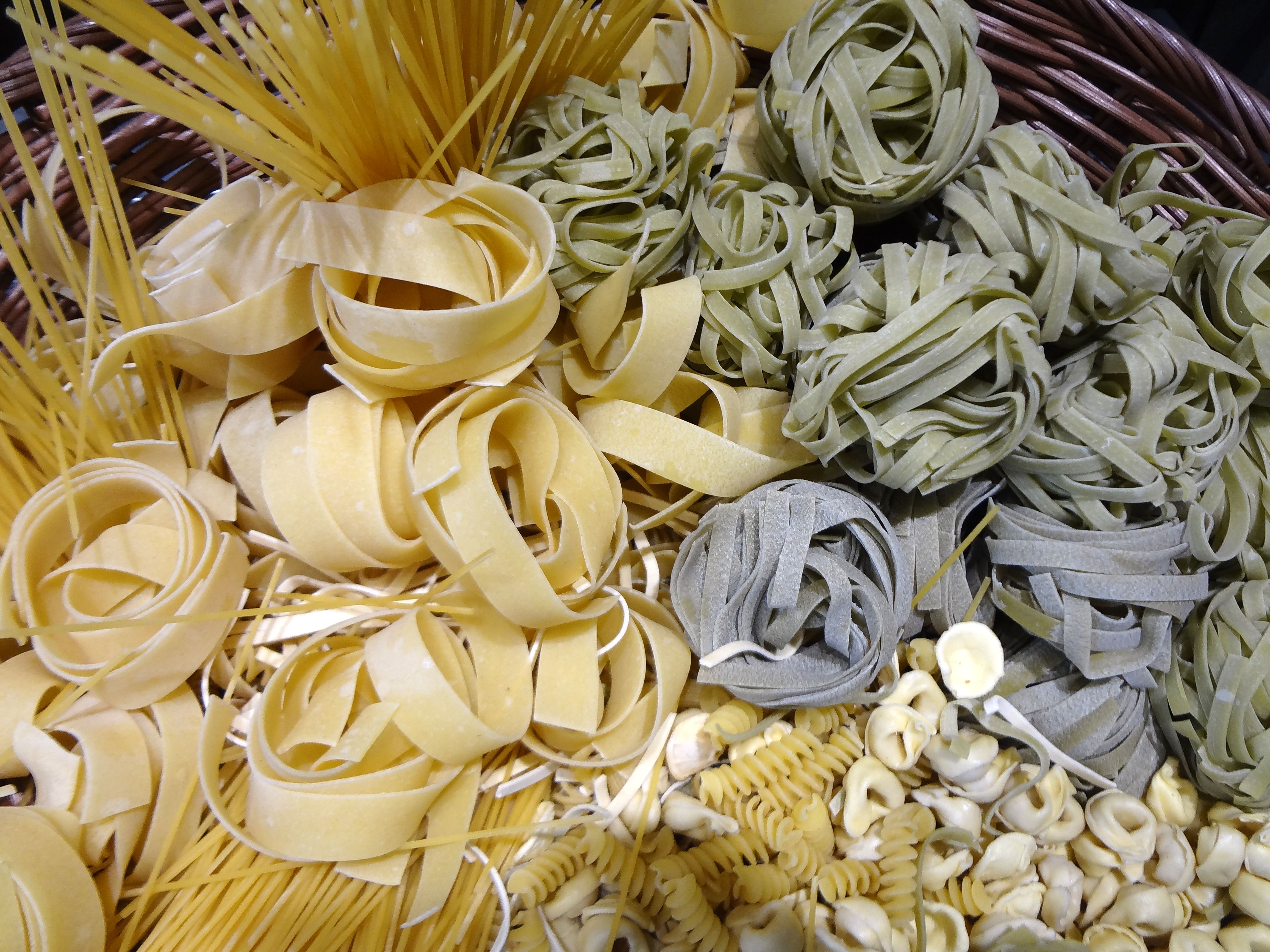
North America follows closely, reaching USD 27.97 billion in 2025. The U.S. is the largest national market at USD 24.71 billion in 2025. These figures demonstrate that while North America may not lead in consumption volume, it represents tremendous market value due to premium pricing and specialty products.
American consumers increasingly gravitate toward artisanal, organic, and health-focused pasta varieties. As per the Bureau of Labor Statistics, in 2023, 64.2% of the American population was employed, an increase from 63.8% in 2022, indicating growth in the number of working professionals. This employment growth has driven demand for convenient, high-quality pasta products among time-pressed consumers.
Convenience Foods Drive Global Pasta Market Expansion
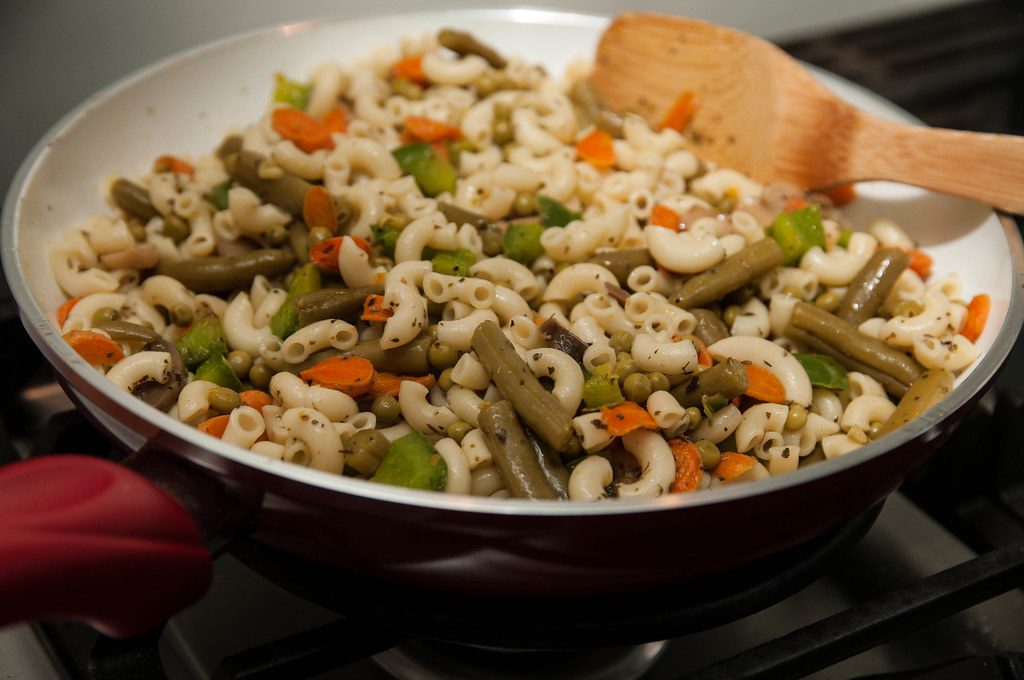
Modern lifestyles are becoming fast-paced, leaving little time for elaborate meal preparation. This trend is pushing consumers toward convenience foods that are quick to prepare and need little cooking time. Pasta, due to its fast cooking time and adaptability, is increasingly favored by families, busy professionals, and students.
Meal kits featuring pasta are on the rise, with about 22% of urban households in the US using meal kit subscriptions that often include pasta dishes. This trend highlights how pasta manufacturers are adapting to modern consumption patterns by creating products that align with contemporary lifestyle demands.
Health Consciousness Reshapes Pasta Preferences
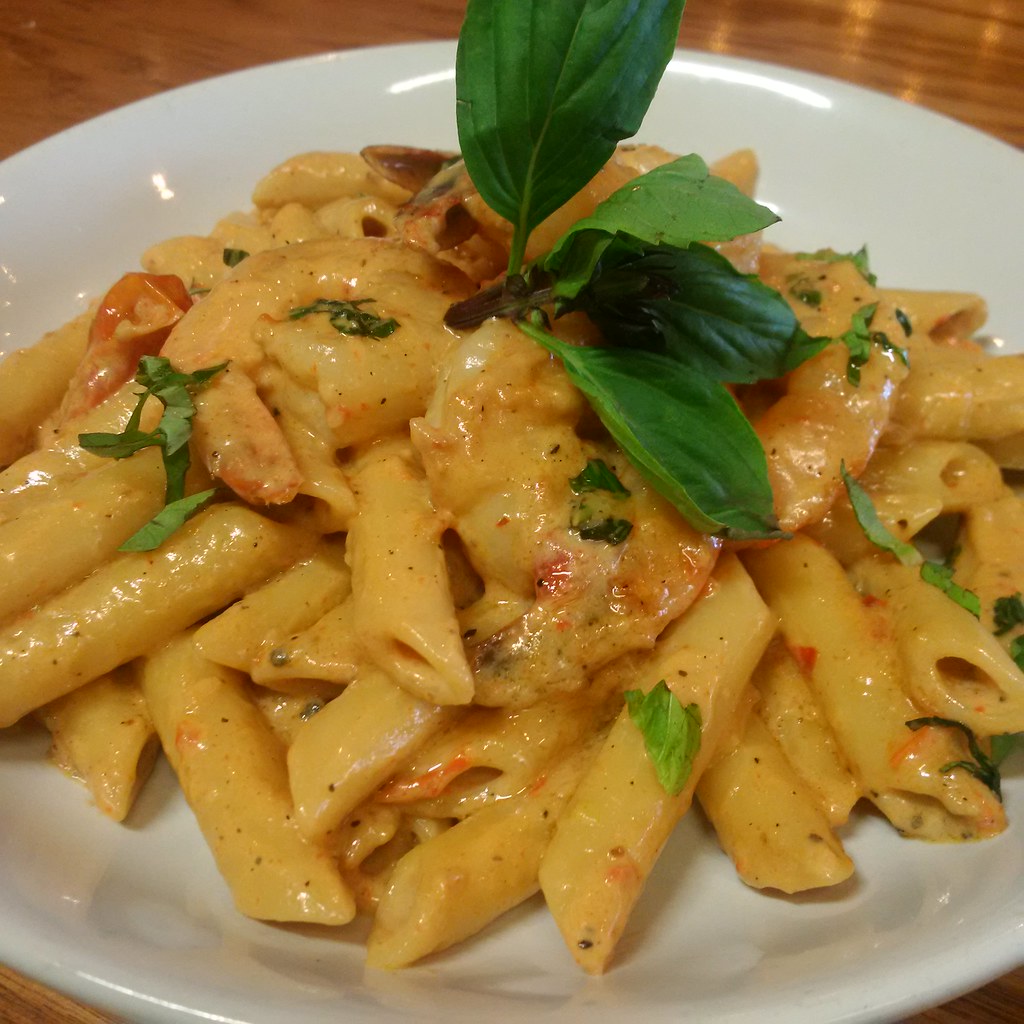
In 2024, nearly 18% of all new pasta products launched in Europe were gluten-free, catering to the rising cases of gluten intolerance and celiac disease. Another major trend is the increasing preference for organic and clean-label pasta, with around 15% of consumers in North America opting for pasta made with non-GMO ingredients.
Fiber-enriched pasta is gaining popularity as it offers reduced cooking time, better cooking quality, and improved nutritional quality. Dietary fiber is widely recognized for its role in disease prevention and overall health benefits, leading to its increased incorporation into pasta products. These developments demonstrate how health trends are transforming traditional pasta manufacturing and marketing strategies.
Technology and Sustainability Drive Industry Innovation
Sustainability is shaping packaging trends too; over 35% of new pasta products introduced globally in 2025 featured recyclable or biodegradable packaging. Environmental consciousness has become a significant factor in consumer purchasing decisions, prompting manufacturers to invest heavily in sustainable production methods.
For instance, Barilla, a prominent Italian pasta manufacturer, has reformulated its Protein+ line using 100% plant-based ingredients, which were previously used to contain egg whites for higher protein content. Such innovations reflect the industry’s response to changing dietary preferences and environmental concerns while maintaining product quality and appeal.
The pasta industry’s evolution reveals a fascinating paradox where Italy maintains its per capita consumption crown while losing ground in total market influence to population giants like China and the United States. This shift reflects broader globalization trends, changing lifestyles, and the universal appeal of pasta as both comfort food and convenient meal solution. Looking ahead, success in the pasta market will likely depend on balancing tradition with innovation, sustainability with convenience, and local tastes with global trends.
What surprises you most about these pasta consumption patterns? The data certainly challenges many assumptions about who truly leads the global pasta market today.