9 Foods Other Countries Ban but Americans Still Eat All the Time
Ever wonder why your favorite cereal looks different when you spot it on a grocery shelf in Europe? Or why your go-to sports drink from home can’t be found anywhere across the pond? The gap between what Americans eat daily and what other countries deem unsafe has never been wider. While you might assume that the U.S. has the strictest food regulations on the planet, you’d be surprised to learn that’s far from reality. The truth is, dozens of ingredients that fill American pantries are banned, restricted, or heavily warned against in nations worldwide. Let’s dive in.
Citrus-Flavored Sodas with Brominated Vegetable Oil
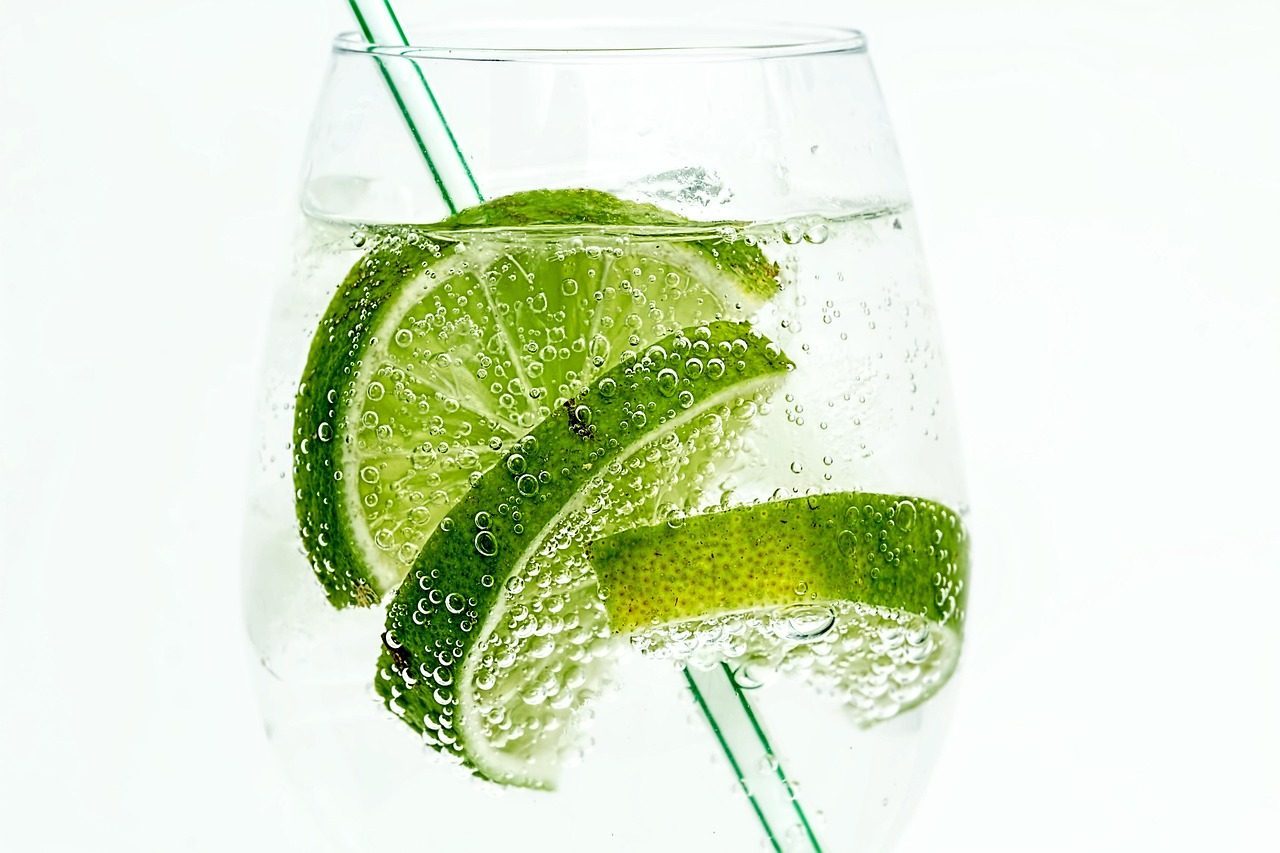
Think about that bright orange soda or citrus-flavored energy drink you grabbed from the gas station. Chances are, it contained something called brominated vegetable oil until very recently. BVO is an emulsifier often used in sports and carbonated drinks to allow liquids to bind together more easily, keeping the citrus flavoring suspended instead of floating to the top. Sounds convenient enough, right?
Here’s the problem. BVO can build up in the body and cause neurological problems, hyperthyroidism, and cancer. The European Union banned it decades ago. Japan followed suit. India banned it in 1990. Yet up until July 2024, BVO was still approved for use by the FDA. That’s right – Americans were drinking this stuff in their Mountain Dew and other citrus sodas for years after most of the world said no way.
The FDA concluded that the intended use of BVO in food is no longer considered safe after the results of studies conducted in collaboration with the National Institutes of Health found the potential for adverse health effects in humans. Though the ban is now official, products containing BVO may still linger on shelves, so it pays to read those labels.
Artificial Food Dyes in Candy and Cereal
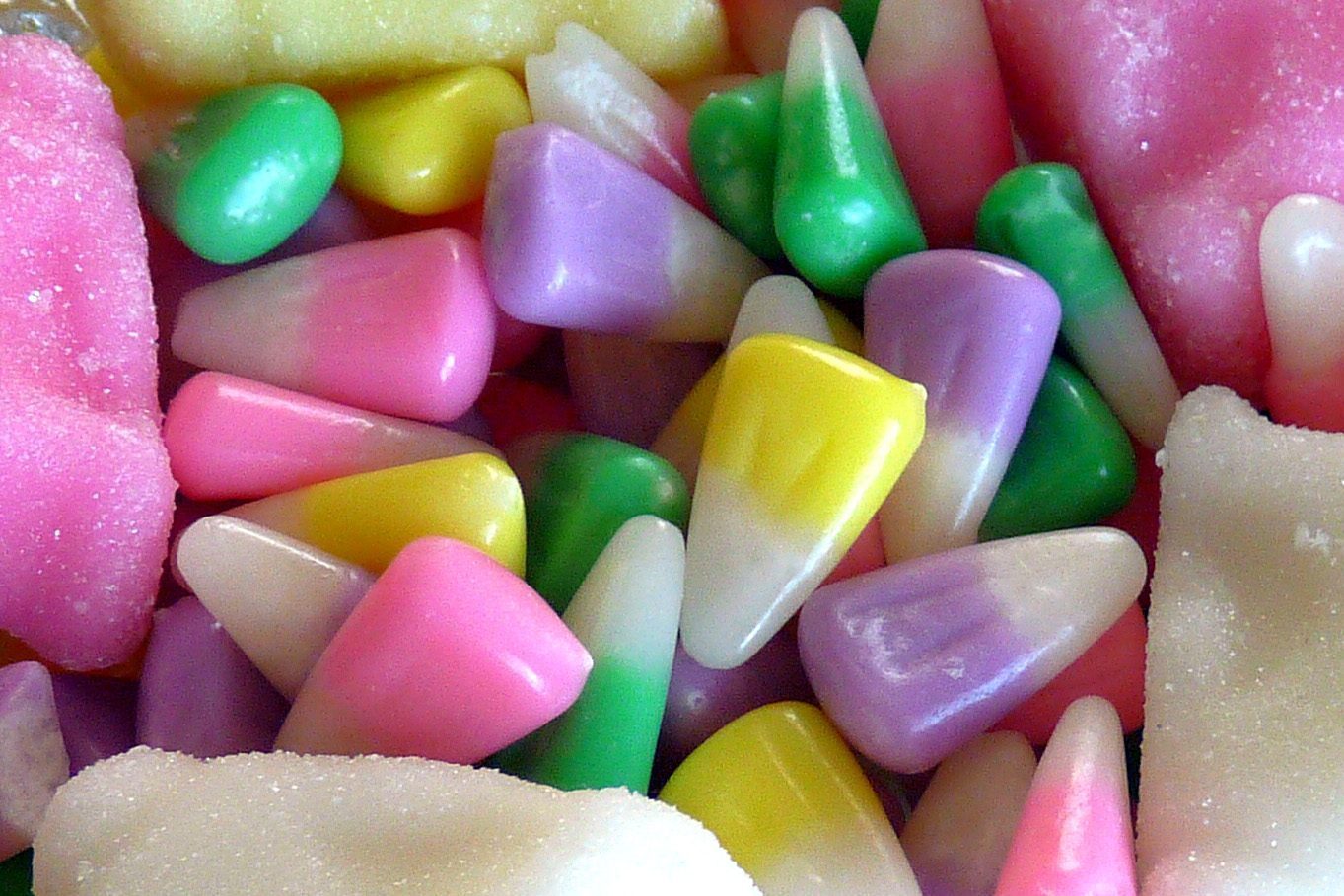
Colorful breakfast pastries contain food dyes Yellow 5, Yellow 6, and Red 40, which are still deemed safe to eat domestically but are require warning labels in the European Union. Walk down any American grocery aisle and you’ll see a rainbow of unnaturally bright foods aimed squarely at kids. From neon-colored cereals to candy that practically glows, synthetic dyes are everywhere.
Europe takes a different stance. The EU requires the coloring agents to come with a warning label when sold in stores that says the dyes could cause an adverse effect on activity and attention in children. Many European food manufacturers simply reformulated their products using natural colorings instead of dealing with those warnings. Interestingly, the same companies often sell artificially dyed versions to Americans while offering cleaner formulations abroad.
Red 3 is a chemical that FDA itself determined in 1990 causes cancer when eaten by animals, but in 2024, it is still authorized for use in food. It’s been in countless candies, baked goods, and even some rice products for decades. In October 2024, the FDA announced a ban on the use of Red Dye No. 3 in all foods and ingested drugs, with enforcement scheduled to begin on January 15, 2027, for foods. Better late than never, some might say.
Chlorine-Washed Chicken

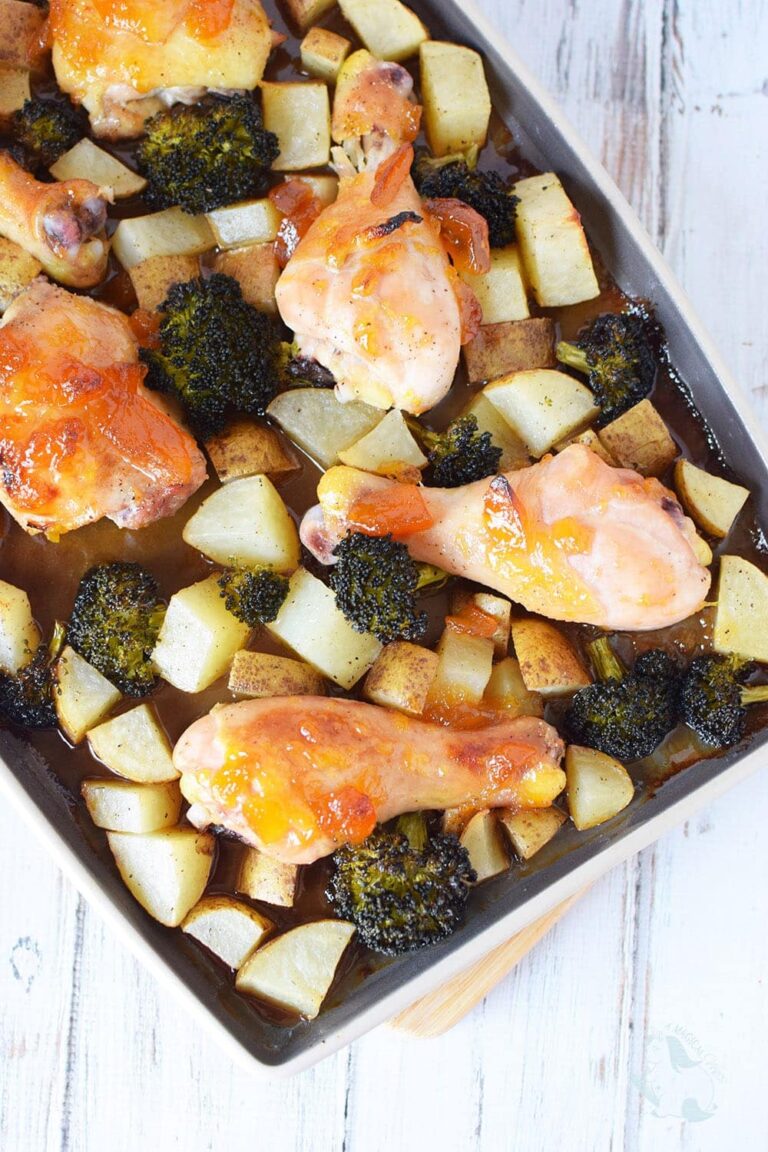
US chicken has been banned in the EU since 1997 because of this chlorine washing process. Picture this: after chickens are slaughtered in American processing plants, their carcasses get rinsed in a chlorine solution to kill bacteria like Salmonella and E. coli. Washing the chickens in a strong chlorine solution provides a brash, cost-effective method of killing any microorganisms on the surface of the bird.
European regulators aren’t worried about the chlorine itself being toxic at those levels. The real fear is that heavily soiled birds may not be sufficiently disinfected, and that relying on chlorine washing could lead to poorer hygiene standards overall, so EU officials banned chickens washed in chlorine as a deterrent to poor practices. Essentially, they view it as a band-aid covering up substandard farming conditions rather than fixing the root problem.
Less than 5% of poultry processing facilities still use chlorine in rinses and sprays, according to the National Chicken Council, with most now using organic acids like peracetic acid. Still, the U.K. and European Union are still off limits because they don’t allow any chemical treatment of their poultry. The philosophical divide remains wide.
Farm-Raised Salmon with Synthetic Coloring
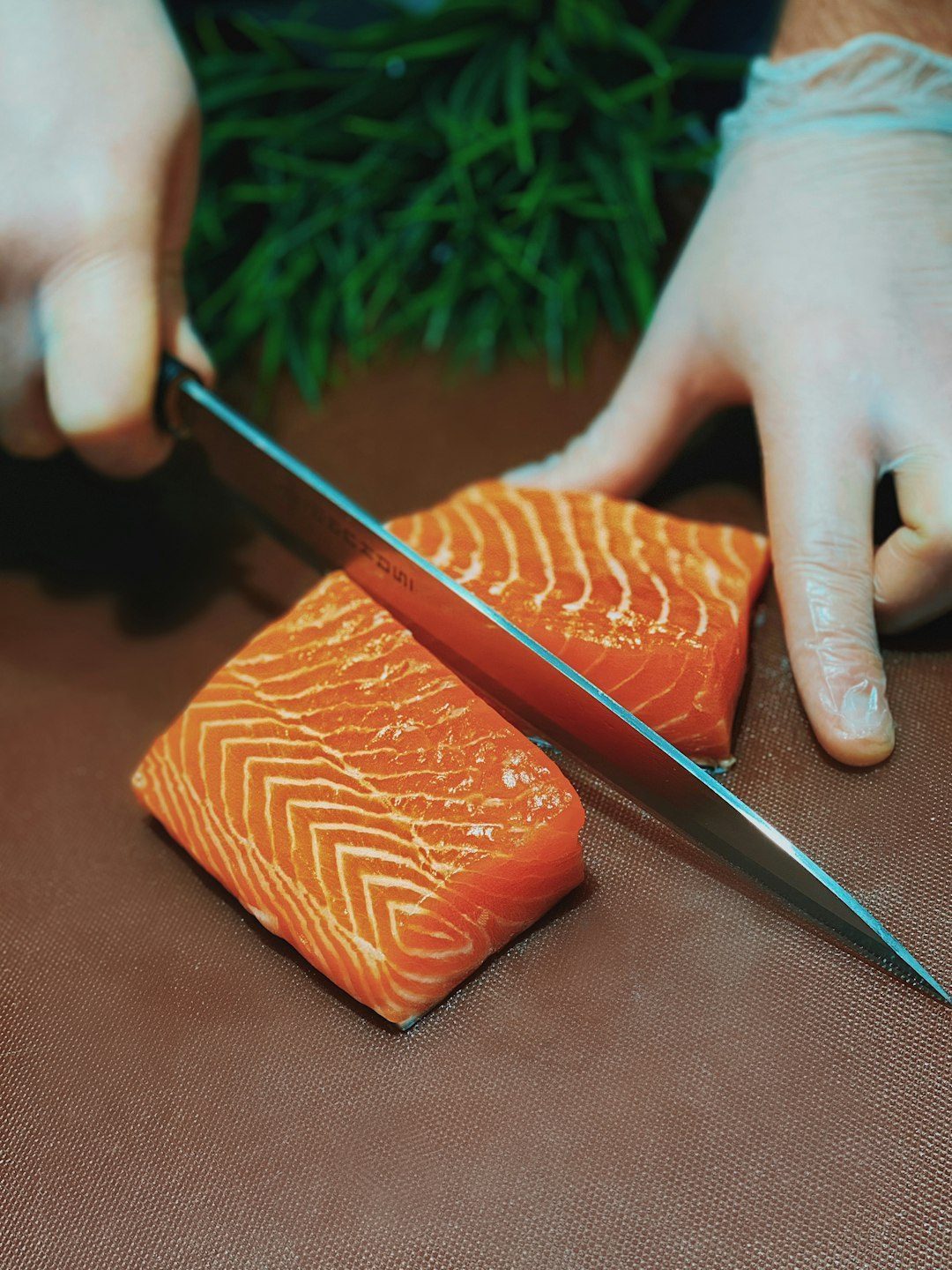
Salmon is supposed to be healthy, right? Wild-caught salmon gets its pinkish-orange color naturally from its diet. Farm-raised salmon, though, is a different story. In the US, farmed salmon is given processed feed and injected with antibiotics, dioxins, and a synthetic chemical called astaxanthin to give the fish its reddish-orange color. Without that added color, the flesh would be an unappetizing gray.
These additives may cause health concerns . The synthetic coloring is derived from petrochemicals, not from the natural sources wild salmon consume. Yet American grocery stores are filled with this artificially enhanced fish, often labeled simply as “Atlantic salmon” without any indication of how it got that appealing hue.
Honestly, it’s a bit unsettling when you realize the color we associate with fresh, healthy salmon might just be clever marketing backed by chemical additives. Next time you’re at the seafood counter, it’s worth asking whether that salmon is wild-caught or farm-raised.
Pork and Beef Treated with Ractopamine
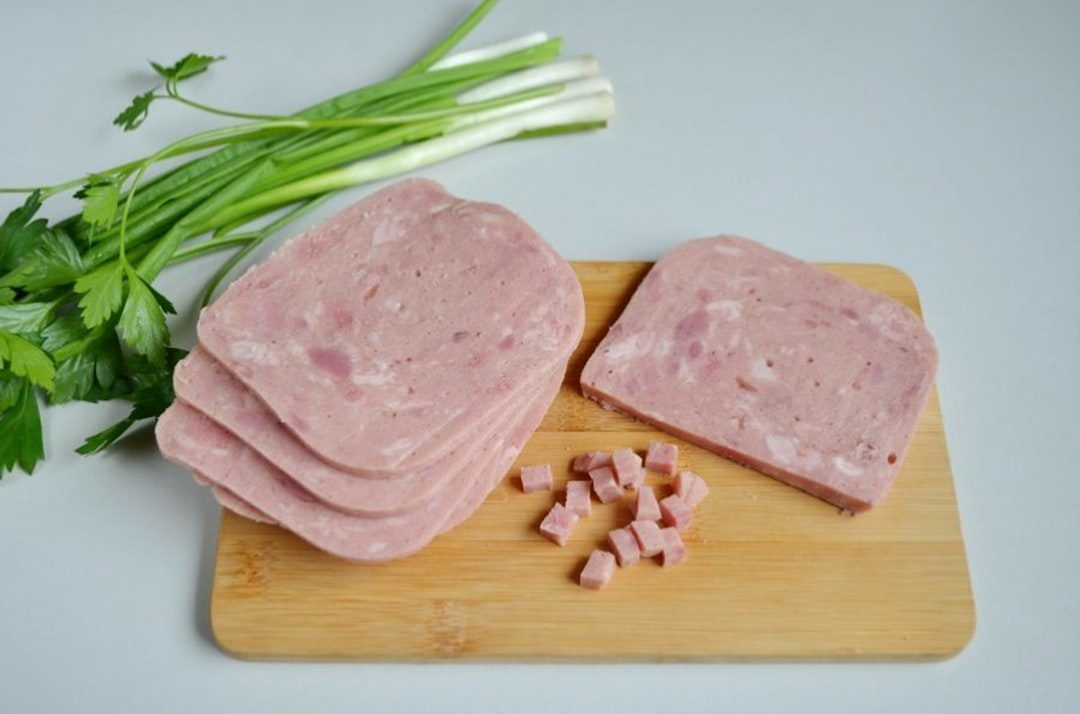
American pigs are often given ractopamine, a livestock feed additive that’s used to increase muscle mass while maintaining lean. This drug makes animals grow bigger, faster, with more lean meat – a win for producers looking to maximize profits. The problem? When this growth stimulant is passed onto us, it can cause cardiovascular stress, tremors, behavioral changes, and more harmful health effects.
As of 2025, the use of ractopamine is banned or its use restricted in 168 nations, including the European Union, China and Russia. That’s an overwhelming majority of the world saying this additive is too risky. Meanwhile, the U.S. pork industry feeds it to an estimated 60 percent to 80 percent of American pigs to rapidly boost growth rates.
The FDA approved ractopamine for use on pigs after just one human health study – an evaluation of six young, healthy men, one of whom dropped out because his heart began racing and pounding abnormally. That’s a pretty small sample size for something consumed by millions. If you buy pork at your local supermarket, chances are high it came from a ractopamine-treated animal.
Bread and Baked Goods with Potassium Bromate

Ever notice how soft and fluffy some American bread is compared to European varieties? Part of that texture magic comes from potassium bromate, a dough conditioner that makes bread rise higher and gives it that perfect, pillowy consistency. Bakers love it because it improves the overall quality and appearance of baked goods.
Potassium Bromate is another suspected carcinogen, used to improve texture in breads and other baked goods. The chemical has been linked to cancer in animal studies, which is why it’s been banned across the European Union, the United Kingdom, Canada, and several other countries. California recently moved to restrict it as well.
Yet walk into nearly any American bakery or grocery store, and you’ll find products made with potassium bromate sitting right there on the shelf. There’s no requirement to label it prominently, so most consumers have no idea they’re eating it. It’s one of those ingredients that quietly does its job while raising serious questions about long-term safety.
Skittles and Candies with Titanium Dioxide
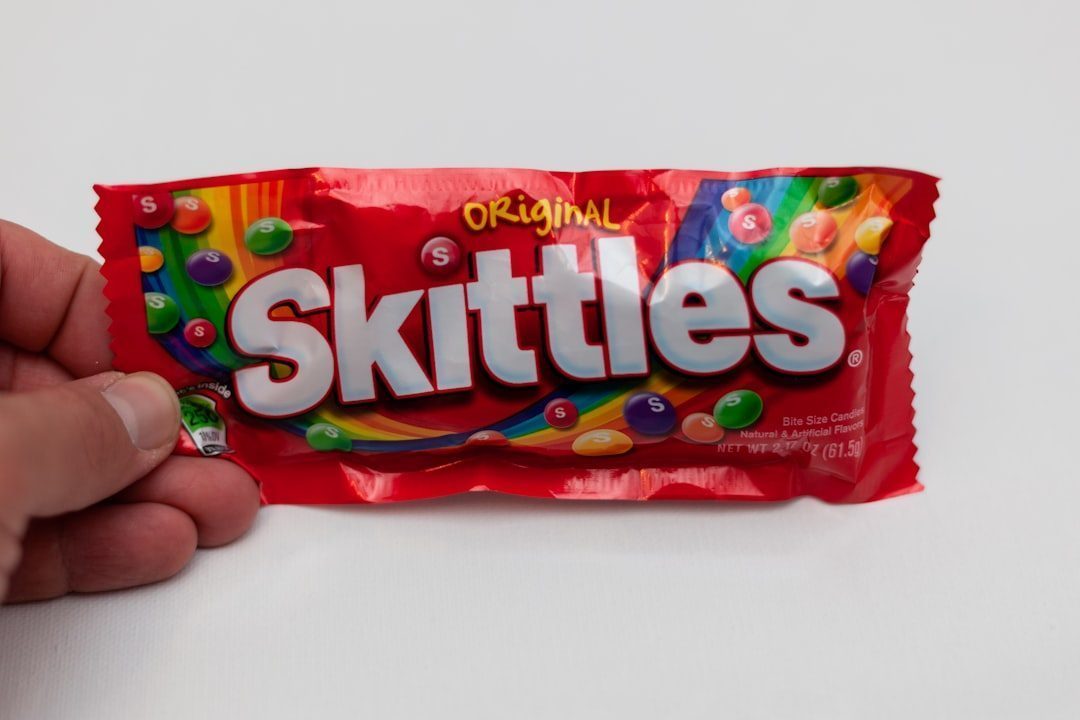
That bright white coating on your favorite candies? It might contain titanium dioxide, a chemical also used in paint and sunscreen to create a brilliant white color. The European Commission banned the food additive titanium dioxide, also known as E171, in 2022 after the European Food Safety Authority could not rule out the risk that the additive could have a carcinogenic effect on humans.
The FDA still allows it in the United States, though California has taken steps to ban it from foods sold in the state. Titanium Dioxide can potentially impact DNA and was found in products like Hostess Cupcakes and Little Debbie Oatmeal Cream Pies. It’s especially concerning because children consume many of these brightly colored treats.
Food companies argue that titanium dioxide is safe at the levels used in food. Critics point out that the chemical can accumulate in the body over time, and not enough research has been done on its long-term effects. Let’s be real – if Europe decided the risk wasn’t worth it, maybe we should pay attention.
Processed Meat Products with Added Nitrates and Nitrites
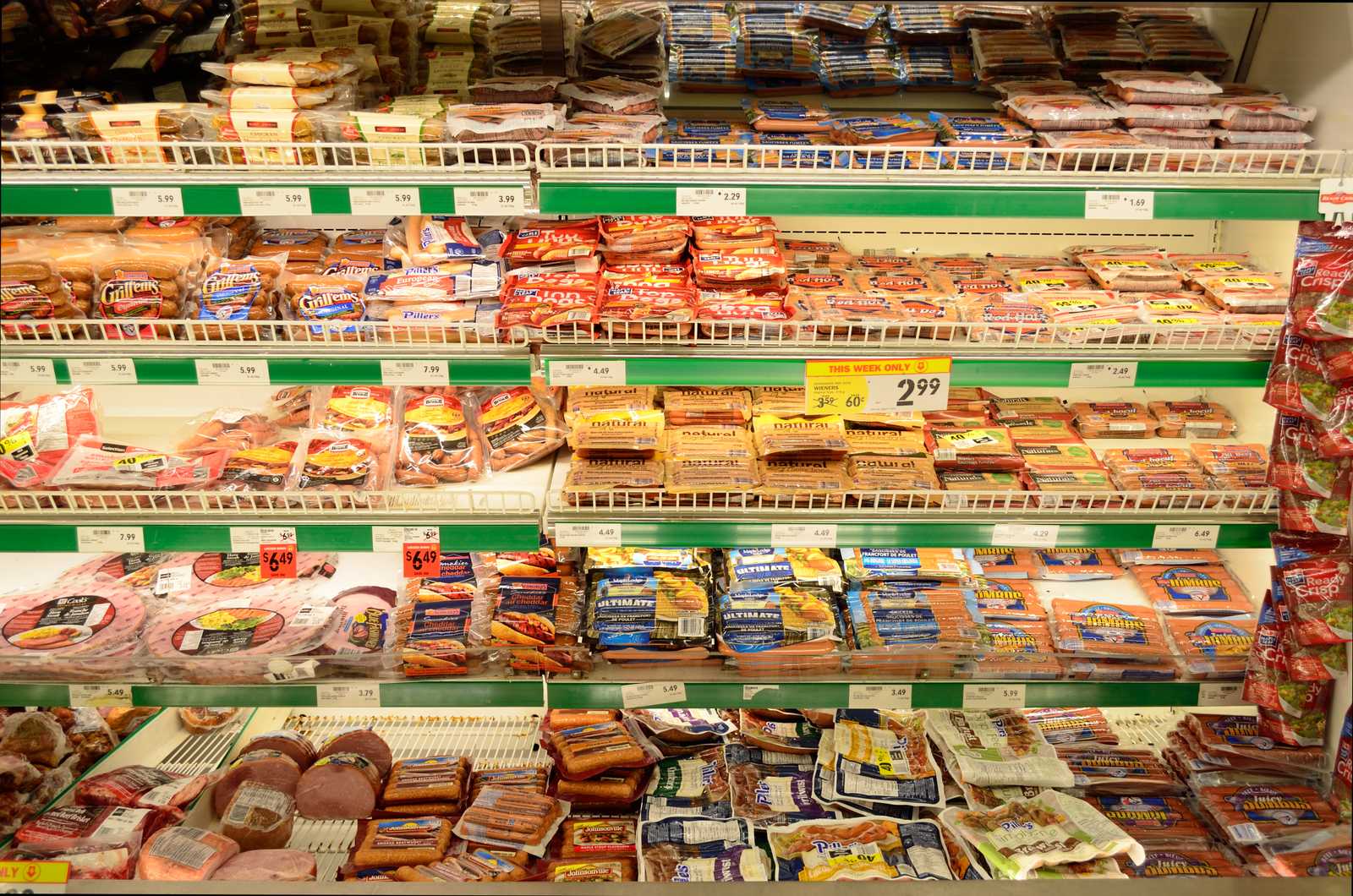
Hot dogs, deli meats, bacon – Americans love their processed meats. These products often contain sodium nitrate and sodium nitrite, which preserve the meat’s color and prevent bacterial growth. They’re the reason your bacon stays that appealing pink-red color instead of turning gray.
The problem is that when these chemicals are heated or digested, they can form compounds called nitrosamines, which are known carcinogens. While many countries allow limited use of nitrates and nitrites, several have implemented much stricter regulations than the United States. Some European nations require labeling or have pushed manufacturers toward nitrate-free alternatives.
American regulations, by contrast, remain relatively lax. You can find nitrate-laden processed meats everywhere from school cafeterias to high-end delis. The World Health Organization has classified processed meat as a Group 1 carcinogen, the same category as tobacco. Yet consumption in the U.S. continues unabated, with little public awareness of the risks.
High-Fructose Corn Syrup in Nearly Everything
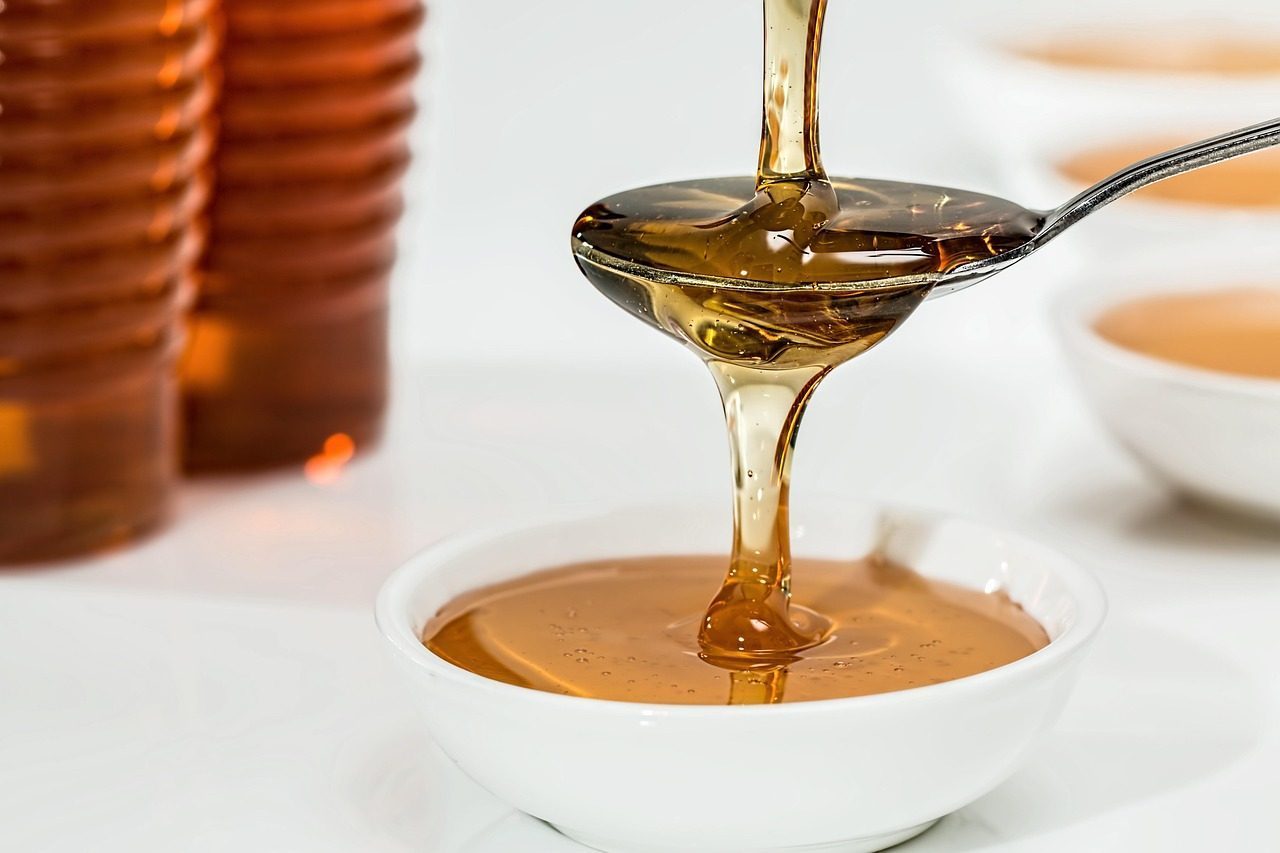
High-fructose corn syrup is linked to a variety of ailments like obesity and Type 2 diabetes, and while it isn’t banned specifically in any country, the U.K. and some European countries have restricted the products and placed them under quota limitations. It’s cheaper than regular sugar, so American food manufacturers dump it into everything from soda to bread to salad dressing.
Europe, on the other hand, heavily restricts the use of high-fructose corn syrup through production quotas, making it far less common in European foods. Their food industry relies more on cane sugar and other sweeteners. The difference is stark when you compare ingredient labels on similar products sold in the U.S. versus Europe.
Health experts have been sounding the alarm about high-fructose corn syrup for years. Studies link it to metabolic disorders, fatty liver disease, and increased inflammation. Yet American consumers guzzle it down daily, often without realizing just how much they’re consuming. It’s hidden in products you’d never expect, making it nearly impossible to avoid unless you read every label obsessively.
Understanding the Bigger Picture
The reality is that the United States takes what’s called a “reactive” approach to food safety – ingredients are considered safe until proven harmful. RFK Jr. noted that the FDA allows hundreds of additives into our chemical food supply that are banned in other countries. Europe, by contrast, follows the precautionary principle: if there’s any reasonable doubt about safety, it’s restricted or banned until proven safe.
While other nations enforce stricter regulations to protect public health, the US often takes a more lenient approach, allowing additives and practices that many experts deem questionable. This fundamental difference explains why your grocery cart looks so different from what someone in France or Germany might buy.
Corporate lobbying plays a huge role too. Food companies spend millions influencing regulations and fighting against restrictions on profitable ingredients. It’s easier and cheaper to keep using controversial additives than to reformulate products. Until consumer demand forces change – or states like California step in with their own bans – many of these ingredients will remain fixtures in American food.
So what can you do? Start reading labels. Choose whole foods whenever possible. Look for products that specifically state they’re free from artificial colors, flavors, and preservatives. It takes effort, but knowing what you’re putting in your body is the first step toward making healthier choices. What do you think – are we too trusting of our food system, or is this all overblown caution? The evidence speaks for itself.